
Jeff Preiss
NYFF50: Views from the Avant-Garde
October 4 - 8, 2012
Stop
1995-2012 | USA | 120m | 16mm transferred to SD video | color | sound
Stop
1995-2012 | USA | 120m | 16mm transferred to SD video | color | sound |
STOP is a feature-length chronicle distilled from 2500 100-ft rolls of 16mm film shot between 1995 and 2011—organized sequentially by numbered lab rolls of camera negative into four half-hour parts.
It operates around the conventions of home movies: the images are of my own life and in classic home-movie tradition the alternating subjects of family, friends and travel are set by the filmstrip with absolute chronological certainty.
I took it as a self imposed rule to preserve this material chronology—in part to keep the reference to film literal after a digital conversion—but more essentially to find the cuts through a perspectival lineup of time, giving them an equivalent to the fated randomness that operates within a shot once the camera’s engaged.
Subjects repeat in cycles while others form internal episodes: an investigation of architectural cinematography commissioned by Rem Koolhaas, the founding and three-year program of the gallery ORCHARD, the events of September 11 and the shocked atmosphere of the city afterwards. But as home-movie impulses dictate, the central subject is my child.
Among the stops referred to in the title, one was the act of assigning an end within the accumulating mass of my personal archive—so that a film could be possibly shaped. Many converging threads of ends and transformations were candidates: the nearing end of celluloid film and the end of the 4 x 3 video standard—or the end of an archival set as I approached camera roll #2500. But most evident was the quintessential end of nearly all home-movie cycles: the awkward end of my child’s prepubescence—in this case hinging on a heroically decisive transformation of gender expression.
It was not until this particular end was in sight that I began to consider the possibility of illusionary synchronized sound. Maybe the spring-driven Bolex I used exclusively had made too convincing a case as the sole-silent technology—but now moved by the connection-disconnection of the two media channels somehow mirroring the fit/non-fit of the body, I started assigning alternating sections to be post-synchronized—and having on no occasion recorded sound along with the film, this required a process diametrically opposed to shooting’s immediacy, one that was entirely fictional.
Just once did I have access to sound recorded simultaneously with the image. By chance a friend was shooting video alongside and later made a gift of the material. Only a few seconds of my kid speaking directly, as if to an audience, declaring the right of gender self-determination.—J.P.


Read More
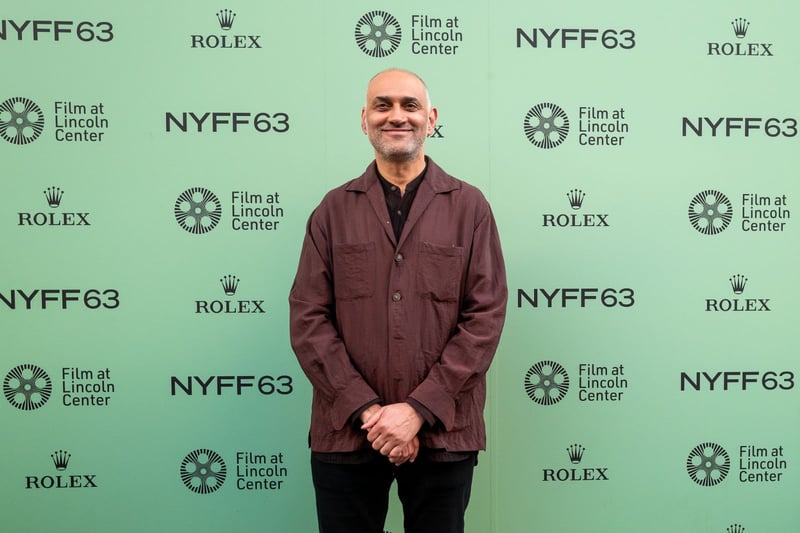
Kamal Aljafari on With Hasan in Gaza and ‘The Camera of the Dispossessed’
Our 63rd New York Film Festival Talks featured a special conversation with With Hasan in Gaza director Kamal Aljafari, moderated by Film Comment editor Devika Girish.
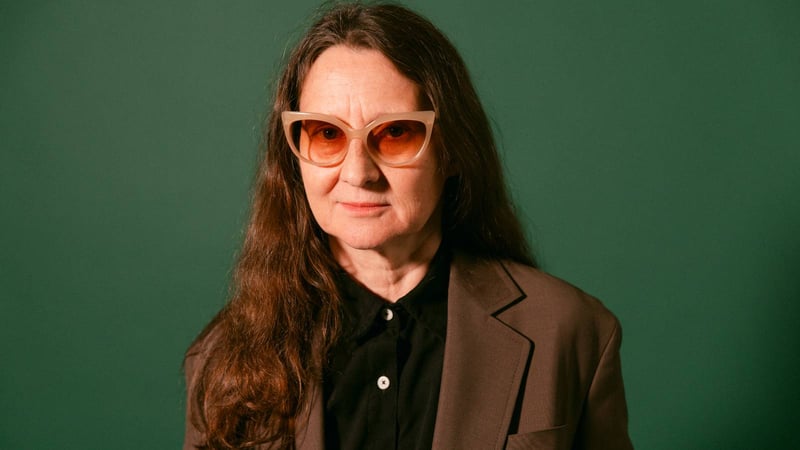
Lucrecia Martel on Our Land (Nuestra Tierra), the Filmmaker’s First Feature Documentary
On the latest episode of FLC Luminaries, our video series that spotlights talent at all levels of the filmmaking process who uplift the art and craft of cinema, Our Land (Nuestra Tierra) director Lucrecia Martel discusses her expansive and enlightening first feature documentary.
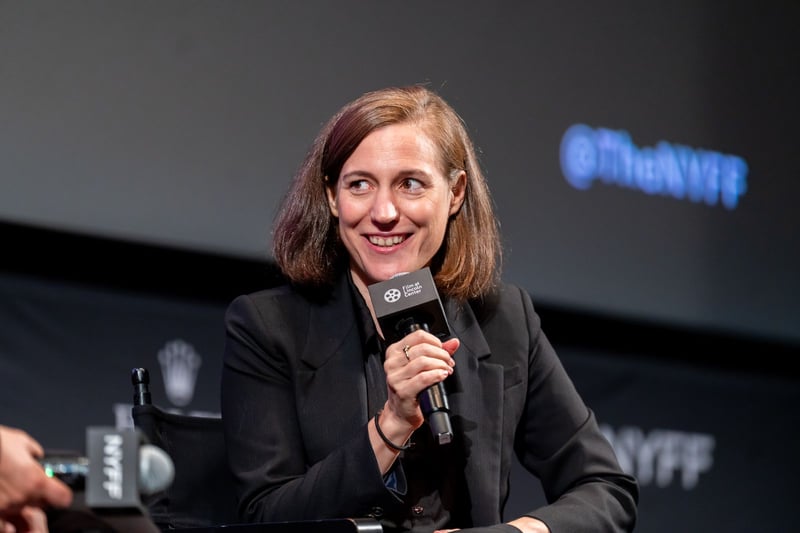
Carla Simón on Her Poignantly Autobiographical Romería
This week we’re excited to present a conversation from the 63rd New York Film Festival with Romería director Carla Simón, moderated by NYFF Main Slate selection committee member Florence Almozini.


