
Swallowtail Butterfly
New York Asian Film Festival 2016
June 22 - July 9, 2016
Swallowtail Butterfly shook the Japanese film scene 20 years ago the way Pulp Fiction rocked America. Set in the near-future, and fueled by Takeshi Kobayashi’s aggressively sexy J-pop score, this sci-fi flick posits a Japan that attracts immigrants on the hustle to earn yen—and focuses on a bunch of them who form a band, take on gangsters, lose their souls, and build a family. You only wish today’s filmmakers were brave enough to wear their hearts on their sleeves like this.
Occupying pretty much the same cultural territory in Japan that Pulp Fiction occupies in America, Iwai Shunji’s Swallowtail Butterfly is a seismic shockwave of sci-fi cool that exploded onto the Japanese film scene and electrified a generation. Near-future sci-fi shot with handheld cameras and edited to a twitchy rhythm, Swallowtail Butterfly posits an alternate history where an economically flush Japan has attracted millions of immigrants who live in the Yentown ghettos, working on the margins, always on the hustle, trying to score that yen. Pop star Chara plays, well, a pop star who achieves fame when her Yentown comrades co-opt a Yakuza cash scam and become rich enough to open a nightclub and release albums. Fueled by composer Takeshi Kobayashi’s exuberantly moody J-pop soundtrack, the violent, propulsive, sexy film sheds ideas at the speed of light about identity, ethnicity, and how money builds and how it destroys. Seeing it today is like re-reading your high-school diary: the way it wears its heart on its sleeve can be cringe-inducing, but you have to admire its willingness to lay it all on the line. You watch Swallowtail Butterfly in awe and wish that today’s filmmakers had this kind of courage, which you can have only when you’re young and in love with film.


Read More
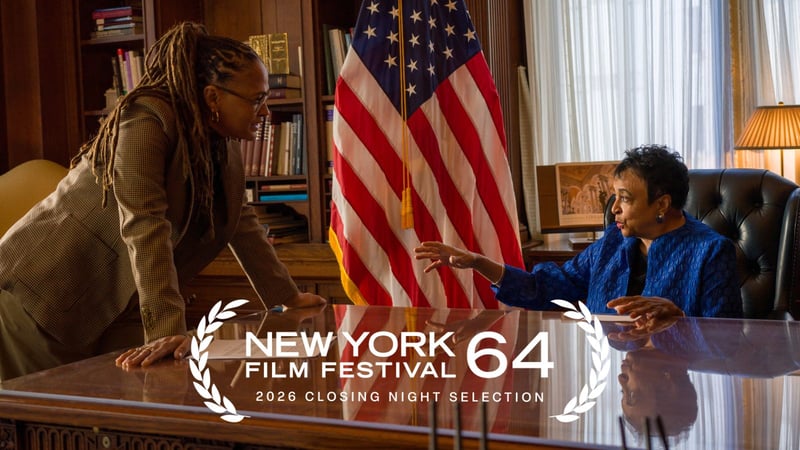
World Premiere of Ava DuVernay’s 14th Will Close the 64th New York Film Festival
Film at Lincoln Center announces Ava DuVernay’s 14th as the Closing Night selection of the 64th New York Film Festival, making its world premiere at Alice Tully Hall on Friday, October 9, with DuVernay and film participants in attendance.
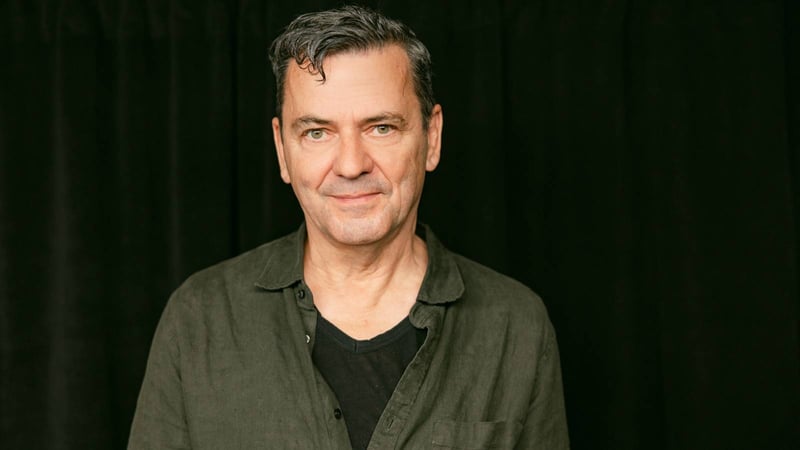
Miroirs No. 3 Director Christian Petzold on His Haunting New Film
On the latest episode of FLC Luminaries, our video series that spotlights talent at all levels of the filmmaking process who uplift the art and craft of cinema, Miroirs No. 3 director discusses his haunting, beautifully crafted new film.
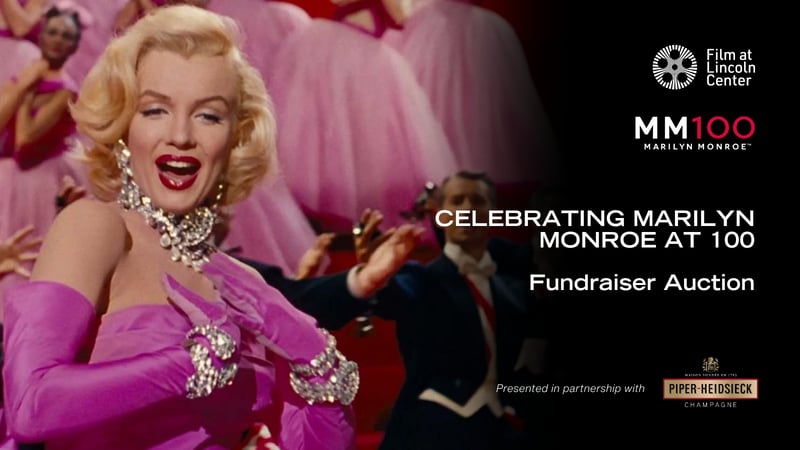
Film at Lincoln Center Launches Fundraiser Auction in Celebration of Marilyn Monroe Centennial
FLC is partnering with Piper-Heidsieck Champagne for a one-night-only special event featuring an archival 35mm print of Howard Hawks’s classic, Gentlemen Prefer Blondes. Click here to read more about the event. This special fundraiser auction features Marilyn Monroe-themed art, memorabilia, and an exclusive trip to Champagne, France, featuring a behind-the-scenes Piper-Heidsieck experience.


