FLC Announces “Frederick Wiseman: An American Institution,” a Retrospective of the Renowned Filmmaker’s Work Newly Restored in 4K
December 11, 2024
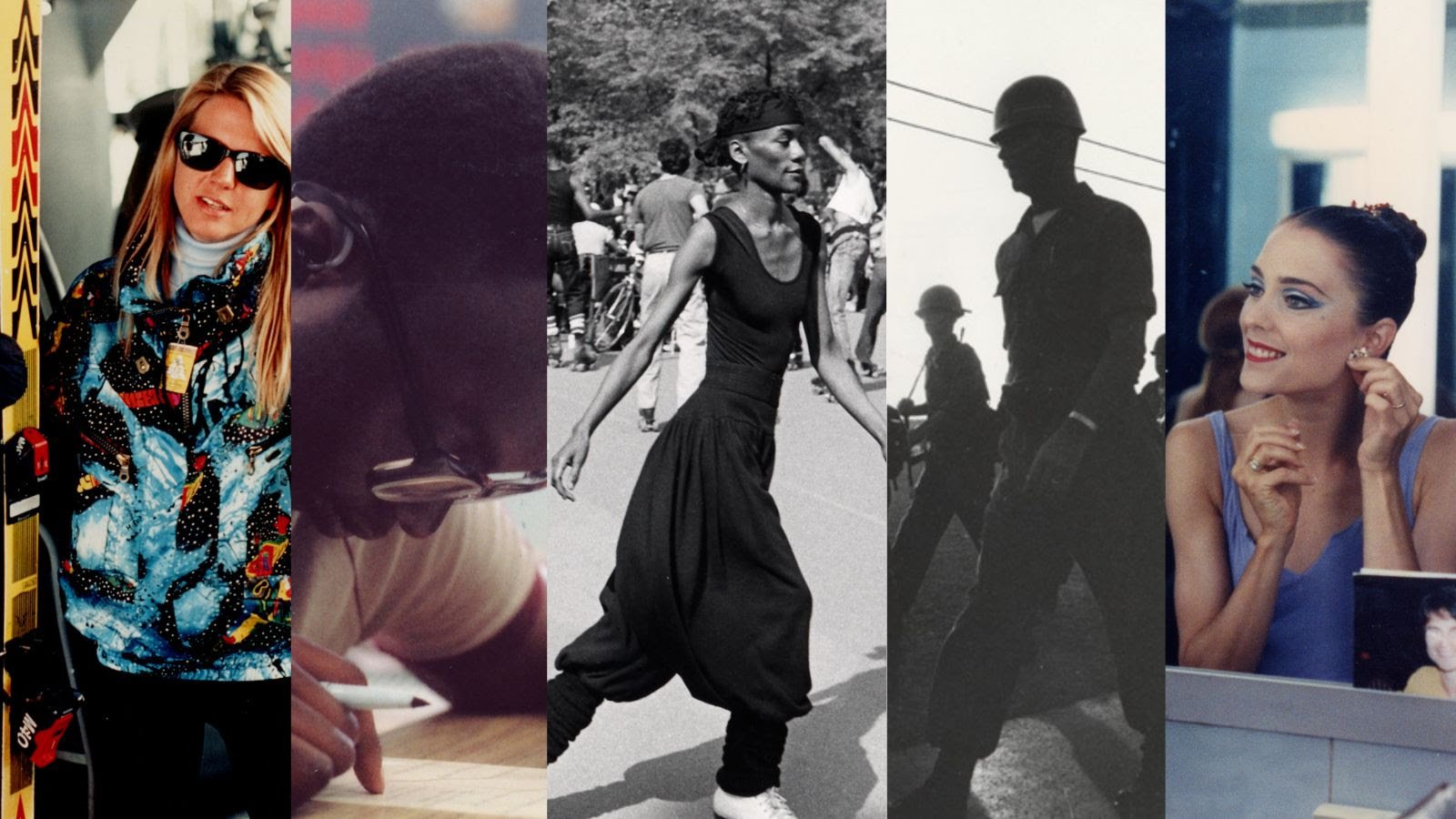
Film at Lincoln Center announces “Frederick Wiseman: An American Institution,” a retrospective featuring an extensive selection of films spanning decades of the iconic filmmaker’s prolific career, all newly restored in 4K. With 11 of Wiseman’s films having been selected for the New York Film Festival since 1967, this series signifies a celebration of the long-standing relationship between FLC and the renowned documentary filmmaker. The series will be presented from January 31 through March 5, 2025.
Beginning with his directorial debut Titicut Follies (1967), which was banned worldwide until 1991, Frederick Wiseman has been steadily constructing an unflinching, ongoing project chronicling late-20th and early-21st-century institutional life. Working with a small crew (recording sound himself alongside a cinematographer and assistant) and eschewing narration, music, or interviews, Wiseman fashioned an unassuming yet revelatory style from his peerless gift for responding quickly and intuitively to the action unfolding in his presence, no matter how contradictory and unpredictable. After shooting, he personally edits upward of 150 hours of footage into, as the filmmaker himself has put it, “fictional movies based on real, unstaged events.” But the consequences of these movies have been both immediate in their real-world reforms and monumentally influential to generations of audiences, activists, and filmmakers. Taken together, they have come to typify a cinematic practice that expresses, with unobstructed lucidity, the complexity and ambiguity of social structures and their impact on the individual, whether they are students, doctors, politicians, soldiers, fashion models, zookeepers, factory workers, Benedictine monks, or the terminally ill.
Now for the first time, 33 of Wiseman’s films—from his second feature High School (1968) to State Legislature (2006)—have been newly restored in 4K from their original camera negatives and sound elements by Zipporah Films and overseen by Wiseman throughout a five-year restoration process, serving as one of the most essential restoration projects of recent years. This winter, Film at Lincoln Center is honored to present these and more of Wiseman’s films in a robust retrospective to America’s foremost documentary filmmaker. Once limited to 16mm film prints rarely screened in theaters, these invaluable works can now be experienced in their fullest form at the Walter Reade Theater.
More information, including the screening schedule and special appearances, will be announced in January.
Organized by Florence Almozini and Tyler Wilson.
Acknowledgements
Karen Konicek, Zipporah Films; Michael Tuckman
A special Student All-Access Pass for $99 will be available in limited quantities starting December 12 at noon here. Tickets will go on sale on January 15 at noon, with an early access period for FLC Members starting January 14 at noon. Tickets are $17; $14 for students, seniors (62+), and persons with disabilities; and $12 for FLC Members. See more and save with 3+ Film Package ($15 for GP; $12 for students, seniors (62+), and persons with disabilities; and $10 for FLC Members).
FILMS & DESCRIPTIONS
Screening schedule and additional information to be announced in January.
4K Restorations
Titicut Follies
Frederick Wiseman, 1967, U.S., 84m
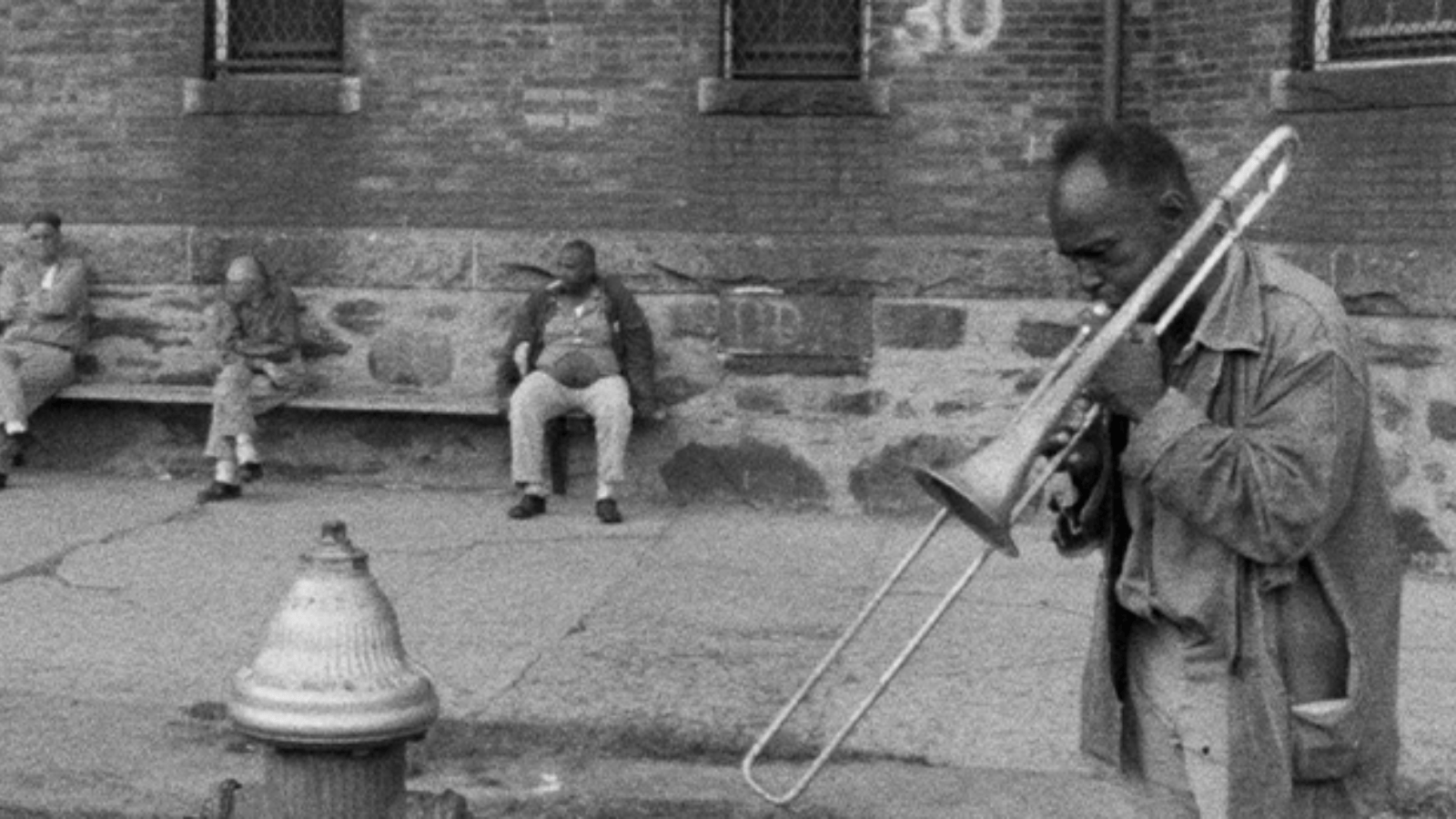
Titicut Follies
Wiseman’s first feature is a stark and graphic portrayal of the conditions that existed at the State Prison for the Criminally Insane at Bridgewater, Massachusetts. Titicut Follies documents the various ways the inmates are treated by the guards, social workers, and psychiatrists. An NYFF5 selection.
High School
Frederick Wiseman, 1968, U.S., 74m
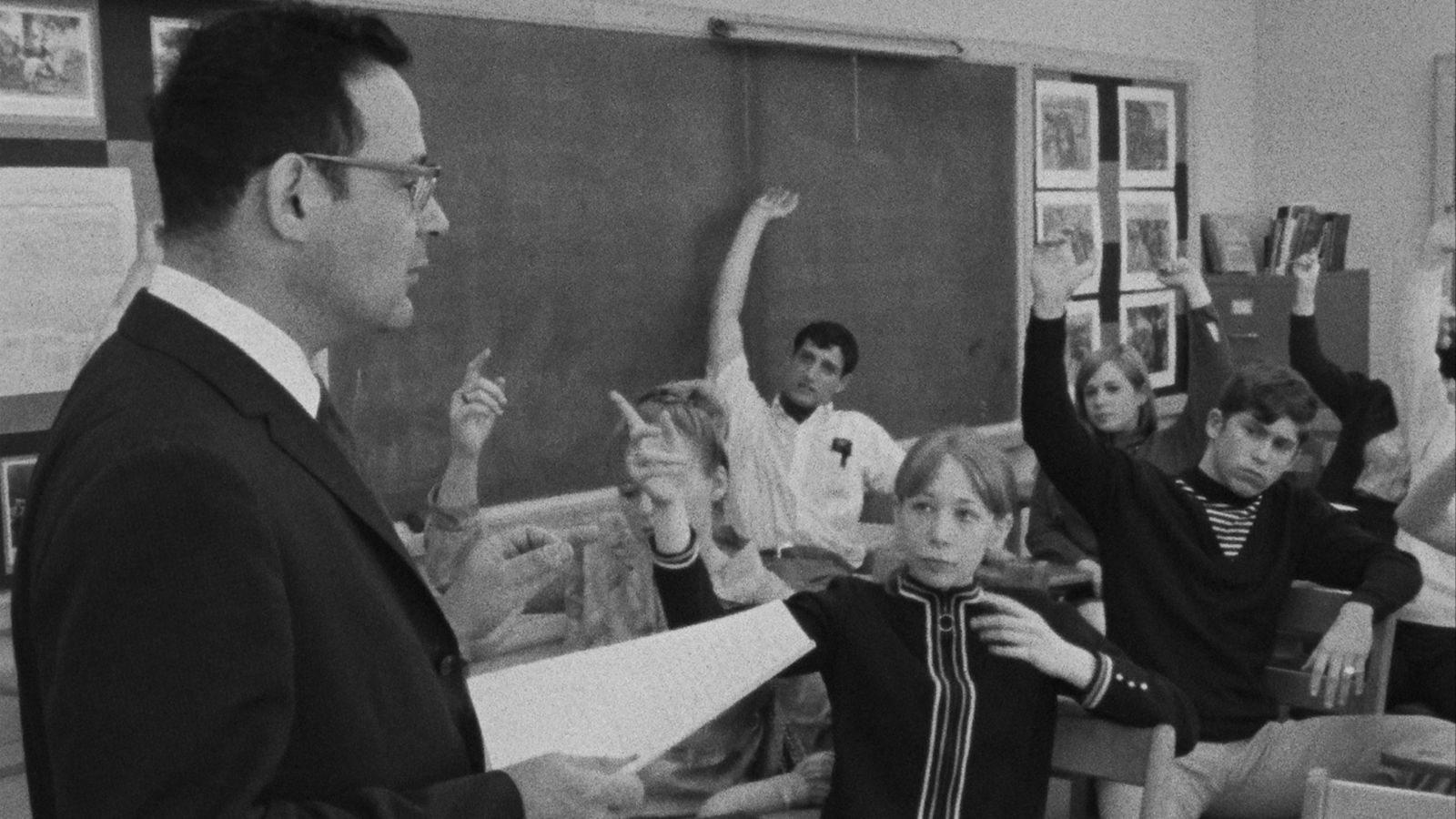
High School. Courtesy of Zipporah Films.
Filmed at a large urban high school in Philadelphia, High School documents how the school system not only exists to pass on “facts” but also transmits social values from one generation to another. An NYFF7 selection.
Law and Order
Frederick Wiseman, 1969, U.S., 81m

Law and Order. Courtesy of Zipporah Films.
Law and Order follows the day-to-day work of the Kansas City Police Department as they operate in an area hit hard by violence during several 1968 race riots.
Hospital
Frederick Wiseman, 1969, U.S., 84m
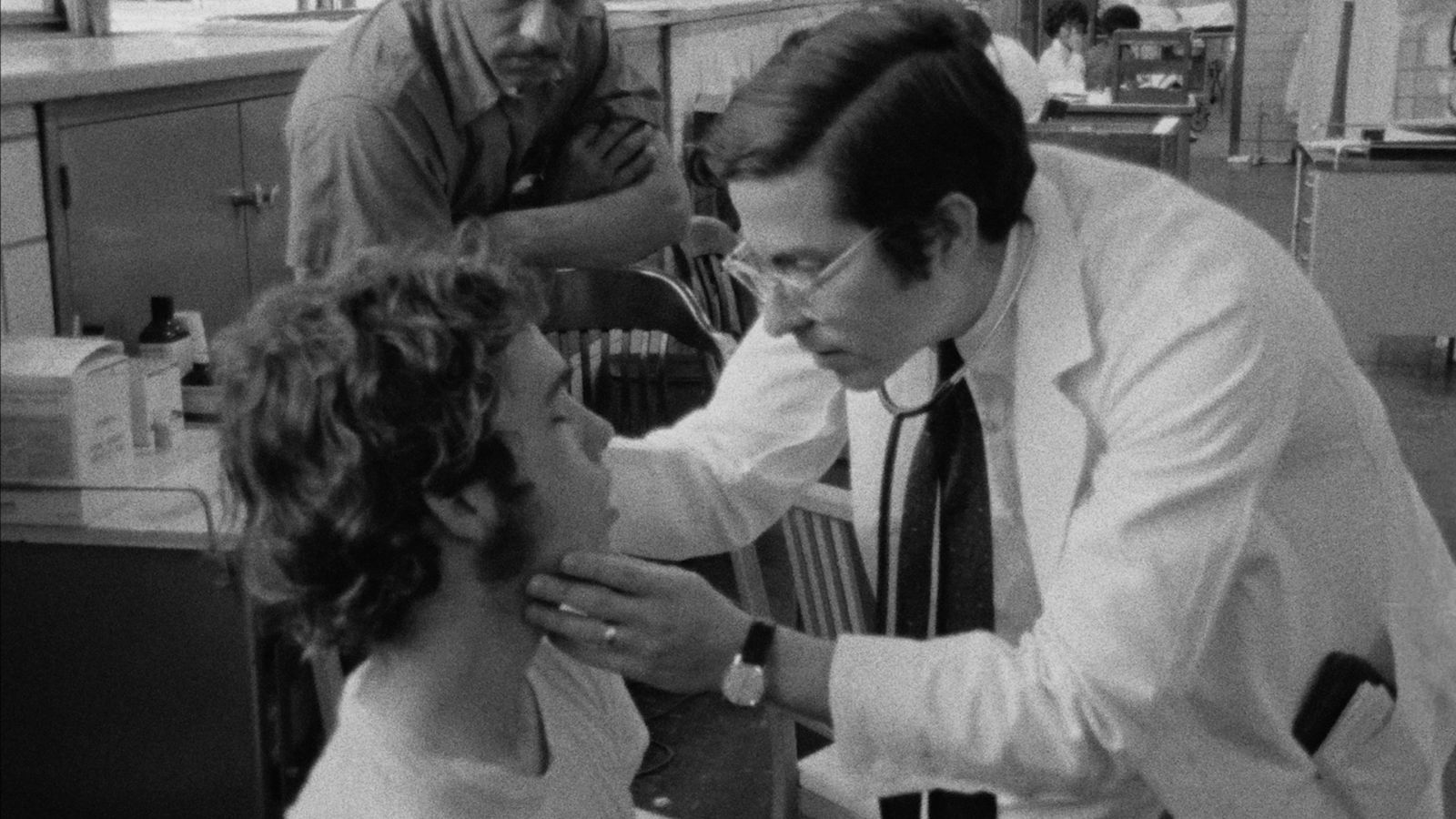
Hospital. Courtesy of Zipporah Films.
Hospital shows the daily activities of New York City’s Metropolitan Hospital, following hospital staff and a variety of patients with an emphasis on the emergency ward and outpatient clinics.
Basic Training
Frederick Wiseman, 1971, U.S., 89m
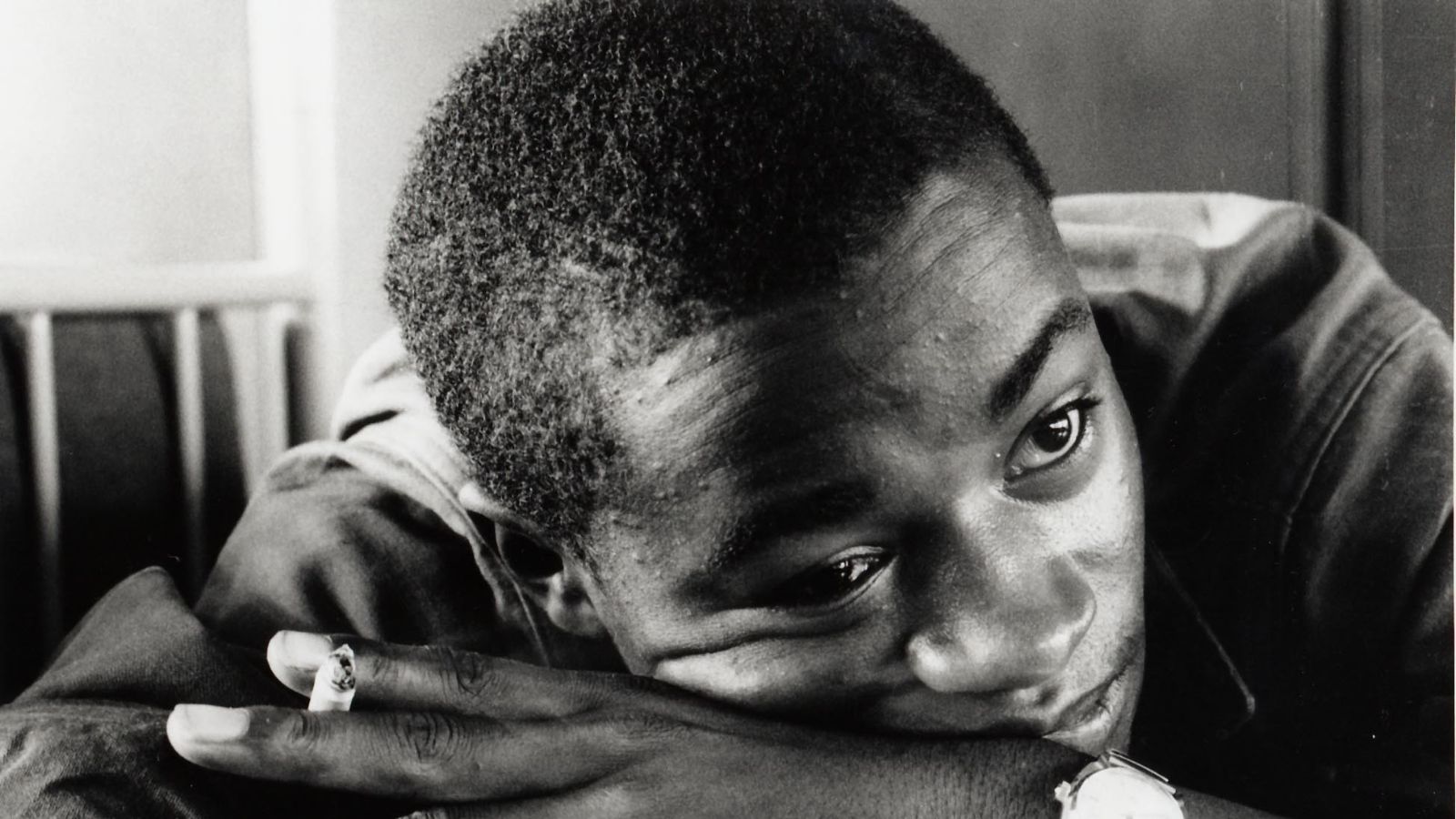
Basic Training. Courtesy of Zipporah Films.
Basic Training follows a company of draftees and enlisted men through nine weeks of the basic training cycle and the many forms of ideological training familiar to those who have served in the armed forces.
Essene
Frederick Wiseman, 1972, U.S., 89m

Essene. Courtesy of Zipporah Films.
Essene is about daily life in a Benedictine monastery and the resolution of conflict between personal needs and the institutional and organizational priorities of the community.
Juvenile Court
Frederick Wiseman, 1973, U.S., 144m
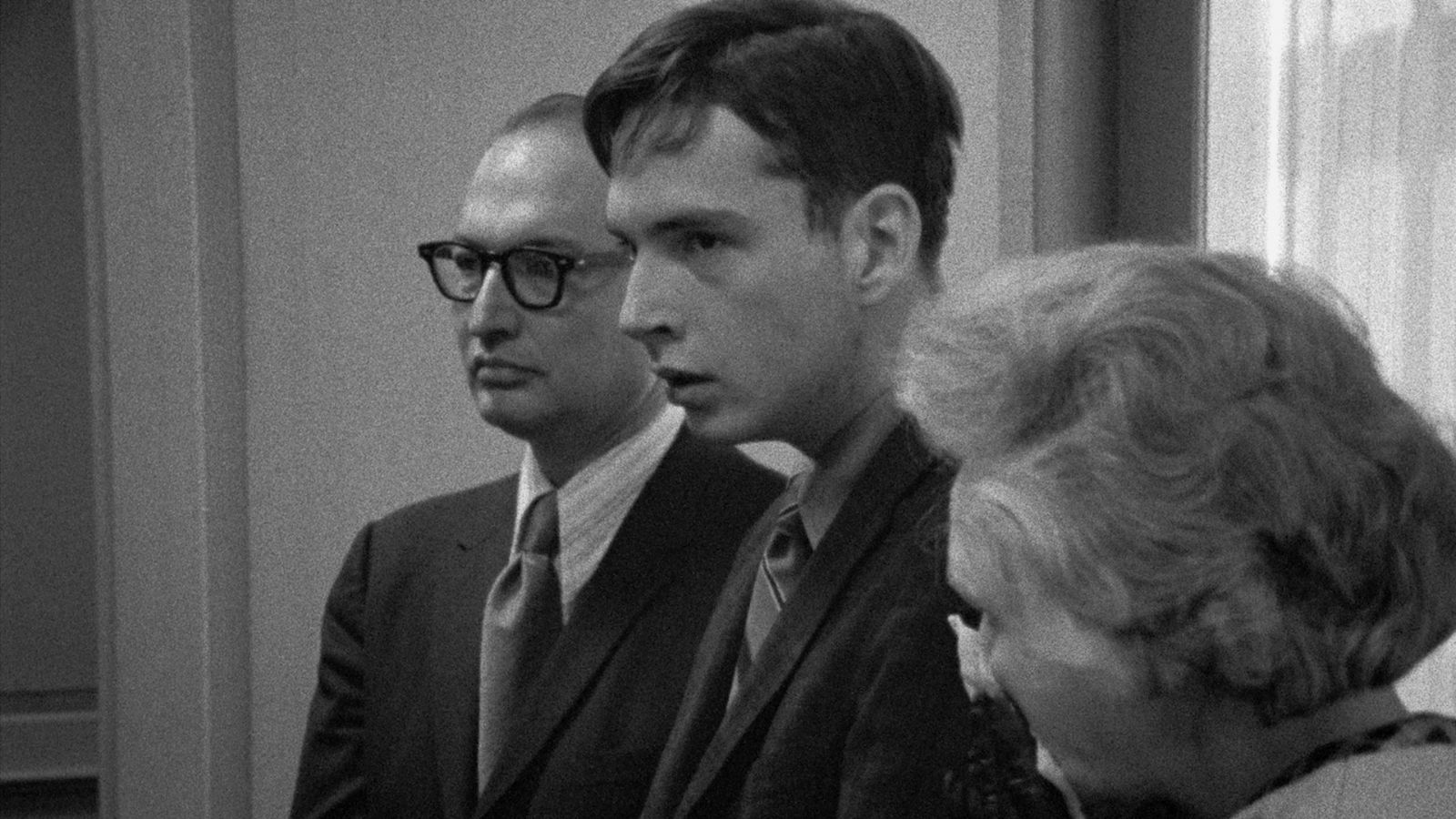
Juvenile Court. Courtesy of Zipporah Films.
Juvenile Court shows the complex variety of cases before the Memphis Juvenile Court: foster home placement, drug abuse, armed robbery, child abuse, and sexual offenses.
Primate
Frederick Wiseman, 1974, U.S., 105m
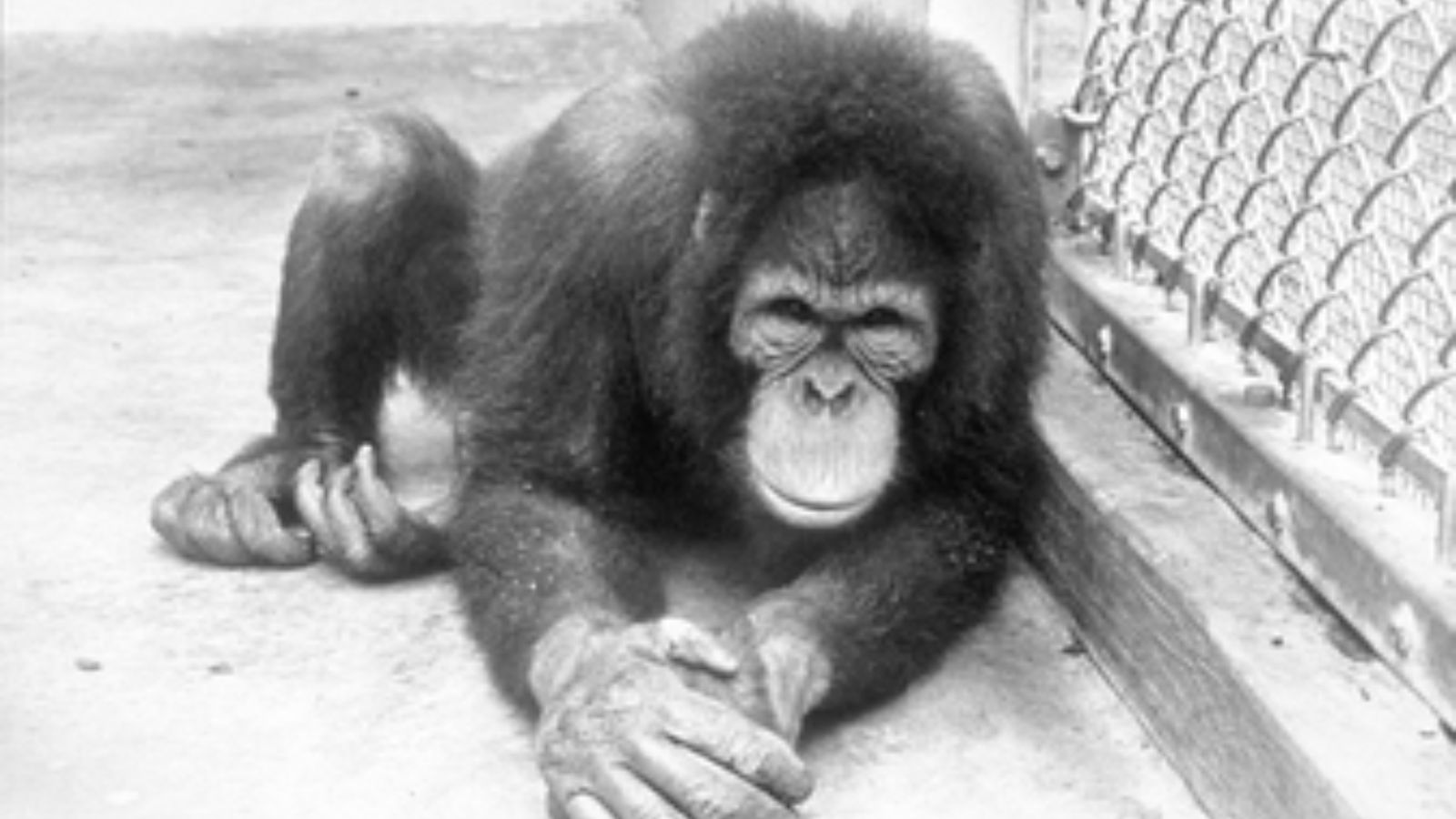
Primate. Courtesy of Zipporah Films.
Primate presents the daily activities of Atlanta’s Yerkes National Primate Research Center. Scientists in the film are concerned with studying the physical and mental development of primates.
Welfare
Frederick Wiseman, 1975, U.S., 167m
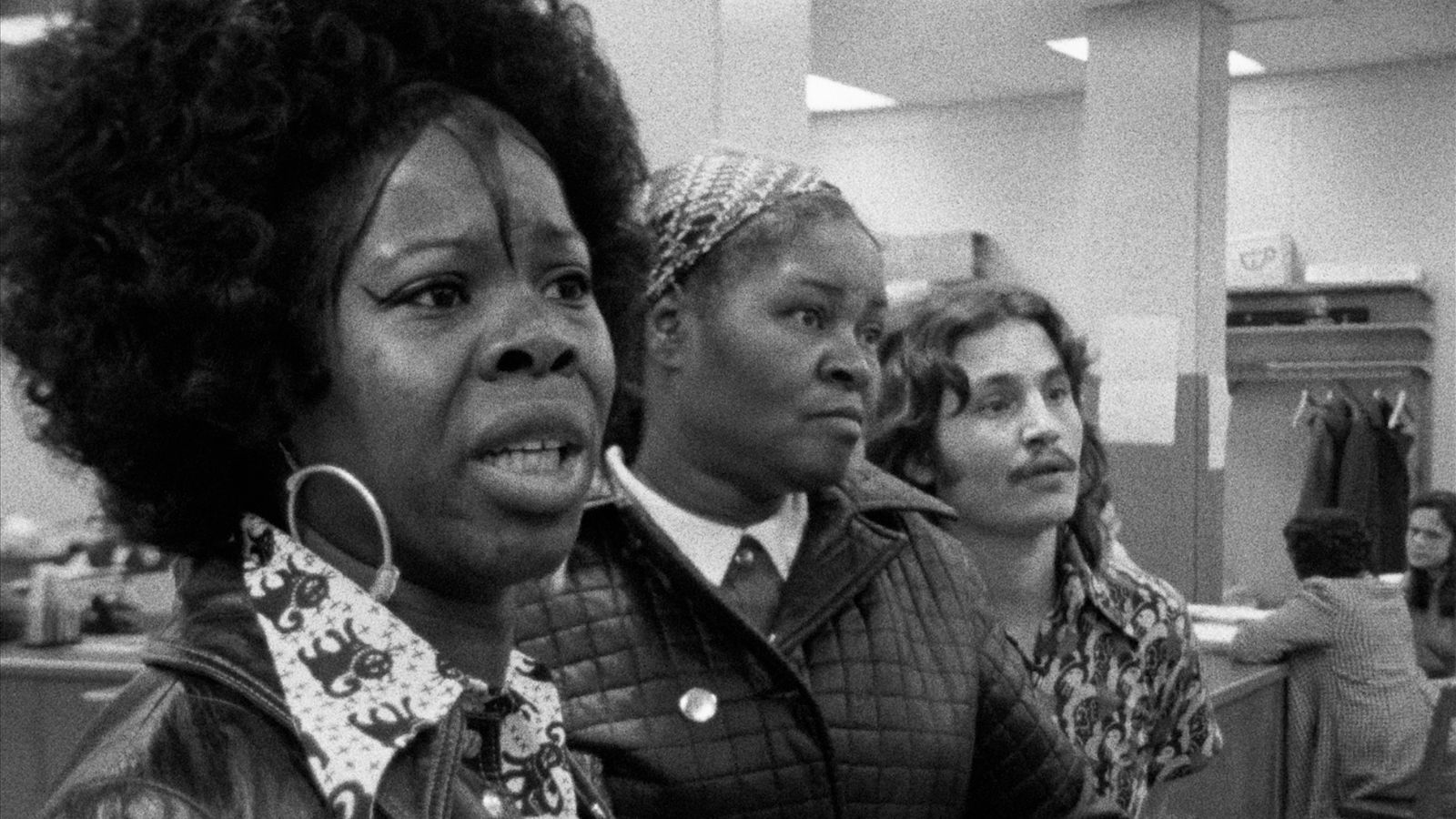
Welfare. Courtesy of Zipporah Films.
A profile of the welfare system that illustrates the staggering diversity of problems that constitute welfare: unemployment, divorce, housing, medical and psychiatric problems, abandoned and abused children, and the elderly.
Meat
Frederick Wiseman, 1976, U.S., 113m

Meat. Courtesy of Zipporah Films.
Meat examines one of America’s largest feed lots and packing plants while tracing the process through which cattle and sheep become consumer goods.
Canal Zone
Frederick Wiseman, 1977, U.S., 174m
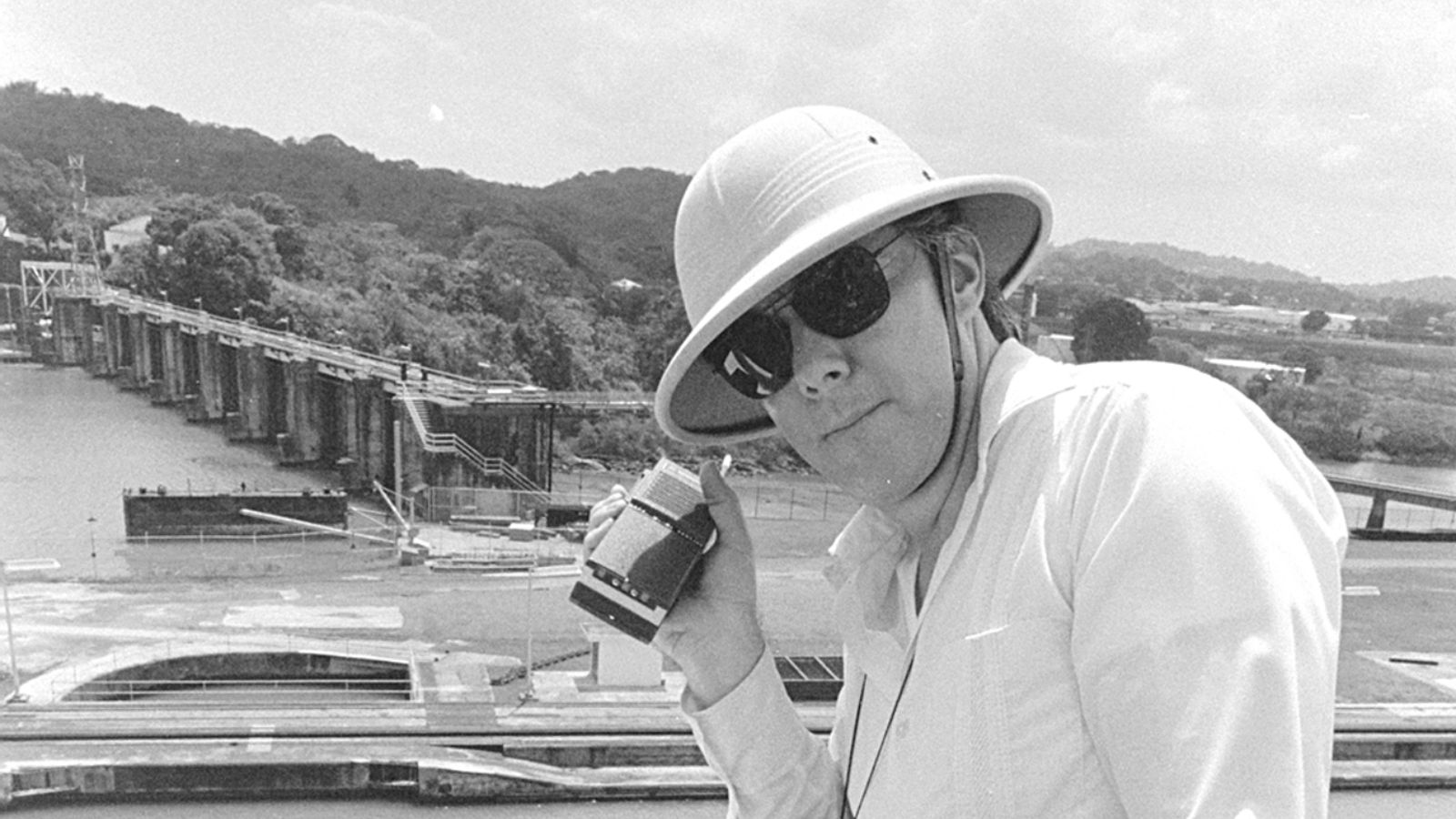
Canal Zone. Courtesy of Zipporah Films.
Canal Zone is about the people who live and work in the Panama Canal Zone and shows both the operation of the canal and the various governmental agencies related to its functioning and the lives of the Americans in the zone.
Sinai Field Mission
Frederick Wiseman, 1978, U.S., 127m

Sinai Field Mission. Courtesy of Zipporah Films.
Sinai Field Mission follows the diplomats and technicians who operate the U.S. Sinai Field Mission, the early warning system established in 1976 to help facilitate the disengagement between Egypt and Israel after the 1973 war.
Manoeuvre
Frederick Wiseman, 1979, U.S., 115m

Manoeuvre. Courtesy of Zipporah Films.
Manoeuvre follows a U.S. infantry tank company through NATO’s annual fall maneuvers in Western Europe. The various stages of the training exercise are seen from the point of view of a company fighting a simulated conventional war.
Model
Frederick Wiseman, 1980, U.S., 129m

Model. Courtesy of Zipporah Films.
Model shows male and female models at work on TV commercials, fashion shows, magazine covers, and advertising for a variety of products, including designer collections, fur coats, sports clothes, and automobiles. An NYFF62 Revivals selection.
The Store
Frederick Wiseman, 1983, U.S., 120m

The Store. Courtesy of Zipporah Films.
Centered on the main Neiman-Marcus store and corporate headquarters in Dallas, The Store studies the selection, presentation, marketing, pricing, advertising, and selling of a vast array of consumer products.
Racetrack
Frederick Wiseman, 1985, U.S., 114m
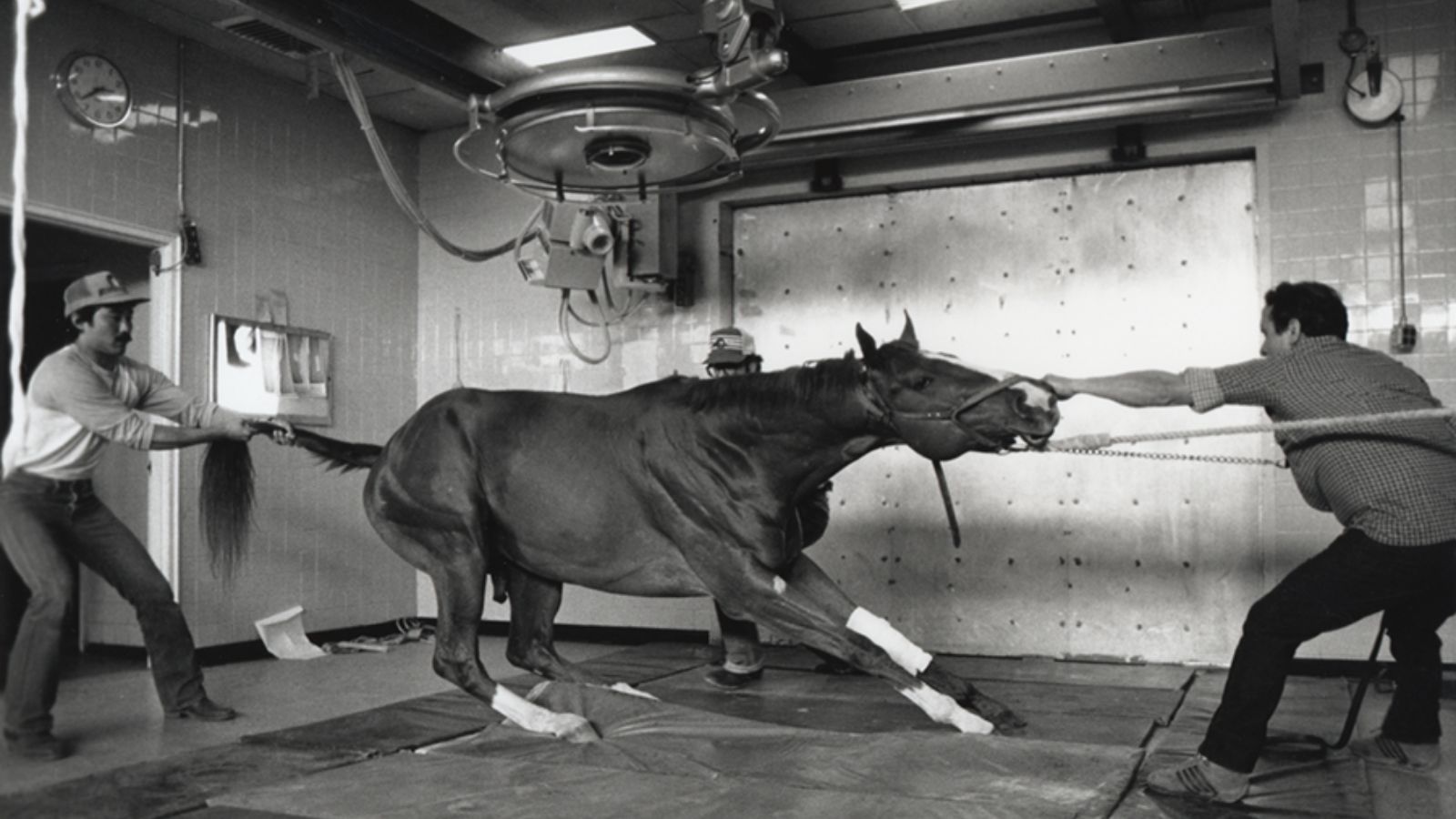
Racetrack. Courtesy of Zipporah Films.
Racetrack is about New York’s Belmont Race Track, one of the world’s leading race tracks for thoroughbred racing. The film highlights the training, maintenance, and racing of thoroughbred horses.
Deaf
Frederick Wiseman, 1986, U.S., 164m
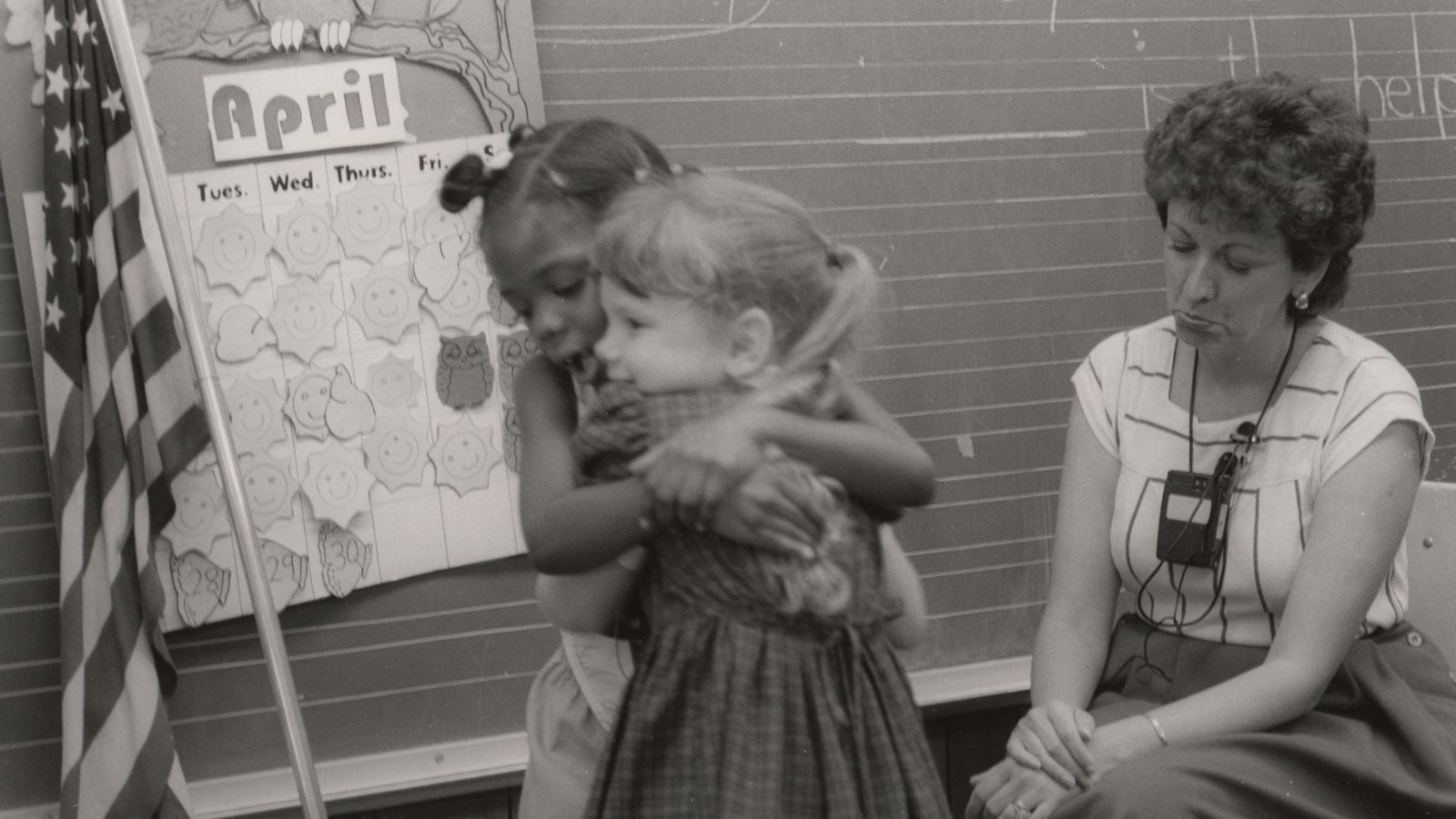
Deaf. Courtesy of Zipporah Films.
Deaf is a chronicle of the total communication teaching methods (i.e., the use of signs and finger spelling in conjunction with speech, hearing aids, lip reading, gestures, and the written word) used at The School for the Deaf at the Alabama Institute.
Blind
Frederick Wiseman, 1986, U.S., 133m

Blind. Courtesy of Zipporah Films.
Blind shows the educational programs and daily life of students in kindergarten through the 12th grade at the Alabama School for the Blind, a school organized to educate blind and visually impaired students to be in charge of their own lives.
Adjustment & Work
Frederick Wiseman, 1986, U.S., 120m
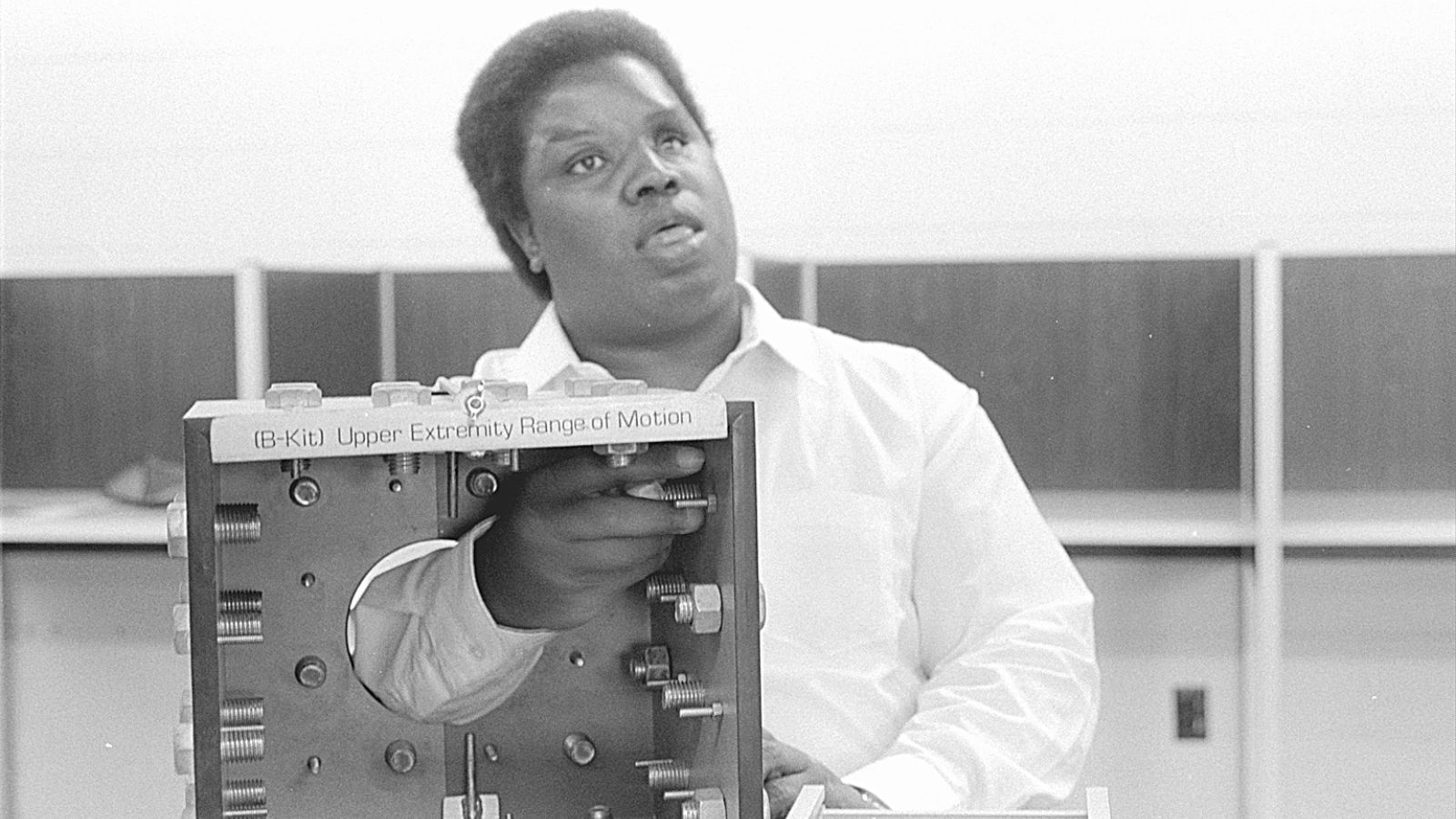
Adjustment & Work. Courtesy of Zipporah Films.
Adjustment & Work shows adjustment services for adults in personal and work situations as they learn to adjust to their impairments. Sequences include routine work and manufacturing of a variety of household and military products.
Multi-handicapped
Frederick Wiseman, 1986, U.S., 126m
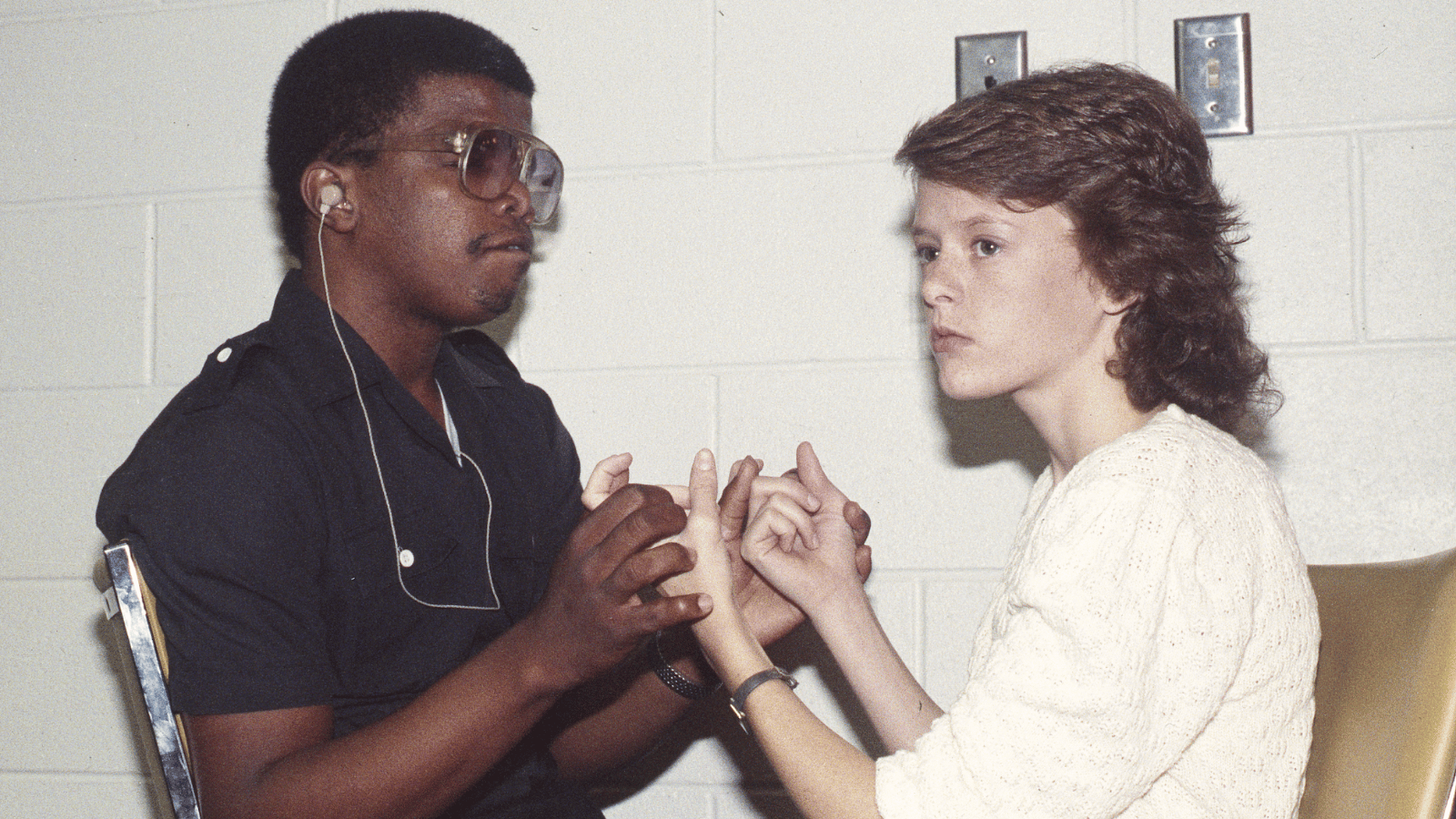
Multi-handicapped. Courtesy of Zipporah Films.
This film shows the day-to-day activities of multi-handicapped and sensory-impaired students and their teachers, dormitory parents, and counselors at the Helen Keller School.
Missile
Frederick Wiseman, 1987, U.S., 115m
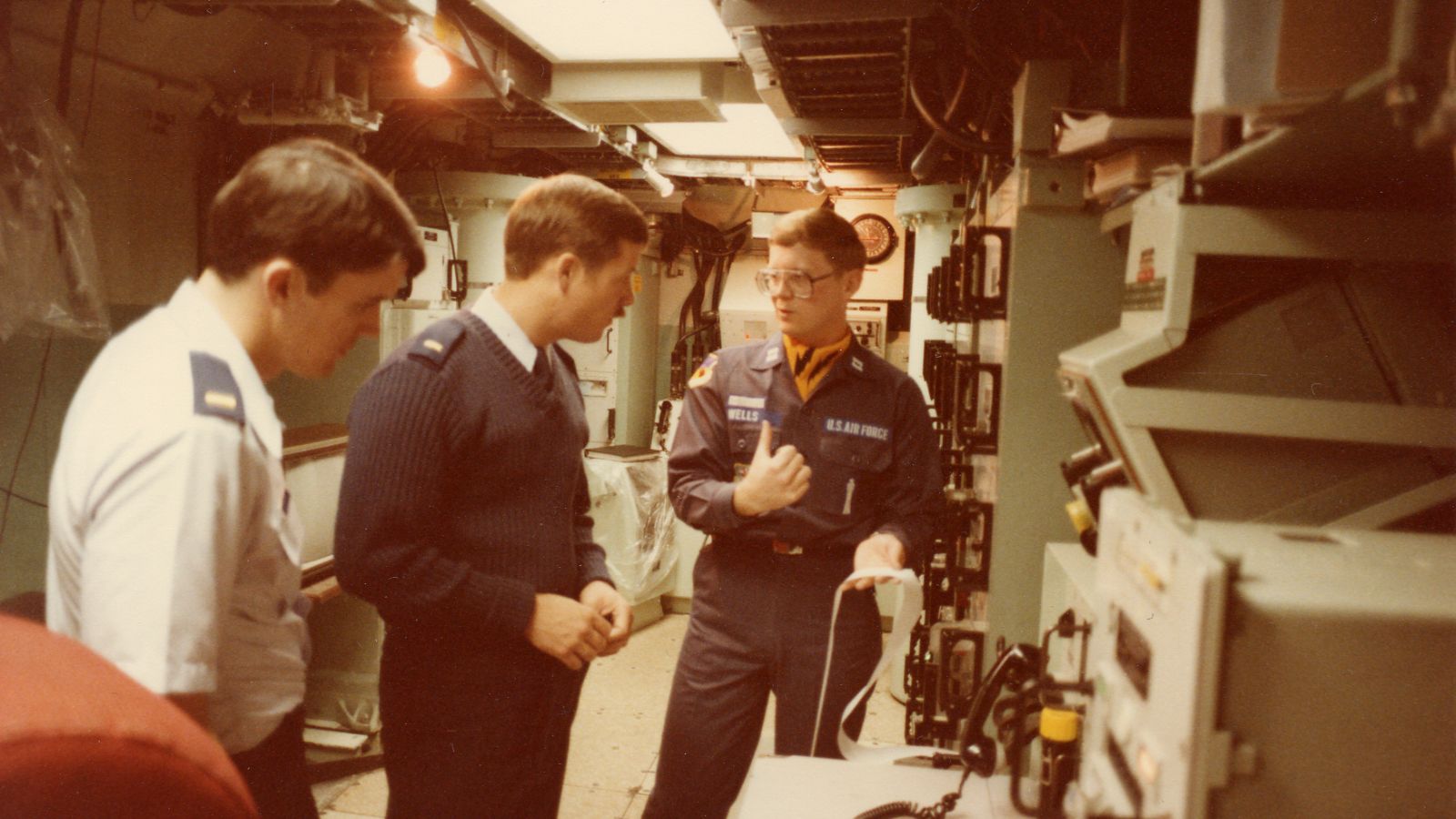
Missile. Courtesy of Zipporah Films.
Missile is a look at the 4315th Training Squadron of the Strategic Air Command at Vandenberg Air Force Base, where officers are trained to man the Launch Control Centers for the Minuteman Intercontinental Ballistic Missiles.
Near Death
Frederick Wiseman, 1989, U.S., 358m
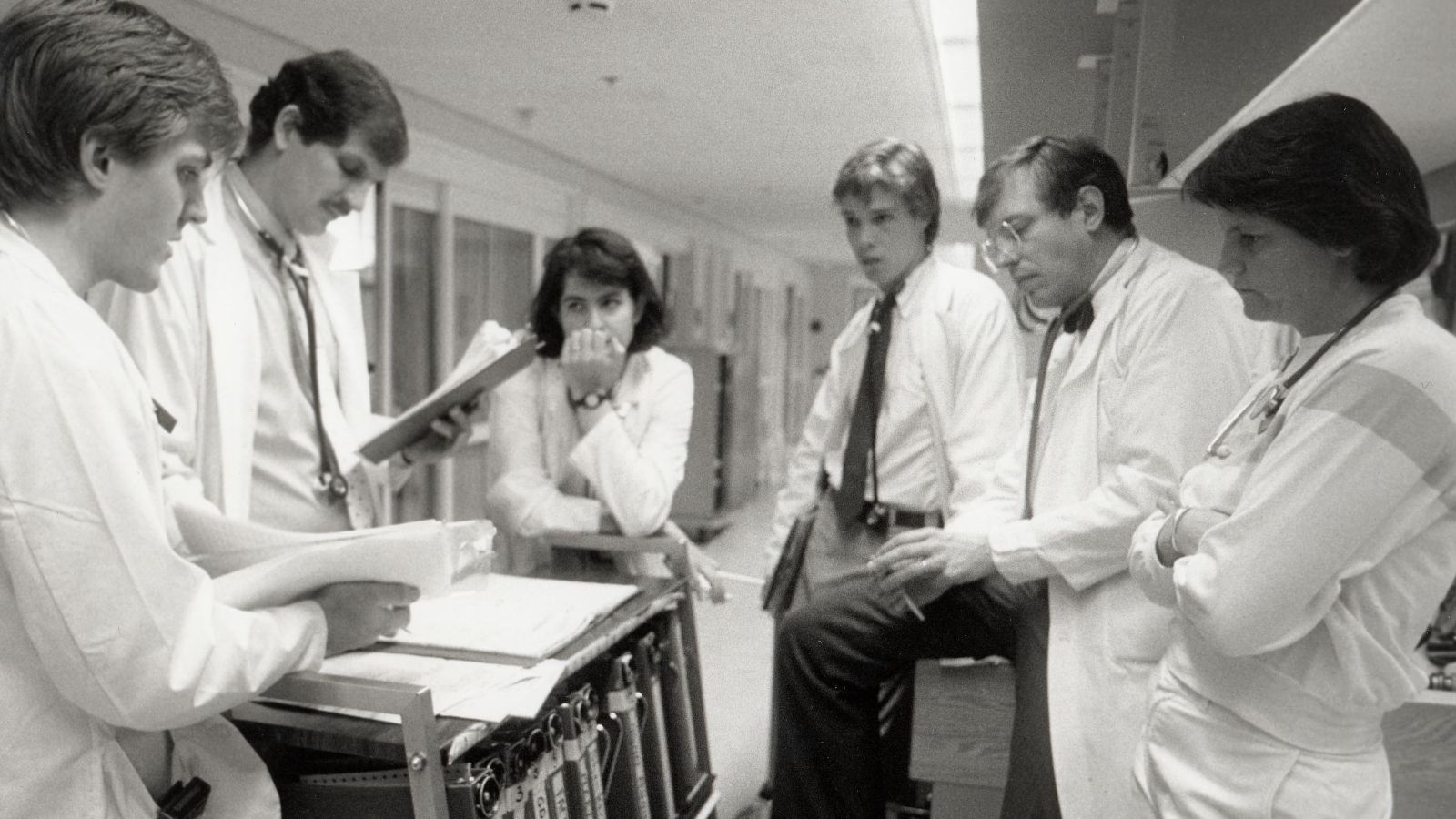
Near Death. Courtesy of Zipporah Films.
Near Death presents the interrelationships among patients, families, doctors, nurses, and religious advisors as they confront the issues involved in making decisions about life-sustaining treatment for dying patients at Boston’s Beth Israel Hospital. An NYFF27 selection.
Central Park
Frederick Wiseman, 1990, U.S., 176m

Central Park. Courtesy of Zipporah Films.
Central Park focuses on the famous New York City landmark and the variety of ways people make use of it, while illustrating the complex problems the New York City Parks Department deals with in order to maintain and preserve the park.
Aspen
Frederick Wiseman, 1991, U.S., 146m
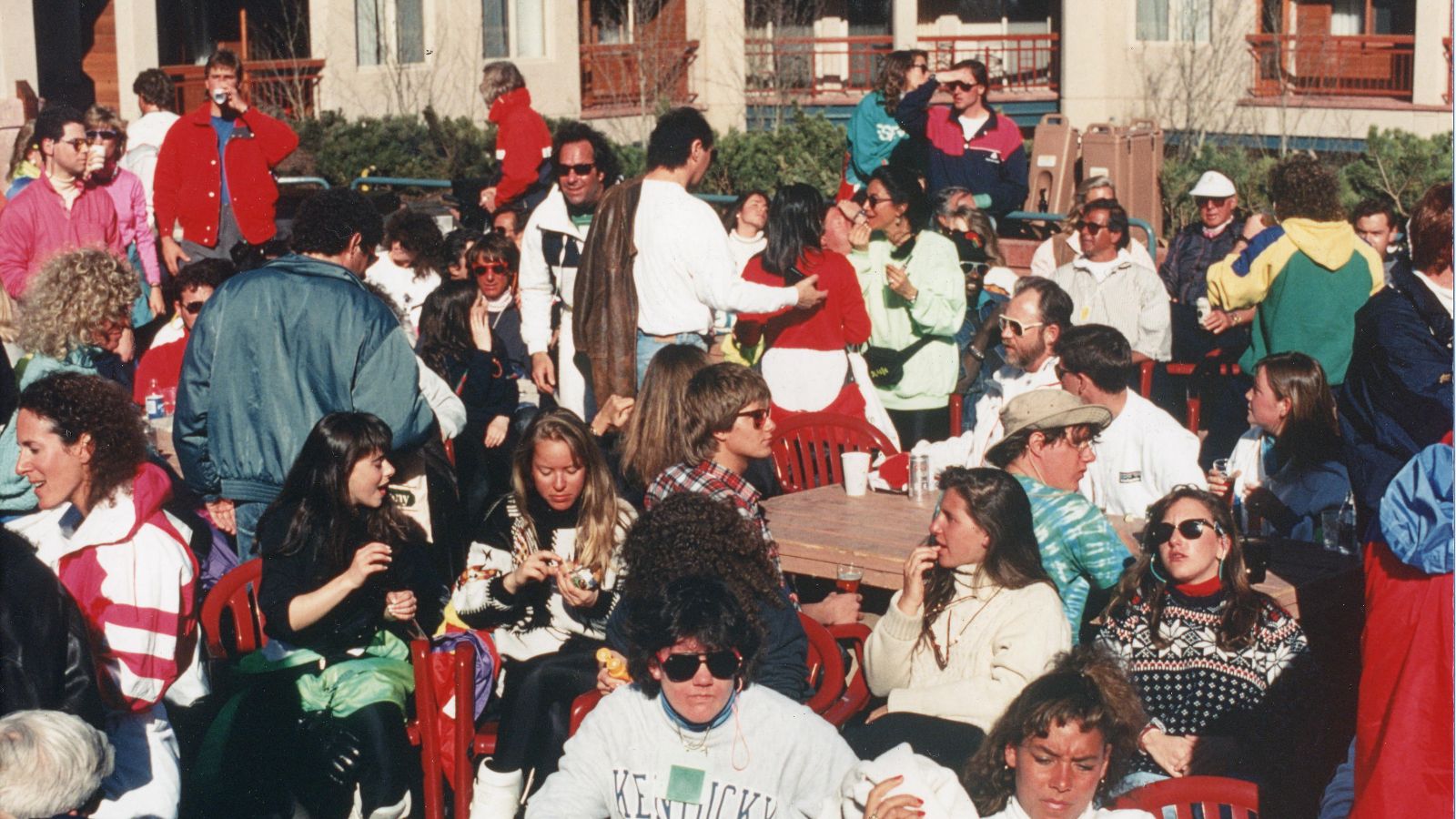
Aspen. Courtesy of Zipporah Films.
Aspen is an exploration during the winter months of the daily life and activities of the people who live, work, visit, and play in the former silver mining town of Aspen.
Zoo
Frederick Wiseman, 1993, U.S., 130m

Zoo. Courtesy of Zipporah Films.
Zoo is a film about the Miami Zoo, the care and maintenance of the animals by the keepers, the work of the veterinarians and their staff, and the visits to the zoo by people from all over the world.
High School II
Frederick Wiseman, 1994, U.S., 220m

High School II. Courtesy of Zipporah Films.
High School II looks at Central Park East Secondary School, a successful alternative high school in New York’s Spanish Harlem, 85–95% of whose graduates go on to four-year colleges. The film illustrates the school’s emphasis on the “Habits of Mind” program.
Ballet
Frederick Wiseman, 1995, U.S., 170m
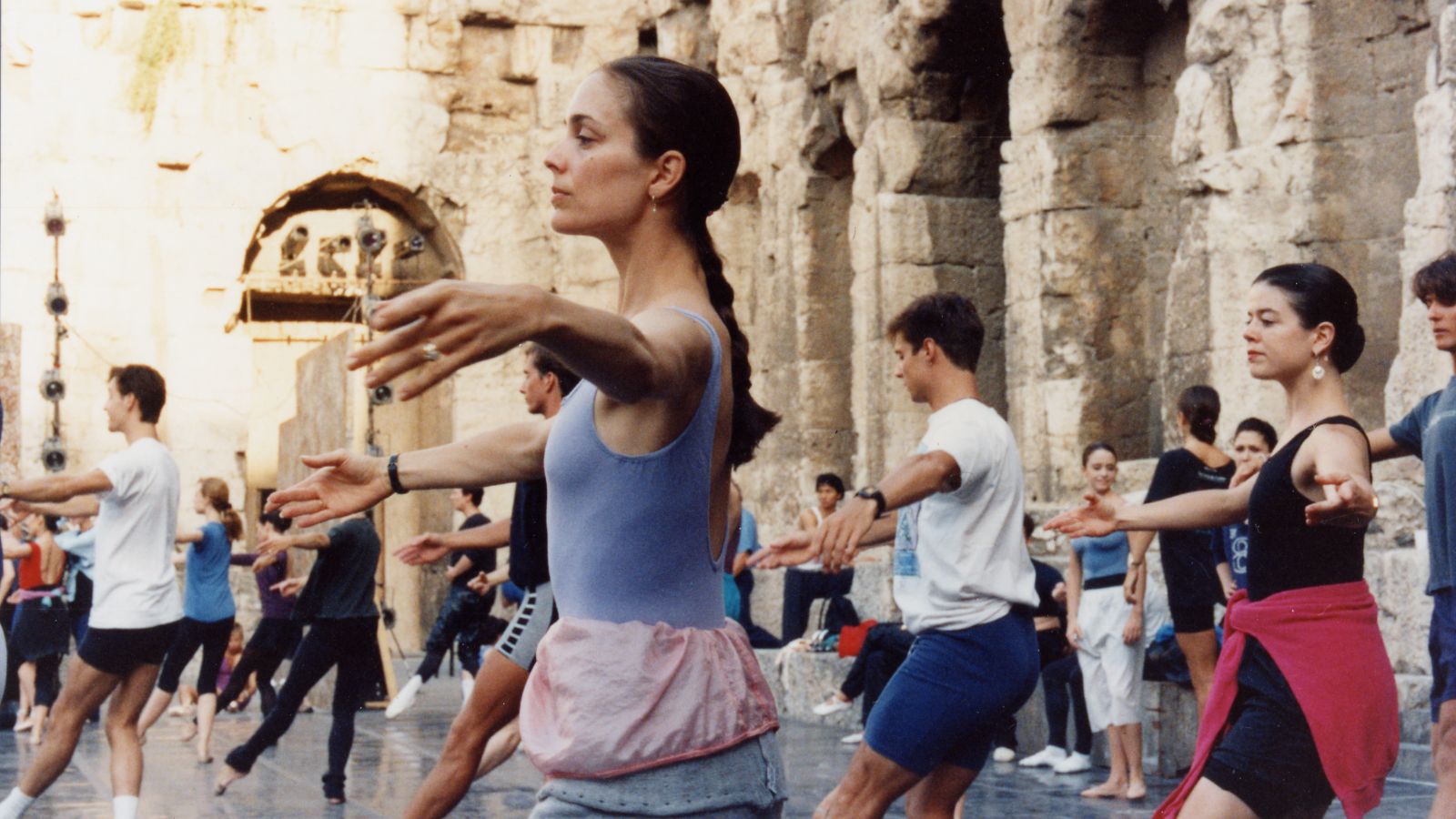
Ballet. Courtesy of Zipporah Films.
Ballet is a profile of the American Ballet Theatre in New York. The film presents the company in rehearsal and on tour in Athens and Copenhagen. Choreographers and ballet masters and mistresses are shown at work with dancers, soloists, and the corps de ballet.
La Comedie-Française
Frederick Wiseman, 1996, France/U.S., 223m

La Comedie-Française. Courtesy of Zipporah Films.
La Comedie-Française is the oldest continuous repertory company in the world, founded in Paris in the late 17th century. This is the first time a documentary filmmaker has been allowed to look at all the aspects of the work of this great theatrical company.
Public Housing
Frederick Wiseman, 1997, U.S., 195m
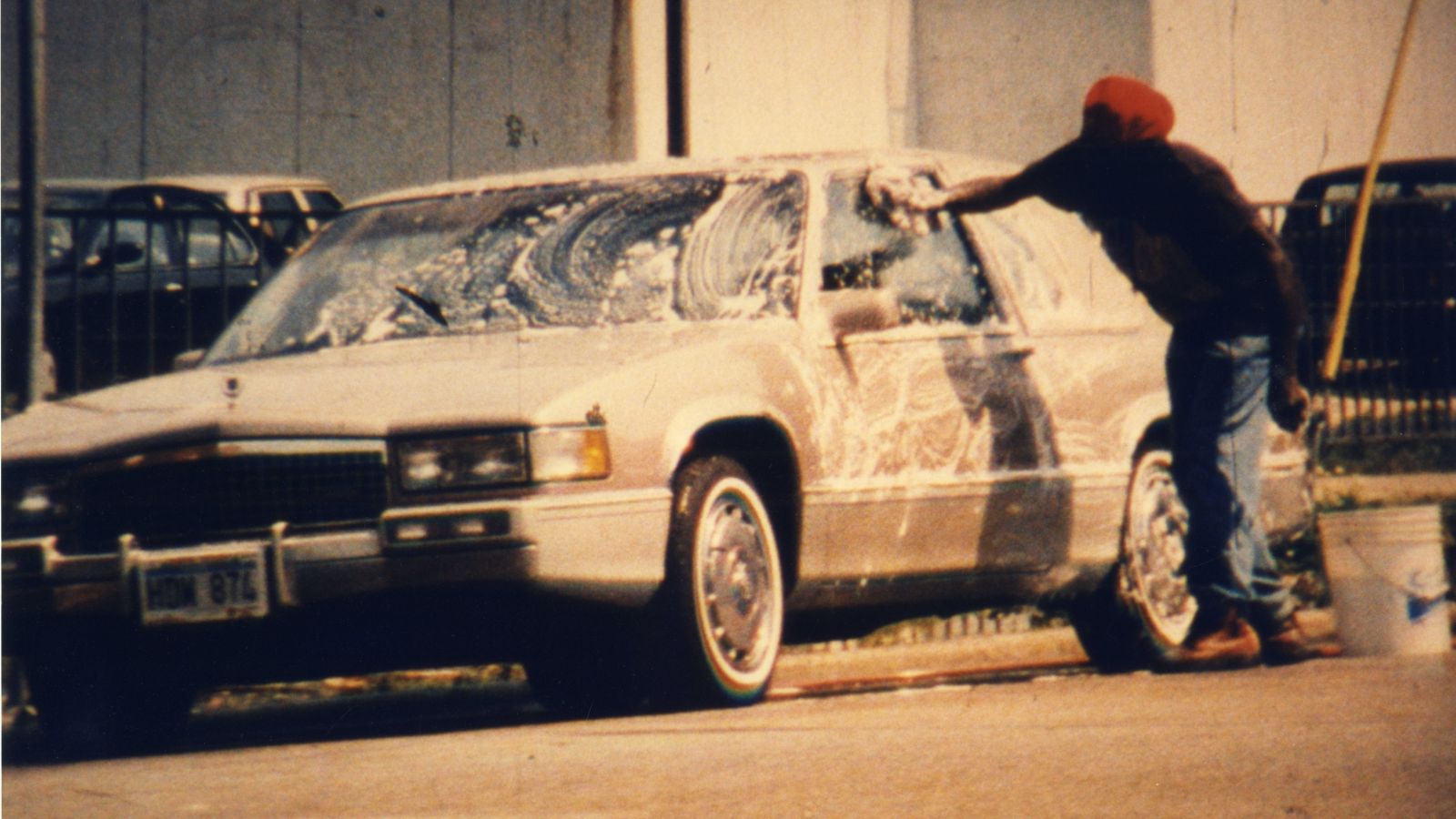
Public Housing. Courtesy of Zipporah Films.
Public Housing documents daily life at the Ida B. Wells public housing development in Chicago. The film illustrates some of the experiences of people living in conditions of extreme poverty. An NYFF35 selection.
Belfast, Maine
Frederick Wiseman, 1999, U.S., 248m
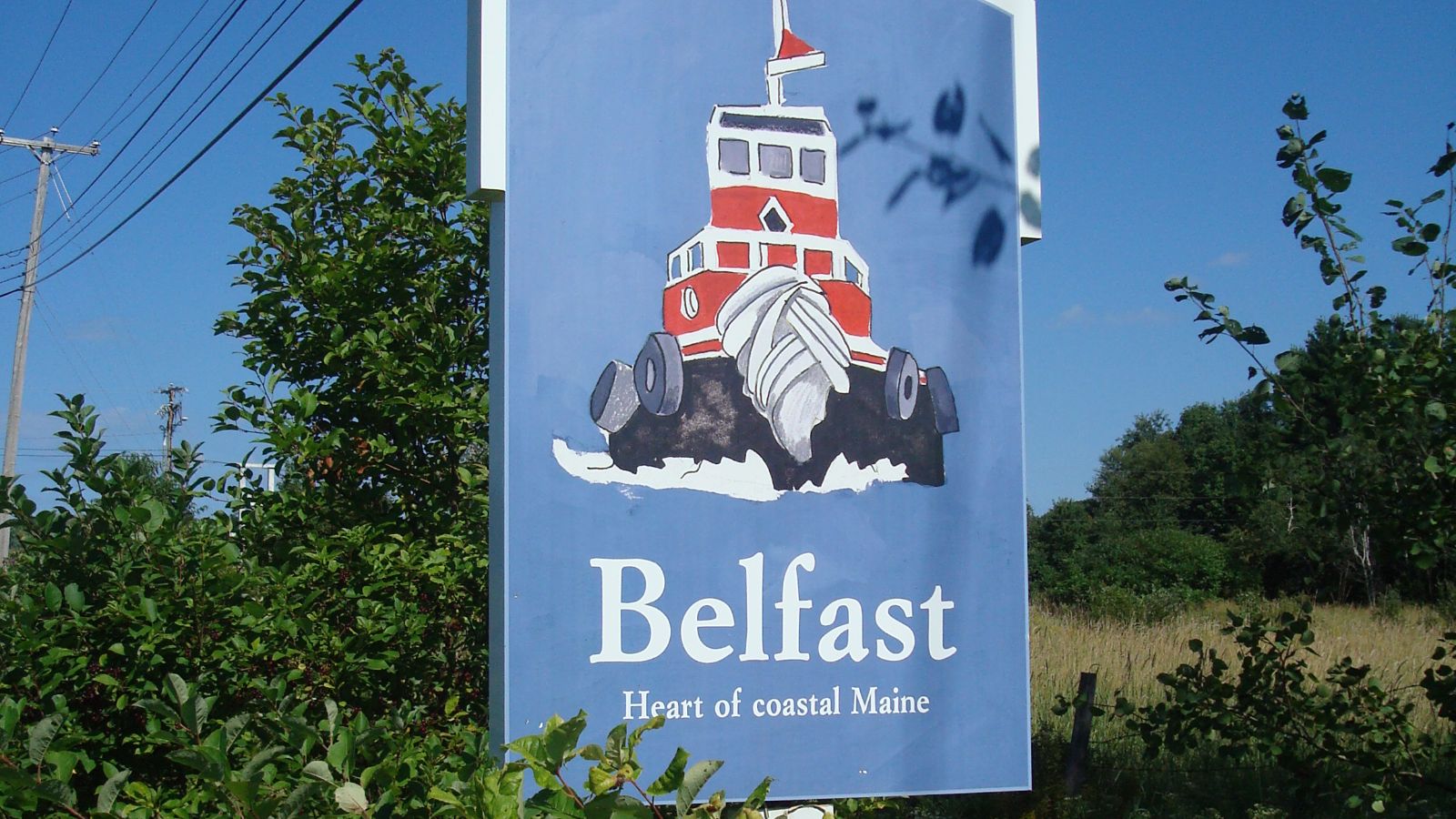
Belfast, Maine. Courtesy of Zipporah Films.
Belfast, Maine details the ordinary experiences in a beautiful old New England port city. It is a portrait of daily life with particular emphasis on the work and the cultural life of the community.
Domestic Violence
Frederick Wiseman, 2001, U.S., 196m
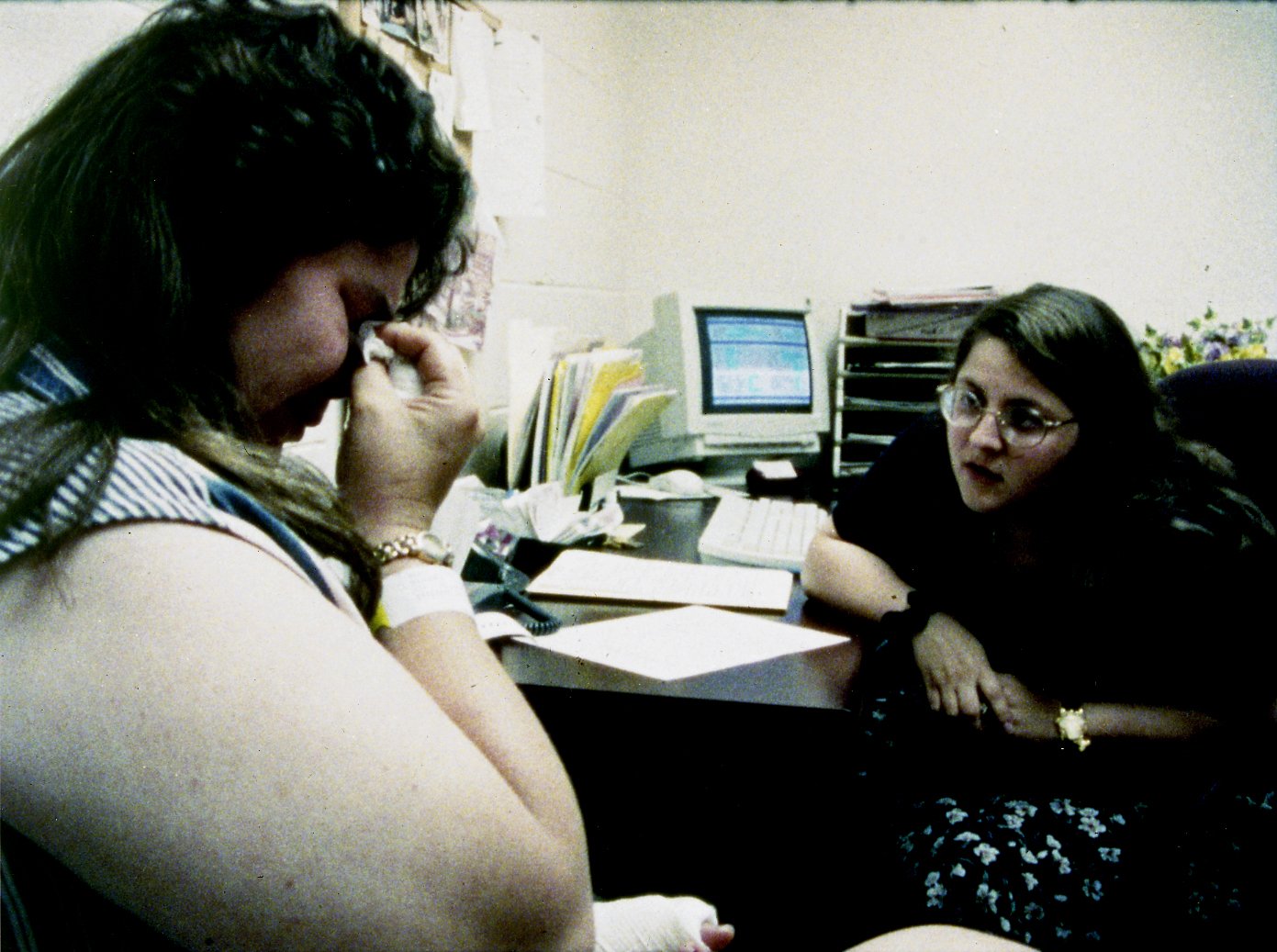
Domestic Violence. Courtesy of Zipporah Films.
Domestic Violence shows the police in Tampa, Florida, responding to domestic violence calls and the work of The Spring, the principal shelter in Tampa for women and children. Sequences include police response, intervention, and attempted resolution of domestic violence calls.
Domestic Violence 2
Frederick Wiseman, 2002, U.S., 160m
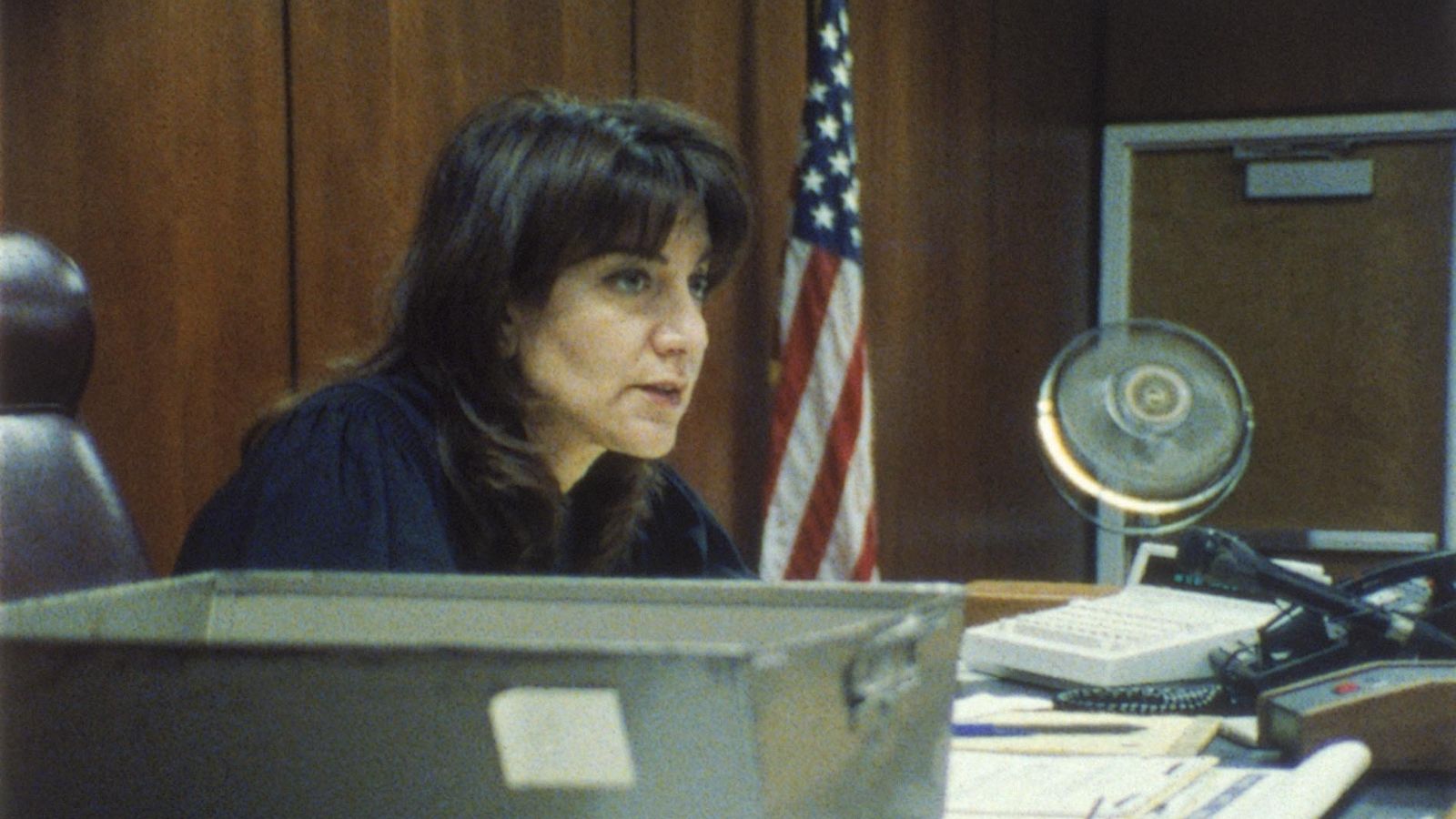
Domestic Violence 2. Courtesy of Zipporah Films.
Domestic Violence 2 takes place in the arraignment, misdemeanor, and injunction courts in Hillsborough County in Tampa, Florida. The judges and lawyers ask questions that elicit the stories of couples’ relationships and the specific form of violence between them.
The Last Letter
Frederick Wiseman, 2002, U.S., 62m

The Last Letter. Courtesy of Zipporah Films.
The Last Letter follows a mother locked away in a Jewish ghetto of an occupied Ukrainian town in 1941 as she revisits her life in a last letter to her son.
State Legislature
Frederick Wiseman, 2006, U.S., 217m

State Legislature. Courtesy of Zipporah Films.
State Legislature shows the day-to-day activities of the Idaho Legislature during an entire session. The film is an example of the achievements, values, constraints, and limitations of the democratic process.


