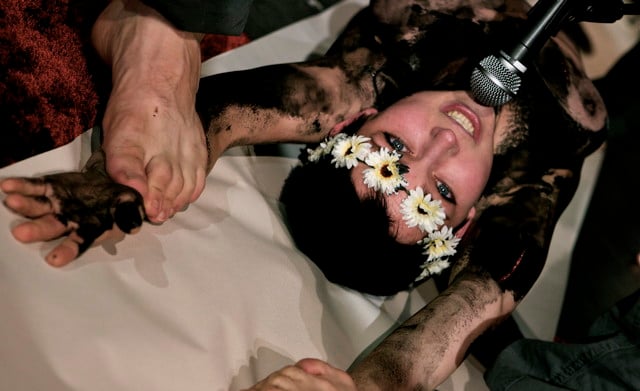
Human Rights Watch Film Festival 2014
The 25th anniversary edition of the festival arrives with a selection of films that bring human rights abuses to life through storytelling—challenging each individual to empathize and demand justice for all.
Lineup
Cynthia Hill

2013|
USA|
81 minutes
Opening Night
Q&A with Cynthia Hill, executive producer Gloria Steinem, and film subject Kit Gruelle, moderated by Liesl Gerntholtz, director Women’s Rights division, Human Rights Watch.
Private Violence explores a simple but deeply disturbing fact of American life: the most dangerous place for a woman in America is her own home.
Rachel Beth Anderson

2013|
UK / USA|
80 minutes|
English and Arabic with English subtitles
First to Fall is a story of sacrifice and the madness of war that follows two friends as they join the fight to overthrow Muammar Gaddafi.
Talal Derki

2013|
Syria / Germany|
90 minutes|
Arabic with English subtitles
An unsparing documentary account of the besieged Syrian city of Homs follows two close friends whose lives are completely altered when their beloved city is bombed into a ghost town. Director Talal Derki in person for both screenings.
Madeleine Sackler
2013|
USA / UK / Belarus|
76 minutes|
English, Belarusian, and Russian with English subtitles
Q&A with filmmaker Madeleine Sackler.
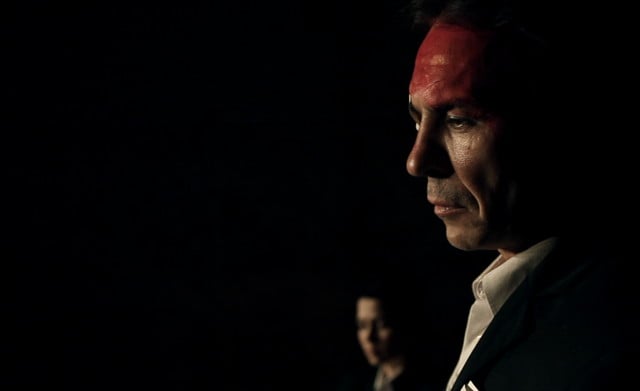
Comprised of smuggled footage and uncensored interviews, Dangerous Acts Starring the Unstable Elements of Belarus gives audiences a front-row seat to a resistance movement as it unfolds.
Nadav Schirman

2014|
UK / Germany / Israel|
101 minutes|
English and Arabic and Hebrew with English subtitles
Q&A with filmmaker Nadav Schirman.
This real-life thriller tells the story of one of Israel’s most prized intelligence sources: the son of top Hamas leader Sheikh Hassan Youssef, recruited at 17 to spy for his former enemy in the heart of his father’s organization.
Khalo Matabane
2013|
South Africa / Germany|
86 minutes
U.S. Premiere. Q&A with filmmaker Khalo Matabane.
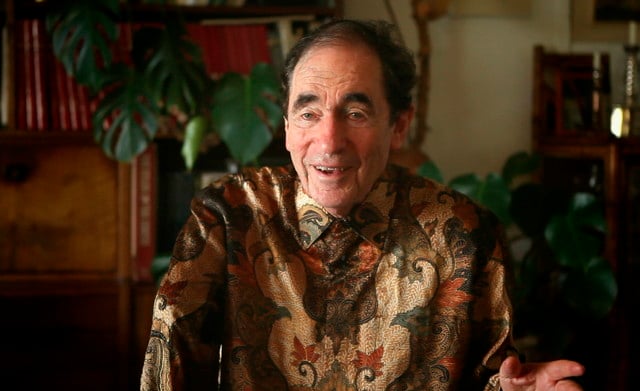
Though an imaginary letter to Mandela and conversations with politicians, activists, and artists, Matabane questions the meaning of freedom and challenges Mandela’s legacy in today’s world of conflict and inequality.
Edet Belzberg

2014|
USA|
114 minutes
Q&A with filmmaker Edet Belzberg.
In her characteristic cinéma vérité style, Edet Belzberg interweaves the stories of five humanitarians whose lives and work are linked together by the ongoing crisis in Darfur.
Sandrine Orabona
2014|
USA|
90 minutes
Q&A with filmmaker Sandrine Orabona and subject Kristin Beck.
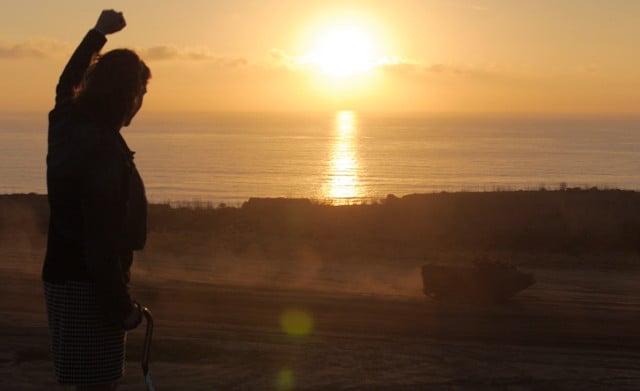
Former U.S. Navy SEAL Chris Beck embarks on a new mission as Kristin Beck and the American ideals she protected take on a whole new meaning as she lives her life truthfully as a transgender woman.
blair doroshwalther

2014|
USA|
74 minutes
Q&A with filmmaker blair dorosh-walther and subjects Venice Brown, Terrain Dandridge, Renata Hill, Patreese Johnson, and Karen Thompson.
Out in the Night follows a group of African-American lesbians charged with gang assault when a threat from an older man escalated into a fight on the streets of Greenwich Village in the summer of 2006.
Jennifer Kroot

2014|
USA|
90 minutes
From the iconic role of Sulu on Star Trek to Howard Stern and Facebook fame, openly gay actor George Takei’s sharp eye, coupled with his wicked sense of humor, continues to challenge the status quo.
Iva Radivojevic

2014|
USA / Cyprus|
73 minutes|
English and Arabic and Greek with English subtitles
Q&A with filmmaker Iva Radivojevic.
A visual essay in five parts, Evaporating Borders is told through a series of vignettes that explore the lives of asylum seekers and refugees in Cyprus.
Mano Khalil
2013|
Switzerland|
107 minutes|
German and Kurdish with English subtitles
Q&A with filmmaker Mano Khalil.
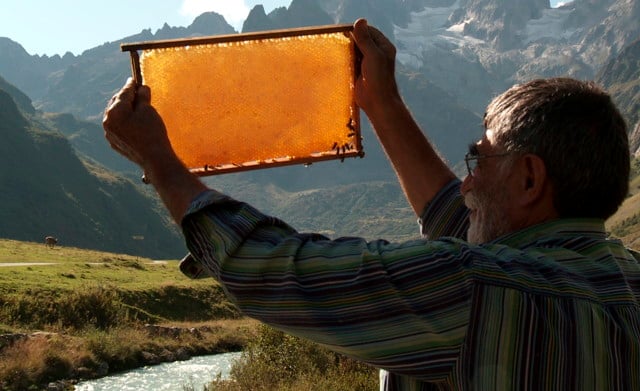
The Beekeeper relates the touching story of Ibrahim Gezer, a Kurdish beekeeper from southeast Turkey, and his unusual experience of integration into the seemingly conservative heart of today’s Switzerland
Jasmila Zbanic
2013|
Bosnia and Herzegovina|
72 minutes|
English and Bosnian with English subtitles
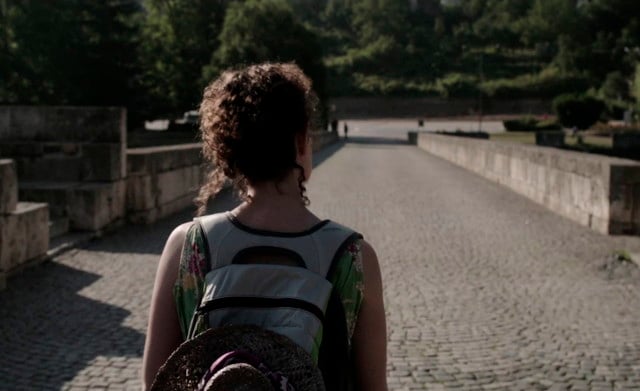
Jasmila Zbanic’s For Those Who Can Tell No Tales follows an Australian tourist as she discovers the silent legacy of wartime atrocities in a seemingly idyllic town on the border of Bosnia and Serbia.
Anne de Mare

2014|
USA|
89 minutes
Q&A with filmmakers Anne de Mare and Kirsten Kelly.
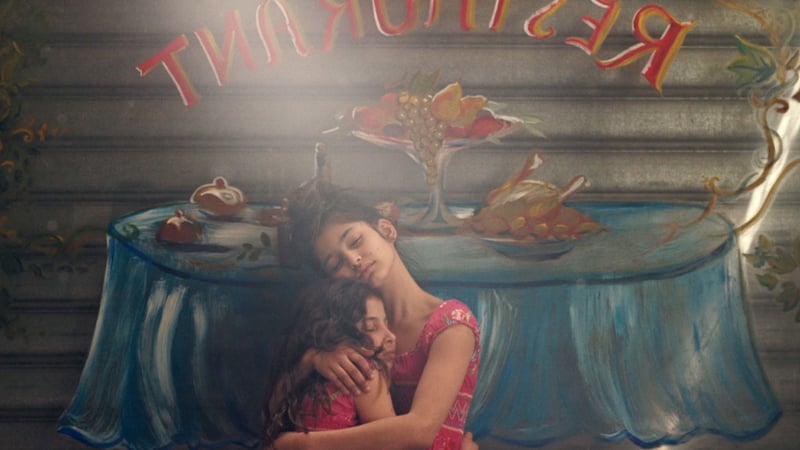
Three smart, ambitious Chicago teenagers surprise, inspire, and challenge audiences to rethink stereotypes of homelessness as they fight to stay in school, graduate, and build a future.
Alessandra Zeka

2014|
USA|
65 minutes
World Premiere. Q&A with filmmakers Alessandra Zeka and Holen Sabrina Kahn and subject Dr. Carla Cerrato.
At a public hospital in Nicaragua, Dr. Carla Cerrato must choose between following a law that bans all abortions and endangers her patients or taking a risk and providing the care that she knows can save a woman’s life.
Berit Madsen
2013|
Denmark / Iran / Germany / Norway / Sweden|
88 minutes|
English and Farsi with English subtitles
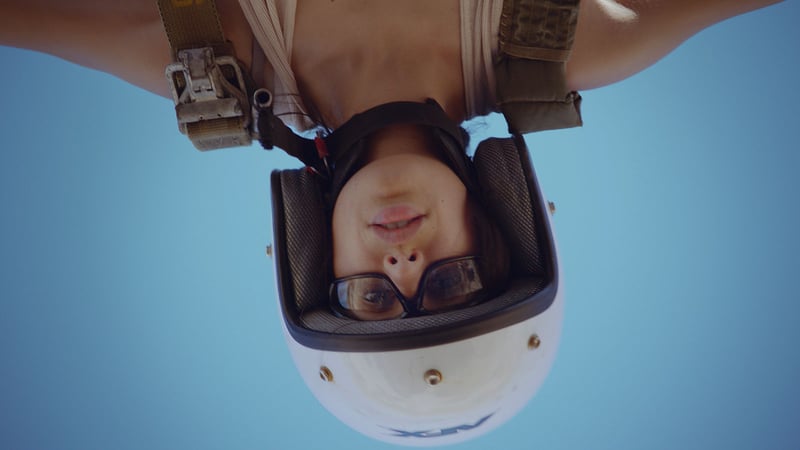
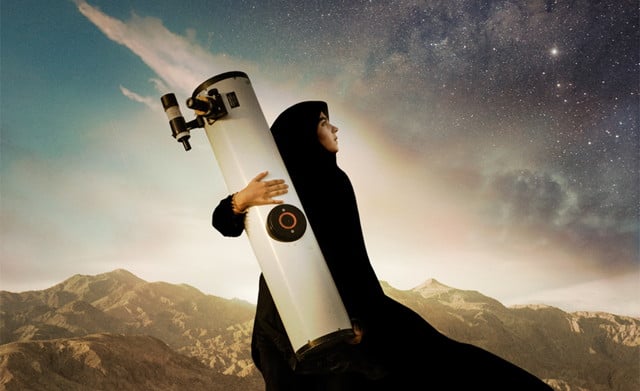
Sepideh is a young Iranian woman who dares to dream of a future as an astronaut. As we follow her, it becomes clear just how at odds her dreams are with her current reality.
Richie Mehta

2013|
Canada / India|
96 minutes|
English and Hindi with English subtitles
Q&A with filmmaker Richie Mehta and actress Tannishtha Chatterjee.
When a 12 year old sent to work in another province disappears, his distraught father begins a desperate search to find him in this commentary on modern India that is also a moving portrait of one family within that society.
Joanna Lipper
2013|
USA|
75 minutes
Q&A with filmmaker Joanna Lipper and subject Hafsat Abiola.
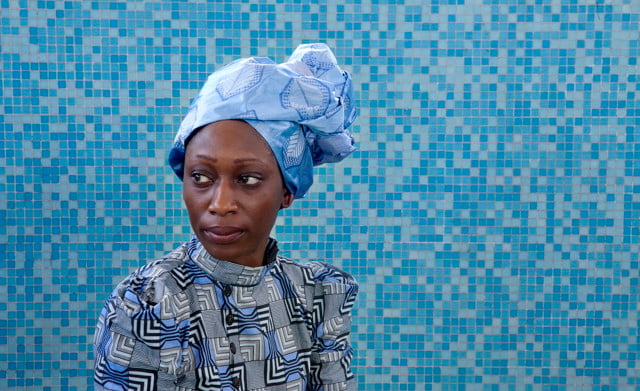
The Supreme Price tells the remarkable story of Hafsat Abiola, daughter of imprisoned Nigerian President M.K.O. Abiola, as she takes up her family’s struggle and fights for her country’s most marginalized population: women.
Through the Human Rights Watch Film Festival we bear witness to human rights violations and create a forum for courageous individuals on both sides of the lens to empower audiences with the knowledge that personal commitment can make a difference. The film festival brings human rights abuses to life through storytelling in a way that challenges each individual to empathize and demand justice for all.
It all started 25 years ago here in New York City. Through friends at The Public Theater, Human Rights Watch was offered the use of a spare theater room equipped with a modest-sized television set on which to present the first Human Rights Watch Film Festival to a small but committed audience. Today, the festival lives on the big screen, experienced annually by over 100,000 passionate audience members in more than 20 cities worldwide. On this special occasion, we would like to express our heartfelt thanks to you, our audience, whose enthusiasm and support have made the Human Rights Watch Film Festival what it is today. All films are New York Premieres unless otherwise noted.