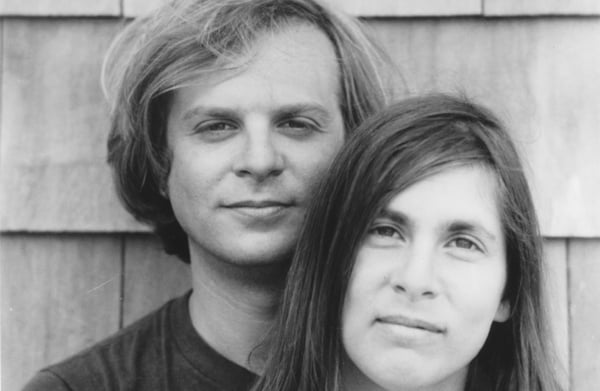
Diaries (1971-76)
A masterpiece of personal documentary filmmaking in which Pincus filmed his own turbulent life and marriage over the course of five years, set the footage aside for another five years, and then set about the editing.
It was a time of upheaval in people's personal relations. Everything was on the table. Feminism had a slogan: “The personal is political.” Filmmaking technology was rapidly evolving. It became possible for the first time to shoot single-person sync. A crew of one meant that intimate relations could be filmed in a documentary. Films could be shot over a long duration without skyrocketing costs. I decided to do an experiment. I would film for five years, not look at the footage, leave it in the can for five more years and then edit. Editing would mimic what came out of the camera (“the rushes”). David Hume had called the self no more than a bundle of perceptions. How much of individual personhood could be recreated in such a film? I wanted to test the personal is political in this brave new world of relationships.
Read More
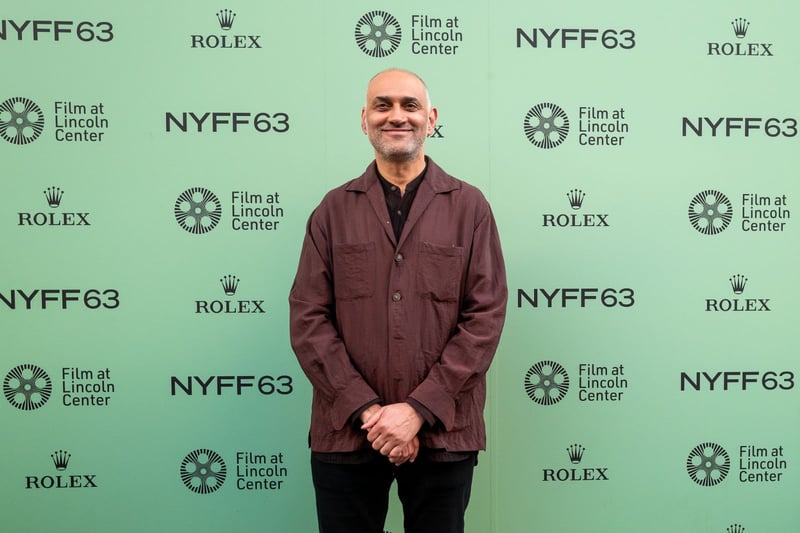
Kamal Aljafari on With Hasan in Gaza and ‘The Camera of the Dispossessed’
Our 63rd New York Film Festival Talks featured a special conversation with With Hasan in Gaza director Kamal Aljafari, moderated by Film Comment editor Devika Girish.
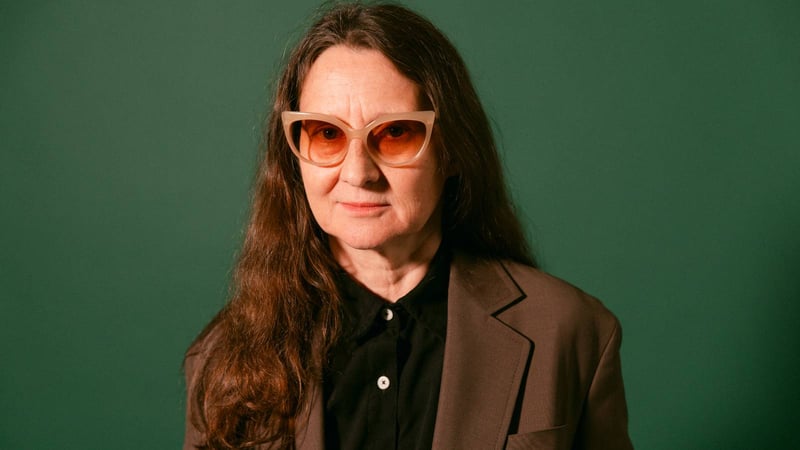
Lucrecia Martel on Our Land (Nuestra Tierra), the Filmmaker’s First Feature Documentary
On the latest episode of FLC Luminaries, our video series that spotlights talent at all levels of the filmmaking process who uplift the art and craft of cinema, Our Land (Nuestra Tierra) director Lucrecia Martel discusses her expansive and enlightening first feature documentary.
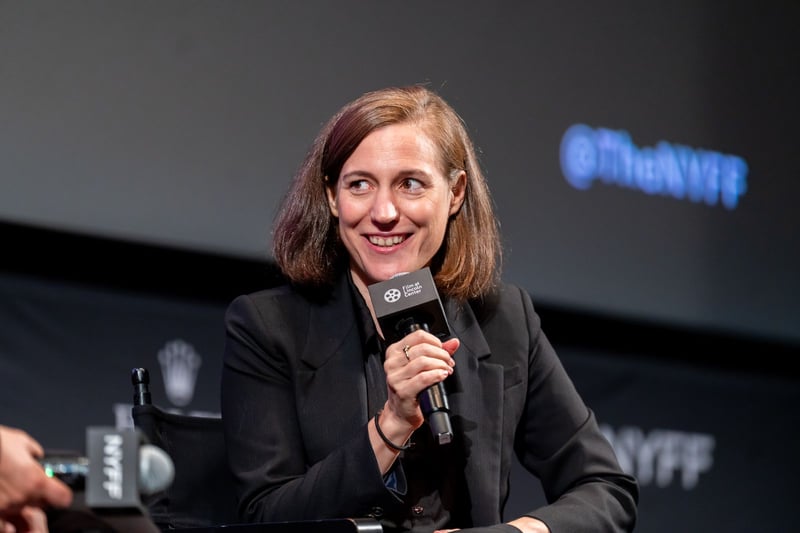
Carla Simón on Her Poignantly Autobiographical Romería
This week we’re excited to present a conversation from the 63rd New York Film Festival with Romería director Carla Simón, moderated by NYFF Main Slate selection committee member Florence Almozini.


