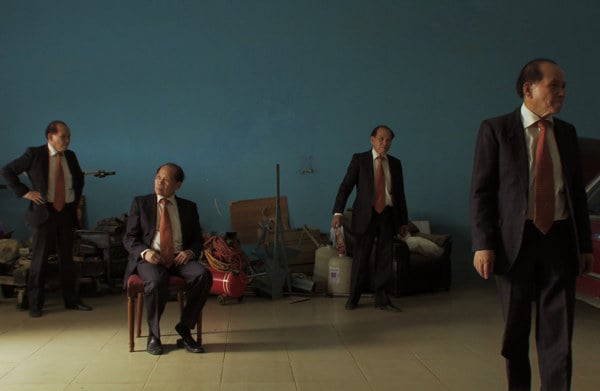
Golden Slumbers
New York Asian Film Festival 2012
June 30 - July 12, 2012
In person: director Davy Chou!
Obliterated by the Khmer Rouge in 1975, Cambodia’s lost cinema lives on in the memories of the filmmakers and stars who survived the genocide in this moving oral history.
In person: director Davy Chou!
The Snakeman! Save Virgin! The Screaming Gibbon! Want to see these and other gems? Well, tough luck. They’re lost forever and the blame lies with an infamous genocidal communist cult.
NYAFF shows only a handful of documentaries every year, but this one will take you to a place you’ve never been—Cambodia, a country traumatized in the 1970s by the violent coming to power of the Khmer Rouge, a radical totalitarian regime that implemented a scorched-earth policy known as “Year Zero.” At the end of this four-year nightmare, 1.7 million people were dead and Cambodia’s cinema heritage had been totally annihilated. In Khmer Rouge leader Pol Pot’s reign of terror, films were banned, movie theaters shut down, and filmmakers and actors were branded “enemies of the people.” And so the 400 some movies made between 1960 (when Cambodian cinema was born) and 1975 were eradicated.
For the Cambodian movie lovers and filmmakers who survived this catastrophe, the late 60’s and early 70’s represented a lost golden age. Its traces are preserved in the beloved songs that featured in many of the films and are now popular in the country’s Karaoke clubs and on YouTube, a handful of faded photos and lobby cards—and in the treasured memories of Cambodian cinephiles, and the former movie stars and directors who escaped overseas.
Davy Chou’s moving investigation of this lost cinematic heritage is an oral history with first-hand accounts of the emergence and flourishing of Cambodian cinema in the 60’s as described by directors Lu Bun Yim and Ly You Sreang, former actress Dy Saveth, (the first Cambodian movie star, who now makes her living as a dance teacher), and two middle-aged Cambodian cinephiles who wax lyrical at a café about the glory years. Interspersing the film with visits to former Phnom Penh movie theaters that have been converted into Karaoke clubs and restaurants, Chou gets his interview subjects to recount the beguilingly colorful plots of such melodramas and fantasies as The Virgin Demon (“The genie of the lake opens his mouth. His wife crawls out on his tongue…”) and takes them to visit the locations where films were shot. Chou’s interviewees also impart their stories of survival under the Khmer Rouge, who deported the inhabitants of the capital to the countryside for reeducation and liquidation. A heroic attempt to celebrate a chapter in film history that has been literally erased, Chou’s film is also an inspiring testament to the resilience of memory in the face of heartbreaking loss.
Read More
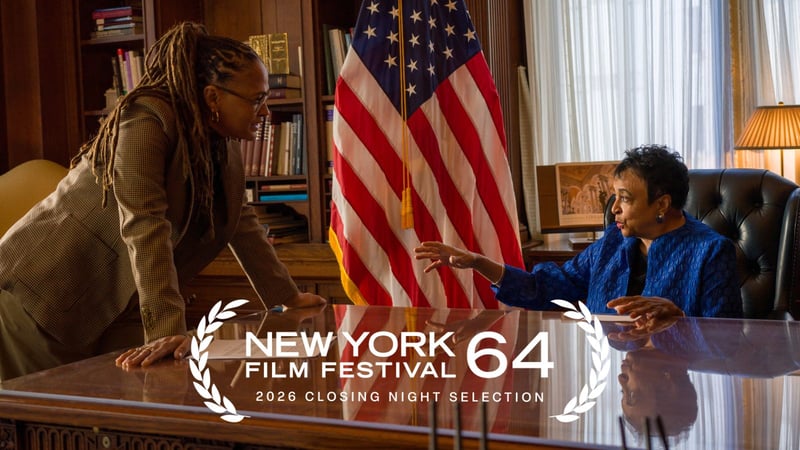
World Premiere of Ava DuVernay’s 14th Will Close the 64th New York Film Festival
Film at Lincoln Center announces Ava DuVernay’s 14th as the Closing Night selection of the 64th New York Film Festival, making its world premiere at Alice Tully Hall on Friday, October 9, with DuVernay and film participants in attendance.
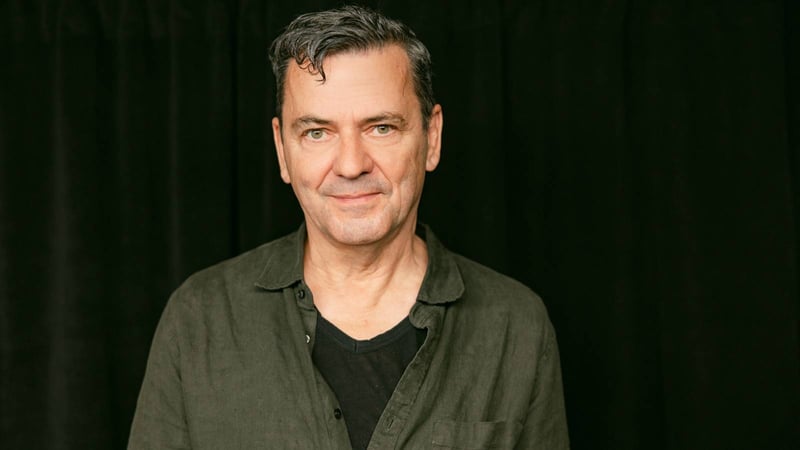
Miroirs No. 3 Director Christian Petzold on His Haunting New Film
On the latest episode of FLC Luminaries, our video series that spotlights talent at all levels of the filmmaking process who uplift the art and craft of cinema, Miroirs No. 3 director discusses his haunting, beautifully crafted new film.
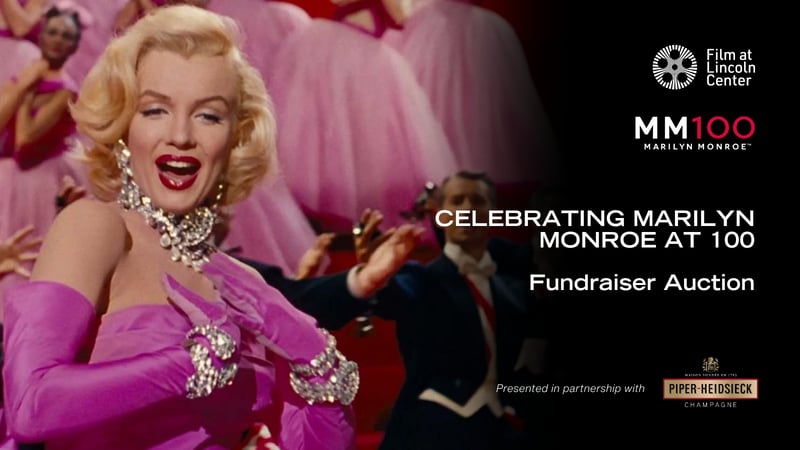
Film at Lincoln Center Launches Fundraiser Auction in Celebration of Marilyn Monroe Centennial
FLC is partnering with Piper-Heidsieck Champagne for a one-night-only special event featuring an archival 35mm print of Howard Hawks’s classic, Gentlemen Prefer Blondes. Click here to read more about the event. This special fundraiser auction features Marilyn Monroe-themed art, memorabilia, and an exclusive trip to Champagne, France, featuring a behind-the-scenes Piper-Heidsieck experience.


