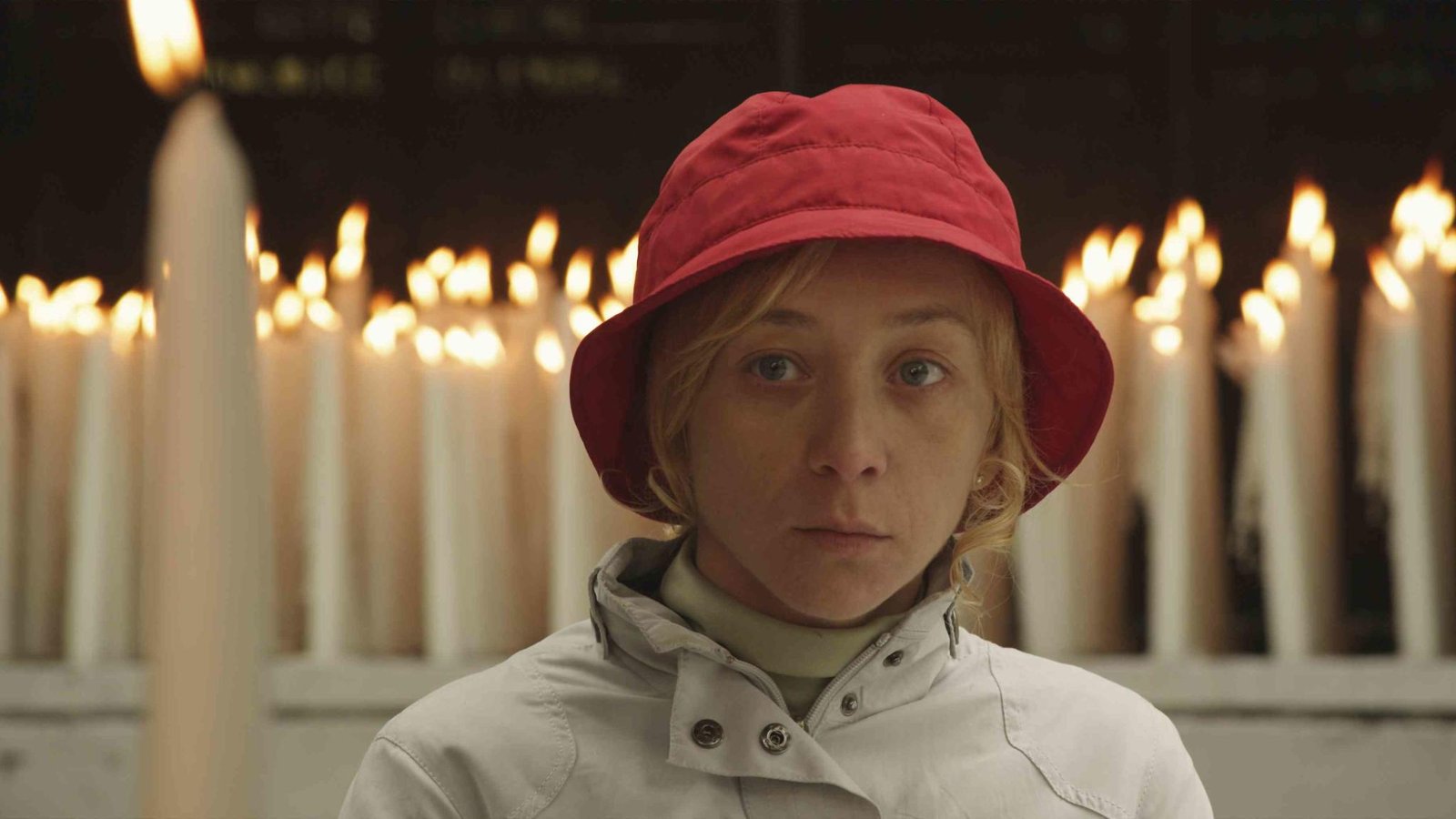
Lourdes
Jessica Hausner: The Miracle Worker
November 8 - 10, 2019
Hausner’s ironic parable, about a wheelchair-bound woman (Sylvie Testud) miraculously cured on a Catholic pilgrimage, contemplates grace and the miraculous with a wry sense of humor and a subtly touching humanism.
Q&A with Jessica Hausner on November 9
Hausner’s ironic parable contemplates grace and the miraculous with a wry sense of humor and a subtly touching humanism. Visiting the titular French town—the site for a massive annual Catholic pilgrimage—wheelchair-bound Christine (Sylvie Testud) is magically cured of her acute multiple sclerosis while in the care of nun Maria (Léa Seydoux), despite the fact that she isn’t particularly religious. Reminiscent at times of Jacques Tati’s Playtime, this frequently funny meditation on faith in the modern world finds Hausner skillfully using cinematic space and time to sympathetically send up contemporary spirituality.
Jessica Hausner on Lourdes:
The first sentence of the idea was a miracle that might not be a miracle after all. Like with all my films I started to do a lot of research, and I investigated different places where miracles are supposed to happen, or I investigated different descriptions of miracles that have ever happened. That was very interesting for me. And then I started to focus on the place Lourdes, because I found out that this is the place to go if you want to have a miraculous healing—that’s the place where it happens. And I was reading a lot of medical studies about people who were healed in Lourdes. They have a medical bureau over there and they investigate all the cases. There is a doctor who is especially investigating people who have been healed. It was also interesting to read all those case studies, but the other thing that was interesting was that, for the research, I interviewed a lot of pilgrims, sick people, caretakers—all the people that go there. And I was interested because I don’t believe in God, but I wanted to know how they can. So that was an interesting thing for me, because I felt like I’m a Japanese visitor trying to find out the Catholic religion, and that’s what the whole film was for me. It was like from the perspective of a stranger to ask what is this religion about.
An emotional part of Lourdes was that during the research I talked to a lot of sick people facing death, and I understood that their problems are similar to everyone else’s, only with the difference that when you’re sick you’re facing death much stronger. But we all are facing death—we just don’t think about it every day—and the moment I understood this, the whole process of making the film became very personal, because it’s not about them who are so crazy because they think they are going to be healed. It’s us, because we think we’re going to live forever. Every human being is trying to neglect the fact that we are going to die one day, and some try to find the God who relieves them, and others just don’t think about it, but that’s what we all share—we’re trying to ignore the fact that it is inevitable.
Read our full interview with the director here.
Read More
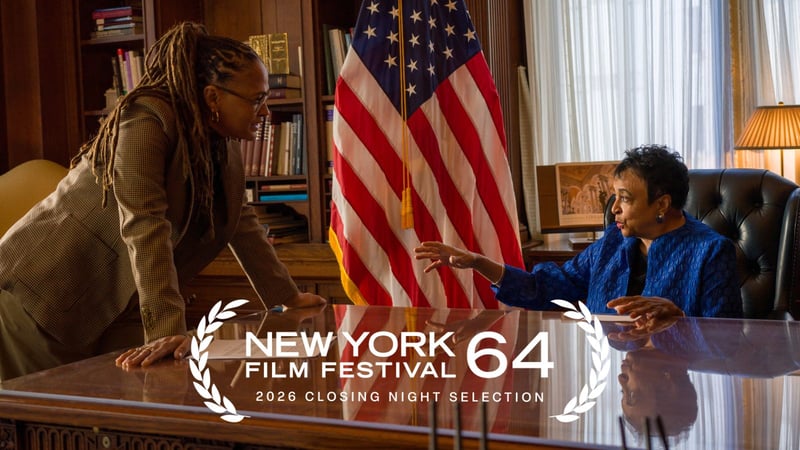
World Premiere of Ava DuVernay’s 14th Will Close the 64th New York Film Festival
Film at Lincoln Center announces Ava DuVernay’s 14th as the Closing Night selection of the 64th New York Film Festival, making its world premiere at Alice Tully Hall on Friday, October 9, with DuVernay and film participants in attendance.
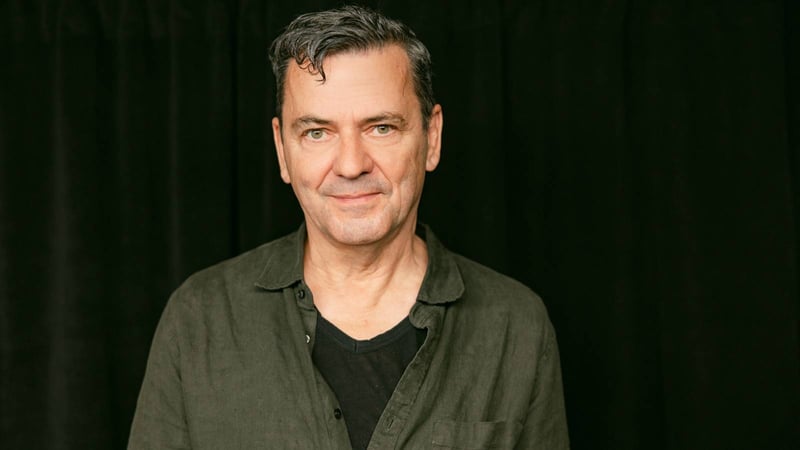
Miroirs No. 3 Director Christian Petzold on His Haunting New Film
On the latest episode of FLC Luminaries, our video series that spotlights talent at all levels of the filmmaking process who uplift the art and craft of cinema, Miroirs No. 3 director discusses his haunting, beautifully crafted new film.
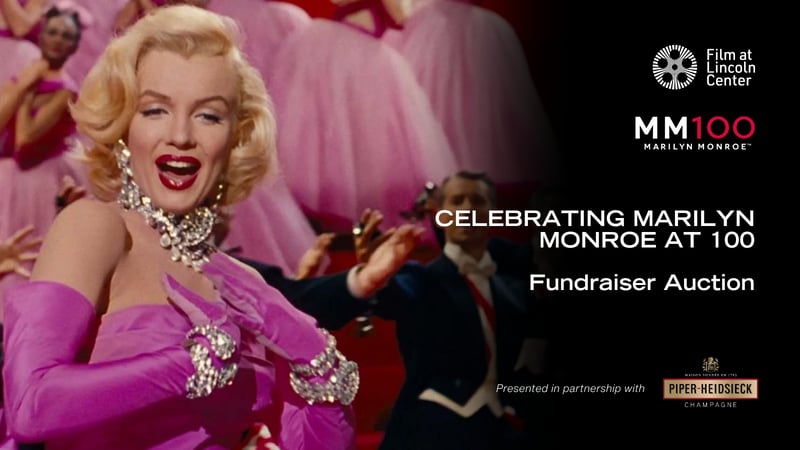
Film at Lincoln Center Launches Fundraiser Auction in Celebration of Marilyn Monroe Centennial
FLC is partnering with Piper-Heidsieck Champagne for a one-night-only special event featuring an archival 35mm print of Howard Hawks’s classic, Gentlemen Prefer Blondes. Click here to read more about the event. This special fundraiser auction features Marilyn Monroe-themed art, memorabilia, and an exclusive trip to Champagne, France, featuring a behind-the-scenes Piper-Heidsieck experience.


