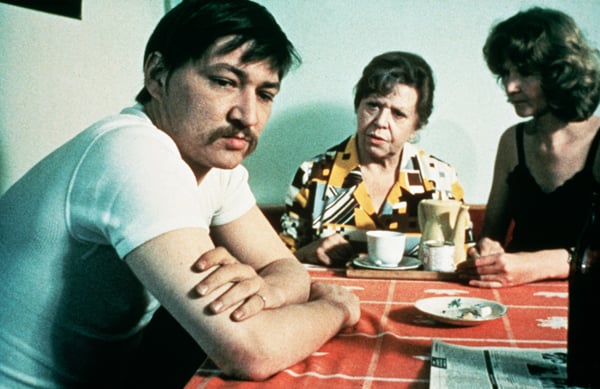
NYFF ’74: Ali: Fear Eats the Soul
This wry, tender romance/social commentary about the unlikely love between a Moroccan immigrant and an older German widow remains one of the director’s most popular films.
In the 1970s, the New York Film Festival became a major port of call for the filmmakers of the burgeoning New German Cinema, introducing American audiences to the work of Werner Herzog, Wim Wenders, Alexander Kluge and, of course, Rainer Werner Fassbinder, the staggeringly prolific enfant terrible who presented new films at all but three editions of the festival from 1971 to 1982 (the year of his untimely death). Shot quickly and on a low budget at the peak of Fassbinder’s creative powers, Ali: Fear Eats the Soul uses the basic framework of Douglas Sirk’s classic melodrama All That Heaven Allows (later the inspiration for Todd Haynes’s Far From Heaven) to tell the unlikely love story of Ali, a thirty-something Moroccan immigrant working as a garage mechanic, and Emmi, a German widow old enough to be his mother. When they marry, their relationship is put to the test by prejudice and discrimination from friends and family on both sides (including Fassbinder himself as Emmi’s son-in-law). Beautifully acted by Fassbinder muses Brigitte Mira and El Hedi ben Salem, this wry and tender romance-cum-social-commentary stands as one of the director’s most accomplished and enduringly popular films.
“Ali is a film that glows with something that might be called moral radiance.”
—NYFF12 program note
“****. Fassbinder borrows from Sirk the technique of framing shots so stringently that the characters seem fenced in, limited in the ways they can move. He'll lock Emmi in the foreground and Ali in the background in such a way that neither could move without leaving the frame, and make you aware of that: He's saying visually that they are locked into the same space, without choices. They remain motionless in his carefully composed visual settings while we absorb their dilemma and (gradually) the fact that he's calling attention to it. In the quietest of ways, Fassbinder is breaking his contract with the audience, which expects plausible fiction. He nudges us to get outside the movie and look at it as absurd, as black humor, as comment on these people so hopelessly trapped in their dreary surroundings and by their fates.”
—Rogert Ebert, Chicago Sun-Times
“Fassbinder, who looks like a Vegas blackjack dealer, knows how to get the effects he wants: he turns this sweet-sauerkraut into a double-edged enthralling movie.”
—Manny Farber & Patricia Patterson, Film Comment
Read More
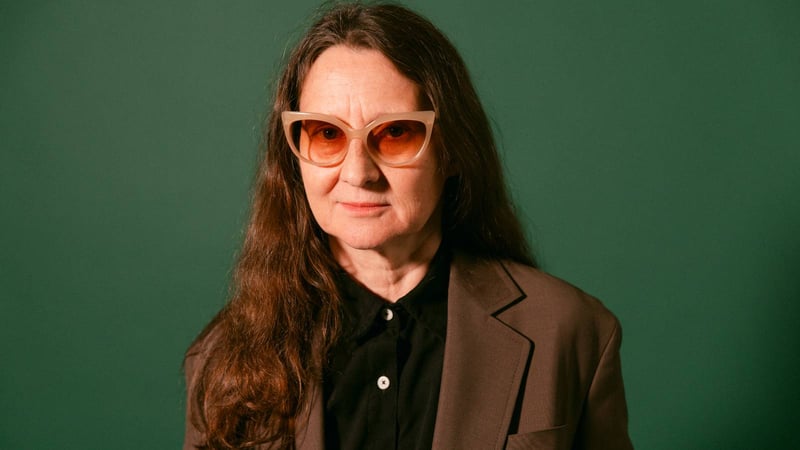
Lucrecia Martel on Our Land (Nuestra Tierra), the Filmmaker’s First Feature Documentary
On the latest episode of FLC Luminaries, our video series that spotlights talent at all levels of the filmmaking process who uplift the art and craft of cinema, Our Land (Nuestra Tierra) director Lucrecia Martel discusses her expansive and enlightening first feature documentary.
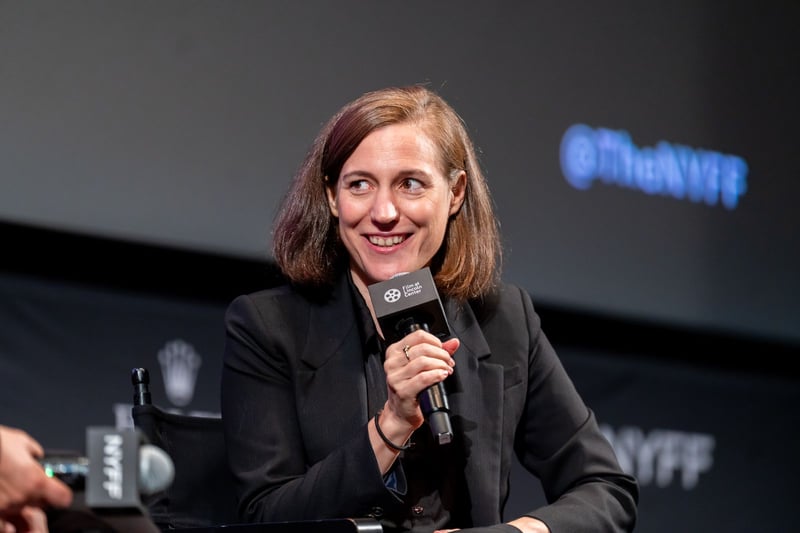
Carla Simón on Her Poignantly Autobiographical Romería
This week we’re excited to present a conversation from the 63rd New York Film Festival with Romería director Carla Simón, moderated by NYFF Main Slate selection committee member Florence Almozini.

FLC and NYAFF Announce Lineup and Awards of the 25th New York Asian Film Festival, July 10–26
The New York Asian Film Festival (NYAFF) and Film at Lincoln Center today unveil the second wave of programming for its landmark 25th edition, adding more than 40 films to an already wide-ranging lineup, with very special final titles still to come.


