
NYFF ’84: Three Crowns of the Sailor
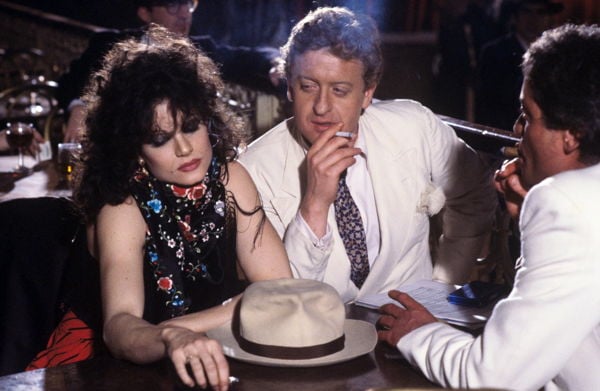
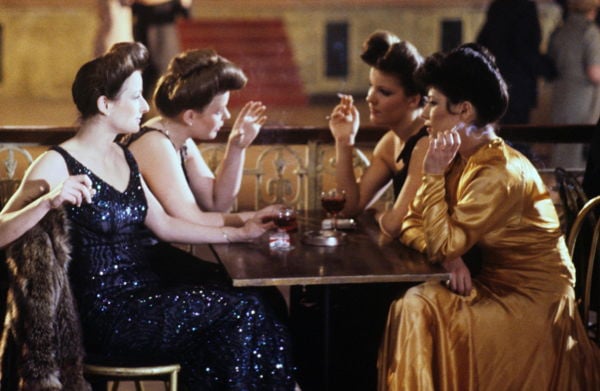
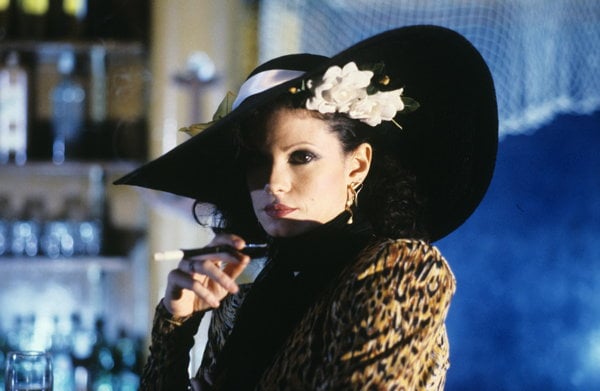
A student who has just committed a brutal murder is persuaded by a drunken sailor to listen to his macabre life story in Ruiz’s dazzlingly surreal dream narrative, shot by legendary Buñuel and Resnais cameraman Sacahe Vierny.
The late Raul Ruiz (Mysteries of Lisbon) made his second NYFF appearance (following the short Dog’s Dialogue in 1980) with this dazzling opium dream of a movie about the encounter between a student who has just committed a brutal murder and the drunken sailor who persuades the fleeing youth to accompany him to a nearby dance hall and listen to his macabre life story. Years before, the sailor had shipped out of his native Valparaiso aboard a cursed vessel manned by ghosts. Discovering that he's condemned to remain the only living member of the crew, the sailor passes through a series of adventures in brothels and Latin American ports, all of which take place in a vividly surreal limbo world that Ruiz and veteran cinematographer Sacha Vierny (Hiroshima Mon Amour, Belle de Jour) fashioned out of real locations in Paris and Portugal using a series of ingenious optical effects. Orson Welles, Borges, Robert Louis Stevenson, and Milton Caniff have all been cited among the film's sources, but it's really quintessential Ruiz, the culmination of both his career-spanning investigation of the way meaning is derived from images and his most personal expression of the exile experience.
“Deliriously unsynopsizable, a triumph of lavish yet low-budget Baroque, Three Crowns of the Sailor could be described as “The Rime of the Ancient Mariner” rewritten by Jorge Luis Borges as a script for the Orson Welles of Mr. Arkadin, but the outrageously intricate plot, startling compositions, and hilarious one-liners are pure Ruiz.”
–NYFF 22 program note
“Ruiz plays a game with the audience, challenging us to find the patterns within the film's apparently arbitrary events, and then asking us to find the patterns that unite the patterns. Paradoxes build on paradoxes and logic on illogic, and yet the game has a serious end, building toward a world stripped of substance, in which everything signifies but nothing means. The visual style, based on Welles but with its own surprising directions, is just as imaginative.”
–Dave Kehr, Chicago Reader
Read More
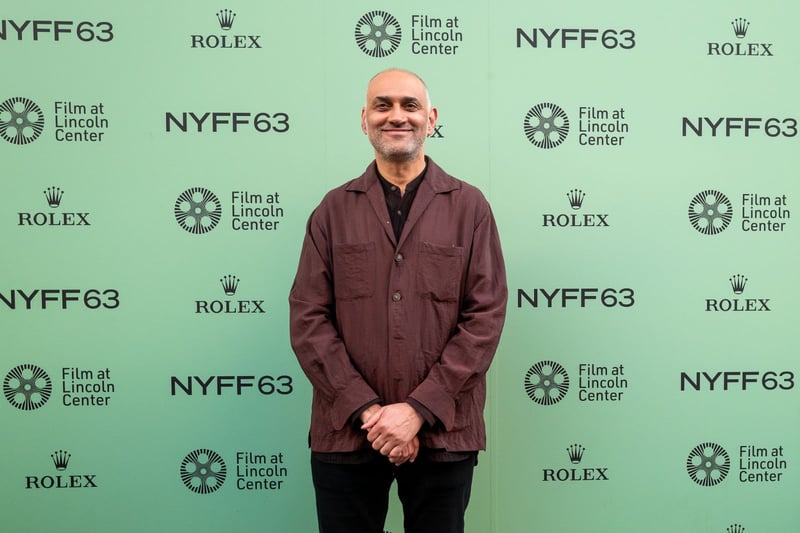
Kamal Aljafari on With Hasan in Gaza and ‘The Camera of the Dispossessed’
Our 63rd New York Film Festival Talks featured a special conversation with With Hasan in Gaza director Kamal Aljafari, moderated by Film Comment editor Devika Girish.

Lucrecia Martel on Our Land (Nuestra Tierra), the Filmmaker’s First Feature Documentary
On the latest episode of FLC Luminaries, our video series that spotlights talent at all levels of the filmmaking process who uplift the art and craft of cinema, Our Land (Nuestra Tierra) director Lucrecia Martel discusses her expansive and enlightening first feature documentary.

Carla Simón on Her Poignantly Autobiographical Romería
This week we’re excited to present a conversation from the 63rd New York Film Festival with Romería director Carla Simón, moderated by NYFF Main Slate selection committee member Florence Almozini.


