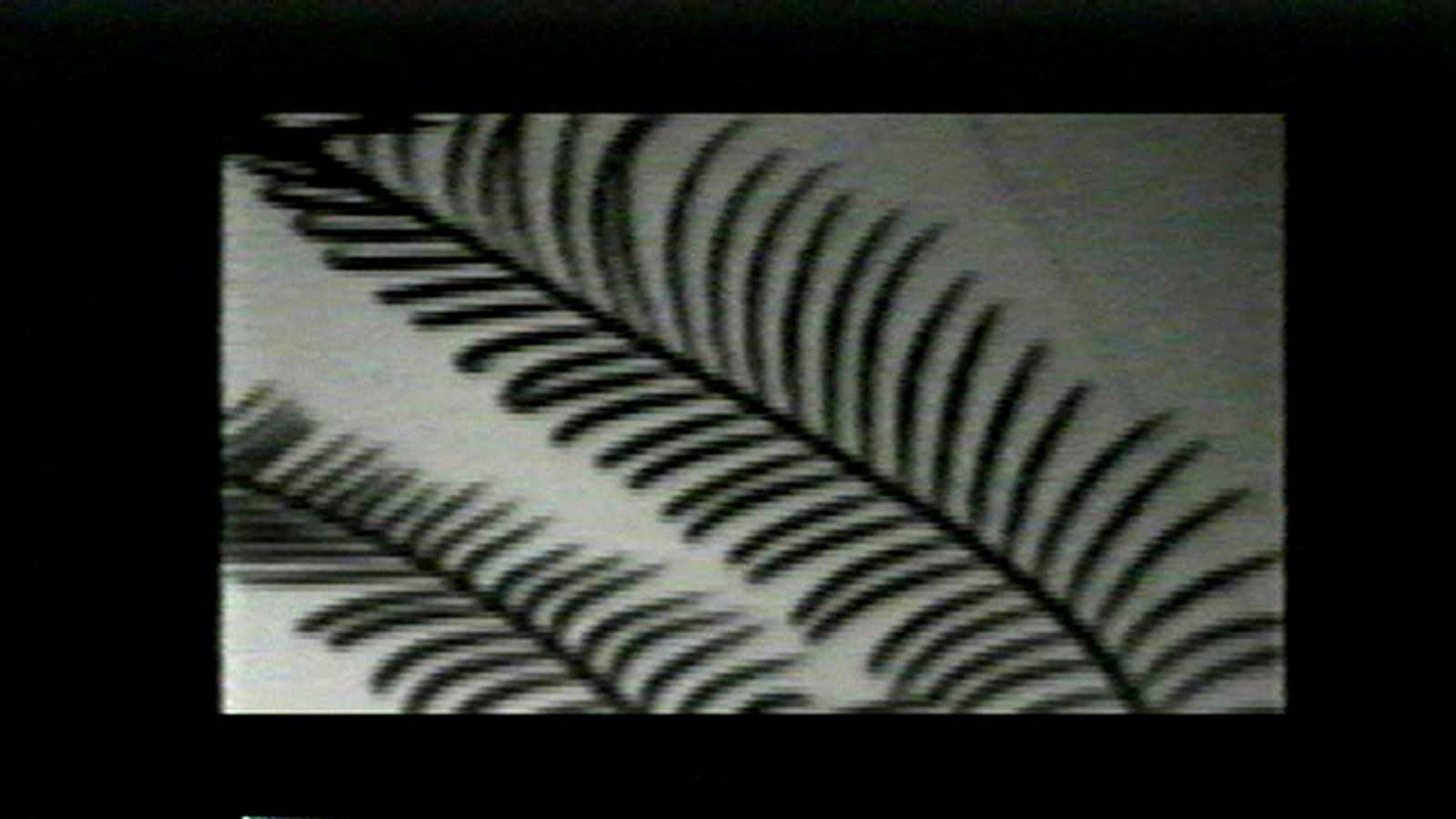
Program 3: Nocturne + Strange Weather
Flat Is Beautiful: The Strange Case of Pixelvision
August 10 - 16, 2018
Ahwesh’s Nocturne is a horror movie stripped down to its barest elements; Ahwesh and Margie Strosser’s Strange Weather is a Warholian riff on reality television assumed by many who first saw it to be a documentary.
A woman drags a male corpse across a lawn then buries him in a shallow grave, and her victim returns, like a thought repressed, to haunt her. Peggy Ahwesh’s Nocturne is a curious act of translation, a work based on a review she’d read of Mario Bava’s gothic chiller The Whip and the Body, resulting in a horror movie stripped down to its barest elements. The genre’s usual trappings have all but evaporated, and left behind is a potent distillation of its unnerving, paranormal moods. This minimalist orientation is mirrored in the look of the film as well, where barely there Pixelvision interludes serve as the ghostly counterpoint to its celluloid sequences. In contrast to the oneiric sensibility of Nocturne, Strange Weather—about four crack addicts holed up in a Florida motel room as a hurricane swirls on the horizon—was assumed by many who first saw it to be a documentary. A Warholian riff on reality television, Ahwesh and Margie Strosser’s collaboration fully exploits the proximate scale so often associated with Pixelvision, granting the goings-on a fascinating air of torpid anxiety.
Nocturne
Peggy Ahwesh, USA, 1998, 16mm, 30m
Strange Weather
Peggy Ahwesh & Margie Strosser, USA, 1993, 50m
Programmer Thomas Beard on Pixelvision, the “Underappreciated Flipside of ’90s Indie Cinema”:
I bought a PXL 2000 on eBay years ago, back when I was in college, but unfortunately I could never get it to work. The Pixelvision camera was kind of legendary, a plastic camcorder for kids put out by Fisher-Price in the late ’80s that recorded its ghostly, low-res images onto a regular audio cassette. As a toy, the PXL 2000 was rather a bust, yanked from the shelves after only a year—they were too expensive, they were temperamental—but the story of Pixelvision doesn’t end there. It had a look like nothing else, a dreamy visual texture, fuzzy as a faded memory, and the format had a surprise second act in the hands of experimental filmmakers, who used the device to shoot some truly remarkable movies, like Michael Almereyda’s Nadja, a wry riff on the vampire picture, or Sadie Benning’s teenage bedroom tapes, which, in my estimation, are among the most moving and imaginative records of queer adolescence ever made.
Over the years there have been a number of one-off Pixelvision screenings, but nothing this comprehensive, and many of the titles aren’t currently available on DVD or Netflix, so if you’re intrigued by the curious afterlife of the PXL 2000 and the challenging, strangely beautiful films it captured, now’s the time to check them out. Think of this series as the underappreciated flipside of ’90s independent cinema.
Read More
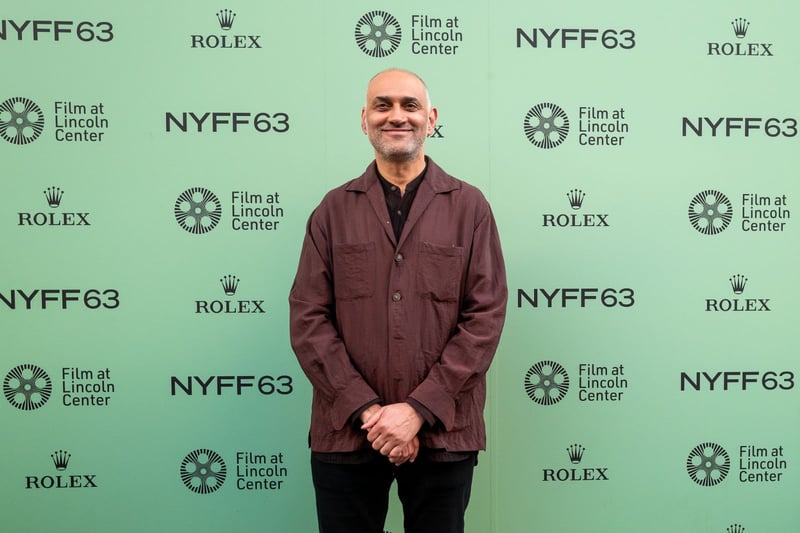
Kamal Aljafari on With Hasan in Gaza and ‘The Camera of the Dispossessed’
Our 63rd New York Film Festival Talks featured a special conversation with With Hasan in Gaza director Kamal Aljafari, moderated by Film Comment editor Devika Girish.
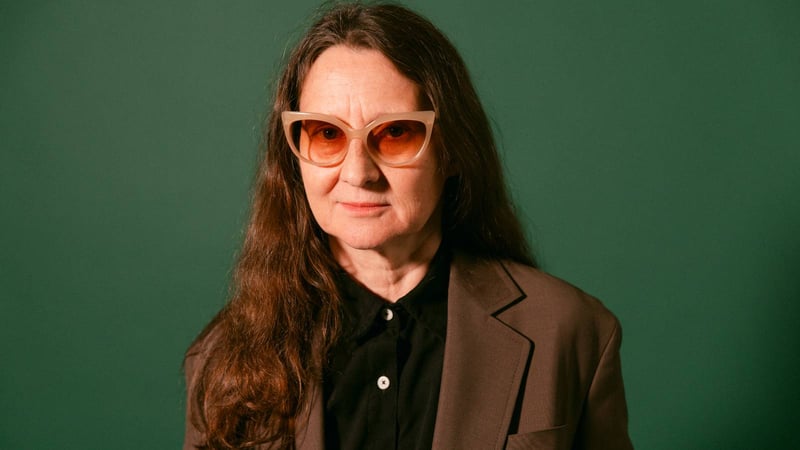
Lucrecia Martel on Our Land (Nuestra Tierra), the Filmmaker’s First Feature Documentary
On the latest episode of FLC Luminaries, our video series that spotlights talent at all levels of the filmmaking process who uplift the art and craft of cinema, Our Land (Nuestra Tierra) director Lucrecia Martel discusses her expansive and enlightening first feature documentary.
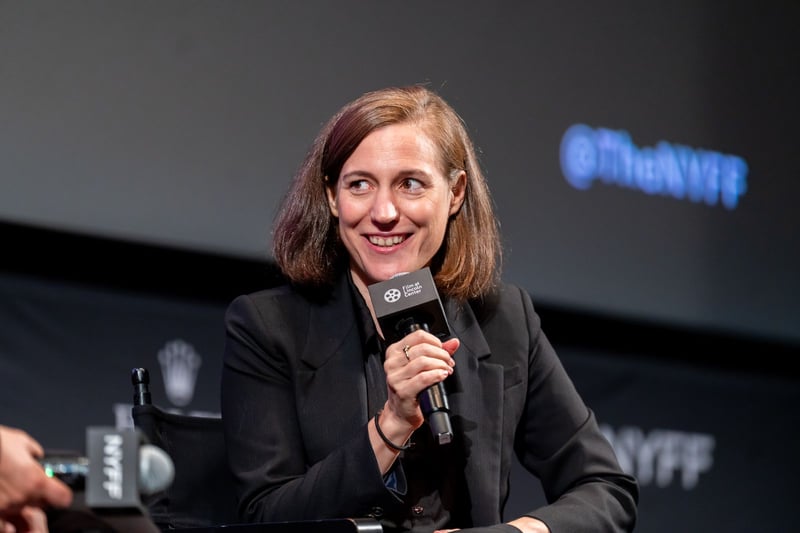
Carla Simón on Her Poignantly Autobiographical Romería
This week we’re excited to present a conversation from the 63rd New York Film Festival with Romería director Carla Simón, moderated by NYFF Main Slate selection committee member Florence Almozini.


