
Program 4: Glass Jaw + Swallow + Flat Is Beautiful
Flat Is Beautiful: The Strange Case of Pixelvision
August 10 - 16, 2018
Glass Jaw is Michael O’Reilly’s harrowing chronicle of two injuries; Elisabeth Subrin’s Swallow deftly blends found footage and self-shot material with spoken recollections of a childhood friend’s eating disorder; and Sadie Benning’s Flat Is Beautiful centers on a melancholy tween tomboy grappling with their gender identity in working-class Milwaukee.
Introduction by Elisabeth Subrin
Glass Jaw is Michael O’Reilly’s harrowing chronicle of two injuries—the first from a biking accident that led to his jaw being wired shut; the second just a few months later from an assault that required brain surgery. The narrative finds an ideal conduit in Pixelvision, where the fragility of the human body is articulated through a delicate, jittery pointillism. Elisabeth Subrin’s Swallow, meanwhile, revolves around another kind of psychic and physical breakdown. Deftly blending found footage and self-shot material with spoken recollections of a childhood friend’s eating disorder, Subrin navigates the darker side of a Free to Be…You and Me upbringing: “It was 1975. There was no name for it, but I knew what she was talking about.” Flat Is Beautiful, in which every member of the cast sports a different hand-drawn paper mask, centers on a melancholy tween tomboy grappling with their gender identity in working-class Milwaukee. Benning’s dreamy, downbeat coming-of-age tale, fuzzy like a faded memory, reveals the various ways inner life can—or cannot—be read across a frozen face.
Glass Jaw
Michael O’Reilly, USA, 1991, 17m
Swallow
Elisabeth Subrin, USA, 1995, 28m
Flat Is Beautiful
Sadie Benning, USA, 1998, 50m
Programmer Thomas Beard on Pixelvision, the “Underappreciated Flipside of ’90s Indie Cinema”:
I bought a PXL 2000 on eBay years ago, back when I was in college, but unfortunately I could never get it to work. The Pixelvision camera was kind of legendary, a plastic camcorder for kids put out by Fisher-Price in the late ’80s that recorded its ghostly, low-res images onto a regular audio cassette. As a toy, the PXL 2000 was rather a bust, yanked from the shelves after only a year—they were too expensive, they were temperamental—but the story of Pixelvision doesn’t end there. It had a look like nothing else, a dreamy visual texture, fuzzy as a faded memory, and the format had a surprise second act in the hands of experimental filmmakers, who used the device to shoot some truly remarkable movies, like Michael Almereyda’s Nadja, a wry riff on the vampire picture, or Sadie Benning’s teenage bedroom tapes, which, in my estimation, are among the most moving and imaginative records of queer adolescence ever made.
Over the years there have been a number of one-off Pixelvision screenings, but nothing this comprehensive, and many of the titles aren’t currently available on DVD or Netflix, so if you’re intrigued by the curious afterlife of the PXL 2000 and the challenging, strangely beautiful films it captured, now’s the time to check them out. Think of this series as the underappreciated flipside of ’90s independent cinema.


Read More
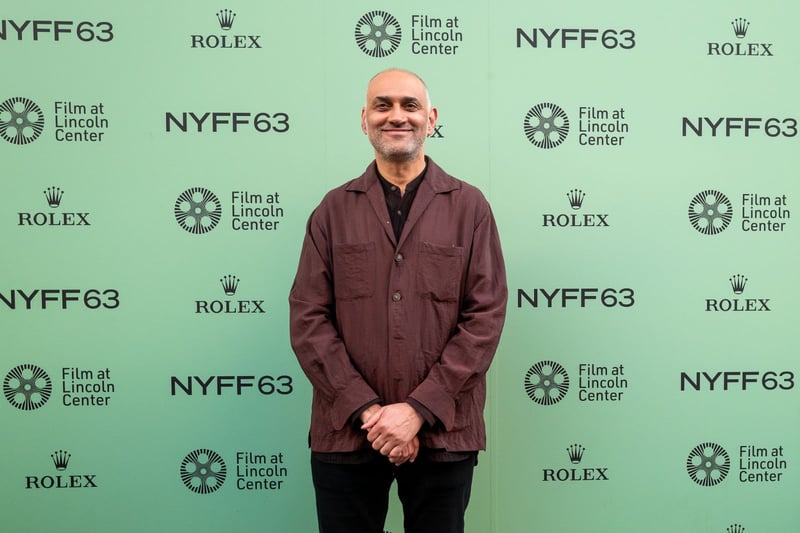
Kamal Aljafari on With Hasan in Gaza and ‘The Camera of the Dispossessed’
Our 63rd New York Film Festival Talks featured a special conversation with With Hasan in Gaza director Kamal Aljafari, moderated by Film Comment editor Devika Girish.

Lucrecia Martel on Our Land (Nuestra Tierra), the Filmmaker’s First Feature Documentary
On the latest episode of FLC Luminaries, our video series that spotlights talent at all levels of the filmmaking process who uplift the art and craft of cinema, Our Land (Nuestra Tierra) director Lucrecia Martel discusses her expansive and enlightening first feature documentary.
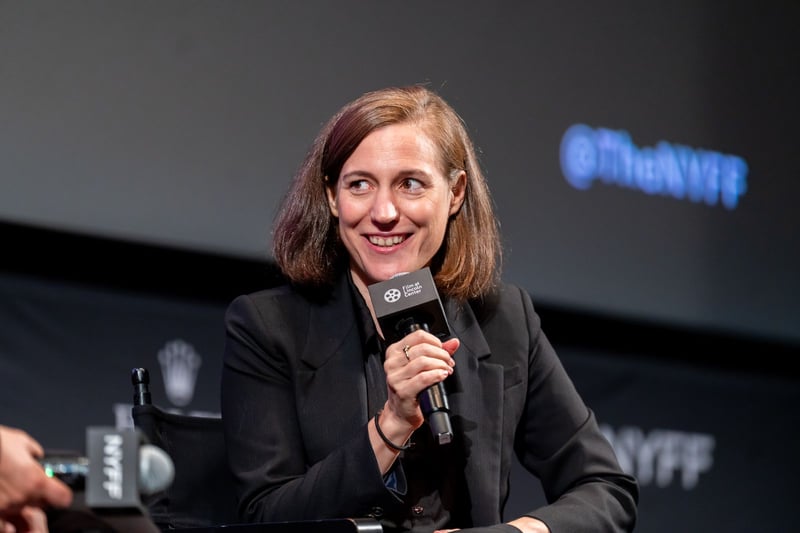
Carla Simón on Her Poignantly Autobiographical Romería
This week we’re excited to present a conversation from the 63rd New York Film Festival with Romería director Carla Simón, moderated by NYFF Main Slate selection committee member Florence Almozini.


