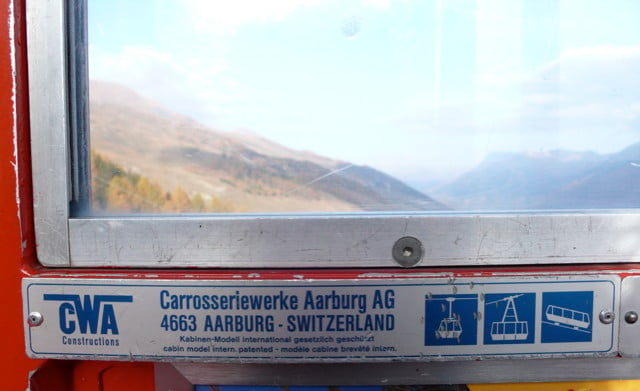
Swiss Mountain Transport Systems, Radio Version (5.1 mix)
Art of the Real 2014
April 11 - 26, 2014
Filmmaker Ernst Karel in person for Q&A!
A kind of music emerges from the mechanical drones, intermittent percussiveness, and transient acoustic glimpses of a vast surrounding landscape captured by location recordings of a variety of alpine people movers. Screening with other sound work. Part of the Focus on the Sensory Ethnography Lab.
Filmmaker Ernst Karel in person for Q&A!
Swiss Mountain Transport Systems consists of location recordings made during the summer and fall of the various transport systems that are specific to mountainous terrain—gondolas (aerial cable cars), funiculars, and chairlifts—of different types, of different vintages, and accessing different elevations, in different parts of Switzerland. Recorded from within mostly enclosed mobile environments, this emergent music includes mechanical drones, intermittent percussiveness, and transient acoustic glimpses of a vast surrounding landscape inhabited by humans and other animals.
Screening with:
Steven Feld, “From Morning Night to Real Morning,” “Making Sago,” “From Afternoon to Afternoon Darkening,” Voices of the Rainforest (1991), 16m
Pierre Schaeffer, Étude aux chemin de fer (1948), 3m
Steven Feld is a foundational figure in the anthropology of sound. In his landmark 1991 composition, Voices of the Rainforest, Feld combines the techniques of location recording and electroacoustic composition to create a piece which conveys what he has called an “acoustemology,” or a way of knowing through sound, in the form of a day in the life of the Kaluli people of Bosavi, Papua New Guinea. He is particularly interested in conveying through this composition the Kaluli notion of “lift-up-over-sounding,” which evokes the spatial and temporal sonic interactions humans and non-humans in the dense rainforest environment, in which “there are no single discrete sounds to be heard.”
Focus on the Sensory Ethnography Lab
In a mere eight years, the Sensory Ethnography Lab at Harvard University has gone from an unusually ambitious academic program to one of the most vital incubators of nonfiction and experimental cinema in the United States. Lucien Castaing-Taylor established the SEL in 2006 on the premise that documentary and art are not mutually exclusive and that the intensive fieldwork of anthropology could nourish both. In practice this means rejecting the laziest devices in the contemporary documentarian’s tool kit: reductive story arcs, infantilizing voiceovers and talking heads, manipulative music cues. It also reconnects documentary to the work of such pioneers as Robert Flaherty and Jean Rouch, and indeed to the medium’s eternal promise as an instrument for both capturing reality and heightening the senses. The films in this selection, including work produced at the SEL and work that inspired SEL makers, attest to the aspirations of sensory ethnography: to experience the world, and to transmit some of the magnitude and multiplicity of that experience. Presented in collaboration with the 2014 Whitney Biennial.
Read More
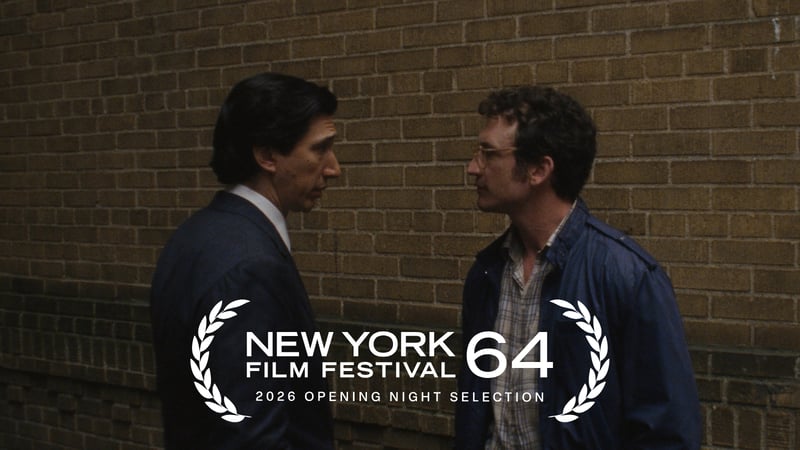
James Gray’s Paper Tiger Will Open the 64th New York Film Festival
FLC announces James Gray’s Paper Tiger as the Opening Night selection of the 64th New York Film Festival, presented in partnership with Rolex. The film will make its North American premiere in a gala debut at Alice Tully Hall on Friday, September 25, with Gray and members of the cast and crew in attendance.

Scary Movies XIV Brings Horror and Genre-bending Cinema to Film at Lincoln Center, August 12–20
Running August 12 through August 20, the 16-film festival will premiere new works alongside special presentations of spine-tingling classics and rediscoveries conjured from the dark recesses of midnight-movie lore, with filmmakers and special guests appearing for post-screening Q&As.
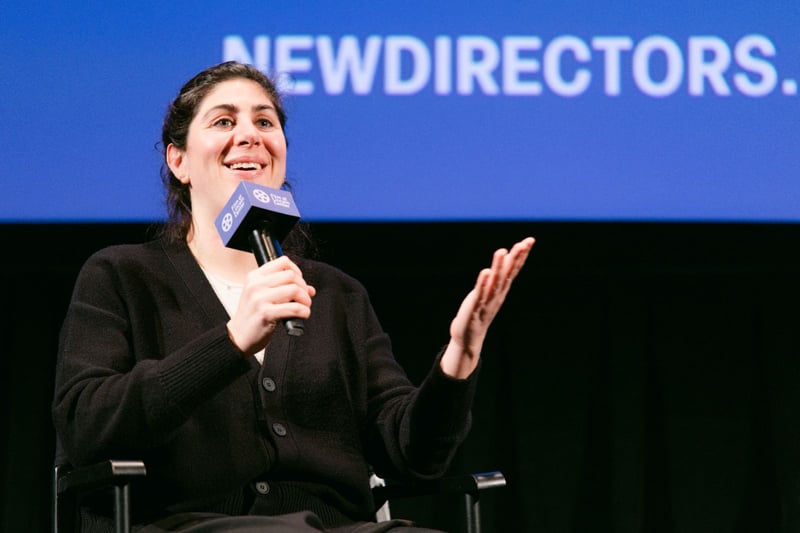
Lana Daher on Her Documentary Do You Love Me
This week we’re excited to present a conversation from the 2026 edition of New Directors/New Films with Do You Love Me director Lana Daher.


