
The River and Death
Spectacle Every Day: Mexican Popular Cinema
July 26 - August 8, 2024
Writing in his autobiography, Buñuel recalled the basis of The River and Death, a bloody and scathingly contrarian pueblo-western made in the middle of his filmmaking career in Mexico (1947-65): “I’ve always been fascinated by the ease with which certain people can kill others, and this idea runs throughout the film in the form of a series of simple and apparently gratuitous murders.”
Introduction by Cecilia Barrionuevo on July 29
Writing in his autobiography, My Last Sigh, Luis Buñuel recalled the basis of The River and Death, a bloody and scathingly contrarian pueblo-western made in the middle of his filmmaking career in Mexico (1947–65): “I’ve always been fascinated by the ease with which certain people can kill others, and this idea runs throughout the film in the form of a series of simple and apparently gratuitous murders.” Penned by his frequent scribe Luis Alcoriza (The Skeleton of Mrs. Morales, showing in this series), who adapted Miguel Álvarez Acosta’s 1952 novel White Wall on a Black Rock, the film concerns the final chapter of a generations-old blood feud between two families, and their remaining sons (Miguel Torruco and Joaquín Cordero) compelled to end the dispute once and for all. Buñuel examines, with supreme irony and in reaction to what he noted as a “dramatic aspect of Latin American culture,” an environment pressed between violence and deep-rooted traditions, and sharply deconstructs the images of other rural melodramas made during this period. With Columba Domínguez (Emilio Fernández’s Pueblerina).
Courtesy of Filmoteca UNAM’s collection. Televisa, S. de R.L. de C.V. All Rights Reserved. We appreciate the support of Fundación Televisa.

En su autobiografía, Mi último suspiro, Luis Buñuel recordaba los fundamentos de El río y la muerte, un sangriento y mordaz western pueblerino rodado a mediados de su carrera cinematográfica en México (1947–1965): “Siempre me ha fascinado la facilidad con que ciertas personas pueden matar a otras, y esta idea recorre toda la película en forma de una serie de asesinatos simples y aparentemente gratuitos.” La película, escrita por su guionista habitual Luis Alcoriza (El esqueleto de la señora Morales, que se proyecta en esta serie), que adaptó la novela de 1952 de Miguel Álvarez Acosta Muro blanco en roca negra, trata del capítulo final de una disputa de sangre entre dos familias que dura ya varias generaciones, y de los hijos que les quedan (Miguel Torruco y Joaquín Cordero), obligados a poner fin a la disputa de una vez por todas. Buñuel examina, con suprema ironía y en reacción a lo que señaló como un “aspecto dramático de la cultura latinoamericana,” un entorno presionado entre la violencia y las tradiciones más arraigadas, y deconstruye con agudeza las imágenes de otros melodramas rurales realizados durante este periodo. Con Columba Domínguez (Pueblerina, de Emilio Fernández).
Cortesía del acervo de la Filmoteca de la UNAM. Televisa, S. de R.L. de C.V. Todos los derechos reservados. Agradecemos el apoyo de Fundación Televisa.


Read More
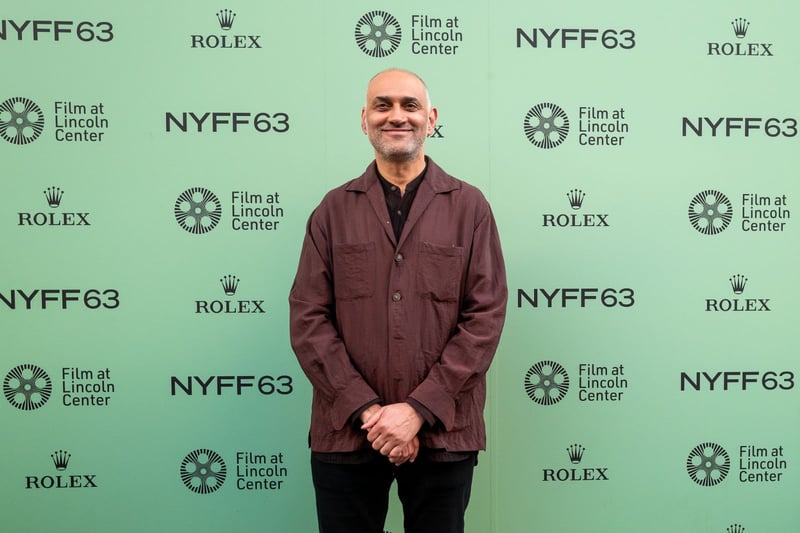
Kamal Aljafari on With Hasan in Gaza and ‘The Camera of the Dispossessed’
Our 63rd New York Film Festival Talks featured a special conversation with With Hasan in Gaza director Kamal Aljafari, moderated by Film Comment editor Devika Girish.
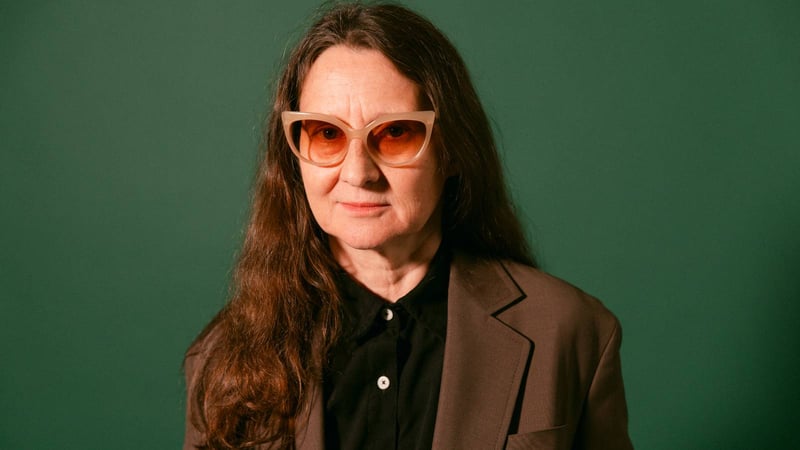
Lucrecia Martel on Our Land (Nuestra Tierra), the Filmmaker’s First Feature Documentary
On the latest episode of FLC Luminaries, our video series that spotlights talent at all levels of the filmmaking process who uplift the art and craft of cinema, Our Land (Nuestra Tierra) director Lucrecia Martel discusses her expansive and enlightening first feature documentary.
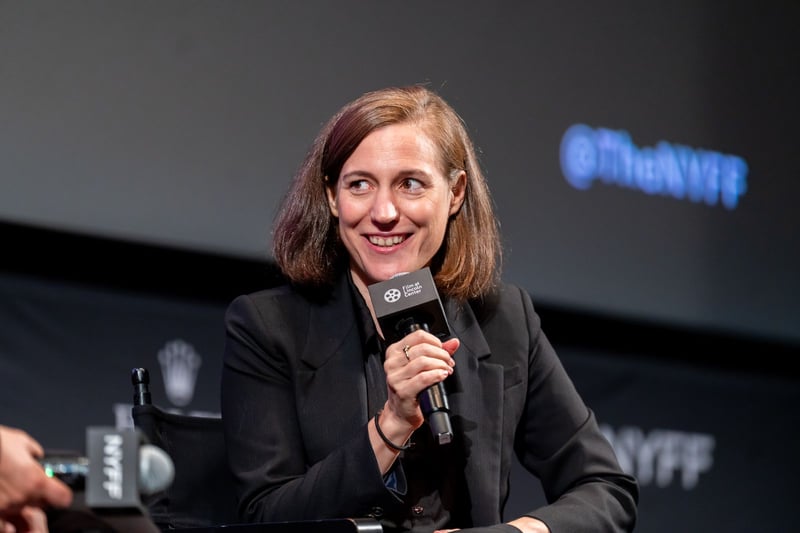
Carla Simón on Her Poignantly Autobiographical Romería
This week we’re excited to present a conversation from the 63rd New York Film Festival with Romería director Carla Simón, moderated by NYFF Main Slate selection committee member Florence Almozini.


