Bring Me the Head of Sam Peckinpah
Cinema’s great choreographer of blood and bullets, Sam Peckinpah ushered in a new era of American filmmaking with his deliriously violent, coolly existentialist, strikingly lyrical works, which bridged the tradition of craft that defined the classic studio era and the freewheeling experimentation of New Hollywood. This complete retrospective is an opportunity to view the dynamic, dazzlingly inventive works of a maverick director who refused to compromise his singular vision.
Cinema’s great choreographer of blood and bullets, Sam Peckinpah ushered in a new era of American filmmaking with his deliriously violent, coolly existentialist, strikingly lyrical works, which bridged the tradition of craft that defined the classic studio era and the freewheeling experimentation of New Hollywood. This complete retrospective is an opportunity to view the dynamic, dazzlingly inventive works of a maverick director who refused to compromise his singular vision.
See more and save with a 3+ Film Package and series All Access Pass. Tickets now on sale!
Sam Peckinpah
1970|
USA|
121 minutes
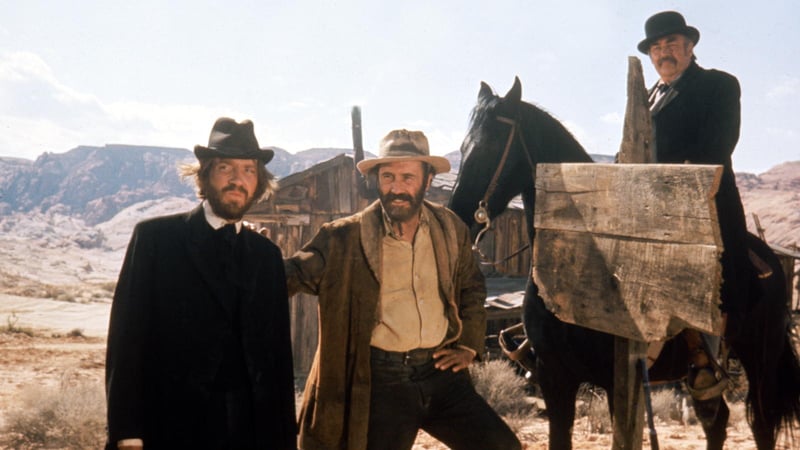
Jason Robards stars as a grizzled prospector who sets up his homestead on a remote sliver of desert amid encroaching modernity in Peckinpah’s charming, bittersweet fable about the decline of the American West.
Sam Peckinpah

1974|
USA|
112 minutes
A man, a severed head, and a sunbaked excursion into delirious ultra-violence: Peckinpah’s grindhouse–meets–art house pulp masterwork stars Warren Oates as a tequila-swilling barroom piano player on a demented road trip through Mexico to fulfill the titular request.
Sam Peckinpah
1977|
USA|
133 minutes
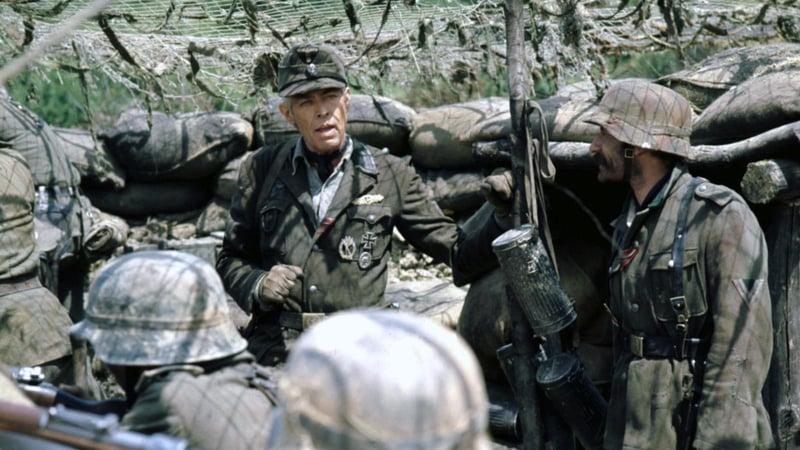
In what Orson Welles proclaimed as one of the greatest antiwar films ever made, Peckinpah unleashes some of the most harrowing combat footage ever seen on screen in this senses-shattering World War II drama in which a disillusioned German soldier (James Coburn) and his platoon are dragged through hell on the Russian front.
Sam Peckinpah

1961|
USA|
93 minutes
The remarkably assured feature debut by Peckinpah is a complex psychological Western about an ex-soldier who accidentally kills a young boy in a shoot-out and then accompanies his mother (Maureen O’Hara) through perilous Apache territory to bury the child.
Sam Peckinpah

1972|
USA|
122 minutes
Steve McQueen and Ali MacGraw play an outlaw couple on a blood-spattered dash across Texas in this taut action joyride, a tour-de-force of sustained suspense based on a novel by pulp poet Jim Thompson.
Sam Peckinpah
1972|
USA|
100 minutes
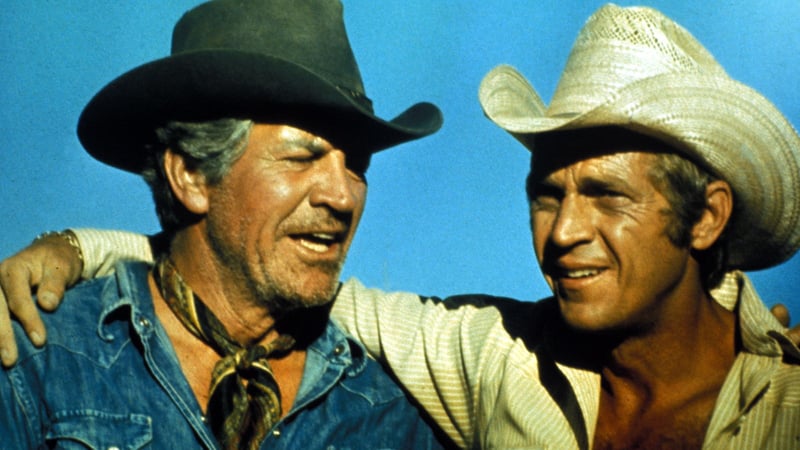
The director’s gentlest, most relaxed exploration of the changing values of the American West is this reflective, warmhearted character study starring Steve McQueen as an aging rodeo star who returns to his hometown, leaving his shiftless father (Robert Preston) and world-weary mother (Ida Lupino) adrift.
Sam Peckinpah
1975|
USA|
122 minutes
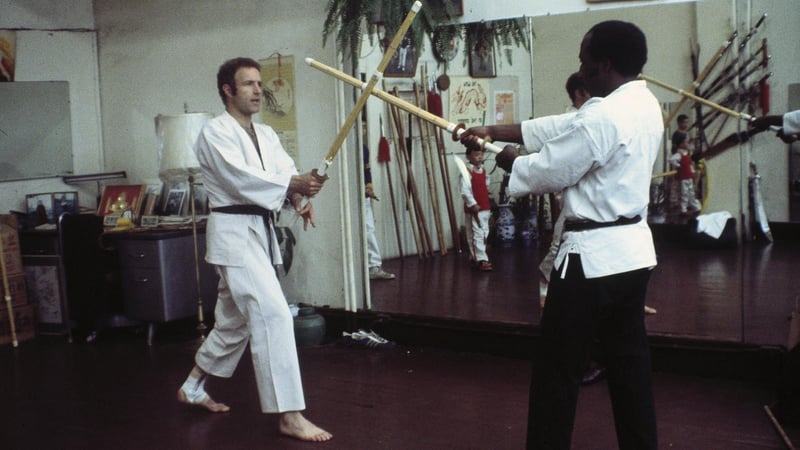
Peckinpah takes a paranoid ’70s conspiracy thriller premise and plays it with a hearty dose of absurdist comedy in this offbeat espionage caper starring James Caan as a secret agent who’s double-crossed by his partner (Robert Duvall).
Sam Peckinpah
1965|
USA|
136 minutes
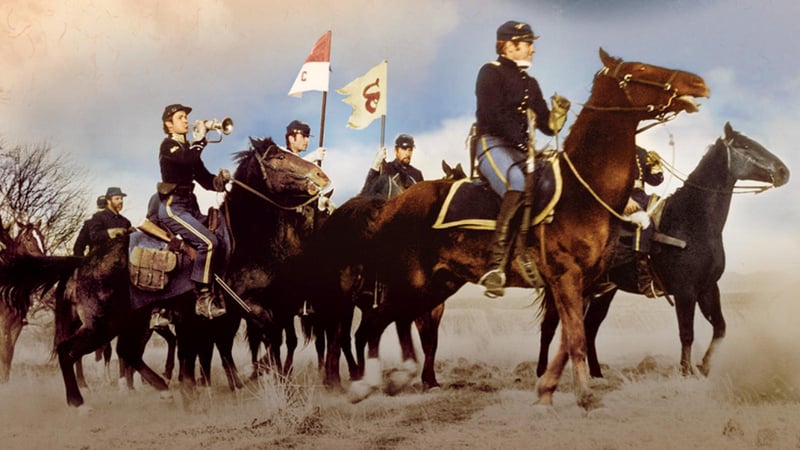
Charlton Heston delivers a commanding performance as an obsessive cavalry officer on a doomed mission in Mexico in this fascinating bridge between the nostalgic mythmaking of the studio era and the nihilistic fury of The Wild Bunch.
Sam Peckinpah
1983|
USA|
103 minutes
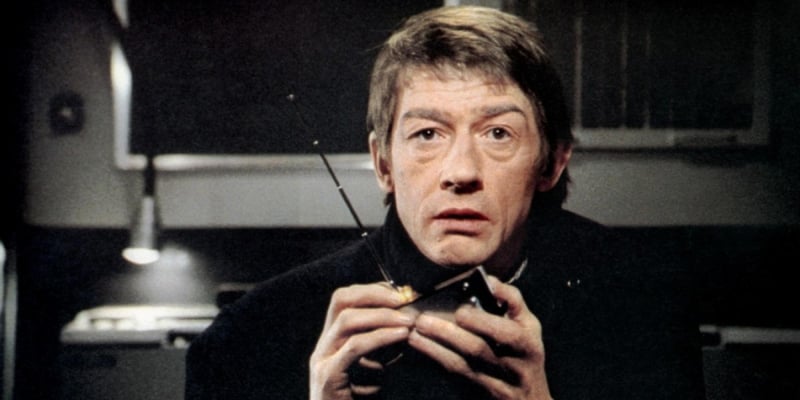
A television journalist (Rutger Hauer) is recruited by the CIA to ensnare three friends believed to be KGB agents. Peckinpah’s final film is a delirious conspiracy thriller set in a world of Cold War paranoia and omnipresent surveillance.
Sam Peckinpah

1973|
USA|
122 minutes
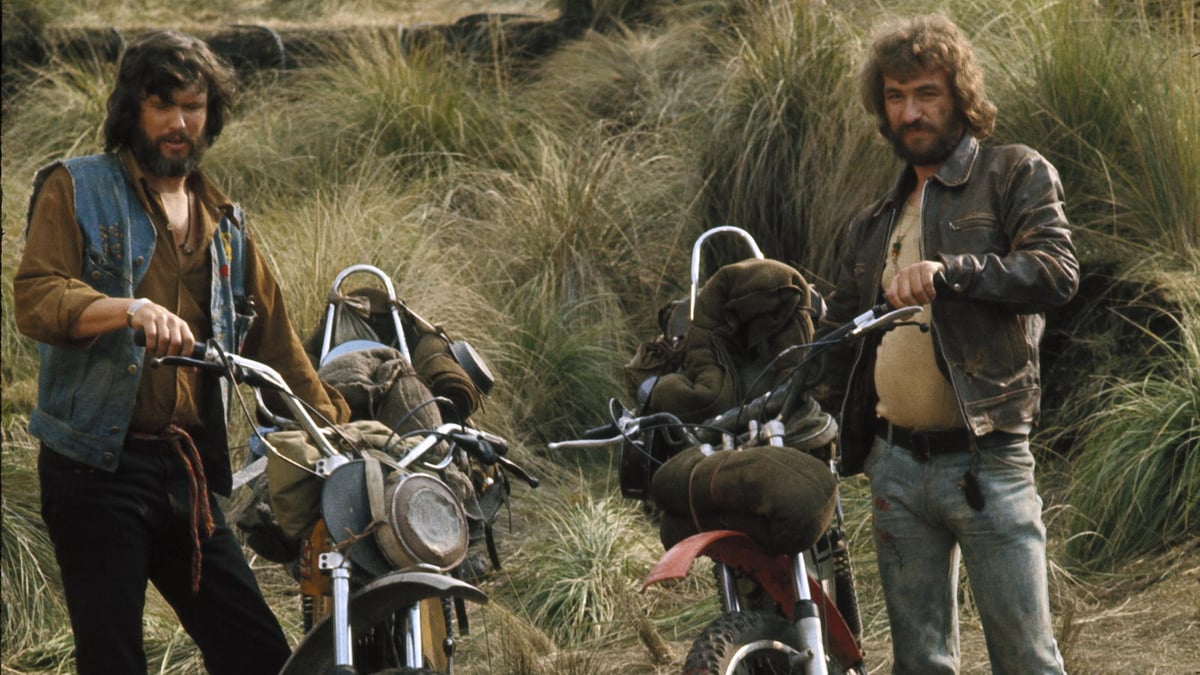
James Coburn stars as the outlaw-turned-lawman hunting Billy the Kid (Kris Kristofferson) in this gorgeously shot, slow-burn elegy for the mythic freedom of the Old West. Bob Dylan (who wrote the music for the film) co-stars as an enigmatic drifter.
Sam Peckinpah

1962|
USA|
94 minutes
Veteran Western stars Joel McCrea and Randolph Scott headline Peckinpah’s second—and arguably first great—film, a magnificent ode to the waning West that points the way toward the revisionist masterpieces to come.
Sam Peckinpah
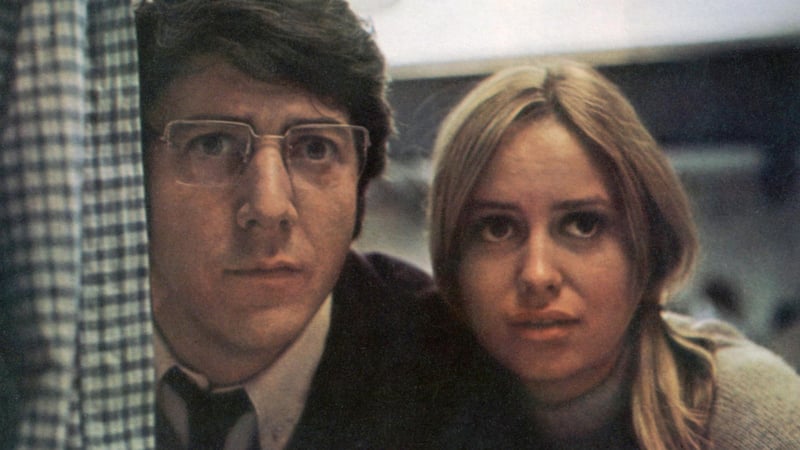
1971|
USA|
117 minutes
Dustin Hoffman gives one of his finest performances as a mild-mannered mathematician driven to extremes in this harrowing investigation of trauma, violence, and victimization, one of the most controversial films of the 1970s, as well as one of the most frighteningly effective thrillers ever made.
Sam Peckinpah
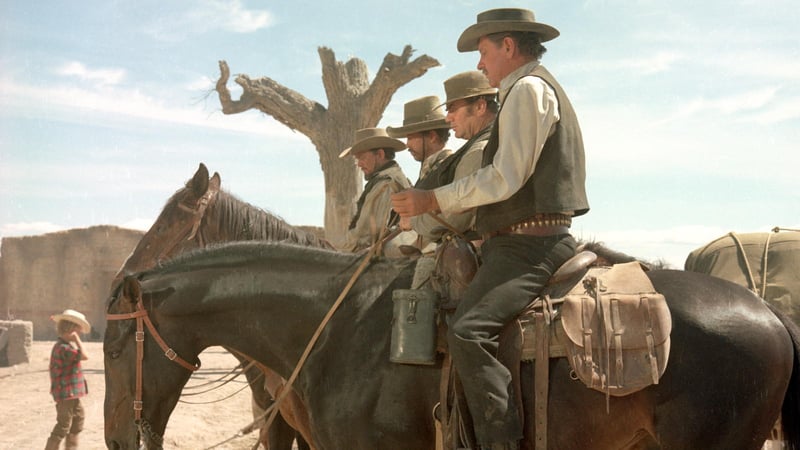
1969|
USA|
145 minutes
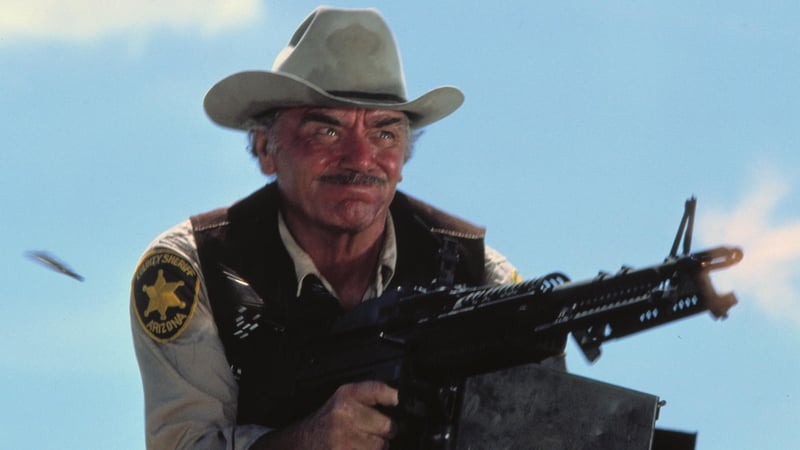
A band of aging outlaws live (and die) by their outdated moral code in Peckinpah’s breakthrough work, which explodes the myth of Old West honor in a blast of bullets and bloodshed and inaugurated a new era of cinematic violence.
Cinema’s great choreographer of blood and bullets, Sam Peckinpah ushered in a new era of American filmmaking with his deliriously violent, coolly existentialist, strikingly lyrical films, which spoke to an American public disillusioned by events like the Vietnam War and Watergate. A pivotal director who revolutionized the Western and action genres, he stood between worlds, straddling the tradition of craft that defined the classic studio era and the freewheeling experimentation of New Hollywood. His stylistic innovations—particularly the iconic use of slow motion and rapid-cut editing—and balletic, blood-spattered action sequences in titles like The Wild Bunch, Straw Dogs, and Bring Me the Head of Alfredo Garcia have been justly celebrated. Less remarked upon is that Peckinpah could be surprisingly tender in gentle, moving films like The Ballad of Cable Hogue and Junior Bonner. At their heart, Peckinpah’s movies are elegies: for the ideals of the Old West, for honorable men compromised by circumstances beyond their control, for a mythic America that may never have existed. This complete retrospective is an opportunity to view the dynamic, dazzlingly inventive works of a maverick director who refused to compromise his singular vision.
Organized by Dennis Lim for the Film Society of Lincoln Center. This program was selected from the Sam Peckinpah retrospective curated by film programmer and historian Roberto Turigliatto at the 2015 Locarno Film Festival, organized in collaboration with the Cinémathèque Française in Paris and the Cinémathèque Suisse in Lausanne.