Kōzaburō Yoshimura: Tides of Emotion
December 5–11, 2025
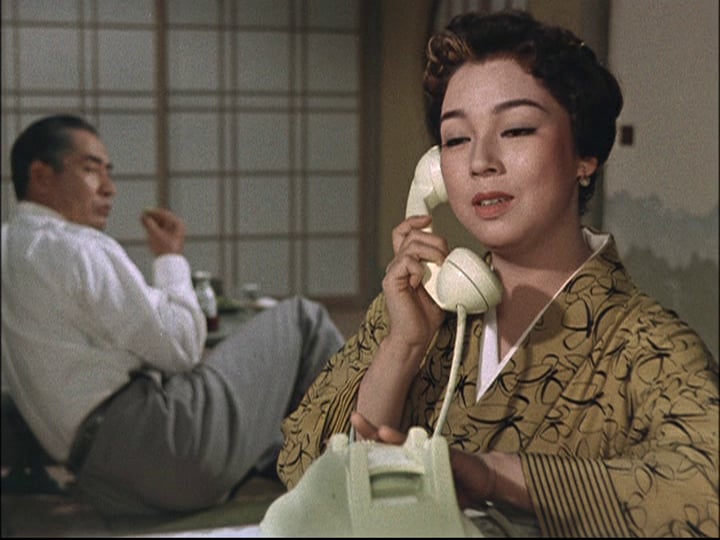
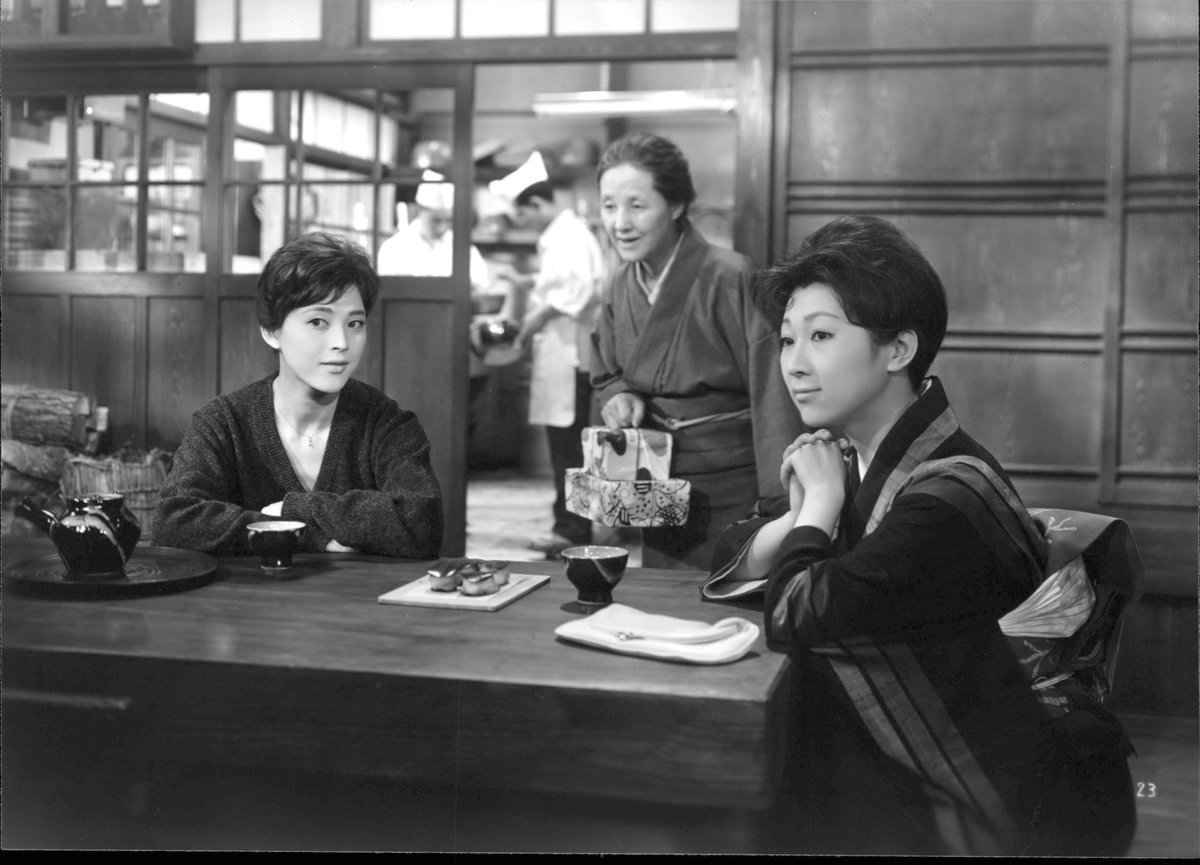
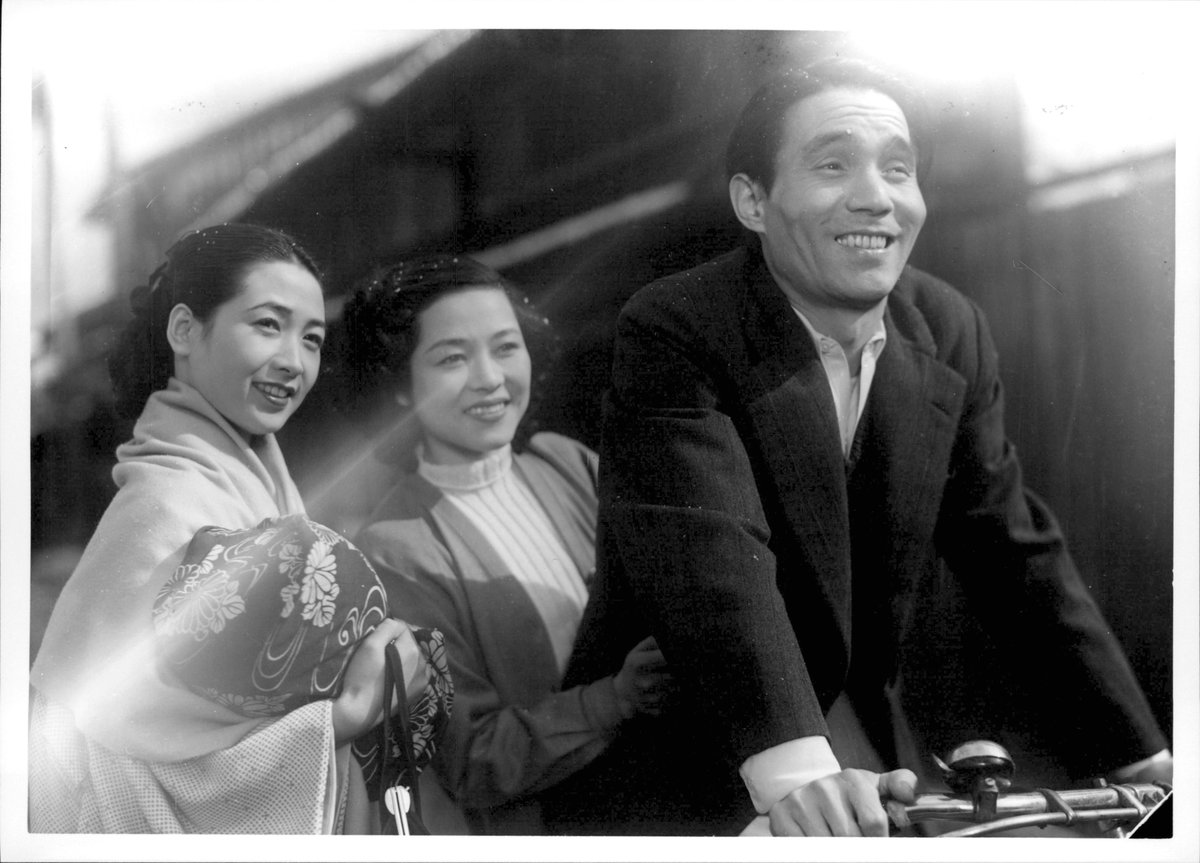
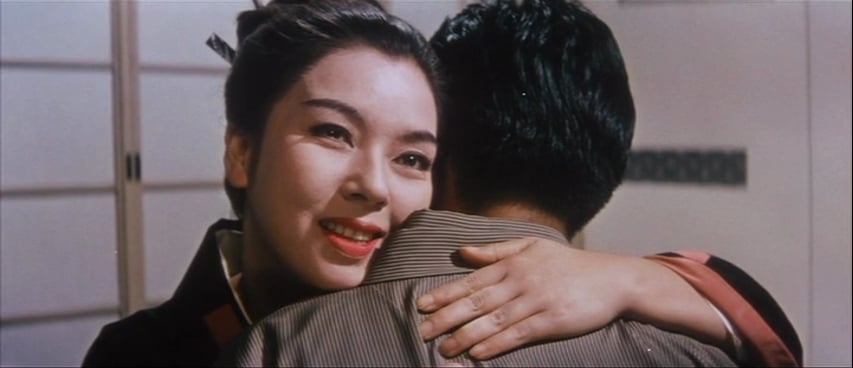
A retrospective honoring an overlooked filmmaker from the golden age of Japanese cinema whose work has grown even more beautiful and profound with time, featuring rare 35mm and 16mm prints
Kōzaburō Yoshimura
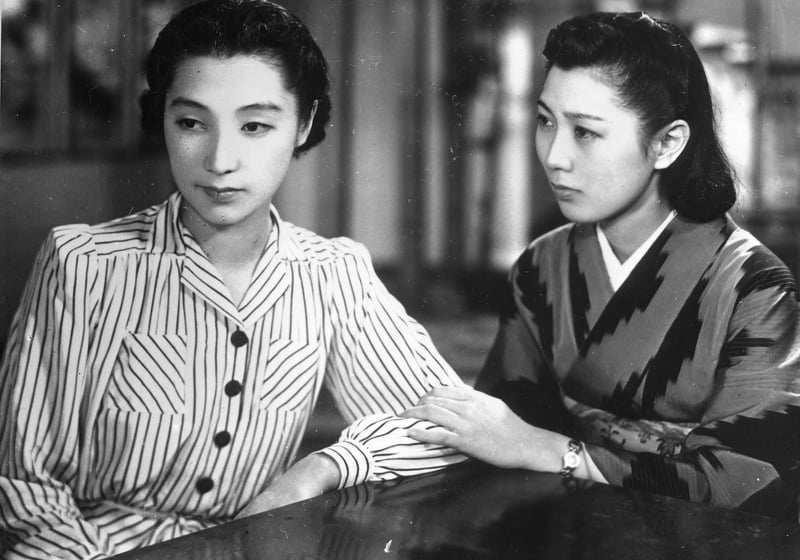
1939|
Japan|
124 minutes|
Japanese with English subtitles
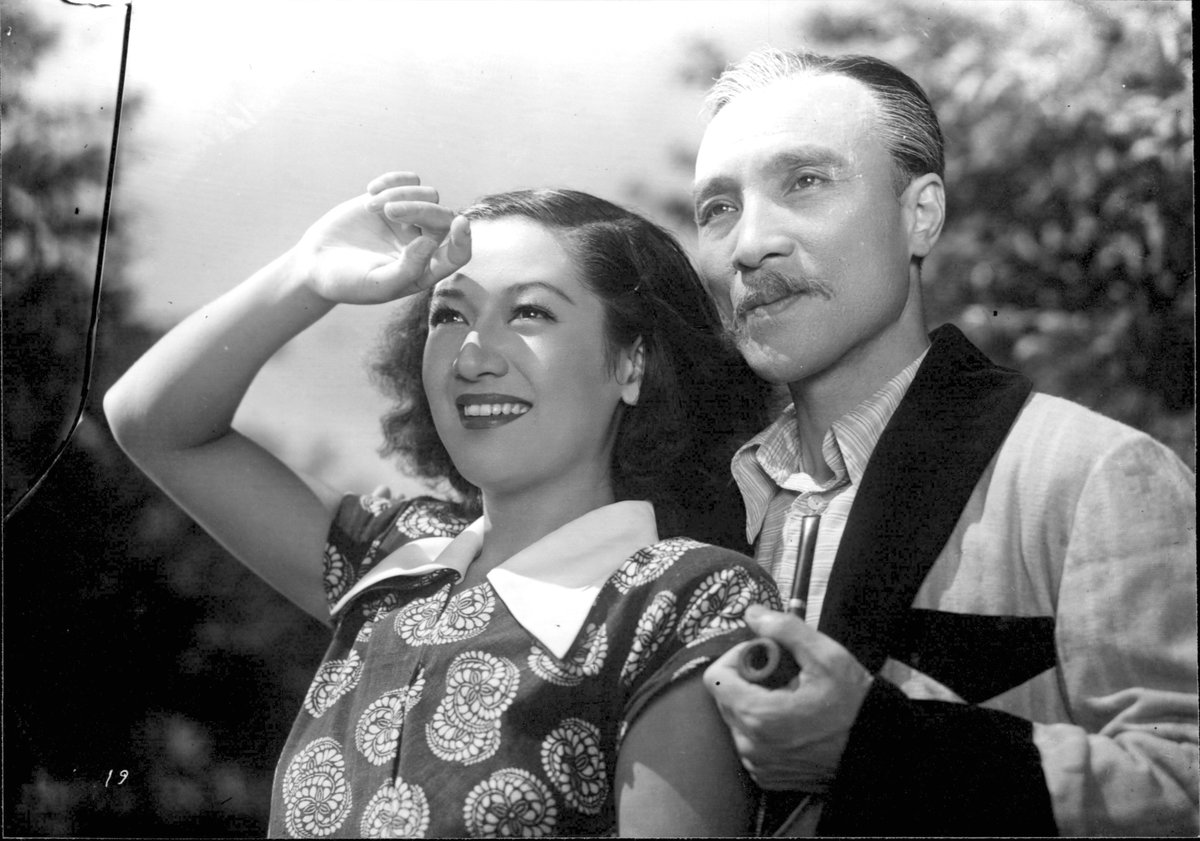
Yoshimura’s second (and earliest surviving) feature follows the private lives and simmering emotions of a small group of hospital employees as a power struggle unfolds among the hospital’s administration.
Kōzaburō Yoshimura
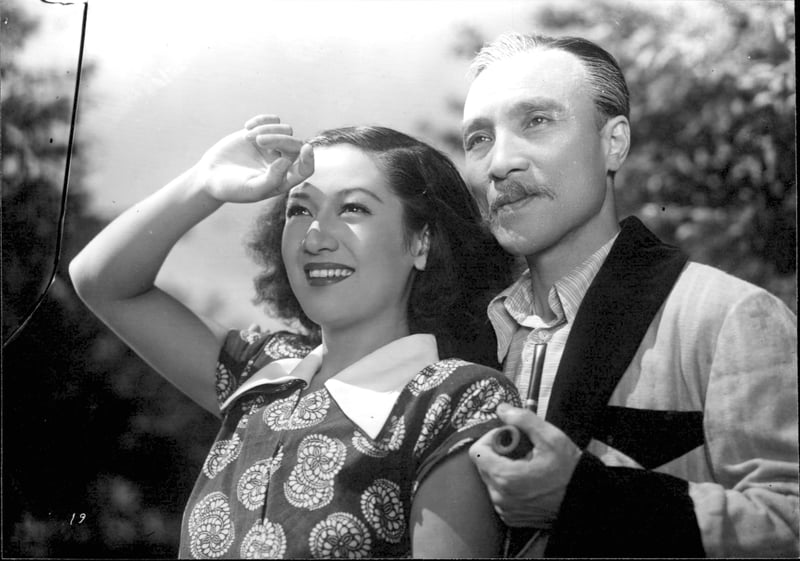
1947|
Japan|
89 minutes|
Japanese with English subtitles
Starring legendary actors Setsuko Hara and Masayuki Mori, this especially acclaimed effort from Yoshimura chronicles the fallout from Japan’s defeat in World War II and its effects on a single family.
Kōzaburō Yoshimura
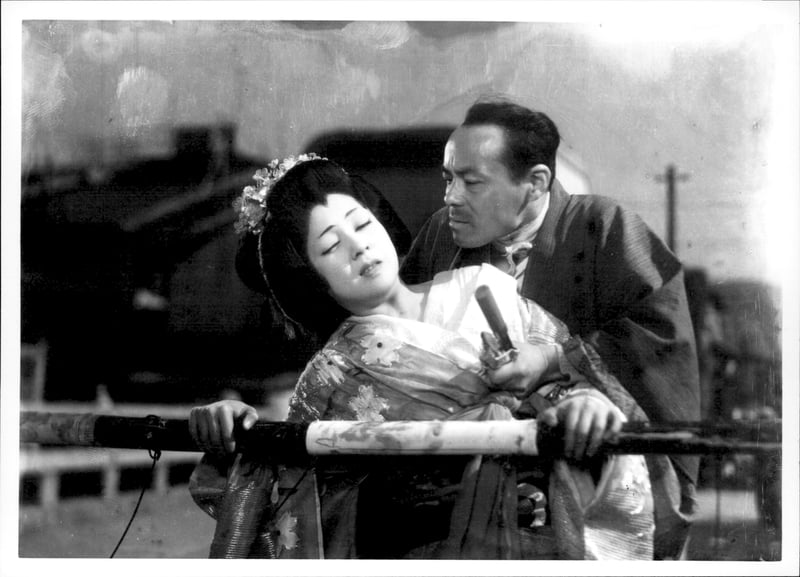
1951|
Japan|
103 minutes|
Japanese with English subtitles
The conflict between two sisters—one a geisha, one a salarywoman—becomes a powerful parable about the clash of the old and the new in this immaculate melodrama, starring Rashomon’s Machiko Kyō.
Kōzaburō Yoshimura
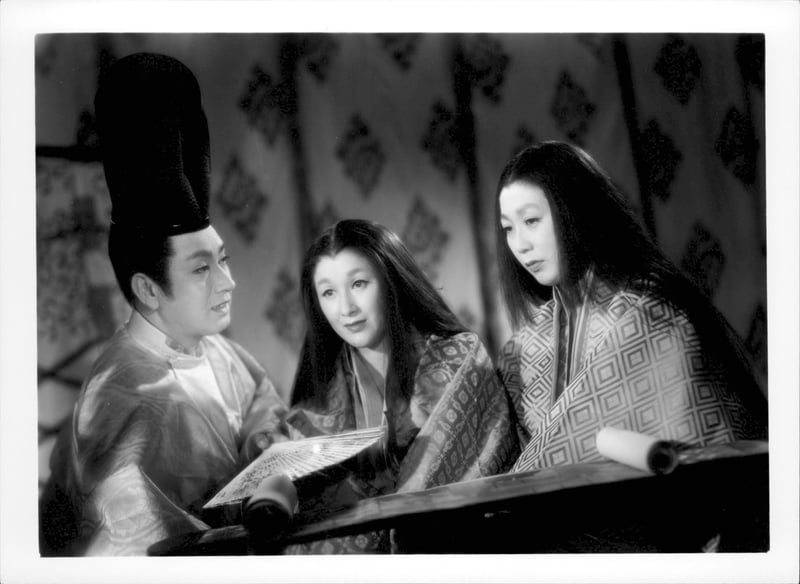
1951|
Japan|
124 minutes|
Japanese with English subtitles
Kazuo Hasegawa stars as the titular prince, the emperor’s womanizing bastard son who cannot shake his fascination with his father’s young bride in Yoshimura’s admirable attempt to adapt Murasaki Shikibu’s early-11th-century novel.
Kōzaburō Yoshimura
1952|
Japan|
110 minutes|
Japanese with English subtitles
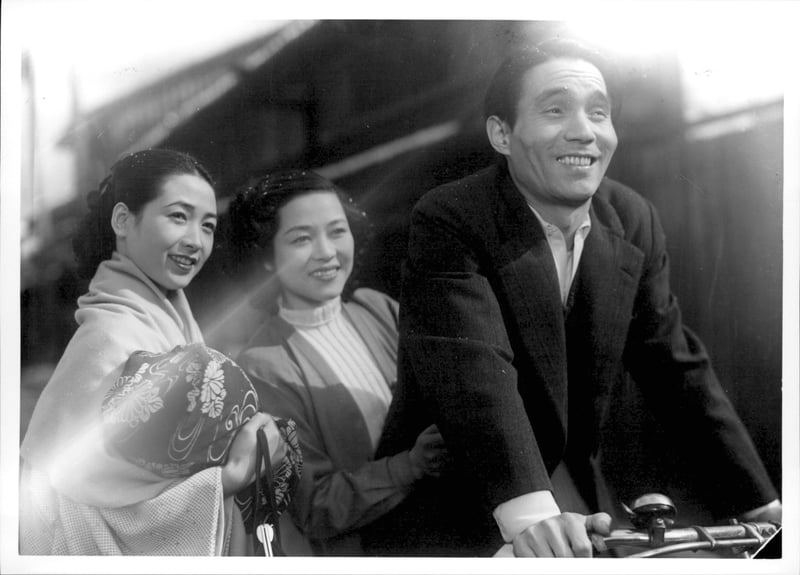
A father’s suicide financially imperils his family of textile workers in Yoshimura’s powerful social drama, again scripted by Kaneto Shindō and set in the Nishijin district in Kyoto.
Kōzaburō Yoshimura

1954|
Japan|
108 minutes|
Japanese with English subtitles
Among Yoshimura’s complex and political works, this episodic film, set in the early 1930s, follows the life of a young left-wing student activist disenchanted by the increasingly hawkish state of Japanese society.
Kōzaburō Yoshimura
1956|
Japan|
104 minutes|
Japanese with English subtitles
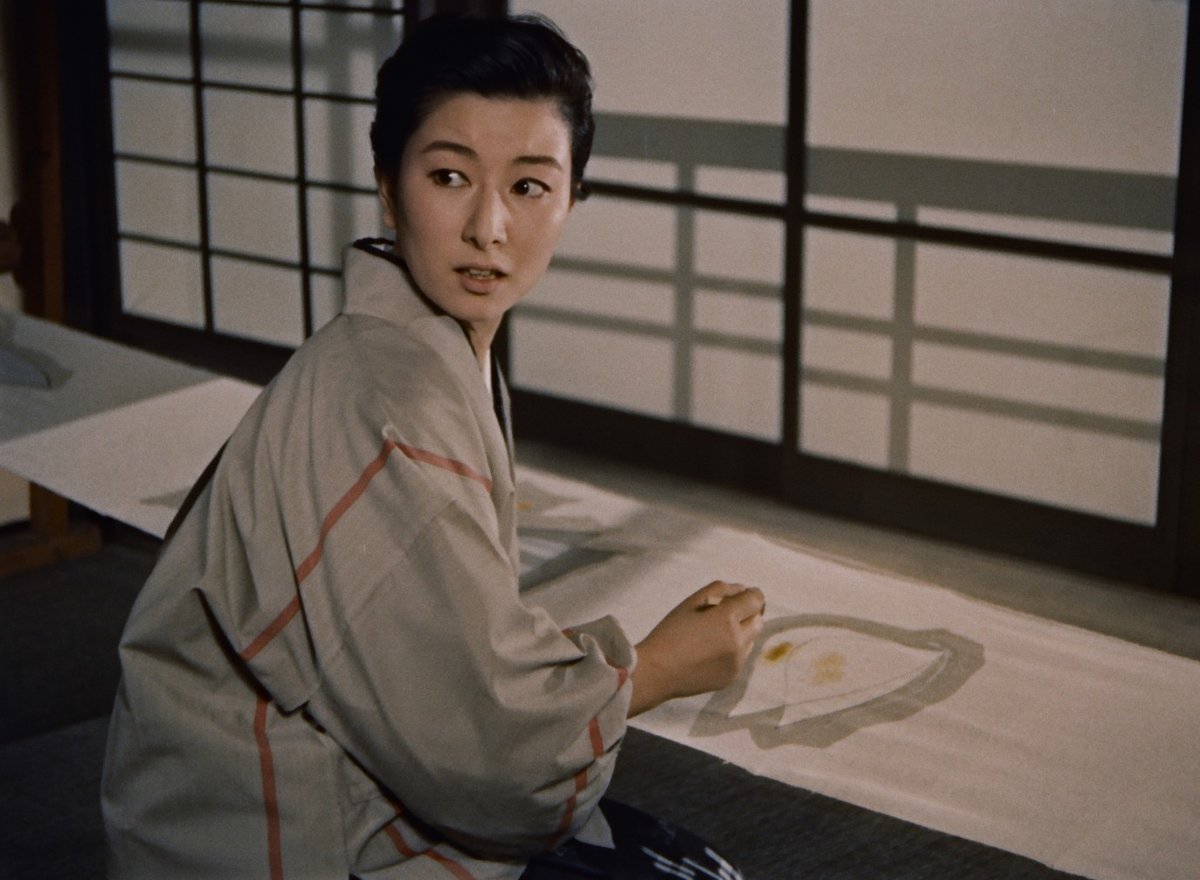
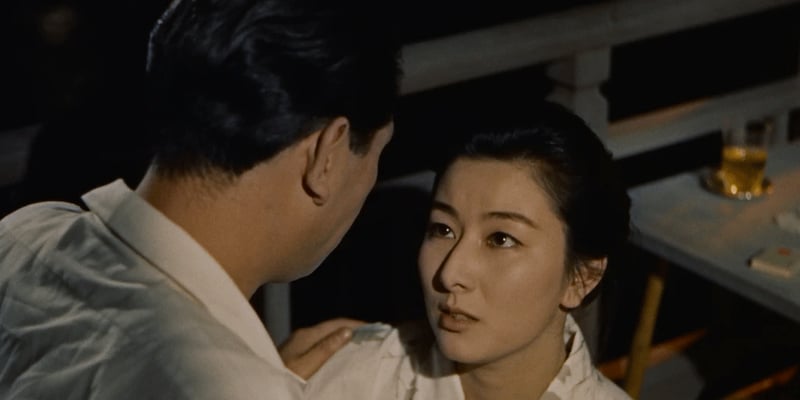
Arguably Yoshimura’s masterpiece, this delicate, dimensional melodrama is a deeply moving chronicle of a woman confronting her own values in a rapidly modernizing Japan—a feast for both the eyes and the emotions.
Kōzaburō Yoshimura

1957|
Japan|
96 minutes|
Japanese with English subtitles
An economic tragicomedy originally meant to be the final project of Kenji Mizoguchi, this wry, unsentimental parable on the perils of capitalism follows a peasant family on their journey to deranging wealth.
Kōzaburō Yoshimura
1957|
Japan|
98 minutes|
Japanese with English subtitles
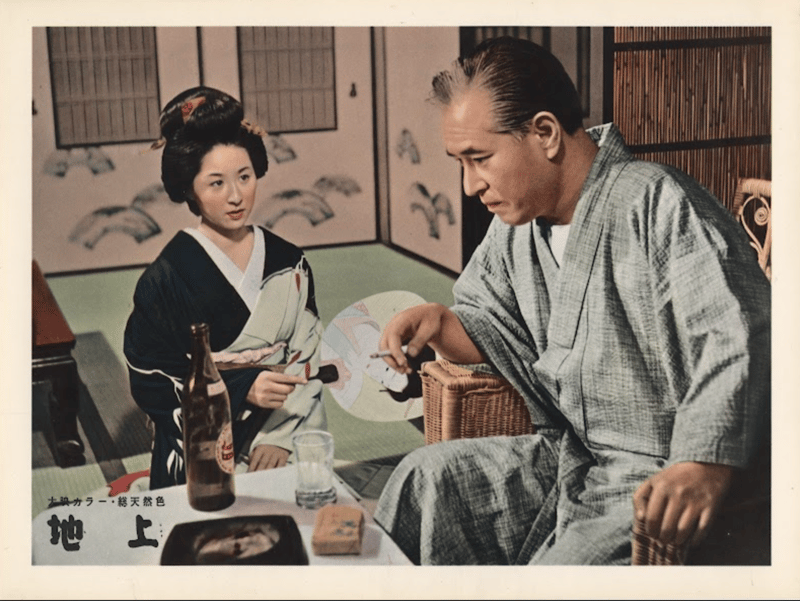
A young man’s political consciousness dawns in this moving drama, scripted by Kaneto Shindō and set during the Taisho period, about a woman who is forced to work in a geisha house to cover her son’s tuition fees.
Kōzaburō Yoshimura

1957|
Japan|
92 minutes|
Japanese with English subtitles
Two bar proprietresses try to make ends meet in the Ginza district of Tokyo in this typically incisive study of Japanese society from Yoshimura, here working with Mikio Naruse’s frequent scriptwriter, Sumie Tanaka.
Kōzaburō Yoshimura

1958|
Japan|
121 minutes|
Japanese with English subtitles
Yoshimura’s complex, critical tribute to traditional Japanese dance follows the rivalry between two dancers (Machiko Kyo and Ayako Wakao) in the postwar period and the contemporaneous emergence of new forms of femininity.
Kōzaburō Yoshimura
1960|
Japan|
107 minutes|
Japanese with English subtitles
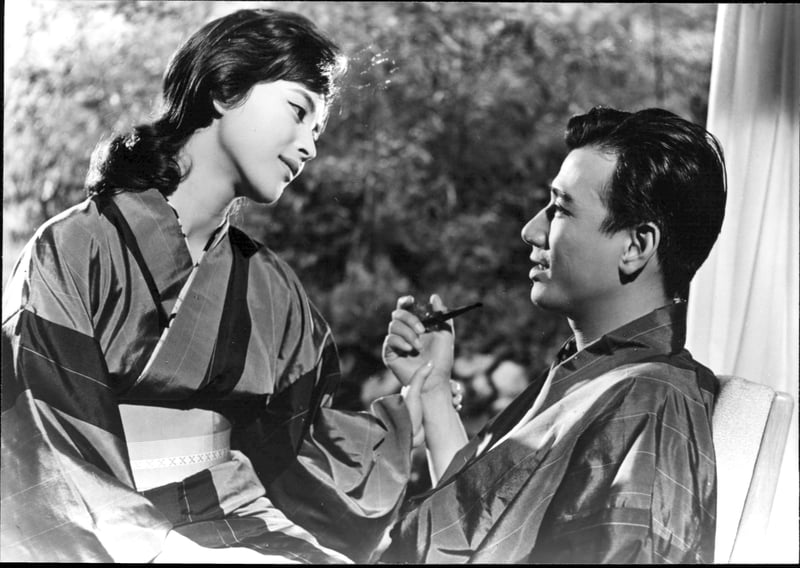
Yoshimura teamed up with the great Mariko Okada for this delicate parable on the effects of modernity, centered on a woman who inherits a traditional sweets shop in Kyoto.
Kōzaburō Yoshimura
1963|
Japan|
102 minutes|
Japanese with English subtitles
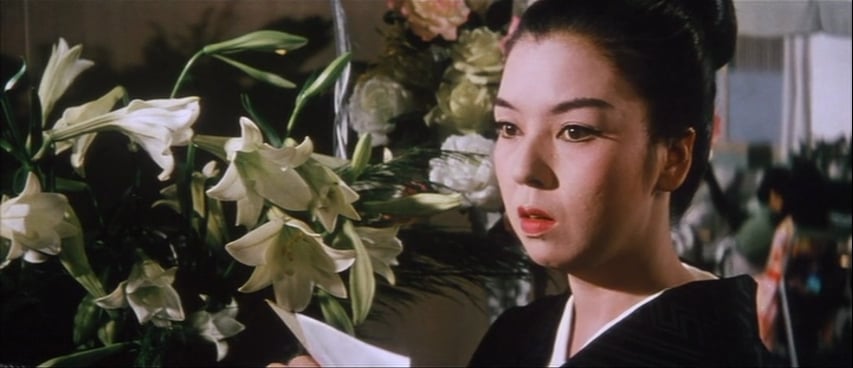
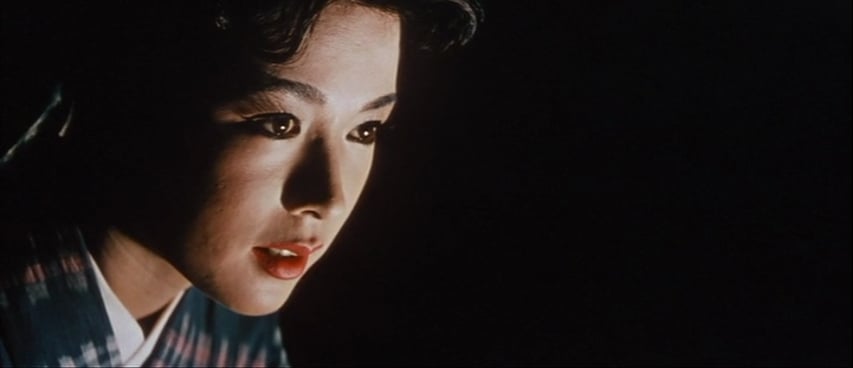
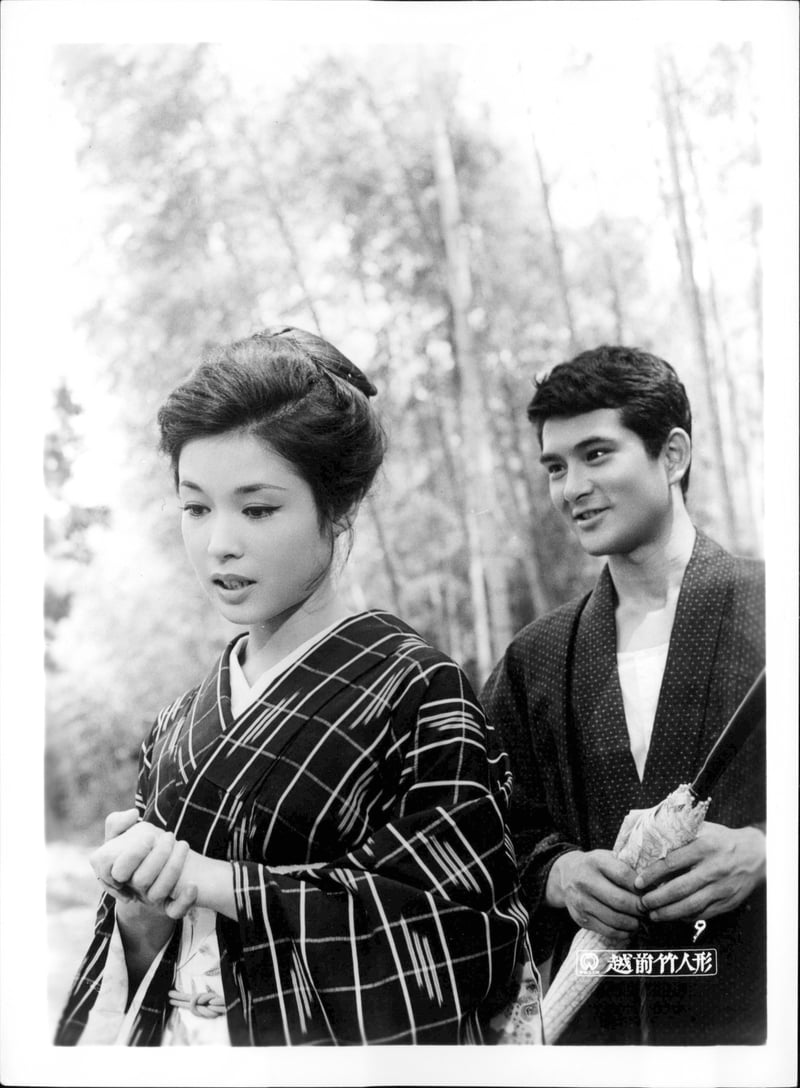
A thickly atmospheric chronicle of forbidden desire, this uncannily frank exploration of sexual politics in 20th-century Japan is at once one of Yoshimura’s starkest and most sensitive works, starring Ayako Wakao as a geisha who becomes entangled with her late lover’s son.
About the Series
This retrospective of 13 films honors one of the most accomplished yet underappreciated figures of the golden age of Japanese cinema, a director whose work has grown even more beautiful and profound with time. While he never achieved the international recognition of generational peers such as Akira Kurosawa and Yasujirō Ozu, Kōzaburō Yoshimura collaborated with many of the biggest writers, cinematographers, and actors in midcentury Japan to make stylistically ambitious, emotionally complex films that boldly defied Japanese convention. Spanning from his earliest surviving feature in 1939 to the early 1960s, this series presents Yoshimura’s films on 35mm and 16mm prints rarely seen outside Japan, alongside a 4K digital restoration of his most internationally celebrated work, Undercurrent (1956).
Yoshimura (b. 1911, d. 2000) began his career with the revered production company Shochiku in the 1930s, where he formed a pivotal partnership with the screenwriter (and legendary director in his own right) Kaneto Shindō, and would continue working into the 1970s. Along the way, Yoshimura and Shindō would found an influential independent production company, Kindai Eiga Kyokai, while at the same time, Yoshimura directed some of the period’s finest dramas for leading film studio Daiei. Yoshimura’s wide-ranging work often depicted the plight of women throughout Japanese history, but especially in the postwar era, as tensions between the old and the new rumble beneath the placid, traditional surfaces of Japanese society and the winds of change are always blowing. A formidable director of actresses, Yoshimura consistently anchored his films—particularly those of the 1950s—with indelible female performances from the likes of Machiko Kyō, Mariko Okada, and Fujiko Yamamoto, among others. His proclivity for focusing on the female experience frequently earned him comparisons to his peer, Kenji Mizoguchi.
By showcasing Yoshimura’s diverse body of work—anchored in realist drama, acute social observation, and sensitivity toward his female protagonists—this retrospective underscores the enduring relevance and beauty of his cinema.
Presented in partnership with the Japan Foundation, New York. Organized by Dan Sullivan.
Special Thanks: Mako Fukata; National Film Archive of Japan; and Kadokawa Corporation.
Yoshimura’s movies are as poetic and precise as haikus.”
—Jessica Kiang, Film Comment