La maison des bois and Three by Maurice Pialat
April 22–28, 2026
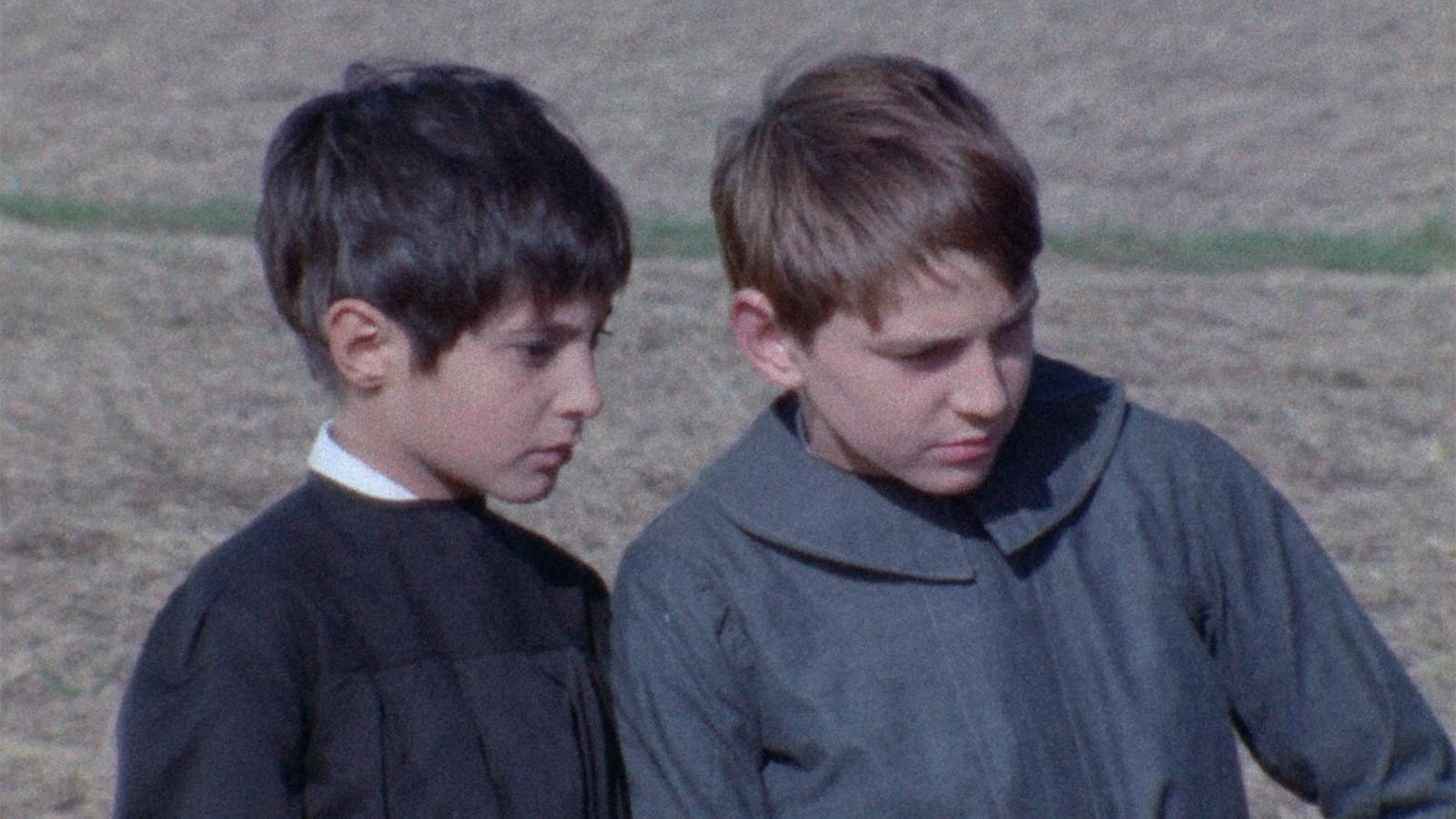
FLC presents the first-ever U.S. theatrical release of Maurice Pialat’s La maison des bois, marking the world premiere of its luminous 4K restoration from Janus Films, accompanied by three essential Pialat features each approaching, from a distinct vantage point, the fixations that shape the director’s epic work.
Maurice Pialat
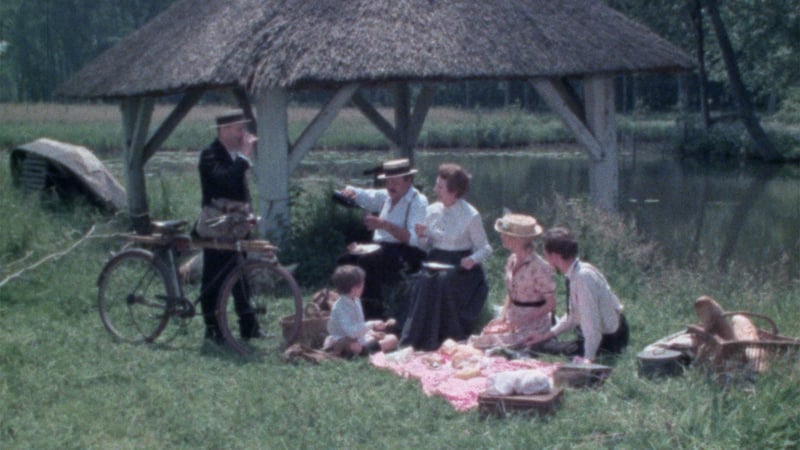
1971|
France|
148 minutes|
French with English subtitles
The quiet, overwhelming force of Maurice Pialat’s seven-part series La maison des bois—regarded by many as his “best film”—is finally revealed on the big screen in a luminous new 4K restoration, playing exclusively at FLC.
Maurice Pialat
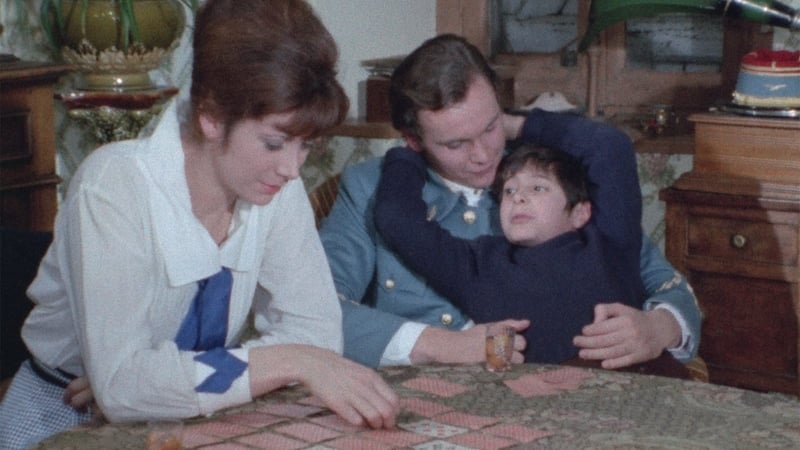
1971|
France|
232 minutes|
French with English subtitles
See the conclusion of Maurice Pialat’s seven-part series—at once tender and unsentimental, La maison des bois stands as one of the great, underseen achievements of postwar French filmmaking.
Maurice Pialat
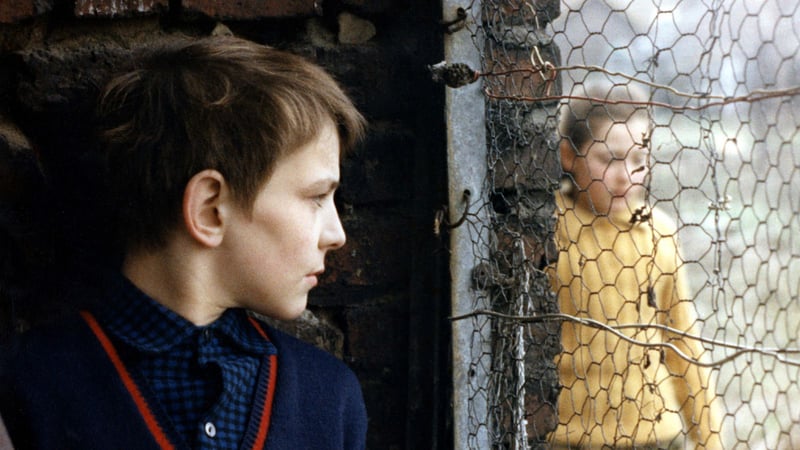
1968|
France|
83 minutes|
French with English subtitles
Maurice Pialat’s epochal debut explores the fragile, often painful negotiations between youth and the adult world through the story of a troubled foster child passed from home to home in northern France.
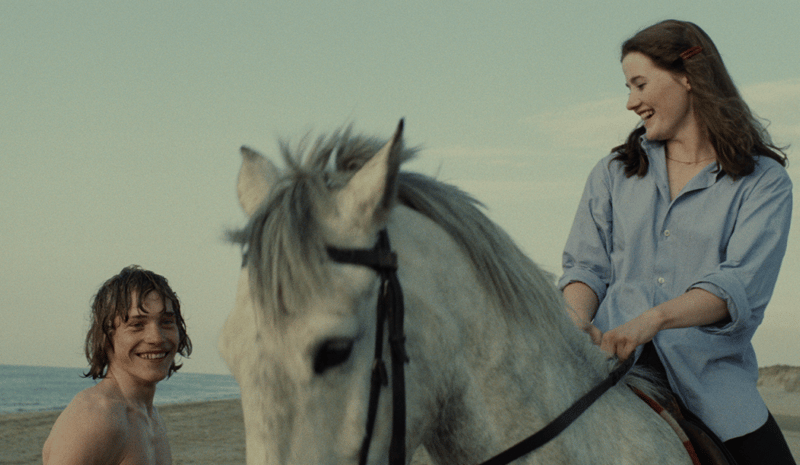
1978|
France|
85 minutes|
French with English subtitles
Desires flares, tempers snap, and the small illusions of youth give way to something undeniably honest about a generation of working-class teenagers idling before the baccalauréat in Maurice Pialat’s loose sequel to L’enfance nue.
Maurice Pialat
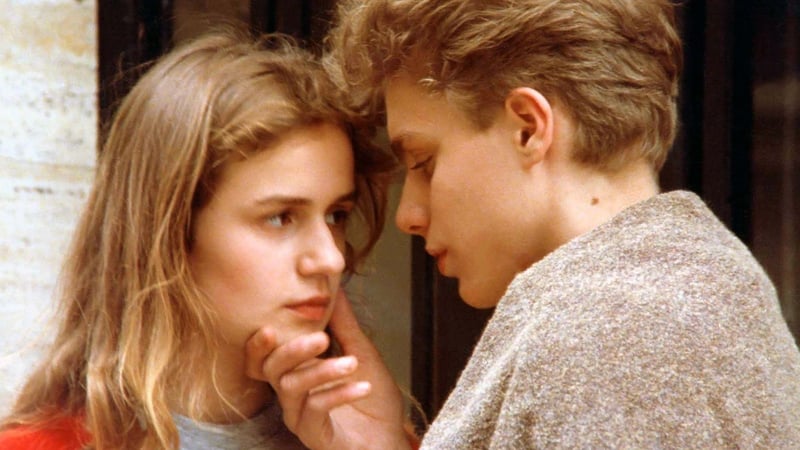
1983|
France|
100 minutes|
French with English subtitles
Sandrine Bonnaire made her revelatory debut as a Parisian 16-year-old who plunges into a series of reckless affairs while clashing with her volatile father in Maurice Pialat’s raw, unsparing portrait of adolescence, drawn in part from longtime collaborator Arlette Langmann’s own youth.
About the Series
Long spoken of as Maurice Pialat’s “best film” and rarely seen in theaters, La maison des bois comes to FLC in its first-ever U.S. theatrical release and in a brand-new 4K restoration. Made for French television in 1971, when Pialat was 45 and had only L’Enfance nue behind him, the seven-part series unfolds in a village north of Paris during World War I, where a gamekeeper and his wife take in three displaced Parisian boys. At its emotional center is 10-year-old Hervé, whose father is at the front and whose mother has abandoned him; through his eyes we watch a tightly bound rural community slowly unsettled by the war’s advancing shadow. Eschewing battlefields for kitchens, schoolhouses, taverns, and country roads, Pialat builds his epic from accumulating details that feels at once spontaneous and novelistic in scope. Tender yet unsentimental, it stands among the great, underseen achievements of postwar French filmmaking.
On the occasion of this long-overdue theatrical release, FLC will present three Pialat features—L’enfance nue, Graduate First, and À nos amours—each approaching, from a distinct vantage point, the fixations that shape the director’s great television epic. Spanning postwar foster care, late-1970s provincial adolescence, and a combustible Parisian household, these films return again and again to young people navigating families and institutions, and to the volatile, often contradictory impulses that other films fall prey to soften or sensationalize. Seen together, they form not merely a companion program but a close encounter with Pialat’s resistance to tidy psychologizing, his singular capacity to channel documentary immediacy into rigorously composed scenes, and his nerve-exposing gift for drawing performances, especially from young actors, that feel wholly lived. Whether as entry points into the world of La maison des bois or as opportunities to revisit these works in the Walter Reade Theater, they reaffirm the fierce consistency with which Pialat pursued emotional truths.
Organized by Florence Almozini, Vice President of Programming, Film at Lincoln Center, and Tyler Wilson, Senior Programmer, Film at Lincoln Center.

What I mean by realism goes beyond reality.”
—Maurice Pialat
The filmmaker whose influence has been the strongest and most constant on the young French cinema isn’t Jean-Luc Godard but Maurice Pialat.”
—Arnaud Desplechin
As beautiful as Renoir”
—Jacques Rivette
Allows the best entry into Pialat's universe.”
—Cahiers du Cinéma


