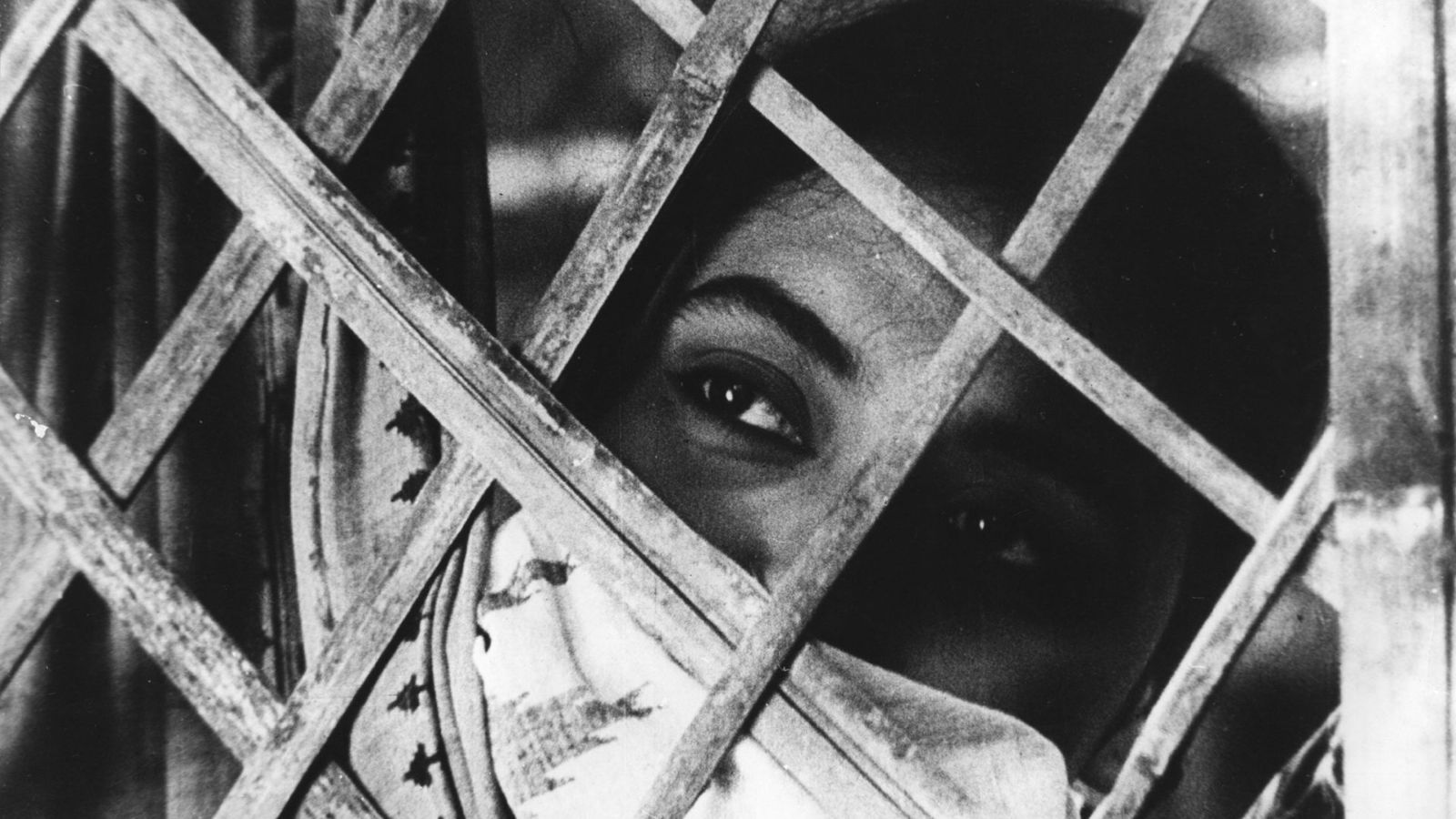
Poetry and Partition: The Films of Ritwik Ghatak
Discover the Bengali master of Indian cinema with new restorations of his rarely screened films.
Ritwik Ghatak
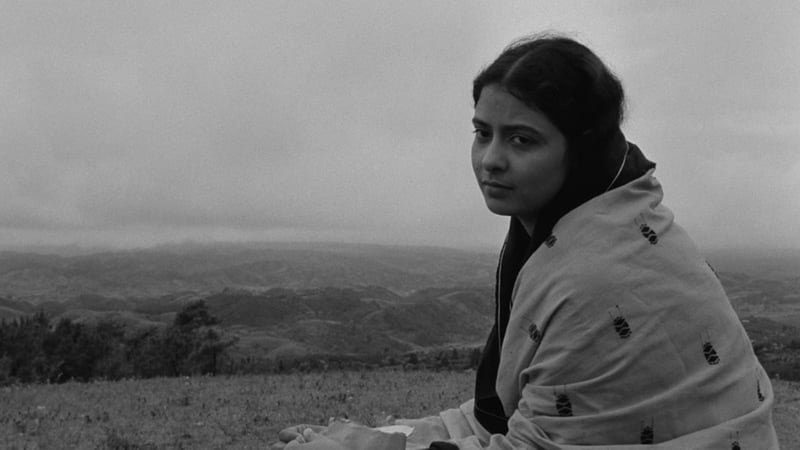
1960|
India|
134 minutes|
Bengali with English subtitles
This soul-shattering classic of Indian cinema combines searing imagery, joltingly expressionistic sound design, and an extraordinary central performance from Supriya Choudhury as a relentlessly self-sacrificing daughter supporting her ungrateful family.
Ritwik Ghatak

1961|
India|
134 minutes|
Bengali with English subtitles
Ghatak’s complex, self-referential drama—about tensions between an experimental theater director and his former collaborators—explores the emotions, spaces, and sounds that serve to “partition” human beings politically, geographically, and aesthetically.
Ritwik Ghatak
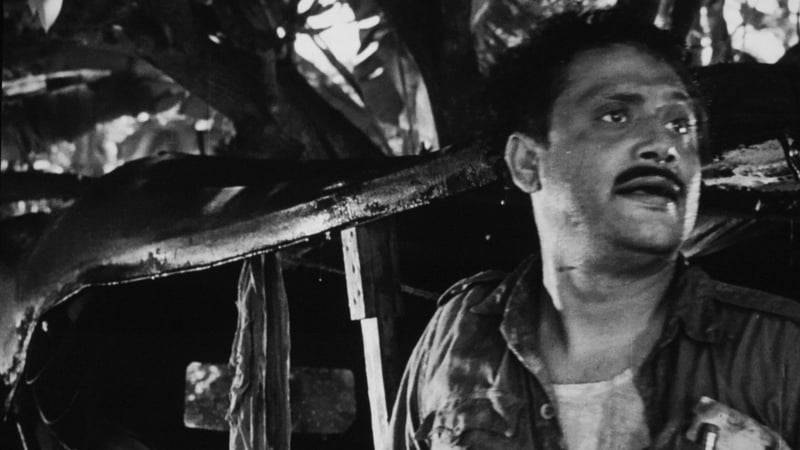
1958|
India|
102 minutes|
Bengali with English subtitles
Ghatak fashions a tender, if at times chilling, story in his second feature, about a taxi driver who struggles to fit into the modern, industrialized world.
Ritwik Ghatak
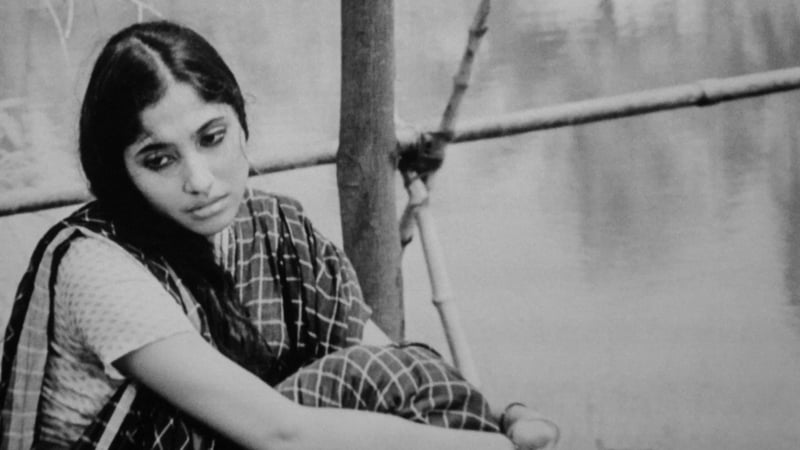
1977|
India|
120 minutes|
Bengali with English subtitles
Ghatak’s extraordinary epitaph, completed in 1974 but not released until after his death, stars the director as a thinly veiled version of himself: Nilkantha, an alcoholic intellectual who, after his beloved wife’s death, takes off for the Bengali countryside and encounters a wide variety of characters there.
Ritwik Ghatak

1972|
India / Bangladesh|
159 minutes|
Bengali with English subtitles
One of the first Bangladeshi films, the epic A River Called Titas oscillates between high-pitched melodrama and an almost documentary-like recreation of a riverside culture that has mostly disappeared—the boats, the customs, the rituals—in short, a lost way of life.
Ritwik Ghatak
1959|
India|
120 minutes|
Bengali with English subtitles
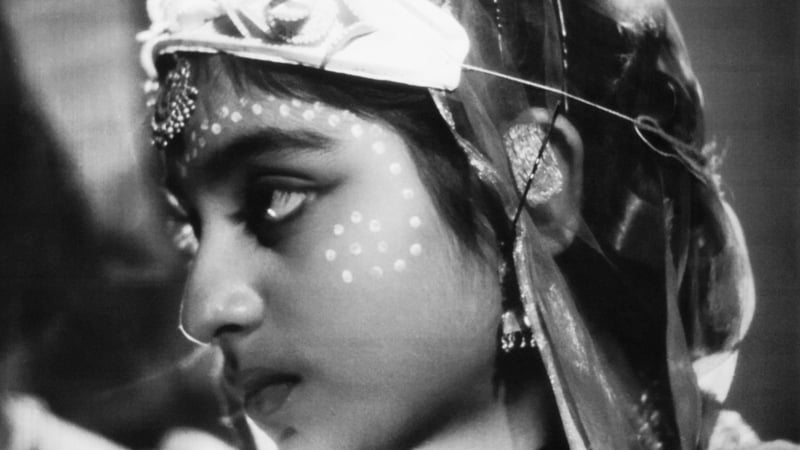
Ghatak drew upon details from one of his own youthful adventures for this lighthearted celebration of Kanchan, a kind of Bengali Huckleberry Finn who escapes the oppression of his disciplinarian father for the promise and excitement of Kolkata.
Ritwik Ghatak
1965|
India|
143 minutes|
Bengali with English subtitles
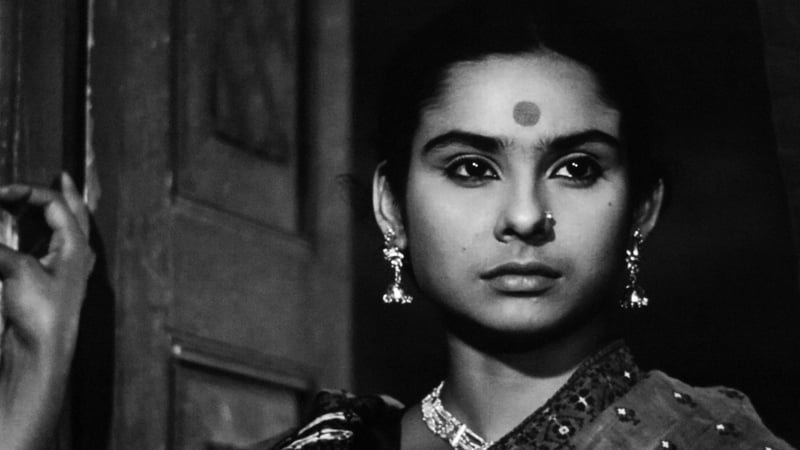
Private lives blend seamlessly into national history in the third part of Ghatak’s “Partition Trilogy,” about two siblings scraping by in a refugee camp who take the son of an Untouchable woman into their lives, with tragic results.
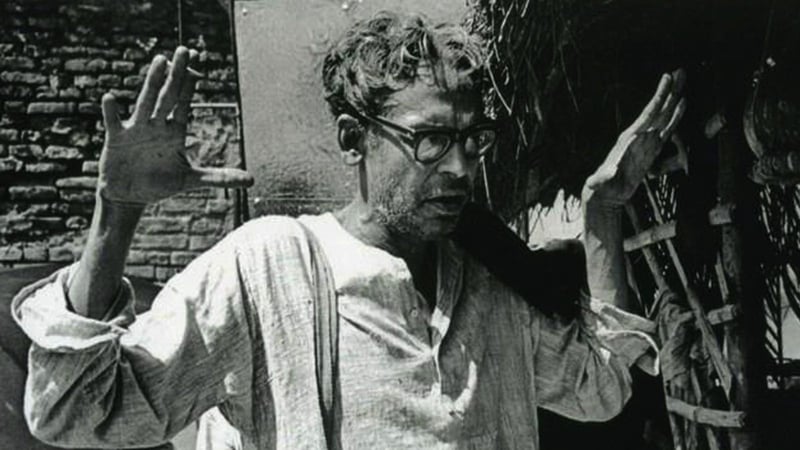
A symposium on the work of Bengali filmmaker Ritwik Ghatak will be held at Columbia University. This symposium includes such speakers as the Kenyan activist intellectual Ngugi wa Thiong’o, the Swedish investigative journalist and cultural theorist Stefan Jonsson, and film theorists such as Nora Alter and Dudley Andrew.
Bengali-born director, poet, and actor Ritwik Ghatak’s career was one of constant struggle—against a public that, per his contemporary Satyajit Ray, “largely ignored” his films; against a society that had lost its way amid rampant modernization; and against a national cinema whose conventions he broke time and again. He only completed eight fiction feature films during his lifetime, but each represents a landmark achievement in the history of Indian cinema, movingly reflecting the social realities of a nation trying to revise its identity in the aftermath of British colonial rule and the partition of India and Pakistan, and representing the melodrama of everyday life under the country’s newly modernized economy. Join Film at Lincoln Center for a retrospective of Ghatak’s work, including recent digital restorations of his epochal films.
Organized by Dan Sullivan, Richard Peña, Moinak Biswas, and Gayatri Chakravorty Spivak. Special thanks to the National Film Archive of India.
Acknowledgments:
Columbia University


