The Other America: A Cosmology of Jordan Peele’s Us
June 20–26, 2025
An interpretation of the cosmology outlined in Us: The Complete Annotated Screenplay through a presentation of double features, appearances from contributing writers, and never-before-seen 35mm presentations of Us

The Shadow Self
“It is a frightening thought that man also has a shadow side to him, consisting not just of little weaknesses and foibles, but of a positively demonic dynamism. The individual seldom knows any thing of this; to him, as an individual, it is incredible that he should ever in any circumstances go beyond himself. But let these harmless creatures form a mass, and there emerges a raging monster.” –From Psychology of the Unconscious (1912) by Carl G. Jung
Oscar Micheaux
1925/2019|
U.S.|
105/116|
Silent with English intertitles/English
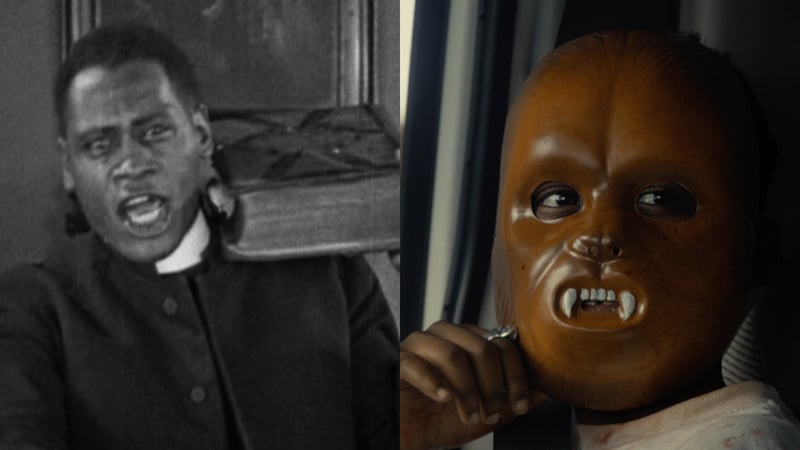
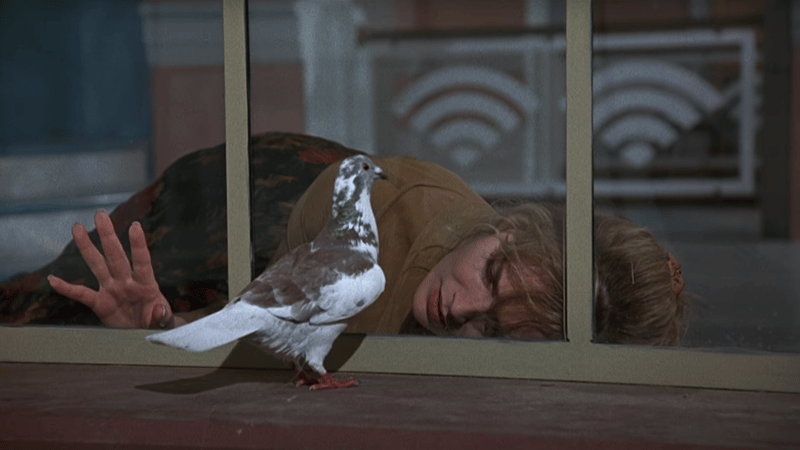
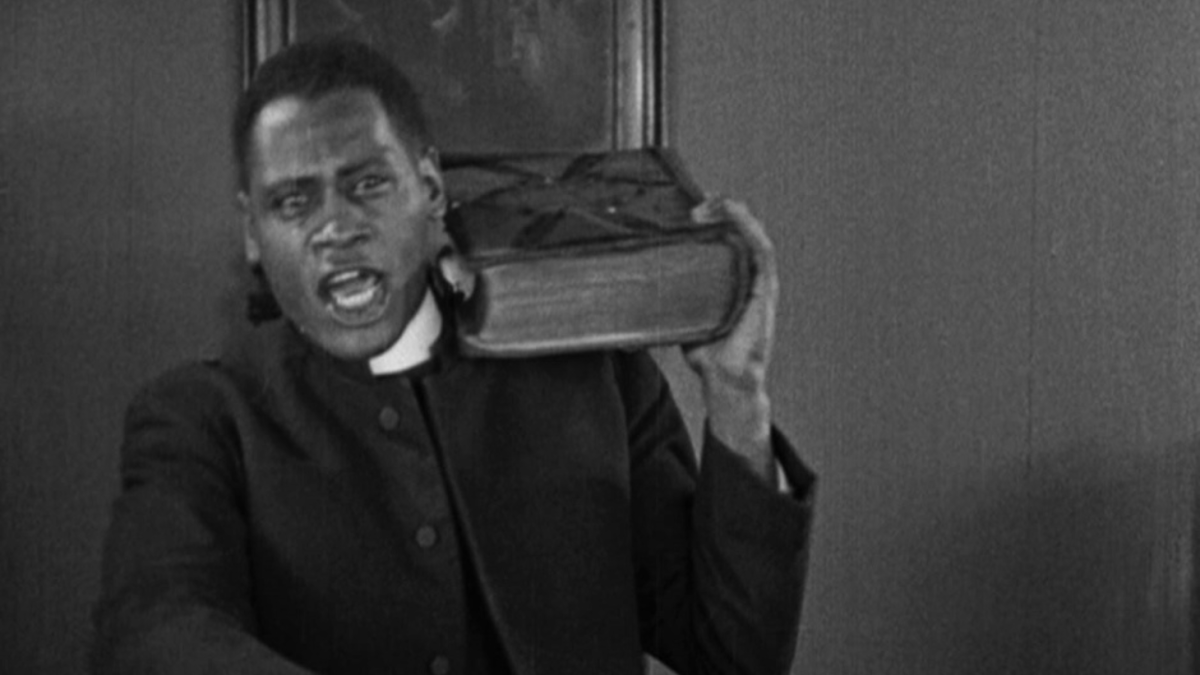
Jordan Peele’s haunted house turned home–invasion thriller is preceded by pioneering Black filmmaker Oscar Micheaux’s boldest surviving film, with a reception and conversation with Shana L. Redmond, Director of the Center for the Study of Social Difference at Columbia University, and Michael Gillespie, Associate Professor in NYU’s Department of Cinema Studies.
Rabbits
What is so real as the cry of a child?
A rabbit’s cry may be wilder
But it has no soul.
–Lines from Kindness, a poem by Sylvia Plath
Robert Zemeckis
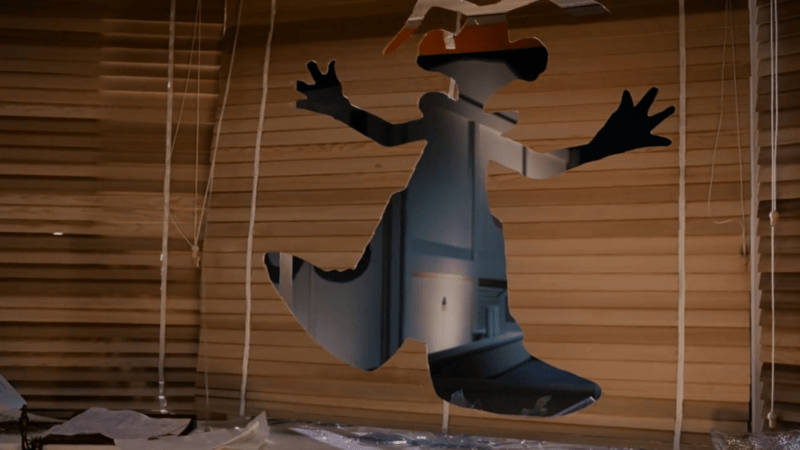
1988|
U.S.|
104 minutes
A noir-cartoon hybrid bursting with slapstick and satire, Roger Rabbit pits a weary detective against a toon-killing conspiracy in Robert Zemeckis and Richard Williams’s landmark.
Jan Švankmajer
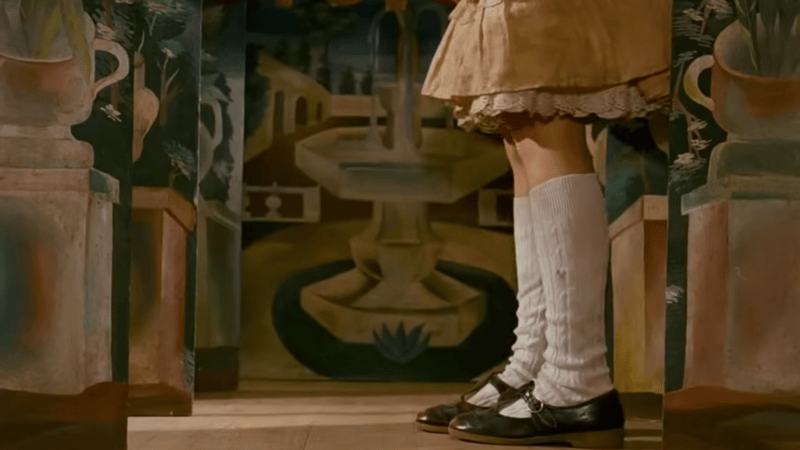
1988|
Czechoslovakia|
86 minutes|
Czech with English subtitles
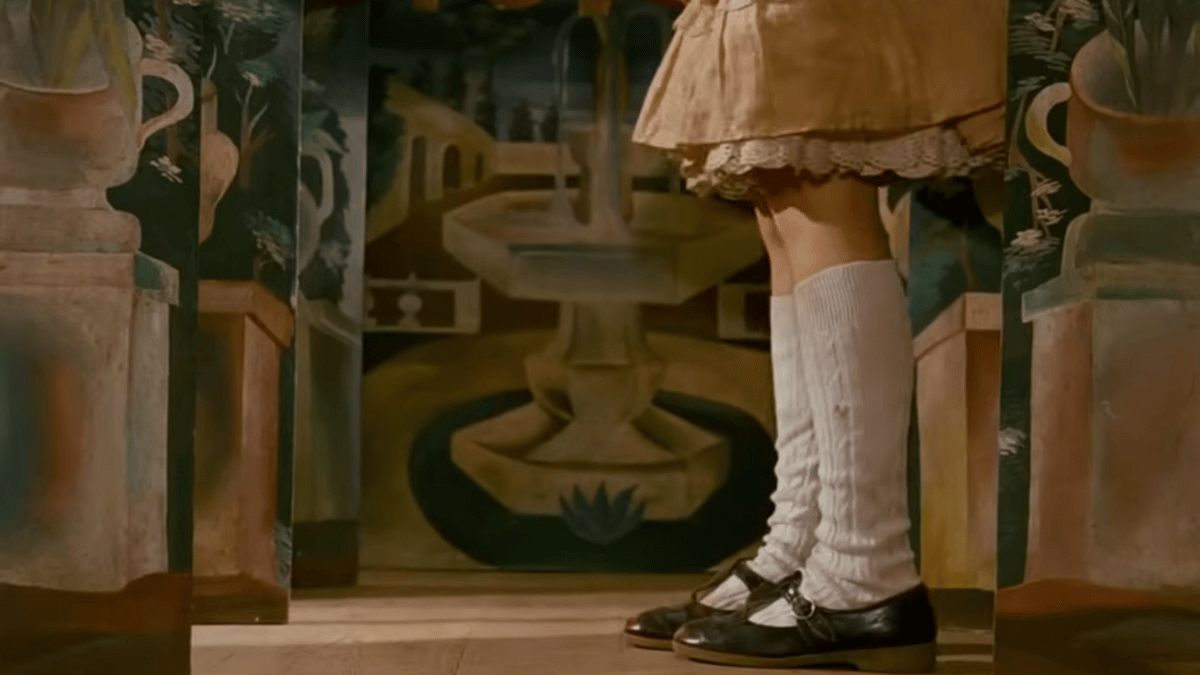
The same year Who Framed Roger Rabbit brought cartoons to life with big-studio firepower, Jan Švankmajer dragged Lewis Carroll’s tale through the looking glass and into a world of splintered dolls and taxidermy nightmares.
Richard Kelly
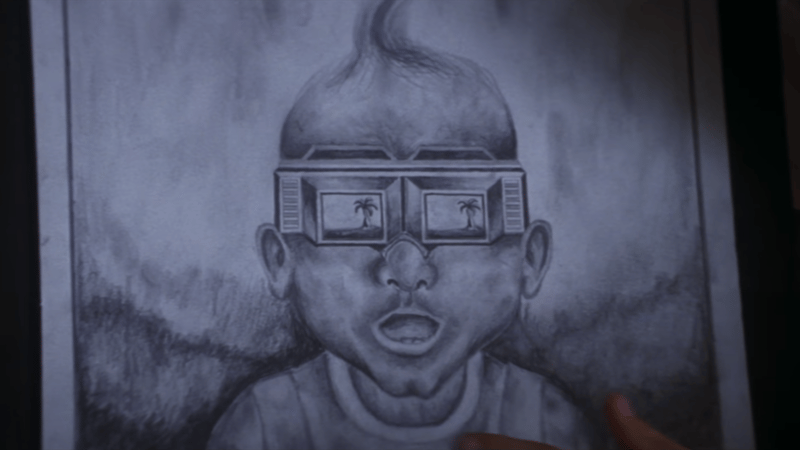
2001|
U.S.|
113 minutes
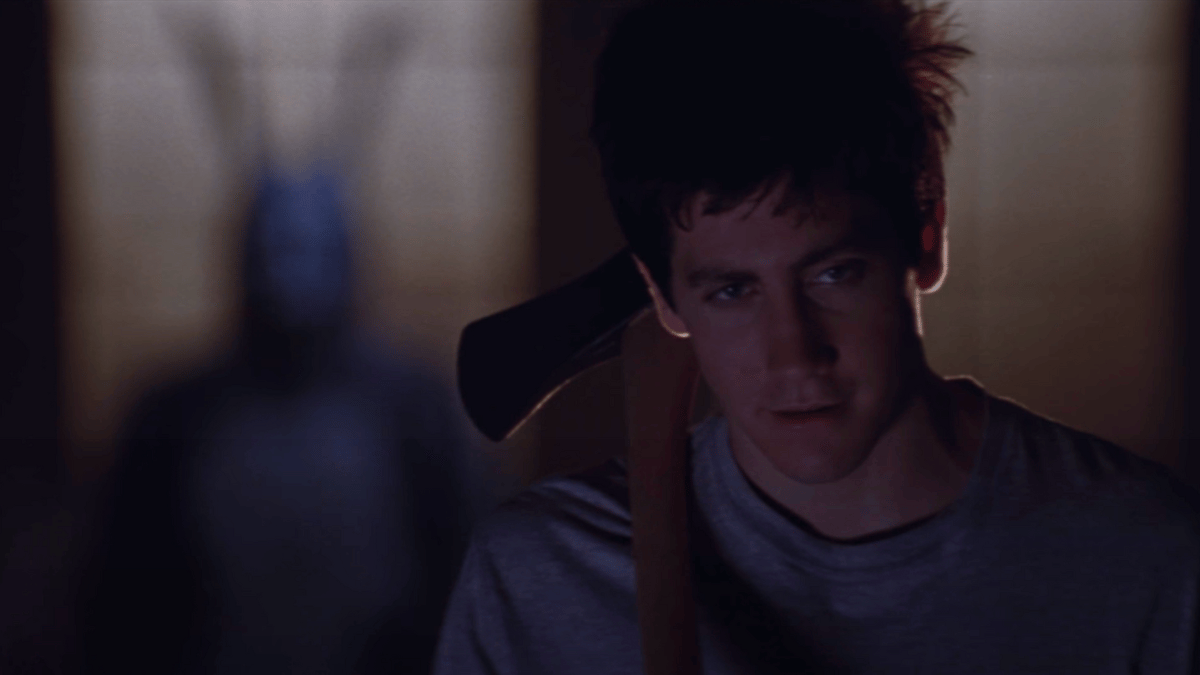
Haunted by visions of a doomsday rabbit, a troubled teen spirals through alternate realities in Richard Kelly’s darkly funny sci-fi classic of fractured identities and millennial angst.
The Uniform
“The power of the uniform lives both in its simplicity and its magnitude when multiplied. When confronted by a collective many of the same, a monolith is formed. It can feel like a protective shield or a menacing threat. As an individual in uniform, only the role or service seems to exist, more enlightened depths of the person are pushed beneath the layers… The uniform’s ingenuity is its ability to communicate control and reliability while also being symbols of corporeal control.” –From Uniform by Mary Ping in Us: The Complete Annotated Screenplay (2024)
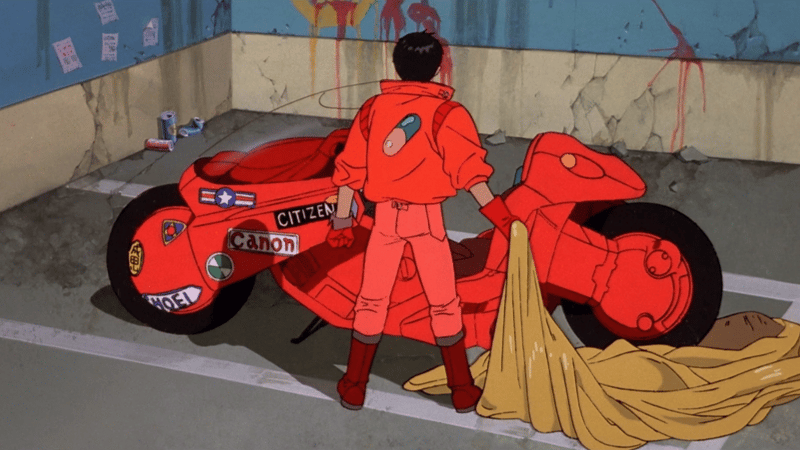
David Cronenberg
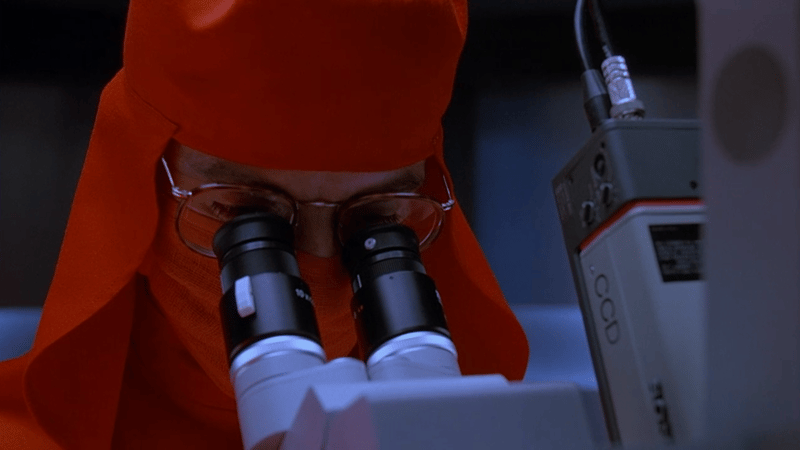
1988|
Canada|
116 minutes
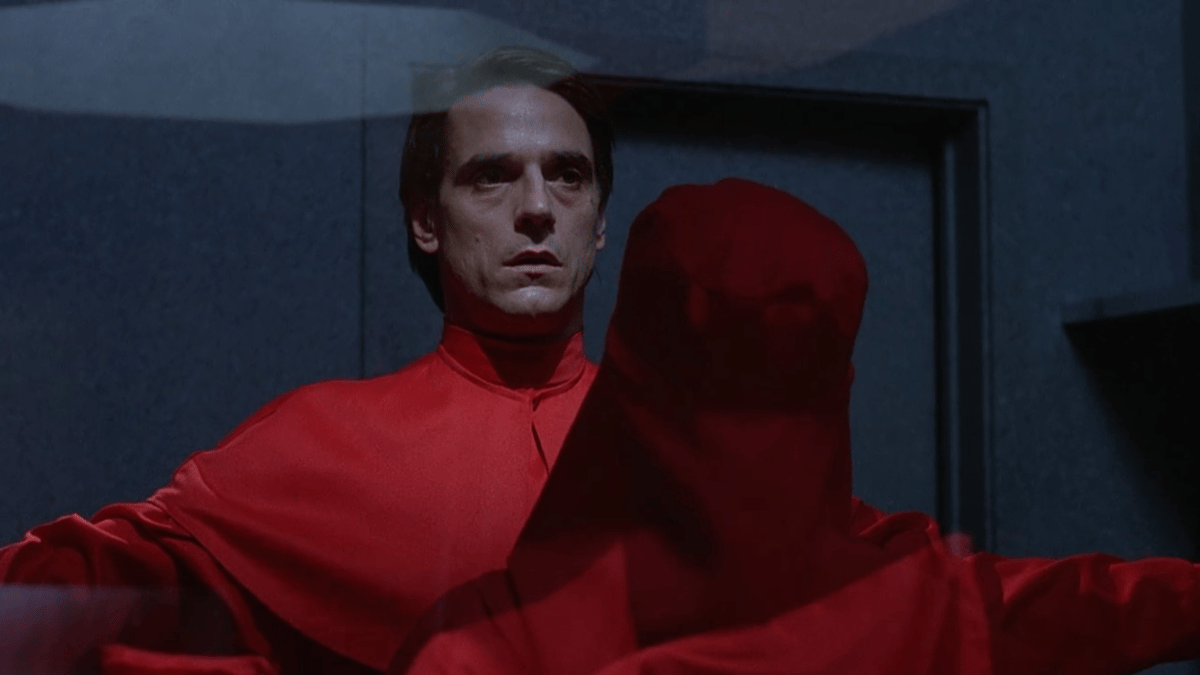
Starring Jeremy Irons in an iconic dual performance, David Cronenberg’s coolly perverse tale of a tangled psyche transforms the medical clinic into a nightmarish theater of bodily autonomy loss and violation.
Labyrinths
“At the heart of every labyrinth, in fact, there is a blind spot. And if the subject of the narrative wanders in the labyrinth of his own blindness, the narrative in turn becomes for us readers [or watchers] a labyrinth in which we wander until someone like Theseus, just a name, attempts to deliver us from it… the point of horror resides in the blind space.” –From Partial Vision (1981) in Cahiers du Cinéma by Pascal Bonitzer
Orson Welles

1947|
U.S.|
87 minutes
Orson Welles’s hypnotic puzzle film set the standard for using literal and figurative labyrinths to mirror a society’s darkest truths. Starring Welles, Rita Hayworth, and Everett Sloane.
Clive Barker
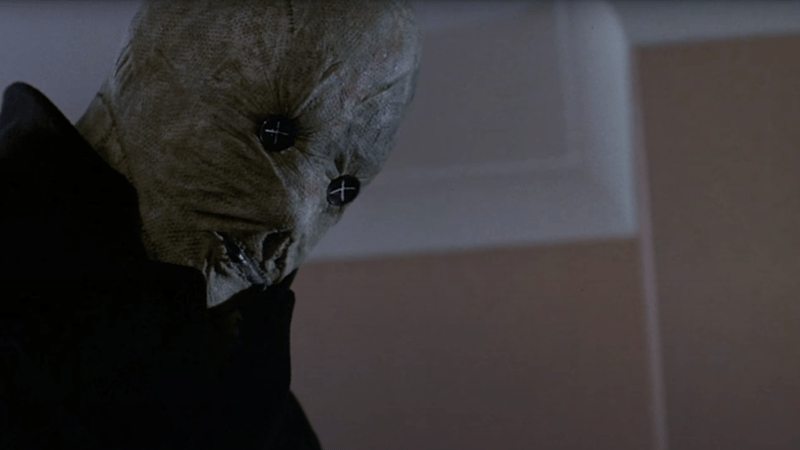
1990|
U.K. / Canada / U.S.|
102 minutes
Monsters live beneath the surface—but the real villainy remains above—in Clive Barker’s wildly ambitious horror-fantasy, which transforms society’s outcasts into mythic antiheroes. Preceded by Piotr Kamler’s Labyrinthe.
The Uncanny
“The uncanny is that class of the frightening which leads back to what is known of old and long familiar.” –From The Uncanny (1919) by Sigmund Freud
Kenneth Branagh
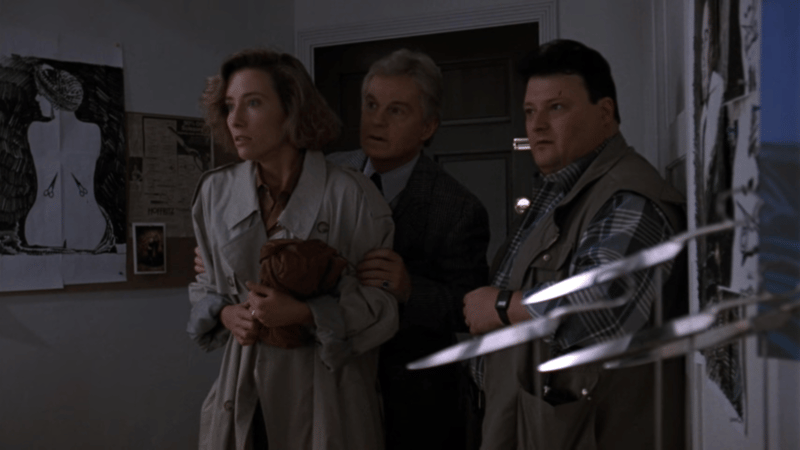
1991|
U.S.|
107 minutes
Branagh’s reincarnation noir blends murder, hypnosis, and doomed love into a delirious genre-bender spanning 1940s and 1990s Los Angeles.
Wes Craven
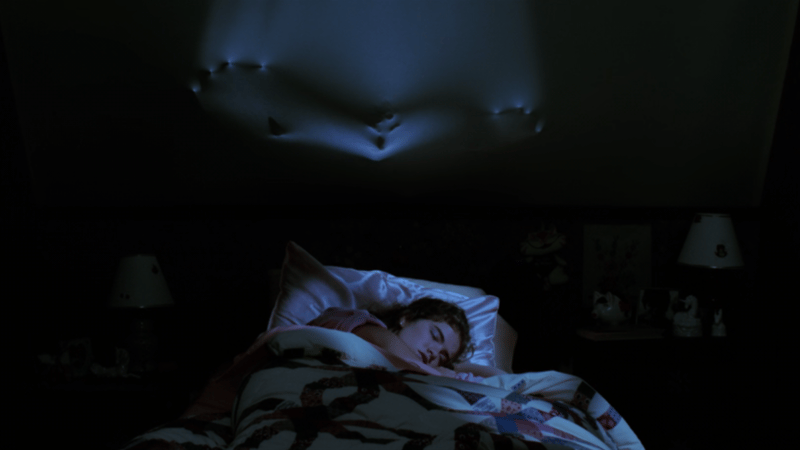
1984|
U.S.|
91 minutes
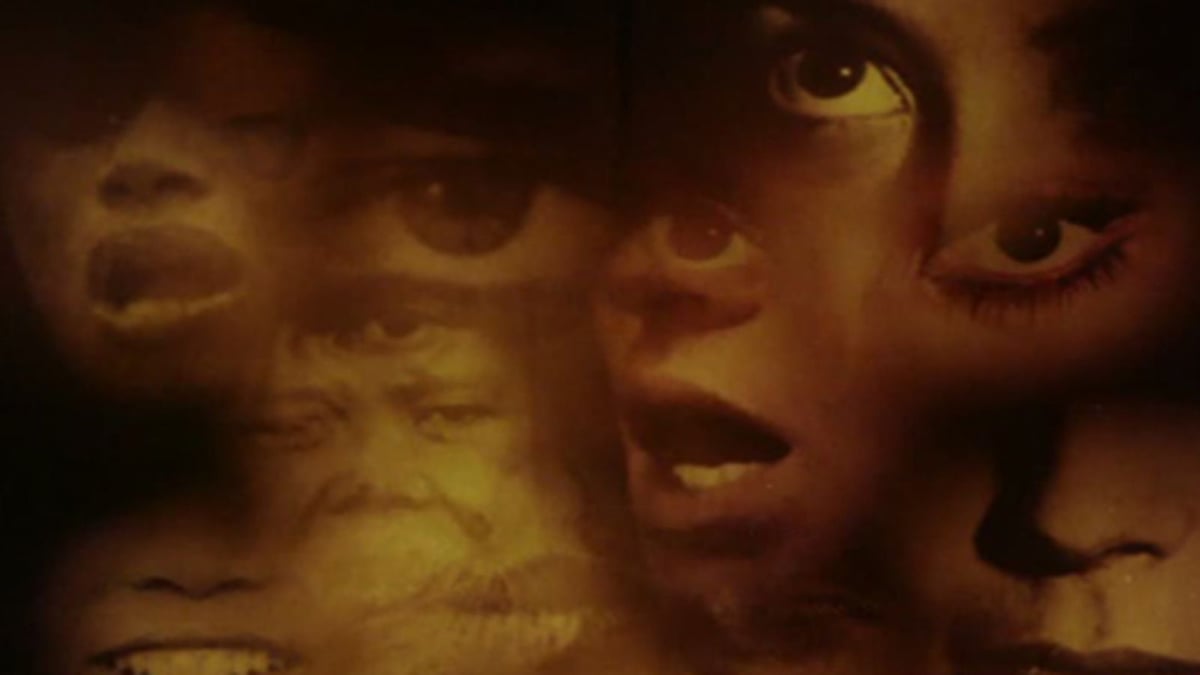
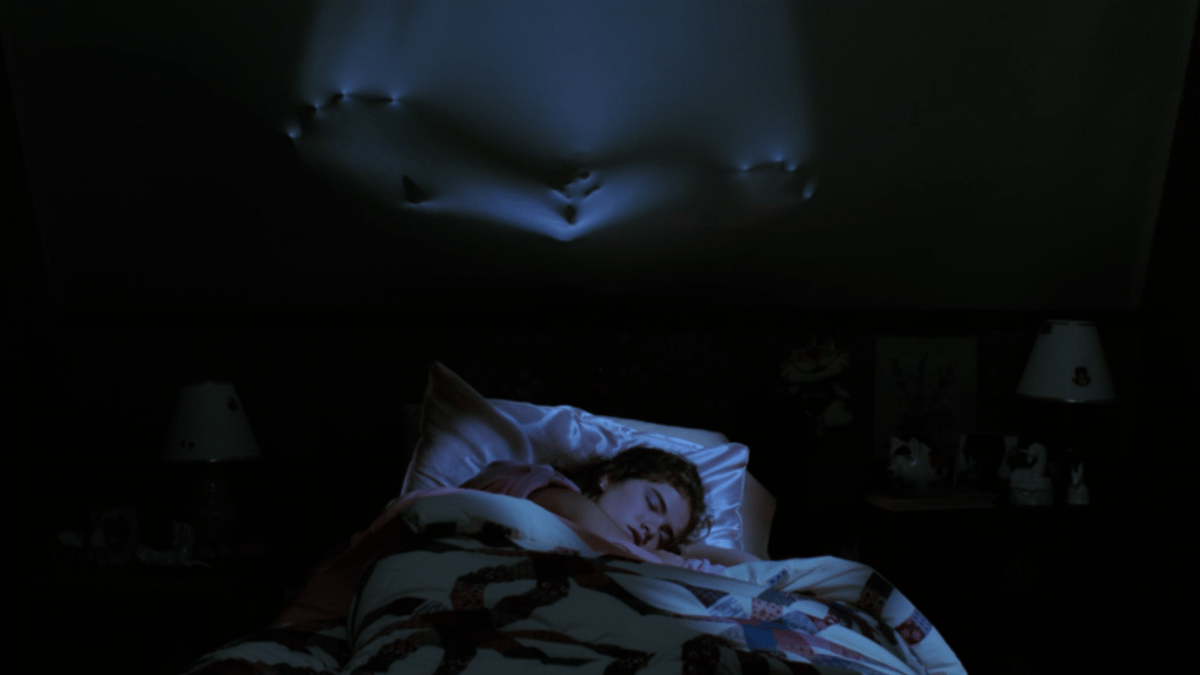
Wes Craven’s surreal slasher classic twists domestic spaces into sites of terror and made sleep itself the most perilous realm imaginable.
About the SERIES
Hailed as “a colossal achievement” and “blissfully ambitious” upon its 2019 release, Jordan Peele’s sophomore feature Us plumbed everything from American isolationist fears and labyrinthine power structures to the rich lineage of the doppelgänger motif and home-invasion thrillers. It also left just as many audiences enthralled and mystified as it prompted those to obsessively pore over its coincidences, paradoxes, and symbology in the years that followed.
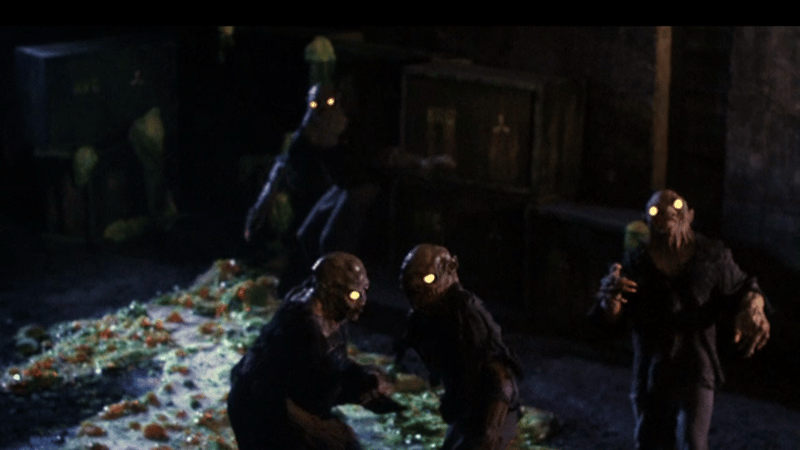
Now with the recent publication Us: The Complete Annotated Screenplay by Inventory Press, in-depth footnotes, commentaries, marginalia, and a constellation of images, definitions, and inspirations have untethered entirely new references orbiting the film—everything and everyone from W. E. B. Du Bois, C.H.U.D., Sylvia Plath, and Oscar Micheaux, to Donnie Darko, Lewis Carroll, The Beach Boys, and more. This June, Film at Lincoln Center will interpret the cosmology outlined in this book through a presentation of double features, supplementary reading material, in-person appearances from some of the book’s contributing writers, and never-before-seen 35mm presentations of Us.
This 35mm-heavy series embraces the multitudes contained in Peele’s 2019 feature. Films are grouped under recurring motifs—“The Shadow Self,” “The Uncanny,” “Labyrinths,” “Rabbits,” “The Uniform”—each drawing out a distinct thread in Peele’s vision. Some titles speak directly to Us through shared iconography: the indelible red scrubs of Dead Ringers, the scissor-wielding White Rabbit of Alice (screening from a rare imported print), the mirrored maze in The Lady from Shanghai, and the implements of psychological unraveling in Scissors and Dead Again. Others echo the film’s deeper fixations: A Nightmare on Elm Street weaponizing domestic space and repressed memories, C.H.U.D. and Donnie Darko spiraling through conspiratorial underworlds and looping timelines.
Organized by Florence Almozini and Tyler Wilson in collaboration with Monkeypaw Productions and Inventory Press.
With Us, my hope was that the audience would begin to get a sense that they were active participants in the journey, charged with connecting the dots.”
—Jordan Peele
Collaborators