Unspeakable: The Films of Tod Browning
Browning’s groundbreaking achievements in horror and underworld melodramas were typified by incisive manifestations of beauty, alongside lifelong personal obsessions with the sideshow milieu, criminality and retribution, and psychosexual innuendo.
Tod Browning
1919/1925|
USA|
119 minutes
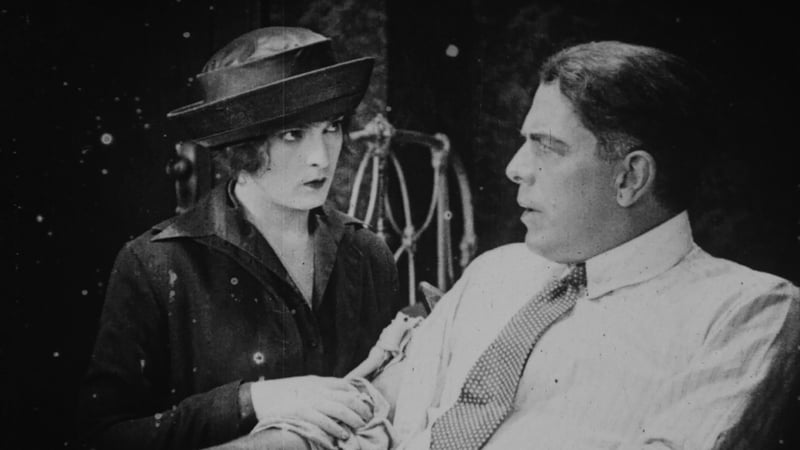
First up in this double bill of silent melodramas, Priscilla Dean and Lon Chaney star as a pair of scuzzy pickpockets at odds over a stolen pearl necklace in The Wicked Darling. Next is Dollar Down, a partially lost morality tale pertaining to a different kind of horror: that of a middle-class family living beyond their means and falling prey to moneylenders.
Tod Browning
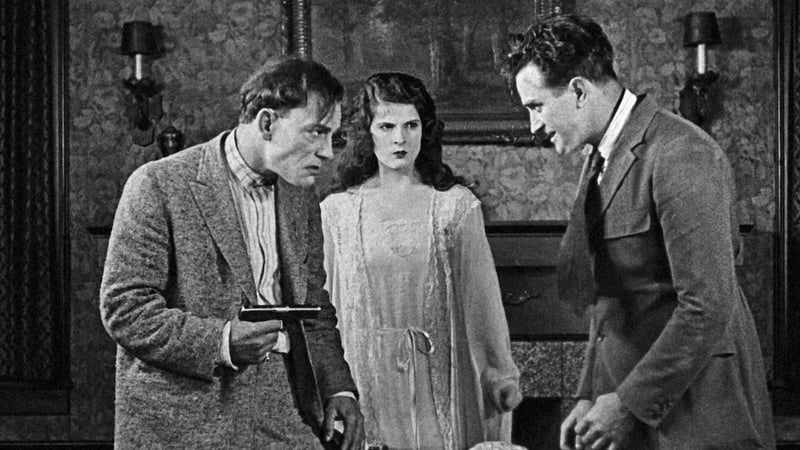
1920/1919|
USA
Criminal leader Silent Madden (Ralph Lewis) and his daughter, Molly (Priscilla Dean), are striving to lead a reformed life in San Francisco’s Chinatown—until the menacing gangster Black Mike Sylva (Lon Chaney) frames Silent for murder. Seeking vengeance and restitution, Molly becomes embroiled in a cat-and-mouse battle of wits involving a risky jewel heist and layers of deception and double-crossing. Screening with The Exquisite Thief.
Tod Browning
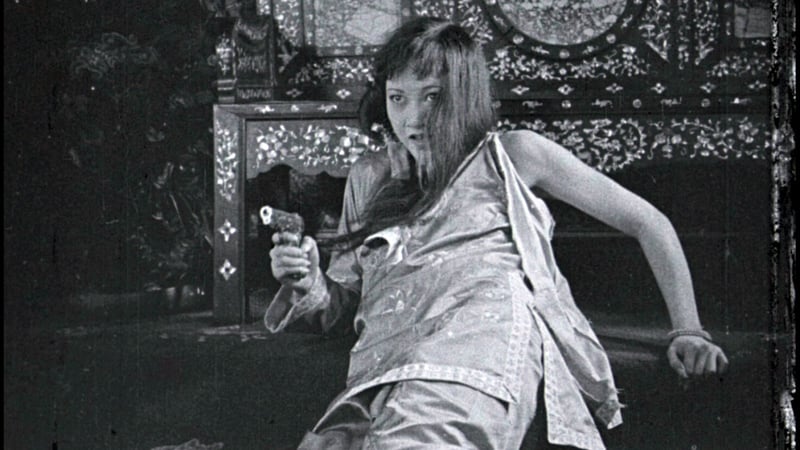
1923|
USA|
84 minutes
In his penultimate collaboration with Priscilla Dean, Browning weaves an intricate crime drama set against the backdrop of the Shanghai opium trade that also features a pivotal supporting performance from 18-year-old Anna May Wong, here in one of her first film roles.
Tod Browning
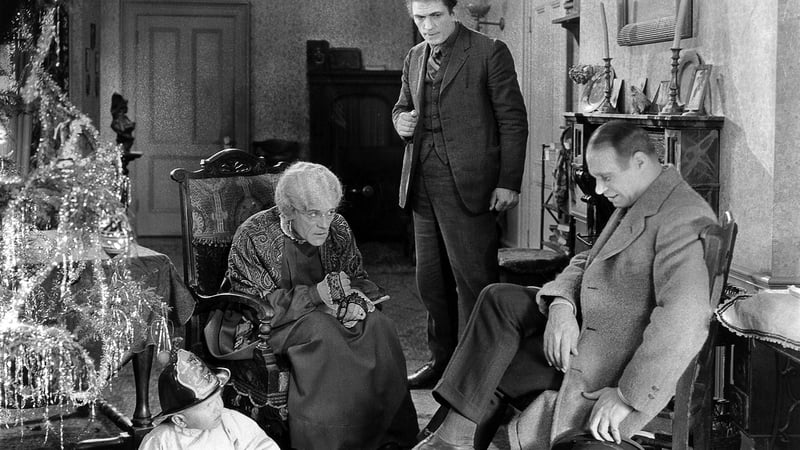
1925|
USA|
80 minutes
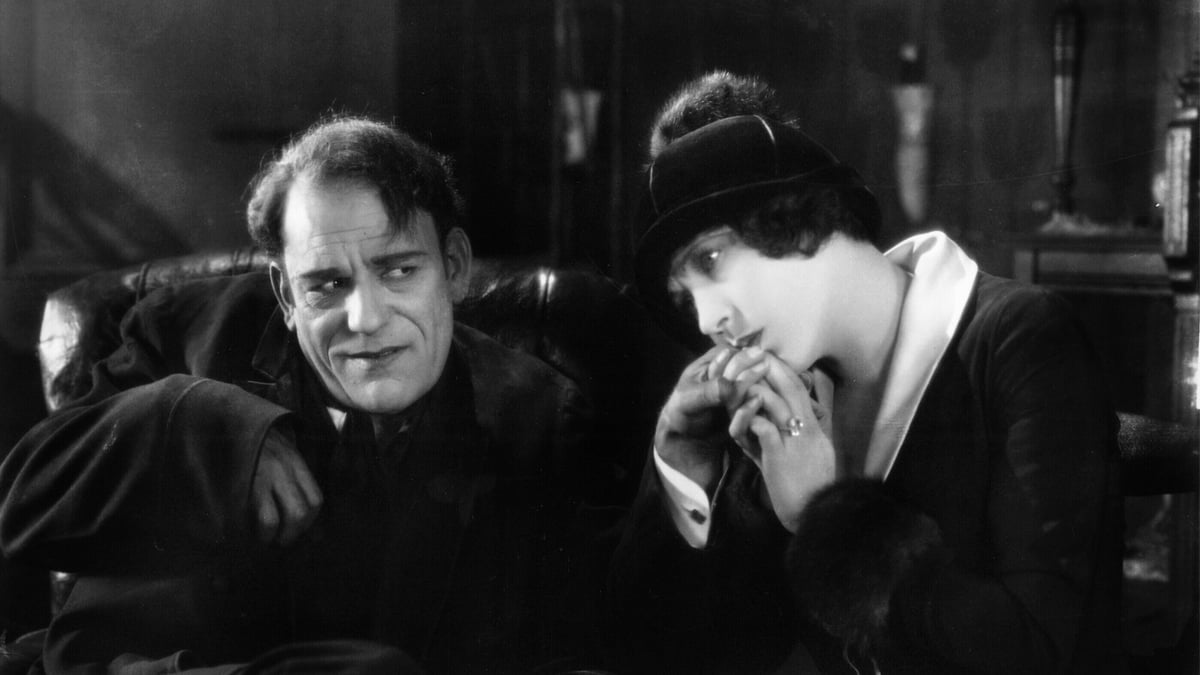
Marking the first of their eight film collaborations at MGM, Browning and Lon Chaney teamed up for this singularly unsettling melodrama following a trio of swindlers and former sideshow castmates who impersonate a respectable family of shopkeepers, the better to scam and burgle their wealthy customers.
Tod Browning
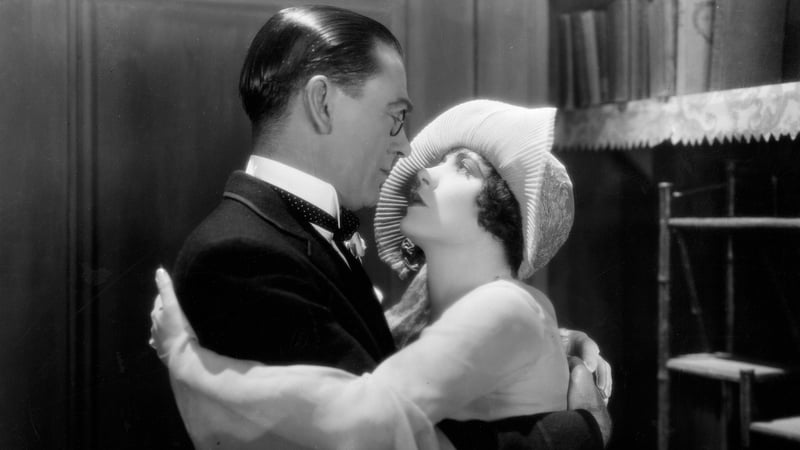
1926|
USA|
86 minutes
A disquieting tale of illusion versus reality, this evident precursor to The Unknown stars Lon Chaney in dual roles: the titular criminal, who vies for the affections of a music hall puppeteer, and his palsied twin brother, known as the Bishop, who covers up his own crimes by using a charity operation and faked disability as elaborate fronts.
Tod Browning
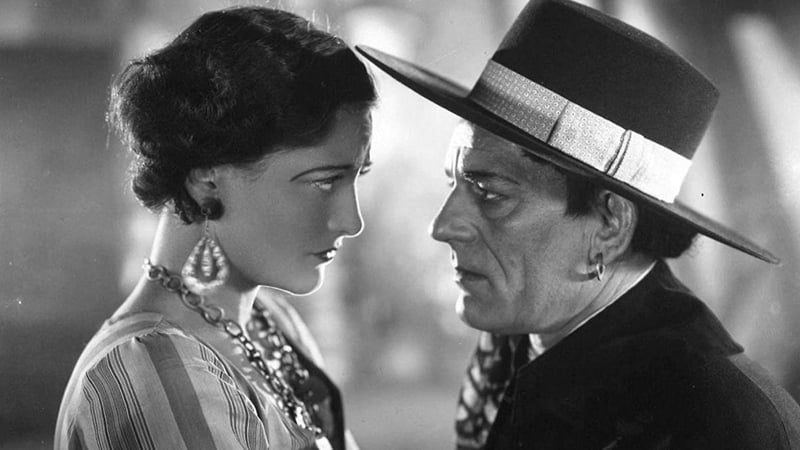
1927|
USA|
66 minutes
A Freudian pile-up of repressed desires, castration anxiety, and Oedipal plots, The Unknown is widely considered Browning’s crowning achievement and one of the greatest works of the silent era. Starring Lon Chaney and Joan Crawford.
Tod Browning
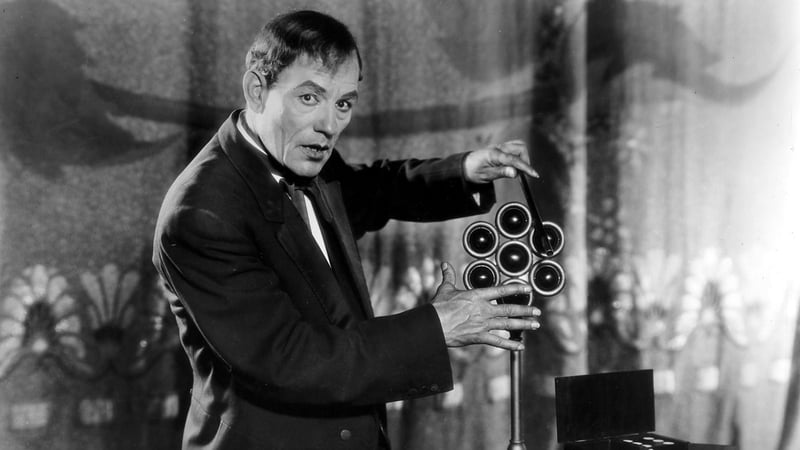
1928|
USA|
65 minutes
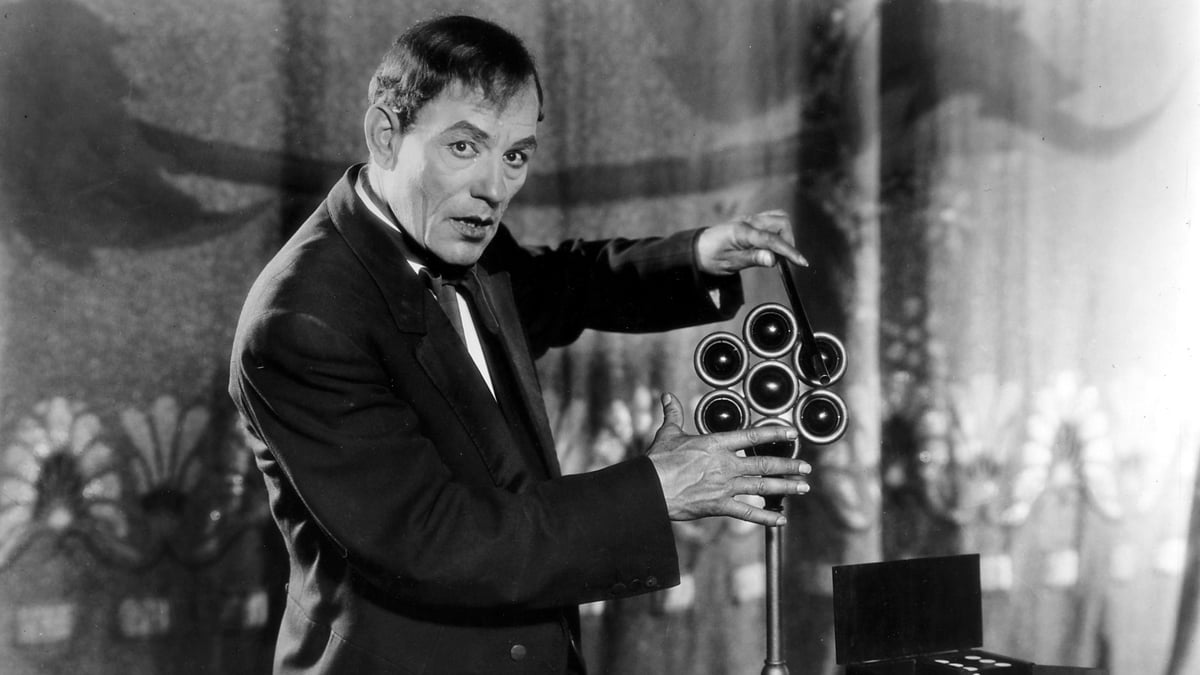
One of the most demented melodramas of Hollywood’s pre-Code era is Browning’s misdirected revenge yarn starring Lon Chaney as a scheming cuckold magician who, after being paralyzed from the waist down by his wife’s lover, bitterly follows his nemesis to the Congo. Also starring Lionel Barrymore and Mary Nolan.
Tod Browning
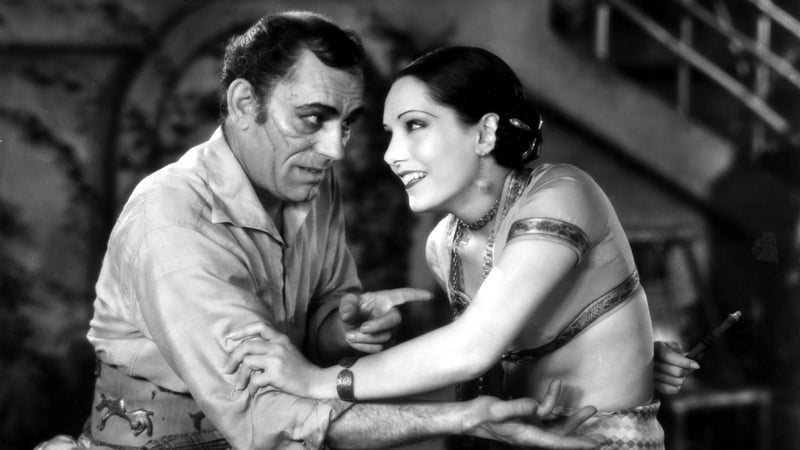
1929|
USA|
67 minutes
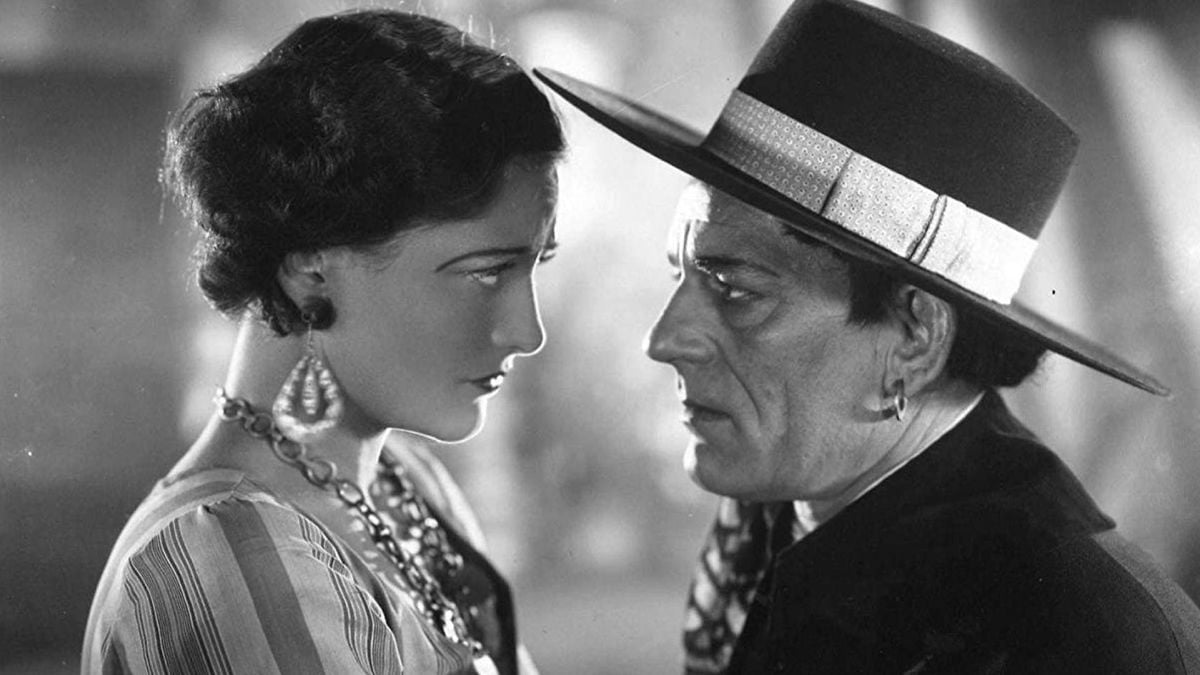
Browning and Lon Chaney’s final film together, Where East Is East transports the duo to French Indochina, where a facially disfigured animal trapper (Chaney) has a seemingly chipper relationship with his daughter (Lupe Velez) that is sidelined by the appearance of her American fiancé (Lloyd Hughes) and her estranged mother (Estelle Taylor).
Tod Browning
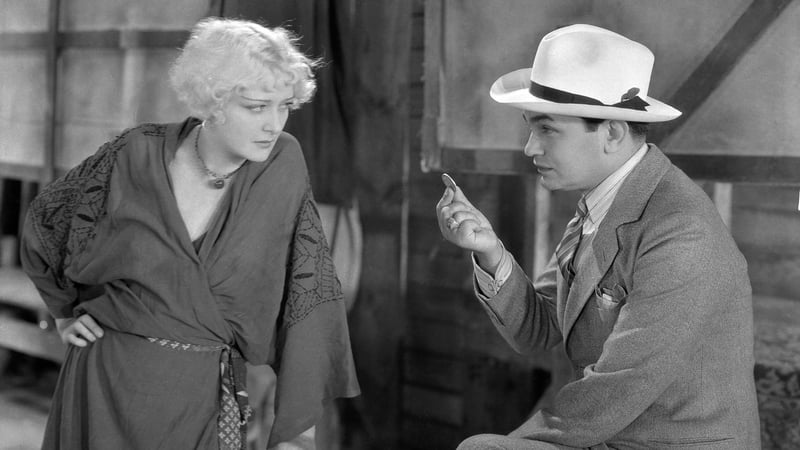
1930|
USA|
79 minutes
A year before breaking out as a star in his own right with the lead performance in Mervyn LeRoy’s Little Caesar, Edward G. Robinson made an indelible mark on Browning’s second sound picture, a loose remake of the director’s own 1920 film. Here, Robinson steals the show as Cobra Collins, a scowling Los Angeles gangster—the counterpart to Lon Chaney’s Black Mike Sylva.
Tod Browning
1931|
USA|
75 minutes
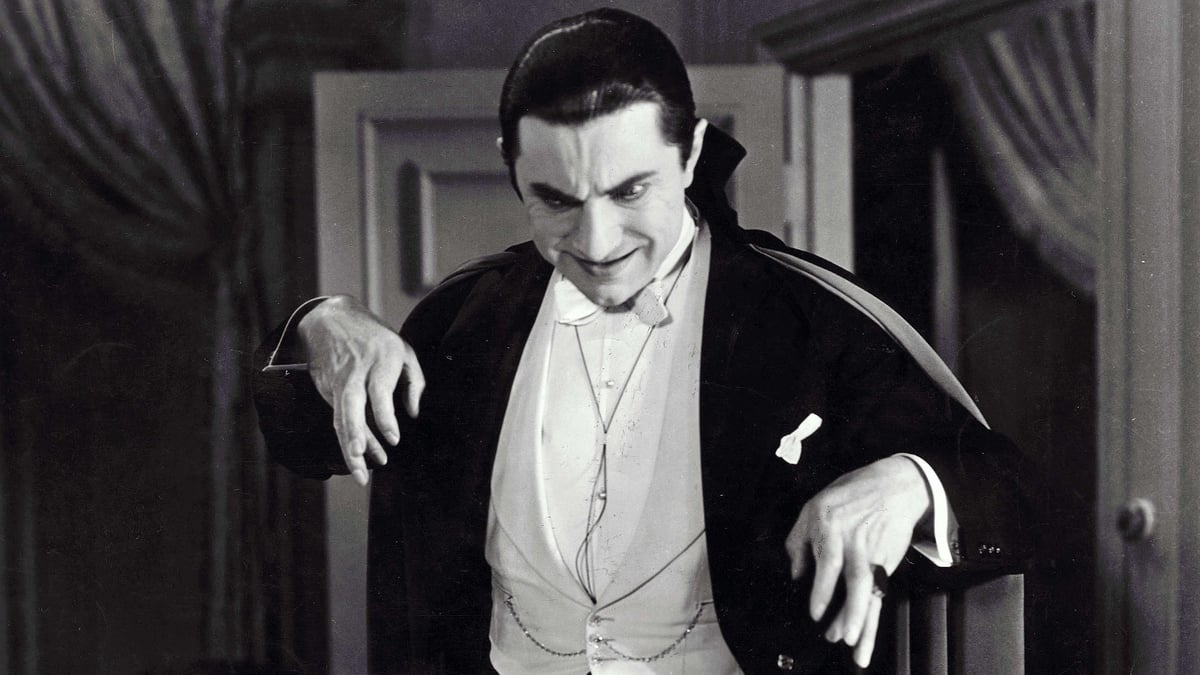
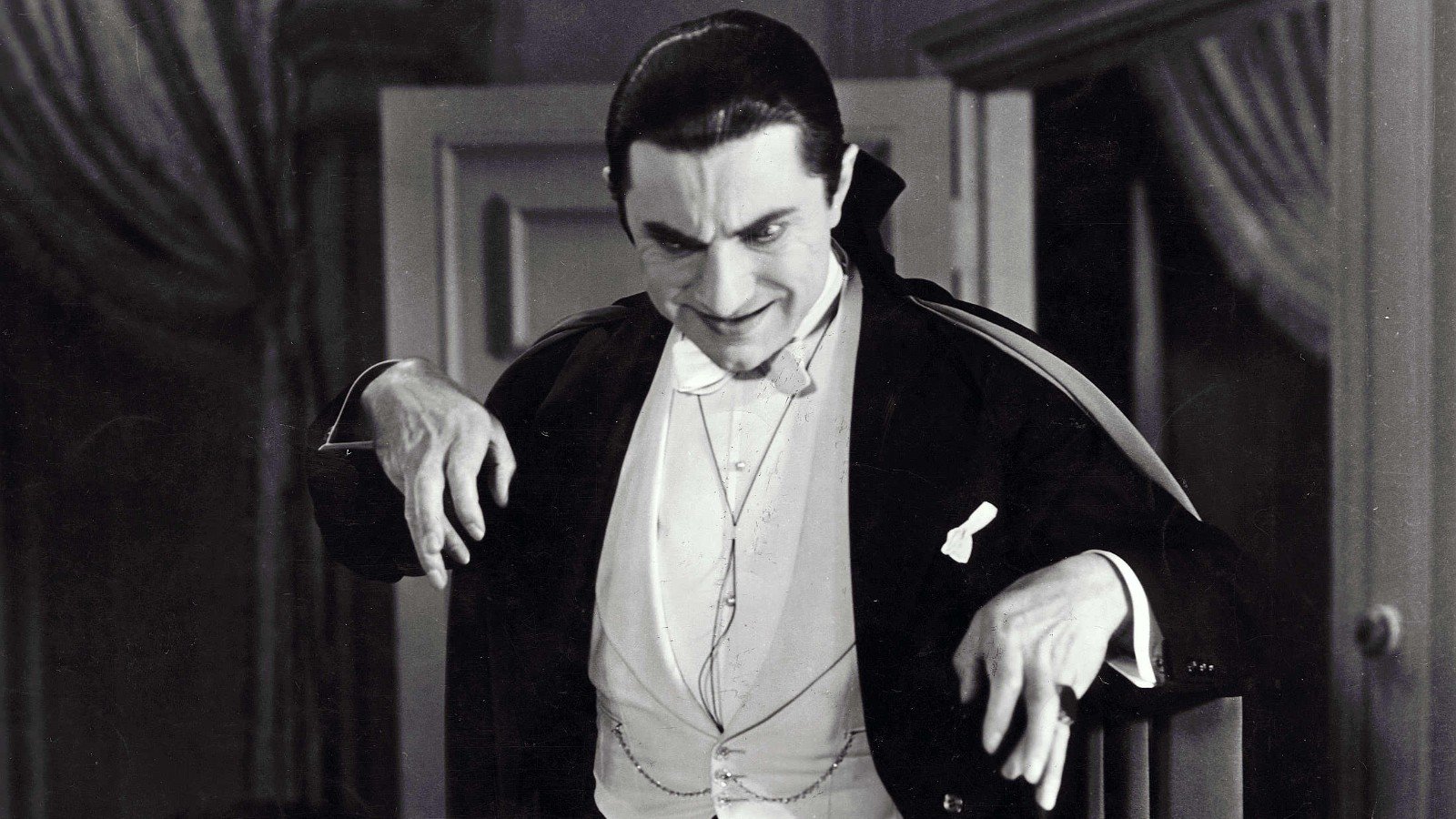
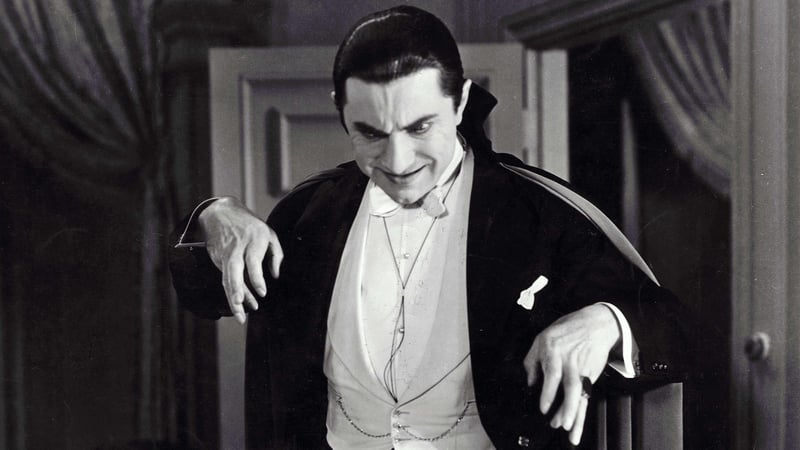
Browning’s adaptation of Bram Stoker’s 1897 genre-defining novel, starring then-little-known Hungarian actor Bela Lugosi, is an understated and elegantly stylized masterpiece of the uncanny, a macabre work of perverse Gothic melodrama that kicked off the first cycle of Universal horror films.
Tod Browning
1931|
USA|
78 minutes
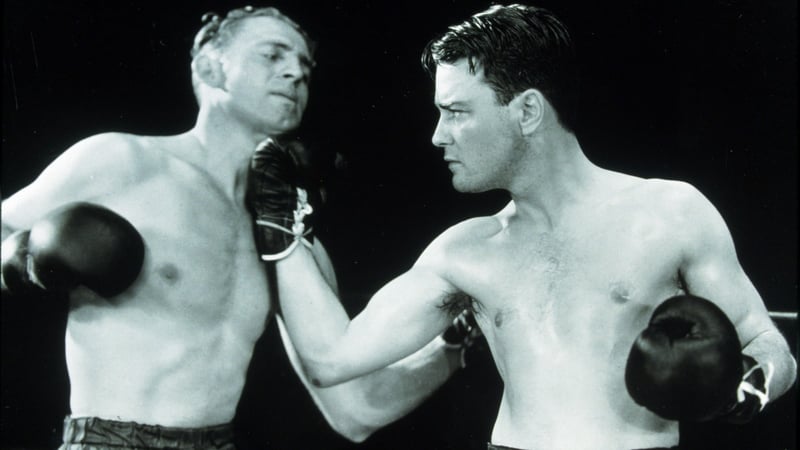
Browning’s follow-up to his hugely successful Dracula adaptation is a surprisingly sensitive cautionary tale starring Lew Ayres as a lightweight boxing champ whose affection is divided between his friend and manager (Robert Armstrong) and his double-crossing wife (Jean Harlow).
Tod Browning
1932|
USA|
64 minutes
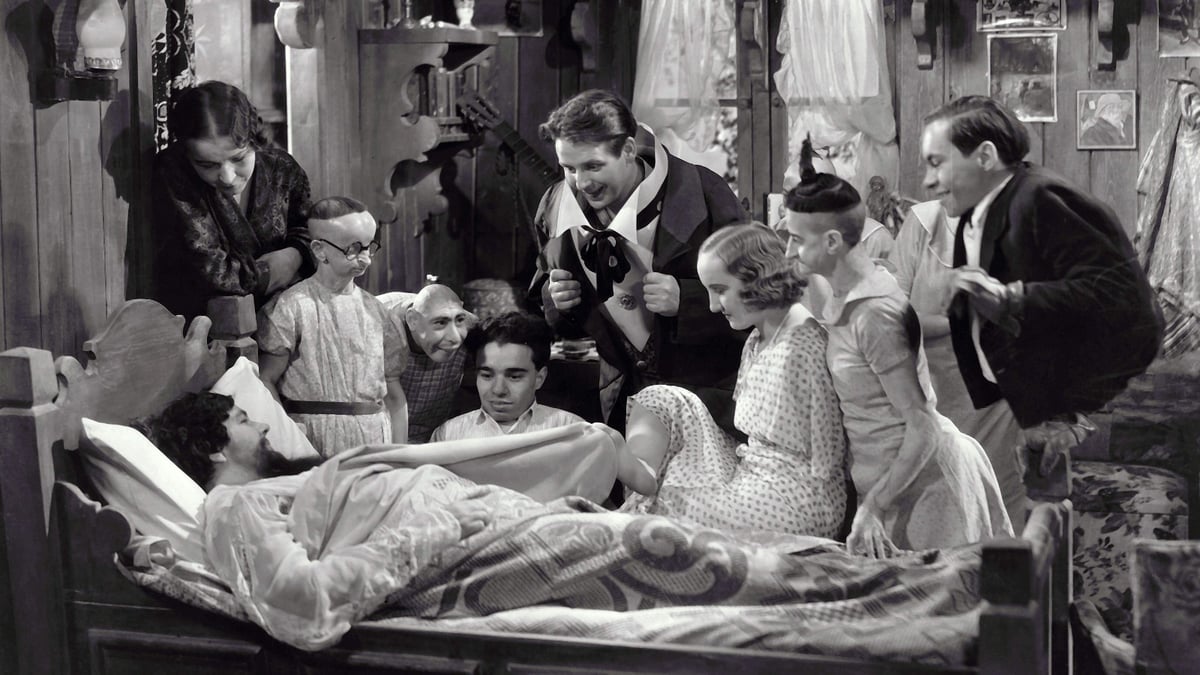
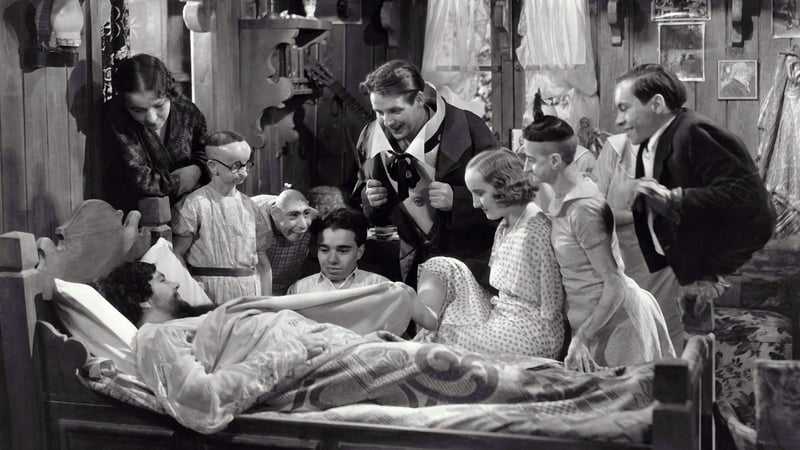
Widely considered among Browning’s best films, Freaks tells the doomed love story of a moneyed circus performer with dwarfism manipulated into marriage with a gold-digging trapeze artist. Shifting from finely shaded, dreamlike chiaroscuro to documentary pragmatism, this exceedingly disturbing horror film is pitched somewhere between daringly compassionate and—despite its infamous “one of us” chant—guilty of the very horrors it denounces.
Tod Browning
1935|
USA|
61 minutes
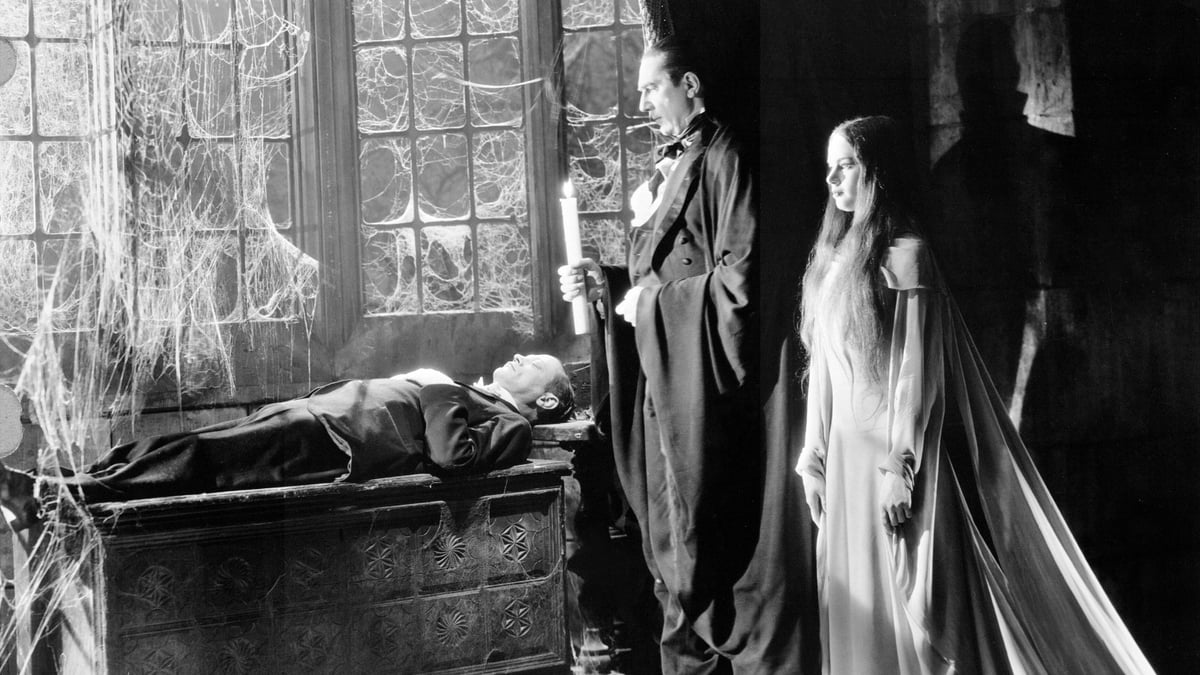
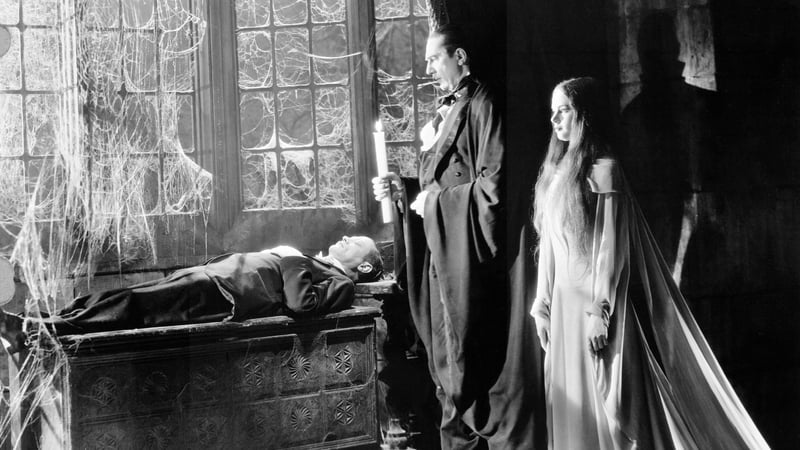
In this densely composed satire disguised as a vampire mystery, an occultist (Lionel Barrymore) is called in to assist with the investigation of a high-profile murder after locals conjecture that it must be the work of a presumed vampire (Bela Lugosi) who lives in a vacant castle with his chalky daughter.
Tod Browning
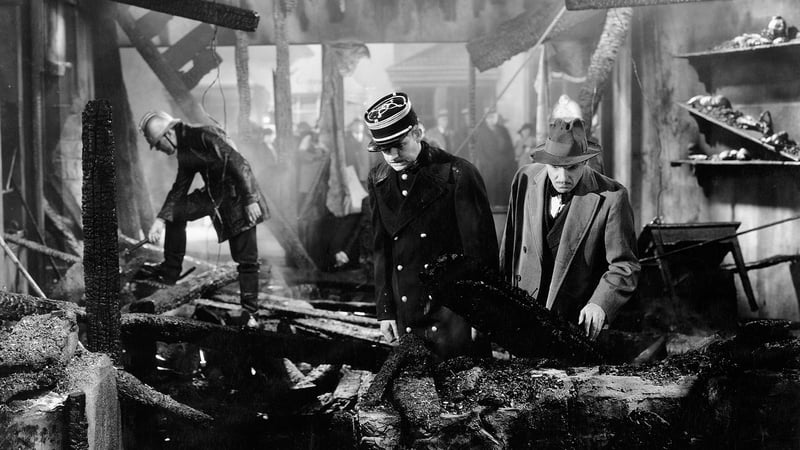
1936|
USA|
78 minutes
This imaginative, Dumasian revenge tale finds Browning returning to pet themes of mesmeric influence and parental estrangement, but the film’s carnivalesque spectacle of double-exposure techniques and gigantically oversized sets—plus Lionel Barrymore’s totally committed drag performance—nearly turn The Devil-Doll into all-out farce.
Tod Browning
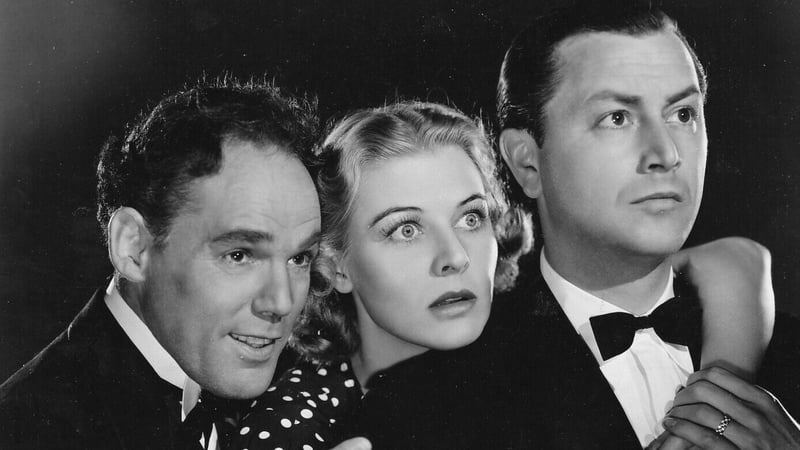
1939|
USA|
71 minutes
Browning’s last film is a briskly paced locked-room whodunnit that showcases the director’s fascination with the moral implications of professional magic-making, centered on a debonair ex-magician and debunker of fraudulent spiritualists who stumbles into a murder investigation around the death of a mysterious “demonologist.”
Tod Browning (1880–1962) ranks among the most original and enigmatic filmmakers of his time. Born Charles Albert Browning, Jr., son of a middle-class family, he ran away from his Kentucky home at age 16 to join the circus, where he took jobs as a barker, a contortionist, a clown, and a somnambulist buried alive in a box with its own ventilation system. Following a stint in vaudeville and adopting the moniker Tod (German for “death”), Browning eventually found a home in cinema as an actor until a life-altering car accident placed him behind the camera. He went on to direct a series of underworld melodramas, including nine films starring Priscilla Dean (Outside the Law and Drifting), before making some of the most bizarre and eerily atmospheric films of the silent era with Lon Chaney (in a 10-film collaboration including The Unknown, widely considered Browning’s masterpiece). Chaney’s death in 1930 coincided with the director’s transition to sound, notably with his genre-defining version of Dracula starring Bela Lugosi and his transgressive, career-tarnishing Freaks, later reappraised by Andrew Sarris as “one of the most compassionate films ever made.” Browning has been described as one of cinema’s thorniest humanists as well as “the first diabolist of the cinema,” whose influence can be seen in the work of David Lynch, John Waters, Guillermo del Toro, and David Cronenberg. Though his films retain complex moral ambiguities, a glance at this transgressive body of work reveals a visionary with an eye for stylization and memorable performances from Hollywood stars and non-professional actors. His groundbreaking achievements in horror and underworld melodramas were typified by incisive manifestations of beauty, alongside lifelong personal obsessions with the sideshow milieu, criminality and retribution, and psychosexual innuendo.
Organized by Tyler Wilson and Maddie Whittle.
Acknowledgments:
Cinémathèque française; Eye Filmmuseum, Netherlands; George Eastman Museum; Library of Congress; UCLA Film & Television Archive; Donald Sosin and Joanna Seaton