Experience the Evolution of Modern Italy Through Cinema in “History, Italian Style,” a 29-Film Series Presented by FLC and Cinecittà
May 14, 2026
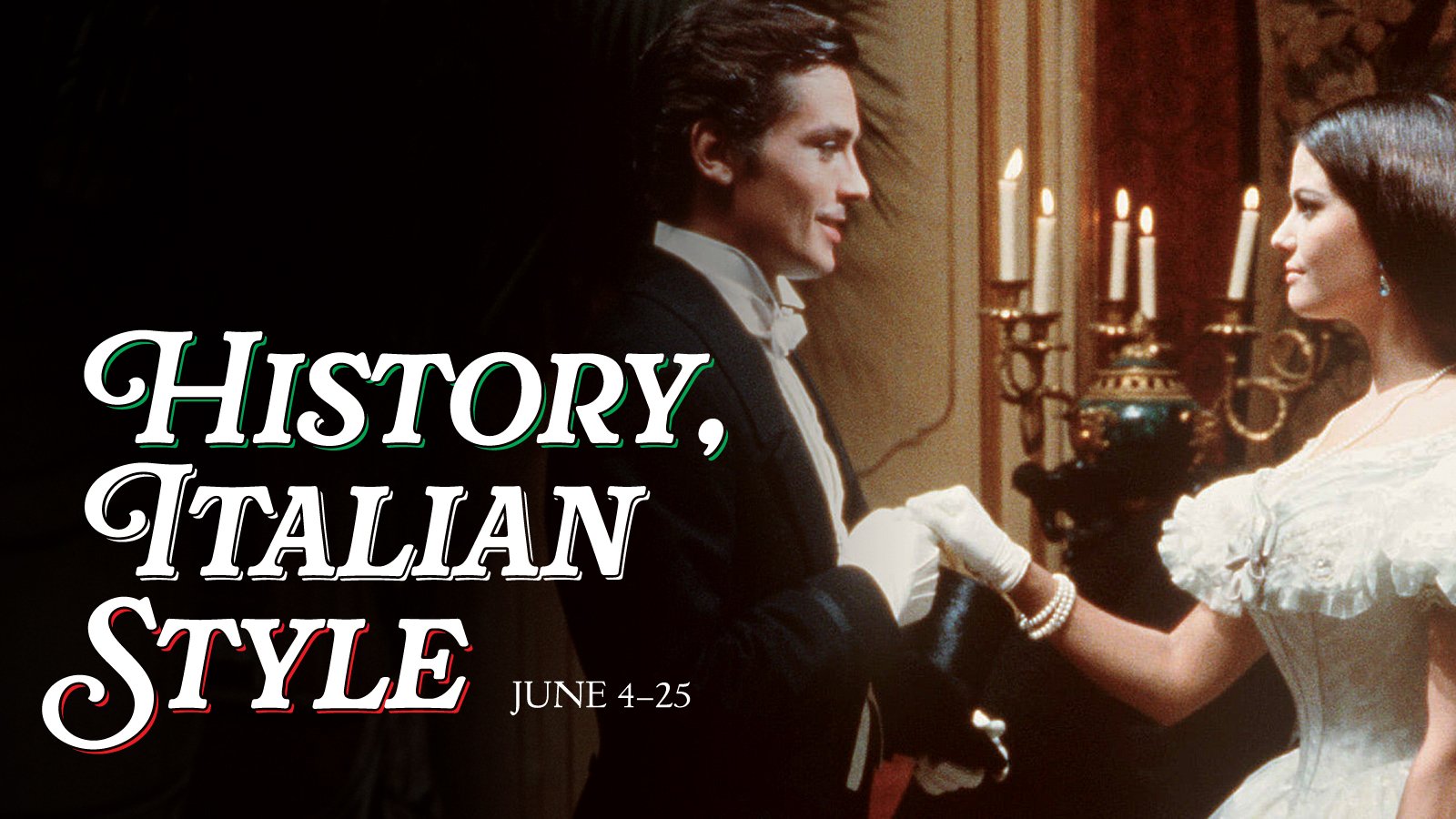
Film at Lincoln Center and Cinecittà announce “History, Italian Style,” a sweeping series of 29 films examining the evolution of modern Italy—from the Risorgimento (1815–1861) through the rise of Mussolini and World War II—through the lens of Italian cinema. Running from June 4 to 25, the series explores how filmmakers have interpreted, revisited, and challenged Italy’s political and cultural history on screen. Featuring landmark works by Luchino Visconti, Bernardo Bertolucci, Roberto Rossellini, and Paolo and Vittorio Taviani, with films by contemporary directors Marco Bellocchio, Alice Rohrwacher, and Pietro Marcello, the series explores how Italian cinema has continually revisited the nation’s history to grapple with an enduring question: What is Italy?
Developed in collaboration with curator, film scholar, and professor Emiliano Morreale (Il Cinema Ritrovato, Sapienza University of Rome) and in consultation with acclaimed director Pietro Marcello, the series focuses particularly on the political dimensions of Italian cinema depicting the first half of the 20th century. Using film to trace the prevailing spirit of Italian culture during this volatile period up to World War II, the program highlights earlier and lesser-explored periods that shaped the nation’s development.
Since the Risorgimento—the 19th-century movement that consolidated fragmented states into a single kingdom—cinema has served as both witness and architect of the Italian identity, weaving diverse regional cultures into a singular national narrative. From the earliest decades of filmmaking, Italian cinema has borne witness to shifts in its own society, politics, and culture, synthesizing the peninsula’s disparate populations into a composite and ever-changing image of Italian national identity. In turn, filmmakers repeatedly returned to the country’s recent past as a way of understanding the present: few national film industries have so strikingly mined their own country’s recent history for material, seeking to monumentalize critical moments in the nation’s existential search to define itself.
Florence Almozini, Vice President of Programming at Film at Lincoln Center, said, “We are thrilled to be presenting ‘History, Italian Style,’ our latest collaboration with longtime partner Cinecittà. A deep and fascinating showcase of Italy’s rich cinematic history, the series reflects the country’s societal, political, and cultural evolution since its unification until World War II as seen through the eyes of many major Italian filmmakers, presented in beautiful 4K restorations and imported prints.”
The President of Cinecittà, Antonio Saccone, shared, “As President Mattarella recently reminded us, cinema has walked alongside the Republic, accompanying Italy’s growth. Italian cinema has truly been a pillar, a founding element of our democracy and social progress. But even more than that: the films that New York audiences will see or rediscover in this extraordinary retrospective have shaped not merely the history of Italian cinema, but the history of world cinema itself. Rome Open City, Senso, The Leopard, 1900, Amarcord… these are films that built the emotional vocabulary of the seventh art and forged the style and ethical vision of dozens of filmmakers. In the wake of these masterpieces, new generations of auteurs have continued along their own path, one still waiting to be fully discovered.
Italian and American cinema are blood brothers; over the decades they have exchanged ideas, visions, and creative lifeblood. As President of Cinecittà, I am proud of this magnificent event, which we organize while also bringing restorations from our laboratories and providing prints from our immense film archive. Above all, we are bringing Italian cinema back to Lincoln Center—and back home. Because the United States is one of the places that has most profoundly understood how to discover, absorb from, and give back to our cinema. For three weeks, New York is ours—and Italian cinema and Cinecittà belong to New York.”
Curator Morreale stated, “Italy is a country with an ancient history but a young nation. Unified in 1861 under the Piedmontese House of Savoy, it remained formally a kingdom even during the Fascist dictatorship, and has been a republic for only 80 years. Since the postwar period, reflecting on this essentially recent past has also meant grasping the roots of the present or creating a metaphor for it. Although Italian cinema, from neorealism onward, has been characterized by its ability to depict the present, it has increasingly turned its attention to a past often viewed as a series of failures and missed opportunities: the Risorgimento as a failed revolution, World War I as a form of class oppression and a test of the authoritarianism that would lead to Fascism, and Fascism itself as the autobiography of a nation (as defined by Piero Gobetti, the great intellectual killed by the Blackshirts at the age of 25).
Starting in the 1960s, the past was reinterpreted in a particularly critical light, as if the fact of having become an economically advanced country prompted filmmakers to capture the shadows and contradictions that risked threatening the future. These were the years of the innovative and modern cinema of Antonioni and Fellini, and thus the engagement with history was also a search for new stylistic models. This trend has intensified in recent years: from Bellocchio to Martone, from Rohrwacher to Marcello, returning to portray Italy’s past means confronting a coexistence of eras, the reemergence of ghosts, and grappling with the power of images. In short, making not historical films, but rather, films about the meaning of history.”
Tickets are now on sale. Tickets are $18; $15 for students, seniors (62+), and persons with disabilities; and $13 for FLC Members. See more and save with a 3+ Film Package ($16 for GP; $13 for students, seniors (62+), and persons with disabilities; and $11 for FLC Members).
Organized by Florence Almozini, Vice President of Programming, Film at Lincoln Center; Dan Sullivan, Programmer, Film at Lincoln Center; Paola Ruggiero and Camilla Cormanni, Cinecittà and Emiliano Morreale, Il Cinema Ritrovato, Sapienza University of Rome, Cineteca Nazionale; with Program Advisor Pietro Marcello, in collaboration with Cinecittà.
FILMS & DESCRIPTIONS
All films will screen at the Walter Reade Theater (165 W. 65th Street).
Opening Night
4K Restoration
1900 / Novocento
Bernardo Bertolucci, 1976, Italy/France/West Germany, 316m
Italian, French, German, and English with English subtitles
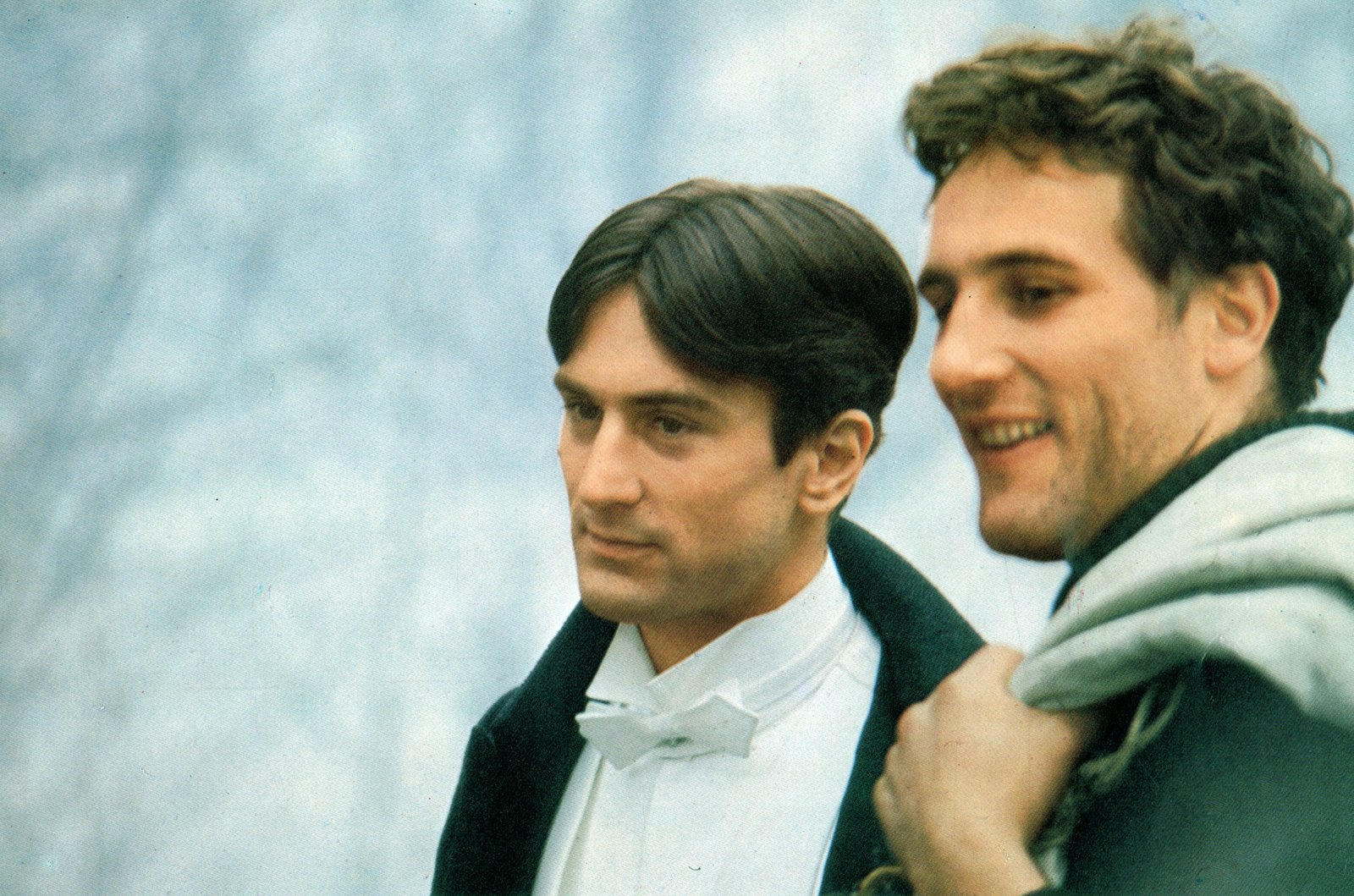
1900
Among cinema’s great historical epics, 1900 is Bernardo Bertolucci’s singularly ambitious, sprawling account of the contemporaneous development of fascism and communism in Italy as expressed through the shifting relationship of two childhood friends, indelibly portrayed by Robert De Niro and Gérard Depardieu, caught in the whirlwind of class tensions and emerging nationalism. Set in Bertolucci’s native Emilia-Romagna, 1900 was shot by Vittorio Storaro, scored by Ennio Morricone, and boasts a true all-star cast, including Dominique Sanda, Laura Betti, Donald Sutherland, Sterling Hayden, Burt Lancaster, and more, and has been recognized by the Italian Ministry of Culture for the film’s role in sculpting Italian collective memory about the first half of the 20th century. 1900 will be presented in its original director’s cut (with a 30-minute intermission), whose appropriately epic duration caused much rancor between Bertolucci and producer Alberto Grimaldi. 4K DCP digital restoration by Cinecittà, Cineteca di Bologna, Paramount, and 20th Century Fox.
Thursday, June 4 at 6:00pm (with 30-minute intermission)
Sunday, June 7 at 1:00pm (with 30-minute intermission)
Risorgimento
2K Restoration
Allonsanfàn
Paolo Taviani, Vittorio Taviani, 1974, Italy, 112m
Italian with English subtitles
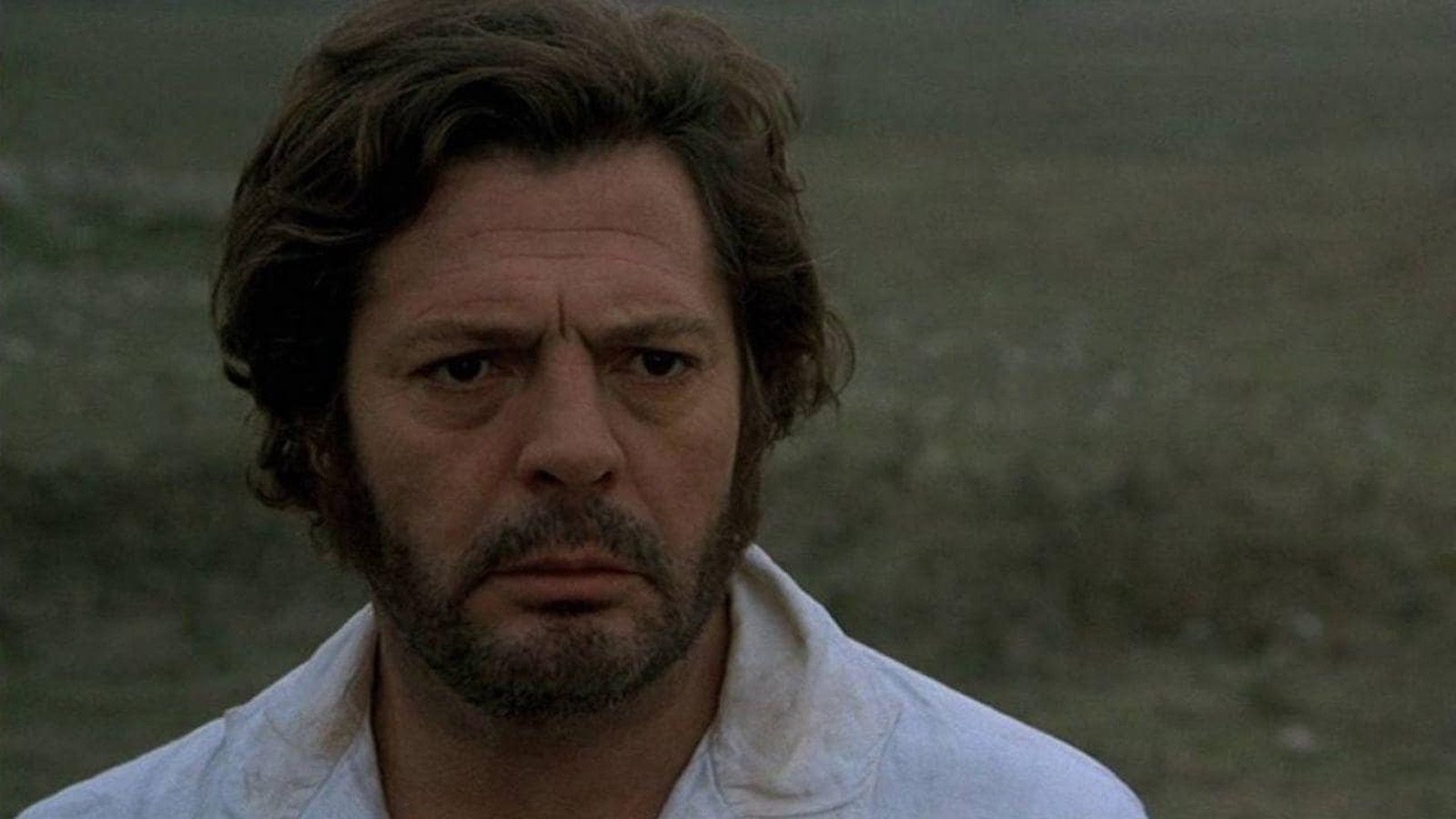
Allonsanfàn
In this dreamlike, Risorgimento-set period piece, Marcello Mastroianni stars as Fulvio, an aging political revolutionary of noble birth who begins questioning his commitment to the cause of liberating the Kingdom of the Two Sicilies. While he secretly desires to return to his place among the aristocracy, Fulvio’s cowardice keeps him from renouncing his anarchist comrades—a situation that sets into motion a series of increasingly dangerous lies and betrayals. Mastroianni handles this complex antihero role with superb understatement, while the Taviani brothers punctuate the proceedings with hallucinatory, often musical interludes. It all comes wrapped in a painterly visual style and with a typically inspired Ennio Morricone score. 2K DCP courtesy of Cinecittà.
Friday, June 5 at 1:30pm
Saturday, June 6 at 9:15pm
Saturday, June 13 at 1:00pm
Ferdinand the 1° King of Naples / Ferdinando I, re di Napoli
Gianni Franciolini, 1958, Italy, 105m
Italian with English subtitles
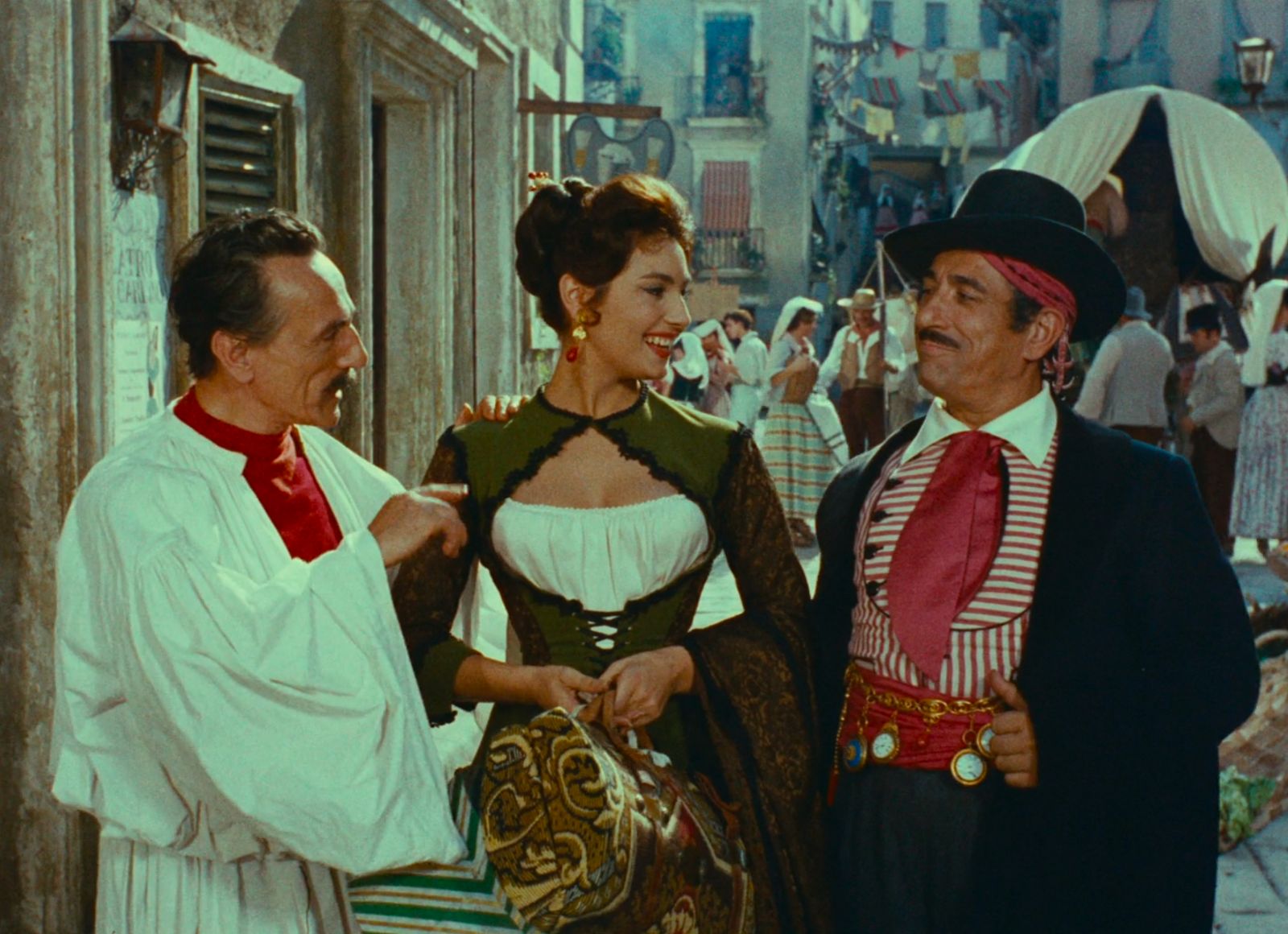
Ferdinand the 1° King of Naples
Titanus, the leading production company of the time, released this Eastmancolor–filmed blockbuster, which imaginatively reimagines the figure of the last king of the Bourbon dynasty before the unification of Italy. This farcical comedy centers on a ridiculous and depraved dictator-king, hated by the people, against whom a revolt is brewing—thanks in part to a satirical song written by Pulcinella. Director Gianni Franciolini casts the leading actors of Italian cinema at the time, including Aldo Fabrizi (the priest in Rome Open City) and Marcello Mastroianni just before La Dolce Vita. But the two great De Filippo brothers stand out above all: brilliant comic actor Peppino as the King, and Eduardo, the greatest playwright of 20th-century Italy alongside Luigi Pirandello, in the role of Pulcinella. The interior scenes of the palace were filmed in the actual Royal Palace of Caserta. Courtesy of the Cineteca di Bologna.
Saturday, June 6 at 12:45pm
Wednesday, June 10 at 8:45pm
The Illusion / L’abbaglio
Roberto Andò, 2025, Italy, 133m
Italian with English subtitles
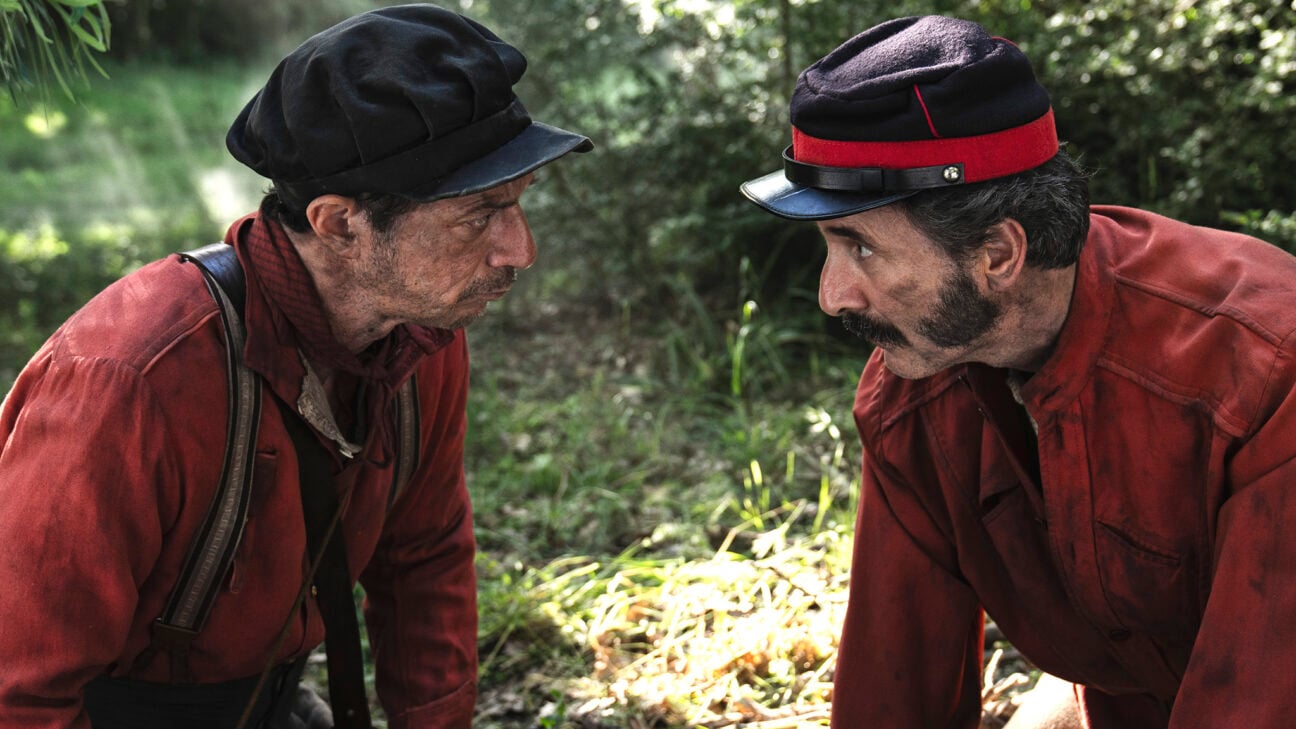
The Illusion
Roberto Andò’s films have a strong yet distant relationship with Sicilian literature. Here, in addition to Luigi Pirandello and The Leopard, homage is paid to “Il quarantotto,” a short story by Leonardo Sciascia from which Toni Servillo’s opening lines are drawn (“I believe in honest Sicilians, who suffer and are consumed from within”). The political discourse remains in the background, as does the theme of failed revolution, though the disillusionment toward the Risorgimento emerges behind the twists and turns of the plot. The protagonists are two Sicilians who, for less-than-noble reasons, join Garibaldi’s volunteers to liberate Sicily from the Bourbons and immediately desert, then end up enlisted in a diversionary maneuver to feign a retreat and facilitate the Garibaldians’ entry into Palermo. The film unfolds a story that then becomes another and yet another, featuring a perfect Servillo and a captivating duo of comedians, Salvatore Ficarra and Valentino Picone.
Monday, June 8 at 8:45pm
Wednesday, June 10 at 6:00pm
2K Restoration
The Leopard / Il gattopardo
Luchino Visconti, 1963, Italy/France, 186m
Italian, Latin, and French with English subtitles
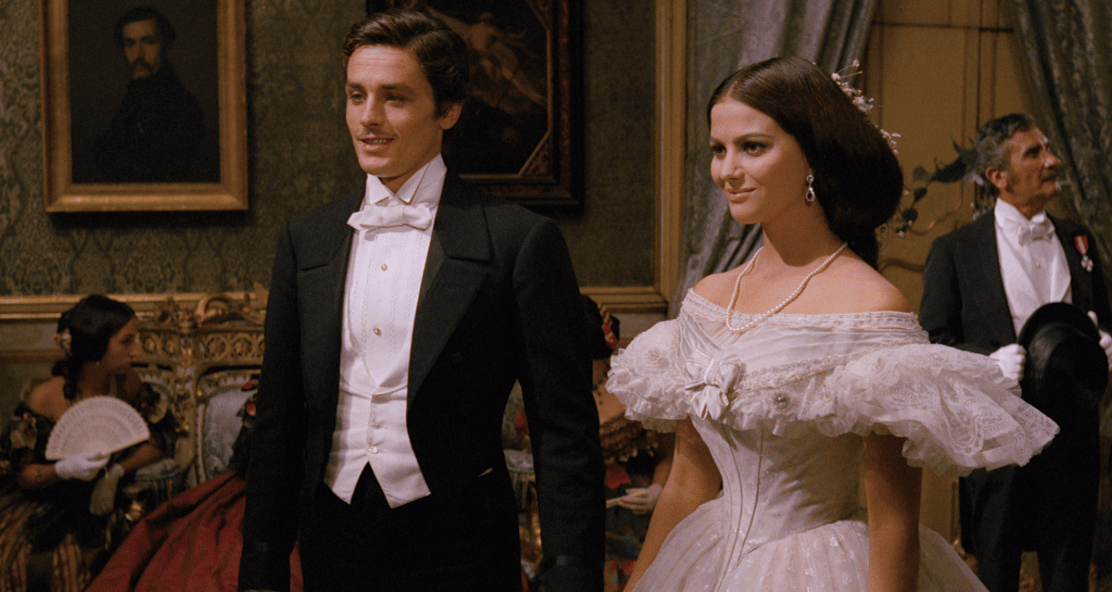
The Leopard
Luchino Visconti reached new heights of epic grandeur with his sweeping, Palme d’Or–winning account of political upheaval and generational sea change during the Risorgimento. A bewhiskered Burt Lancaster is the leonine patriarch of a ruling-class Bourbon family in the last gasps of its dominance as Garibaldi and his Redshirts upend social order and a new spirit ascends—embodied by beautiful people Alain Delon and Claudia Cardinale. With fastidious attention to period detail, Visconti evokes a gilded world fading into oblivion, his camera gliding over baroque palazzos, magnificent banquets, and ornate ceremonies. It all culminates in a majestic, dusk-to-dawn ball sequence that is as poignant as it is breathtaking. 2K DCP digital restoration by Cineteca di Bologna, The Film Foundation, Pathé, Fondation Jérôme Seydoux-Pathé, 20th Century Fox, and CSC-Cineteca Nazionale, supported by Gucci and The Film Foundation.
Saturday, June 6 at 3:00pm
Tuesday, June 9 at 5:30pm
Liberty / Bronte: cronaca di un massacro che i libri di storia non hanno raccontato
Florestano Vancini, 1971, Italy/Yugoslavia, 35mm, 109m
Sicilian and Italian with English subtitles
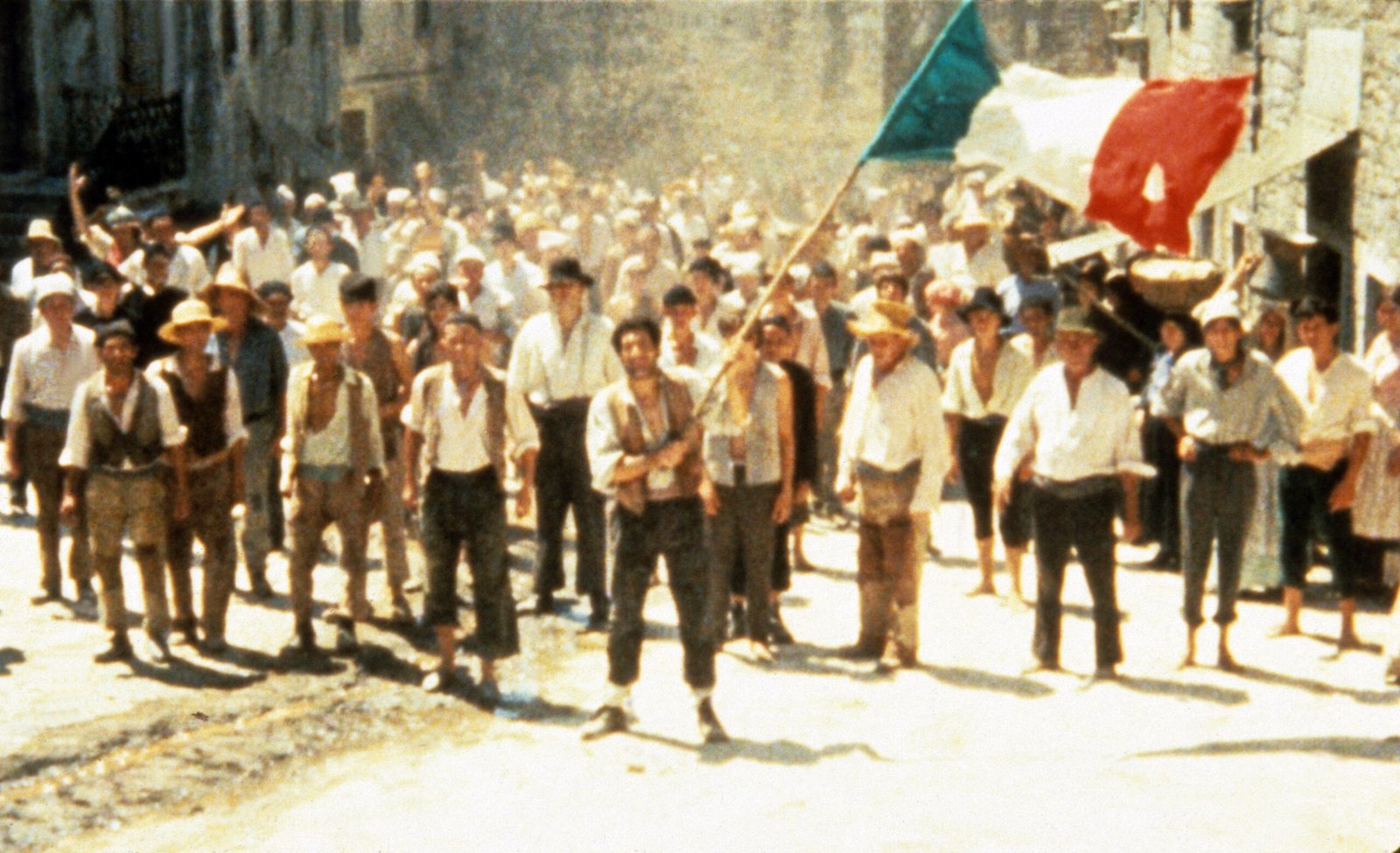
Liberty
When he landed with his volunteers in 1860 to liberate Sicily, Garibaldi issued a proclamation promising to distribute land to the people. The peasants took him at his word, and in some villages, they organized violent uprisings, killing local landowners and dignitaries. Garibaldi’s general, Nino Bixio, would ruthlessly suppress them. Drawing from a painful and little-known chapter of the Risorgimento (the film’s subtitle was Chronicle of a Massacre That History Books Never Told), Florestano Vancini creates a harsh film that has the immediacy of a documentary and does not shy away from brutality, driven by the political urgency to reinterpret Italy’s history. Co-produced with the former Yugoslavia (where filming took place), it is the only film written by the great Sicilian writer Leonardo Sciascia. 35mm print courtesy of Cinecittà.
Friday, June 5 at 8:45pm
Monday, June 8 at 6:00pm
The Lost Patrol / La pattuglia sperduta
Piero Nelli, 1954, Italy, 35mm, 75m
Italian with English subtitles
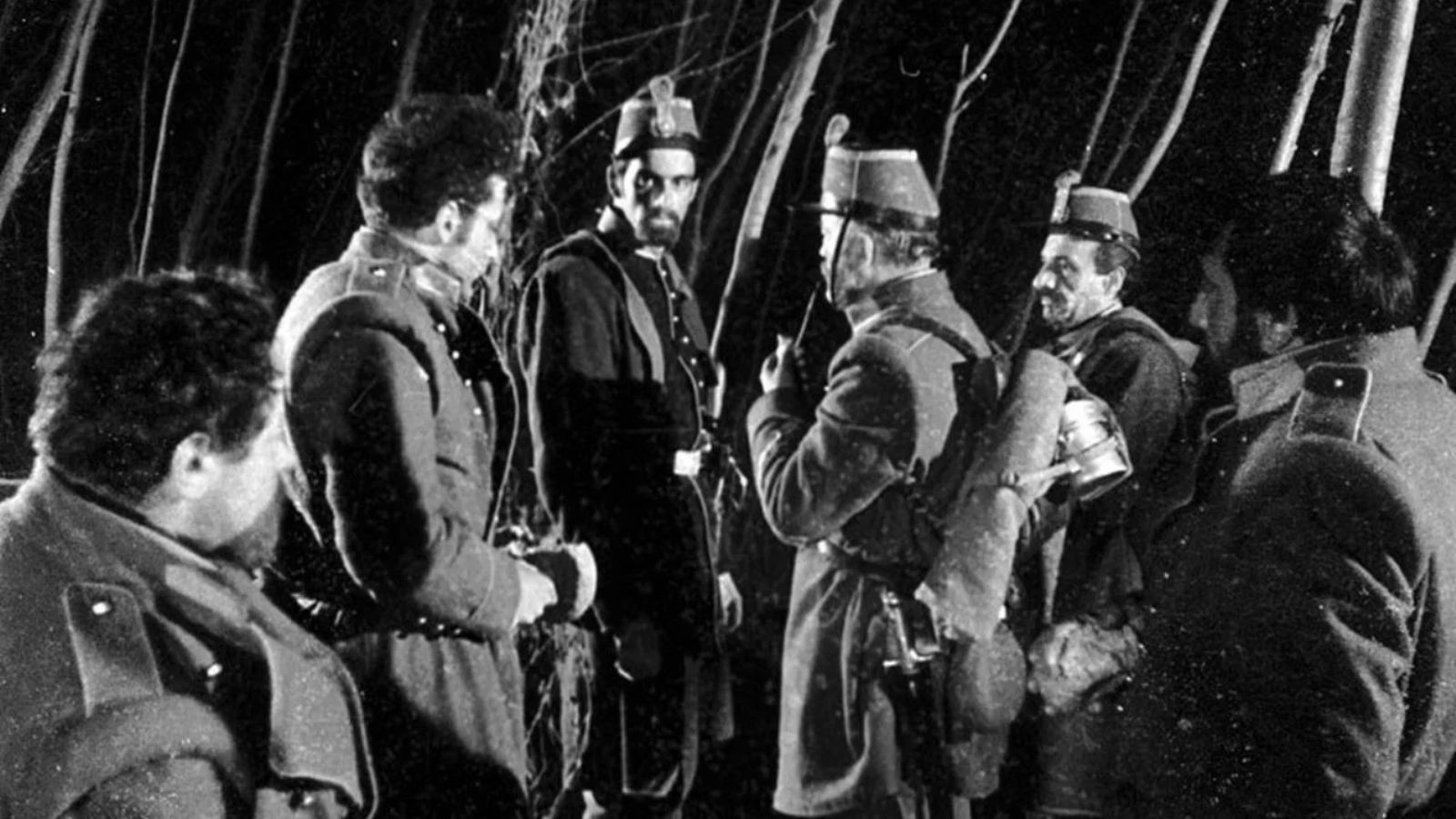
The Lost Patrol
During the so-called Second War of Independence, the Kingdom of Piedmont (the future Kingdom of Italy), with France’s help, attempts to wrest Lombardy from the Austro-Hungarian Empire. A small patrol of soldiers advances between Lombardy and Piedmont, becoming increasingly isolated. This small independent film, the first realized by producer Franco Cristaldi—who would later become highly successful (Amarcord, Cinema Paradiso)—was shot in the same year as Senso and depicts the Risorgimento from the perspective of ordinary soldiers in an anti-heroic manner, focusing on their daily hardships, with a symbolic yet concrete use of the landscape. Although set in the past, the influence of neorealism is evident (all the actors are non-professionals), and the war against Austria is perhaps a metaphor for the war waged by the partisans and the Allies against the Nazi-Fascists (some scenes are very similar to the final episode of Paisan). After the film’s failure, director Piero Nelli did not make another feature-length fiction film. Copy from the CSC-Cineteca Nazionale.
Due to unforeseen circumstances, screenings of The Lost Patrol on June 7 and 9 have been canceled due to print shipping delays. We apologize for any inconvenience this may cause. Ticket holders will receive an automatic refund within 3-5 business days.
4K Restoration
St. Michael Had a Rooster / San Michele aveva un gallo
Paolo Taviani, Vittorio Taviani, 1972, Italy, 90m
Italian with English subtitles
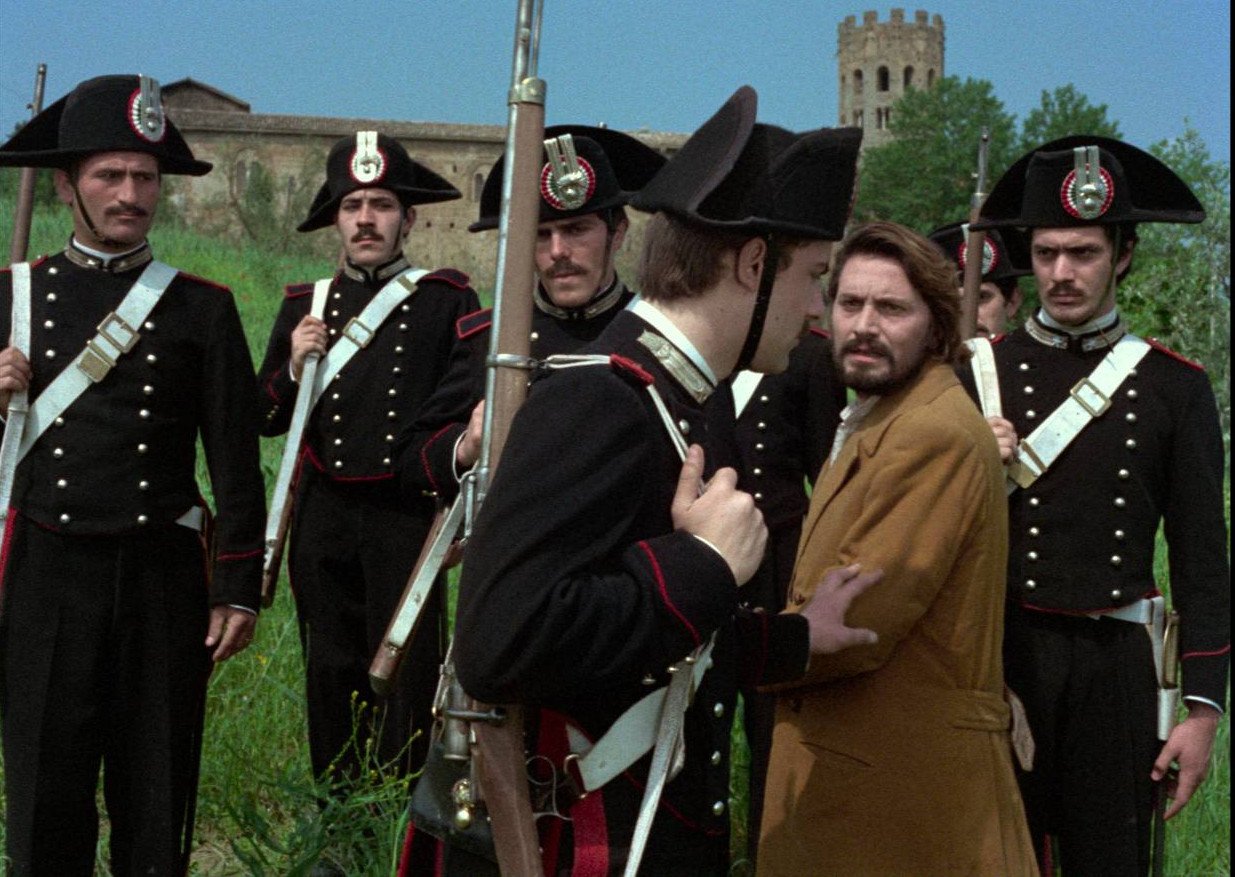
St. Michael Had a Rooster
In the 1970s, Italy experienced a trend toward political cinema, which sometimes took the form of a critical reinterpretation of the past. Within this trend, however, the Taviani brothers sought a modern aesthetic approach that took into account the revolution of the French New Wave. They chose to draw inspiration from Brecht’s theater, combined with the tradition of Italian peasant plays, in rejecting traditional dramaturgy and acting. One of the clearest examples is this film, which transposes a Tolstoy story to 1870s Italy. An anarchist attempts to spark a revolt in a village in Umbria but fails and is arrested. He spends years in prison, and eventually comes face-to-face with a new generation of revolutionaries who consider him outdated. Shot on a low budget, the film transforms this limitation into a stylistic choice that underscores the character’s loneliness, and at the height of the Movement’s heyday, it tackles one of the themes dearest to the Taviani brothers: the contradictions (if not the impossibility) of revolution. 4K DCP digital restoration by Cinecittà and CSC-Cineteca Nazionale.
Friday, June 5 at 4:00pm
Sunday, June 7 at 9:00pm
2K Restoration
Senso
Luchino Visconti, 1954, Italy, 115m
Italian and German with English subtitles
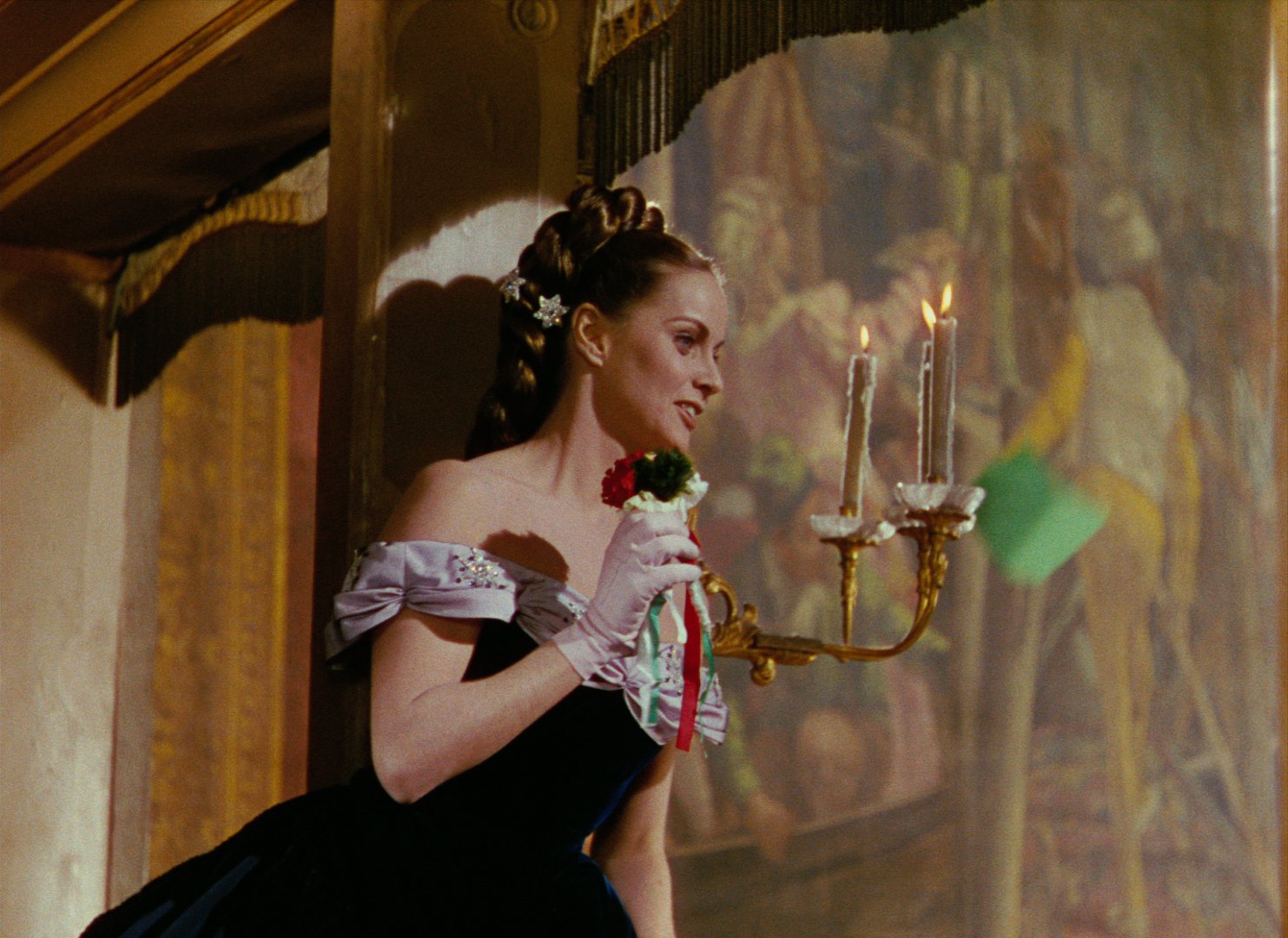
Senso
Set in the final years of the Risorgimento, Luchino Visconti’s operatic melodrama is a key link between the neorealist grit of his early work and the increasingly grand-scale historical spectacles to come. The Third Man’s Alida Valli plays a tremulous Venetian countess torn between loyalty to her country and a dissolute Austrian officer (Hollywood beauty Farley Granger). As much an aesthete as a political radical, Visconti luxuriates in aristocratic period trappings—a Technicolor feast of sumptuous gold, lavender, scarlet, and emerald jewel tones—while casting a jaundiced, contemporary eye on Italian history, class, and nationalism. 2K DCP digital restoration by CSC-Cineteca Nazionale, Cineteca di Bologna, and Studio Canal, supported by Gucci and The Film Foundation.
Friday, June 5 at 6:00pm
Saturday, June 6 at 6:45pm
Tuesday, June 9 at 9pm
Belle Époque
Capri-Revolution
Mario Martone, 2018, Italy/France, 122m
English, Italian, Neapolitan, French, German, and Russian with English subtitles
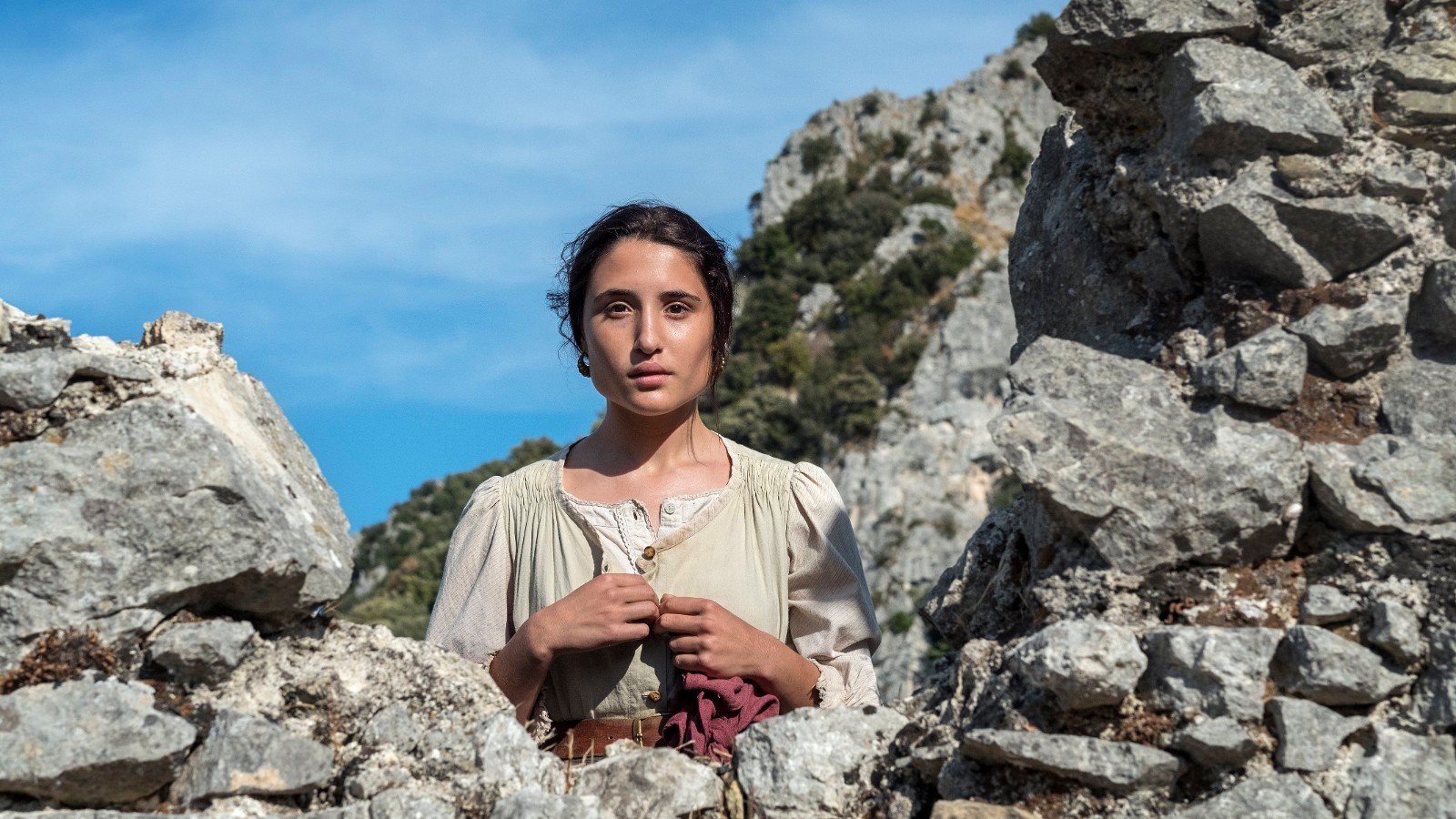
Capri-Revolution
The stirring drama from director Mario Martone centers on Lucia (Marianna Fontana), a young goatherd living on Capri in 1914, when Europe is on the precipice of World War I. Also on the island is a commune of free-spirited, politically radical Northern European artists and intellectuals who have retreated to the lush Mediterranean idyll to put their fledgling ideologies into practice. Chafing at the traditions of her native community, Lucia finds herself drawn to the commune and its idealistic leader—but soon she must reckon with the vast tides of cultural and political change.
Sunday, June 14 at 8:15pm
Heads or Tails? / Testa o croce?
Alessio Rigo de Righi, Matteo Zoppis, Italy/U.S., 2025, 107m
English and Italian with English subtitles
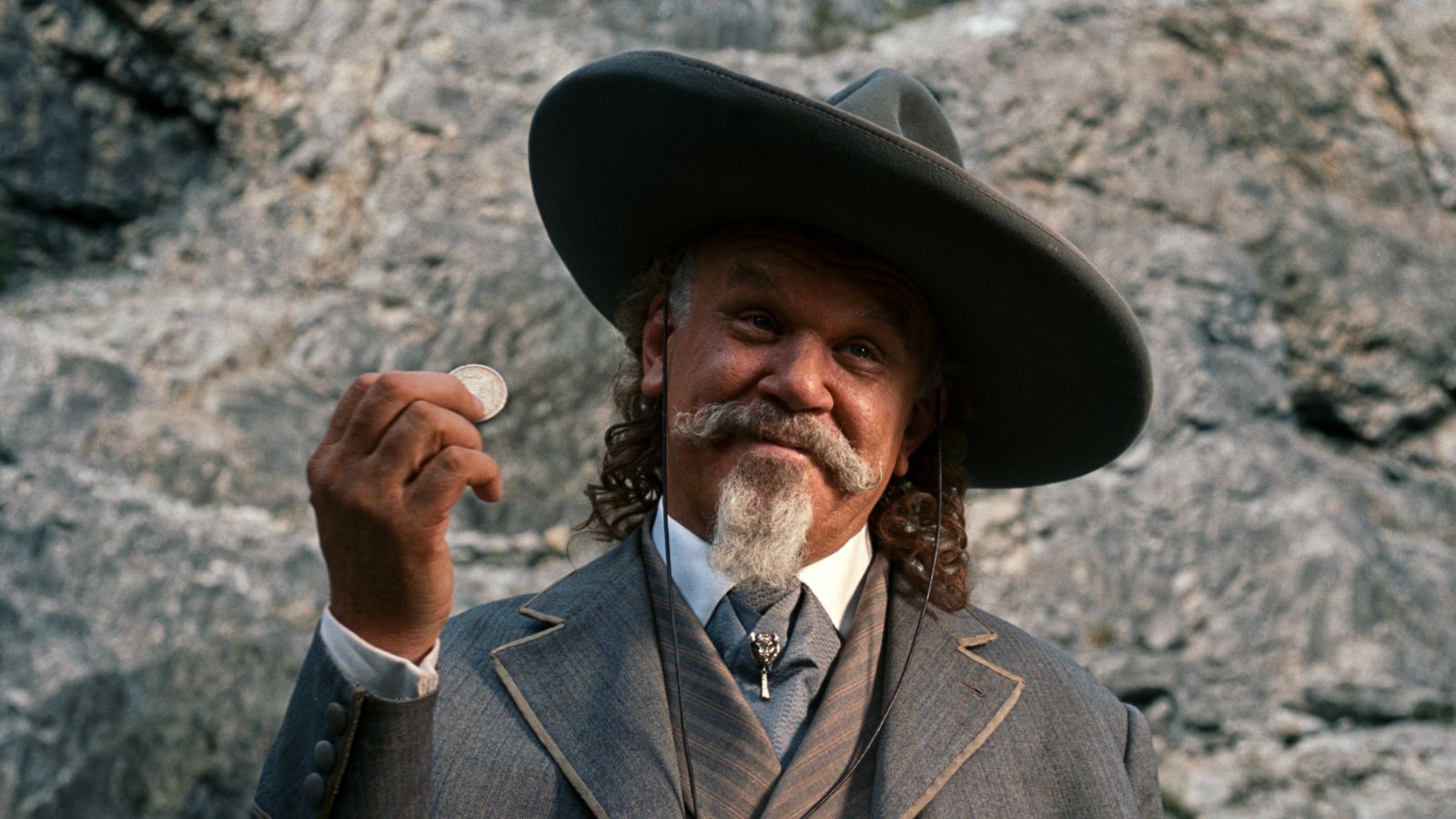
Heads or Tails?
A Belle Époque Italian western: Matteo Zoppis and Alessio Rigo de Righi’s clever transposition draws from a tour of Italy undertaken by Buffalo Bill (John C. Reilly) and his gang of cowboys, performing a Wild West-themed spectacle to amused audiences. A rodeo challenge between Bill’s gang and some local butteri (their Italian equivalents) leads to one of them running off with a wealthy landowner’s wife; soon there’s a bounty on the buttero’s head, with Bill and his cowboys eager to collect. A surprising and anti-conventional depiction of the clash of capitalism, spectacle, and political power in early 20th-century Italy, Heads or Tails? richly speculates and embellishes on this historical episode while also connecting the Italy of this era to the myth of the American West. A Samuel Goldwyn Films release.
Sunday, June 14 at 5:45pm
4K Restoration
The Lovemakers / La viaccia
Mauro Bolognini, 1961, Italy, 102m
Italian with English subtitles
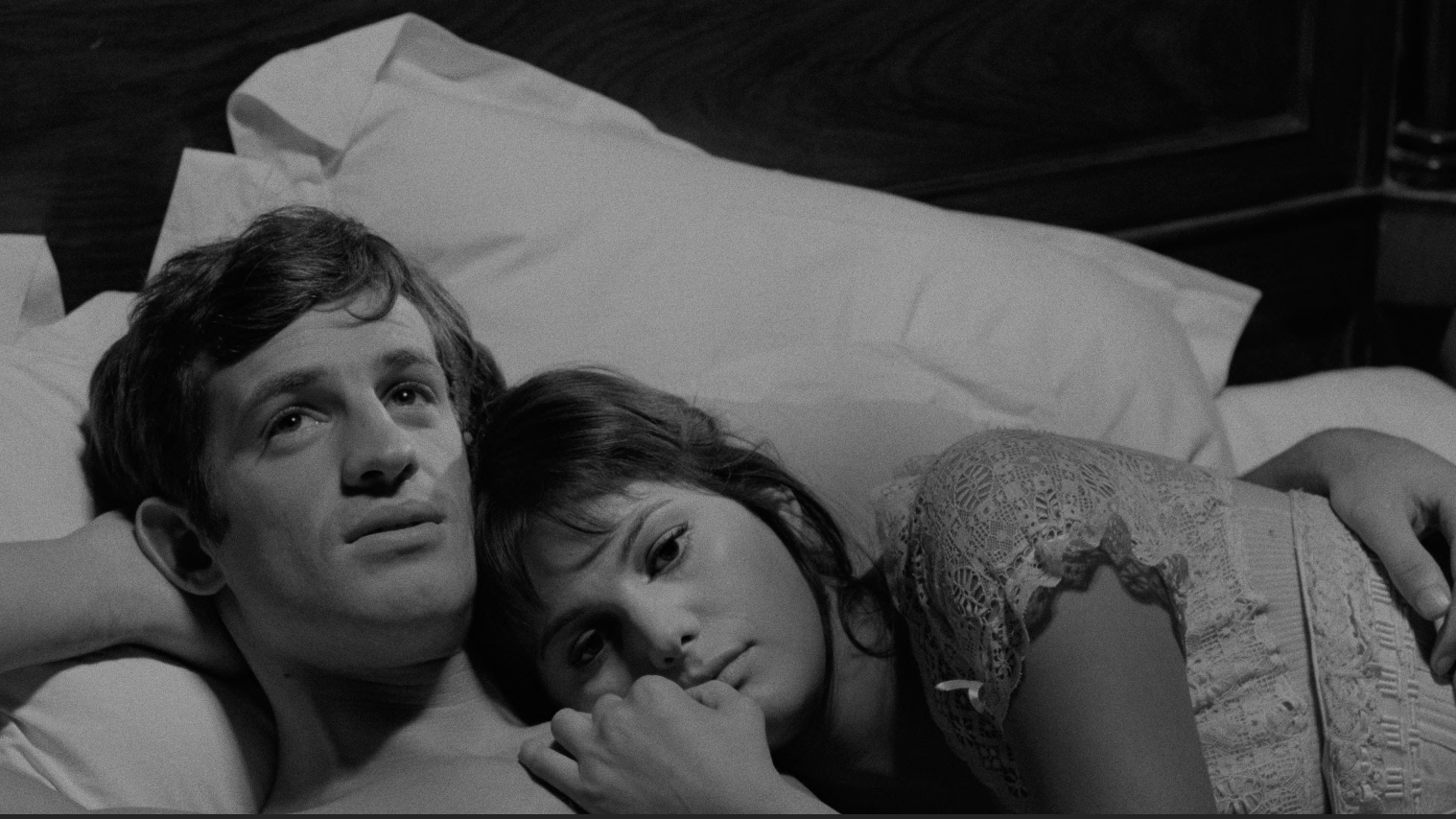
The Lovemakers
Mauro Bolognini has often been regarded as a sophisticated illustrator of literary classics and has been associated with an idealized vision of the past, but behind the elegance of his style, his vision is very raw, focused on class and gender oppression. This film, adapted from a 19th-century novel with a screenplay by the writer Vasco Pratolini, tells the story of a young son of small Tuscan landowners who falls in love with a sex worker in Florence: drawing on the work of his extraordinary collaborators (cinematographer Leonida Barboni, production designer Flavio Mogherini, and Oscar-winning production designer Piero Tosi) and referencing the Tuscan painting of the era, he depicts a narrow-minded and greedy world, and the contrast between city and countryside. The presence of two newly discovered stars in Jean-Paul Belmondo and Claudia Cardinale adds a touch of contemporary unease, and the protagonist’s father is played by the director Pietro Germi. 4K DCP restored by CSC-Cineteca Nazionale in collaboration with Titanus and Societé Cinématographique Lyre.
Saturday, June 13 at 6:00pm
Thursday, June 18 at 8:15pm
Many Wars Ago / Uomini contro
Francesco Rosi, 1970, Italy/Yugoslavia, 101m
Italian with English subtitles
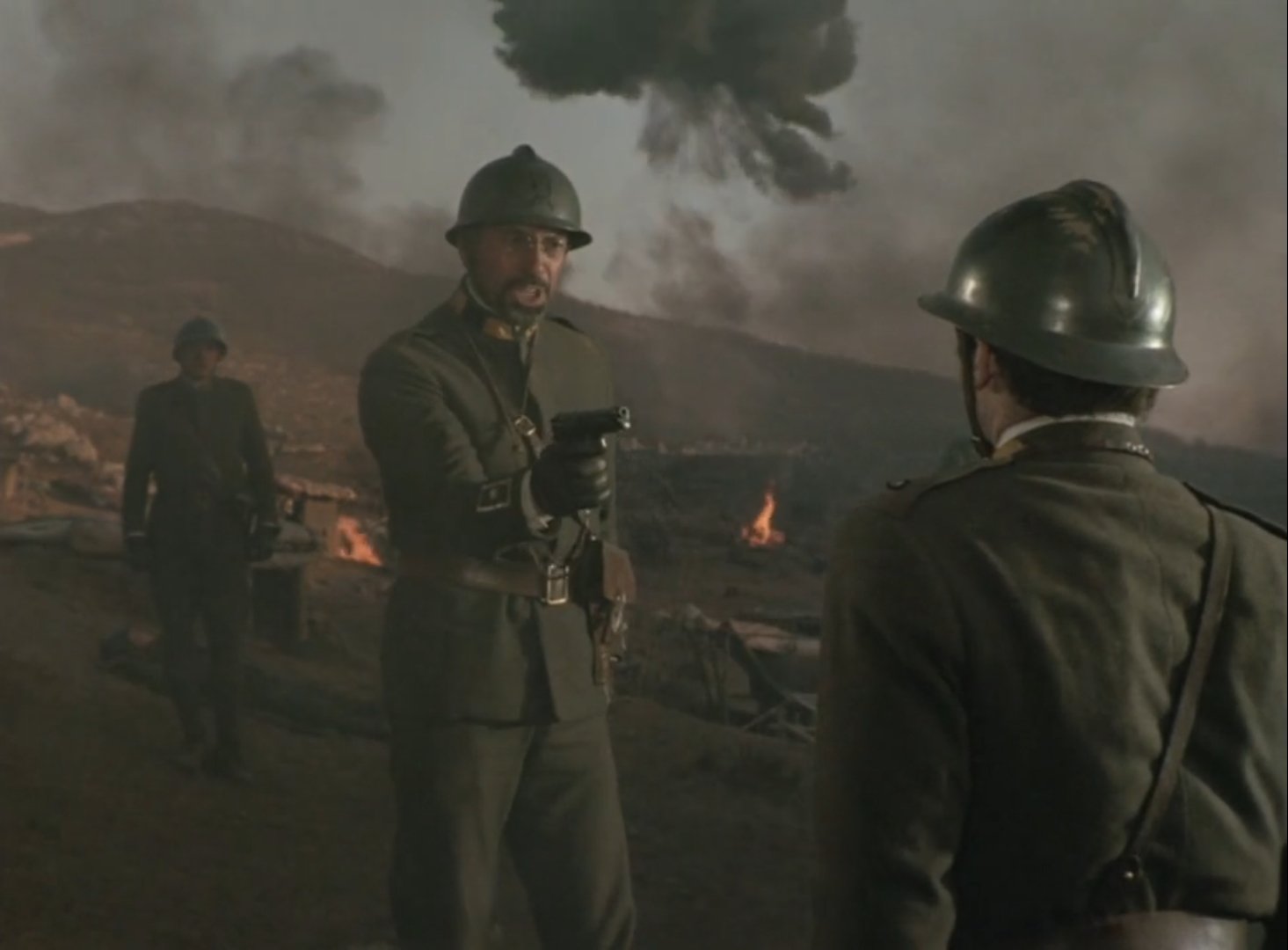
Many Wars Ago
A disorienting, harrowing account of fighting on the Alpine Front during World War I, between 1916 and 1917, Francesco Rosi’s anti-war war film remains a gritty and chaotic provocation. The film begins in media res, as the Italian Royal Army and the Austro-Hungarian Army have arrived at a tense stalemate, and an escalating sense of desperation has taken hold. The hungry, tired, traumatized Italian soldiers require increasing levels of coercion to dive back into the especially brutal combat for which the First World War is now recognized. Adapted from Emilio Lussu’s pivotal memoir One Year on the High Plateau—a seminal work of anti-war literature—the film notably features a rare performance by Mark Frechette, the infamous star of Michelangelo Antonioni’s Zabriskie Point in the second of his three on-screen roles. 2K DCP courtesy of Cinecittà.
Wednesday, June 17 at 6:00pm
Friday, June 19 at 3:30pm
Martin Eden
Pietro Marcello, 2019, Italy, 129m
Italian with English subtitles
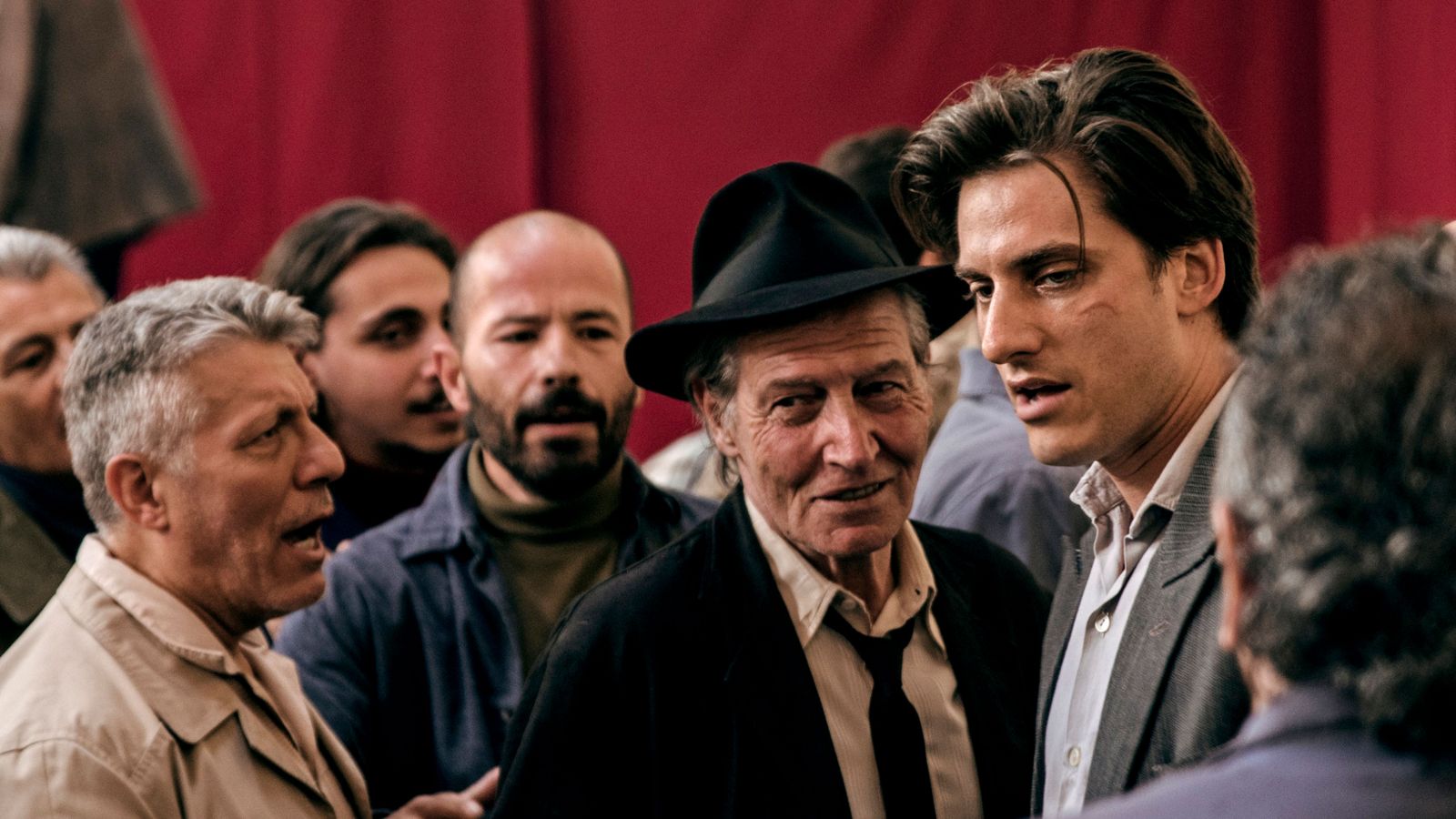
Martin Eden
Pietro Marcello’s films typically straddle the line between documentary and fiction while playing off both a 19th-century Romanticism and 20th-century neorealism in their class-conscious focus on wanderers and transients. His most straightforwardly fictional feature is set in a provocatively unspecified moment in Italy’s history, yet it was adapted from a 1909 novel by American author Jack London. Martin (played by the marvelously committed Luca Marinelli) is a dissatisfied prole with artistic aspirations who hopes that his dreams of becoming a writer will help him rise above his station and marry a wealthy young university student (Jessica Cressy); the twinned dissatisfactions of working-class toil and bourgeois success lead to political reawakening and destructive anxiety. Martin Eden is an enveloping, superbly mounted bildungsroman. An NYFF57 selection.
Sunday, June 14 at 3:00pm
Wednesday, June 17 at 8:15pm
Mid-Century Loves / Amori di mezzo secolo
Glauco Pellegrini, Pietro Germi, Mario Chiari, Roberto Rossellini, Antonio Pietrangeli, 1954, Italy, 94m
Italian with English subtitles
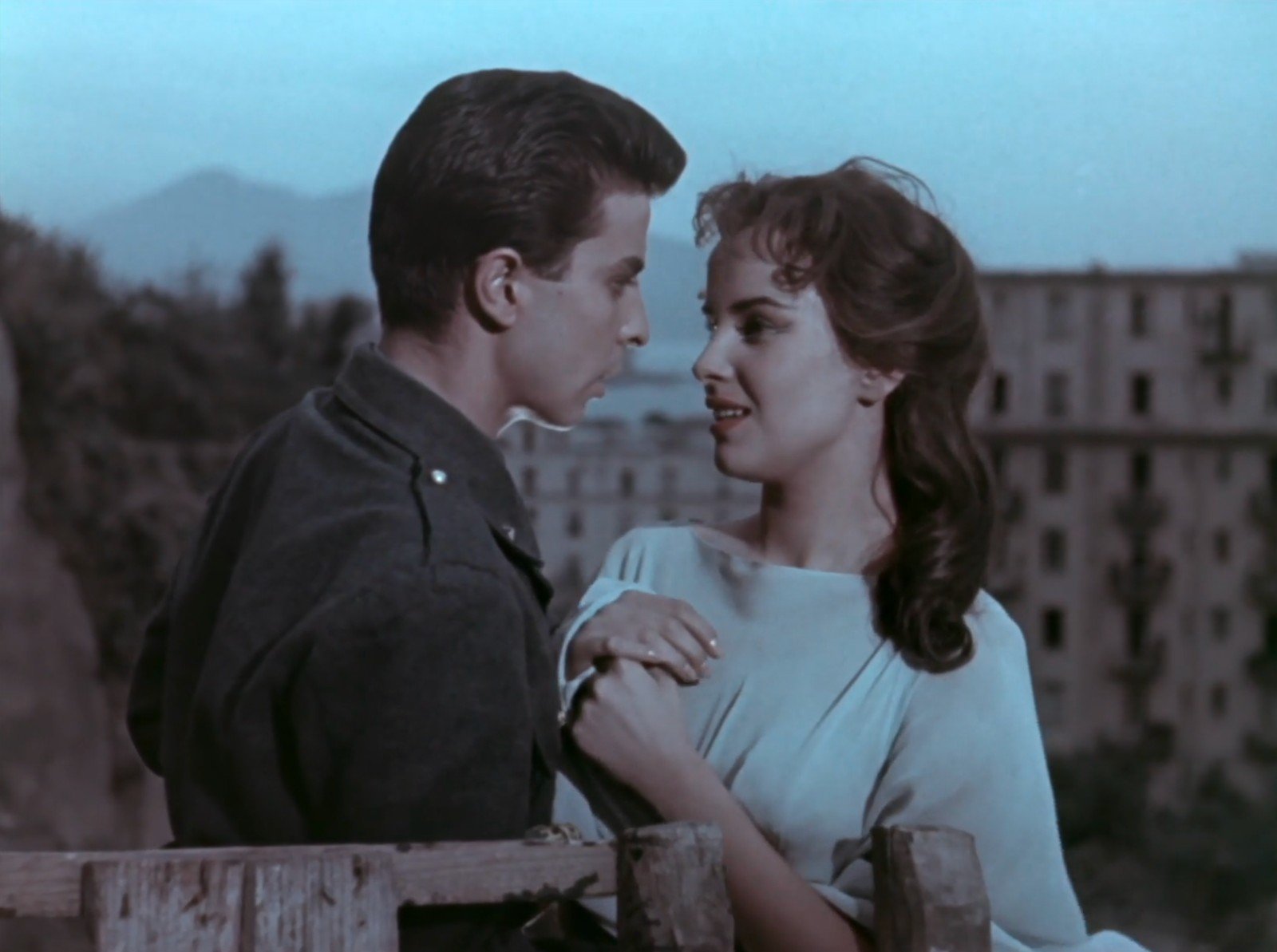
Mid-Century Loves
As part of a genre of color anthology films often set in the early decades of the 20th century, this film tells dramatic and comedic love stories, tales of betrayal, spite, and torment, spanning from New Year’s Day 1900 to the end of World War II. While the episode featuring Alberto Sordi as a fascist in a black shirt—who, during the march on the capital that marked the seizure of power, suffers the funny vengeance of a woman—is quite entertaining, the episodes that stand out are above all those by Pietro Germi and Roberto Rossellini, set during the two World Wars. Germi depicts the impact of war on humble peasants and their pure loves, and Rossellini returns, after only a few years, to the settings of his neorealist films with a tone that surprises given how distant that period now seems, shrouded in a patina that shows, instead of the force of reportage and commitment, a detached and compassionate tone in contemplating the fates of men and women swept up by history. Copy from the CSC-Cineteca Nazionale.
Friday, June 12 at 9:00pm
Thursday, June 18 at 6:00pm
The Organizer / I compagni
Mario Monicelli, 1963, Italy, 35mm, 130m
Italian with English subtitles
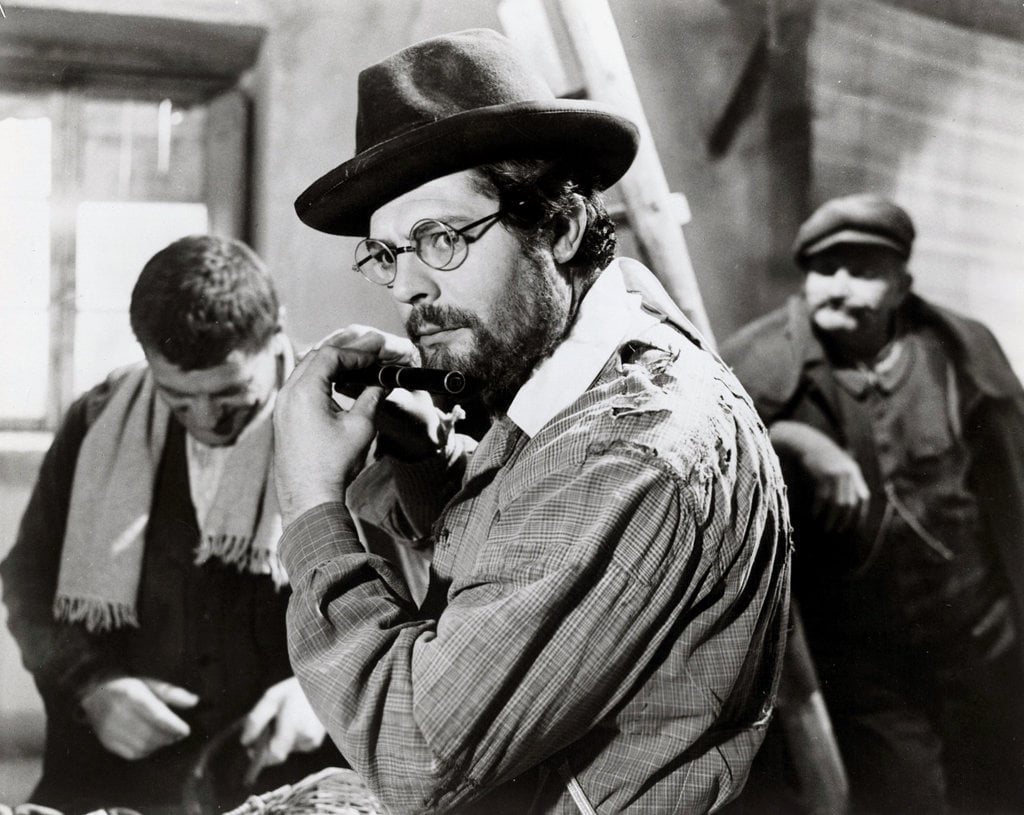
The Organizer
A bearded and bespectacled Marcello Mastroianni gives one of his finest, most sincere performances in this rousing, up-with-the-people paean to resistance. He stars as a deceptively mild-mannered professor hiding out from the law in turn-of-the-century Turin, where he becomes the rabble-rousing leader of a local textile factory strike, a tense standoff between the haves and have-nots that threatens to tear the community apart. Comedy maestro Mario Monicelli brings a dose of compassionate humor to the proceedings, resulting in an engaging, profoundly human portrait of social struggle.
Friday, June 12 at 6:15pm
Saturday, June 13 at 8:15pm
Policarpo / Policarpo, ufficiale di scrittura
Mario Soldati, 1959, Italy, 35mm, 104m
Italian with English subtitles
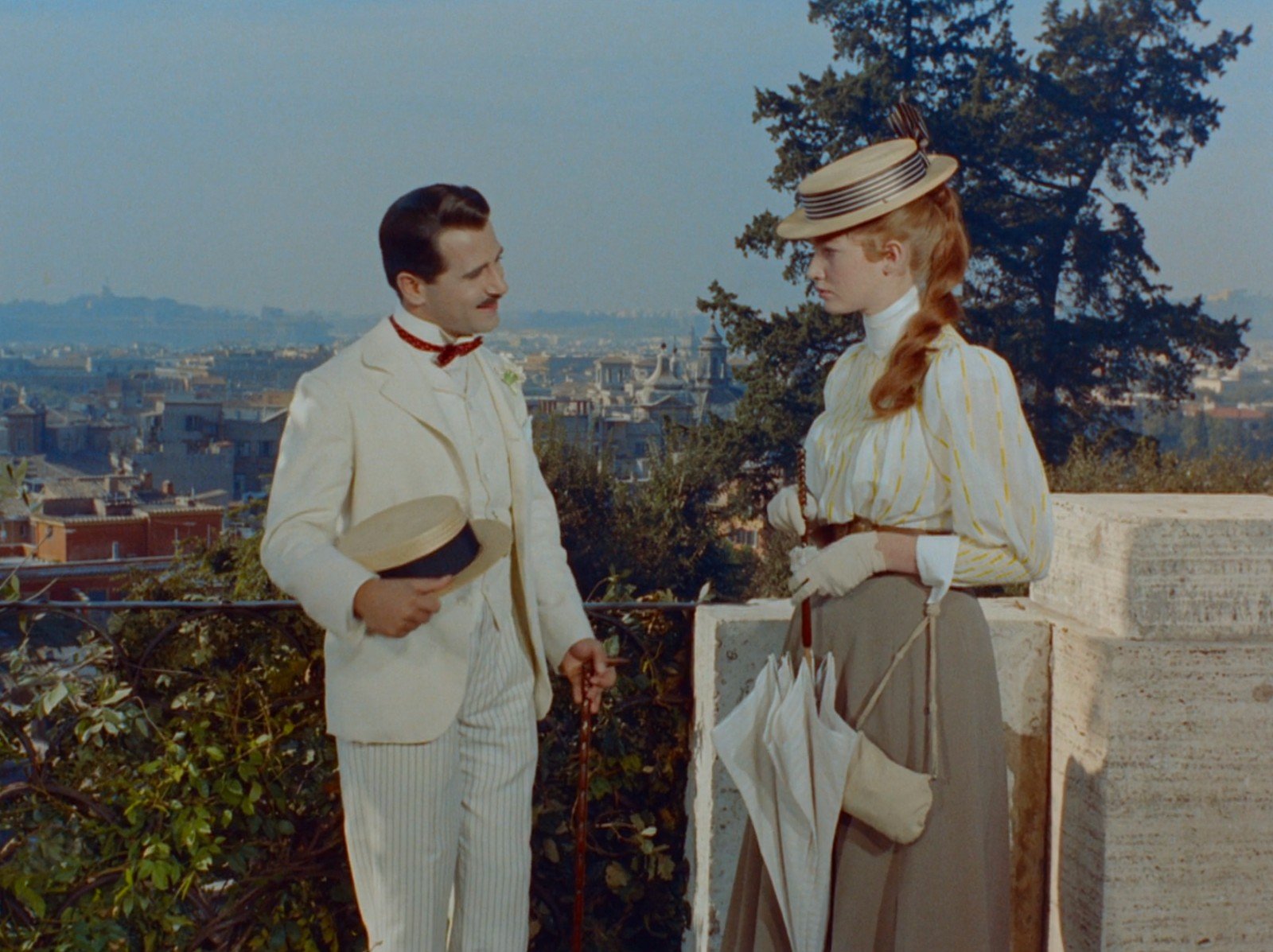
Policarpo
Rome, early 1900s. A modest civil servant has been hoping for years for a small pay raise, while his daughter is being courted by the son of the new, vain, and arrogant office manager. Meanwhile, the introduction of typewriters threatens to render his job obsolete. Adapted from a collection of short stories, this comedy is a bitter portrait of the pettiness of the bureaucratic world and the petty middle class, yet combined with a nostalgic gaze toward the Belle Époque that the director (one of the great Italian novelists of the 20th century) knew well. In the screenplay by Age & Scarpelli, masters of the genre (Big Deal on Madonna Street, The Great War), the greatest trust is placed in the young people, and especially in the female character. Various stars make brief cameo appearances, from Alberto Sordi to Vittorio De Sica to Ugo Tognazzi. 35mm print courtesy of Cinecittà.
Friday, June 12 at 4:00pm
Saturday, June 13 at 3:30pm
Small Body / Piccolo corpo
Laura Samani, 2021, Italy/France/Slovenia, 89m
Slovenian and Italian with English subtitles
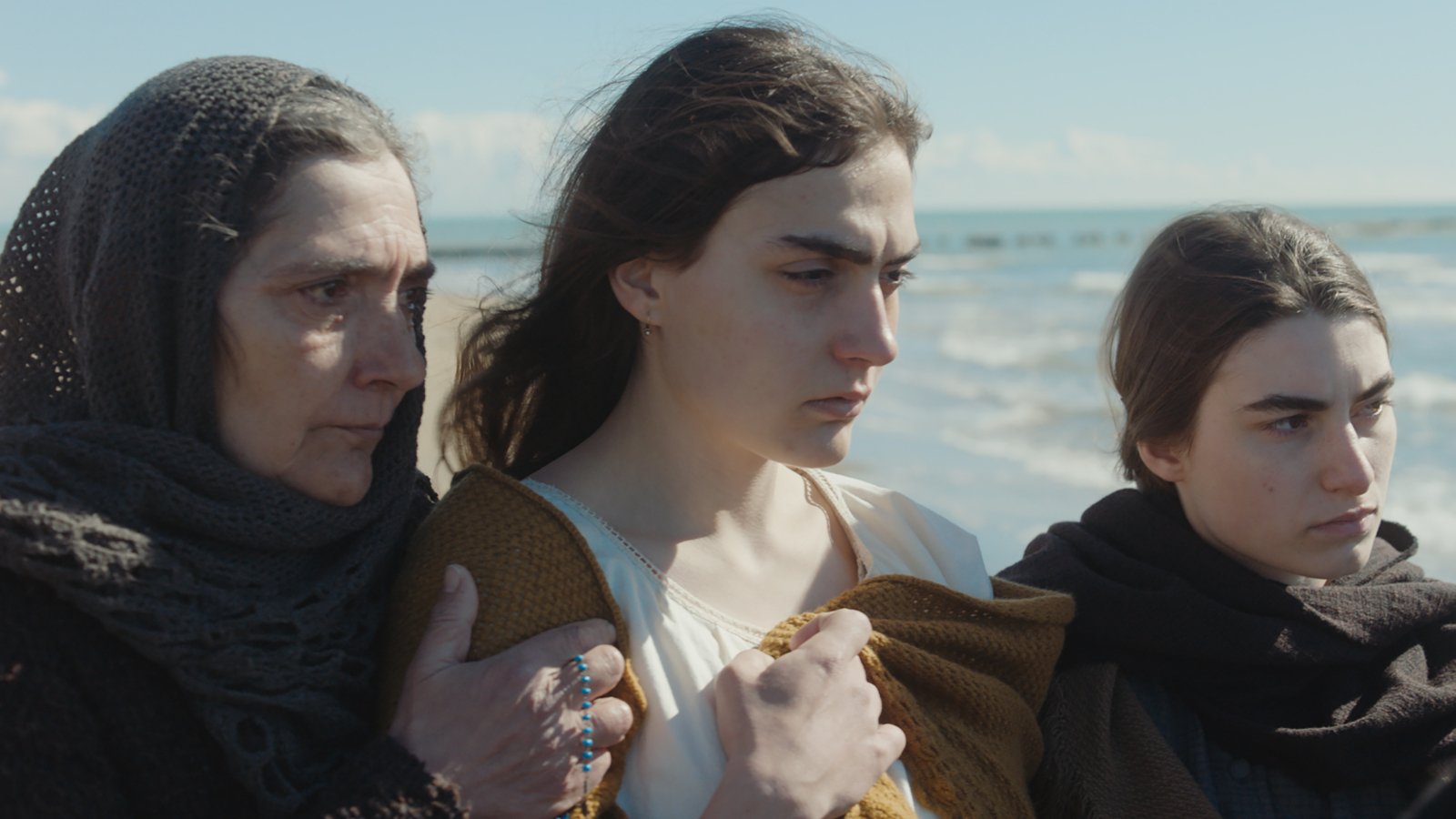
Small Body
Laura Samani’s solo debut feature is a richly traced drama about a woman’s resilience, imbued with the air of an unsentimental fairy tale. Set in the Friuli-Venezia Giulia region (on the Italian-Slovenian border) in 1900, Small Body follows Agata (Celeste Cescutti), who is mourning her daughter’s stillbirth. Inspired by a rumor overheard in church, Agata undertakes a northward journey in the hopes of resurrecting her deceased child for just a single breath, so that she can be baptized, thereby ensuring her soul’s salvation. Her travels find her crossing paths with an assortment of characters—some of whom help her, while others impede her—as cinematographer Mitja Ličen’s camera chronicles Agata’s quest to save her daughter’s soul with an eye for the lyricism of the natural world and a curiosity about the supernatural.
Sunday, June 14 at 1:00pm
The Rise and Fall of Fascism
4K Restoration
Amarcord
Federico Fellini, 1973, Italy/France, 127m
Italian with English subtitles
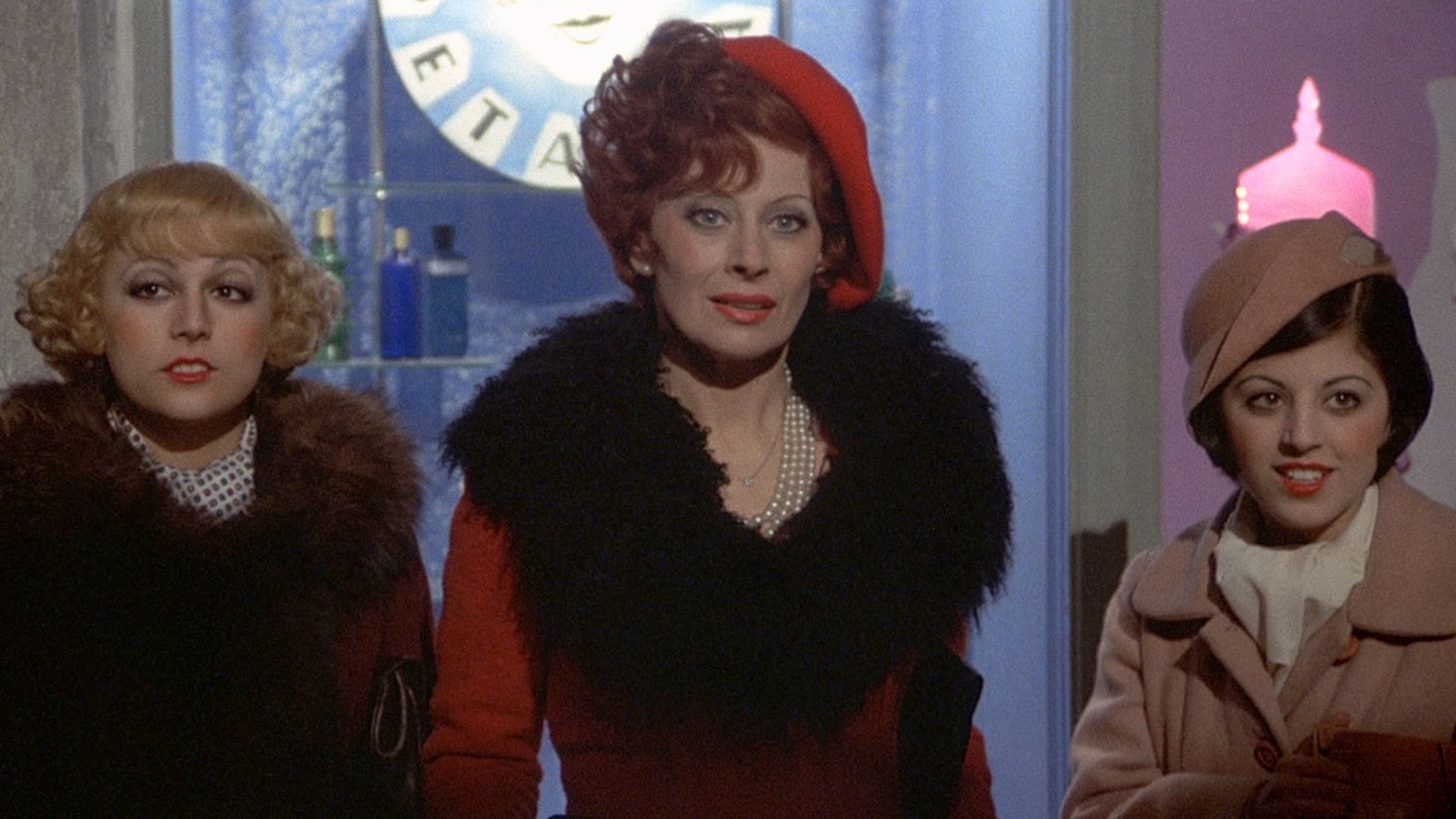
Amarcord
One of Federico Fellini’s most celebrated films, Amarcord earned him his fourth Oscar for Best Foreign Language Film. In an era of nostalgia movies, this portrayal of adolescence in a small town in Romagna during the 1930s was seen as a bittersweet evocation accompanied by the gentle music of Nino Rota. In fact, it was one of his most political films, exploring the anthropology of Italy: fascism, school, the Church, and the family are observed with a hilarious, ferocious, almost anarchic gaze. Writers like Italo Calvino and Natalia Ginzburg understood this best of all, but the director had already stated it clearly: “The province of Amarcord is the one where we are all recognizable, the author foremost among us, in the ignorance that confused us. […] What interests me is the psychological, emotional way of being fascist: a sort of block, a halt to the sentence of adolescence. I have the impression that fascism and adolescence continue to be, to a certain extent, permanent historical seasons of our lives: adolescence, of our individual lives; fascism, of our national life.”
Tuesday, June 16 at 8:30pm
Saturday, June 20 at 5:45pm
Tuesday, June 23 at 6:00pm
The Brigand / Il brigante
Renato Castellani, 1961, Italy, 180m
Italian with English subtitles
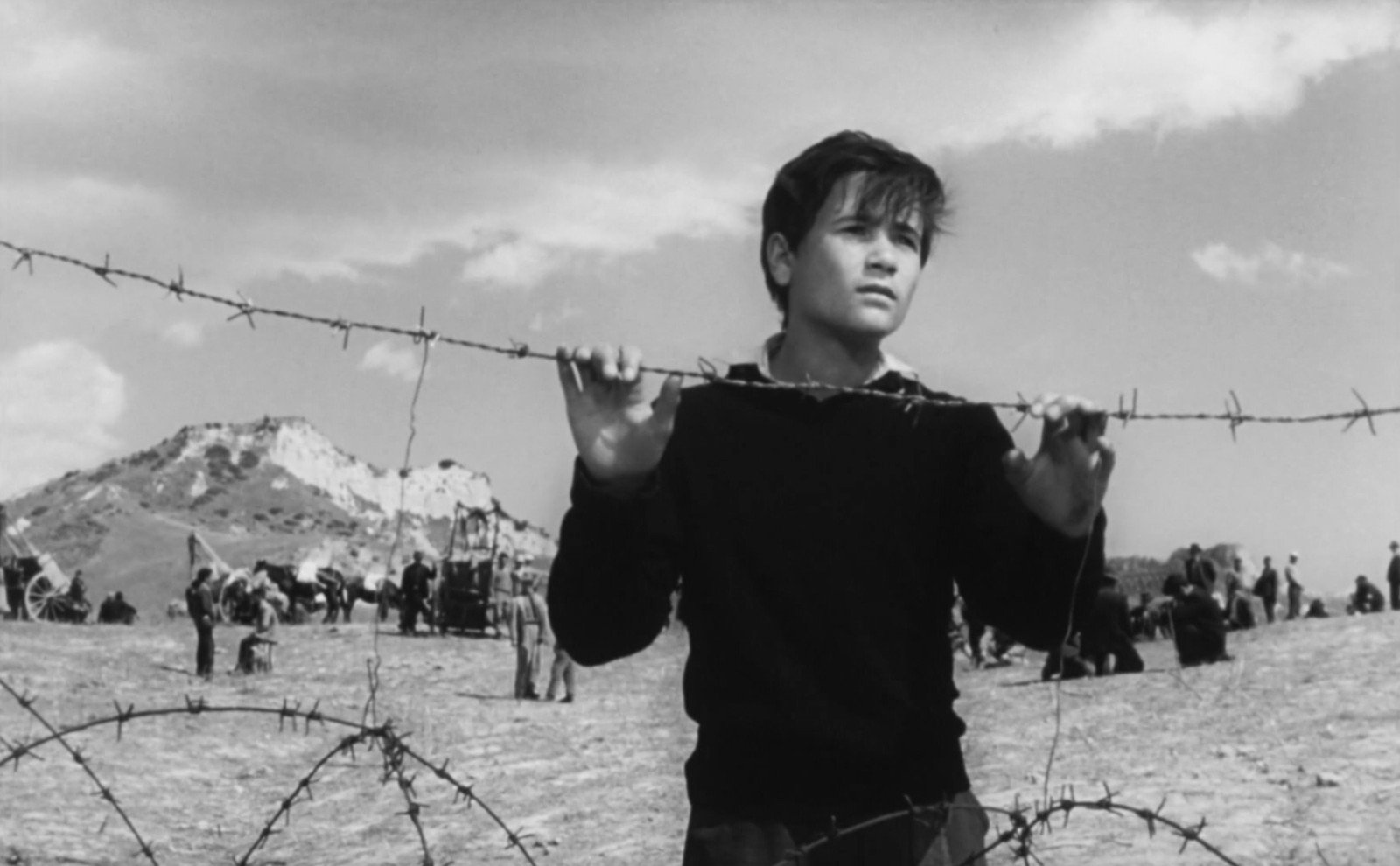
The Brigand
Young Michele grows up in a poor village in Calabria: during the fascist era, he is accused of murder and arrested, but escapes, flees to the mountains, and becomes an outlaw and a partisan. After the war, he leads the peasants in the occupation of uncultivated land, but is persecuted and forced to flee once again. A companion film to Francesco Rosi’s better-known Salvatore Giuliano, shot in the same year: an epic fresco inspired by the models of Soviet cinema and neorealism, surprising for a director known above all for elegant and delicate films. Cut by the production company and then censored to remove the most violent or politically sensitive scenes, it was not seen in its original version until 2012, when a copy was rediscovered in the Venice Biennale archives. Copy from the CSC-Cineteca Nazionale.
Sunday, June 21 at 5:15pm
Thursday, June 25 at 3:00pm
The Conformist / Il conformista
Bernardo Bertolucci, 1970, Italy/France/West Germany, 35mm, 108m
Italian with English subtitles
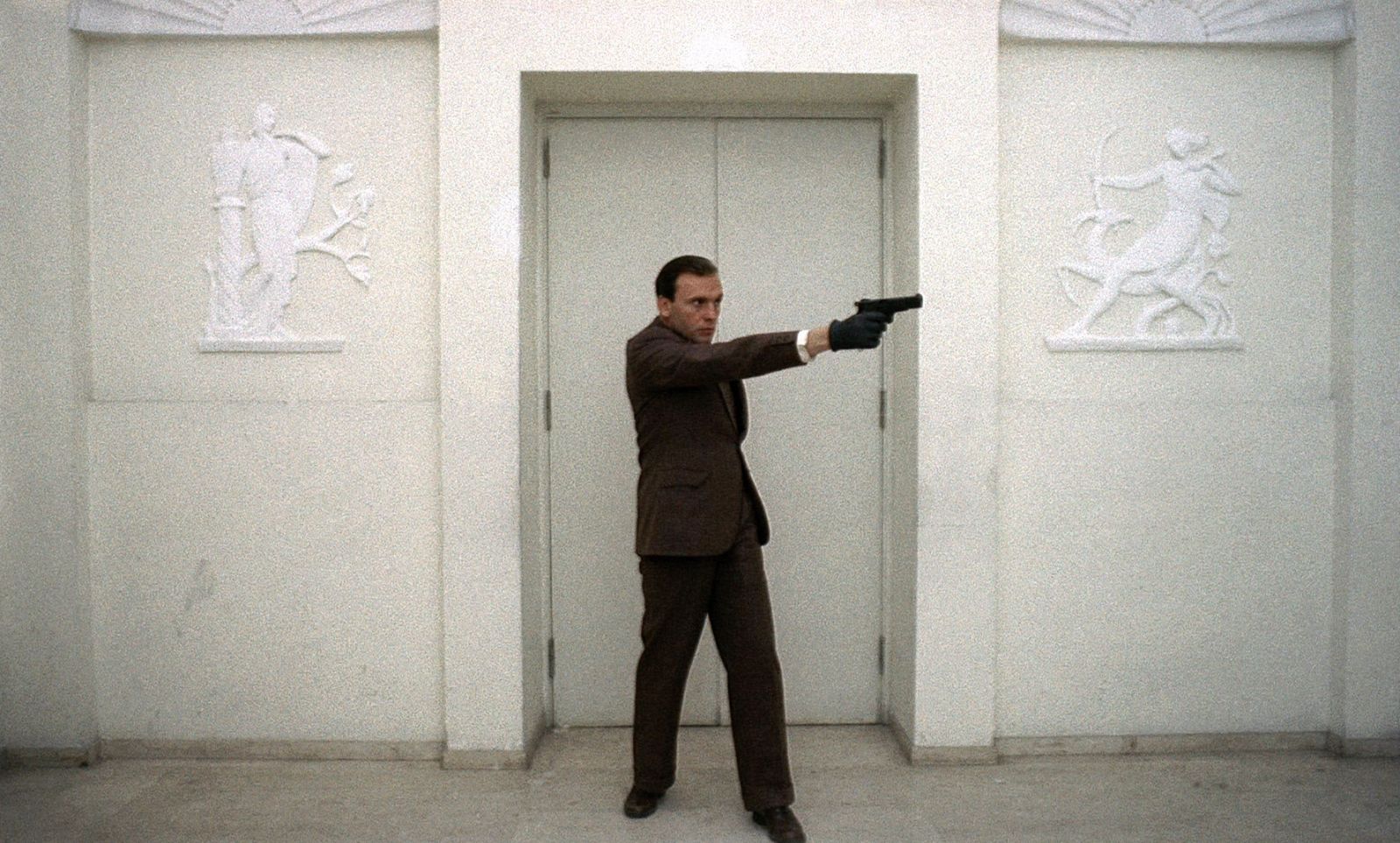
The Conformist
A seminal depiction of life in the age of fascism, Bernardo Bertolucci’s masterpiece, adapted from a novel by Alberto Moravia, follows a repressed man (Jean-Louis Trintignant) who gets caught up in the hegemonic fascist regime in an effort to “cleanse” himself of an earlier, murderous homosexual experience. Tasked with the assassination of his old left-wing mentor, he flashes back to earlier times, reminiscing on his relationship with his wife (Stefania Sandrelli) and his lover (Dominique Sanda). Indelibly lensed in color by Vittorio Storaro and scored by George Delerue, The Conformist is not just one of the great political films of its time, it is an enduringly staggering psychological autopsy of the fascist mindset and its desperate need to fit in at all costs. 35mm print courtesy of Cinecittà.
Tuesday, June 16 at 6:00pm
Saturday, June 20 at 3:15pm
Monday, June 22 at 6:00pm
4K Restoration
The Garden of the Finzi-Continis / Il giardino dei Finzi Contini
Vittorio De Sica, 1970, Italy/West Germany, 94m
Italian with English subtitles
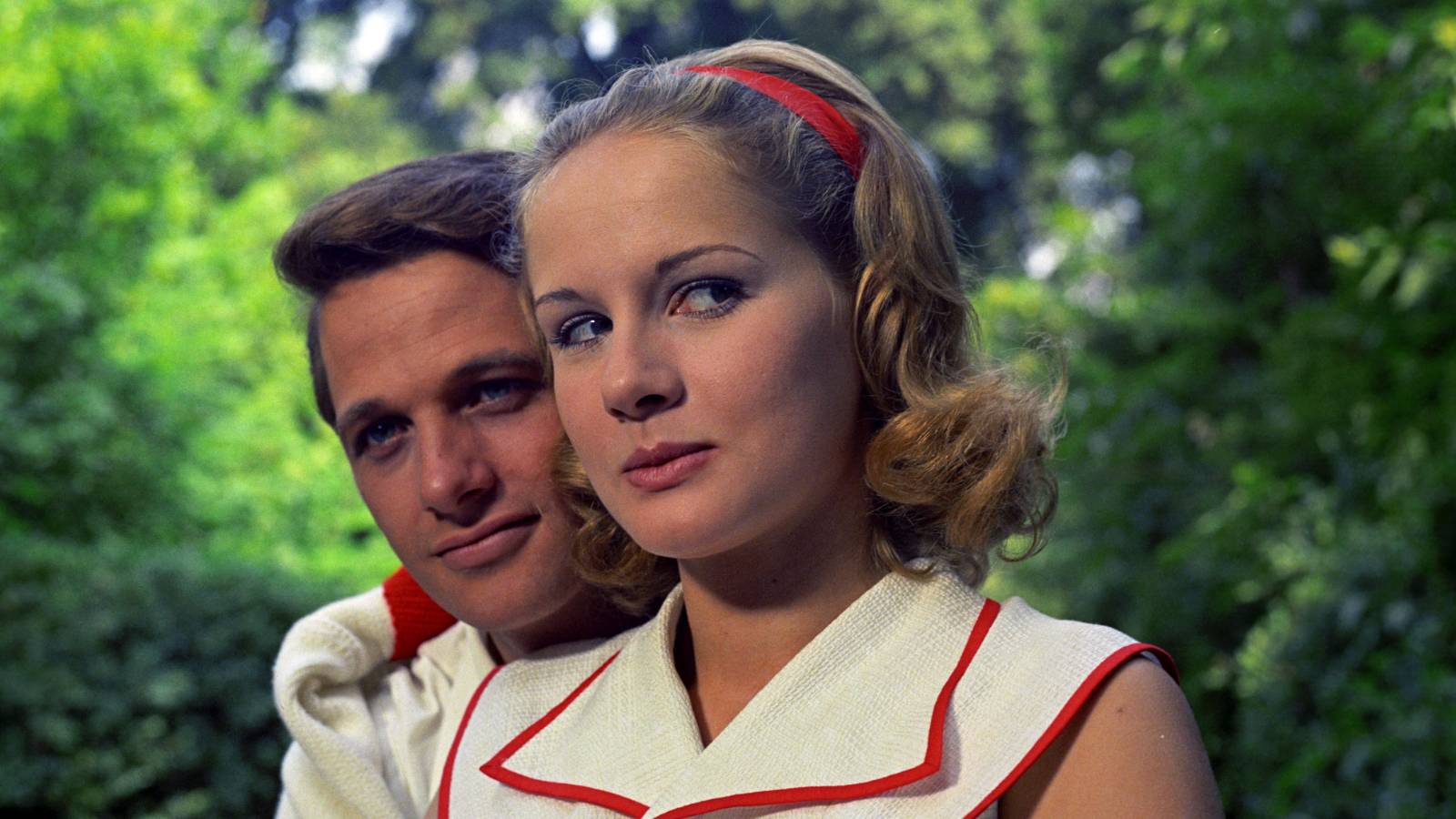
The Garden of the Finzi-Continis
This beloved Italian drama, based on the novel by Giorgio Bassani, is set amid the rise of fascism in the 1930s. The wealthy, intellectual Finzi-Contini family’s estate serves as a gathering place for the local Jewish community, as they try to take shelter from growing anti-Semitism. Ordinary tennis clubs become off-limits to Italian Jews, but such policies prove unenforceable behind the tall, stone walls of the garden. While romance blossoms between Giorgio (Lino Capolicchio) and Micol (Dominique Sanda), the increasingly hostile reality surrounding them sets in. Vittorio De Sica won the Academy Award for Best Foreign Language Film, but his changes to the source novel led to friction with Bassani, who demanded his name be removed from the opening credits. Nevertheless, the film remains a seminally evocative and righteously unsentimental account of the road to fascism. 4K DCP digital restoration by Cinecittà, supported by Anthony Morato.
Saturday, June 20 at 1:00pm
Monday, June 22 at 8:30pm
Love and Anarchy / Film d’amore e d’anarchia, ovvero: stamattina alle 10, in via dei Fiori, nella nota casa di tolleranza…
Lina Wertmüller, 1973, Italy/France, 35mm, 120m
Italian with English subtitles
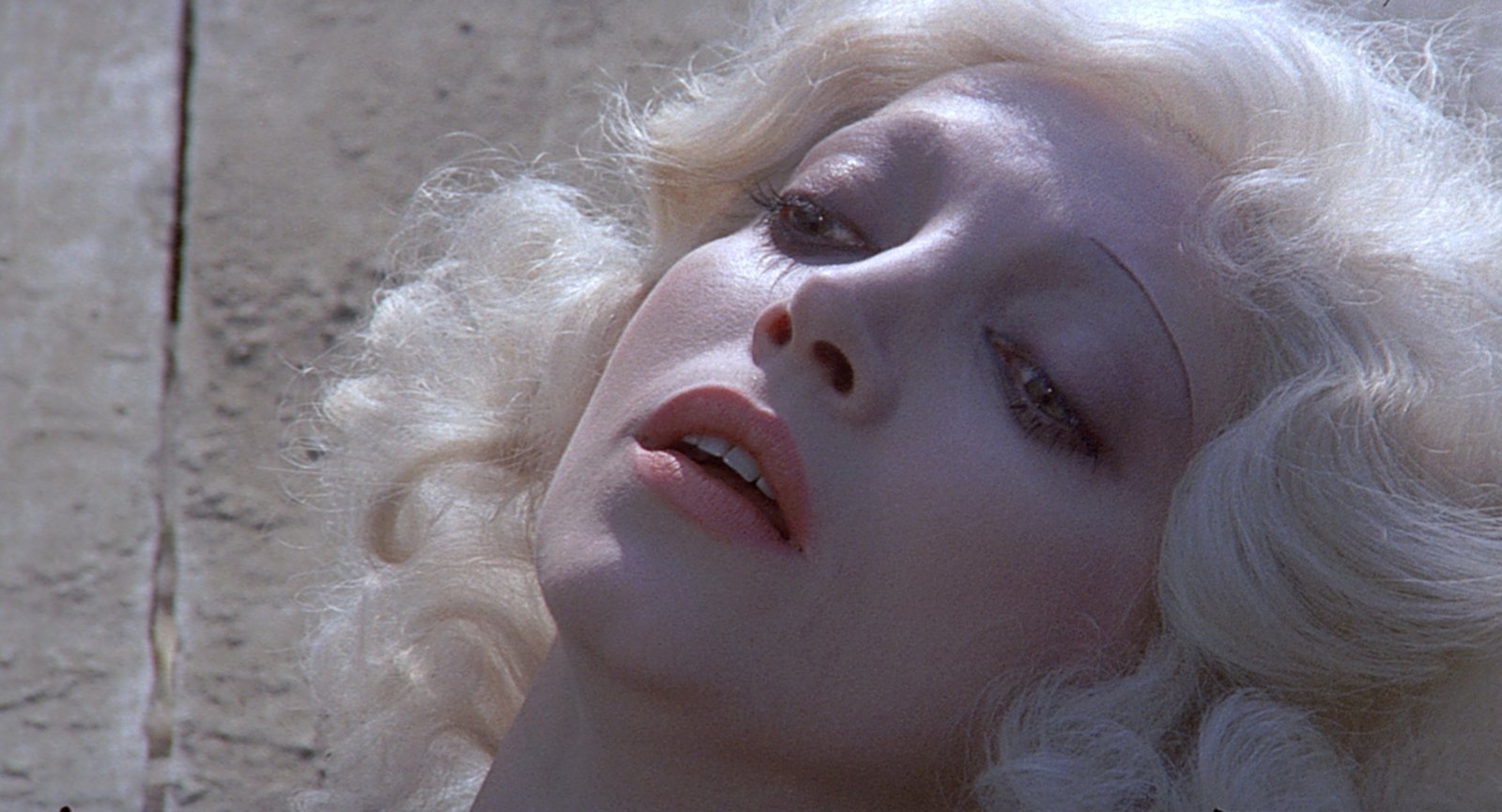
Love and Anarchy
Giancarlo Giannini won the Best Actor prize at the 1973 Cannes Film Festival for his turn in Lina Wertmüller’s tragicomic tale, set in the early 1930s, of an anarchist (Giannini) who plans to assassinate Mussolini with help from a Roman sex worker (Mariangela Melato) who herself seeks to avenge a previous lover’s death. But he finds himself sidetracked by his attraction to another sex worker (Lina Polito), causing him to confront his own understanding of love while at the same time trying to carry out his mission by getting closer to the head of Mussolini’s secret police. A work of immense irony and emotion, Love and Anarchy is a searing depiction of the horrors of fascism and contemporary socialists’ and anarchists’ desperate wish to prevent their consolidation of power. 35mm print courtesy of Cinecittà.
Sunday, June 21 at 12:15pm
Thursday, June 25 at 8:45pm
4K Restoration
Rome Open City / Roma città aperta
Roberto Rossellini, 1945, Italy, 103m
Italian, German, and Latin with English subtitles
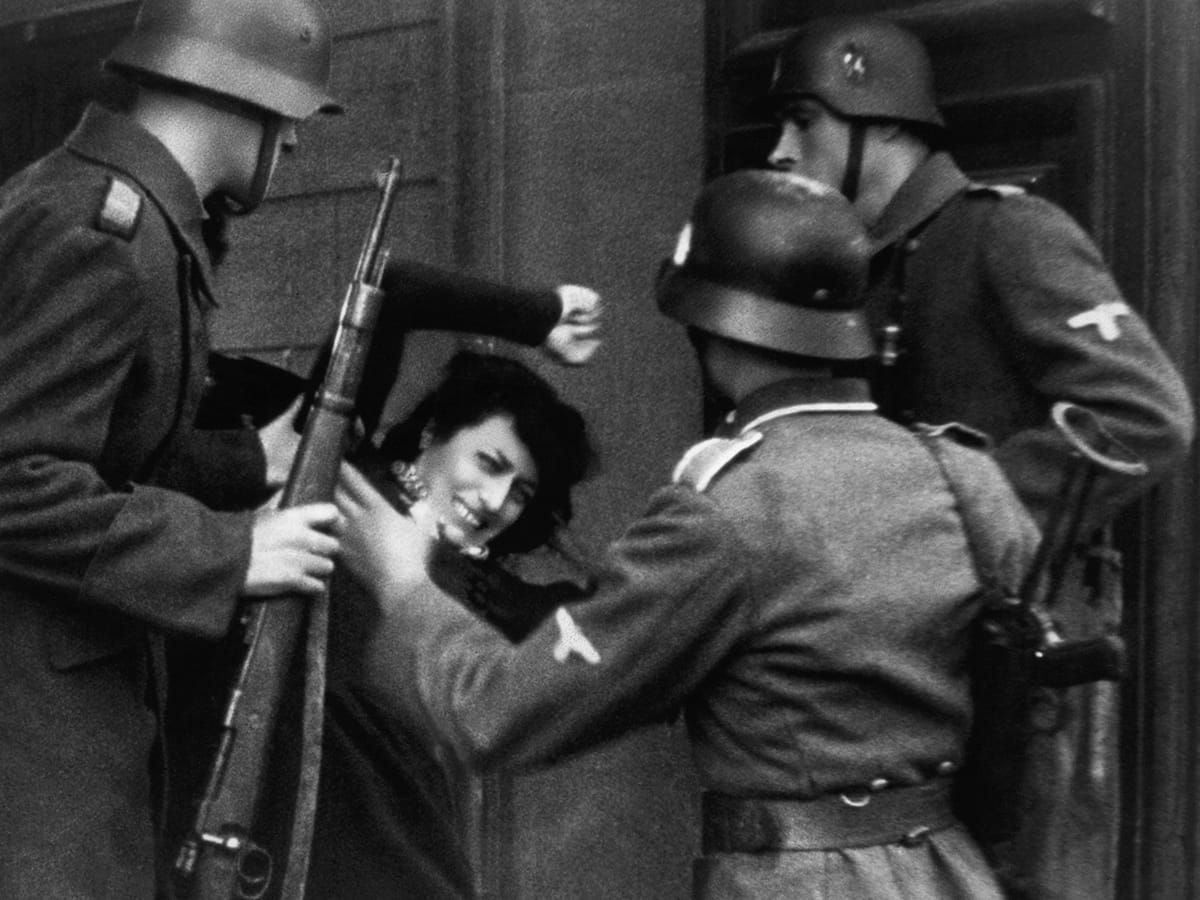
Rome Open City
The film that announced Italian neorealism—and Roberto Rossellini and Anna Magnani as major forces in international cinema—Rome Open City sent shockwaves through the world upon its release. By taking his camera onto the rubble-strewn streets of Nazi-occupied Italy, Rossellini captured the horrors of life during wartime with an urgent, hitherto unseen immediacy, while Magnani—defiantly unglamorous, raw, and real—became the symbol of a new naturalism. She plays a mother and bride-to-be who is among a cross section of working-class Italians caught in a Nazi dragnet as the SS scours Rome for a leader in the resistance movement. More than 70 years after its arrival, Rome Open City retains its devastating power, a historical film document that itself shifted film history in immeasurable ways.
Sunday, June 21 at 3:00pm
Tuesday, June 23 at 8:45pm
4K Restoration
A Special Day / Una giornata particolare
Ettore Scola, 1977, Italy, 106m
Italian with English subtitles
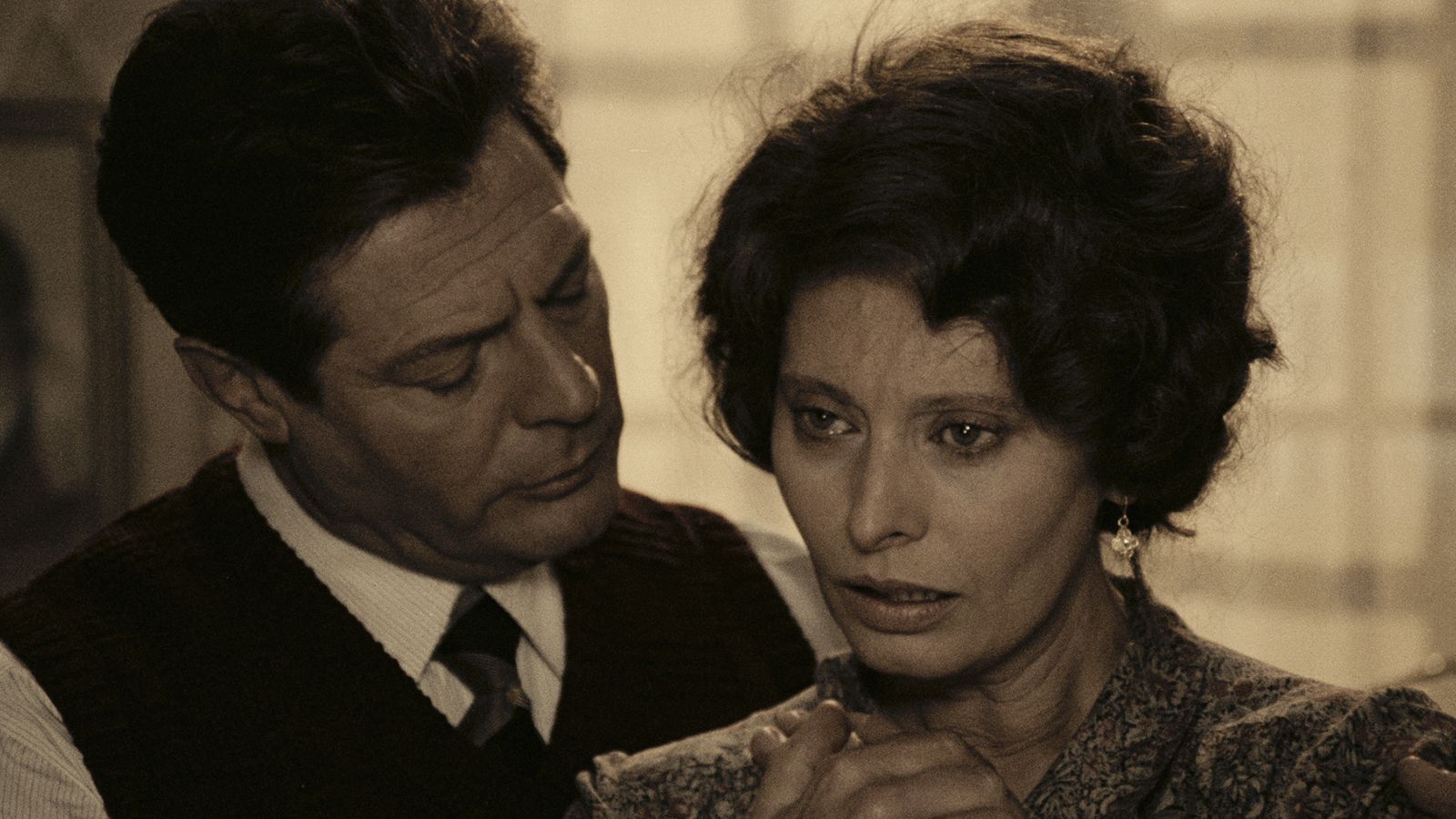
A Special Day
May 8, 1938. All of Rome is turning out to see the spectacle of Hitler’s visit to Italy. Among the few not attending are a harried housewife and mother of six (Sophia Loren) and her across-the-way neighbor (Marcello Mastroianni, Oscar-nominated for his performance), a suicidal former radio announcer. She’s a conservative Mussolini supporter; he’s a homosexual enemy of the state. But after a chance meeting, the two share a life-changing day that will challenge their assumptions about people, politics, and sexuality. Gorgeously photographed in creamy sepia tones and driven by two virtuoso central performances, this tender, daring chamber drama indelibly captures the human costs of fascism. 4K DCP restored by CSC-Cineteca Nazionale.
Saturday, June 20 at 8:30pm
Monday, June 22 at 3:30pm
4K Restoration
Two Women / La ciociara
Vittorio De Sica, 1960, Italy/France, 100m
Italian and German with English subtitles
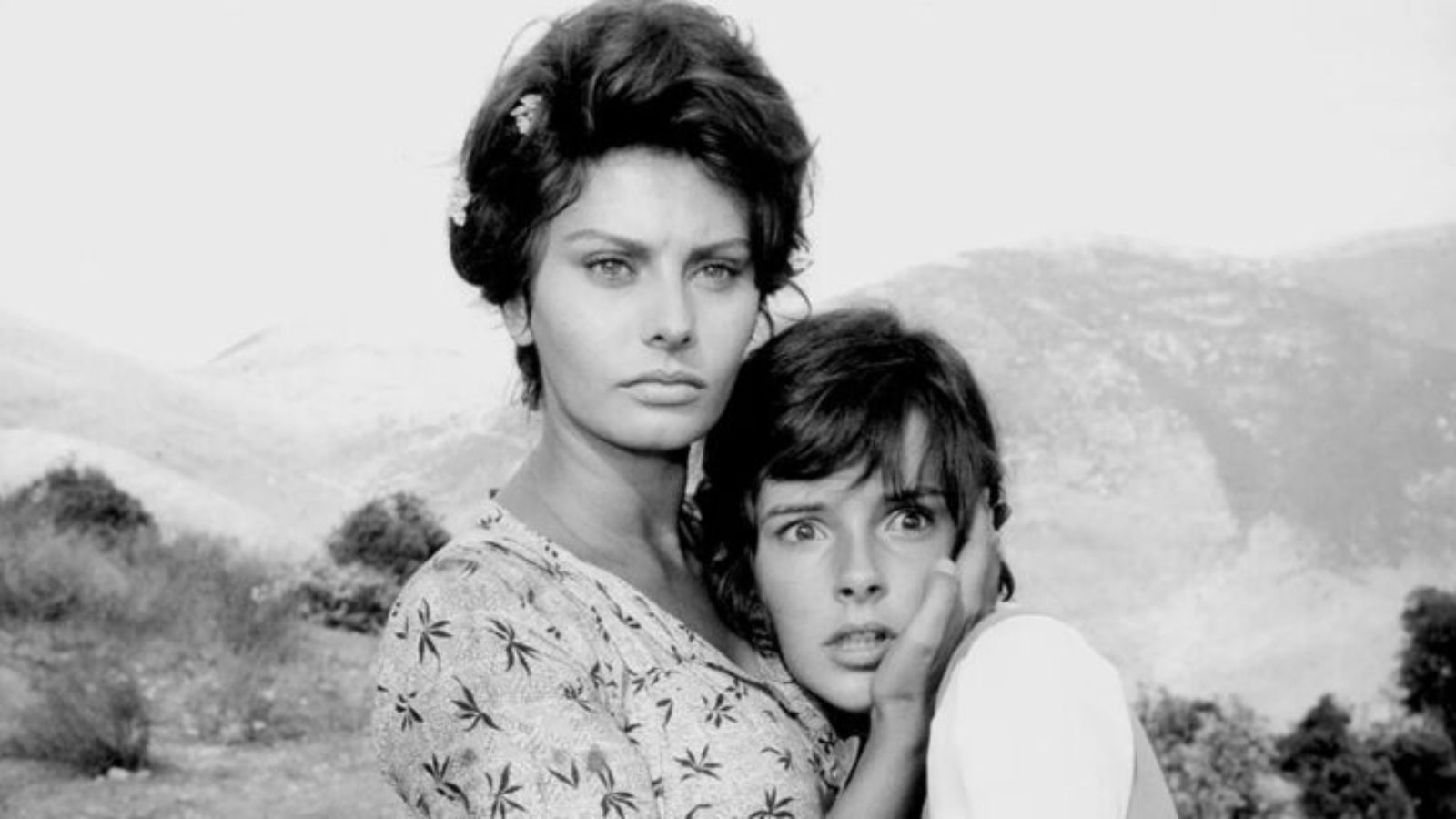
Two Women
Adapted from Alberto Moravia’s novel of the same name, Vittorio De Sica’s heartbreaking story of a mother and daughter during World War II earned Sophia Loren a Best Actress Oscar, the first for a performer in a foreign-language film. Widow Cesira (Loren) and her daughter Rosetta (Eleanora Brown) leave Rome for the relative safety of Cesira’s hometown in the countryside. There, they befriend Michele (Jean-Paul Belmondo), an affable Marxist who resists the fascists around him, waiting out the conflict. After Allied forces take Italy, mother and daughter follow them on their march toward Rome—but a violent, traumatic event forever changes their relationship. 4K digital restoration by Titanus. DCP by Cinecittà.
Friday, June 19 at 6:00pm
Sunday, June 21 at 8:15pm
Wednesday, June 24 at 6:30pm
Vermiglio
Maura Delpero, 2024, Italy/France/Belgium, 119m
Ladin and Italian with English subtitles
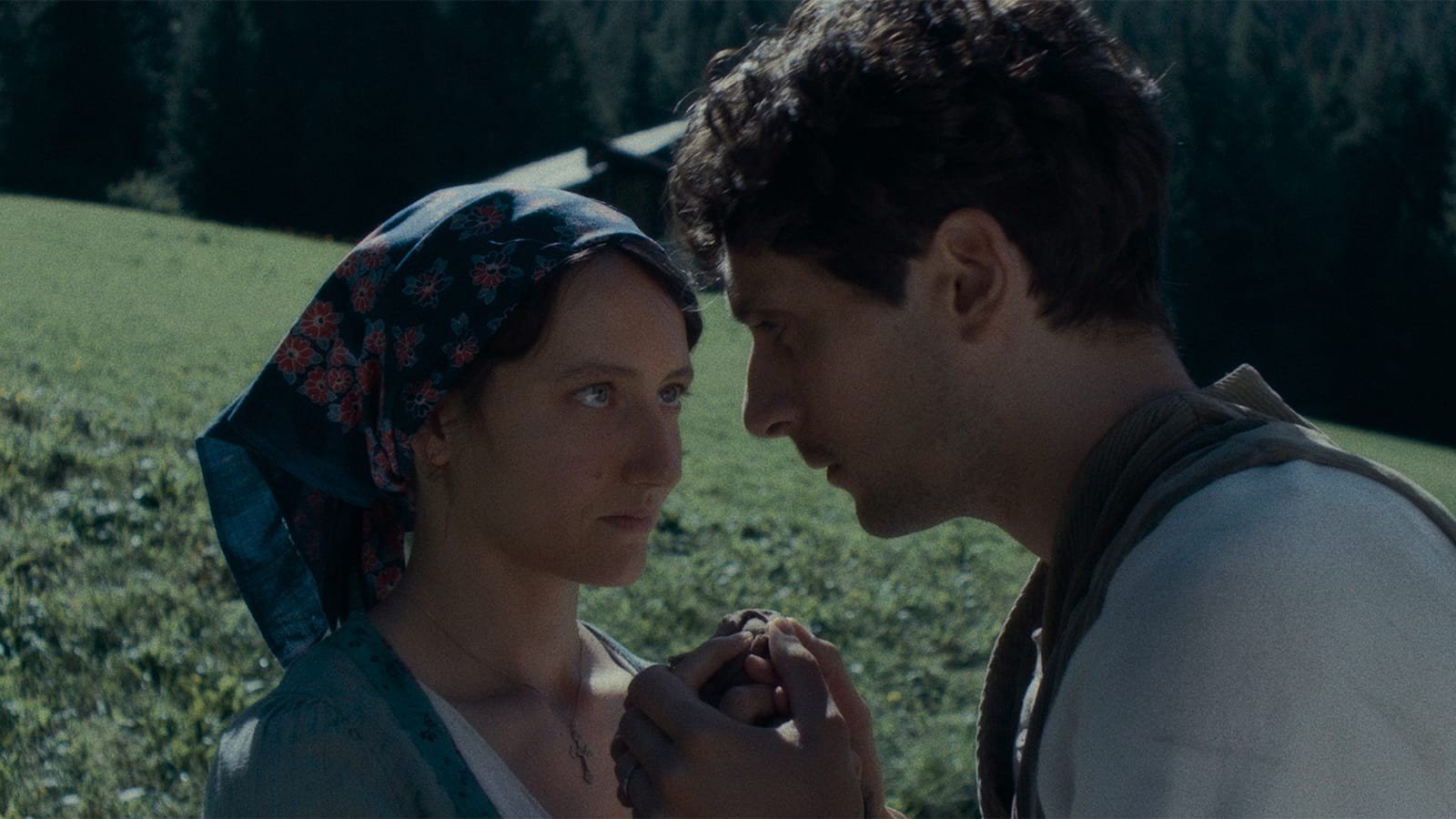
Vermiglio
A small village in the mountains of Trentino, during the final year of World War II. A schoolteacher with four sons and three daughters, a sister, and her son. The latter returns home after deserting with a fellow soldier from Sicily, who is hidden in the village, and the teacher’s eldest daughter falls in love with him. The film focuses on the women, who emerge from a sort of chorus: Maura Delpero immerses herself in a patriarchal world, giving us an insider’s perspective; she depicts a series of power dynamics but also solidarity. The use of Ladin dialect, the interiors, and the landscapes create a mysterious and profound intimacy. The director hails from the province of Bolzano; the village of Vermiglio, which gives the film its title, is where her father was from.
Tuesday, June 23 at 3:30pm
Wednesday, June 24 at 8:45pm
Vincere
Marco Bellocchio, 2009, Italy/France, 35mm, 128m
Italian with English subtitles
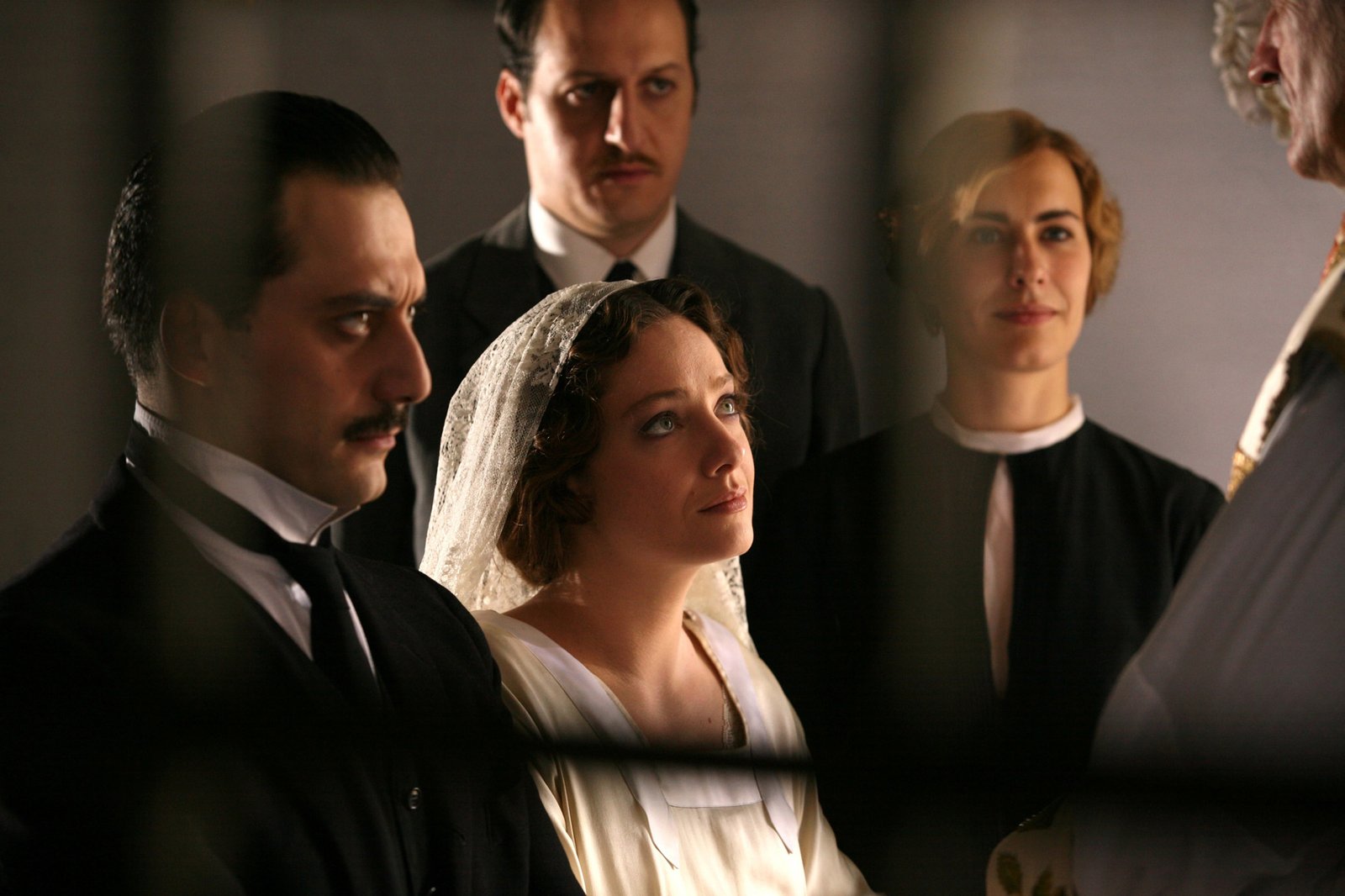
Vincere
The life of Benito Mussolini receives one of its most probing, sophisticated treatments at the hands of Marco Bellocchio through his focus on the figure of Ida Dalser, Mussolini’s first wife, with whom he had a son. Giovanna Mezzogiorno stars as Dalser, who falls for Il Duce (Filippo Timi) back when he was an up-and-coming, idiosyncratic socialist rising through the political ranks after World War I. She sells her belongings to help bankroll his newspaper Il Popolo d’Italia, a vital organ in the development of the fascist movement, but Mussolini winds up leaving her and their son high and dry, precipitating a painful descent that coincides with his continued ascent. Bellocchio connects the fascist project with the propagandistic powers of cinema, using archival footage to both situate Dalser’s story and to illustrate the medium’s role in the manufacturing of consent during the fascists’ rise to power.
Friday, June 19 at 8:15pm
Wednesday, June 24 at 3:45pm
Epilogue
Happy as Lazzaro / Lazzaro Felice
Alice Rohrwacher, 2018, Italy, 128m
Italian with English subtitles
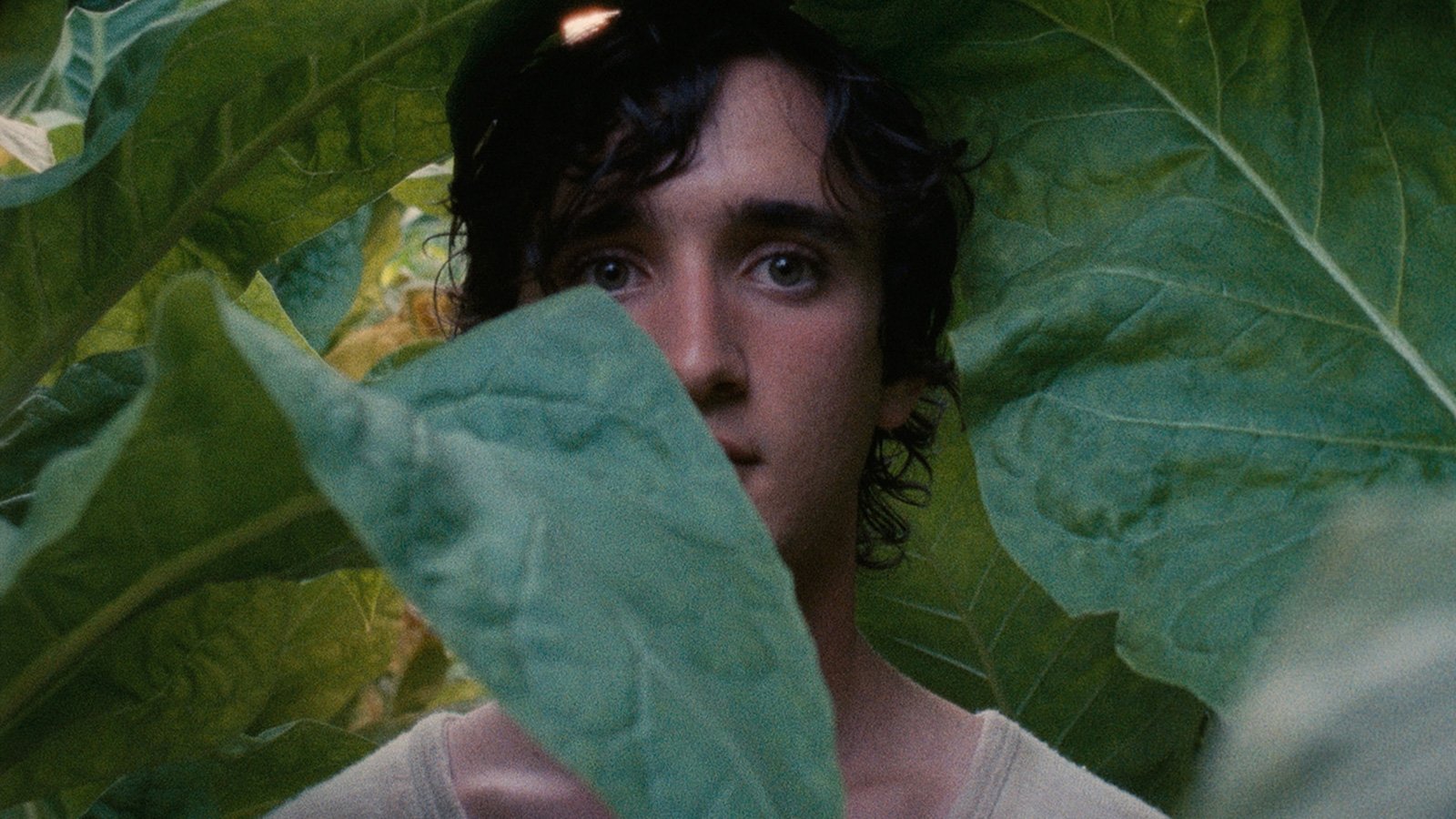
Happy as Lazzaro
In the transfiguring and transfixing third feature from Alice Rohrwacher, we find ourselves amid a throng of tobacco farmers living in a state of extreme deprivation on an estate known as Inviolata, with wide-eyed teenager Lazzaro (nonprofessional discovery Adriano Tardiolo) emerging as a focal point. Although this all seems to be taking place in the past (as implied by the warm grain of Hélène Louvart’s 16mm cinematography), a stunning mid-movie leap vaults the narrative squarely into the present day and into the realm of parable. In a fable touching on perennial class struggle with Christian overtones, Rohrwacher summons the spirit of Pier Paolo Pasolini, while also nodding to Ermanno Olmi and Luchino Visconti. A proper time-traveling conclusion to this program’s chronicle of Italian history through cinema. An NYFF56 selection.
Wednesday, June 24 at 1:00pm
Thursday, June 25 at 6:00pm
CINECITTÀ
Cinecittà S.p.A. is an Italian public company whose sole shareholder is the Ministry of Economy and Finance; shareholder rights are exercised by the Ministry of Culture in agreement with the Ministry of Economy and Finance. Cinecittà manages legendary Cinecittà’s Studios, promoting Italian cinema in the world as member of EFP, distributing Italian first and second time feature films and documentaries. Moreover, it manages “Archivio Luce” film and photographic Archive, that has been registered by UNESCO in the registry “Memory of the World.”
For more information, visit www.cinecitta.com.
FILM AT LINCOLN CENTER
Film at Lincoln Center (FLC) is a nonprofit organization that celebrates cinema as an essential art form and fosters a vibrant home for film culture to thrive. FLC presents premier film festivals, retrospectives, new releases, and restorations year-round in state-of-the-art theaters at New York’s Lincoln Center for the Performing Arts. FLC offers audiences the opportunity to discover works from established and emerging directors from around the world with a passionate community of film lovers at marquee events including the New York Film Festival and New Directors/New Films.
Founded in 1969, FLC is committed to preserving the excitement of the theatrical experience for all audiences, advancing high-quality film journalism through the publication of Film Comment, cultivating the next generation of film industry professionals through our FLC Academies, and enriching the lives of all who engage with our programs.
Rolex is the Official Partner and Exclusive Timepiece of Film at Lincoln Center.
Film at Lincoln Center receives generous, year-round support from the New York State Council on the Arts with the support of the Office of the Governor and the New York State Legislature. American Airlines is the Official Airline of Film at Lincoln Center. For more information, visit filmlinc.org and follow us here for updates.
For press inquiries regarding Film at Lincoln Center, please contact:
John Kwiatkowski, Film at Lincoln Center, [email protected]
Eva Tooley, Film at Lincoln Center, [email protected]
For media inquiries regarding Cinecittà, please contact:
Sally Fischer, Asia Solfanelli, Ilaria Gentile, Giovanna Saboureault
Sally Fischer Public Relations, [email protected]


