A Generation
Tribute to Andrzej Wajda
February 9 - 16, 2017
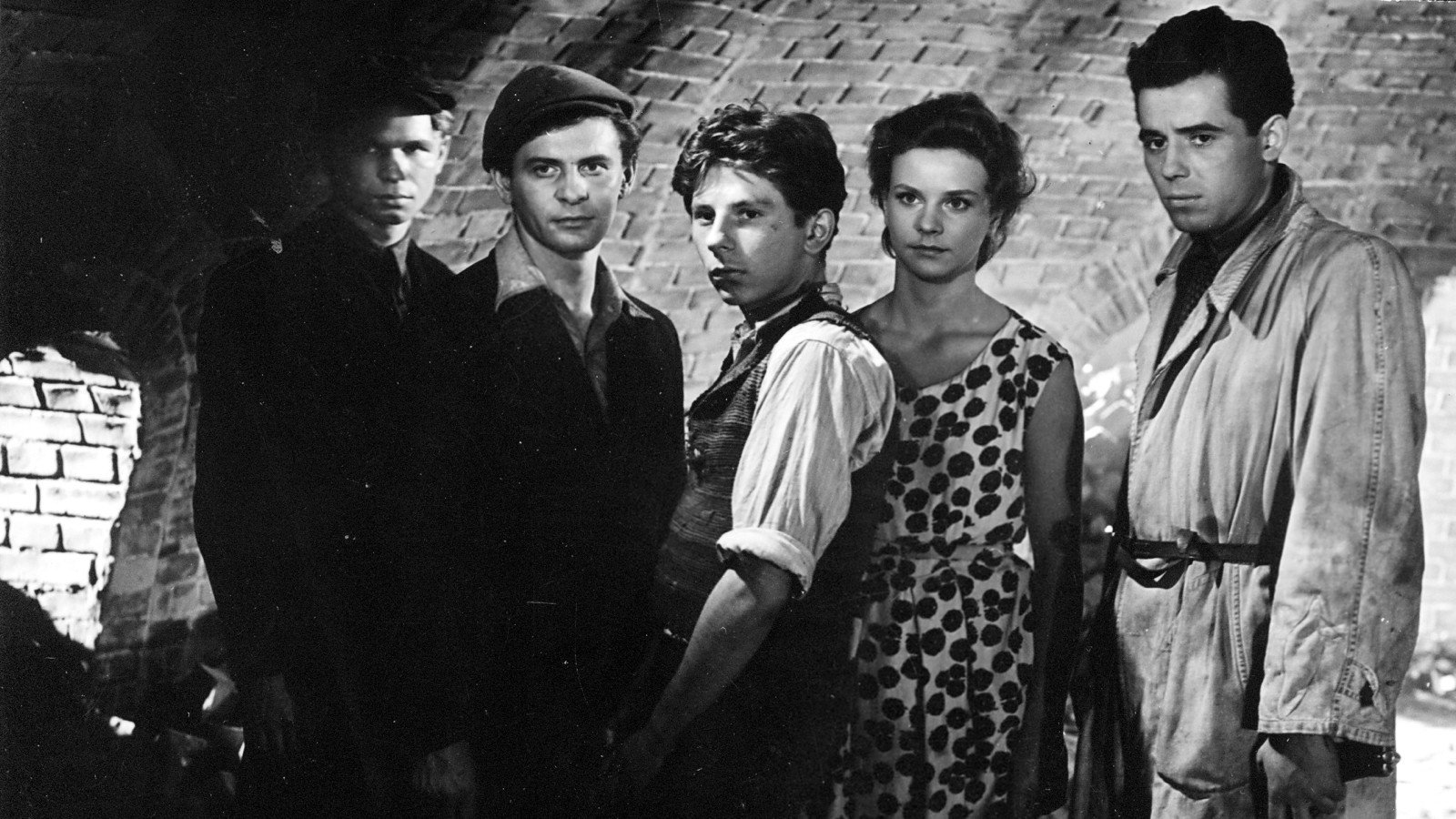
Colored by the obligatory exaggeration of a Communist resistance, Wajda’s first feature contrasts official reports of wartime heroics with cruel reality—announcing one of the most durable careers in world cinema.
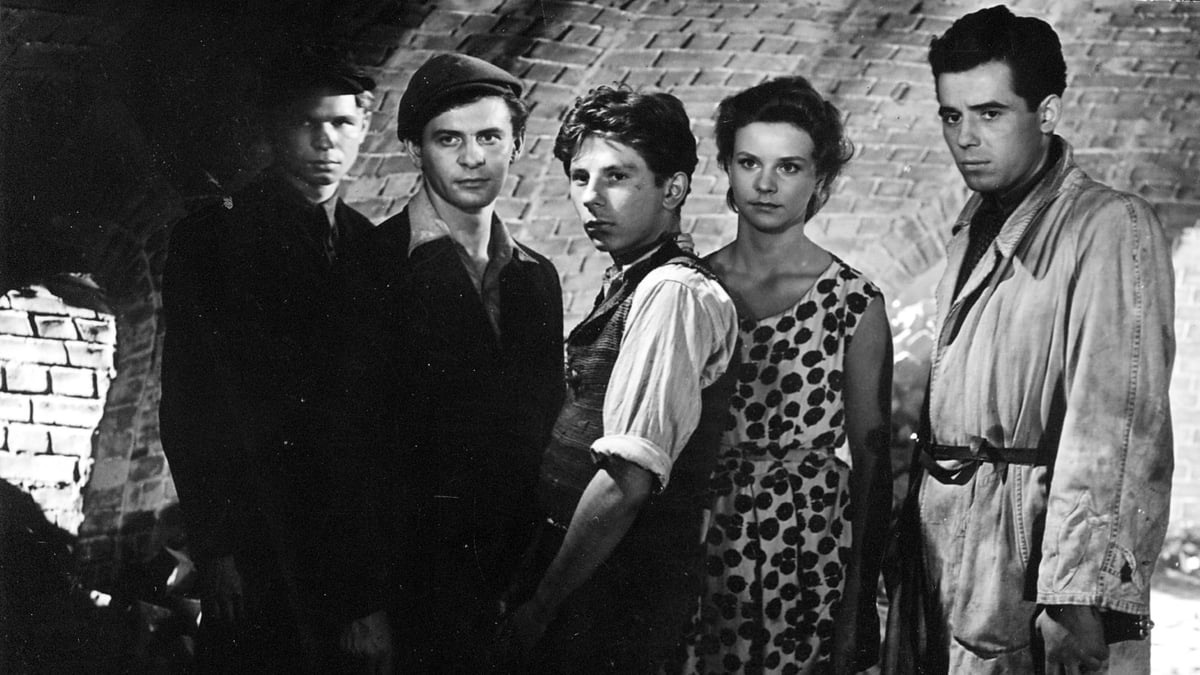
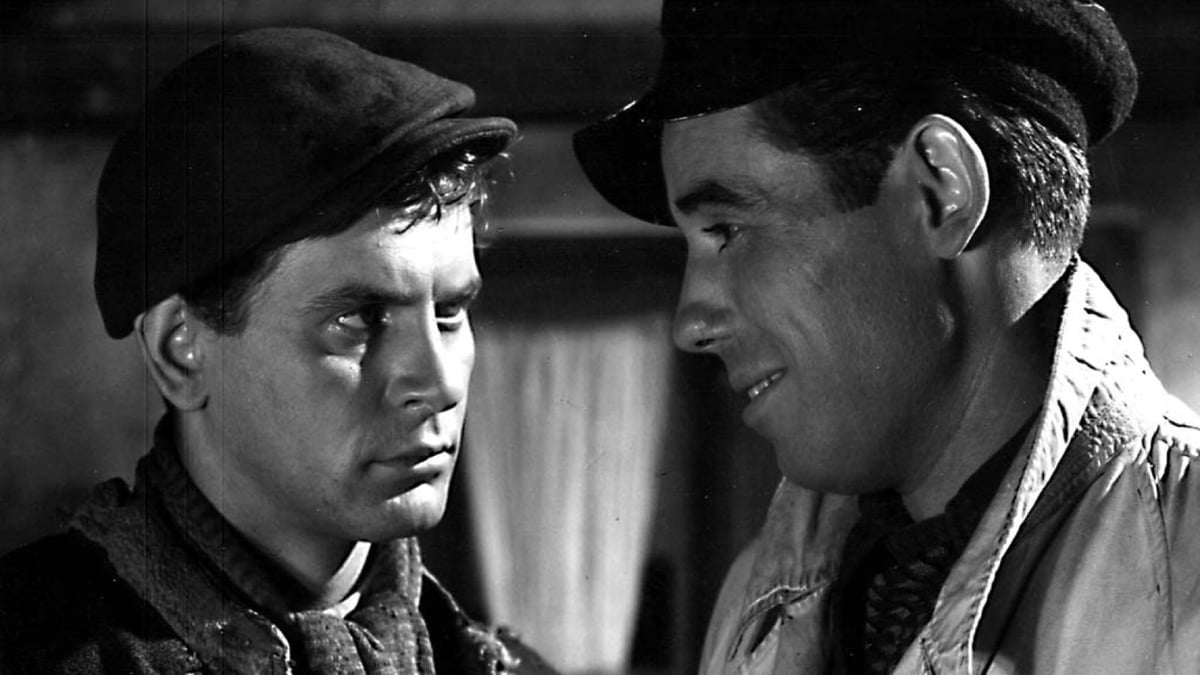
Wajda’s first feature launched one of the most durable careers in world cinema. Barely out of film school, he demonstrated a remarkable mastery of the medium; vividly captured the 1942 Warsaw milieu in which he’d fought as a teenager against the Nazis; introduced the legendary Zbigniew Cybulski and another young film student, Roman Polanski; made a startling break with the traditional theatricality of Polish screen acting; and created what would become the first part of his classic war trilogy (followed by Kanal and Ashes and Diamonds). Inevitably colored by the obligatory exaggeration of a Communist resistance, the film contrasts official reports of wartime heroics with cruel reality.
Please note that the February 11 screening of this film will take place in the Elinor Bunin Munroe Film Center.
Read More
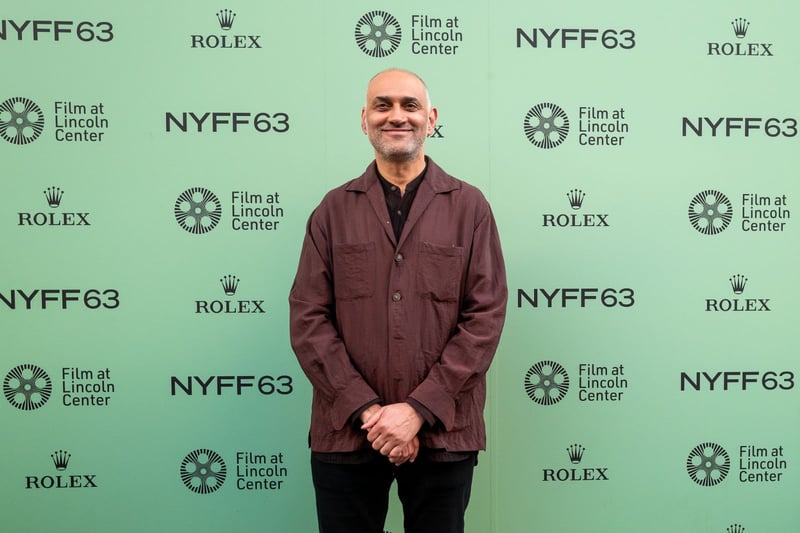
Kamal Aljafari on With Hasan in Gaza and ‘The Camera of the Dispossessed’
Our 63rd New York Film Festival Talks featured a special conversation with With Hasan in Gaza director Kamal Aljafari, moderated by Film Comment editor Devika Girish.
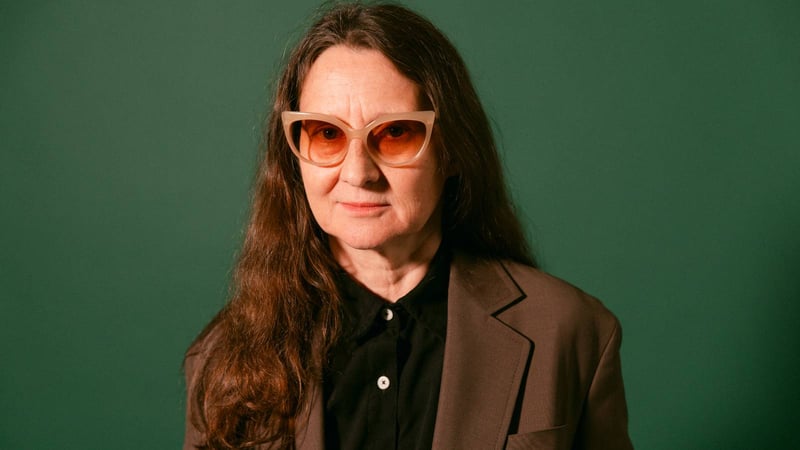
Lucrecia Martel on Our Land (Nuestra Tierra), the Filmmaker’s First Feature Documentary
On the latest episode of FLC Luminaries, our video series that spotlights talent at all levels of the filmmaking process who uplift the art and craft of cinema, Our Land (Nuestra Tierra) director Lucrecia Martel discusses her expansive and enlightening first feature documentary.
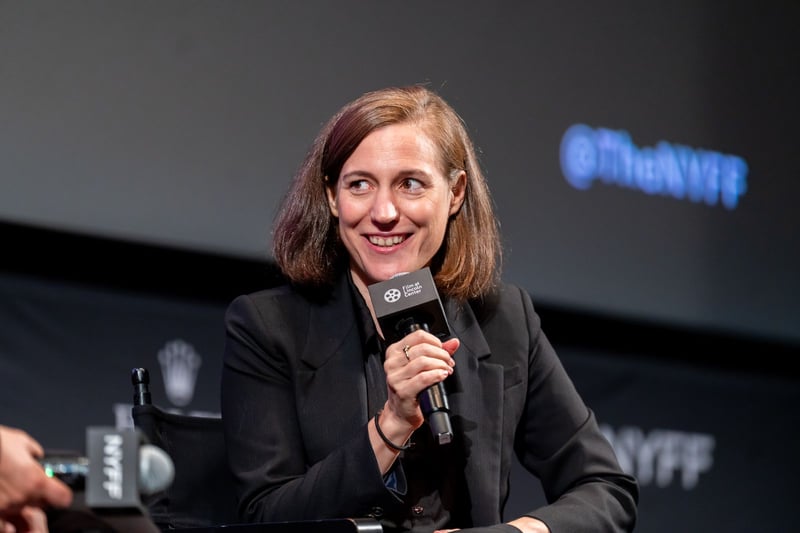
Carla Simón on Her Poignantly Autobiographical Romería
This week we’re excited to present a conversation from the 63rd New York Film Festival with Romería director Carla Simón, moderated by NYFF Main Slate selection committee member Florence Almozini.


