Tribute to Andrzej Wajda
This February, the Film Society is honored to present the New York premiere of Andrzej Wajda’s last film, Afterimage, and a selection of the Polish master’s previous films in celebration of his monumental lifework.
The Film Society is honored to present the New York premiere of Andrzej Wajda’s last film, Afterimage, and a selection of the Polish master’s previous films in celebration of his monumental lifework. Presented in partnership with the Polish Cultural Institute.
See more and save with a 3+ Film Package or $75 All Access Pass!
Please Note: All screenings for this series will now take place in the Elinor Bunin Munroe Film Center.
Andrzej Wajda
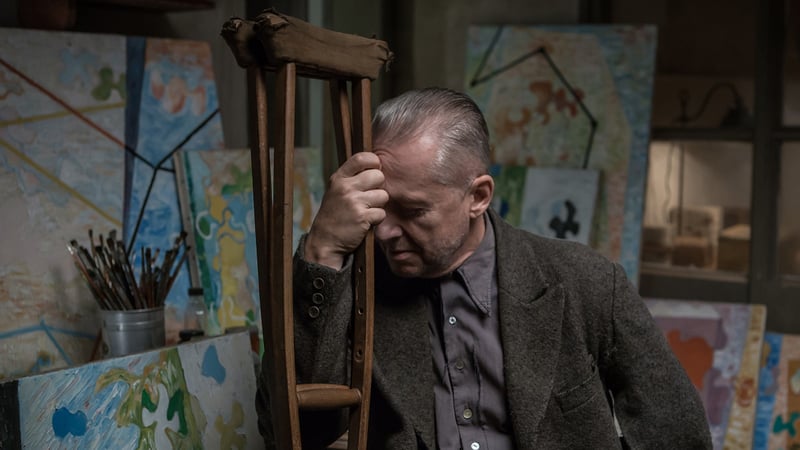
2016|
Poland|
98 minutes|
Polish with English subtitles
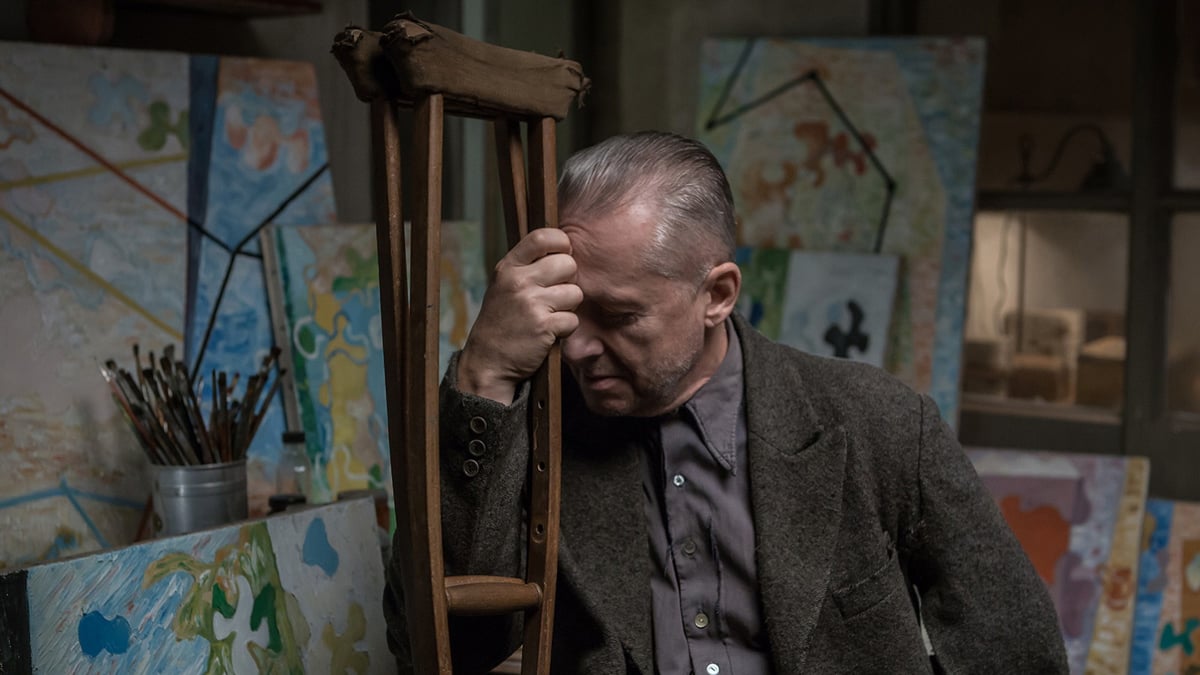
An impassioned memorial to the great avant-garde artist and theorist Władysław Strzemiński, Wajda’s last film is also a stark observation of a political mechanism that nearly erased one of Poland’s most important artists from public memory.
Andrzej Wajda
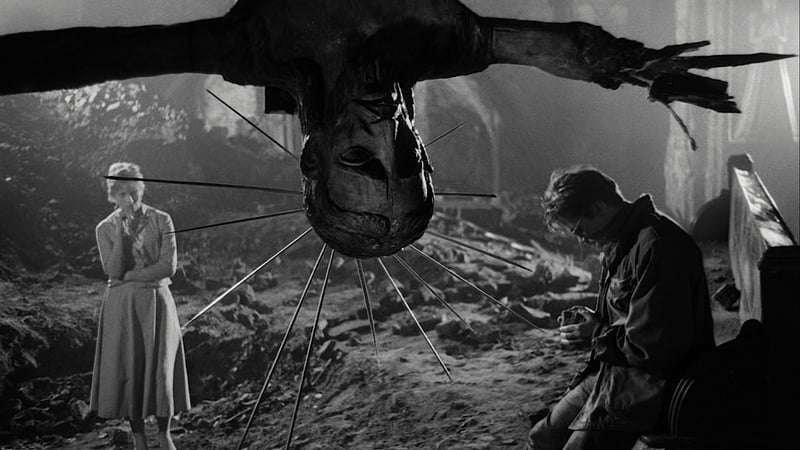
1958|
Poland|
103 minutes|
Polish with English subtitles
The extraordinary final installment in Wajda’s war trilogy takes place on the last day of the war and the first day of peace, when a young Home Army soldier (Zbigniew Cybulski, in his most famous role) is assigned to assassinate a Communist official.
Andrzej Wajda
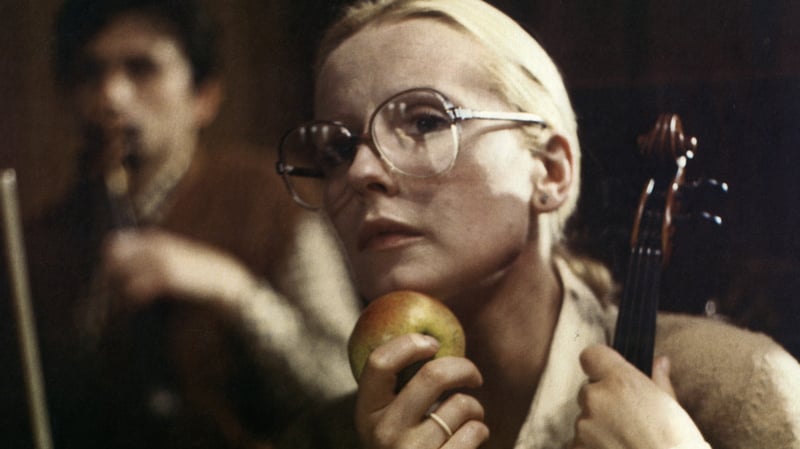
1980|
Poland|
101 minutes|
Polish with English subtitles
Shooting in the U.S. for the first time, Wajda meditates on the grey area between art and life through the story of John/Jan Lasocki (John Gielgud), an internationally famous orchestra conductor who emigrated from his native Poland 50 years earlier.
Andrzej Wajda
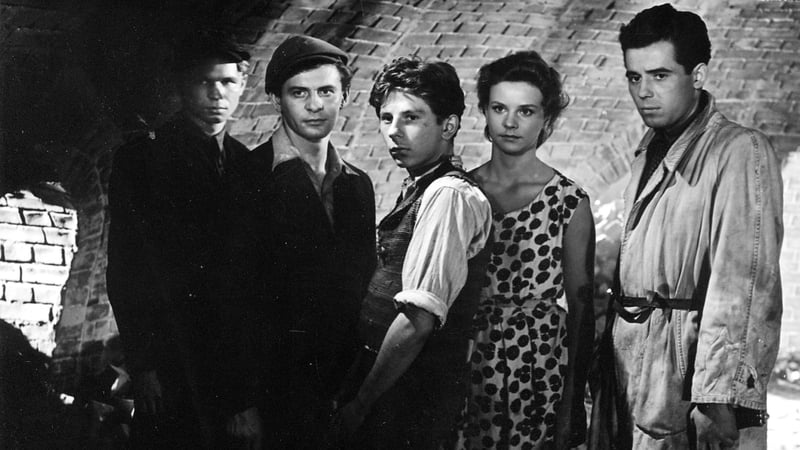
1955|
Poland|
87 minutes|
Polish with English subtitles
Colored by the obligatory exaggeration of a Communist resistance, Wajda’s first feature contrasts official reports of wartime heroics with cruel reality—announcing one of the most durable careers in world cinema.
Andrzej Wajda
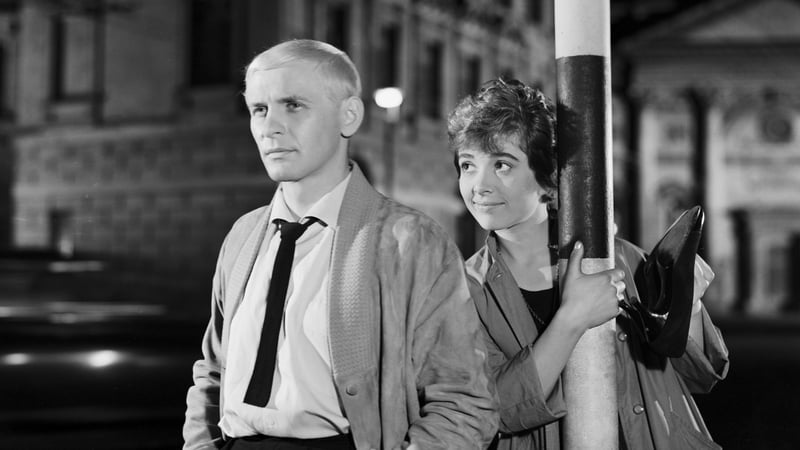
1960|
Poland|
87 minutes|
Polish with English Subtitles
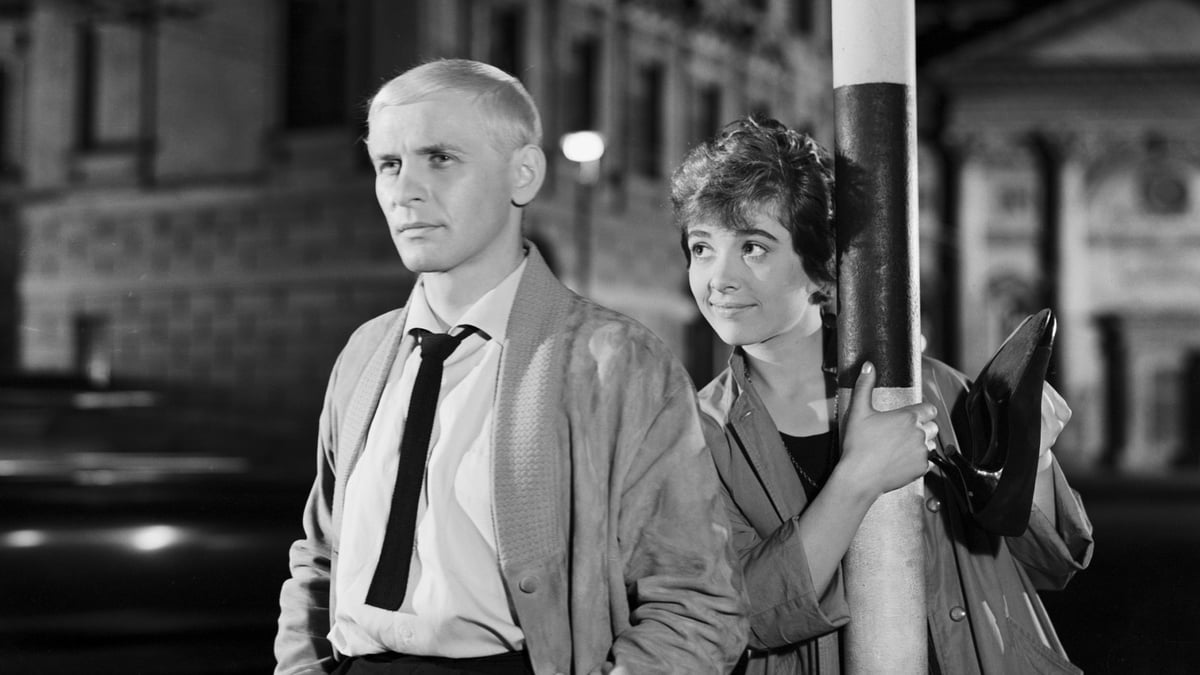
Wajda chronicles a soft bohemia made up of motor scooters, easy flirtations, and jazz enjoyed by a group of Warsaw twenty-somethings in Innocent Sorcerers, brilliantly capturing the pleasures and terrors that began to sweep through the Eastern bloc countries by the late ‘50s.
Andrzej Wajda
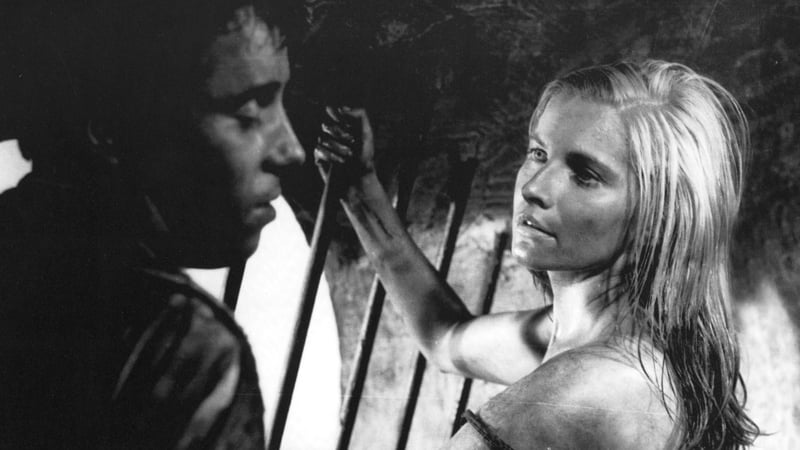
1957|
Poland|
96 minutes|
Polish and German with English subtitles
An unforgettably vivid depiction of the last days of the 1944 Warsaw uprising against the German Nazis, the second film of Wajda’s war trilogy follows a band of surviving Polish Home Army soldiers that takes to the sewers to avoid capture.
Andrzej Wajda
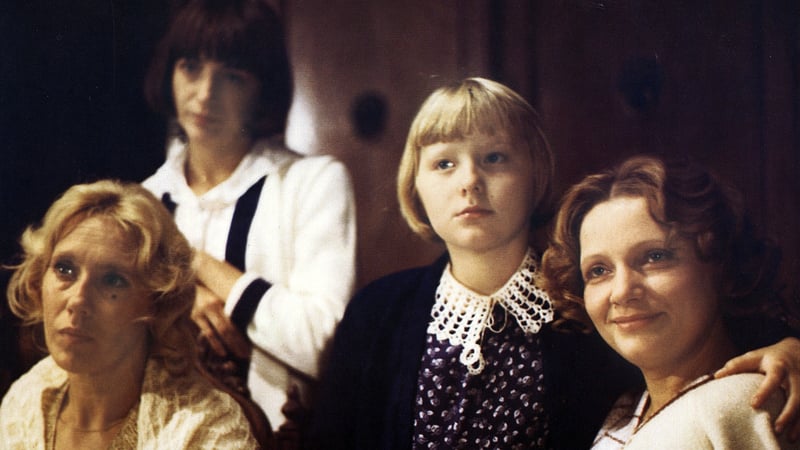
1979|
Poland / France|
118 minutes|
Polish with English subtitles
After a string of hard-hitting political works that roused the censors’ ire and brought him into the international spotlight, Wajda deliberately changed pace with The Maids of Wilko, a wistful, elegiac, almost Chekhovian recreation of a long-vanished Poland.
Andrzej Wajda
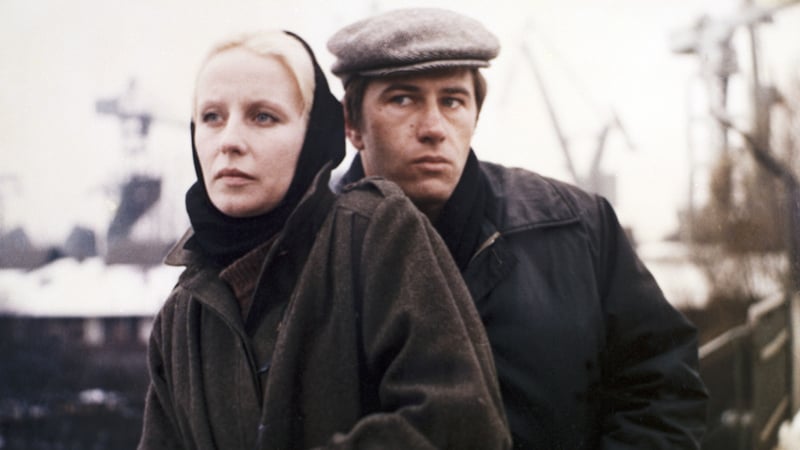
1981|
Poland|
156 minutes|
Polish with English subtitles
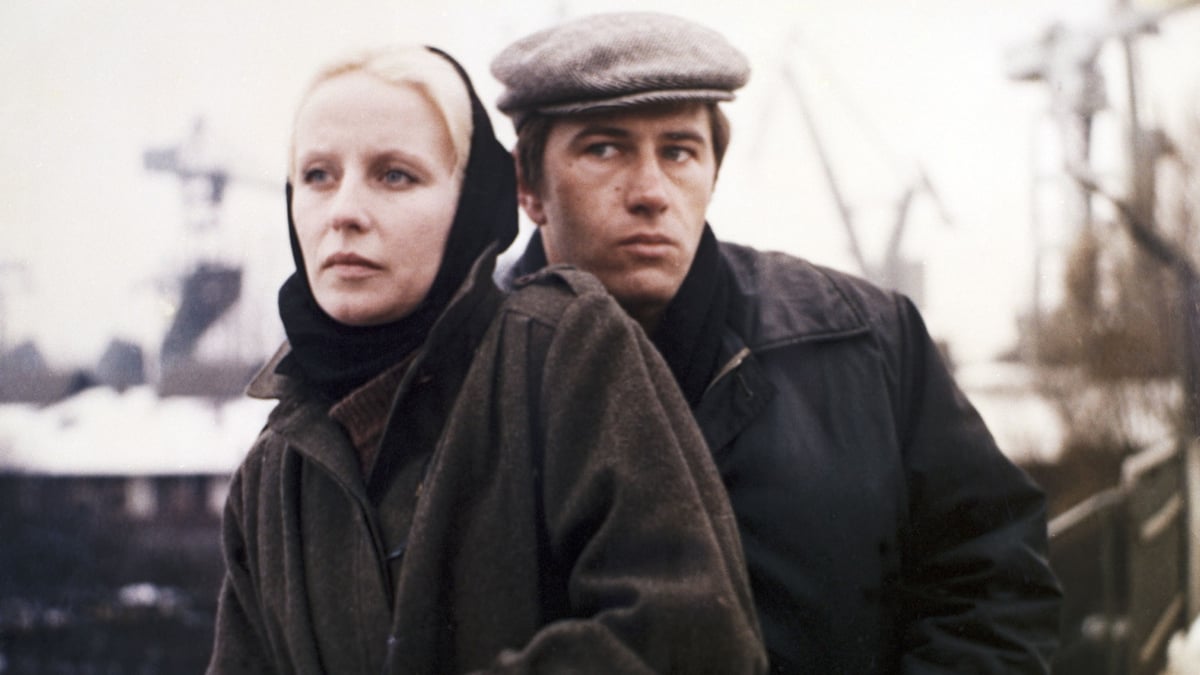
Wajda’s Palme d’Or–winning masterpiece follows the workers’ strike in August 1980, which led to the formation of the Solidarity trade union. This (loosely defined) sequel to Man of Marble is, in retrospect, as much about the end of an era as the dawn of a new one.
Andrzej Wajda
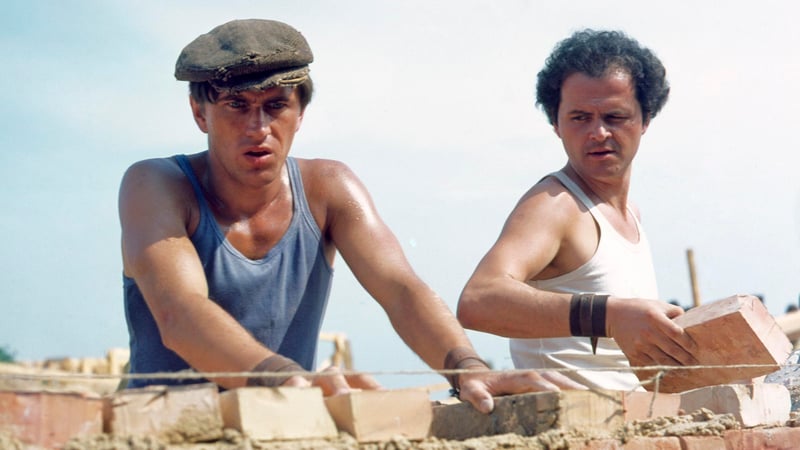
1977|
Poland|
160 minutes|
Polish with English subtitles
In Wajda’s powerful meditation on art and politics, young filmmaker Agnieszka (Krystyna Janda) explores the life of Mateusz Birkut (Jerzy Radziwilowicz), a now-discredited labor hero of the 1950s who is remembered only through the statues made of him residing in cellars and storage lockers.
Andrzej Wajda
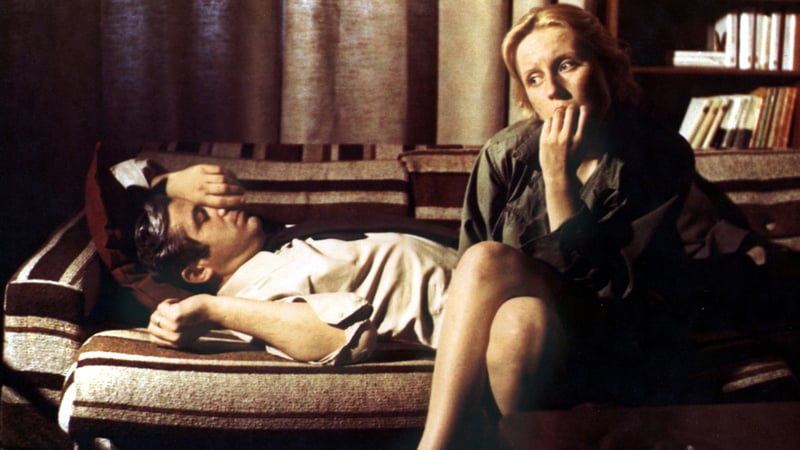
1978|
Poland / France|
131 minutes|
Polish with English subtitles
After he raises the issue of freedom of the press on television, a successful journalist’s world begins to fall apart. Rough Treatment does for contemporary Poland what Man of Marble did for the recent past: reveal the everyday dishonesty and hypocrisy that holds the system together.
Andrzej Wajda
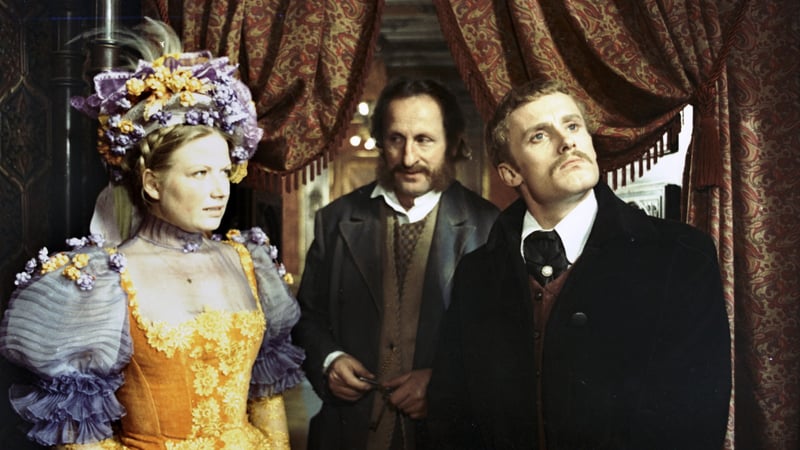
1975|
Poland|
180 minutes|
Polish with English Subtitles
In 19th-century Łódź, just then becoming a major manufacturing center, three friends decide to ride the industrial wave by establishing a modern textile factory. This film is regularly counted among the greatest Polish films ever made.
Andrzej Wajda passed away on October 9, 2016 in Warsaw at the age of 90, nearly a month after the world premiere of his last film, Afterimage. For more than half a century, Wajda crafted a filmography that encapsulated the essence of postwar Poland and constitutes, quite simply, one of the great legacies of world cinema. No single visual style or strategy characterizes his films. His work often employed intricately illuminated deep spaces as well as looser, more vérité methods; many served as counter-narratives to the officially sanctioned records kept by Stalinized Poland; others were more oblique and meditative as they reckoned with concepts including individualism, one’s duty toward others, and the meaning of freedom. This February, the Film Society is honored to present a selection of the Polish master’s previous films in celebration of his monumental life’s work, as well as the New York premiere of Afterimage, an impassioned memorial to the great avant-garde artist Władysław Strzemiński.
Please Note: All screenings for this series will now take place in the Elinor Bunin Munroe Film Center.
Presented in partnership with the Polish Cultural Institute. Organized by Florence Almozini and Dan Sullivan.