Personal Cinema: Korean Experimental Shorts, 1974–1977
Series sponsored by

Korean Cinema’s Celluloid Fever: The 1970s
May 15 - 26
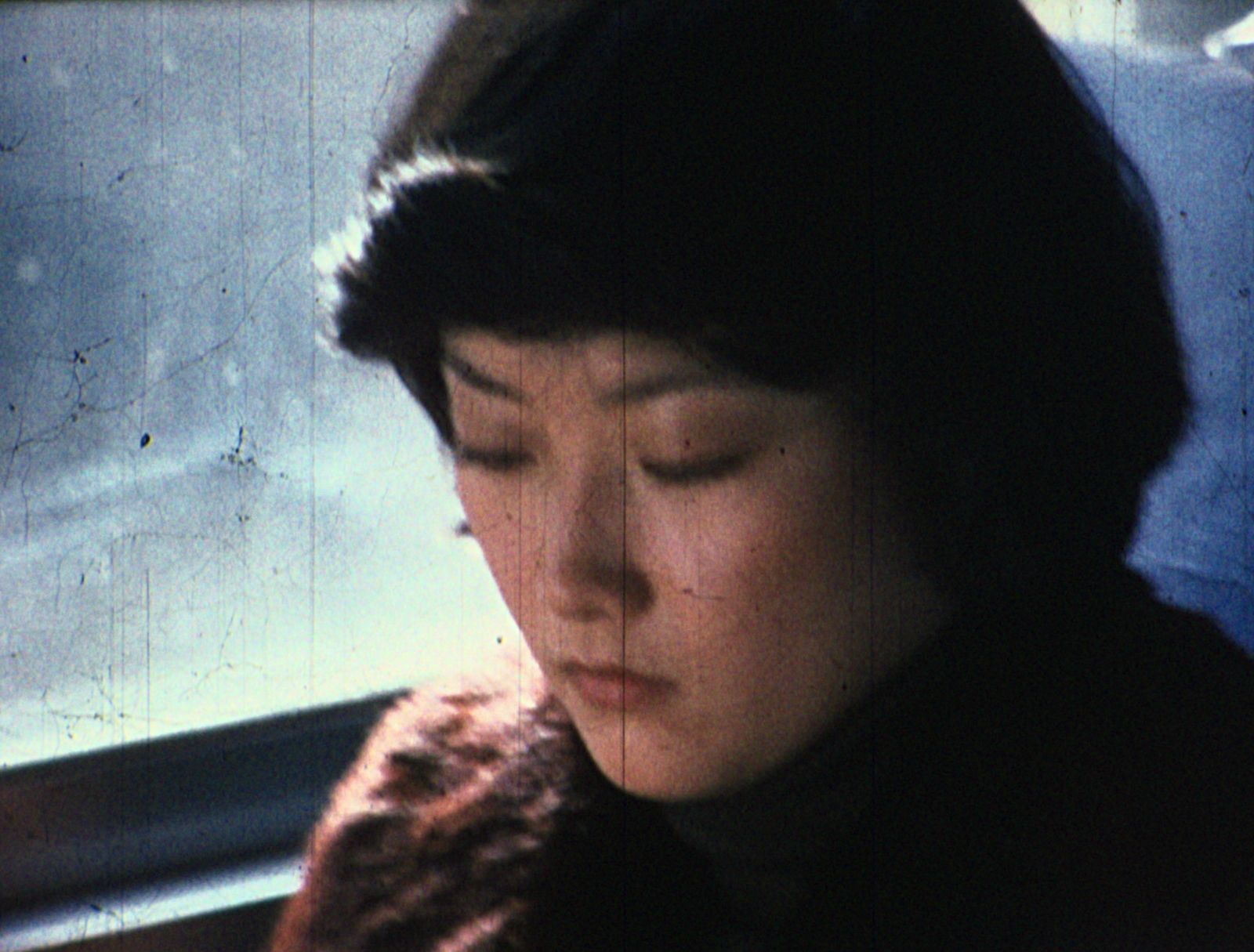
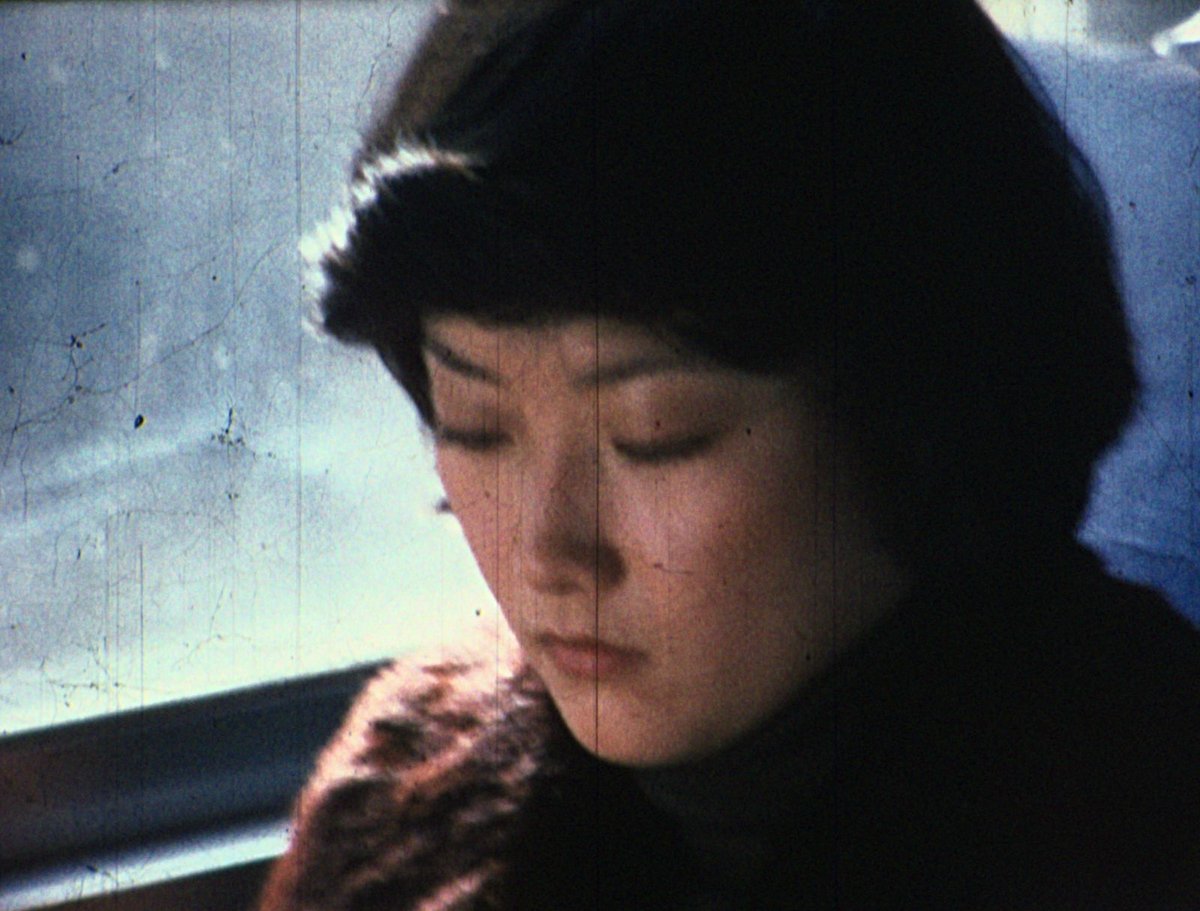
Raw, defiant, and visionary, these short films—one section of the fiercely collective and formally subversive work of Kaidu Club, the other the quietly personal and observational films of Kim Hong-joon and Hwang Ju-ho—represent crucial precursors to Korean independent cinema that opened alternative paths for filmmaking outside the mainstream.
Please note: a selection of Han Okhi’s short films are presented in the only available format, which is of sub-standard quality.
Han Okhi and Kaidu Club, Korea’s first feminist experimental film collective, pioneered a boldly radical practice. Founded in 1974 by Han and fellow Ewha Womans University graduates, the group rejected patriarchal and commercial conventions through collective, amateur 16mm production. Their works employ avant-garde techniques—flicker effects, Dutch angles, dialectical montage, double exposure, altered speeds, and performative gestures—to explore confinement, inner desire, liberation, and resistance to social repression and film censorship. Often blending abstraction, symbolism, and feminist rebellion, their cinema functioned as both artistic protest and formal experimentation, laying vital groundwork for later women’s and experimental film practices.
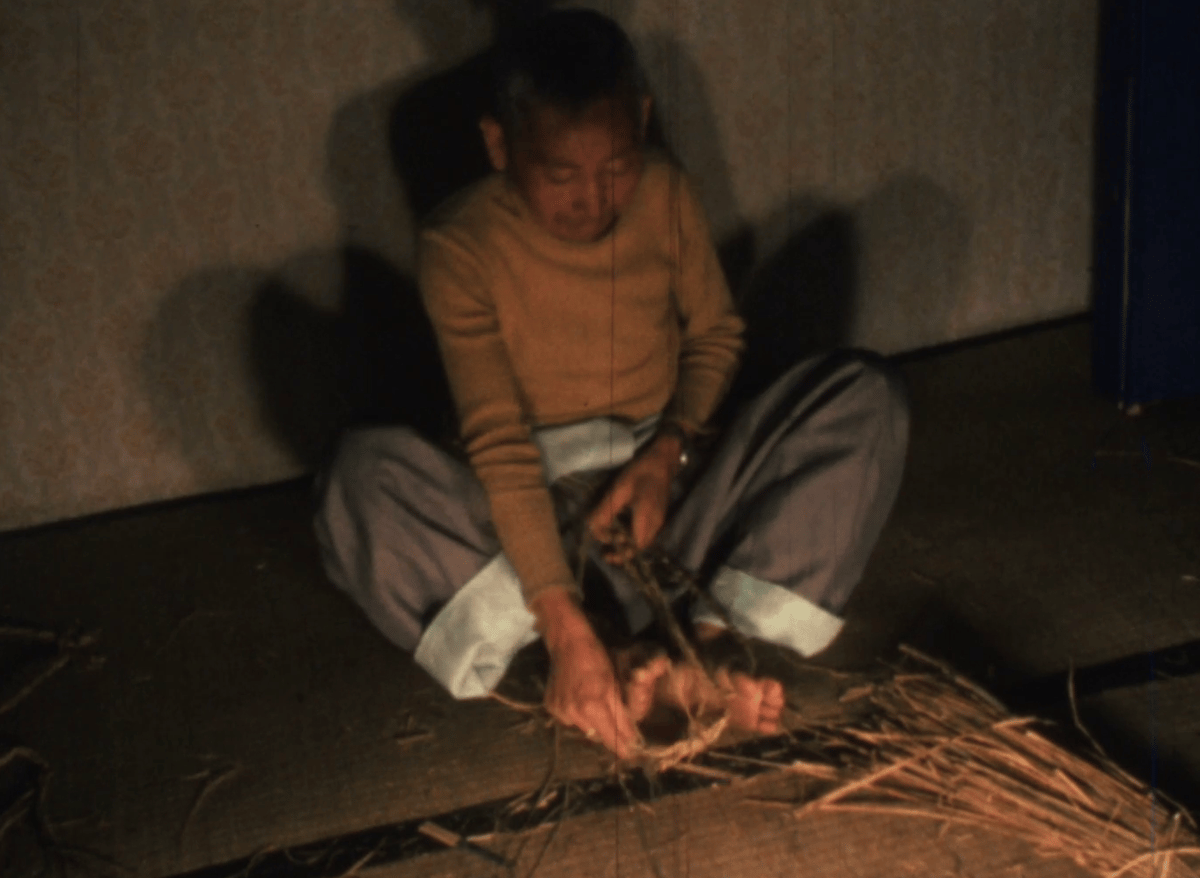
In contrast, Kim Hong-jun and Hwang Ju-ho (then Seoul National University students) created intimate, personal shorts using small-gauge 8mm cameras. Their works captured the rhythms of everyday life and rapid urbanization through observational and structural approaches—dynamic city symphonies, tender records of disappearing traditional crafts, and subtle sonic explorations—offering quiet, poetic reflections on modernization without overt political confrontation. These “personal films” emphasized direct, unscripted documentation and rhythmic editing.
Together, the shorts in this program represent crucial precursors to Korean independent cinema: one strand fiercely collective and formally subversive, the other quietly personal and observational. Raw, defiant, and visionary, they opened alternative paths for filmmaking outside the mainstream.
Hole / 구멍
Han Okhi, 1974, South Korea, 8m
The Middle Dog Days / 중복
Han Okhi, 1974, South Korea, 7m
2minutes40seconds
Han Okhi, 1975, South Korea, 10m
Color of Korea / 색동
Han Okhi, 1976, South Korea, 8m
Untitled 77-A / 무제 77-A
Han Okhi, 1977, South Korea, 6m
Seoul 7000 | 서울 7000
Kim Hong-joon, Hwang Ju-ho, 1976, South Korea, 8m
Straw Shoes | 짚신
Kim Hong-joon, Hwang Ju-ho, 1977, South Korea, 16m
Sound of Laughter | 웃음소리
Kim Hong-joon, Hwang Ju-ho, 1977, South Korea, 13m
Han Okhi works provided by the National Asian Culture Center





Read More
Miroirs No. 3 Director Christian Petzold on His Haunting New Film
On the latest episode of FLC Luminaries, our video series that spotlights talent at all levels of the filmmaking process who uplift the art and craft of cinema, Miroirs No. 3 director discusses his haunting, beautifully crafted new film.
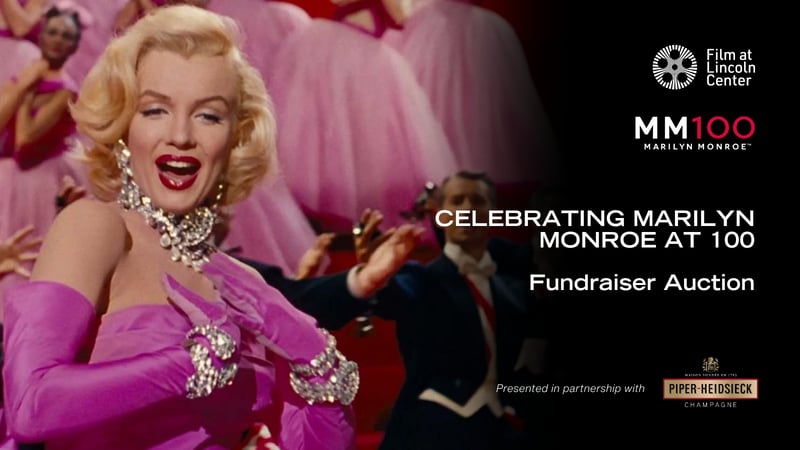
Film at Lincoln Center Launches Fundraiser Auction in Celebration of Marilyn Monroe Centennial
FLC is partnering with Piper-Heidsieck Champagne for a one-night-only special event featuring an archival 35mm print of Howard Hawks’s classic, Gentlemen Prefer Blondes. Click here to read more about the event. This special fundraiser auction features Marilyn Monroe-themed art, memorabilia, and an exclusive trip to Champagne, France, featuring a behind-the-scenes Piper-Heidsieck experience.
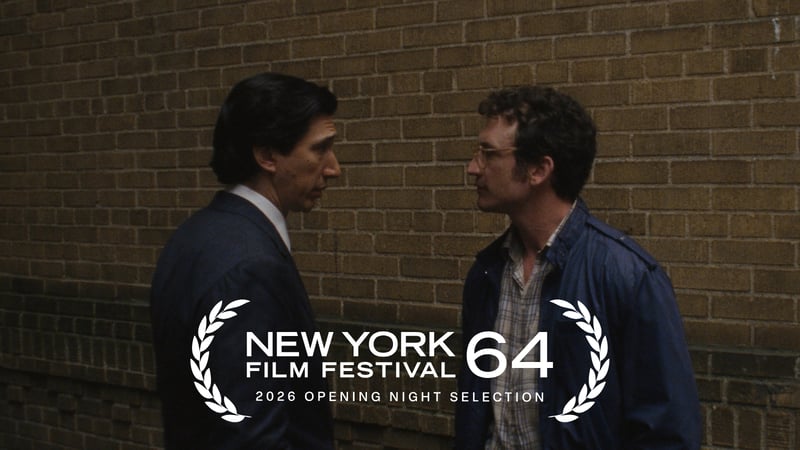
James Gray’s Paper Tiger Will Open the 64th New York Film Festival
FLC announces James Gray’s Paper Tiger as the Opening Night selection of the 64th New York Film Festival, presented in partnership with Rolex. The film will make its North American premiere in a gala debut at Alice Tully Hall on Friday, September 25, with Gray and members of the cast and crew in attendance.


