Remonstrance
Joachim Trier: The Oslo Trilogy
January 28 - February 3, 2022
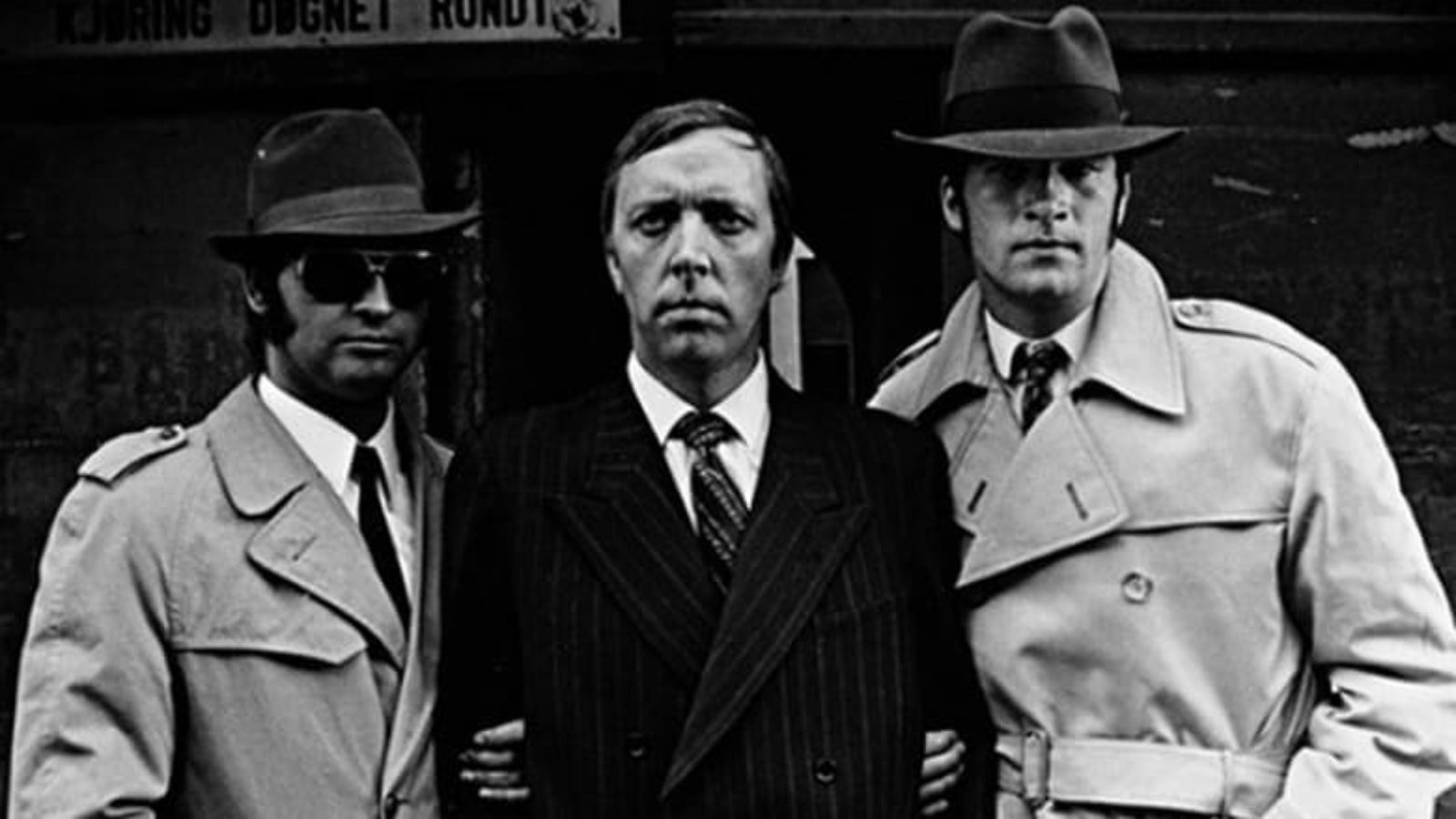
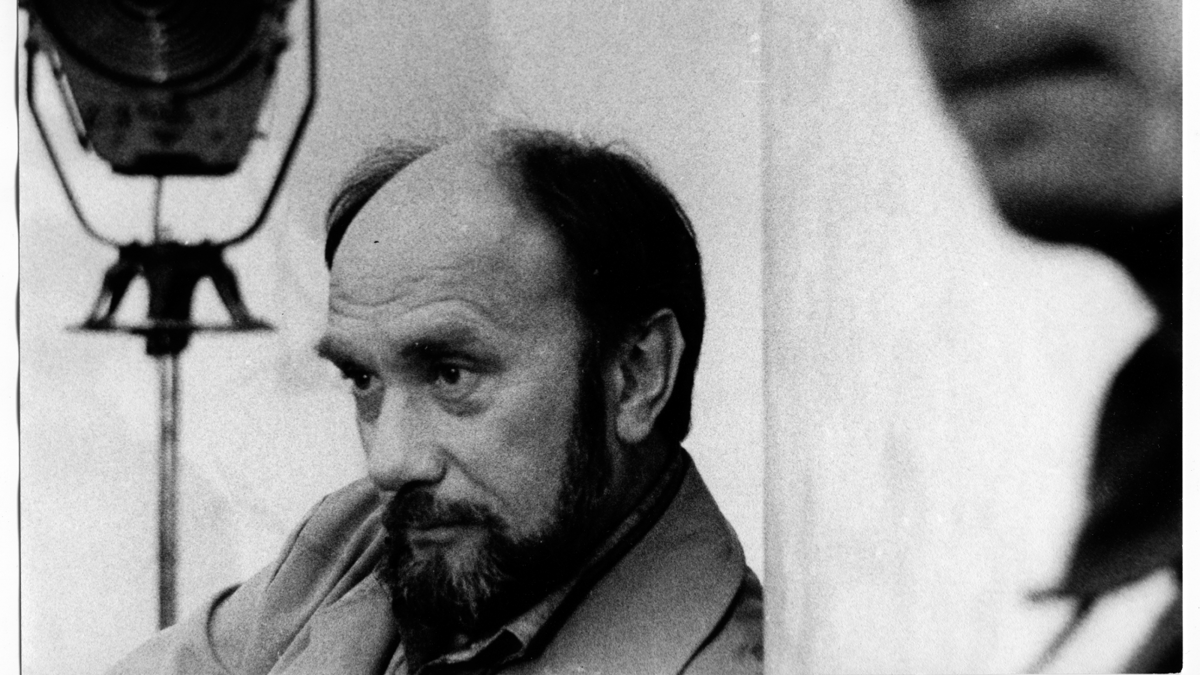
The story of a film crew trying to make a political film, Remonstrance brilliantly captures the posing and grandstanding that sometimes accompanies political discussions, especially around correct form in art.
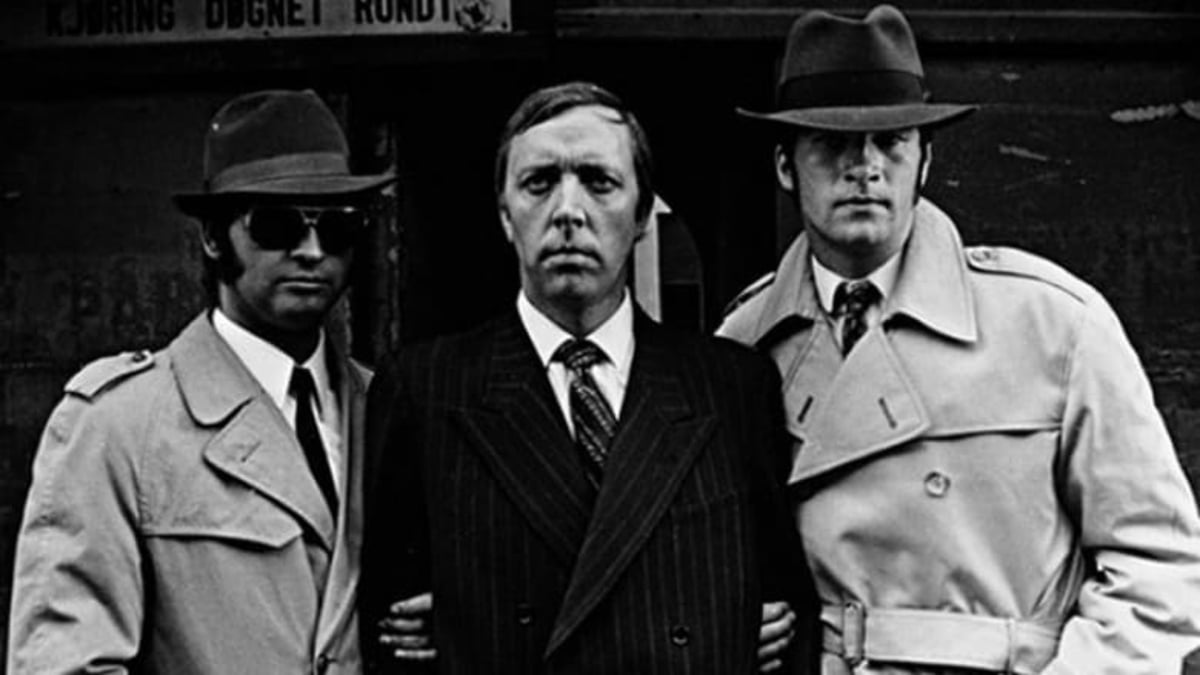
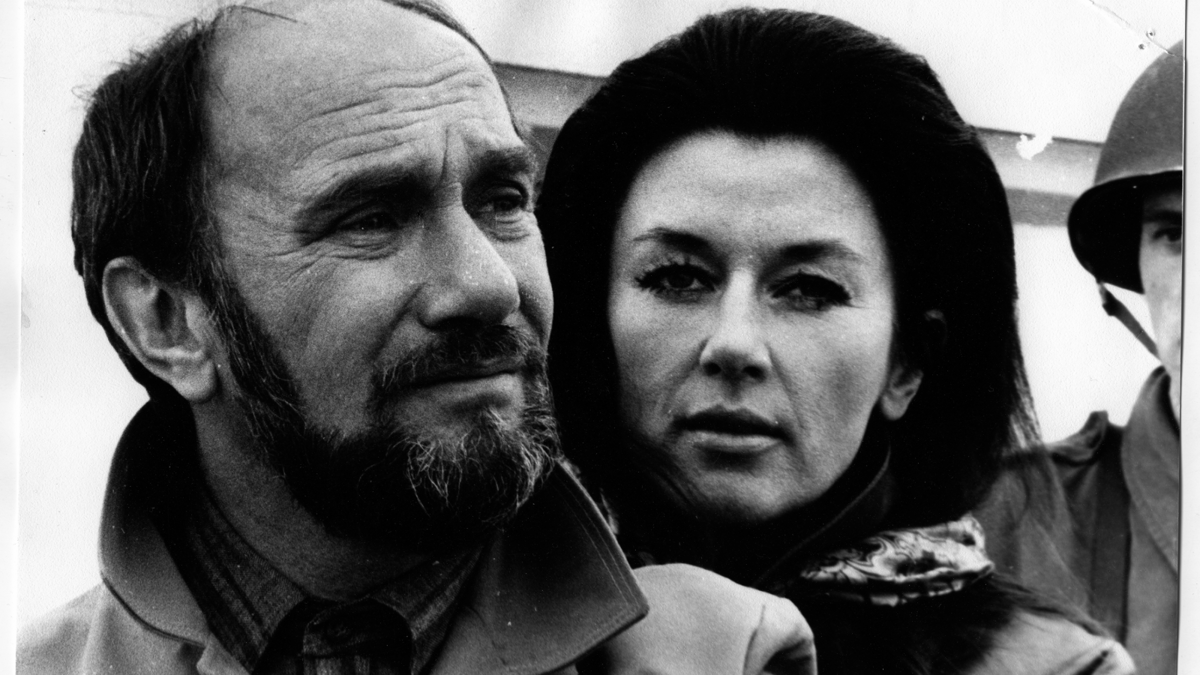
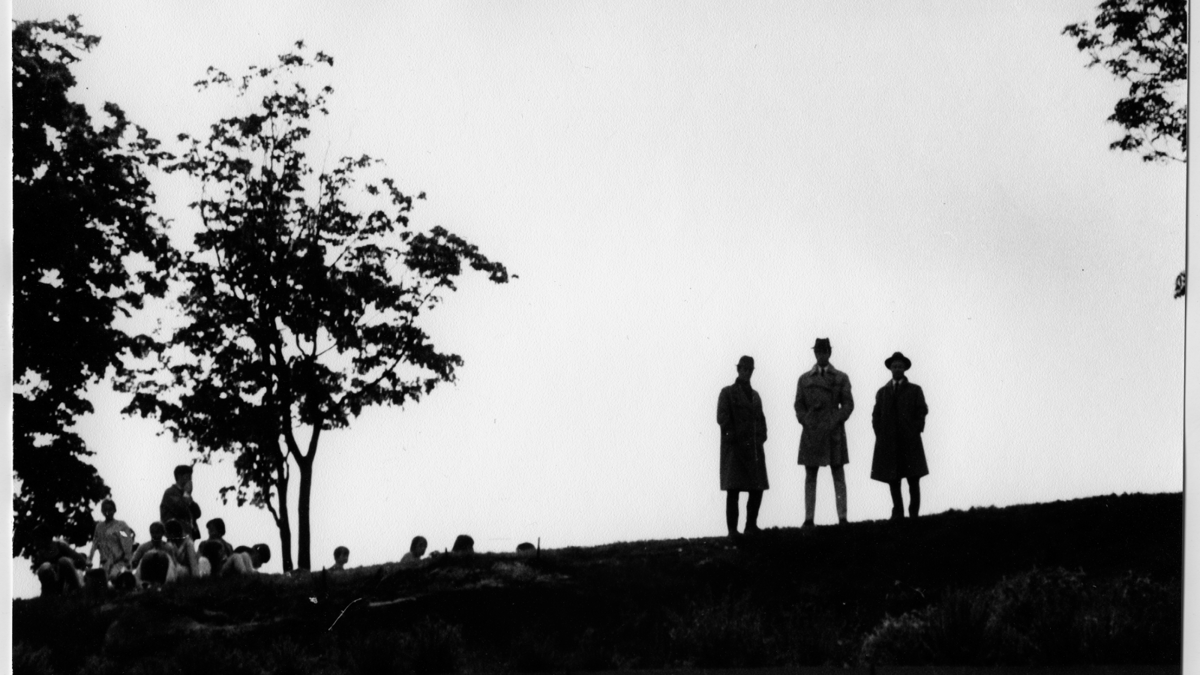
The impact on artists of the ’68 civil unrest was felt internationally, even in those countries that did not themselves directly experience social and political upheaval. In 1959 Norwegian filmmaker (and Trier’s grandfather) Erik Løchen had made The Hunt, a fascinating, modernist work that paralleled the better-known experiments with cinematic storytelling of Resnais, Godard, Antonioni, and others. Løchen returned to feature films in 1972 with Remonstrance, an even more radical cinematic experiment. The story of a film crew trying to make a political film, Remonstrance brilliantly captures the posing and grandstanding that sometimes accompanies political discussions, especially around correct form in art, but Løchen goes his characters one better: he designed Remonstrance so that its five reels could be shown in any order, rendering 120 possible versions of the film.
Joachim’s grandfather Eric Løchen’s second feature film is in our opinion even more remarkable than his 1959 debut feature, Jakten. A unique experiment in film form where the five reels could be shown in different order, but constructed in such a way that each variant would make sense as a story. Løchen had suffered the trauma of surviving imprisonment during the Nazi occupation of Norway and wanted to challenge a conventional understanding of Norwegian society during the Cold War. He didn’t want to constrain the audience to a fixed narrative, but believed cinema could make the spectator complicit in shaping the narrative. The film is also a – at times very funny – meta reflection upon the creation of a film. —Joachim Trier and Eskil Vogt

Read More
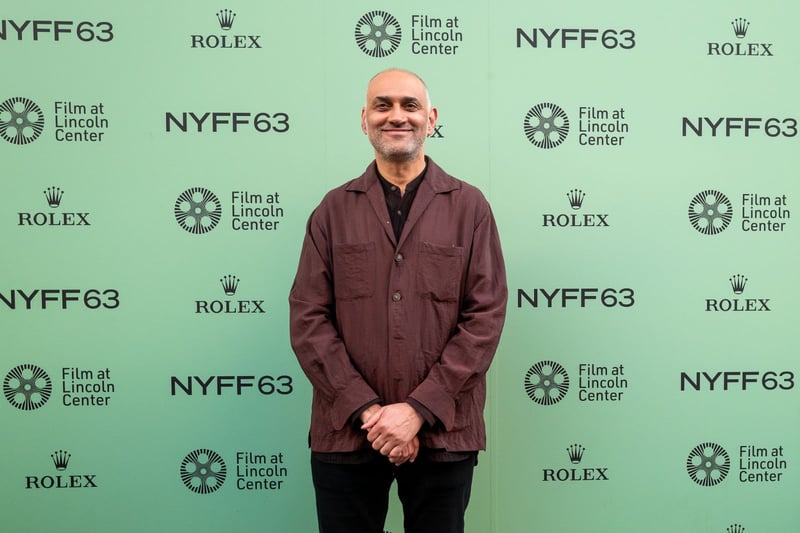
Kamal Aljafari on With Hasan in Gaza and ‘The Camera of the Dispossessed’
Our 63rd New York Film Festival Talks featured a special conversation with With Hasan in Gaza director Kamal Aljafari, moderated by Film Comment editor Devika Girish.
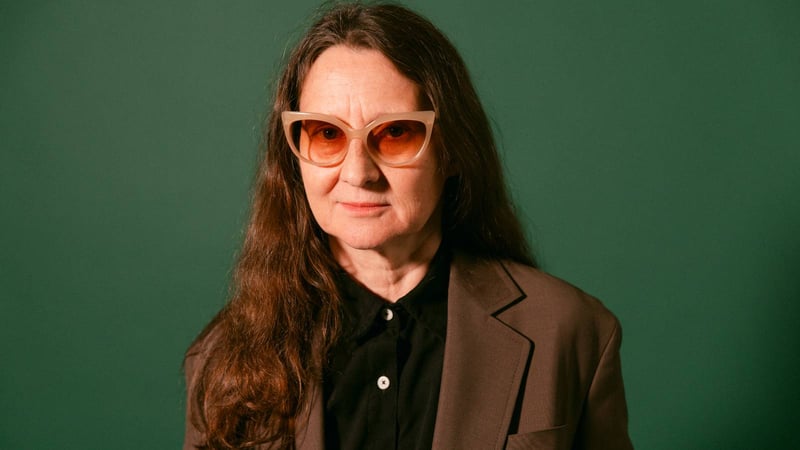
Lucrecia Martel on Our Land (Nuestra Tierra), the Filmmaker’s First Feature Documentary
On the latest episode of FLC Luminaries, our video series that spotlights talent at all levels of the filmmaking process who uplift the art and craft of cinema, Our Land (Nuestra Tierra) director Lucrecia Martel discusses her expansive and enlightening first feature documentary.
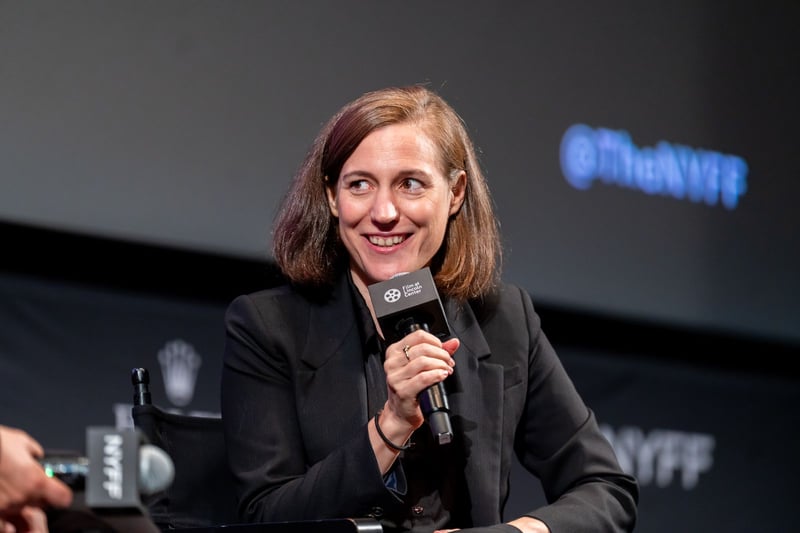
Carla Simón on Her Poignantly Autobiographical Romería
This week we’re excited to present a conversation from the 63rd New York Film Festival with Romería director Carla Simón, moderated by NYFF Main Slate selection committee member Florence Almozini.


