Second Tier: George Stevens
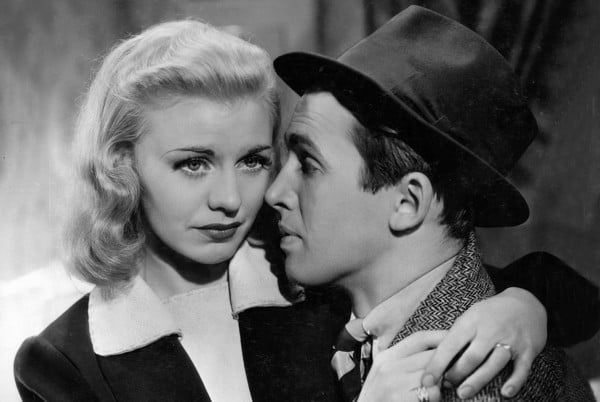
This citywide series of screenings dedicated to underappreciated auteurs from Hollywood’s Golden Age and beyond comes to the Film Society with a celebration of the work of director George Stevens. Featuring Vivacious Lady (1938, USA; 90m) and George Stevens: D-Day to Berlin (1994, USA, Digital; 46m).
This citywide series of screening events dedicated to underappreciated auteurs from Hollywood's Golden Age and beyond comes to the Film Society for a night celebrating the work of director George Stevens. A two-time Oscar winner (for the iconic Elizabeth Taylor vehicles Giant and A Place in the Sun), Stevens spent much of his career on the Hollywood A-list, but was roundly dismissed as an empty craftsman by the young Turks of Cahiers du cinéma and by Andrew Sarris in The American Cinema. Today, his intelligent crowd-pleasers and ambitious melodramas beg reevaluation for their acute insights into the American character.
Vivacious Lady | 1938 | USA | 93m
After falling in love at first sight in New York City, a shy professor (Jimmy Stewart) brings his new wife, a nightclub singer (Ginger Rogers), home to his patrician small town family, to mixed results. Rogers and Stewart were actually involved, and the chemistry between the two is palpable, which adds to the screwball frustration of the two newlyweds who cannot get a moment alone. This charming romance is notable for its stretched-out comedic tone (as slow as His Girl Friday is fast) and for what may be the best catfight in cinema history.
George Stevens: D-Day to Berlin | 1994 | USA | 46m
Introduction by Film Comment Editor-at-Large Kent Jones. During WWII, Stevens headed a film unit known as Stevens' Irregulars, and captured breathtaking images of the landing at Normandy, the liberation of Berlin, and-most crucially-some of the only color footage of death camps at Dachau. This footage has been called “an essential visual record” of WWII by the Library of Congress, and was edited into this Emmy-winning documentary by Stevens's son, George Stevens, Jr. The experience documented here marks a transition for Stevens, who was known as a comedy director before the war, but afterwards shifted to a darker, more somber tone. This footage also plays a crucial role in Godard's Histoire(s) du cinéma.
Image courtesy of RKO / The Kobal Collection / John Miehle.
Read More
World Premiere of Ava DuVernay’s 14th Will Close the 64th New York Film Festival
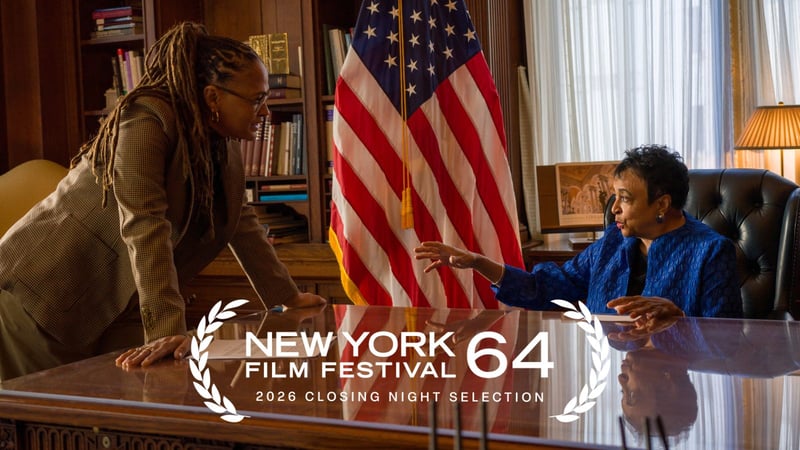
Film at Lincoln Center announces Ava DuVernay’s 14th as the Closing Night selection of the 64th New York Film Festival, making its world premiere at Alice Tully Hall on Friday, October 9, with DuVernay and film participants in attendance.
Miroirs No. 3 Director Christian Petzold on His Haunting New Film
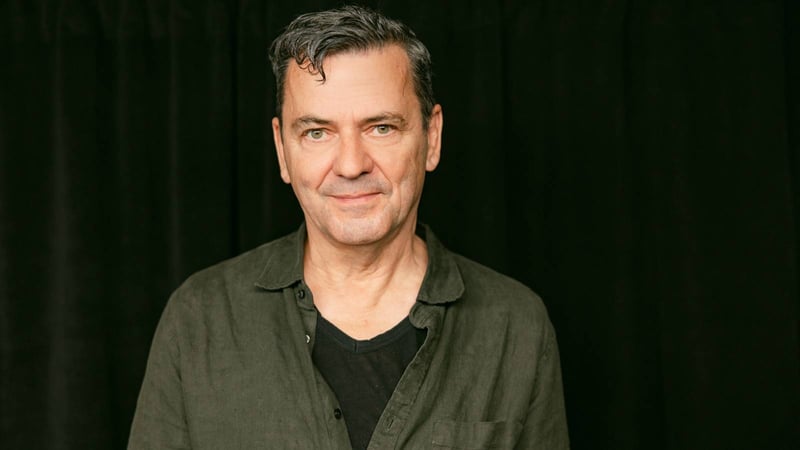
On the latest episode of FLC Luminaries, our video series that spotlights talent at all levels of the filmmaking process who uplift the art and craft of cinema, Miroirs No. 3 director discusses his haunting, beautifully crafted new film.
Film at Lincoln Center Launches Fundraiser Auction in Celebration of Marilyn Monroe Centennial
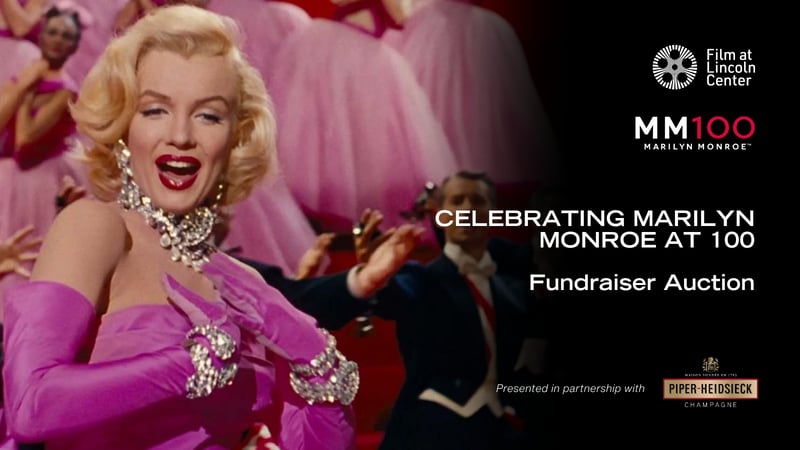
FLC is partnering with Piper-Heidsieck Champagne for a one-night-only special event featuring an archival 35mm print of Howard Hawks’s classic, Gentlemen Prefer Blondes. Click here to read more about the event. This special fundraiser auction features Marilyn Monroe-themed art, memorabilia, and an exclusive trip to Champagne, France, featuring a behind-the-scenes Piper-Heidsieck experience.


