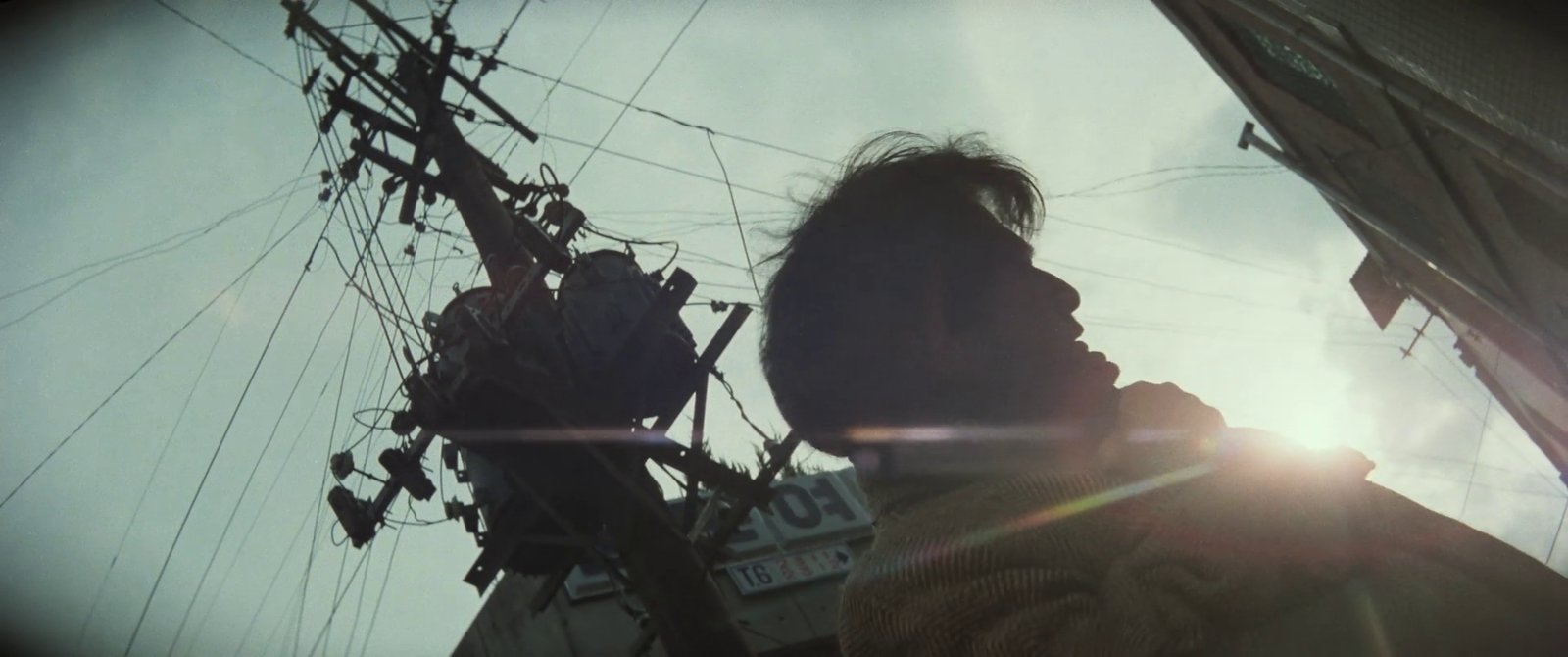
The Last Witness
Series sponsored by
Korean Cinema’s Celluloid Fever: The 1970s
May 15 - 26
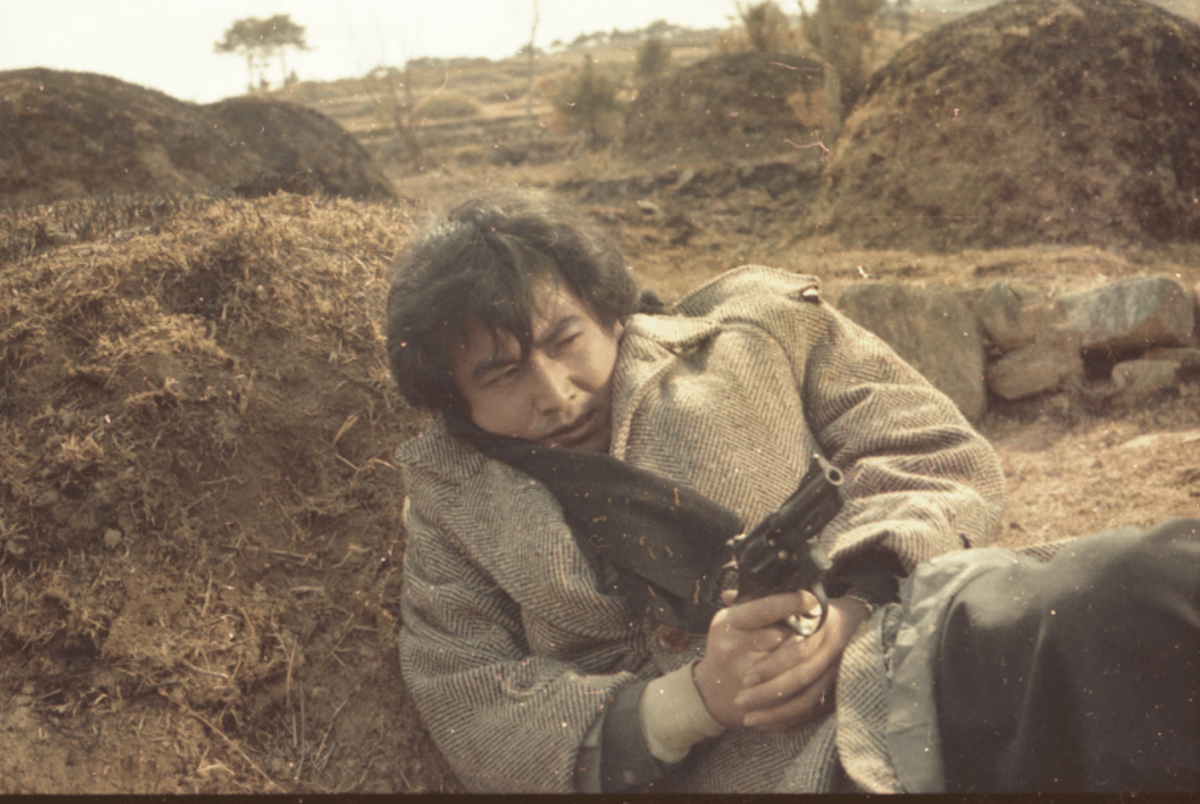
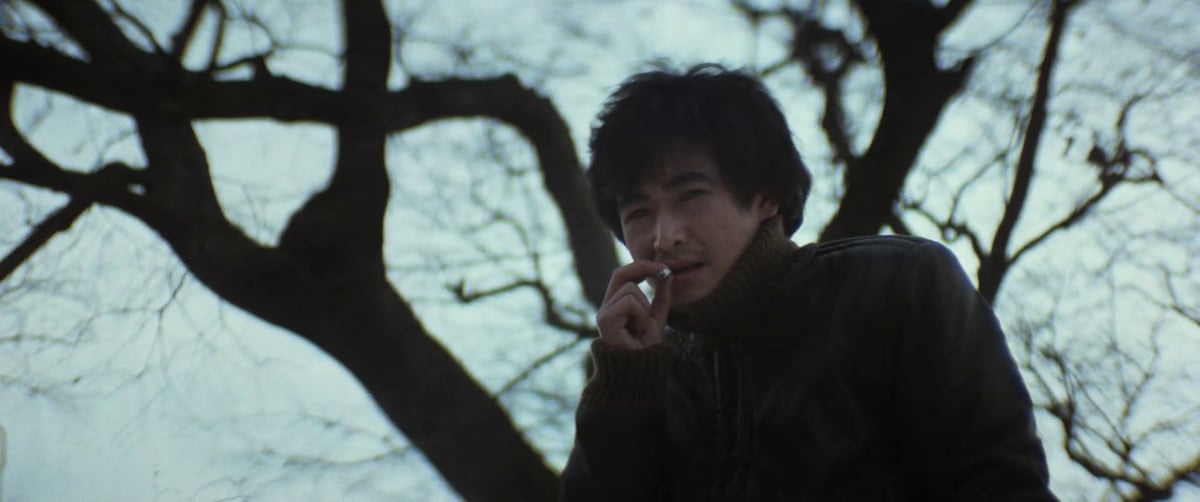
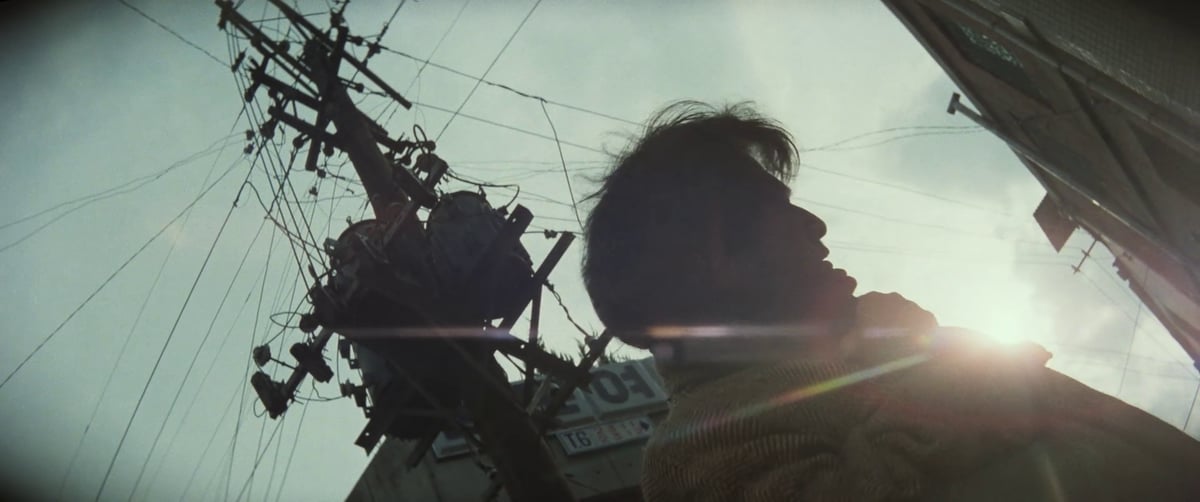
Lee Doo-yong’s towering masterpiece turns a sprawling procedural about a detective tracking a killer into a full-scale excavation of Korea’s buried history.
Straddling the end of the 1970s and the dawn of a new military regime, Lee Doo-yong’s The Last Witness turns a murder case into a full-scale excavation of Korea’s buried history. Detective Oh (Hah Myung-joong), tracking the killing of a brewery owner, hits the road across wintry landscapes and remote villages, uncovering a chain of Korean War–era atrocities, partisan guerrillas, betrayals, and cover-ups that bind the present to crimes long suppressed. Better known at the time for hard-edged action films, Lee crafts a patient, sprawling procedural that also plays like a bleak road movie, its snowbound vistas and austere compositions giving the journey an almost existential weight. Once seen only in heavily cut form, The Last Witness now emerges in restoration as a towering masterpiece of Korean cinema: genre turned into a searing allegory of a society built on unacknowledged ghosts. Restored in 2016 by the Korean Film Archive.

Read More
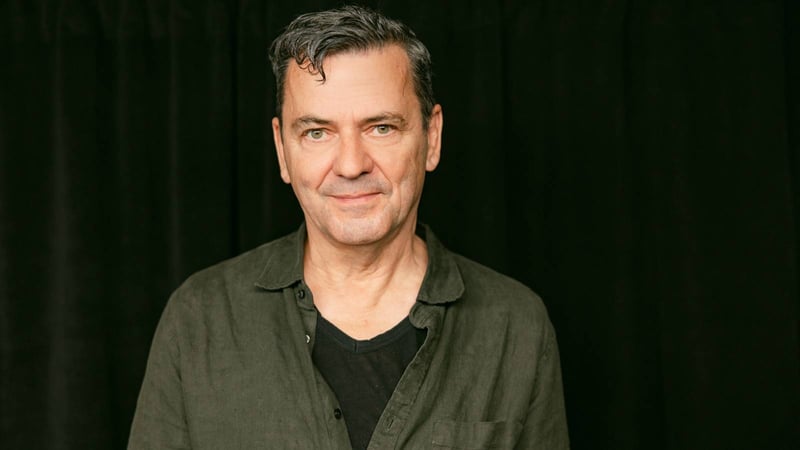
Miroirs No. 3 Director Christian Petzold on His Haunting New Film
On the latest episode of FLC Luminaries, our video series that spotlights talent at all levels of the filmmaking process who uplift the art and craft of cinema, Miroirs No. 3 director discusses his haunting, beautifully crafted new film.
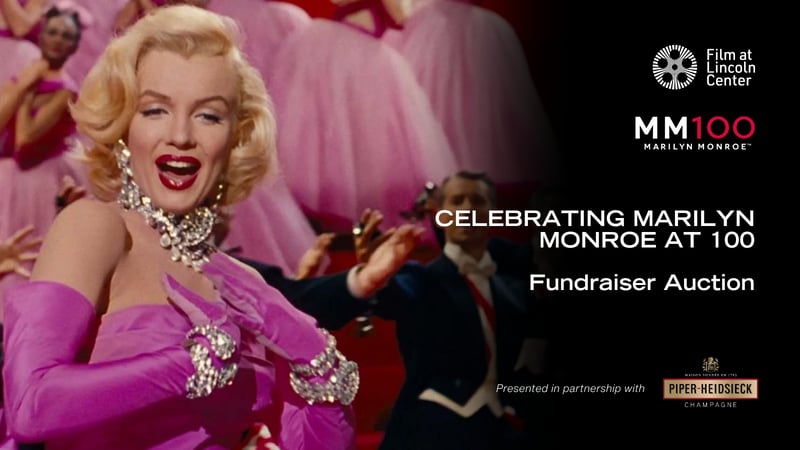
Film at Lincoln Center Launches Fundraiser Auction in Celebration of Marilyn Monroe Centennial
FLC is partnering with Piper-Heidsieck Champagne for a one-night-only special event featuring an archival 35mm print of Howard Hawks’s classic, Gentlemen Prefer Blondes. Click here to read more about the event. This special fundraiser auction features Marilyn Monroe-themed art, memorabilia, and an exclusive trip to Champagne, France, featuring a behind-the-scenes Piper-Heidsieck experience.
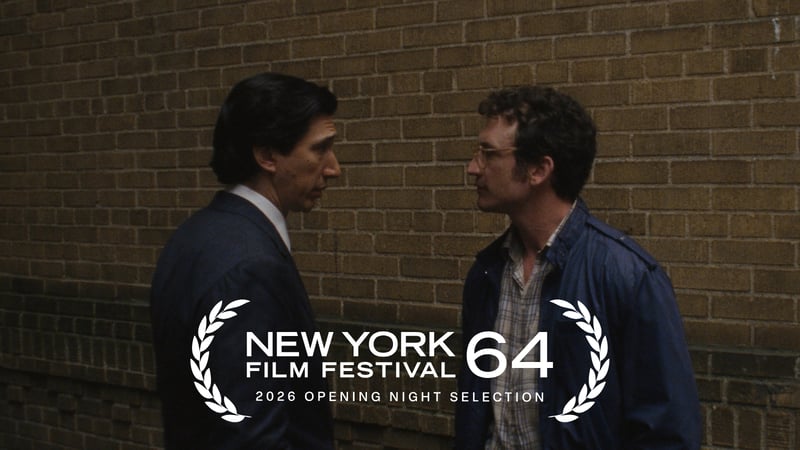
James Gray’s Paper Tiger Will Open the 64th New York Film Festival
FLC announces James Gray’s Paper Tiger as the Opening Night selection of the 64th New York Film Festival, presented in partnership with Rolex. The film will make its North American premiere in a gala debut at Alice Tully Hall on Friday, September 25, with Gray and members of the cast and crew in attendance.


