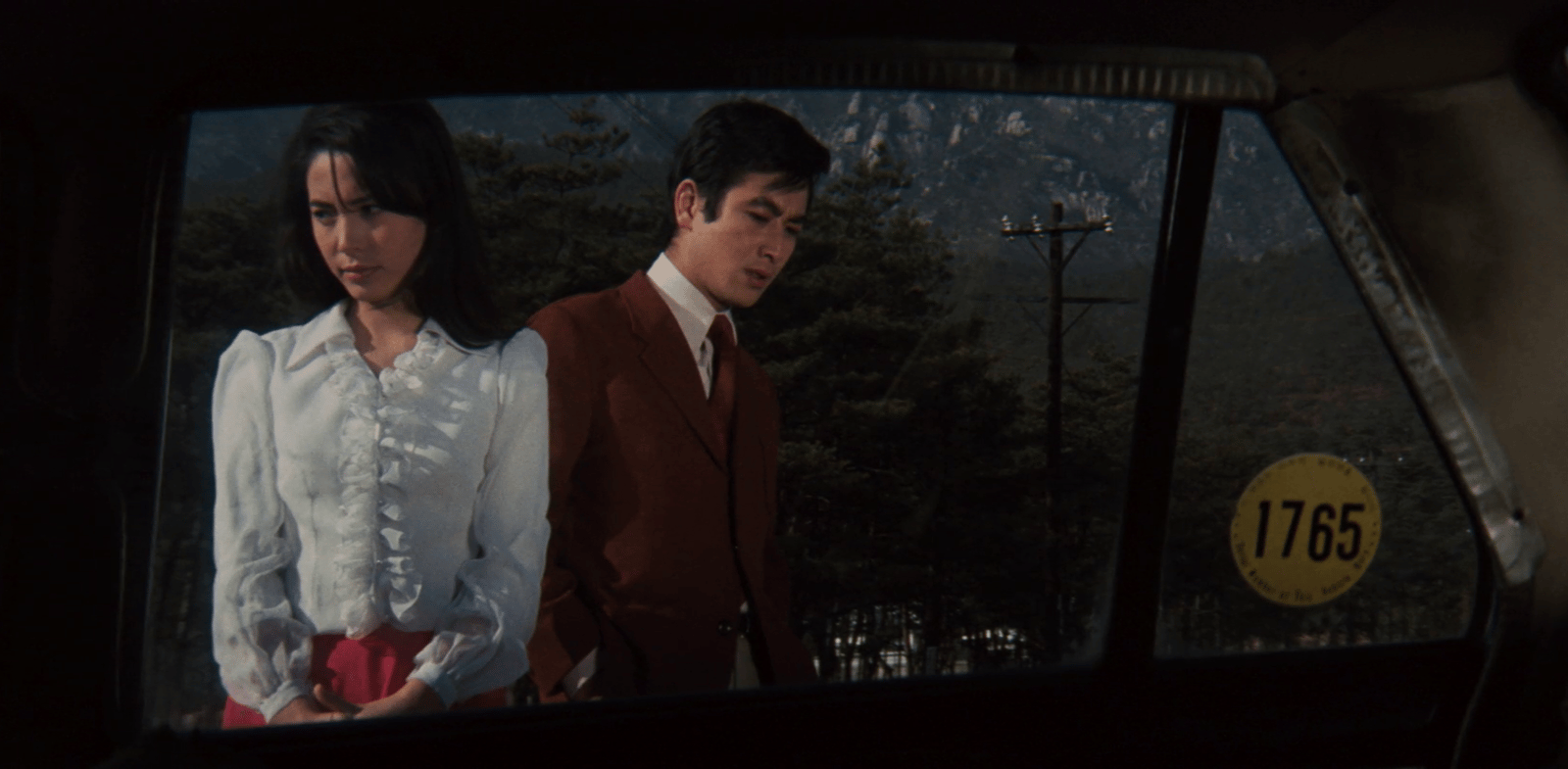
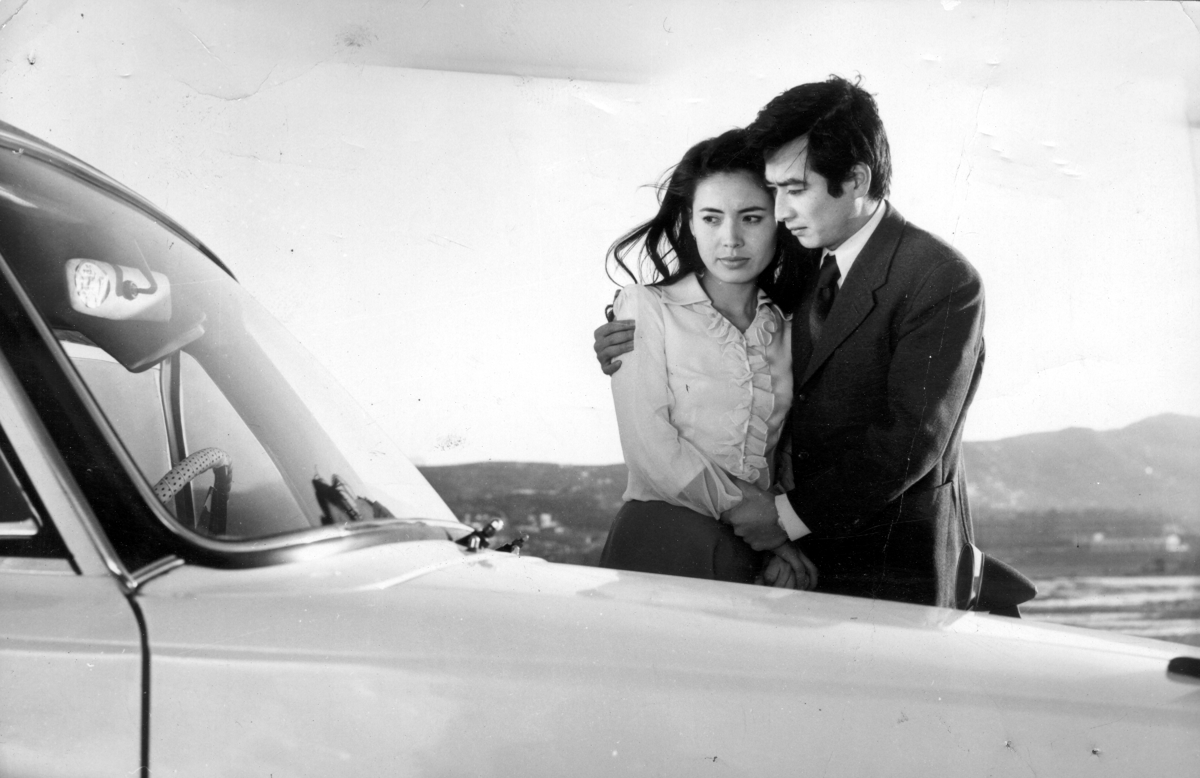
The Pollen of Flowers
Series sponsored by

Korean Cinema’s Celluloid Fever: The 1970s
May 15 - 26
Long marginalized and now reclaimed as a landmark of Korean queer cinema, Ha Gil-jong’s debut feature traps a powerful businessman, his mistress, and his young male secretary in a slow-burn game of seduction, domination, and betrayal.
Welcome to a rich man’s villa, where everyone is gorgeous, bored, and headed for disaster. With influences ranging from Kim Ki-young to Pasolini, Ha Gil-jong’s debut feature blooms into a transgressive chamber piece, trapping a powerful businessman, his mistress, and his young male secretary (Ha’s brother Hah Myung-joong) in a slow-burn game of seduction, domination, and betrayal. The camera glides, the décor is lush, and the film’s languid surfaces quietly smuggle in a subversive treatment of sexuality and class, all set to a drifting, psychedelic score by rock legend Shin Joong-hyun. Ha refuses to crown simple victims or villains, mirroring a society where power circulates through bodies as much as institutions. Long marginalized and now reclaimed as a landmark of Korean queer cinema, The Pollen of Flowers also plays as a coolly furious allegory of Park Chung-hee–era power and complicity. Digitally mastered in 2013 under the supervision of the Korean Film Archive.



Read More
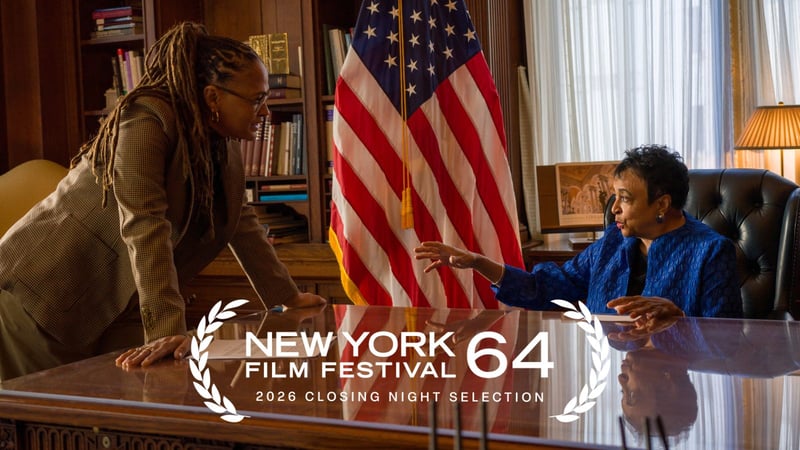
World Premiere of Ava DuVernay’s 14th Will Close the 64th New York Film Festival
Film at Lincoln Center announces Ava DuVernay’s 14th as the Closing Night selection of the 64th New York Film Festival, making its world premiere at Alice Tully Hall on Friday, October 9, with DuVernay and film participants in attendance.
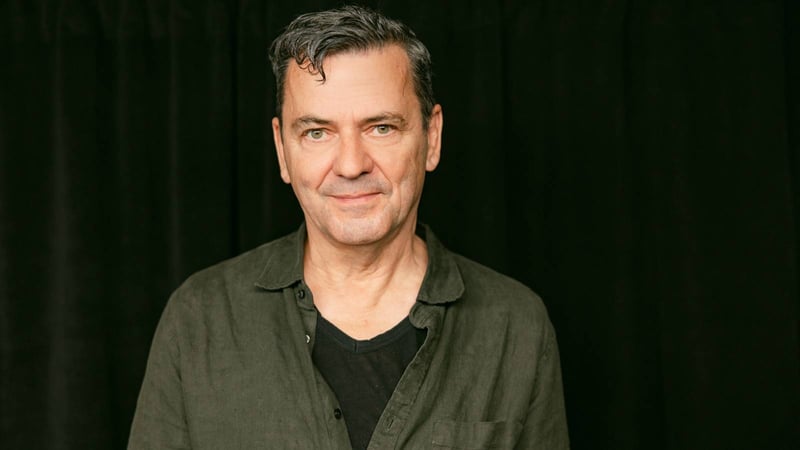
Miroirs No. 3 Director Christian Petzold on His Haunting New Film
On the latest episode of FLC Luminaries, our video series that spotlights talent at all levels of the filmmaking process who uplift the art and craft of cinema, Miroirs No. 3 director discusses his haunting, beautifully crafted new film.
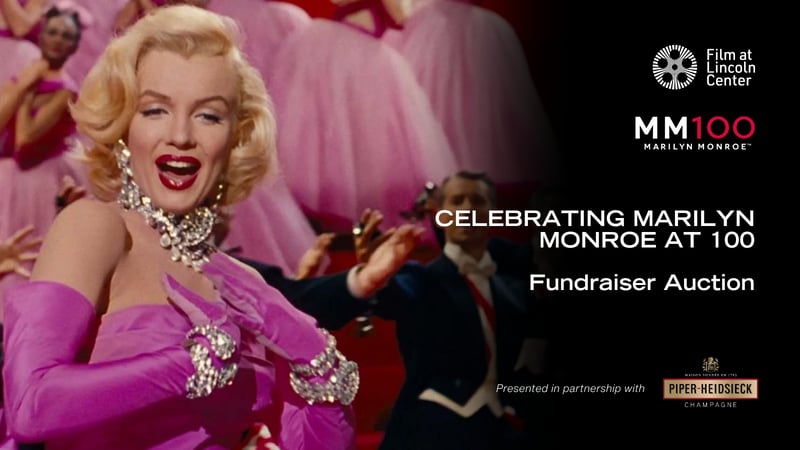
Film at Lincoln Center Launches Fundraiser Auction in Celebration of Marilyn Monroe Centennial
FLC is partnering with Piper-Heidsieck Champagne for a one-night-only special event featuring an archival 35mm print of Howard Hawks’s classic, Gentlemen Prefer Blondes. Click here to read more about the event. This special fundraiser auction features Marilyn Monroe-themed art, memorabilia, and an exclusive trip to Champagne, France, featuring a behind-the-scenes Piper-Heidsieck experience.


