
The River Fuefuki
The Films of Keisuke Kinoshita
November 7 - 15, 2012
Designed to resemble a scroll painting, Kinoshita’s handsome medieval period epic traces a farm family’s gradual succumbing to the military spirit.
Again consciously moving outside of his comfort zone, Kinoshita took on the directing of a big-budget, medieval period epic—somewhat of a rarity in his home base, Shochiku, a studio known for its dedication to shomin-geki, or stories of everyday life. Yet while the battle scenes and historical detail are brilliantly executed, the focus in The River Fuefuki remains strongly on the internal dynamics of family life. When Sozo, the eldest son of a family of farmers, decides to become the retainer to a powerful warlord, his disappointed and fearful parents realize they have no other option than to let him go. But then the lure of military service begins to spread among their younger sons. The film carries an unmistakable anti-war message while detailing how the seeds of militarism in young people gradually take root and finally blossom. Kinoshita based the visual design of the film on scroll painting, capturing the sense of brushstrokes with wide swatches of color.


Read More
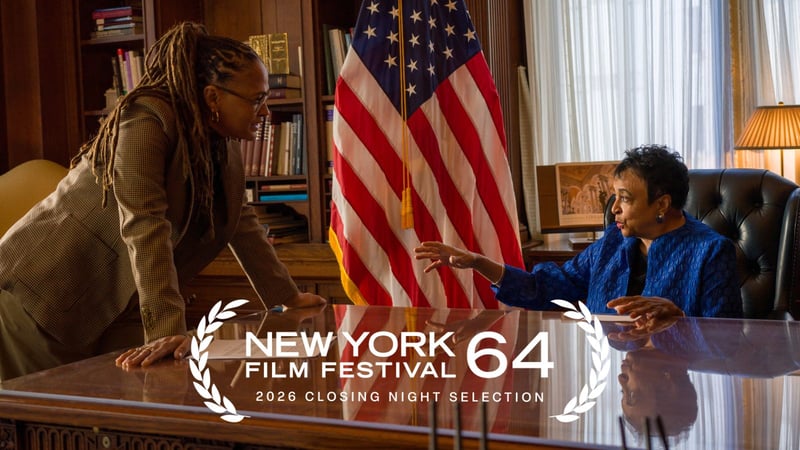
World Premiere of Ava DuVernay’s 14th Will Close the 64th New York Film Festival
Film at Lincoln Center announces Ava DuVernay’s 14th as the Closing Night selection of the 64th New York Film Festival, making its world premiere at Alice Tully Hall on Friday, October 9, with DuVernay and film participants in attendance.
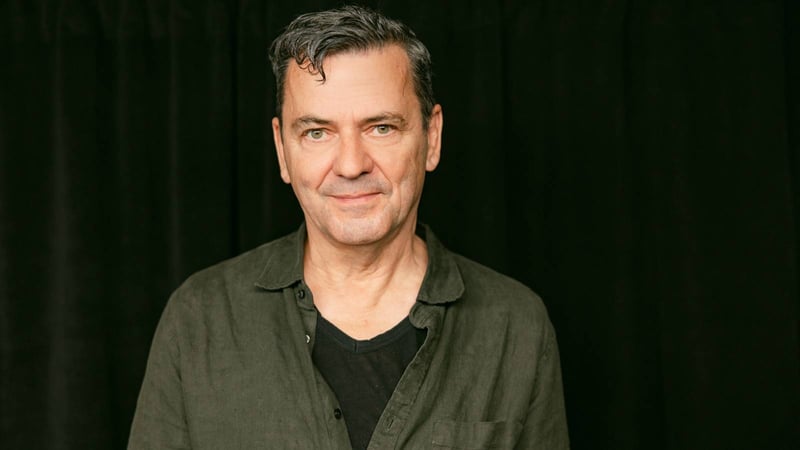
Miroirs No. 3 Director Christian Petzold on His Haunting New Film
On the latest episode of FLC Luminaries, our video series that spotlights talent at all levels of the filmmaking process who uplift the art and craft of cinema, Miroirs No. 3 director discusses his haunting, beautifully crafted new film.
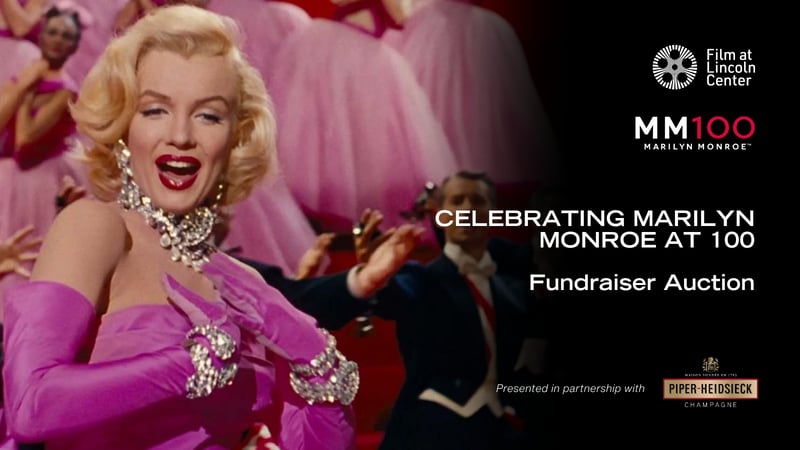
Film at Lincoln Center Launches Fundraiser Auction in Celebration of Marilyn Monroe Centennial
FLC is partnering with Piper-Heidsieck Champagne for a one-night-only special event featuring an archival 35mm print of Howard Hawks’s classic, Gentlemen Prefer Blondes. Click here to read more about the event. This special fundraiser auction features Marilyn Monroe-themed art, memorabilia, and an exclusive trip to Champagne, France, featuring a behind-the-scenes Piper-Heidsieck experience.


