Zigeunerweisen
Action and Anarchy: The Films of Seijun Suzuki
November 6 - 17, 2015
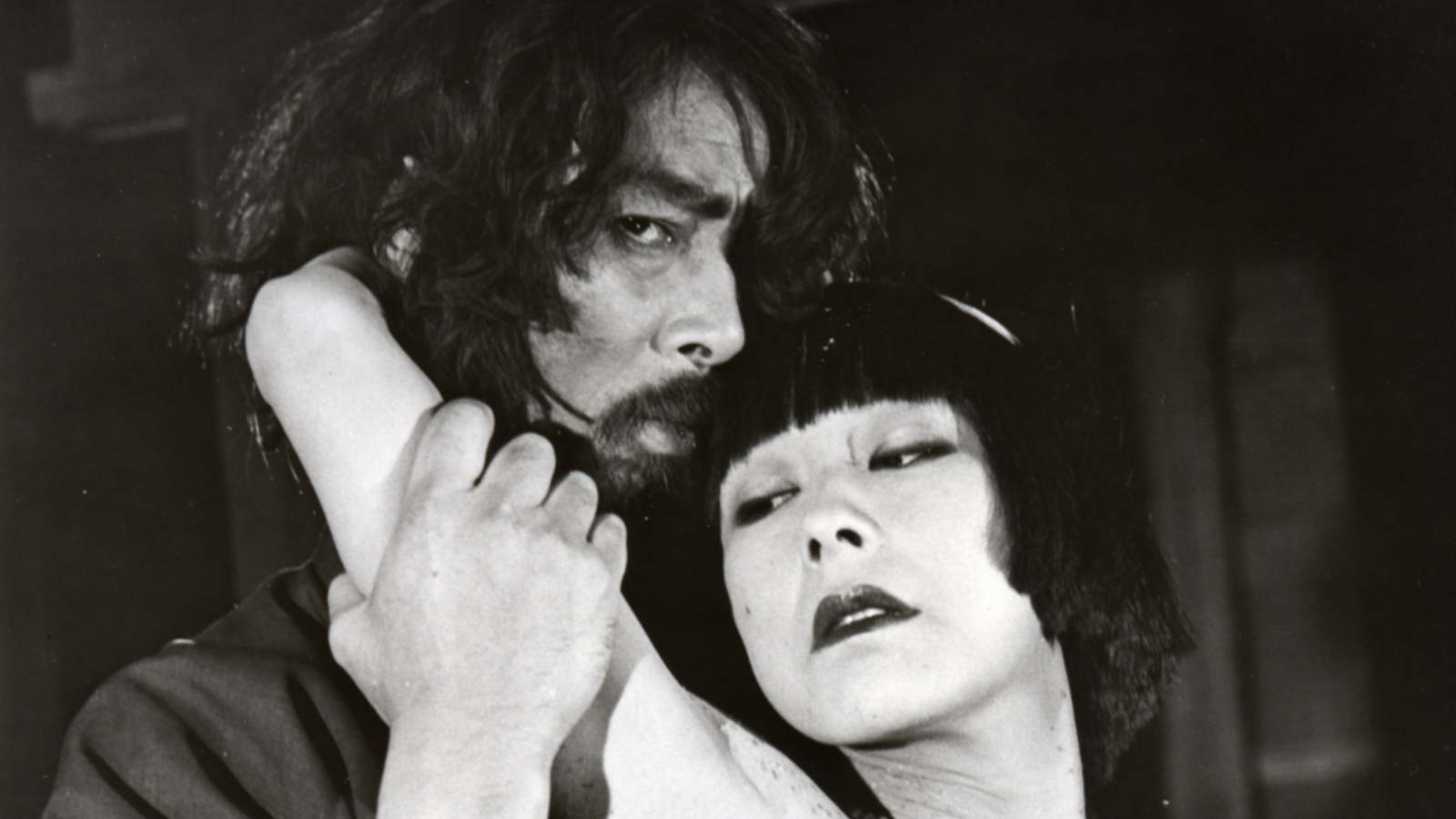
Taking its title from a recording of violin music by Pablo de Sarasate, Zigeunerweisen is a metaphysical ghost story involving love triangles, doppelgängers, and a blurred line between the worlds of the living and the dead.
Named the best film of the 1980s in a poll of Japanese film critics, Zigeunerweisen takes its title from a recording of violin music by Pablo de Sarasate. The piece haunts the film’s two main characters: Aochi, an uptight professor at a military academy, and his erstwhile colleague Nakasago, who is now a wild-haired wanderer and possible murderer. The movie’s plot is a metaphysical ghost story involving love triangles, doppelgängers, and a blurred line between the worlds of the living and the dead. “Underlying the teasing riddles,” writes film critic Tony Rayns, “is an aching lament for the sumptuous hybrid culture of the 1920s that was swept away by the militarism of the 1930s.” Print courtesy of the Kawakita Memorial Film Institute.
Tom Vick is the author of Time and Place are Nonsense: The Films of Seijun Suzuki.


Read More

James Gray’s Paper Tiger Will Open the 64th New York Film Festival
FLC announces James Gray’s Paper Tiger as the Opening Night selection of the 64th New York Film Festival, presented in partnership with Rolex. The film will make its North American premiere in a gala debut at Alice Tully Hall on Friday, September 25, with Gray and members of the cast and crew in attendance.

Scary Movies XIV Brings Horror and Genre-bending Cinema to Film at Lincoln Center, August 12–20
Running August 12 through August 20, the 16-film festival will premiere new works alongside special presentations of spine-tingling classics and rediscoveries conjured from the dark recesses of midnight-movie lore, with filmmakers and special guests appearing for post-screening Q&As.

Lana Daher on Her Documentary Do You Love Me
This week we’re excited to present a conversation from the 2026 edition of New Directors/New Films with Do You Love Me director Lana Daher.


