Action and Anarchy: The Films of Seijun Suzuki
In a career spanning nearly five decades, Seijun Suzuki amassed a body of work ranging from B-movie potboilers to beguiling metaphysical mysteries. A stylistic innovator working within—and rebelling against—the commercial constraints of B-movie studio work, Suzuki has been praised and had his work referenced by devotees such as Jim Jarmusch and Quentin Tarantino. On the occasion of the publication of Tom Vick’s new book, Time and Place are Nonsense: The Films of Seijun Suzuki, the Film Society presents a retrospective of Suzuki’s films, ranging from his greatest hits to a selection of seldom-seen rarities. This series is co-organized with the Japan Foundation.
In a career spanning nearly five decades, Seijun Suzuki amassed a body of work ranging from B-movie potboilers to beguiling metaphysical mysteries. A stylistic innovator working within—and rebelling against—the commercial constraints of B-movie studio work, Suzuki has been praised and had his work referenced by devotees such as Jim Jarmusch and Quentin Tarantino. On the occasion of the publication of Tom Vick’s new book, Time and Place are Nonsense: The Films of Seijun Suzuki, the Film Society presents a retrospective of Suzuki’s films, ranging from his greatest hits to a selection of seldom-seen rarities. This series is co-organized with the Japan Foundation.
Add some action and anarchy to your wardrobe with our Seijun Suzuki t-shirt designed by Nathan Gelgud!
Seijun Suzuki
1967|
Japan|
89 minutes|
Japanese with English subtitles
An anarchic send-up of B-movie clichés about an assassin whose failed attempt to kill a victim turns him into a target himself, this fractured film noir got Suzuki fired from Nikkatsu Studios, simultaneously making him a counterculture hero and putting him out of work for a decade.
Seijun Suzuki

1964|
Japan|
97 minutes|
Japanese with English subtitles
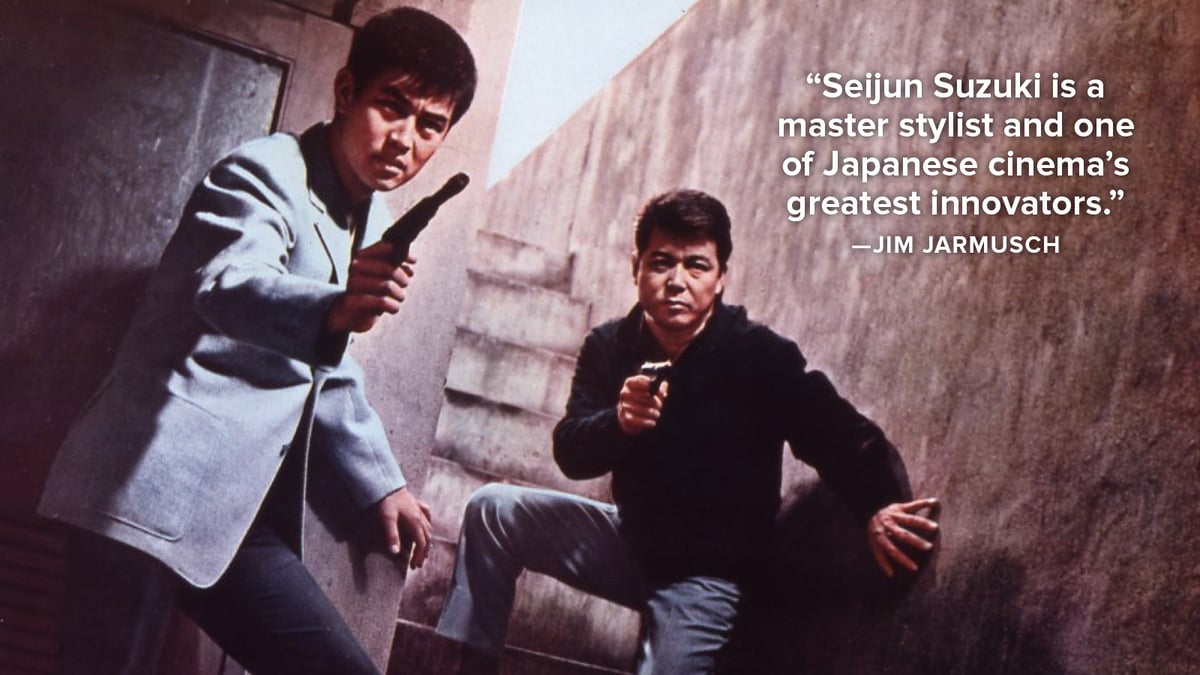
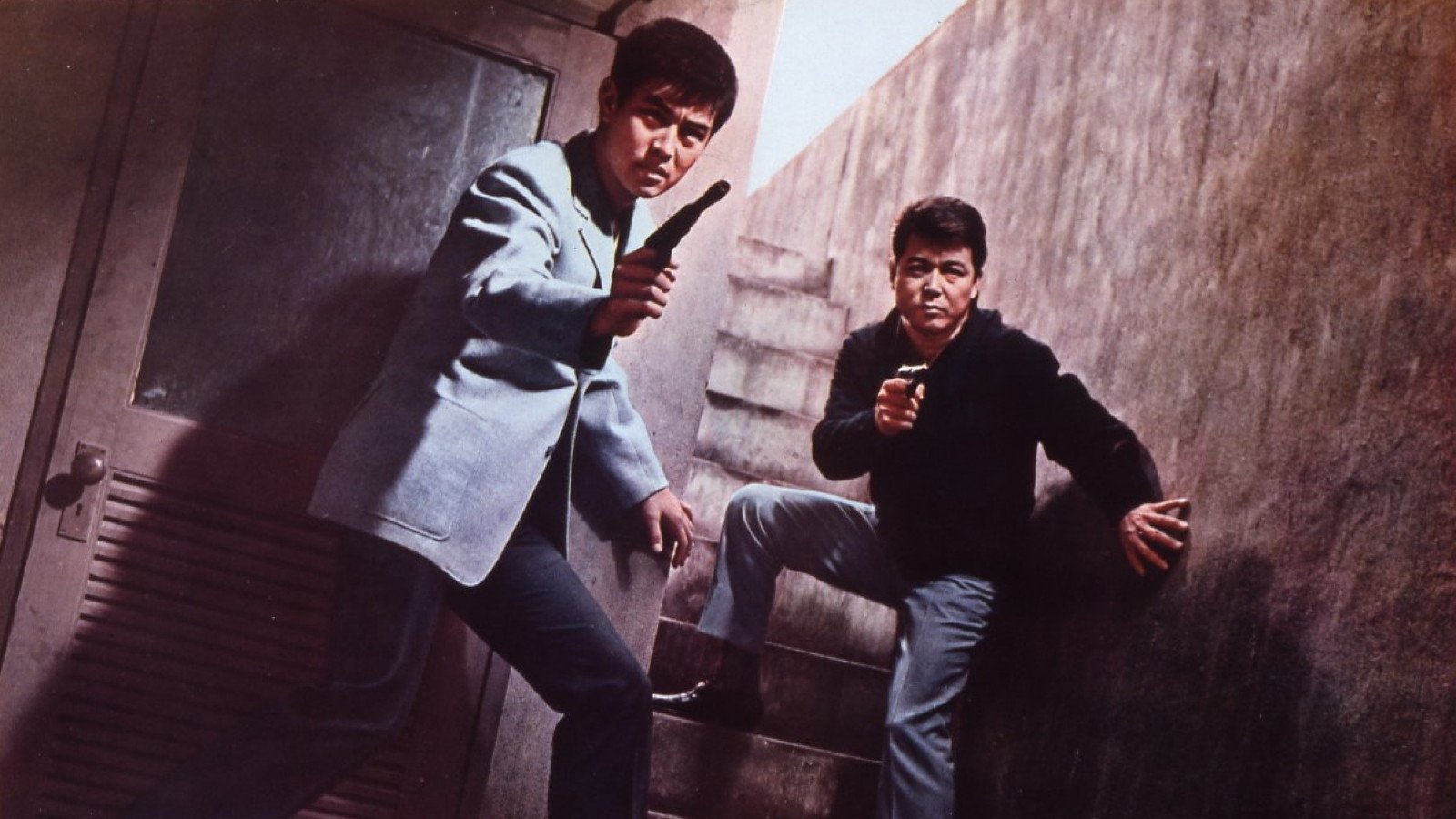
Nikkatsu icons Hideki Takahashi and Akira Kobayashi star as brothers who unite to avenge their yakuza father’s death 18 years earlier in this film made in the midst of Suzuki’s stylistic breakthrough, featuring a bold use of color.
Seijun Suzuki

1985|
Japan|
128 minutes|
Japanese with English subtitles
In this surreal comic confection, a traditional naniwa-bushi singer moves to Prohibition-era San Francisco in search of Al Capone, whom he mistakenly believes is president, and hopes to impress him with his singing in order to popularize the art form in the States.
Seijun Suzuki
1966|
Japan|
89 minutes|
Japanese with English subtitles
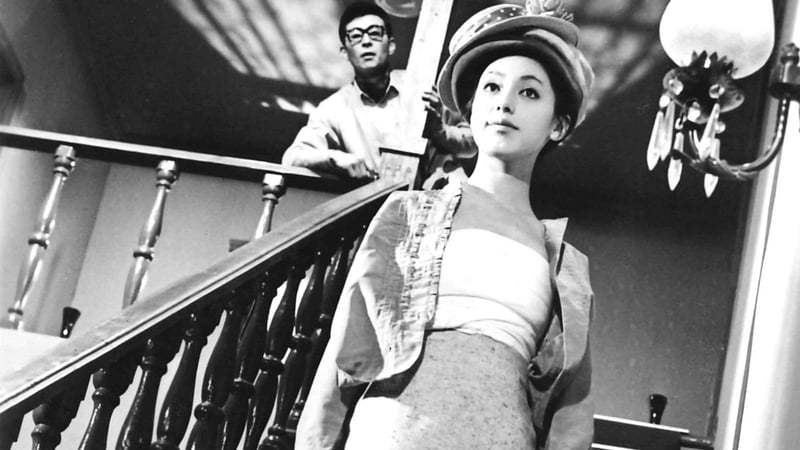
A 1960s riff on the opera Carmen (including a rock version of its famous aria “Habanera”), this picaresque tale sends its heroine from the countryside to Osaka and Tokyo in search of success as a singer.
Seijun Suzuki
1957|
Japan|
77 minutes|
Japanese with English subtitles
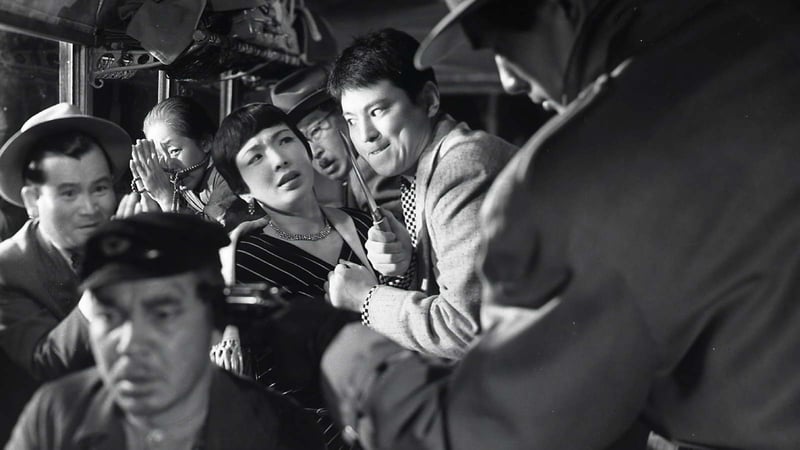
While its bizarre camera movements and compositions provide a glimpse of the experimentation that took over in Suzuki’s later films, Eight Hours of Fear stands on its own as a gripping, eccentric adventure yarn.
Seijun Suzuki
1966|
Japan|
86 minutes|
Japanese with English subtitles
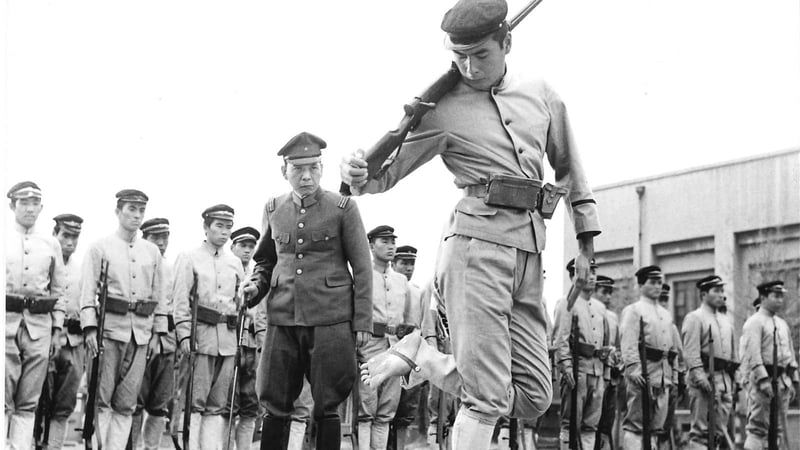
One of Suzuki’s most personal and impassioned works, this darkly comic film is the story of Kiroku, a high-school student who lusts after the pure, Catholic daughter of the family with whom he boards.
Seijun Suzuki
1964|
Japan|
90 minutes|
Japanese with English subtitles
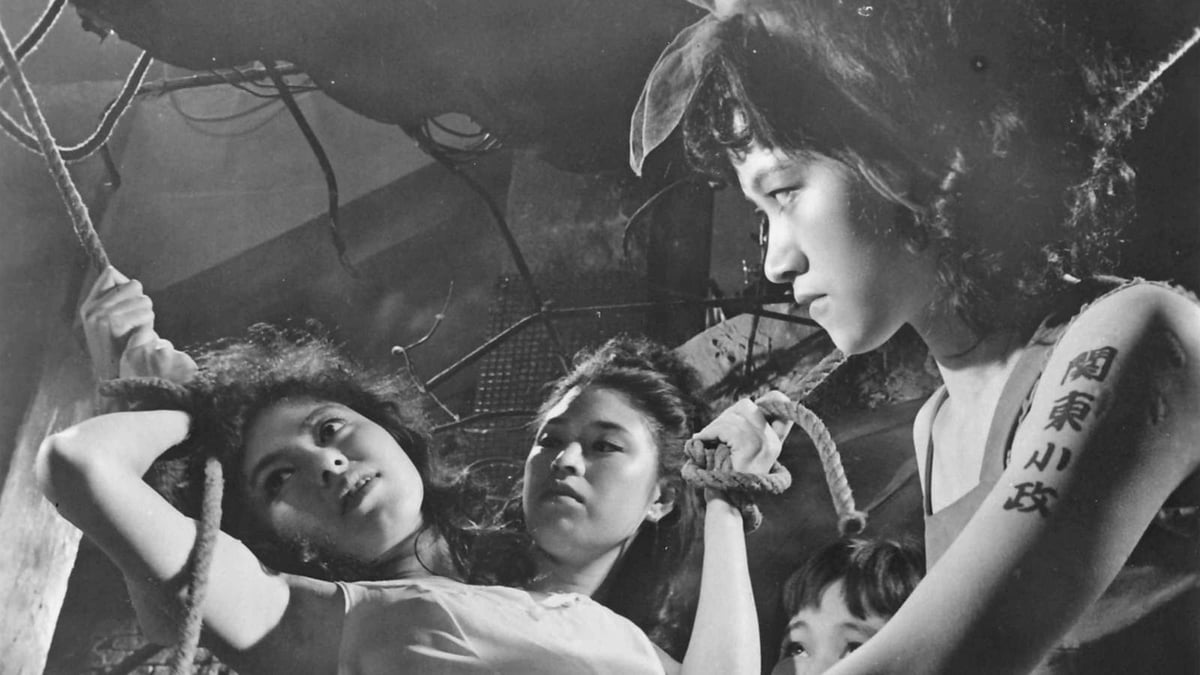
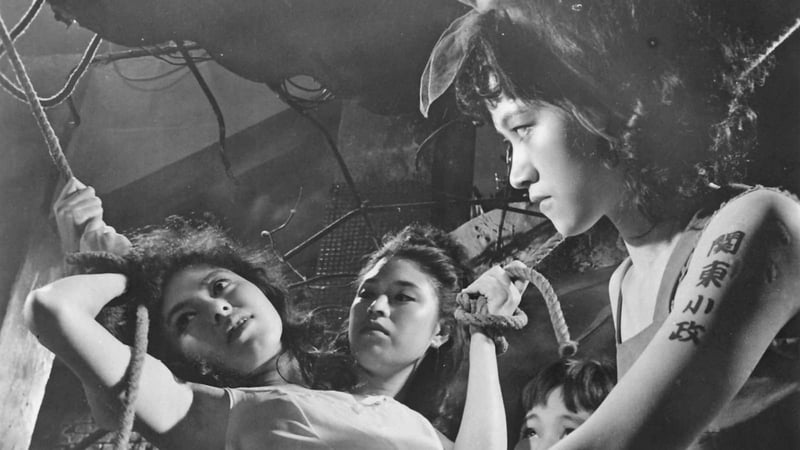
Part social-realist drama, part sadomasochistic trash opera, Gate of Flesh paints a dog-eat-dog portrait of postwar Tokyo centered on a gang of tough prostitutes working out of a bombed-out building.
Seijun Suzuki

1981|
Japan|
140 minutes|
Japanese with English subtitles
Reality, fantasy, life, and the afterlife blend in this hallucinatory adaptation of work by the Taisho-era writer Kyoka Izumi, when a mysterious woman invites a playwright to the city of Kanazawa for a romantic rendezvous.
Seijun Suzuki
1963|
Japan|
92 minutes|
Japanese with English subtitles
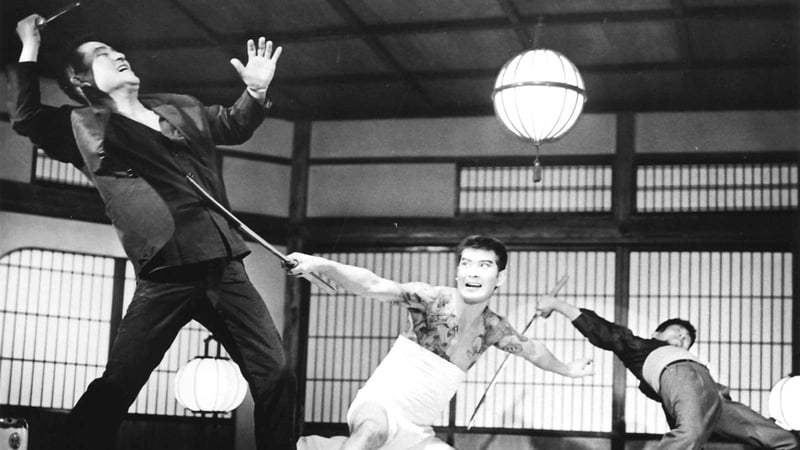
Based on a book by Taiko Hirabayashi, one of Japan’s most famous female novelists, Kanto Wanderer puts a Suzukian spin on the classic yakuza movie conflict between giri (duty) and ninjo (humanity).
Seijun Suzuki
1959|
Japan|
88 minutes|
Japanese with English subtitles
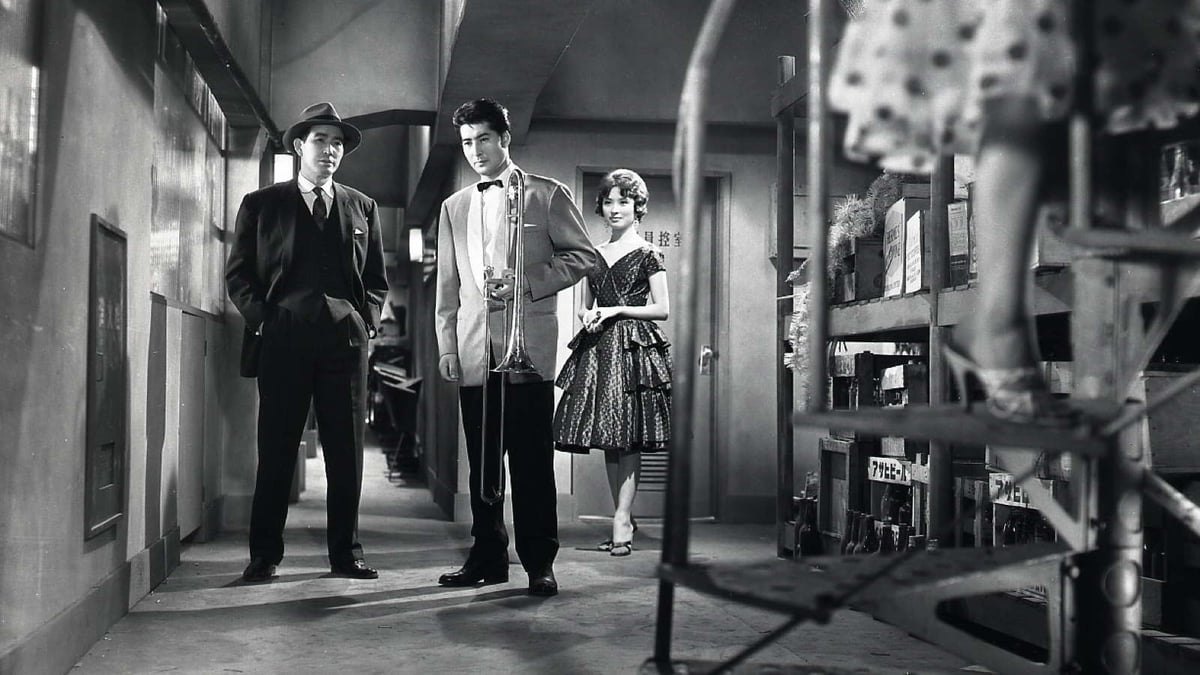
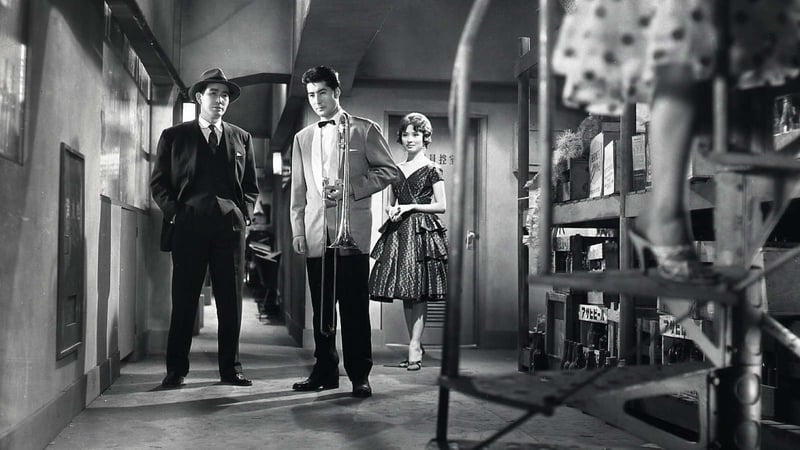
In this stylish film noir, a trombonist goes on an all-night bender after his wife disappears during their honeymoon and must piece together a night he can’t remember when he returns home to find her corpse in their apartment.
Seijun Suzuki
2001|
Japan|
112 minutes|
Japanese with English subtitles
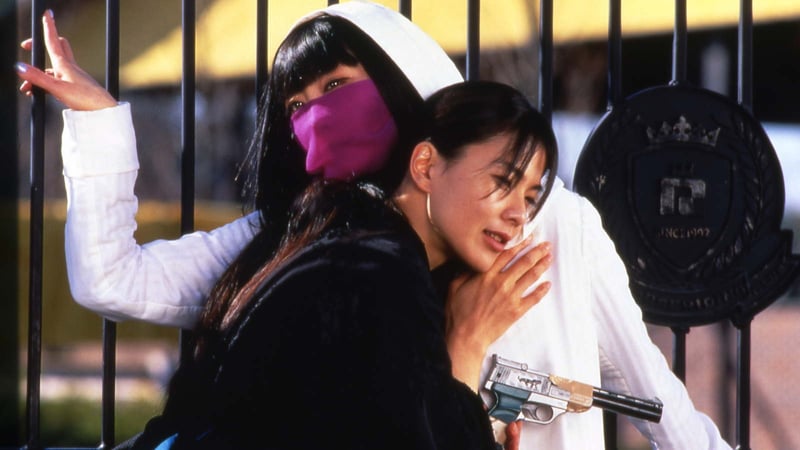
When Satoru Ogura suggested that Suzuki make a follow-up to his most notorious film, Branded to Kill, the result was this eye-popping action extravaganza about a female assassin battling her way to the top of her guild, which is less a sequel than a compact retrospective of Suzuki’s style and themes.
Seijun Suzuki

2005|
Japan|
111 minutes|
Japanese with English subtitles
Rooted in Japanese folklore, studded with tunes that range from operetta to hip-hop, and set in a fantastical Edo period of the imagination, Princess Raccoon shows Suzuki at his most kindhearted and whimsical.
Seijun Suzuki
1960|
Japan|
86 minutes|
Japanese with English subtitles
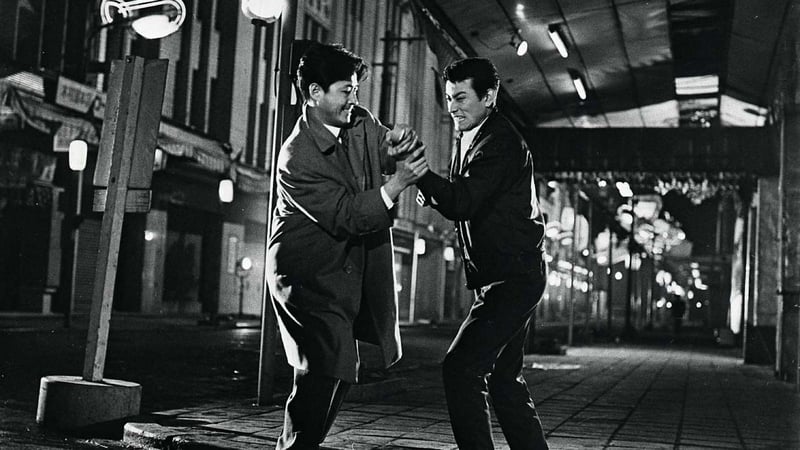
A businessman vanishes upon his return from an overseas trip, and his daughter hires a reporter to help find him. This proto–Breaking Bad moves to an energetic pulp-fiction beat all the way to its spectacular conflagration of an ending.
Seijun Suzuki
1960|
Japan|
83 minutes|
Japanese with English subtitles
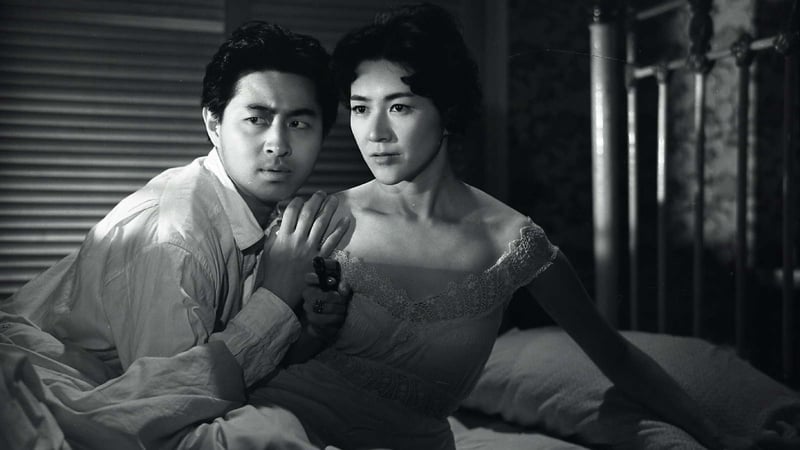
One of Suzuki’s darkest urban tales features the nihilistic Katiri, a reporter so ambitiously amoral that he’ll sell out anyone—including his partner and the drug dealer he’s sleeping with—to get a scoop.
Seijun Suzuki

1965|
Japan|
96 minutes|
Japanese with English subtitles
Yumiko Nogawa, one of Suzuki’s favorite actresses, gives perhaps her most ferocious performance in this scathing portrayal of Japanese militarism during the lead-up to World War II that puts the sex and violence of the B-movie arena to philosophical use.
Seijun Suzuki
1977|
Japan|
93 minutes|
Japanese with English subtitles
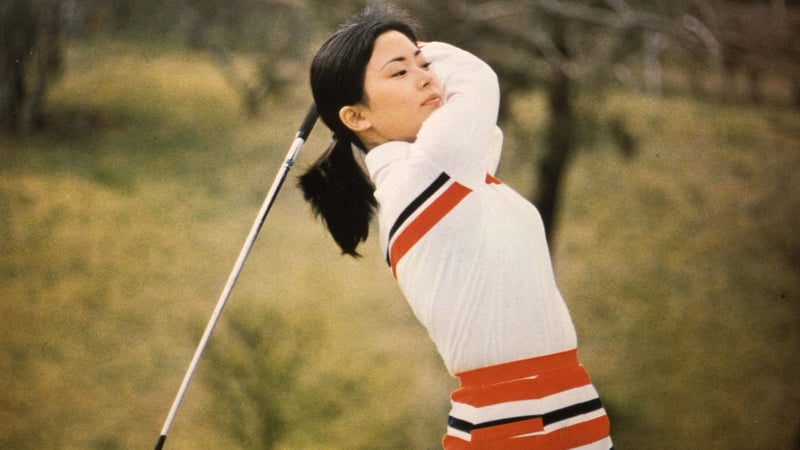
Nearly a decade after being fired by Nikkatsu Studios, Suzuki returned with this titillating tale about a model turned professional golfer and, subsequently, the victim of a deranged fan’s blackmail scheme.
Seijun Suzuki
1965|
Japan|
87 minutes|
Japanese with English subtitles
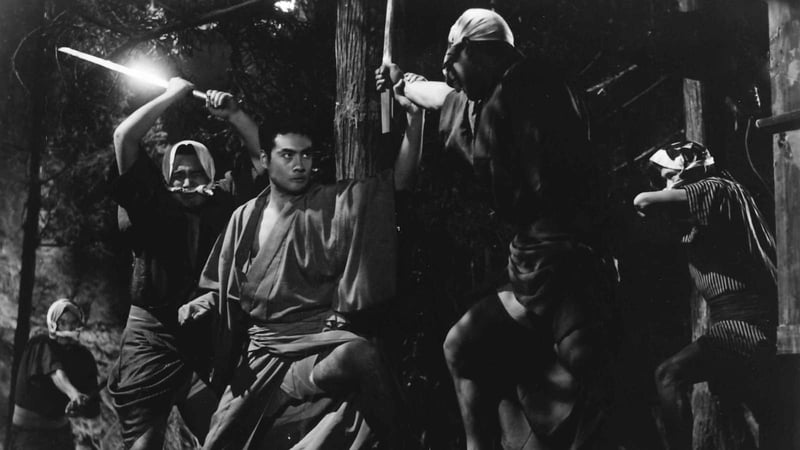
Set in the 1930s, Tattooed Life is the story of two brothers—one a yakuza, the other an art student—on the run and the first film to earn Suzuki a warning from his Nikkatsu bosses about “going too far.”
Seijun Suzuki
1966|
Japan|
83 minutes|
Japanese with English subtitles
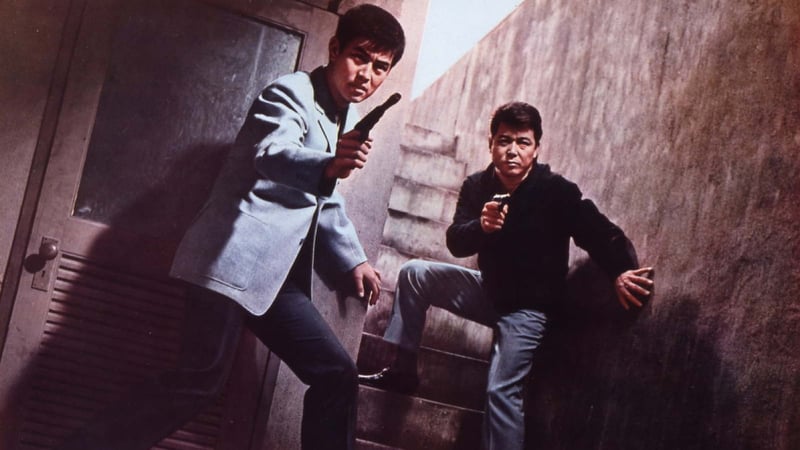
Tasked with making a vehicle for actor-singer Tetsuya Watari to croon the title song, Suzuki concocted this crazy yarn about a reformed yakuza on the run from his former comrades featuring goofy musical numbers and over-the-top fight scenes.
Seijun Suzuki

1963|
Japan|
91 minutes|
Japanese with English subtitles
In his second collaboration with Suzuki, Joe Shishido rampages through frames filled with lurid colors, striking compositions, and boldly theatrical effects, playing a disgraced ex-cop pitting two yakuza gangs against each other to avenge the death of a fellow officer.
Seijun Suzuki
1991|
Japan|
128 minutes|
Japanese with English subtitles
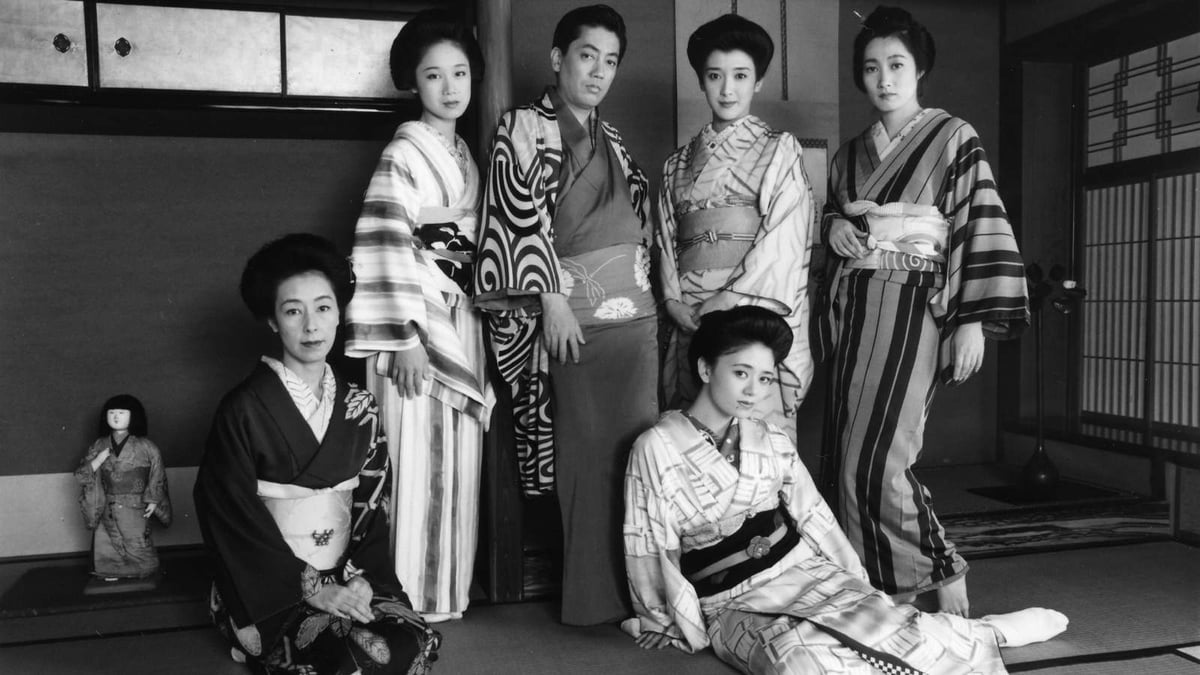
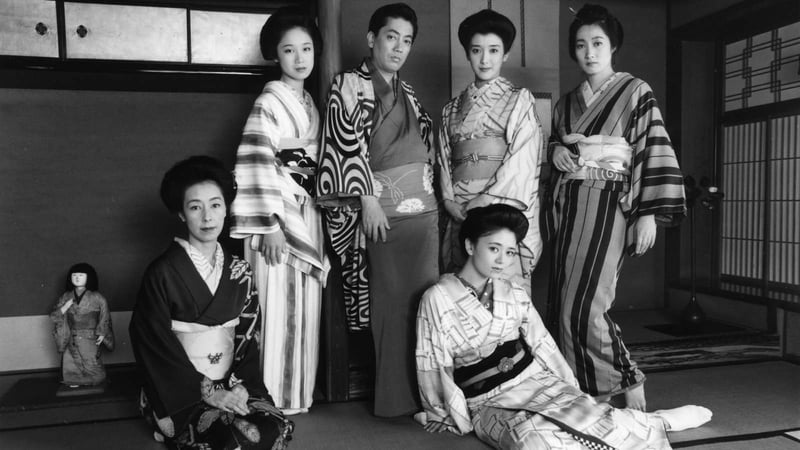
Made 10 years after its predecessor, the final film in the Taisho Trilogy spins a fantastical tale from the life of a historical figure, Takehisa Yumeji (1884-1934), an artist known as much for his paintings of beautiful women as for his bohemian lifestyle.
Seijun Suzuki
1980|
Japan|
144 minutes|
Japanese with English subtitles
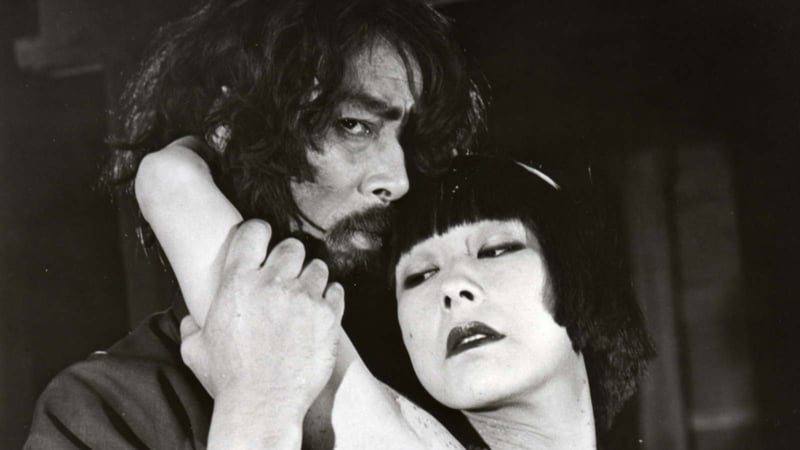
Taking its title from a recording of violin music by Pablo de Sarasate, Zigeunerweisen is a metaphysical ghost story involving love triangles, doppelgängers, and a blurred line between the worlds of the living and the dead.
Add some action and anarchy to your wardrobe with our Seijun Suzuki t-shirt designed by Nathan Gelgud!
“To experience a film by Japanese B-movie visionary Seijun Suzuki is to experience Japanese cinema in all its frenzied, voluptuous excess.” — Manohla Dargis
In a career spanning nearly five decades, Seijun Suzuki amassed a body of work ranging from B-movie potboilers to beguiling metaphysical mysteries. On the occasion of the publication of Tom Vick’s new book Time and Place are Nonsense: The Films of Seijun Suzuki, the Film Society presents a retrospective of Suzuki’s films, ranging from his greatest hits to a selection of seldom-seen rarities.
Suzuki first became famous when he was fired by Nikkatsu Studios for making films that, as he put it, “made no sense and made no money.” But it was his freewheeling approach and audacious experimentation that gained Suzuki a cult following in Japan and abroad. Suzuki’s job at Nikkatsu was to make B movies out of scripts that were assigned to him. In the mid-1960s, with dozens such films under his belt, Suzuki’s restlessness began to come through as he and his collaborators, art director Takeo Kimura and cinematographers Shigeyoshi Mine and Kazue Nagatsuka, began experimenting with the assigned material. These films established Suzuki as a stylistic innovator working within—and rebelling against—the commercial constraints of B-movie studio work.
In the 1980s, Suzuki reinvented himself as an independent filmmaker. Freed from the commercial obligations of studio work, he elected to indulge his passion for the Taisho era (1912–26), a brief period of Japanese history that has been likened to Europe’s Belle Époque and America’s Roaring Twenties. Though not linked by plot, these three films—Zigeunerweisen, Kagero-za, and Yumeji—embody the hedonistic cultural atmosphere, blend of Eastern and Western art and fashion, and political extremes of the 1920s, infused with Suzuki’s own eccentric vision of the time
In the 1990s, a traveling retrospective brought long-overdue attention to Suzuki’s films in the United States and Europe. A new generation of devotees, most notably Jim Jarmusch and Quentin Tarantino, praised Suzuki in the press and referenced his work in their films. Perhaps inspired by this newfound attention, Suzuki returned to filmmaking after another decade-long absence, making two films—Pistol Opera and Princess Raccoon—that look back on his career while advancing it with new technology.