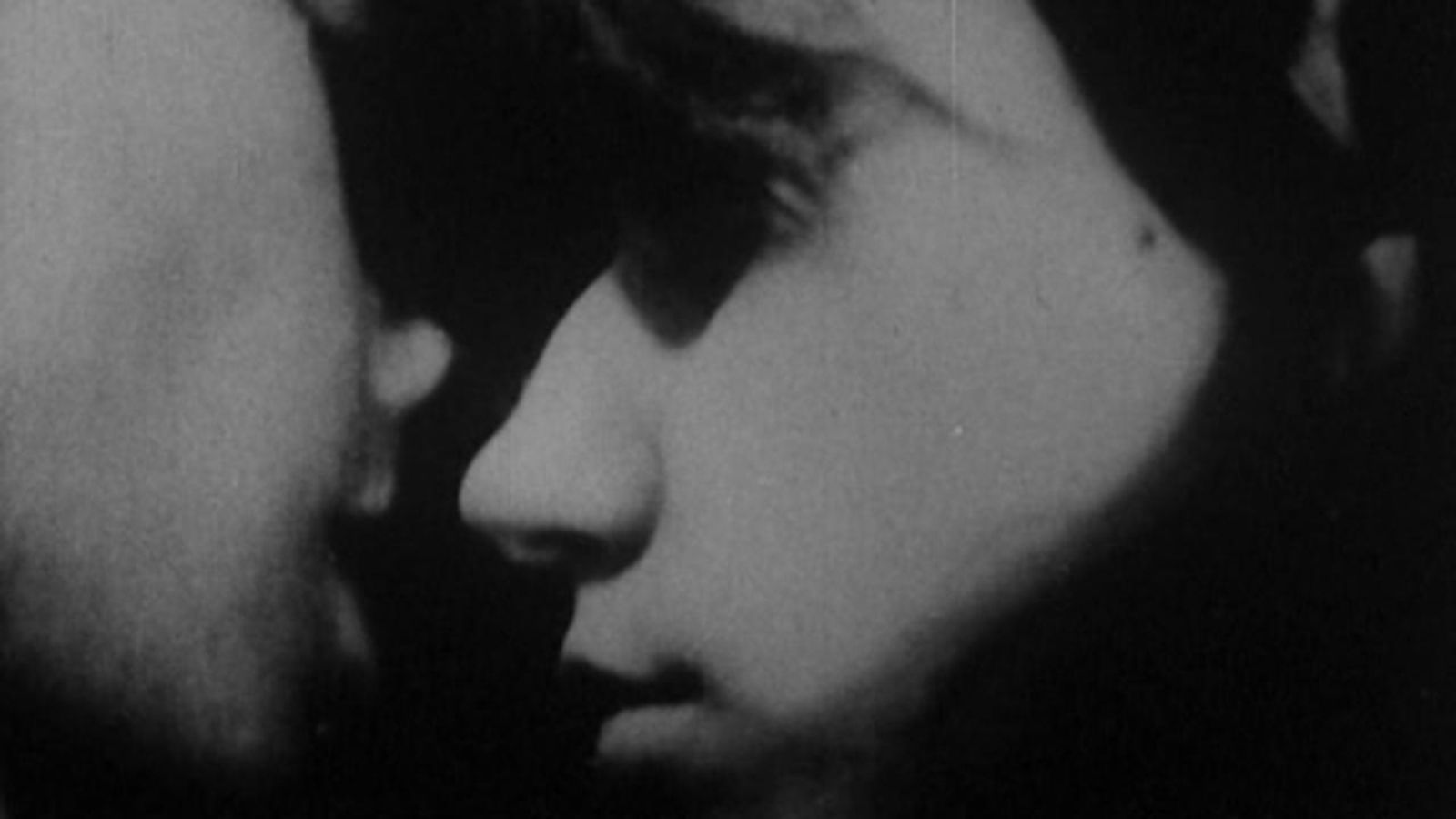
Amos Vogel Program 4: The New American Cinema
59th New York Film Festival
September 24 - October 10, 2021
The Fourth New York Film Festival featured a sampling of the New American Cinema, bringing the underground uptown. Two of the works screened that year, Tony Conrad’s The Flicker and Peter Emmanuel Goldman’s Echoes of Silence, reflect the range of avant-garde activity flourishing at the time.
Cinema 16 came to a close in 1963. That same year Vogel co-founded the New York Film Festival with Richard Roud, and, as the head of Lincoln Center’s film department, laid the groundwork for the FLC of today. For our tribute, we’ll be highlighting a number of works that were presented during Vogel’s tenure at the festival, each of which reflects, in different ways, his long-standing preoccupations as a programmer.
The Amos Vogel Centenary Retrospective is sponsored by:

The New York Film Festival, 1963-1968
The New American Cinema
The Fourth New York Film Festival featured a sampling of the New American Cinema, bringing the underground uptown. Two of the works screened that year, Tony Conrad’s The Flicker and Peter Emmanuel Goldman’s Echoes of Silence, reflect the range of avant-garde activity flourishing at the time: the former, a landmark of structural filmmaking, reduces the cinema to its most fundamental elements, while the latter suggested alternative paths for the narrative feature.
The Flicker
Tony Conrad, 1966, USA, 16mm, 30m
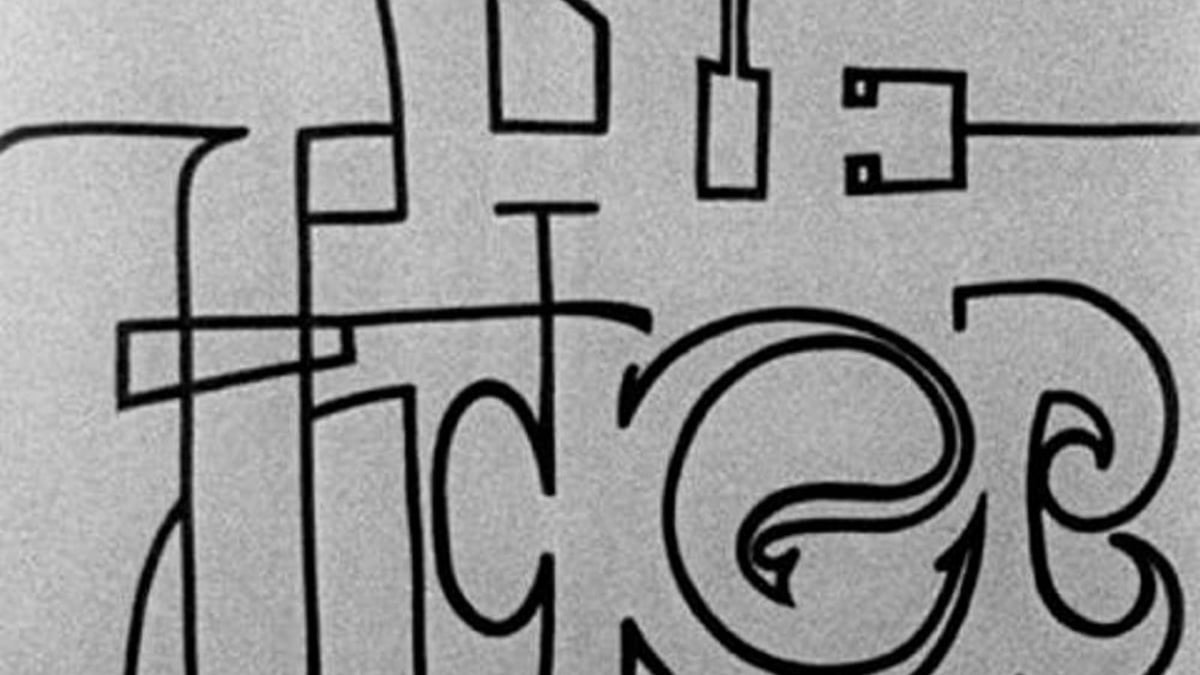
“This film contains no images at all,” wrote Vogel of The Flicker. “Its subject is light and its absence. It consists of combinations of alternating white and black frames, flashing by in constantly changing patterns and causing a continuous stroboscopic flicker effect of great complexity. Whether its frequency is momentarily static or changeable (it ranges from 24 flashes down to 4 flashes per second throughout its 30 minute duration), the effect is literally hypnotic. This concerted ‘overload’ of the retina and nervous system provokes an endless variety of changing shapes, patterns and, most surprisingly, colors, whose nature differs with each viewer (even varying from performance to performance). The electronic soundtrack was generated by relays and components carrying different types of information; the various frequencies are orchestrated by the director. This ‘pure’ film deals with perception itself; its hallucinatory effect—despite absence of image, content, or meaning—reveals an unsuspected congruity with deep emotional needs.” Please note: This film may affect viewers who are susceptible to photosensitive epilepsy and other photosensitivities.
Echoes of Silence
Peter Emmanuel Goldman, 1965, USA, 16mm, 75m
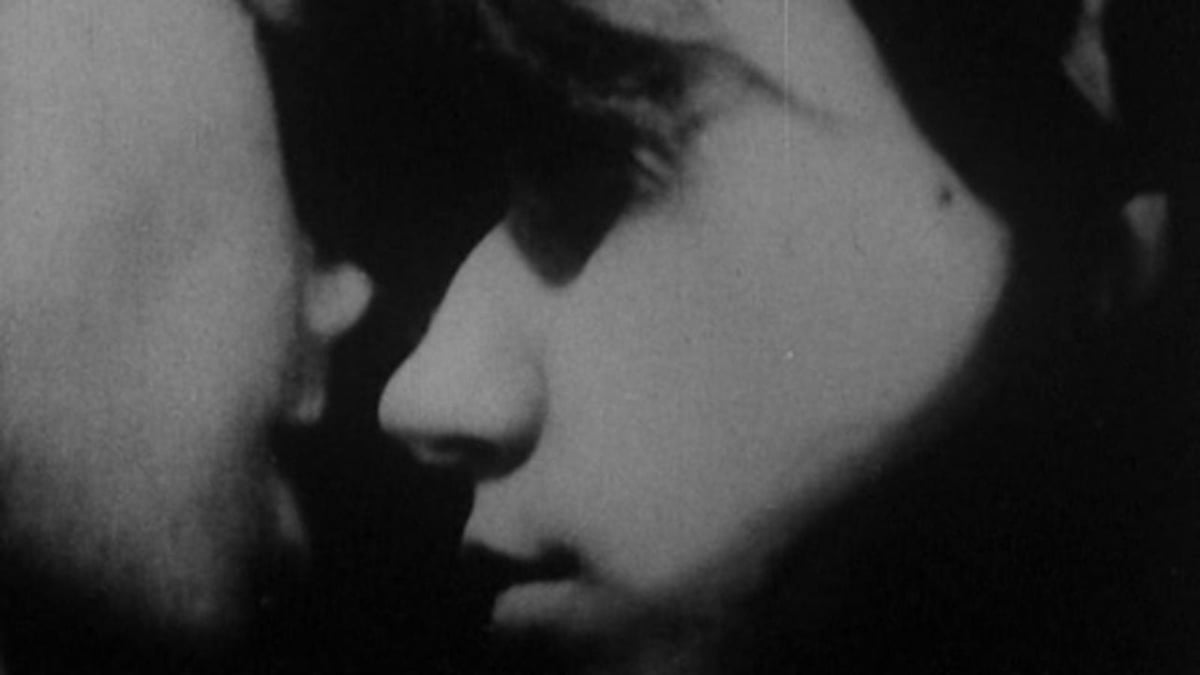
Echoes of Silence, by contrast, chronicles the lives of twentysomethings adrift in New York City, locating tremendous feeling in the smallest moments: a furtive glance across a museum gallery, women putting on makeup, a stroll beneath the gleaming lights of Times Square marquees. Unencumbered by diegetic sound, its shadowy images of youthful flaneurs are paired with evocatively hand-painted title cards and a dynamic soundtrack drawn from the artist’s LPs that, when combined, produce an unforgettable ballad of sexual dependency. Though little remembered today, Goldman was hailed by Vogel (along with Godard, Mekas, and Sontag) as a major new talent.
Read More
FLC and NYAFF Announce Lineup and Awards of the 25th New York Asian Film Festival, July 10–26
The New York Asian Film Festival (NYAFF) and Film at Lincoln Center today unveil the second wave of programming for its landmark 25th edition, adding more than 40 films to an already wide-ranging lineup, with very special final titles still to come.
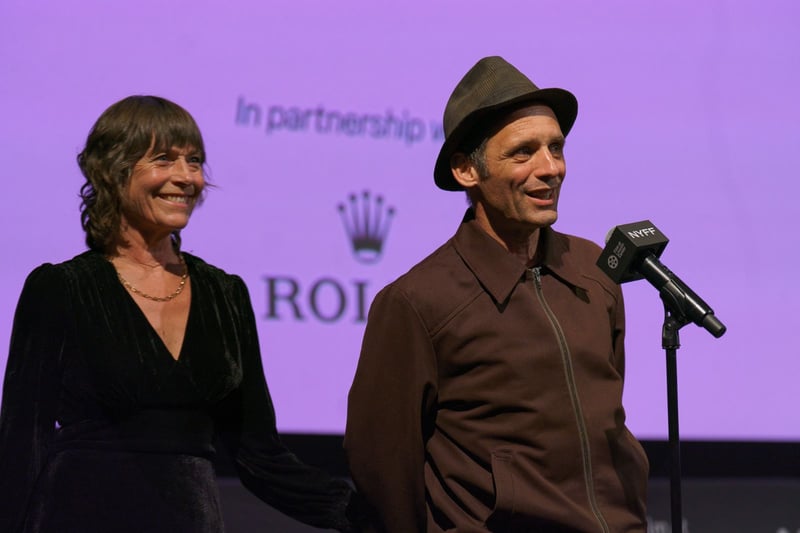
Mark Jenkin and Mary Woodvine on Their Sci-Fi-Tinged Rose of Nevada
This week we’re excited to present a conversation from the 63rd New York Film Festival with Rose of Nevada director Mark Jenkin and actress Mary Woodvine.
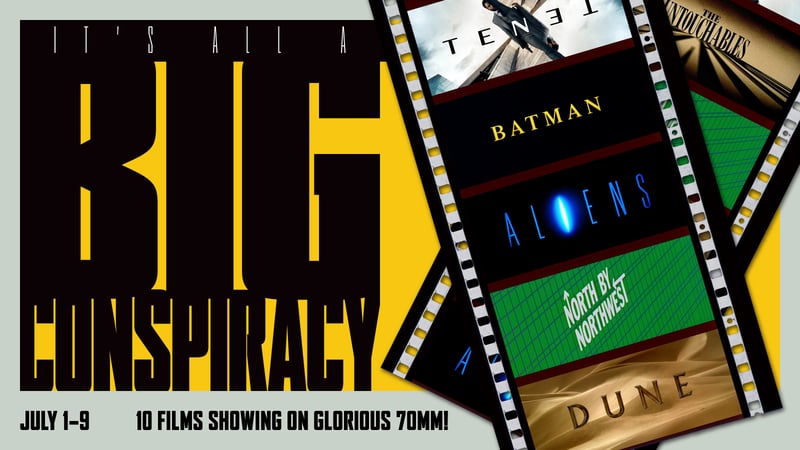
Experience 10 Films Entirely on 70mm at “It’s All a Big Conspiracy,” July 1–9 at Film at Lincoln Center
Exploring conspiracy across Hollywood genres, from espionage and sci-fi to superhero cinema, political biography, Shakespearean adaptation, crime drama, cult psychodrama, and the modern action blockbuster, the series includes the first New York City theatrical screening of Tim Burton’s Batman on 70mm since its original release in 1989.