L.A. Rebellion: Then and Now
April 25 – May 4, 2025
An intergenerational retrospective showcasing the vast, vital influence that the L.A. Rebellion and its spiritual descendants have exerted on the cinema of the African diaspora in the decades since the movement’s founding
Black Life on Screen
Zeinabu irene Davis
2016|
U.S.|
100 minutes
Zeinabu irene Davis’s documentary compiles a trove of interviews with visionary directors Charles Burnett, Billy Woodberry, Julie Dash, Haile Gerima, and more that provides an overview of the L.A. Rebellion movement. Screening with a special work-in-progress short film by Jérémie Danon and Kiddy Smile.
Cinemas of Revenge
Jamaa Fanaka
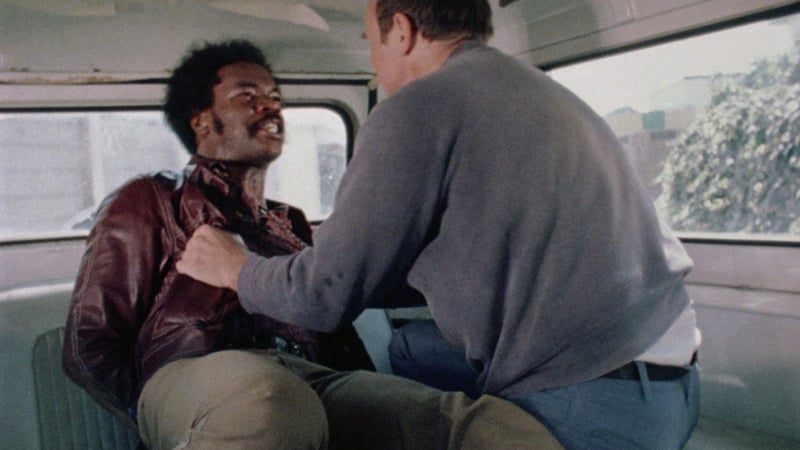
1975|
U.S.|
91 minutes
Wrongly imprisoned, Charles Murray (Marlo Monte) seeks to wreak vengeance on the detective who framed him, and on the systemic racism of the legal structures that allowed him to do so.
Louis de Witt

1973|
South Africa|
79 minutes
In the mold of Shaft and James Bond, Joe Bullet’s hero fights the saboteurs who hope to undermine his soccer team in an upcoming championship game. This South African Apartheid-era film, one of the first to feature an all-Black cast, was banned by the government after just two screenings.
On Jazz
Larry Clark
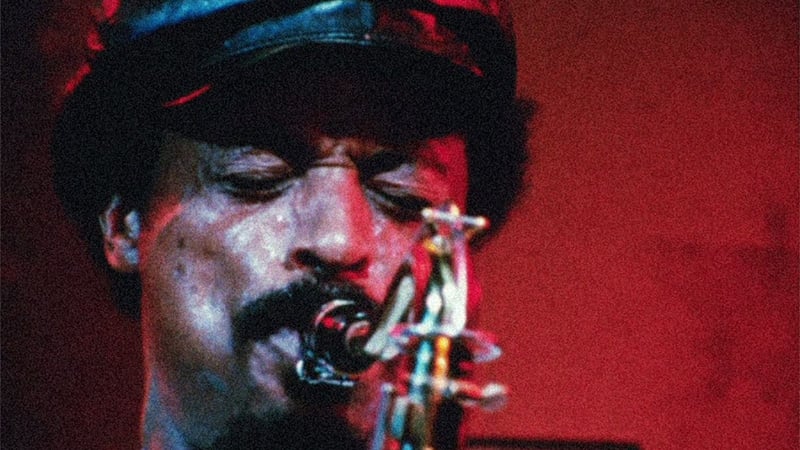
1977|
U.S.|
105 minutes
Passing Through follows a talented jazz saxophonist who, recently released from prison, hopes to establish an artist-owned musical collective—to the chagrin of the mob-affiliated crooks controlling the music industry.
2022|
France / Germany|
66 minutes|
English and French with English subtitles
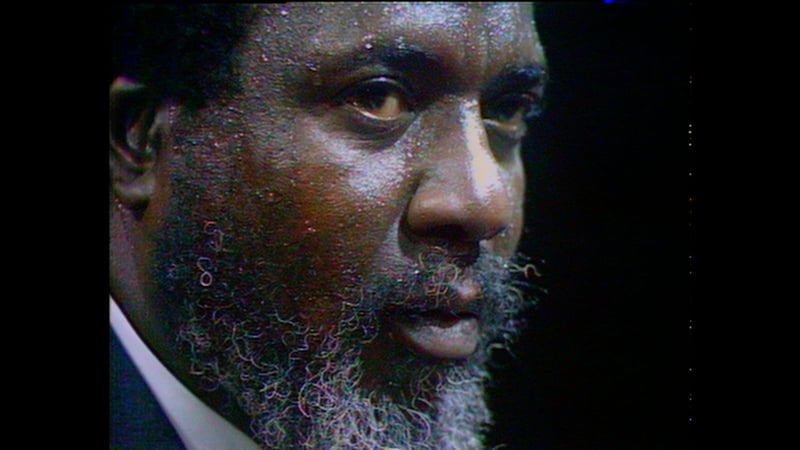
Using newly discovered footage from the recording of a 1969 French television interview with the legendary jazz pianist Thelonious Monk, French-Senegalese filmmaker Alain Gomis has constructed a gripping behind-the-scenes documentary; a subtle yet searing exposé of casual racism; and a chance to see one of the monumental geniuses of 20th-century music at work.
On Political Engagement
2019|
Lesotho / South Africa / Italy|
120 minutes|
Sesotho with English subtitles
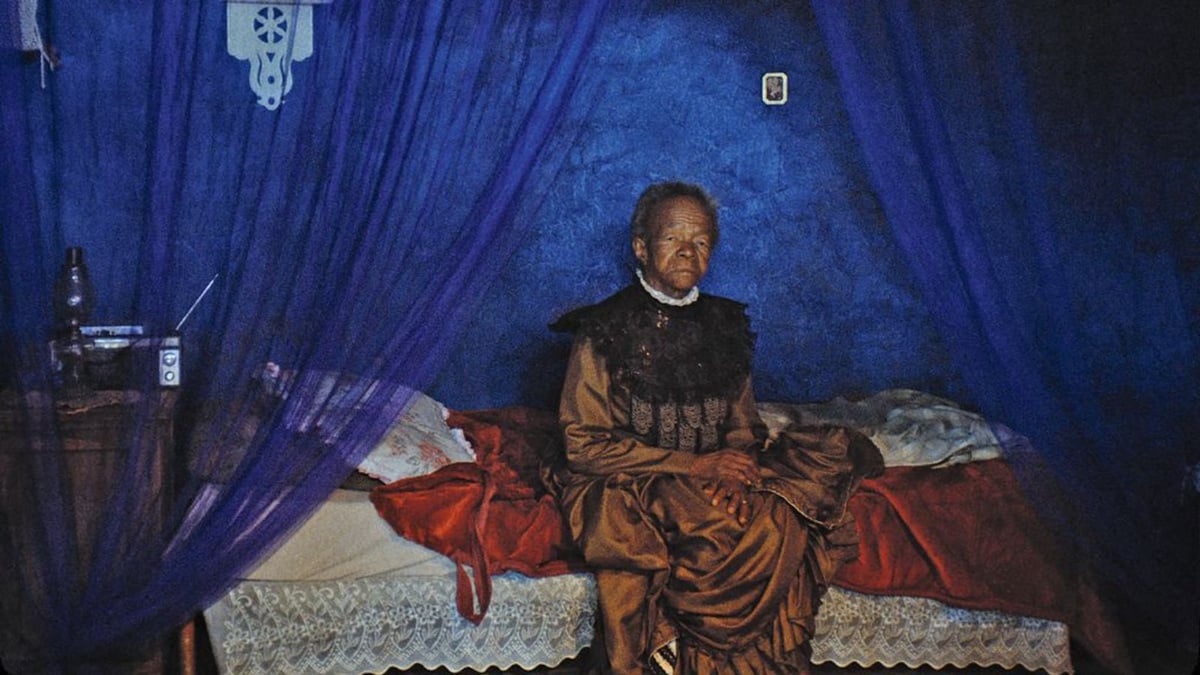
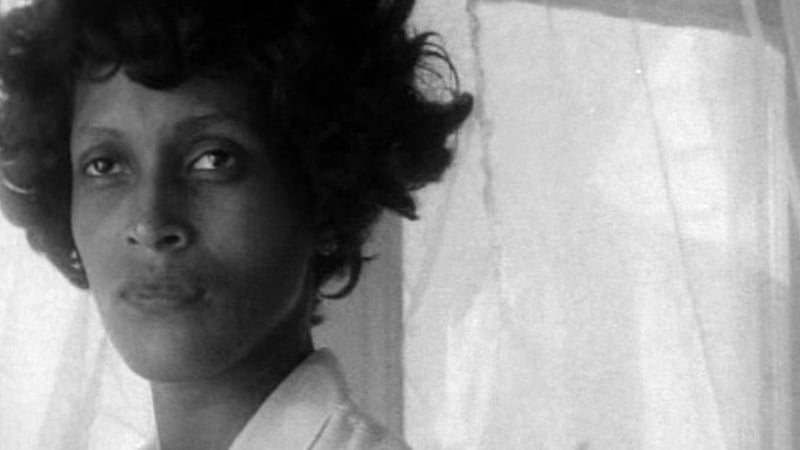
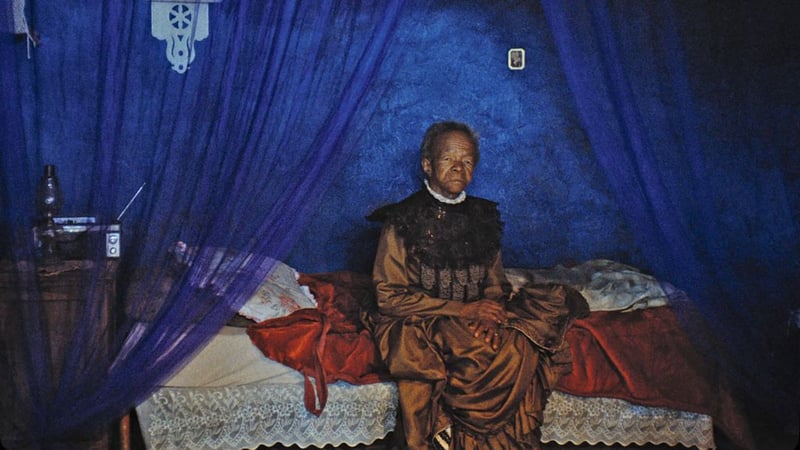
In the mountains of Lesotho, an 80-year-old widow resolves to defend the spiritual heritage of her community following the news that provincial officials intend to resettle her village, flood the entire area, and build a dam.
On Incarceration
Jamaa Fanaka
1979|
U.S.|
99 minutes
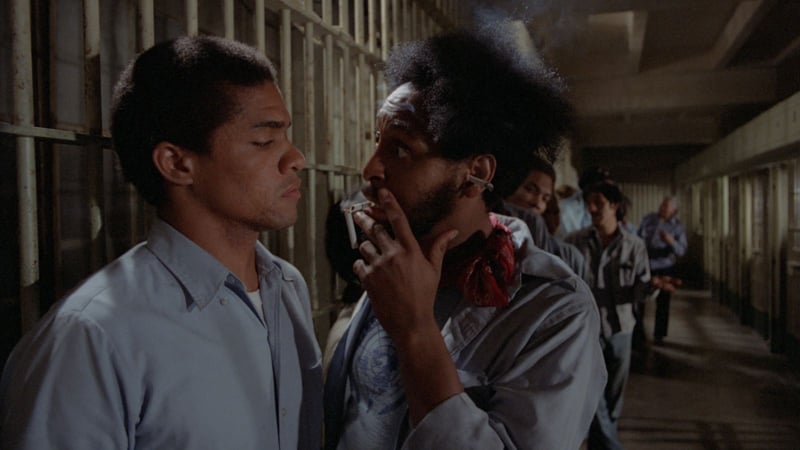
When a solitary hitchhiker (Leon Isaac Kennedy) is charged with the murder of a white man following a dispute over a sex worker, he is swiftly jailed and must adapt to the fraught new reality of his life as a prisoner.
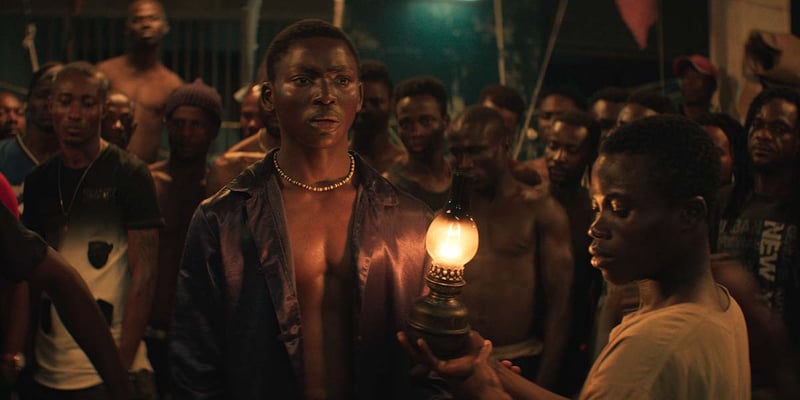
2020|
France / Ivory Coast / Canada / Senegal|
93 minutes|
Dioula, French, and Ivorian slang with English subtitles
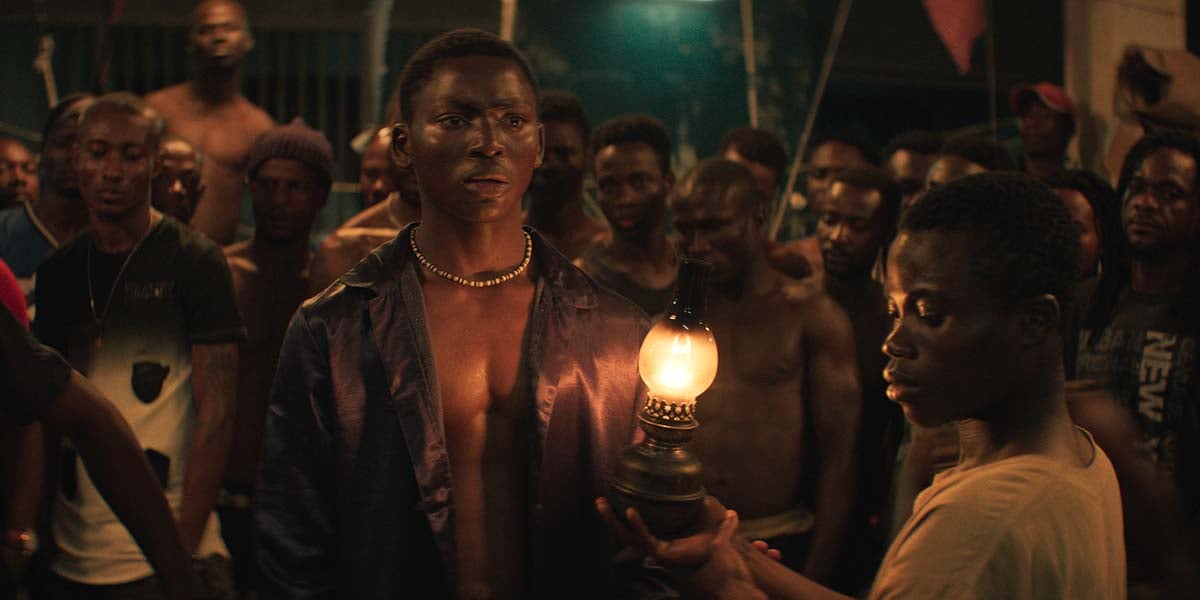
Paying homage to the tradition of the griot in West African culture, this original vision from breakout Ivory Coast filmmaker Philippe Lacôte tells the story of a pickpocket (Koné Bakary), newly arrived at a correctional facility in the Ivorian capital of Abidjan, who, in order to stay alive, must keep his fellow inmates entertained with wild tales over the course of a night.
The Veteran’s Experience
Haile Gerima
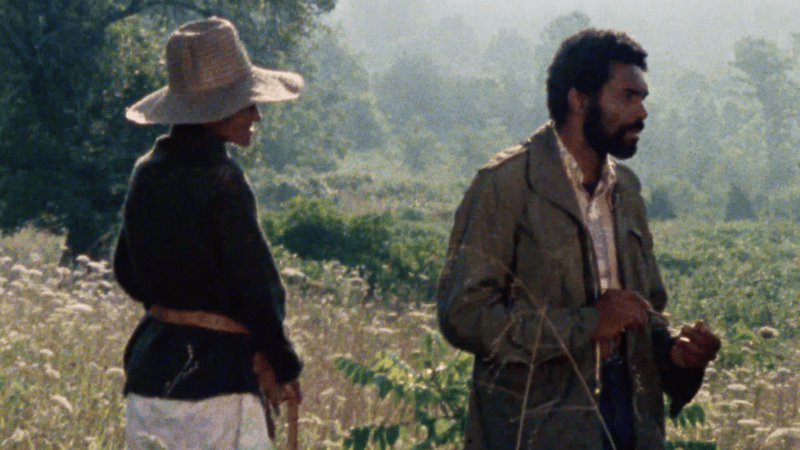
1982|
U.S.|
126 minutes
Haile Gerima’s stirring account of the challenges and upheavals faced by Black Vietnam vets centers on a soldier who struggles with newfound disenchantment and alienation as he attempts to reconnect with the American way of life he once inhabited.
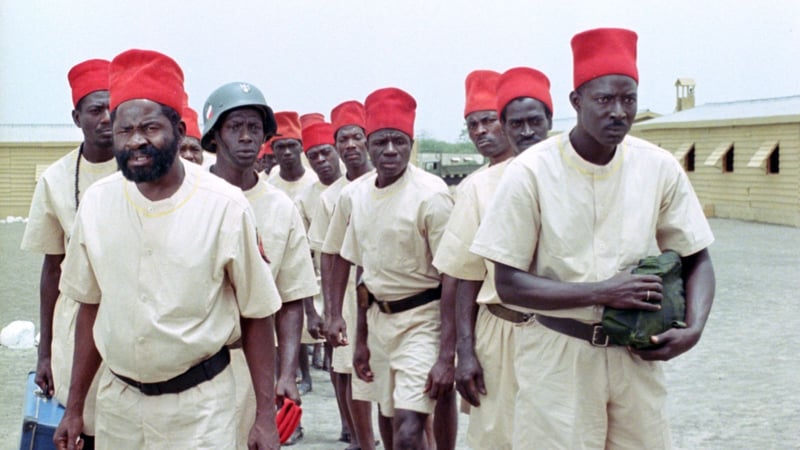
1988|
Senegal / Algeria / Tunisia|
154 minutes|
Wolof, French, and German with English subtitles
Depicting a too-little-known tragedy from the immediate post-WWII period in Senegal, Camp de Thiaroye was banned in France for more than a decade, yet the film endures as one of cinema’s most precise portraits of both war and colonial racism.
On Gentrification
Merawi Gerima
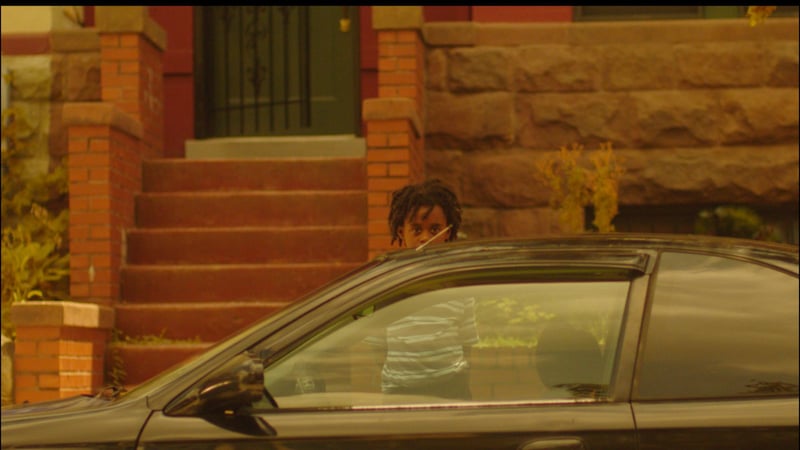
2020|
90 minutes
A young filmmaker returns home to Washington D.C. after many years away to discover that his old neighborhood is no longer recognizable, and many of his old friends have met with a tragic fate. Screening with Shirikiana Aina’s (Merawi Gerima’s mother) Brick by Brick.
On Black Love
Billy Woodberry
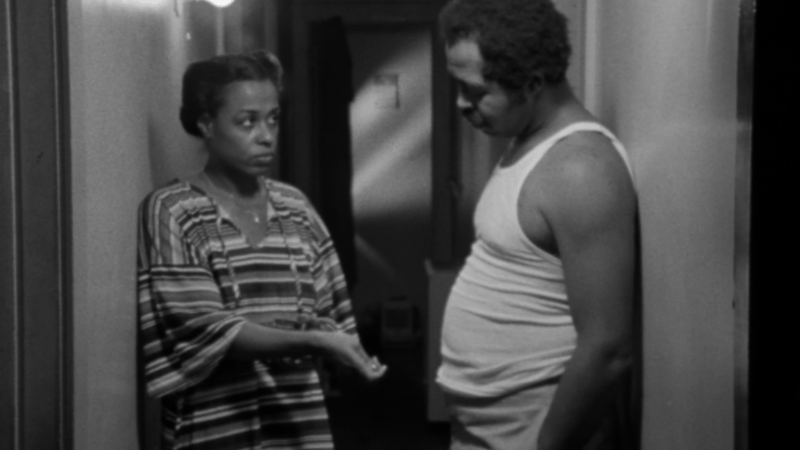
1984|
U.S.|
80 minutes
Set in the Watts neighborhood of Los Angeles, Billy Woodberry’s lone narrative feature trains a keen eye on the psychological ravages of underemployment and economic discrimination—and sensitively attends to the intimate dynamics of a marriage in crisis.
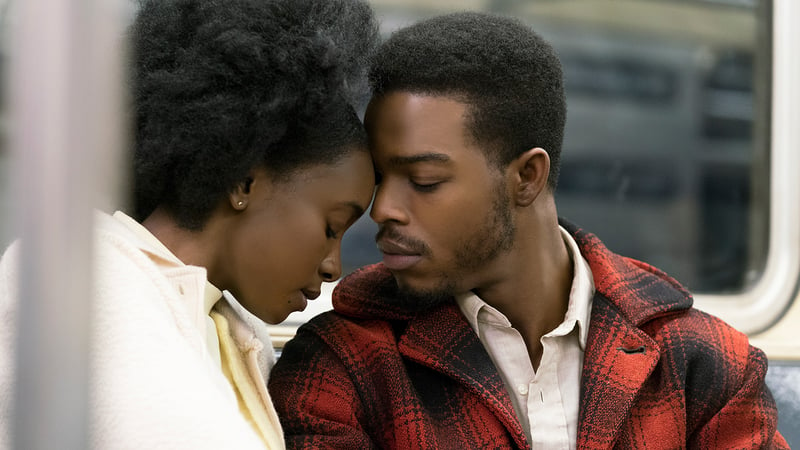
2018|
U.S.|
117 minutes
Barry Jenkins’s follow-up to his Oscar-winning Moonlight is a carefully wrought adaptation of James Baldwin’s penultimate novel, set in Harlem in the early 1970s. Jenkins’s deeply soulful film stays focused on the emotional currents between parents and children, couples and friends.
Into the 1990s
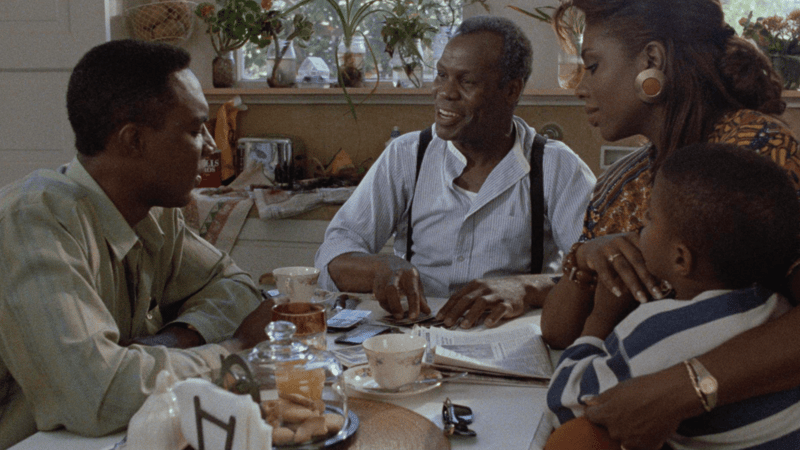
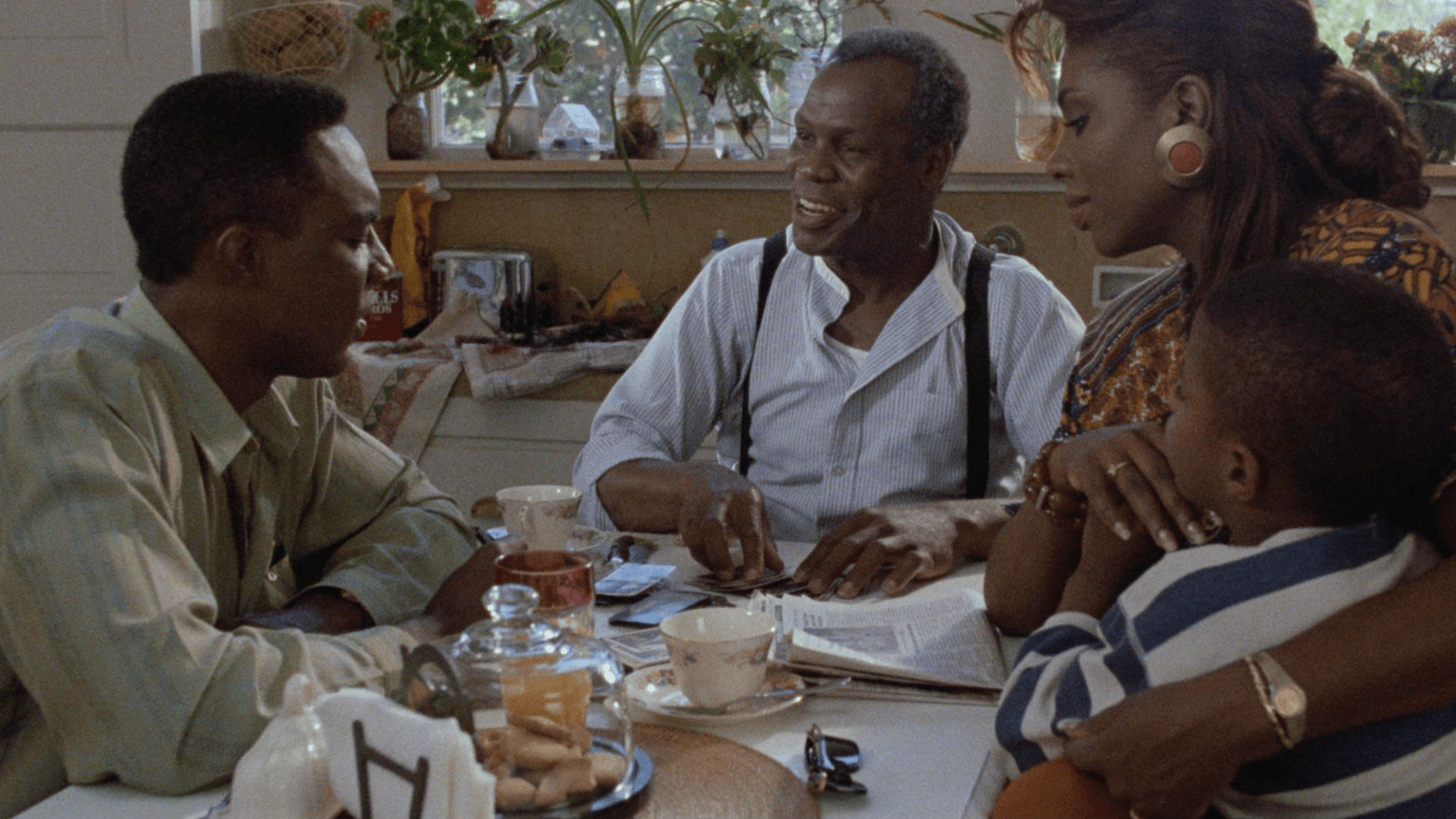
1990|
USA|
102 minutes
Burnett’s To Sleep with Anger remains one of the finest films to capture the Black experience in modern America. Executive producer Glover stars as Harry Mention, a drifter from the South who visits an old acquaintance now living with his family in Los Angeles—but Harry’s knack for mischief creates powerful rifts throughout the household.
Djibril Diop Mambéty
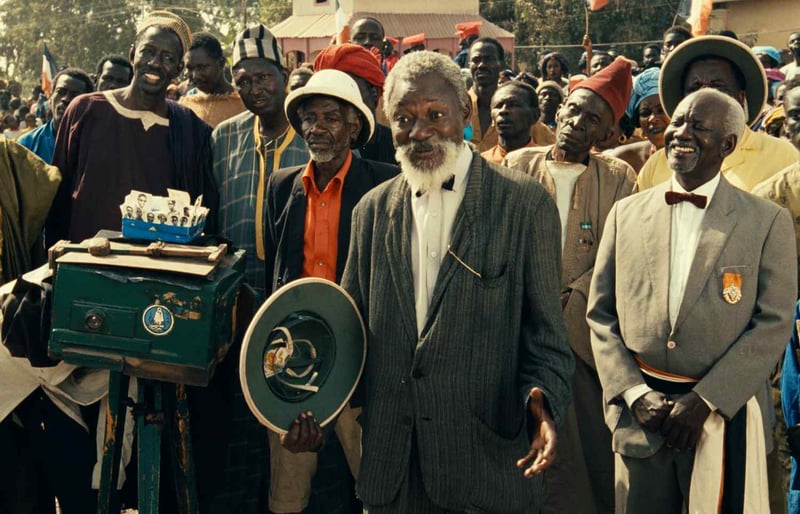
1992|
Senegal / Switzerland / France|
110 minutes
A wealthy woman returns to her home village, and offers the inhabitants a vast sum in exchange for the murder of the local man who seduced and abandoned her when she was young in Djibril Diop Mambéty’s freeform adaptation of Friedrich Dürrenmatt’s The Visit.
Women’s Destinies
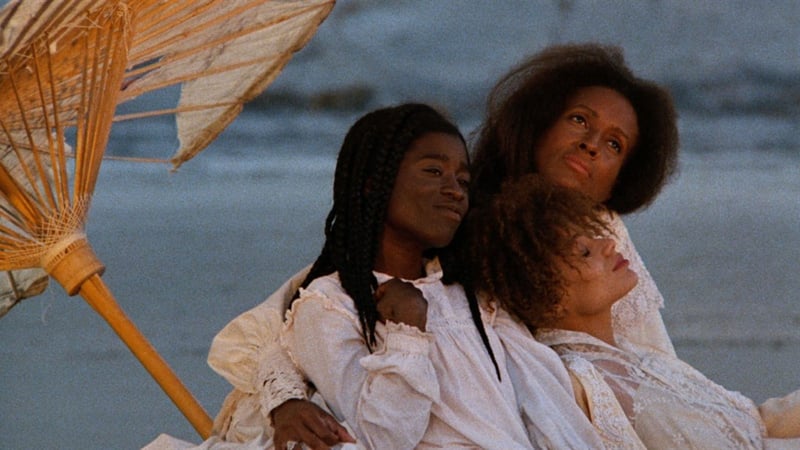
Julie Dash
1992|
U.S.|
113 minutes
The first film directed by an African American woman to receive a national theatrical release, Julie Dash’s fiction feature debut is a lyrical meditation on the American experience of diaspora.
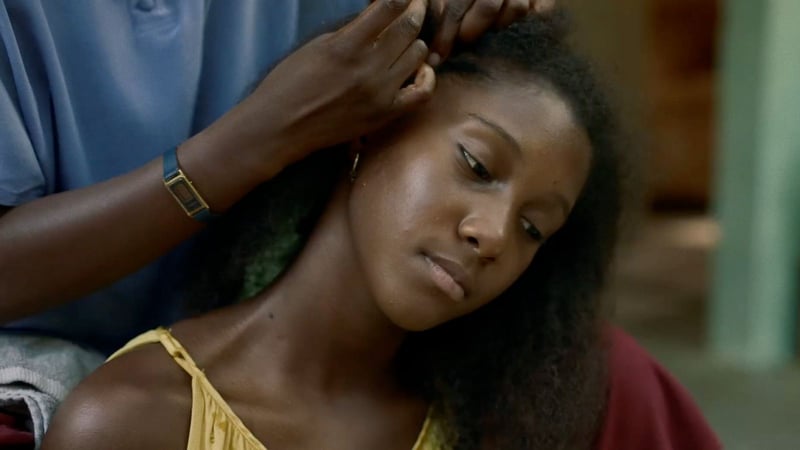
Denise Fernandes
2024|
Cape Verde / Switzerland / Portugal|
93 minutes|
Capeverdian Creole, English, Japanese, and French with English subtitles
Winner of the Best Emerging Director award at the Locarno Film Festival, ND/NF alum Denise Fernandes’s stunning feature debut is a beguiling coming-of-age fable that continues her emotionally precise inquiry into diasporic experiences of displacement and belonging.
Free Talk
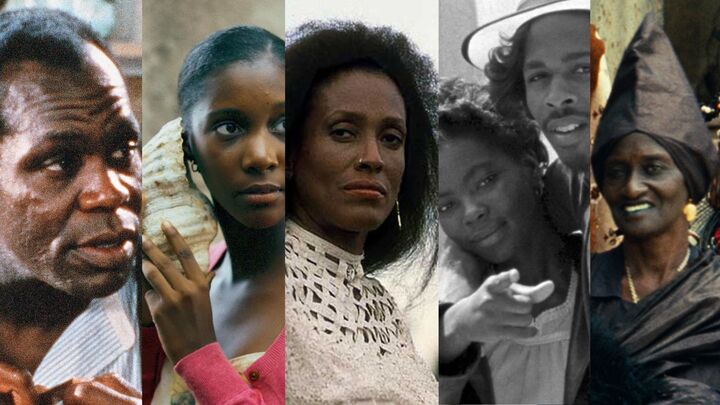
Programmer Claire Diao and a panel of filmmakers, scholars, and curators explore the many ways in which the L.A. Rebellion’s formal and thematic interventions continue to shape how Black lives are depicted in cinema and the media today.
Film at Lincoln Center presents “L.A. Rebellion: Then and Now,” a series of films both made and inspired by a diverse group of African, Caribbean, and African American filmmakers and video artists from UCLA in the 1970s and ’80s—known collectively as the L.A. Rebellion—that revitalized not only Black cinema but American film culture as a whole.
FLC is proud to present a retrospective program showcasing the vast, vital influence that the L.A. Rebellion and its spiritual descendants have exerted on the cinema of the African diaspora in the decades since the movement’s founding. This series pairs well-known and lesser-kown L.A. Rebellion films with recent works by a vibrant new generation of artists hailing from Africa, its global diaspora, and the U.S., alongside prominent works from the L.A. filmmakers’ African contemporaries, to show how these intergenerational filmmakers share a common aim: to reflect the complexity of Black experiences and reframe how Black communities and lives are portrayed to global audiences.
In 1968, UCLA launched an initiative aimed at increasing the enrollment of Black, Latino, Native American, and Asian film students. Although the program ended in 1973, it had successfully admitted a significant number of students of color, many of whom continued to attract others to UCLA. Notably, the initiative produced a remarkable group of Black filmmakers, including Charles Burnett, Julie Dash, Billy Woodberry, Haile Gerima, Jamaa Fanaka, Barbara McCullough, Larry Clark, Alile Sharon Larkin, Ben Caldwell, and Zeinabu irene Davis. In the decades that followed, artists from this extraordinary cohort would go on to become internationally renowned as the founding practitioners of a wholly original school of cinematic thought, justly celebrated for the bracing confluence of stark naturalism and unvarnished lyricism in evoking the rhythms and textures of an underrepresented milieu.
Curated by Claire Diao and co-organized by Madeline Whittle.
Acknowledgements: UCLA Film & Television Archive, Fondazione Cineteca di Bologna and The Film Foundation, Merawi Gerima, Larry Clark, Mahen Bonetti.
Additional travel support generously provided by Black Camera: An International Film Journal.
Series sponsored by:

The LA Rebellion continues. It just morphs into other filmmakers and people.”
—Zeinabu irene Davis, to Deadline