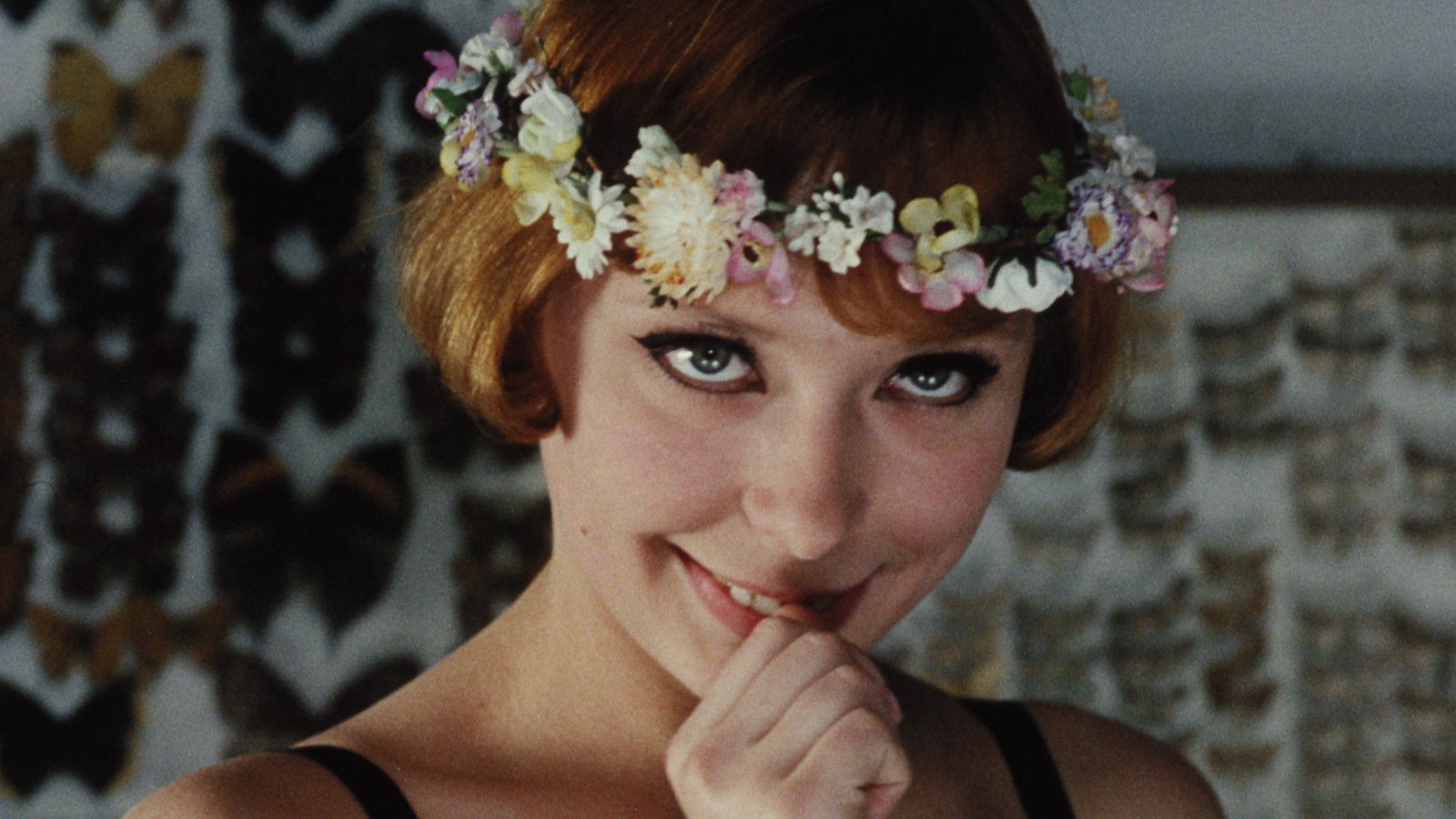
The Power of the Powerless: Banned Films from the Czechoslovak New Wave
In anticipation of Václav Havel Day in New York City on September 28—the Czech Republic’s national Statehood Day—join us for another selection of subversive, savagely funny, dark, and defiant films.
Milos Forman
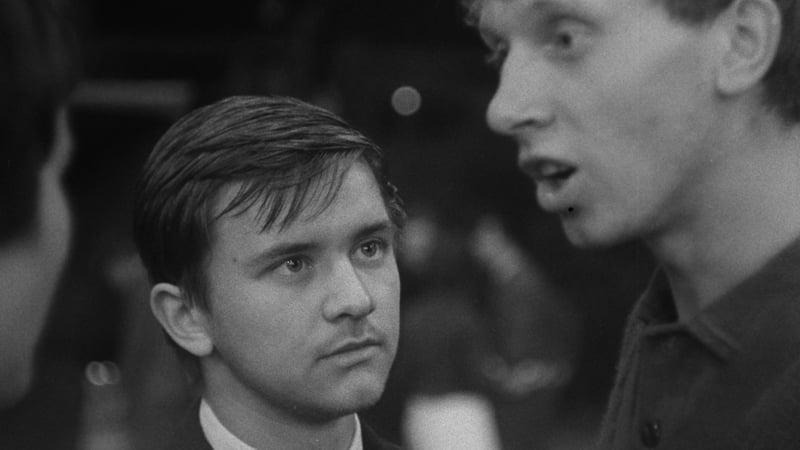
1964|
Czechoslovakia|
85 minutes|
Czech with English subtitles
Milos Forman’s first narrative feature—a wry, sensitive snapshot of an awkward young man stumbling into adulthood—laid the foundation for the Czechoslovak New Wave with its air of brash irreverence and youthful abandon.
Pavel Juracek
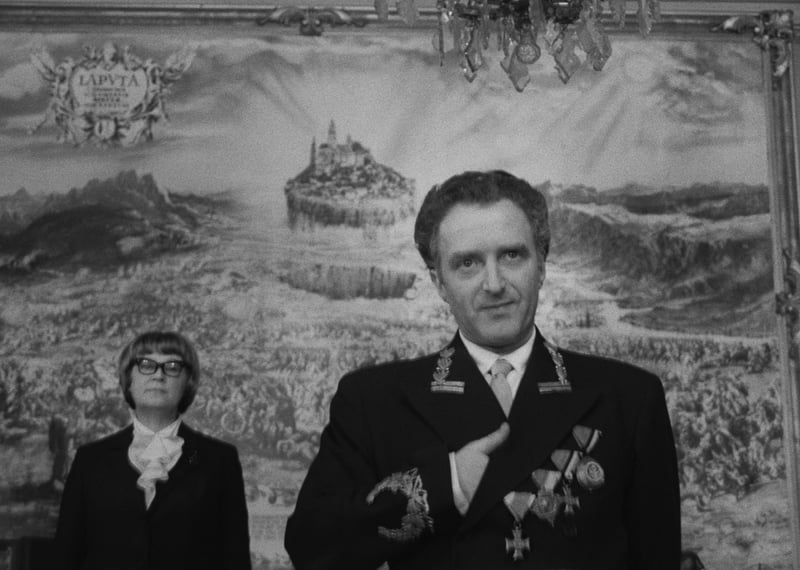
1969|
Czechoslovakia|
102 minutes|
Czech with English subtitles
Inspired by Gulliver’s Travels and infused with the spirit of Kafka, this darkly surrealist fantasia finds Lemuel Gulliver lost in an absurdist authoritarian mirror world that bears a curious resemblance to 1960s Czechoslovakia.
Věra Chytilová
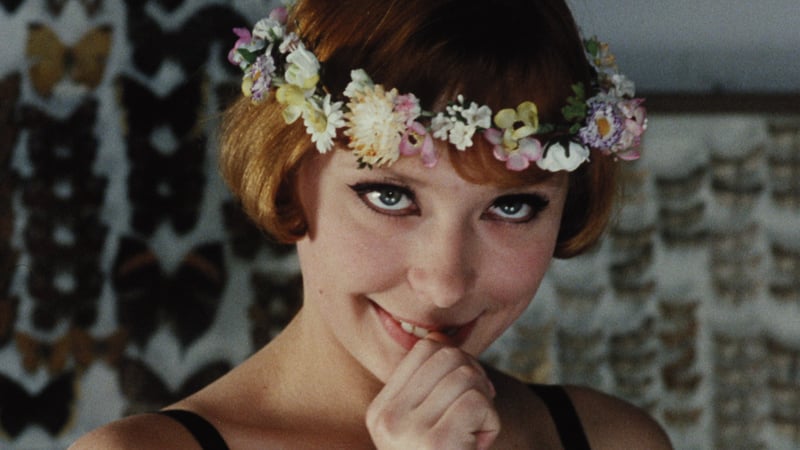
1966|
Czechoslovakia|
74 minutes|
Czech with English subtitles
A pair of pixieish hell-raisers embark on a giddy, anything-goes pursuit of hedonistic pleasure, gustatory excess, and patriarchy-smashing destruction in Vera Chytilova’s exuberantly experimental call to rebellion.
Jiří Menzel
1965|
Czechoslovakia|
105 minutes|
Czech with English subtitles
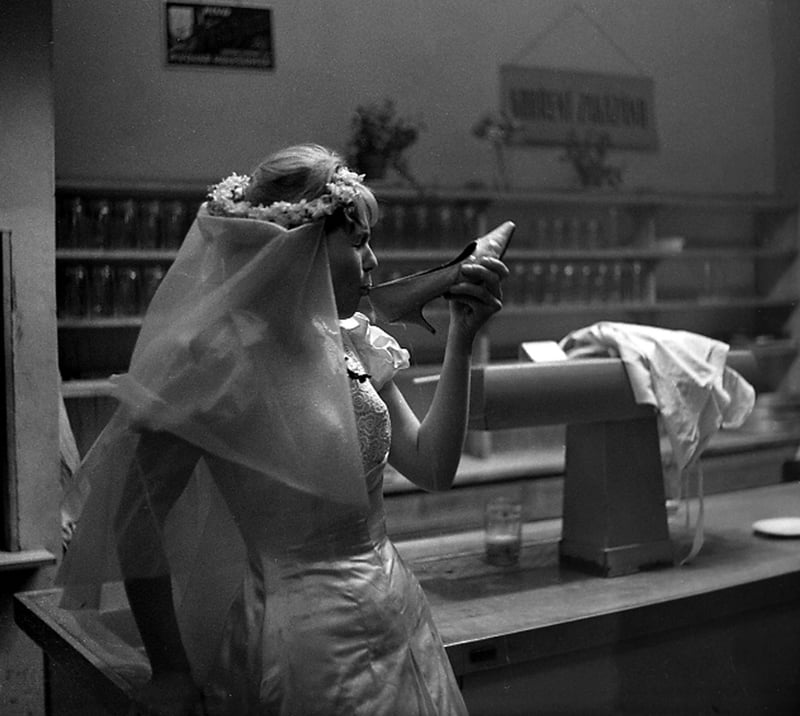
The screening of The End of the Priest has been replaced with the Czechoslovak anthology film Pearls of the Deep, directed by Jiří Menzel, Jan Němec, Evald Schorm, Věra Chytilová and Jaromil Jireš. It will screen in 35mm.
Věra Chytilová

1970|
Czechoslovakia|
99 minutes|
Czech with English subtitles
Věra Chytilová’s follow-up to her avant-garde landmark Daisies is a radical retelling of Adam and Eve, a richly enigmatic odyssey that unfolds in a kaleidoscopic swirl of senses-scrambling sound and image.
The Czechoslovak New Wave was one of the most radical and brilliant bursts of creativity in film history. The political thaw that allowed it to flourish even within a totalitarian state came to an abrupt end with the Soviet invasion of Czechoslovakia in 1968. Despite stifling restrictions, an intrepid generation of filmmakers continued to challenge Communist censorship by creating art that was provocative, satirical, and deeply critical of authoritarianism. The Czechoslovak Communist government responded the only way it knew how: by banning these works outright, resulting in many works that went unseen in their home country for decades. In anticipation of Václav Havel Day in New York City on September 28—the Czech Republic’s national Statehood Day—join us for another selection of subversive, savagely funny, dark, and defiant films—Case for a Rookie Hangman (1969), Daisies (1966), The End of a Priest (1969), and Fruits of Paradise (1969), and a tribute to the late Milos Forman with a special screening of Black Peter (1964)—which stand as enduring testaments to the power and necessity of dissident art. Presented in collaboration with the Czech Center New York.
The name “Power of the Powerless” is inspired by Václav Havel’s 1978 essay “The Power of the Powerless.” Havel started an important discussion on the subject of freedom and power in Eastern Europe, questioning how one should challenge and interact with governing bodies in their society.
Organized by Florence Almozini and Tyler Wilson.
Acknowledgments:
Czech Center New York, Marie Dvorakova, Barbara Karpetova; Permanent Mission of the Czech Republic to the UN in New York; Czech National Film Archive; Vaclav Havel’s 1978 essay “The Power of the Powerless” (Moc bezmocnych)


