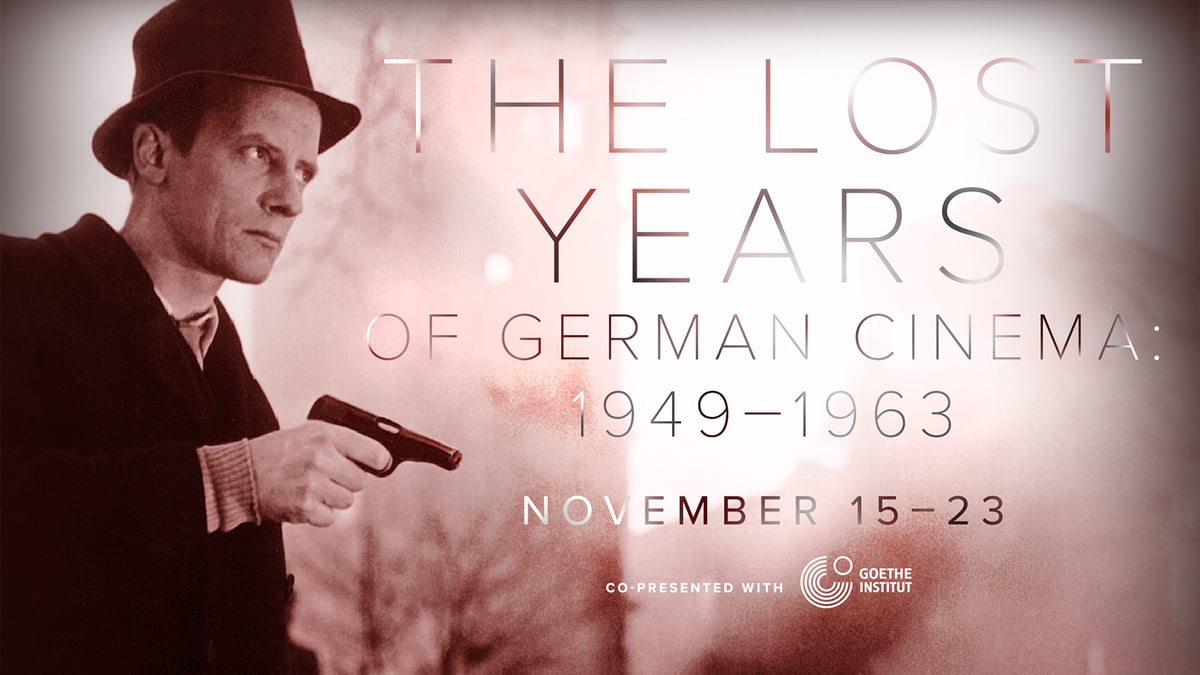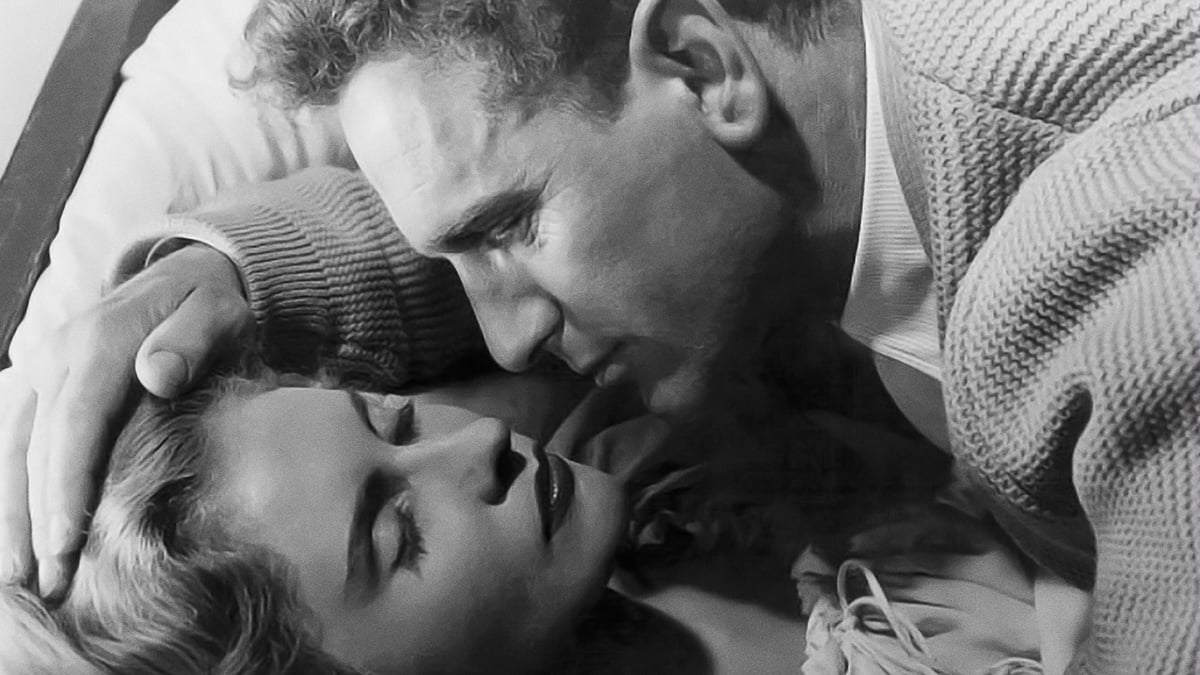
The Lost Years of German Cinema: 1949–1963
This series spotlights the rich, unsung, and fascinating period of postwar German cinema and its exceptionally diverse body of films, capturing a generation’s effort to newly define its identity.
Helmut Kautner
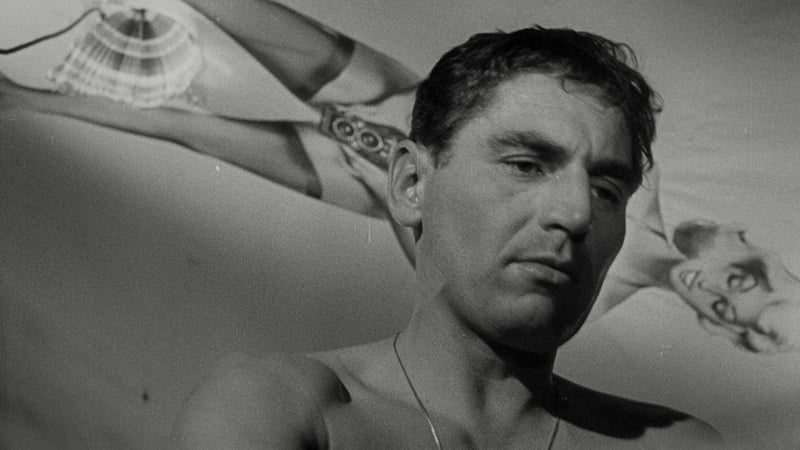
1961|
West Germany|
117 minutes|
German with English subtitles
The underrecognized Kautner’s best-known film is this rugged, paranoiac noir set in the West German village of Sohnen around the site of an American airbase in progress, where a trucker and his former lover scramble to cover up both their affair and a bit of manslaughter.
Robert Siodmak
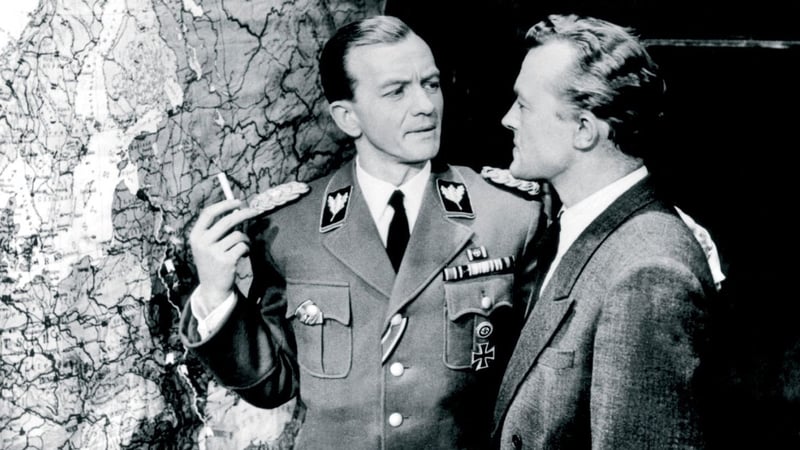
1957|
West Germany|
104 minutes|
German with English subtitles
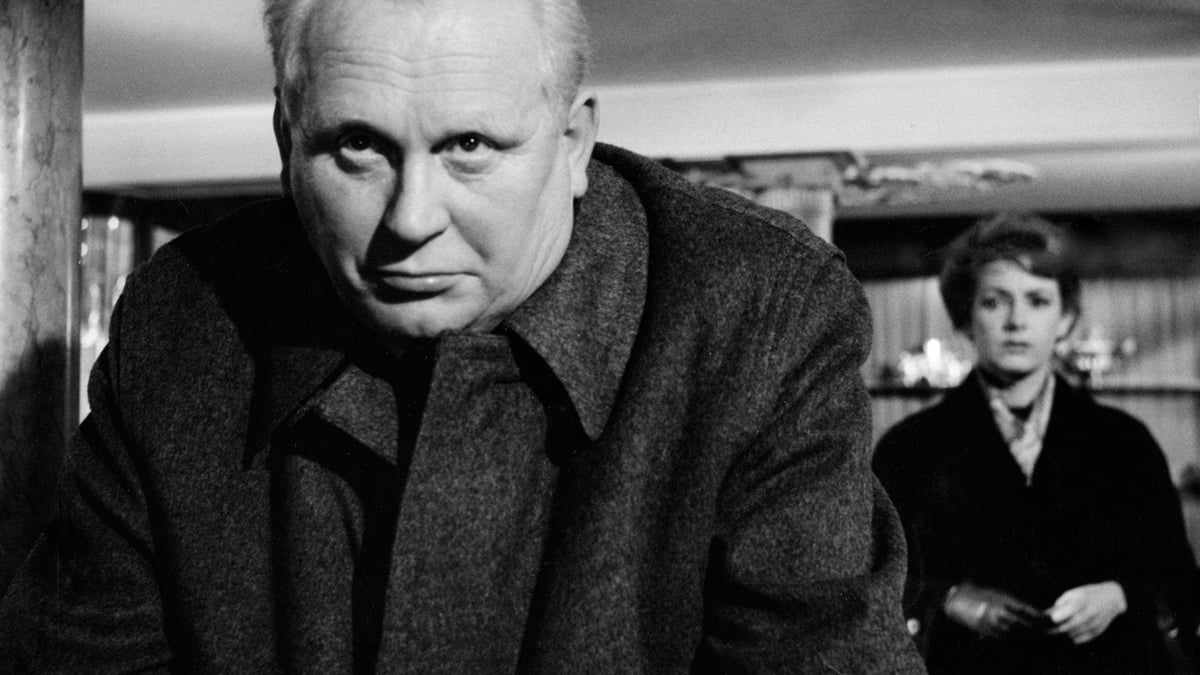
One of the films that Robert Siodmak made upon returning to Germany in the mid-1950s, after his successful run in Hollywood, this visually striking Oscar-nominated thriller, based on the true story of Nazi-era serial killer Bruno Ludke, is also a sardonic indictment of political corruption.
Konrad Petzold
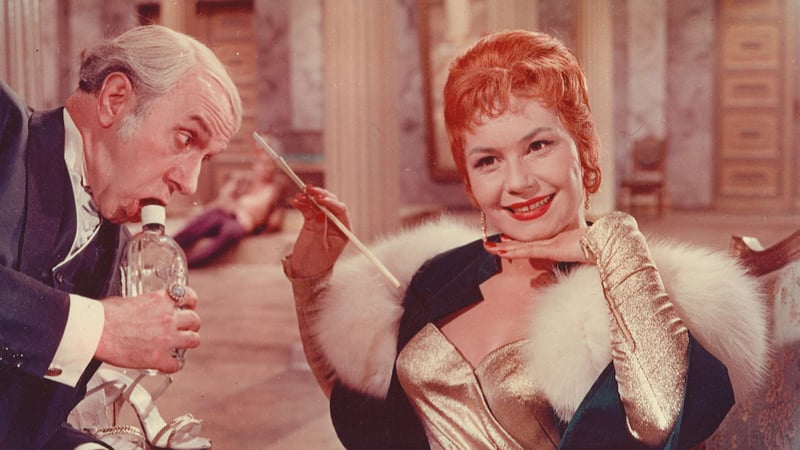
1961/91|
East Germany|
88 minutes|
German with projected English subtitles
In this politically resonant (and formerly banned) adaptation of Hans Christian Andersen’s The Emperor’s New Clothes, a tyrannical, vain emperor demands that two travelers craft a new wardrobe for him that will inspire fear and servility among his subjects.
Aleksander Ford
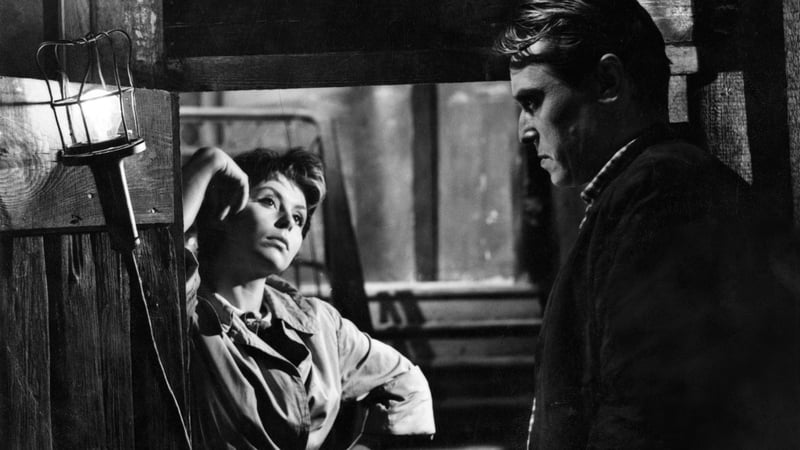
1958|
Poland / West Germany|
84 minutes|
Polish with projected English subtitles
This tale of two lovers, finished by Aleksander Ford in the FRG after it was shelved by Polish censors, concerns a young man (Zbigniew Cybulski) and woman (Sonja Ziemann) who escape the city to share a few undisturbed hours in the countryside.
Wolfgang Staudte

1960|
West Germany / France|
102 minutes|
German with English subtitles
In this damning portrait of social disorder during and after the Nazi years, the body of an Wehrmacht officer who attempted desertion after having been ordered to execute women and children is discovered fifteen years after his disappearance.
Harald Braun
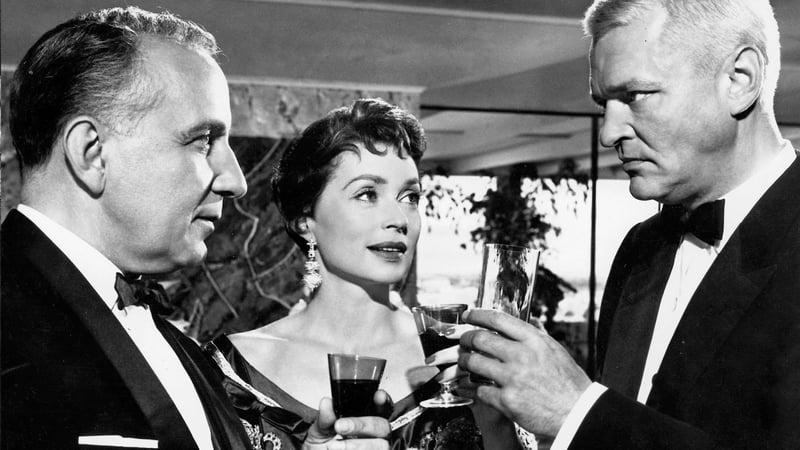
1957|
West Germany|
105 minutes|
German with projected English subtitles
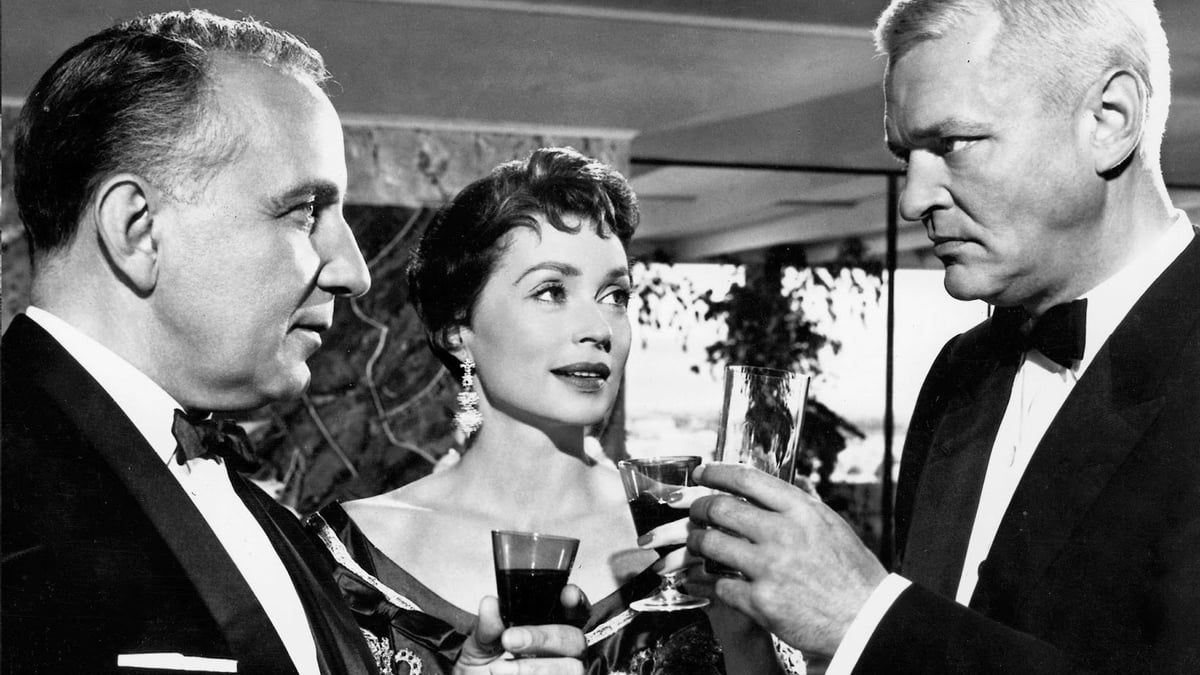
One of the most significant films of fifties West German cinema, The Glass Tower stars Lilli Palmer as a tycoon’s wife who, no longer content to be one of her husband’s many possessions, turns to both adultery and her first love: the theater.
Kurt Hoffmann
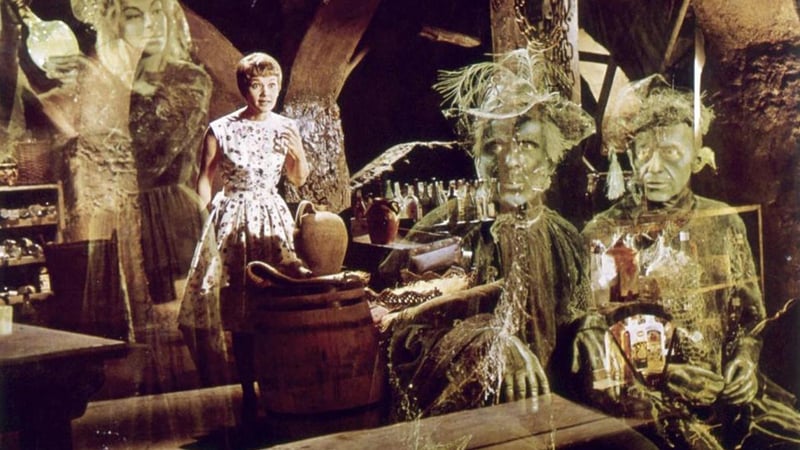
1964|
West Germany|
101 minutes|
German with English subtitles
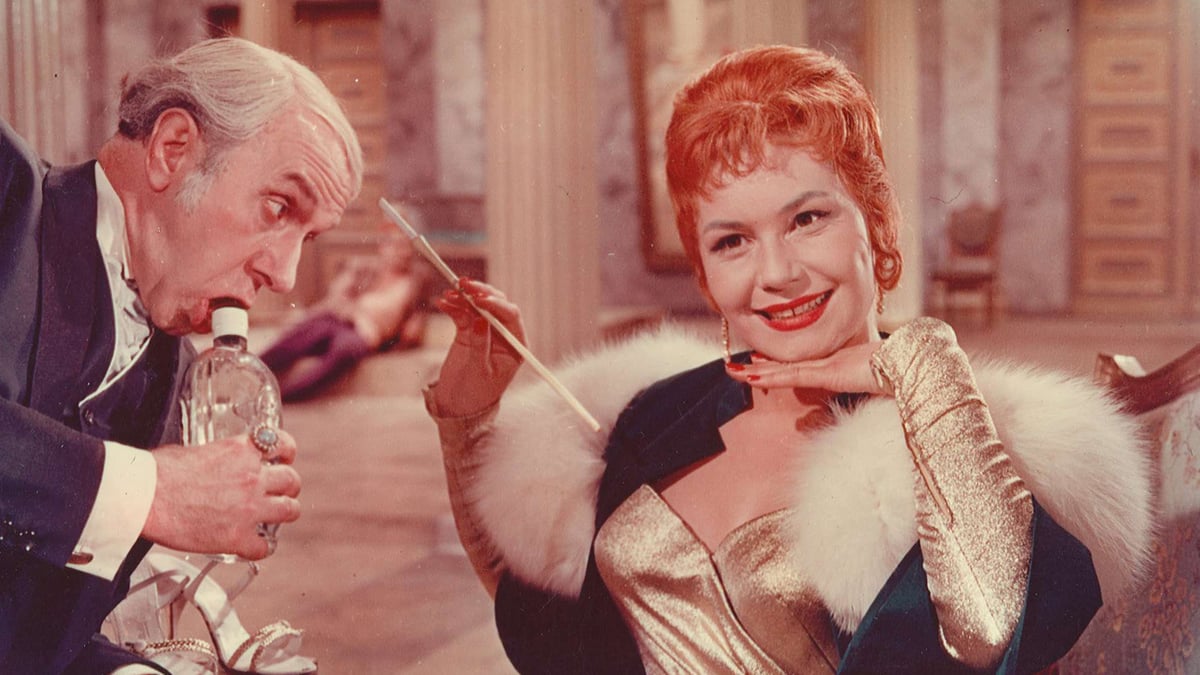
This hilarious satire of the FRG’s economic turnaround unexpectedly assumes the form of a kind of horror musical about a woman who receives help from a team of ghosts to deal with debt she has inherited from her castle-owning father.
Peter Lorre
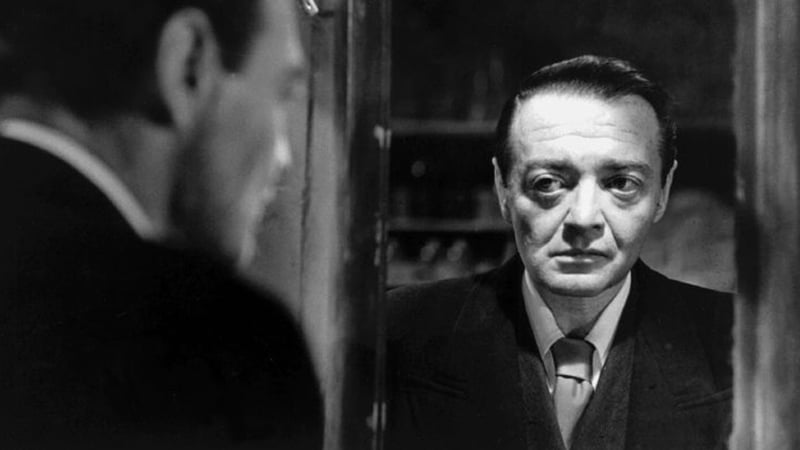
1951|
West Germany|
98 minutes|
German with English subtitles
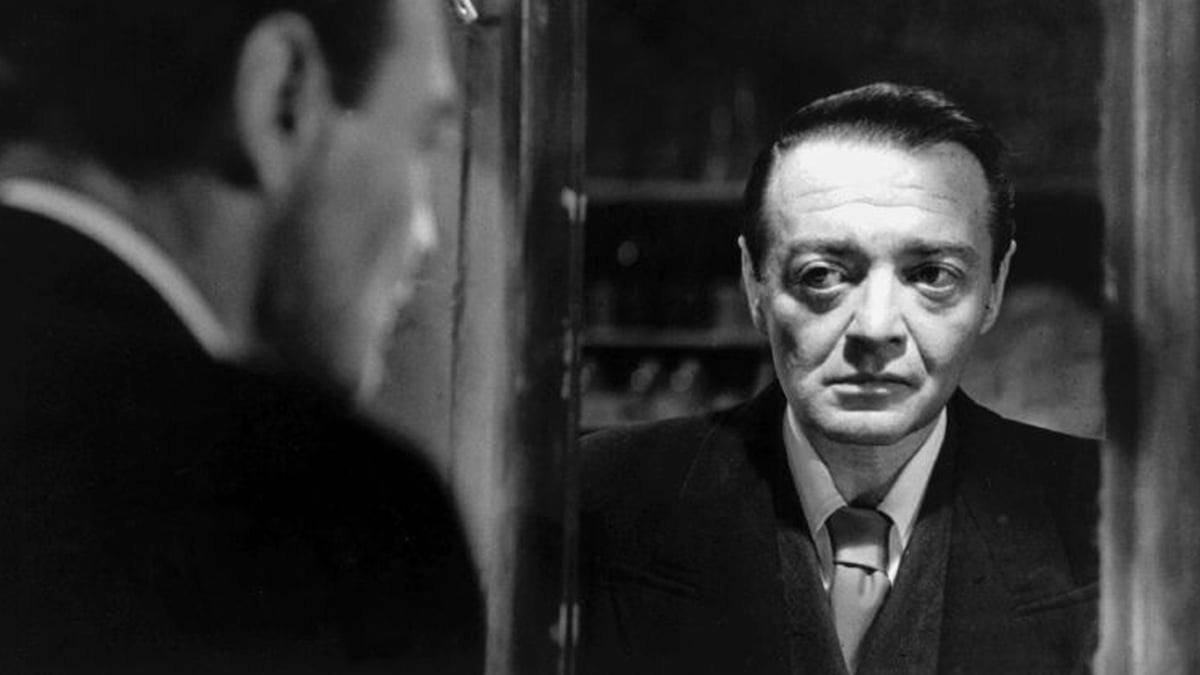
In his sole directorial effort, Peter Lorre (who also co-wrote its screenplay) plays a Nazi-era scientist forced to commit murder after he is betrayed by his fiancée.
Helmut Kautner
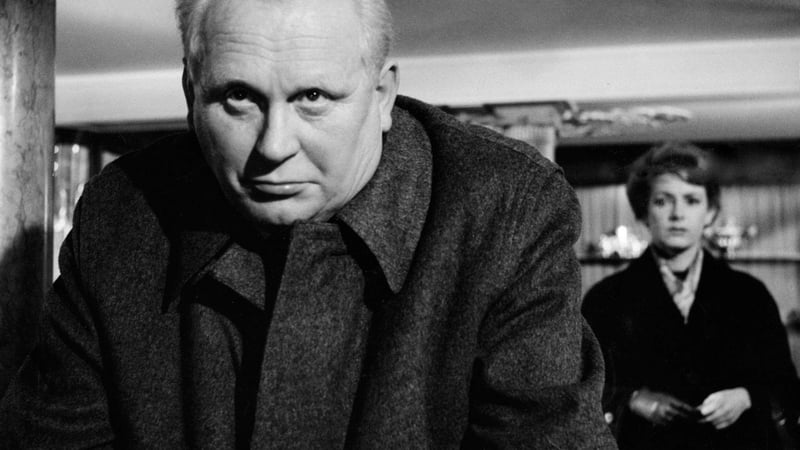
1962|
West Germany / Italy|
94 minutes|
German with English subtitles
One of Kautner’s final films before his turn to television, about a German woman who, on the cusp of 40, flees to Venice and has an affair with an Englishman who harbors a secret, vengeful agenda, is also among his most personal and bitterly truthful.
Hans Heinz König
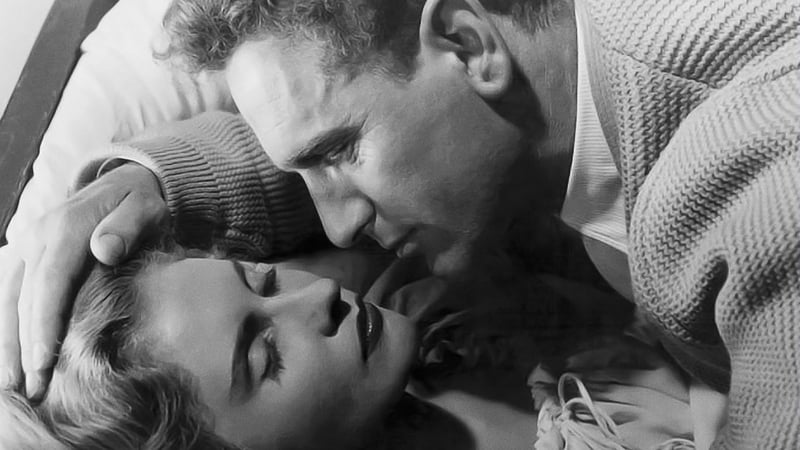
1952|
West Germany|
82 minutes|
German with English subtitles
A gothic synthesis of the heimatfilm and the horror movie, Roses Bloom on the Moorland is ripe for rediscovery, following the plight of a young village girl pressured by her family into spurning her childhood love and marrying a wealthy farmer.
Helmut Kautner
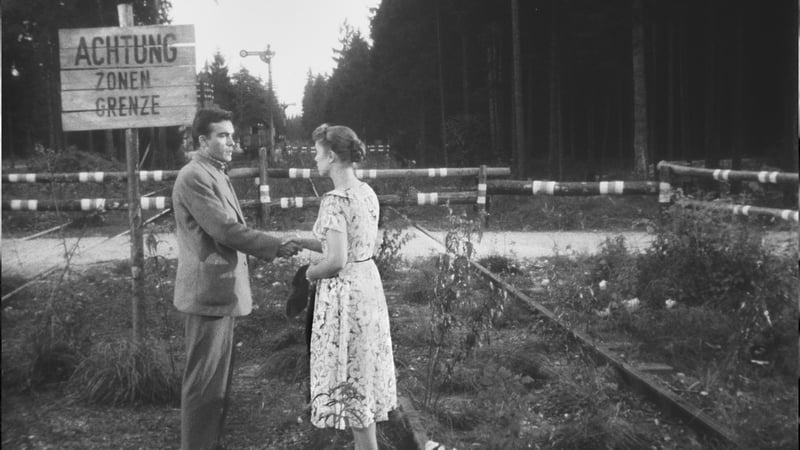
1955|
West Germany|
108 minutes|
German and Russian with English subtitles
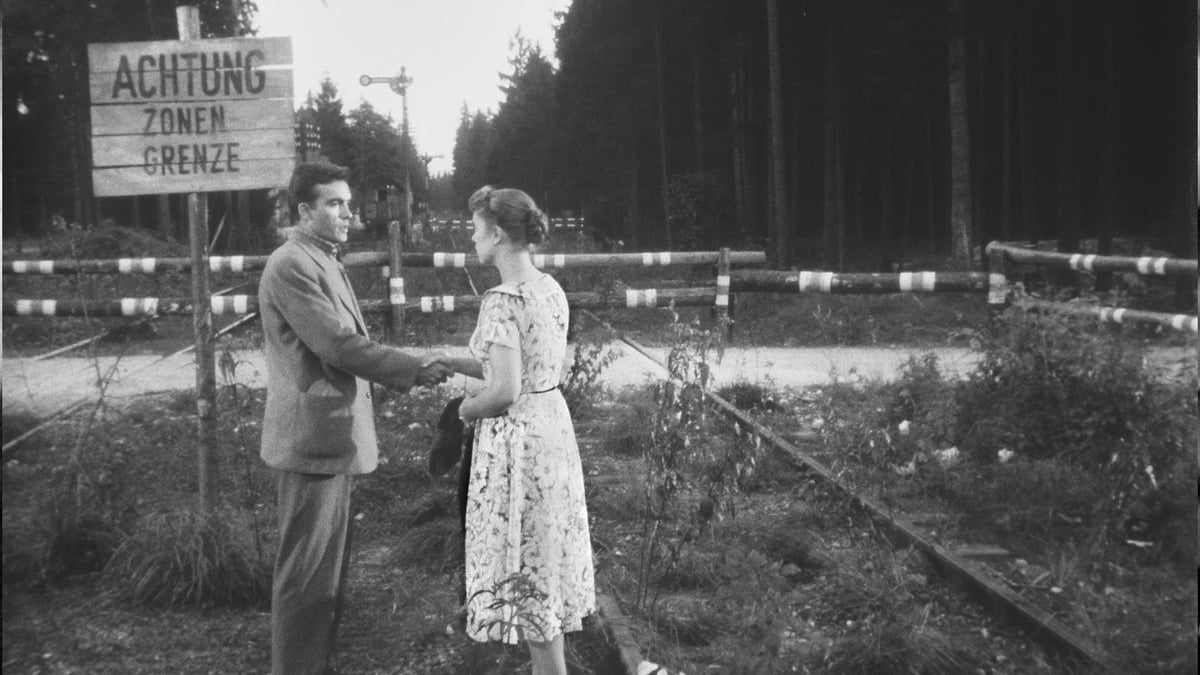
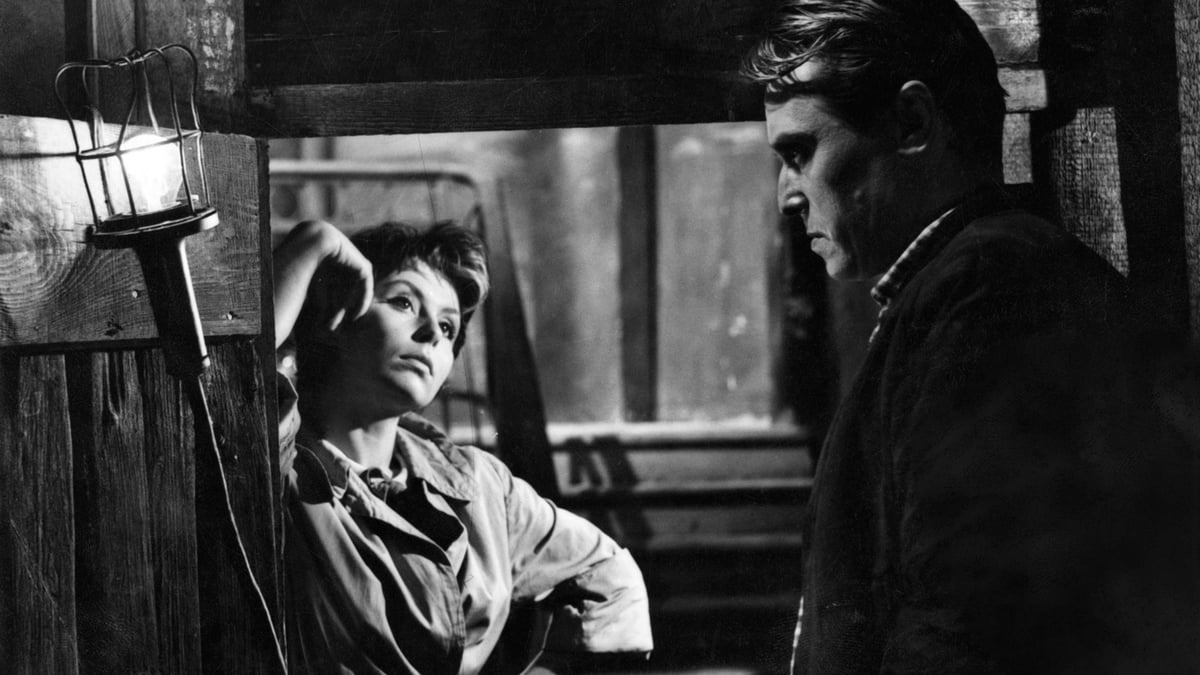
One of Kautner’s signature films is this absorbing, almost-neorealist tale of lovers on the run about an East German factory worker and her unexpected romance with a compassionate West German cop.
Fritz Lang
1959|
West Germany / France / Italy|
101 minutes|
German with English subtitles
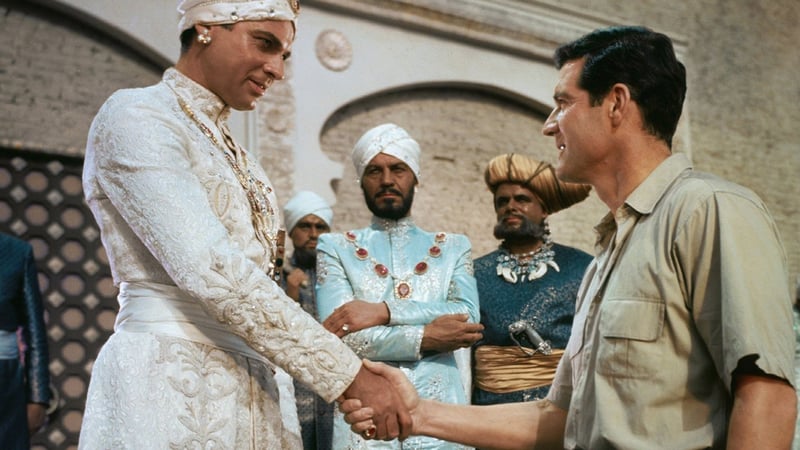
After his long and prolific Hollywood career, Fritz Lang returned to Germany for an ambitious two-film project that would become known as his “Indian Epic.” In this, the first of the two, he tells the story of a German architect (Paul Hubschmid) who falls in the love with a Maharaja’s intended bride (Debra Paget).
Gottfried Kolditz
1959|
East Germany|
88 minutes|
German with projected English subtitles
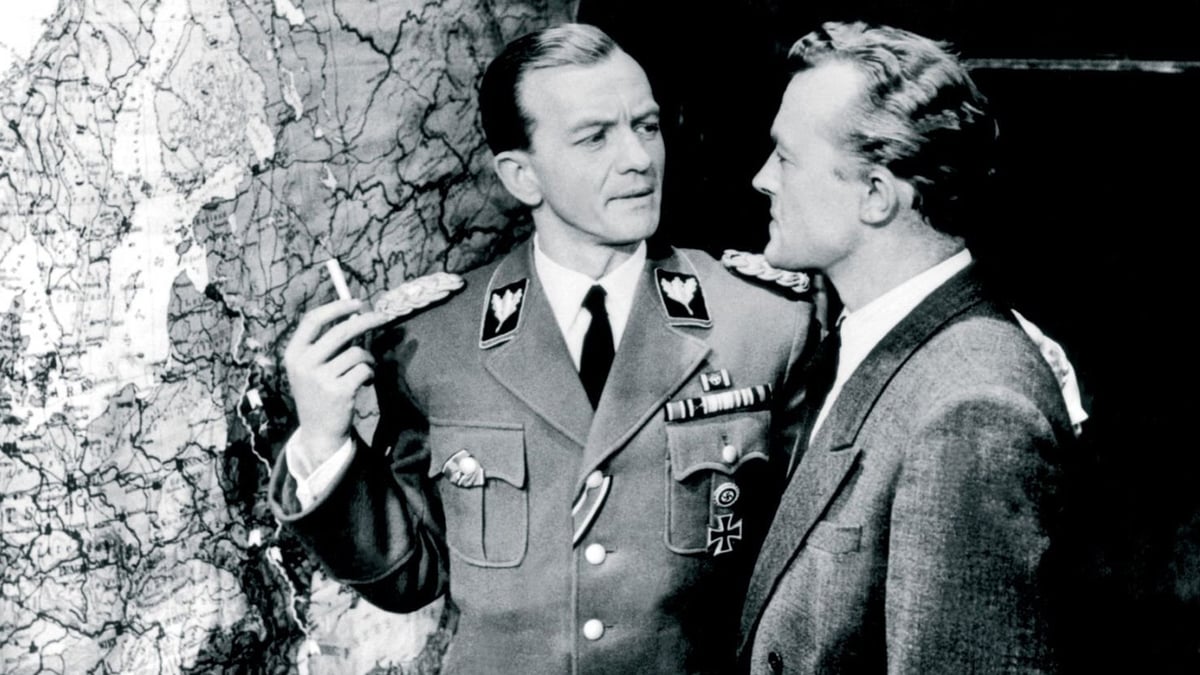
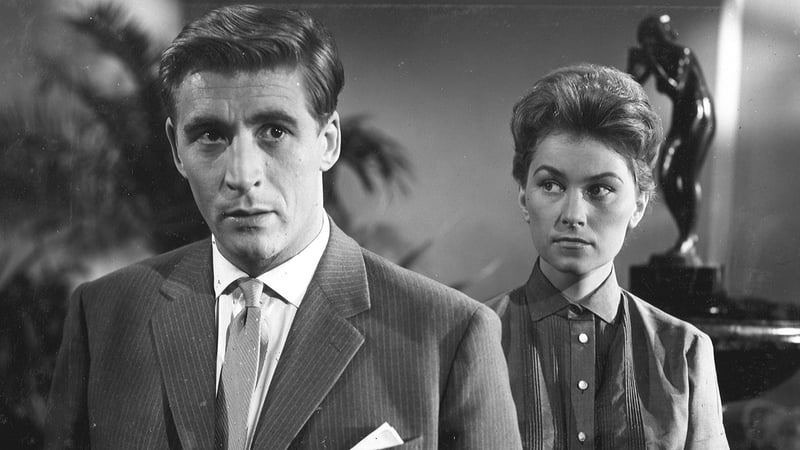
A tense combination of military thriller and melodrama, directed by one of the most formally resourceful genre masters at DEFA, White Blood is a masterful reckoning with moral unease at the dawn of the nuclear age.
Our sense of German film history is founded largely upon the prewar masterpieces by Fritz Lang, F. W. Murnau, and G. W. Pabst, and then the iconoclasm of the New German Cinema directors of the 1960s and ’70s, such as Rainer Werner Fassbinder, Alexander Kluge, Wim Wenders, Margarethe von Trotta, and Volker Schlöndorff. Less well-known are the films produced after the fall of the Third Reich and before the signing of the Oberhausen Manifesto in 1962, which jump-started a new kind of national cinema. Closer inspection of this in-between period reveals a wealth of eclectic and innovative filmmaking, featuring established masters (like Lang and Robert Siodmak) returning to Germany to conclude their careers, foreign directors passing through, and under-recognized talents (such as Helmut Käutner) reinventing the genre film. This series, presented in collaboration with the Locarno Film Festival and the Goethe-Institut, spotlights this rich, unsung, and fascinating period and its exceptionally diverse body of films, capturing a generation’s effort to newly define German identity.
Organized by Dennis Lim and Dan Sullivan, and co-presented with the Goethe-Institut. This program was selected from the retrospective curated by Olaf Möller and Roberto Turigliatto at the 2016 Locarno Film Festival, organized in partnership with the Deutsches Filminstitut, in collaboration with the Cinémathèque suisse and German Films.