The Radical Cinema of Kijū Yoshida
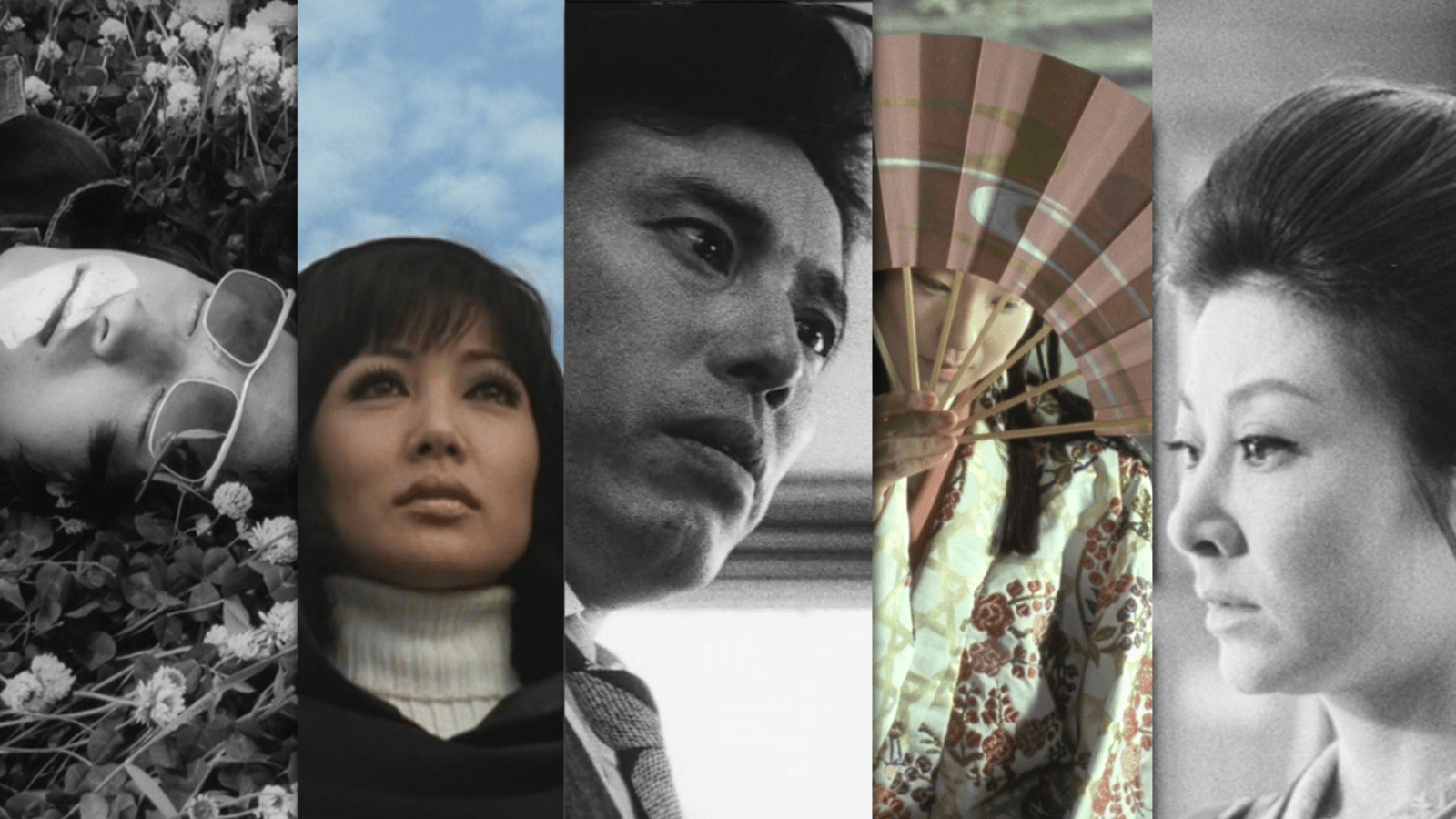
“The Radical Cinema of Kijū Yoshida,” a retrospective of the films of one of Japan’s greatest cinematic rebels, runs from December 1 through 8, with all films presented on 35mm or 16mm at FLC’s Walter Reade Theater, the Elinor Bunin Munroe Film Center, and the Japan Society.
Kijū Yoshida

1960|
Japan|
88 minutes|
Japanese with English subtitles
Yoshida’s debut feature vividly depicts the ennui and intellectual and spiritual restlessness of a generation of bourgeois youth in Tokyo at the dawn of the 1960s.
Kijū Yoshida
1960|
Japan|
87 minutes|
Japanese with English subtitles
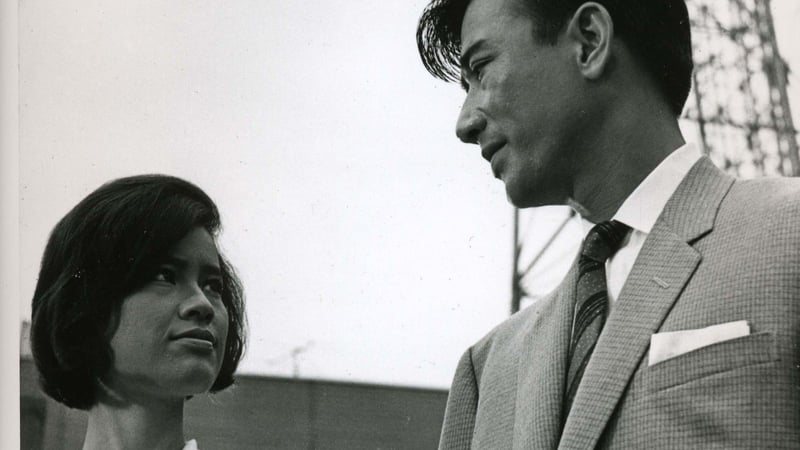
Yoshida’s satirical second feature, about a salaryman who attempts to save his colleagues’ jobs by threatening to commit suicide, again ferociously critiques Japanese society following its postwar reinvention as a capitalist giant.
Kijū Yoshida
1962|
Japan|
113 minutes|
Japanese with English subtitles
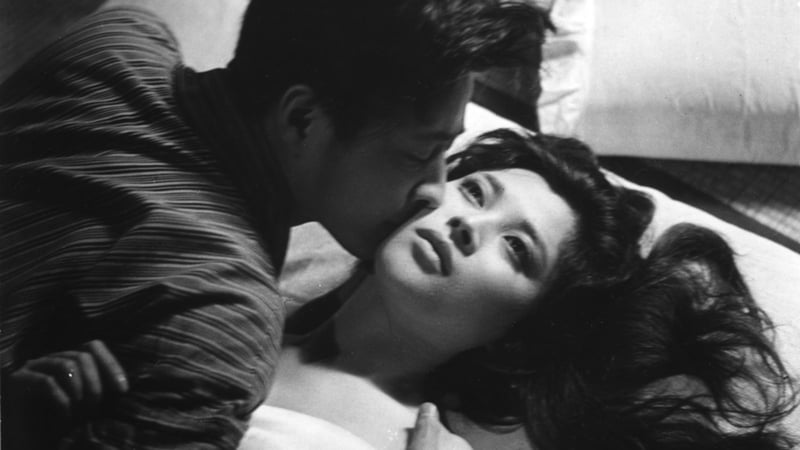
The first great commercial success of his young career, Akitsu Springs is a tear-jerking romance set across 17 years that finds Yoshida working in collaboration with his frequent star and lifelong filmmaking partner Mariko Okada.
Kijū Yoshida

1963|
Japan|
113 minutes|
Japanese with English subtitles
A group of migrant workers fed up with their being ruthlessly exploited by the society around them lash out in Yoshida’s rugged widescreen chronicle of proletarian unrest, which marked the beginning of his break with the Japanese studio system.
Kijū Yoshida

1965|
Japan|
101 minutes|
Japanese with English subtitles
Yoshida’s first independent film is a startling affair, depicting the unbreakable love of mother and child when a young man finds himself torn between his fiancée and the single mother who raised him. Starring Mariko Okada, whose otherworldly beauty is framed by Yoshida in typically striking, veiled compositions.
Kijū Yoshida
1967|
Japan|
97 minutes|
Japanese with English subtitles
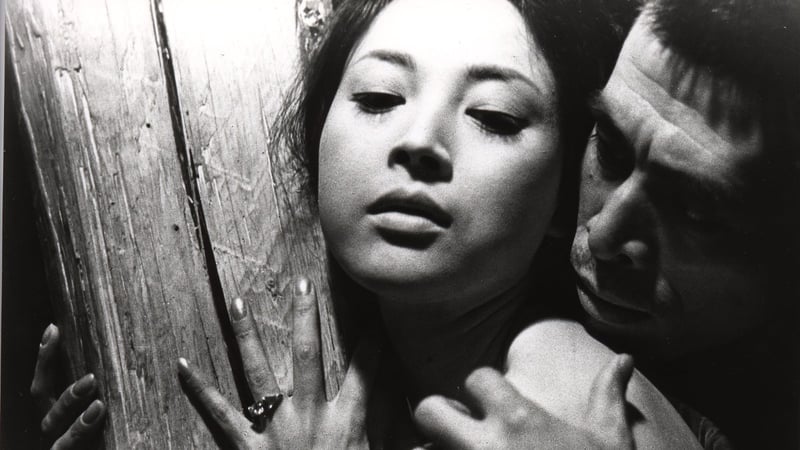
A mesmerizing account of a woman’s reconnection with her long-suppressed desires and the resultant tension this causes, The Affair is one of Yoshida and Mariko Okada’s most forceful collaborations and ranks among Yoshida’s most visually precise works.
Kijū Yoshida

1967|
Japan|
101 minutes|
Japanese with English subtitles
Yoshida returned to the melodrama—this time synthesizing elements of the horror film in the process—with this chronicle of a woman’s suddenly swelling desire for her child’s biological father.
Kijū Yoshida

1967|
Japan|
97 minutes|
Japanese with English subtitles
A love triangle plays out in the snow in Yoshida’s 11th feature, a striking deconstruction of the melodrama, in which a woman reconnects with an old boyfriend while on a trip to a mountain resort with her current lover.
Kijū Yoshida
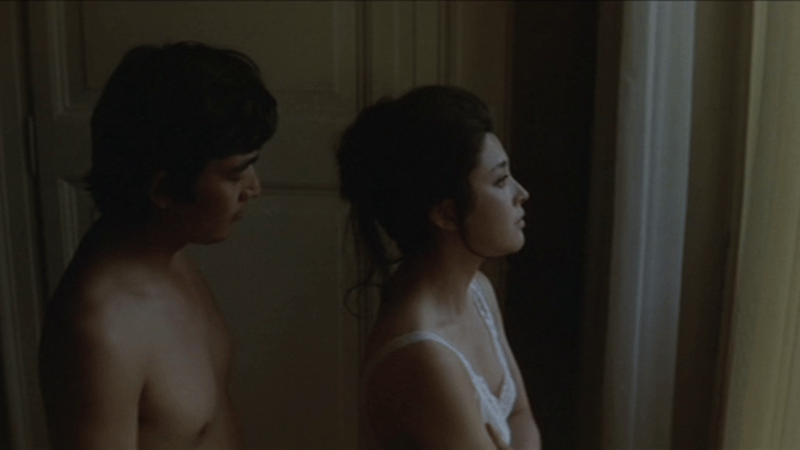
1968|
Japan|
96 minutes|
English, Japanese, Spanish, French, Italian, and Portuguese with English subtitles
A fascinating transitional film for Yoshida, Farewell to the Summer Light finds the restless iconoclast heading to Europe to tell the tale of an on-again-off-again romance between a married expat and a Japanese scholar who is searching for an architecturally significant cathedral.
Kijū Yoshida
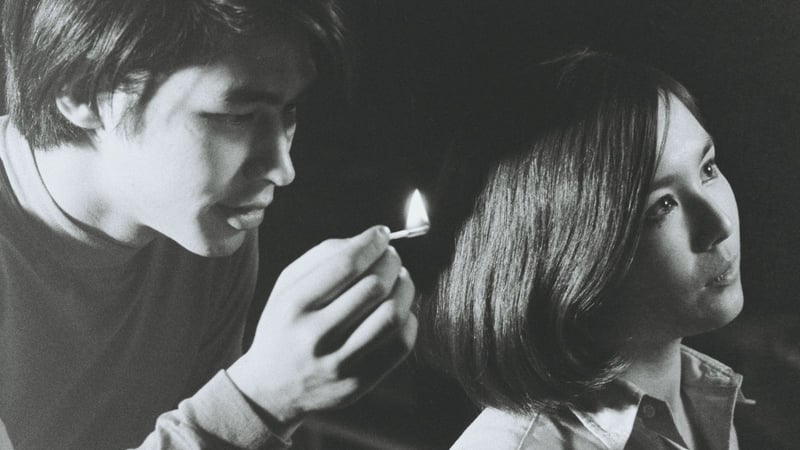
1969|
Japan|
168 minutes|
Japanese with English subtitles
Among the greatest of all political films and perhaps the work that best embodies the spirit of Yoshida’s artistic project, Eros + Massacre is an epic, historiographic examination of the last days of anarcho-feminist writer Noe Ito (Mariko Okada) and her lover, the anarchist theorist Sakae Ōsugi, before their 1923 assassination by military police officers.
Kijū Yoshida
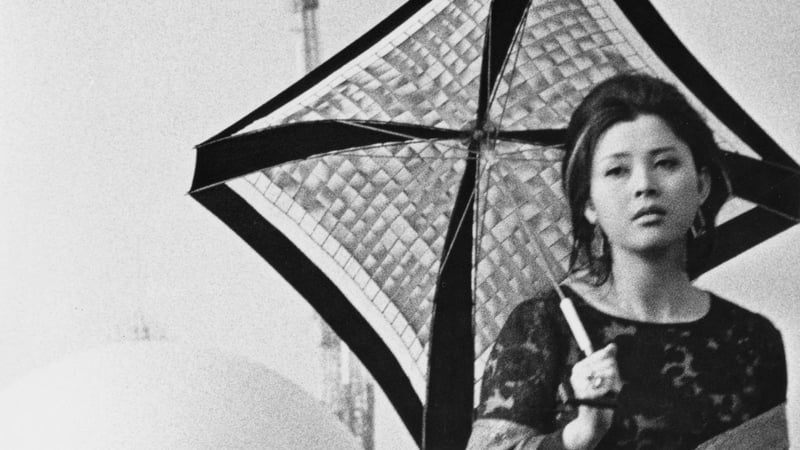
1970|
Japan|
118 minutes|
Japanese with English subtitles
The second film in a trilogy (inaugurated by Eros + Massacre) concerning 20th-century Japanese history, Heroic Purgatory is a kaleidoscopic, mazelike memory piece about an atomic engineer whose past as a college-age revolutionary militant erupts into the present.
Kijū Yoshida
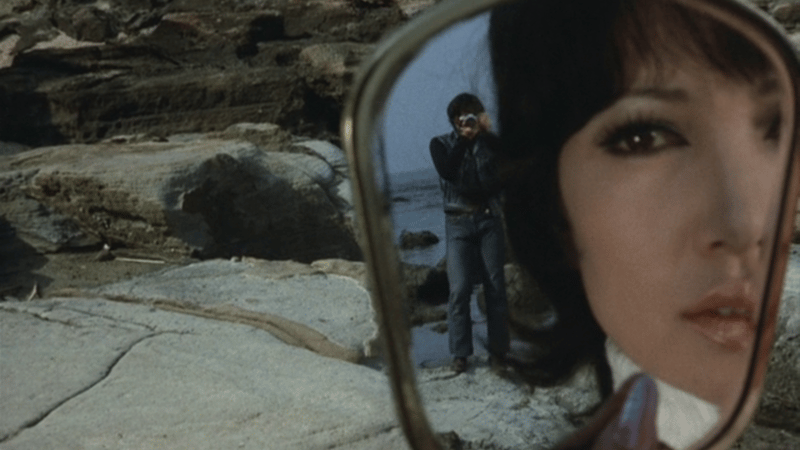
1971|
Japan|
124 minutes|
Japanese with English subtitles
Something like Yoshida’s response to Bergman’s Persona, Confessions Among Actresses finds Yoshida teaming up with three prominent Japanese actresses to craft a fragmentary, perpetually shapeshifting work on the relationship between performance and trauma.
Kijū Yoshida
1973|
Japan|
110 minutes|
Japanese with English subtitles
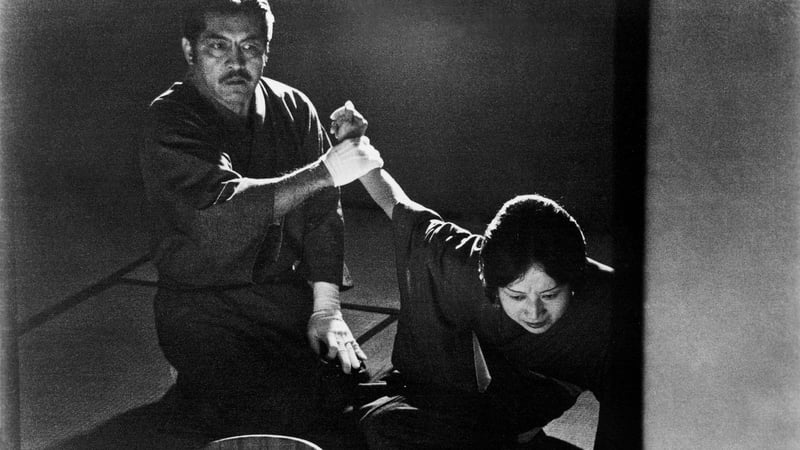
The culminating film in the trilogy formed by Eros + Massacre and Heroic Purgatory, Yoshida’s 16th feature is a spellbinding portrait of notorious militarist Ikki Kita, whose 1936 attempt at staging a coup against the Japanese government would later serve as inspiration to the similarly controversial nationalist writer Yukio Mishima.
Kijū Yoshida
1986|
Japan|
119 minutes|
Japanese with English subtitles
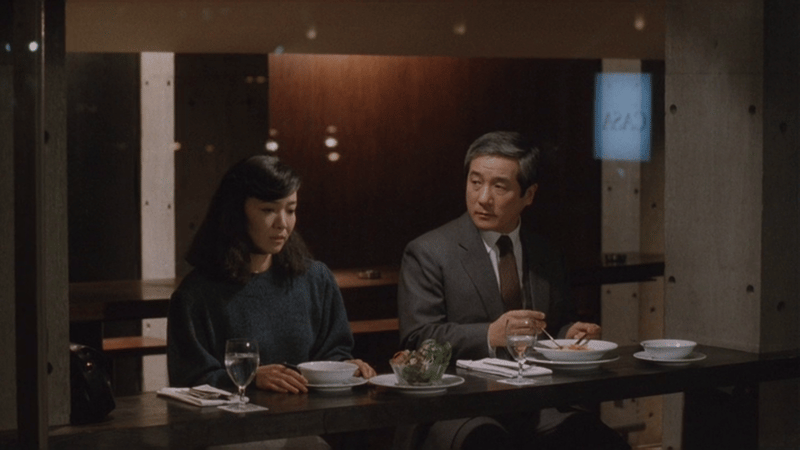
Yoshida came out of his feature filmmaking retirement with this typically idiosyncratic meditation on the situation of the elderly as they try to hang onto a shred of their own dignity while awaiting the end of their lives. Featuring music by Haruomi Hosono.
Kijū Yoshida

1988|
Japan|
144 minutes|
Japanese with English subtitles
Emily Brontë’s Gothic romance is transposed to feudal Japan for Yoshida’s powerfully stark, elemental take on the story, conjuring a savage world of expressionistic landscapes, spurting blood, and demonic spirits.
Kijū Yoshida
2002|
Japan|
124 minutes|
Japanese with English subtitles
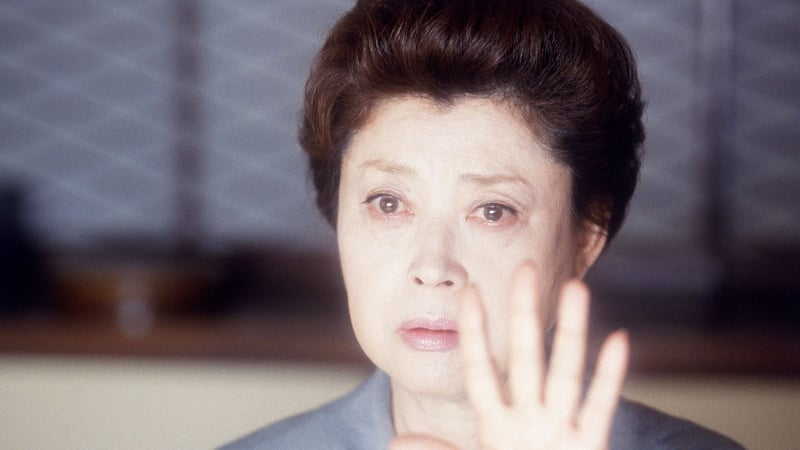
In his final fiction feature, Yoshida returned to an old subject in his work: the unfathomable trauma known by Japan due to the United States’ dropping of atomic bombs on Hiroshima and Nagasaki. Three women return to Hiroshima as Yoshida’s film mutates into a mesmerizing and melancholic puzzlework with vast psychological and political implications.
Of the iconoclastic Japanese filmmakers who rose to prominence in the 1960s, perhaps none worked as fearlessly and concertedly toward crafting an unapologetically subversive body of work than Kijū Yoshida (1933–2022). Starting his career as a young recruit to Shochiku’s directing apprenticeship system (alongside fellow enfant terrible Nagisa Ōshima), Yoshida’s earliest work finds him radically politicizing the commercially minded projects to which he was assigned, frequently in collaboration with the actress Mariko Okada, who would become his wife and lifelong creative partner. They soon moved away from the mainstream film industry entirely in order to create increasingly ambitious, eminently political films together, exemplified by their epochal Eros + Massacre (1969), a legendary work that traces a visionary counter-history of radical art and politics in Japan. An intrepid experimentalist whose films confront the political issues of his day with a keen interest in the taboo and a staunch refusal to be confined to any one formal approach, Yoshida’s oeuvre endures as one of Japanese cinema’s wildest and most intellectually stirring.
Presented in partnership with the Japan Foundation, New York. In cooperation with the National Film Archive of Japan. Organized by Dan Sullivan.
Acknowledgements:
Austrian Filmmuseum; Galerie Lumière des Roses; Gendai Eigasha; Japan Society, New York.


