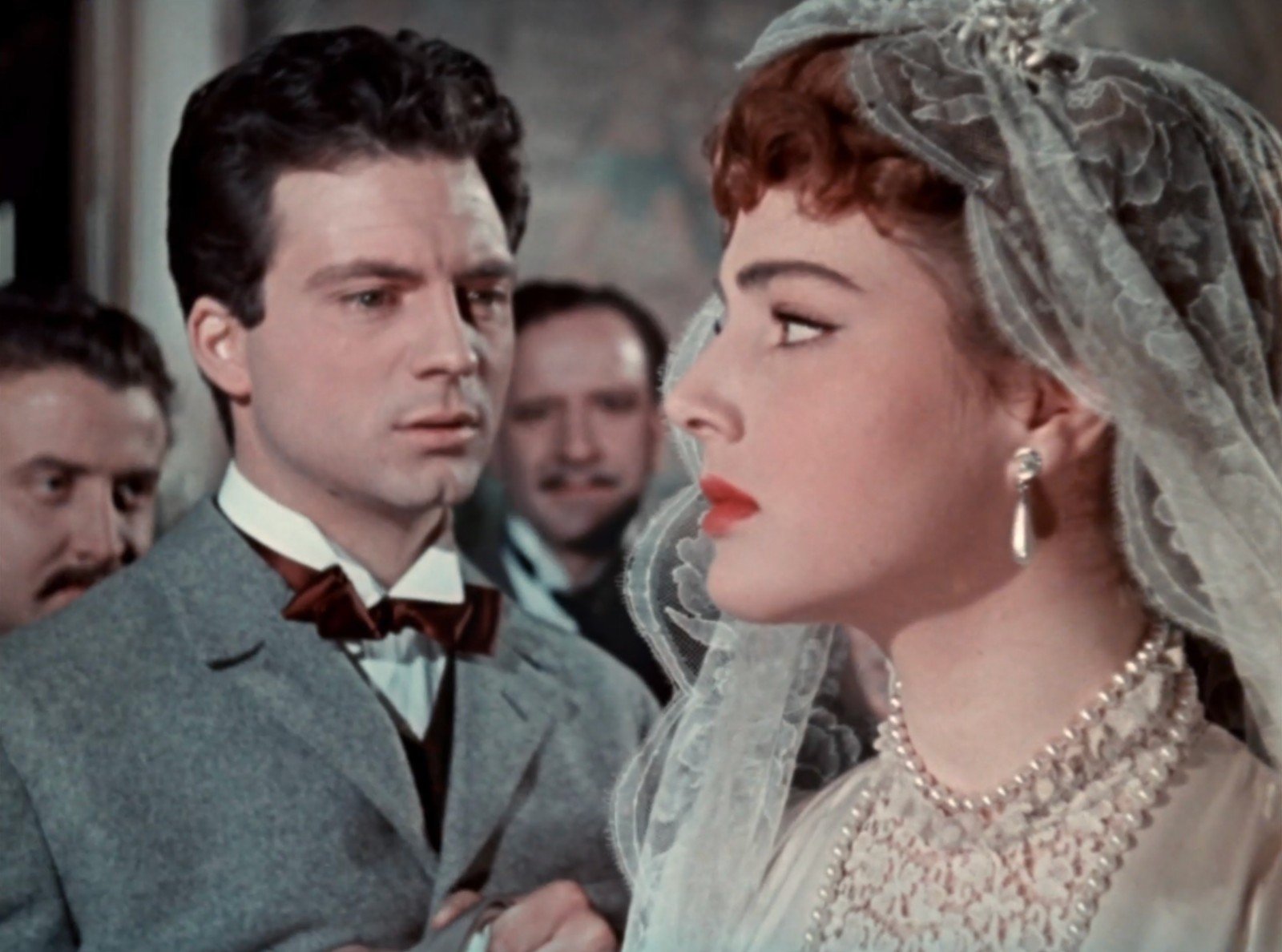
Mid-Century Loves
History, Italian Style
June 4 - 25
Five episodes, spanning from 1900 to 1943 through the Belle Époque and the fascist era, tell the story of Italy through romantic tales—some comic, some tragic.
As part of a genre of color anthology films often set in the early decades of the 20th century, this film tells dramatic and comedic love stories, tales of betrayal, spite, and torment, spanning from New Year’s Day 1900 to the end of World War II. While the episode featuring Alberto Sordi as a fascist in a black shirt—who, during the march on the capital that marked the seizure of power, suffers the funny vengeance of a woman—is quite entertaining, the episodes that stand out are above all those by Pietro Germi and Roberto Rossellini, set during the two World Wars. Germi depicts the impact of war on humble peasants and their pure loves, and Rossellini returns, after only a few years, to the settings of his neorealist films with a tone that surprises given how distant that period now seems, shrouded in a patina that shows, instead of the force of reportage and commitment, a detached and compassionate tone in contemplating the fates of men and women swept up by history. Copy from the CSC-Cineteca Nazionale.




Read More

Miroirs No. 3 Director Christian Petzold on His Haunting New Film
On the latest episode of FLC Luminaries, our video series that spotlights talent at all levels of the filmmaking process who uplift the art and craft of cinema, Miroirs No. 3 director discusses his haunting, beautifully crafted new film.
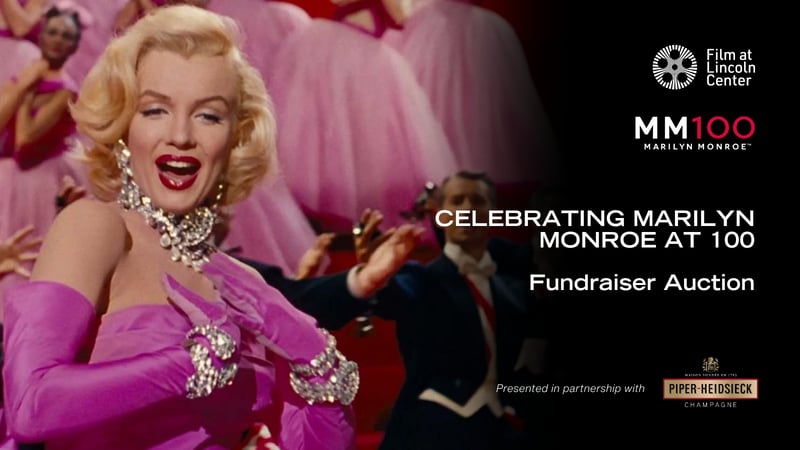
Film at Lincoln Center Launches Fundraiser Auction in Celebration of Marilyn Monroe Centennial
FLC is partnering with Piper-Heidsieck Champagne for a one-night-only special event featuring an archival 35mm print of Howard Hawks’s classic, Gentlemen Prefer Blondes. Click here to read more about the event. This special fundraiser auction features Marilyn Monroe-themed art, memorabilia, and an exclusive trip to Champagne, France, featuring a behind-the-scenes Piper-Heidsieck experience.
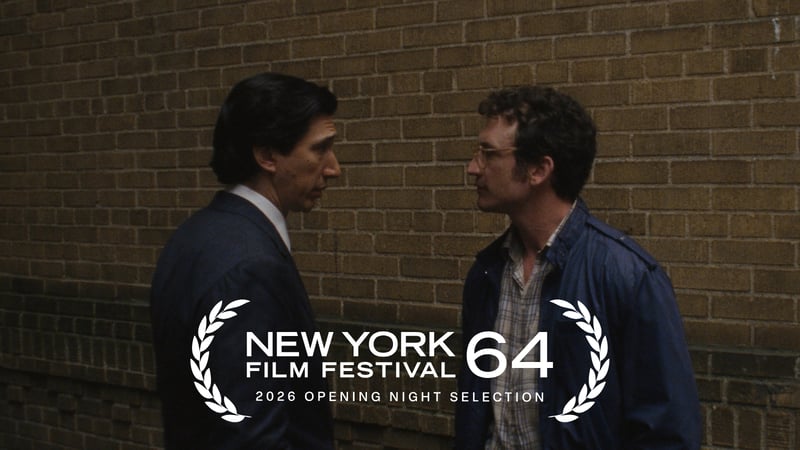
James Gray’s Paper Tiger Will Open the 64th New York Film Festival
FLC announces James Gray’s Paper Tiger as the Opening Night selection of the 64th New York Film Festival, presented in partnership with Rolex. The film will make its North American premiere in a gala debut at Alice Tully Hall on Friday, September 25, with Gray and members of the cast and crew in attendance.


