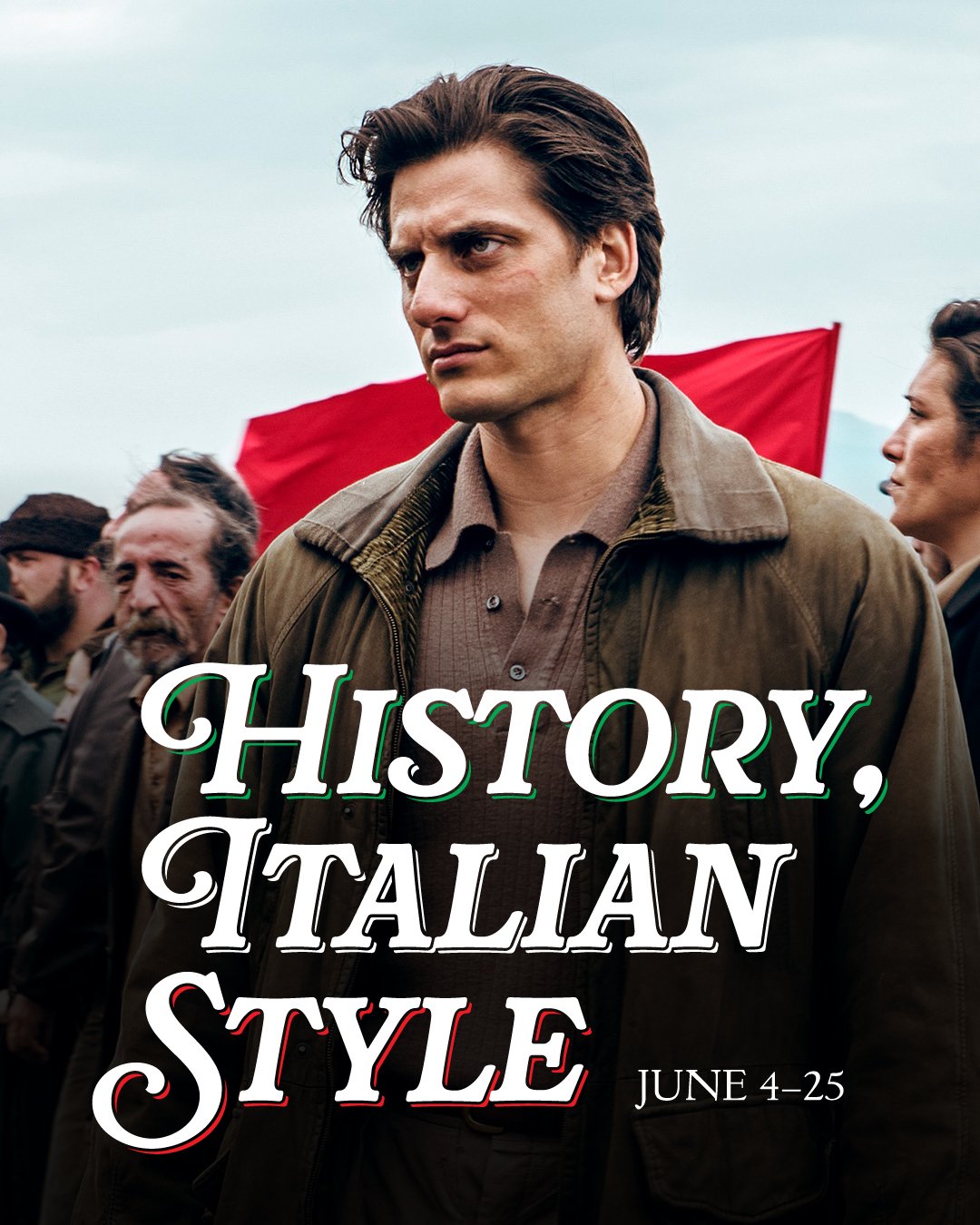
History, Italian Style
June 4–25, 2026
Film at Lincoln Center and Cinecittà present a sweeping series of 29 films examining the evolution of modern Italy—from its unification through the rise of Mussolini and World War II—through the lens of Italian cinema, presented in beautiful 4K restorations and imported prints.
Opening Night
Bernardo Bertolucci
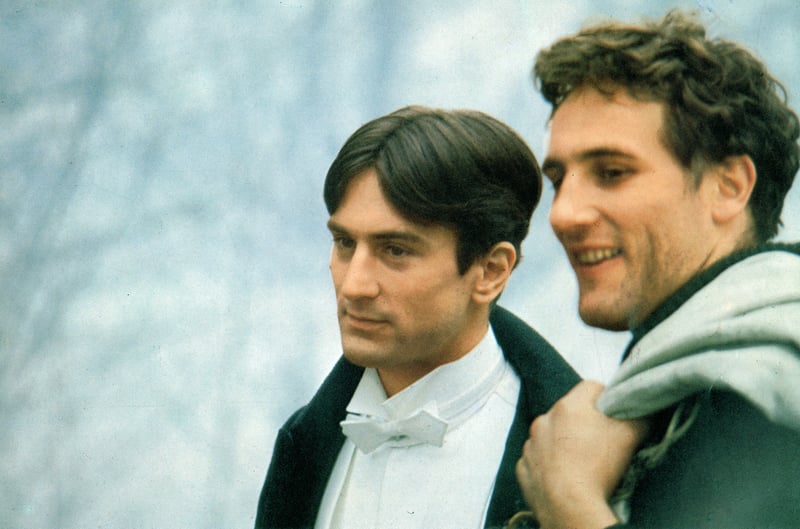
1976|
Italy / France / West Germany|
316 minutes|
Italian, French, German, and English with English subtitles
Bernardo Bertolucci’s singularly ambitious, sprawling account of the contemporaneous development of fascism and communism in Italy as expressed through the shifting relationship of two childhood friends (Robert De Niro and Gérard Depardieu) is one of cinema’s great historical epics.
Risorgimento
Paolo Taviani, Vittorio Taviani
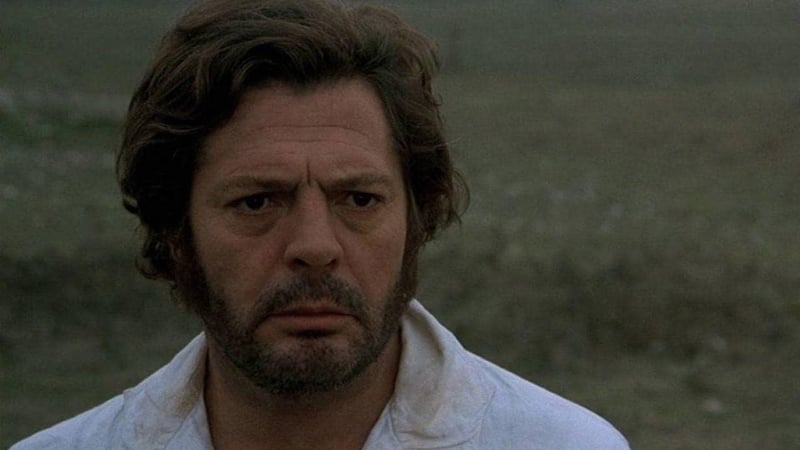
1974|
Italy|
112 minutes|
Italian with English subtitles
Marcello Mastroianni is an aging political revolutionary questioning his commitment to the cause of liberating the Kingdom of the Two Sicilies in this hallucinatory, 19th-century-set period oddity, which features an inspired Ennio Morricone score.
Gianni Franciolini
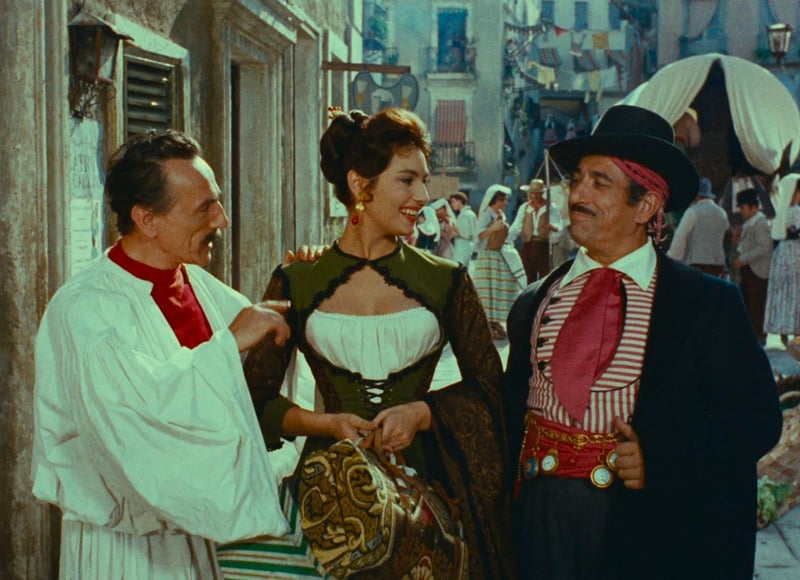
1958|
Italy|
105 minutes|
Italian with English subtitles
Gianni Franciolini’s blockbuster is a rich and lively satire on power about the last king of Naples before the unification of Italy, featuring an all-star cast led by the two great De Filippo brothers, Peppino and Eduardo.
Roberto Andò
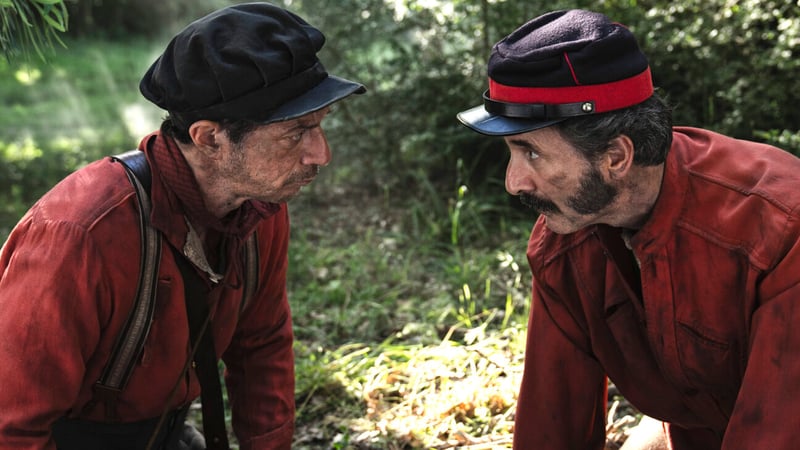
2025|
Italy|
133 minutes|
Italian with English subtitles
Toni Servillo and captivating comedians Salvatore Ficarra and Valentino Picone lead the stellar cast in this adventure comedy about two Sicilians who, for less-than-noble reasons, join Garibaldi’s volunteers to liberate Sicily and immediately desert—a bitter reflection of an Italy that got off to a rocky start.
Luchino Visconti
1963|
Italy / France|
186 minutes|
Italian, Latin, French with English subtitles
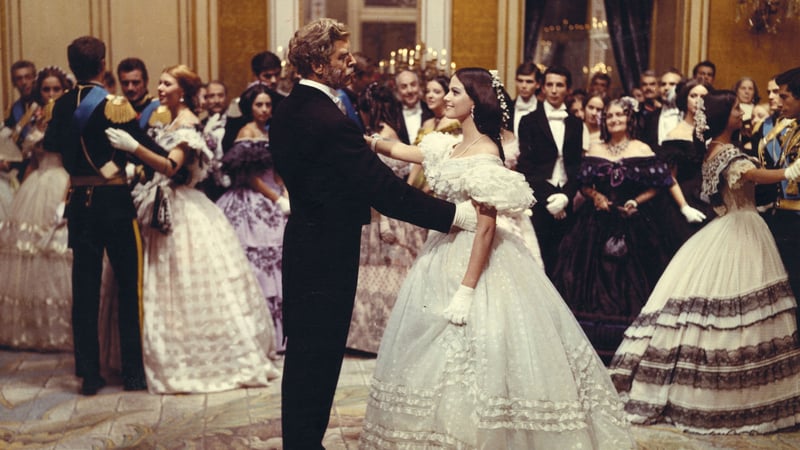
Luchino Visconti reached new heights of epic grandeur with his sweeping, Palme d’Or–winning account of political upheaval and generational sea change in Risorgimento-era Italy, starring Burt Lancaster as the patriarch of a ruling-class Bourbon family in the last gasps of its dominance.
Florestano Vancini
1971|
Italy / Yugoslavia|
109 minutes|
Sicilian and Italian with English subtitles
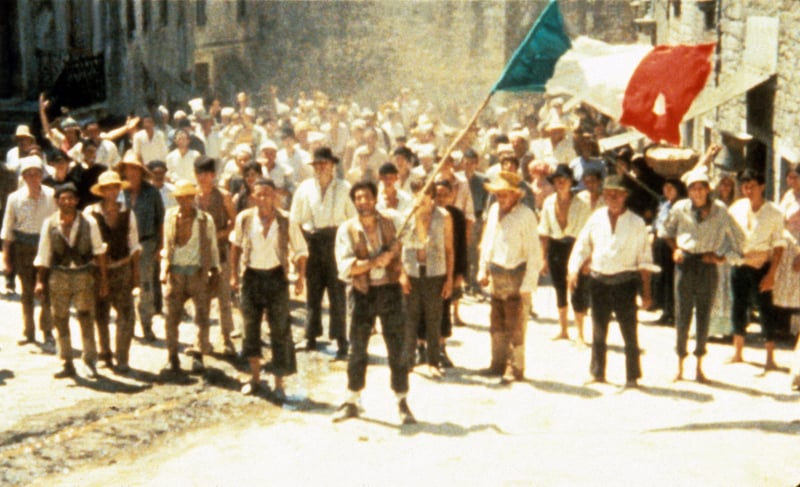
A tragic episode from the Risorgimento—the peasant uprisings brutally suppressed by the army—is brought to light in Florestano Vancini’s bold and unflinching film, shot with the immediacy of a documentary.
Paolo Taviani, Vittorio Taviani
1972|
Italy|
90 minutes|
Italian with English subtitles
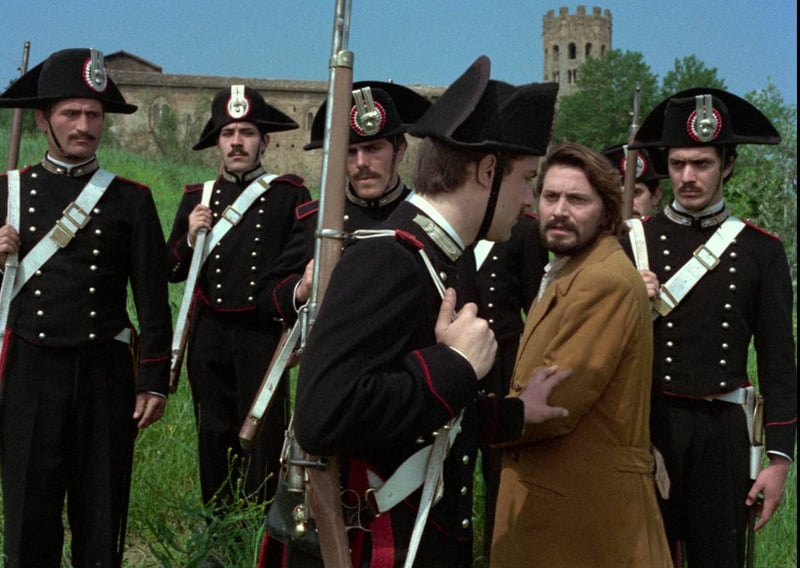
In the midst of a season of political cinema, the Taviani brothers explore new formal approaches by adapting Brecht’s teachings to the screen in a dramatic tale of revolutionary illusions, centered on an anarchist who attempts to spark a revolt in a village in Umbria but fails and is arrested.
Luchino Visconti
1954|
Italy|
115 minutes|
Italian and German with English subtitles
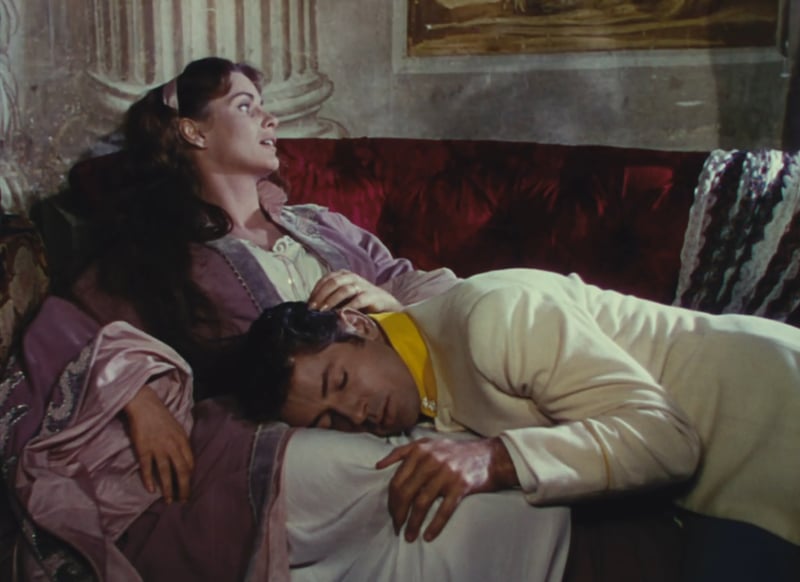
Luchino Visconti’s lavish, operatic Risorgimento-set melodrama about a 19th-century Venetian countess torn between loyalty to her country and a dissolute Austrian officer is a key link between the neorealist grit of his early work and the grand-scale historical spectacles to come.
Belle Époque
Mario Martone
2018|
France / Italy|
122 minutes|
English, Italian, Neapolitan, French, German, and Russian with English subtitles
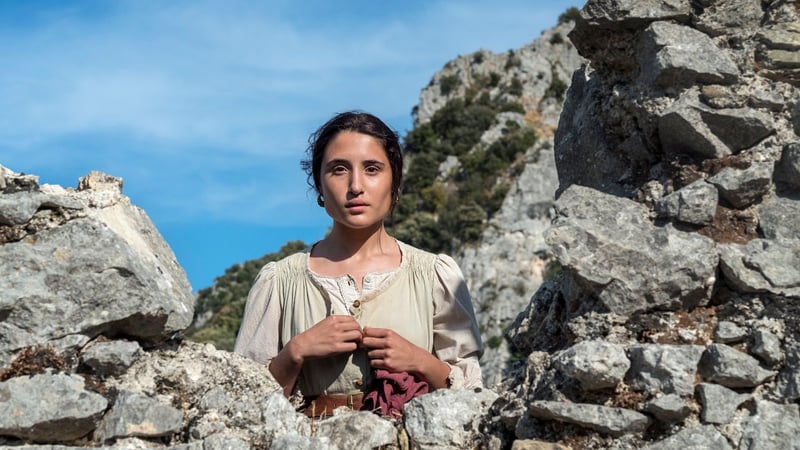
Mario Martone’s stirring drama centers on a young goatherd living on the island of Capri in 1914, alongside a commune of free-spirited Northern European artists and intellectuals who have retreated to the lush Mediterranean idyll to put their fledgling ideologies into practice.
Alessio Rigo de Righi, Matteo Zoppis
2025|
Italy / U.S.|
107 minutes|
English and Italian with English subtitles
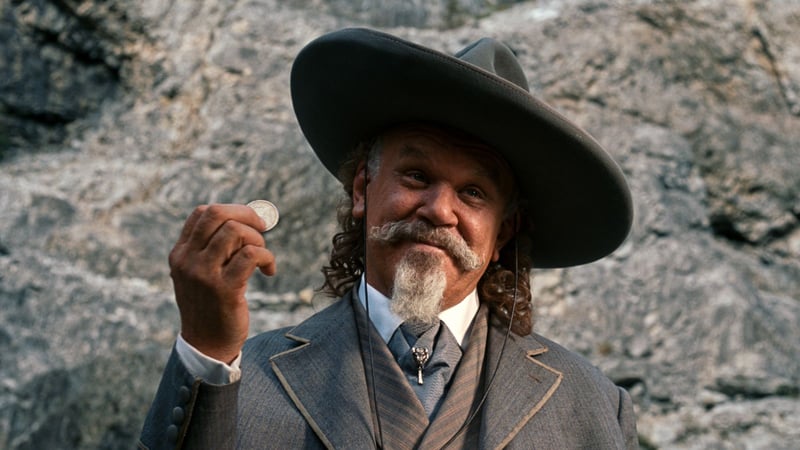
This clever Belle Époque Italian western turns a tour of Italy undertaken by Buffalo Bill (John C. Reilly) and his gang of cowboys into a surprising and anti-conventional depiction of the clash of capitalism, spectacle, and political power in early-20th-century Italy.
Mauro Bolognini
1961|
Italy|
102 minutes|
Italian with English subtitles
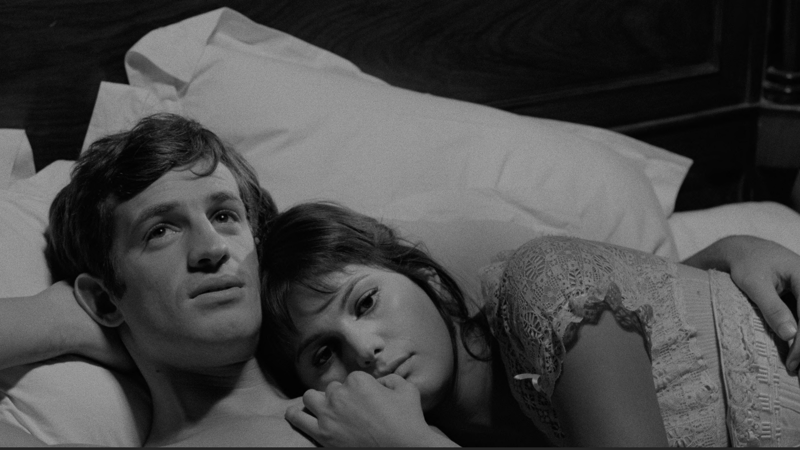
A story of greed and disillusionment in 19th-century Tuscany, from an elegant and sophisticated director, is illuminated by contemporary insights thanks to the presence of the very young Jean-Paul Belmondo and Claudia Cardinale.
Francesco Rosi
1970|
Italy / Yugoslavia|
101 minutes|
Italian with English subtitles
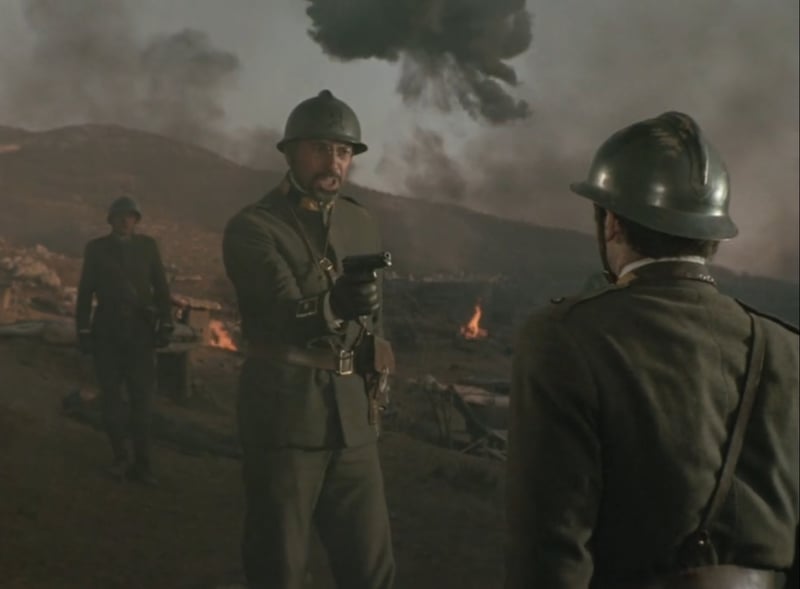
A disorienting, harrowing account of fighting on the Alpine Front during World War I, between 1916 and 1917, Francesco Rosi’s anti-war war film remains a gritty and chaotic provocation.
Pietro Marcello
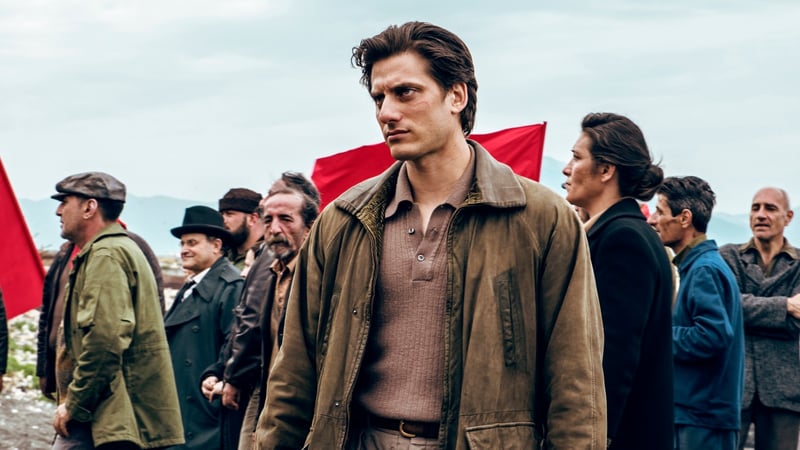
2019|
Italy|
129 minutes|
Italian with English subtitles
In this enveloping adaptation of a Jack London novel, Martin Eden is a dissatisfied prole with artistic aspirations who hopes that his dreams of becoming a writer will help him rise above his station and marry a wealthy young university student.
Glauco Pellegrini, Pietro Germi, Mario Chiari, Roberto Rossellini, and Antonio Pietrangeli
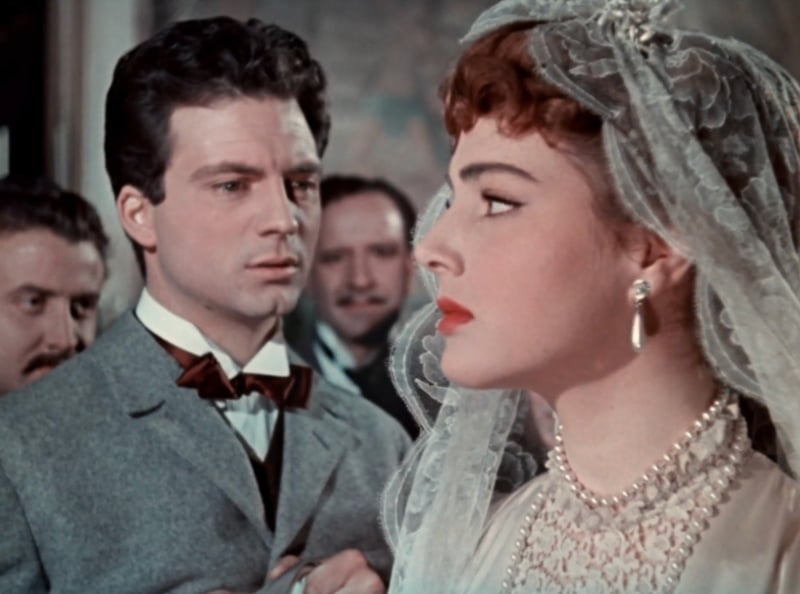
1954|
Italy|
94 minutes|
Italian with English subtitles
Five episodes, spanning from 1900 to 1943 through the Belle Époque and the fascist era, tell the story of Italy through romantic tales—some comic, some tragic.
Mario Monicelli
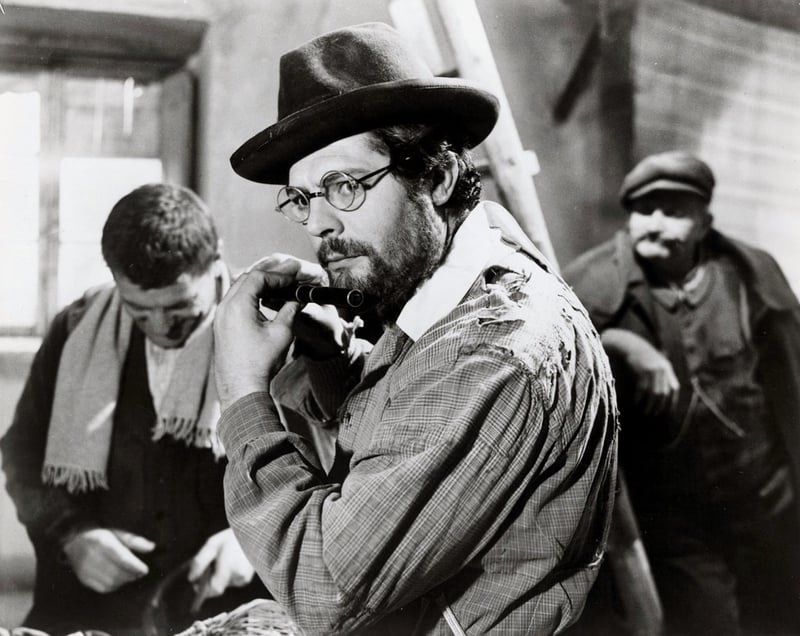
1963|
Italy / France / Yugoslavia|
126 minutes|
Italian with English subtitles
A bearded and bespectacled Marcello Mastroianni gives one of his finest, most sincere performances in this rousing, up-with-the-people paean to resistance about a tense textile factory strike in turn-of-the-century Turin.
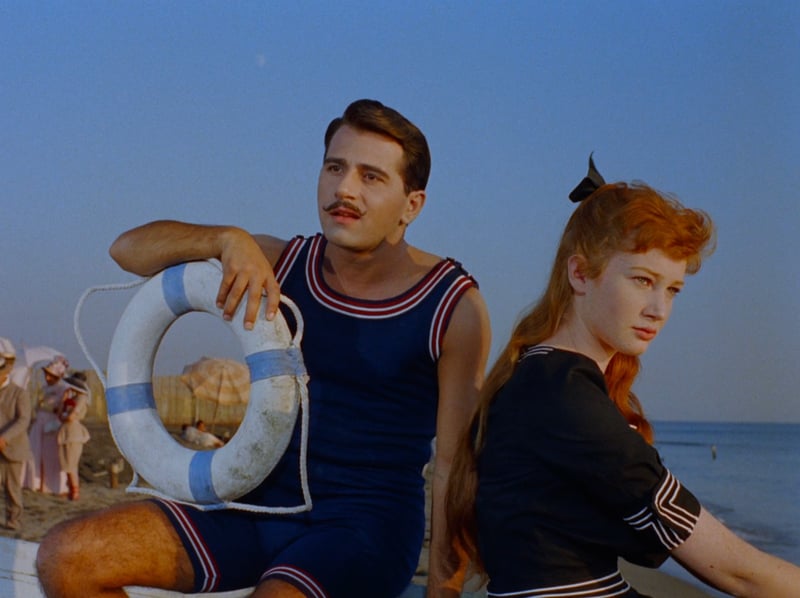
Laura Samani
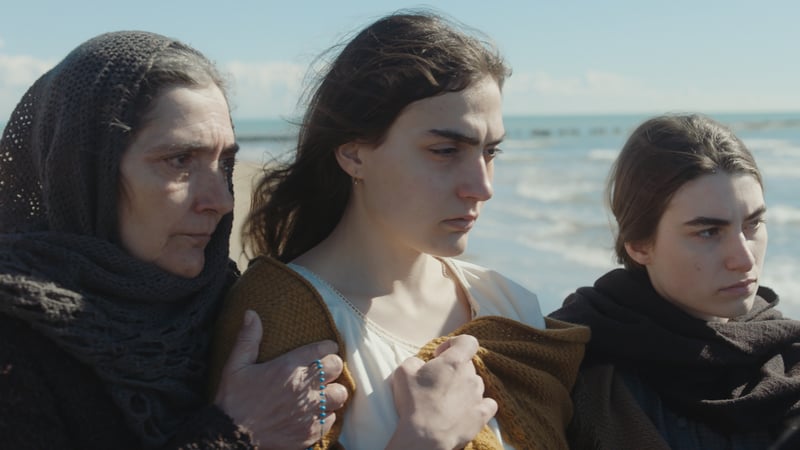
2021|
Italy, France, Slovenia|
89 minutes|
Slovenian and Italian with English subtitles
Laura Samani’s solo debut feature is a richly traced drama about a woman’s efforts to resurrect her stillborn daughter, imbued with the air of an unsentimental fairy tale, and set in 1900 in the Friuli-Venezia Giulia region.
The Rise and Fall of Fascism
Federico Fellini
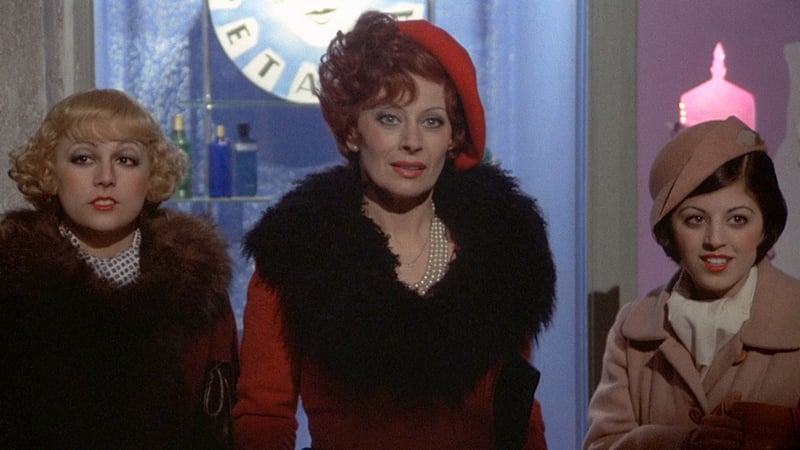
1973|
Italy / France|
127 minutes|
Italian with English subtitles
On the surface, a nostalgic film about the director’s adolescence, this film—one of Federico Fellini’s and Italian cinema’s masterpieces, and winner of the Oscar for Best Foreign Language Film—is also a sweeping anthropological portrait of fascism as a pathology of Italy.
Renato Castellani
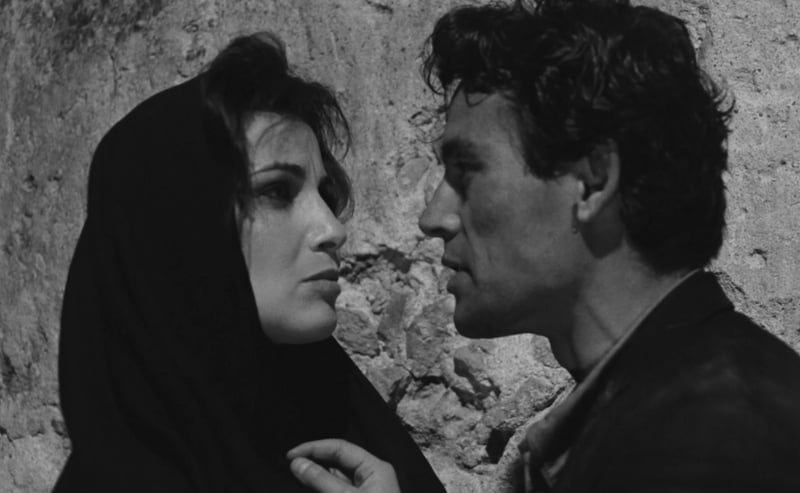
1961|
Italy|
180 minutes|
Italian with English subtitles
A young man becomes a bandit under fascism, but even after liberation, his thirst for justice leads the authorities to persecute him. This forgotten epic fresco of Southern Italy was censored to remove politically sensitive scenes and was not seen in its original version until 2012.
Bernardo Bertolucci
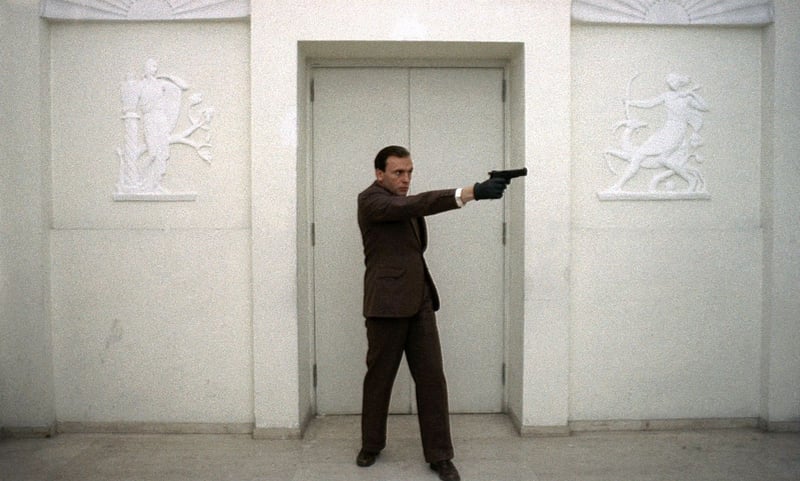
1970|
Italy / France / West Germany|
108 minutes|
Italian with English subtitles
A seminal depiction of life in the age of fascism, Bernardo Bertolucci’s masterpiece, one of the great political films of its time and an enduring psychological autopsy of the fascist mindset, follows a repressed man (Jean-Louis Trintignant) who gets caught up in the hegemonic fascist regime.
Vittorio De Sica
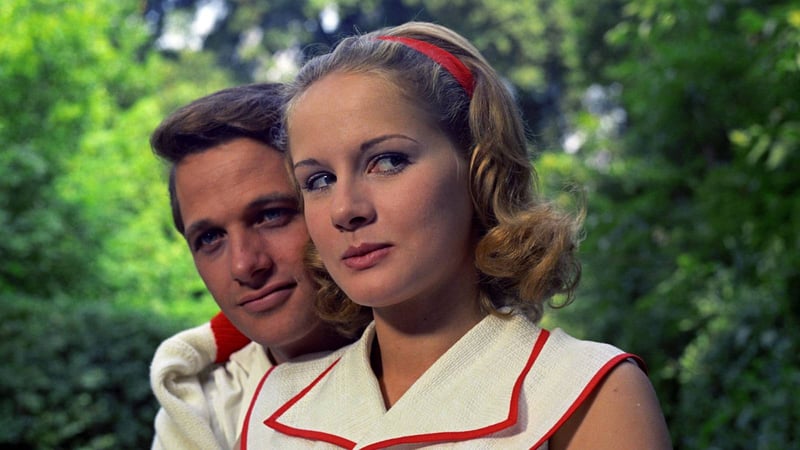
1970|
Italy / West Germany|
94 minutes|
Italian with English subtitles
This classic, Oscar-winning drama, set amid the rise of fascism in the 1930s, chronicles the plight of the wealthy, intellectual Finzi-Contini family, whose estate serves as a gathering place for the local Jewish community amid growing anti-Semitism.
Lina Wertmüller
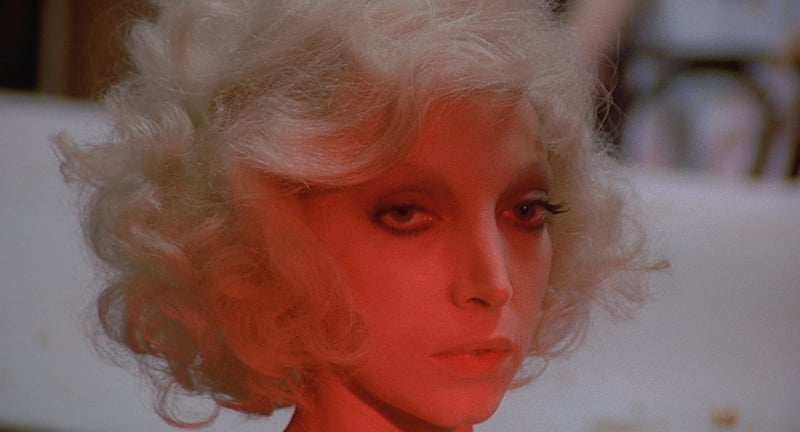
1973|
Italy / France|
120 minutes|
Italian with English subtitles
Giancarlo Giannini won the Best Actor prize at the 1973 Cannes Film Festival for his turn in Lina Wertmüller’s tragicomic tale, set in the early 1930s, of an anarchist who plans to assassinate Mussolini with help from a Roman sex worker.
Roberto Rossellini
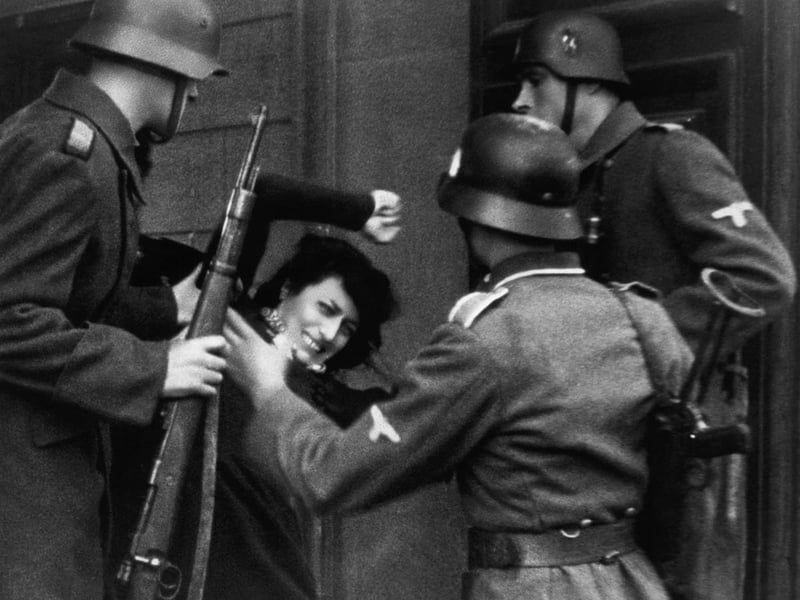
1945|
Italy|
103 minutes|
Italian, German, and Latin with English subtitles
The film that announced Italian neorealism—and Roberto Rossellini and Anna Magnani as major forces in international cinema—this devastating look at life in Nazi-occupied Rome sent shockwaves through the world and retains its devastating, paradigm-shifting power.
Ettore Scola
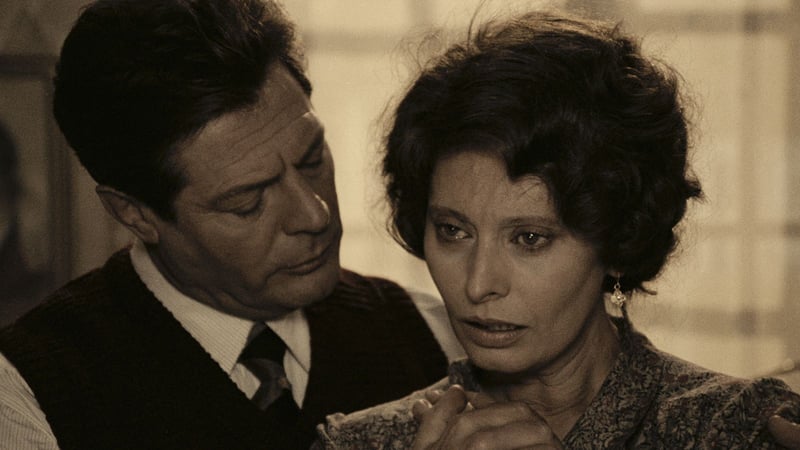
1977|
Italy|
106 minutes|
Italian with English subtitles
She’s a conservative Mussolini supporter; he’s a homosexual enemy of the state. But after a chance meeting, the two share a life-changing day in 1938 that will challenge their assumptions about people, politics, and sexuality. Marcello Mastroianni and Sophia Loren deliver virtuoso performances.
Vittorio De Sica
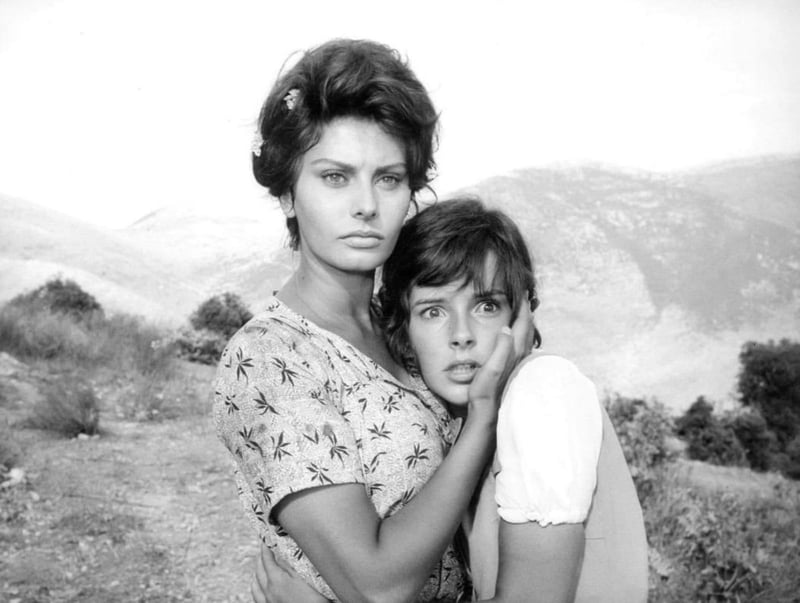
1960|
Italy / France|
100 minutes|
Italian with English subtitles
A widow (Sophia Loren, in an Oscar-winning role) and her daughter find peace (and an affable Marxist played by Jean-Paul Belmondo) in the countryside during World War II, but their idyll is shattered on their way back to Rome.
Maura Delpero
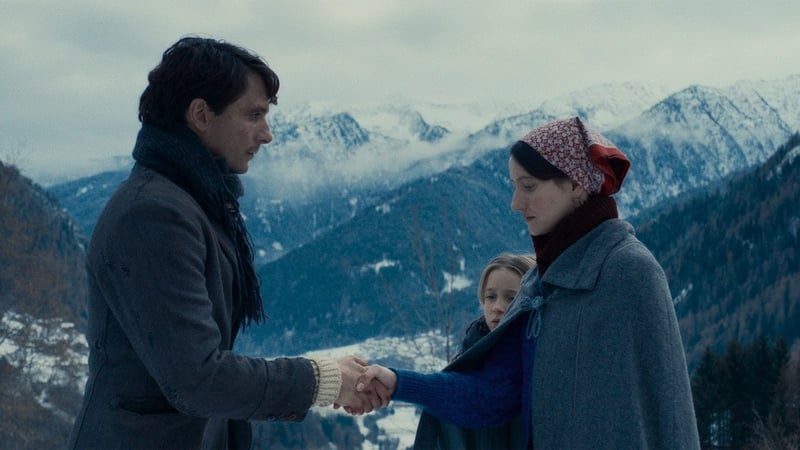
2024|
Italy / France / Belgium|
119 minutes|
Ladin and Italian with English subtitles
At the end of World War II, the arrival of a deserter in a small mountain village disrupts the delicate balance of the community. Maura Delpero’s intimate film about a remote world offers a modern and thought-provoking take on the past and the relationships between men and women.
Marco Bellocchio
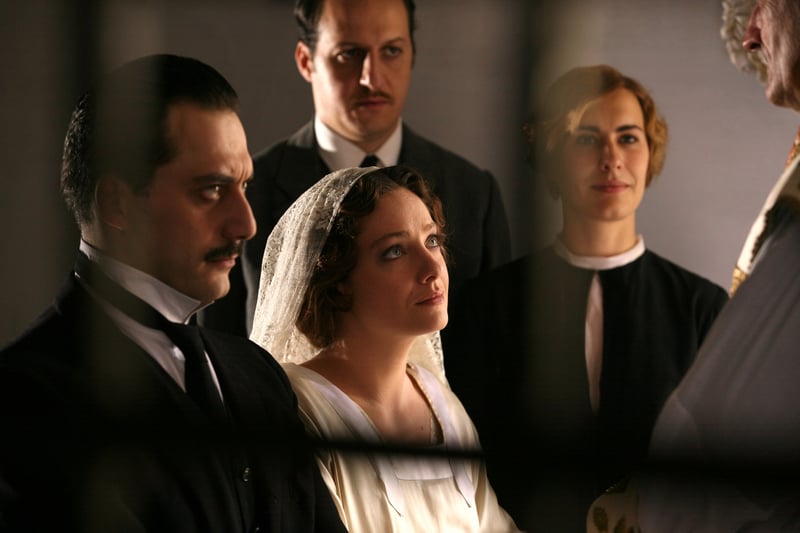
2009|
Italy / France|
128 minutes|
Italian with English subtitles
The life of Benito Mussolini receives one of its most probing, sophisticated treatments at the hands of Marco Bellocchio through his focus on the figure of Ida Dalser, Mussolini’s first wife, whom he abandons during his rise to power.
Epilogue
Alice Rohrwacher
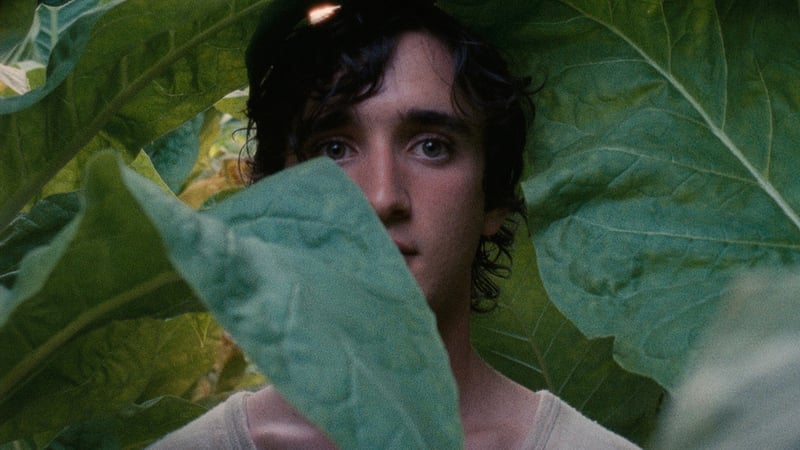
2018|
Italy|
128 minutes|
Italian with English subtitles
A throng of tobacco farmers working on an estate live in a state of extreme deprivation, but nothing is what it seems in Alice Rohrwacher’s transfiguring and transfixing fable, which touches on perennial class struggle and enters the realm of parable.
About the Series
Film at Lincoln Center and Cinecittà present a sweeping series of 29 films, presented in beautiful 4K restorations and imported prints, that examine the evolution of modern Italy—from the Risorgimento (1815–1861) through the rise of Mussolini and World War II—through the lens of cinema. Running from June 4 to 25, the series explores how filmmakers have interpreted, revisited, and challenged Italy’s political and cultural history on screen. Featuring landmark works by Luchino Visconti, Bernardo Bertolucci, Roberto Rossellini, and Paolo and Vittorio Taviani, with films by contemporary directors Marco Bellocchio, Alice Rohrwacher, and Pietro Marcello, the series explores how Italian cinema has continually revisited the nation’s history to grapple with an enduring question: What is Italy?
Developed in collaboration with curator, film scholar, and professor Emiliano Morreale (Il Cinema Ritrovato, Sapienza University of Rome) and in consultation with acclaimed director Marcello, the series focuses particularly on the political dimensions of Italian cinema depicting the first half of the 20th century. Using film to trace the prevailing spirit of Italian culture during this volatile period up to World War II, the program highlights earlier and lesser-explored periods that shaped the nation’s development.
Since the Risorgimento—the 19th-century movement that consolidated fragmented states into a single kingdom—cinema has served as both witness and architect of the Italian identity, weaving diverse regional cultures into a singular national narrative. From the earliest decades of filmmaking, Italian cinema has borne witness to shifts in its own society, politics, and culture, synthesizing the peninsula’s disparate populations into a composite and ever-changing image of Italian national identity. In turn, filmmakers repeatedly returned to the country’s recent past as a way of understanding the present: few national film industries have so strikingly mined their own country’s recent history for material, seeking to monumentalize critical moments in the nation’s existential search to define itself.
Returning to portray Italy’s past means confronting a coexistence of eras, the reemergence of ghosts, and grappling with the power of images.”
—Emiliano Morreale


