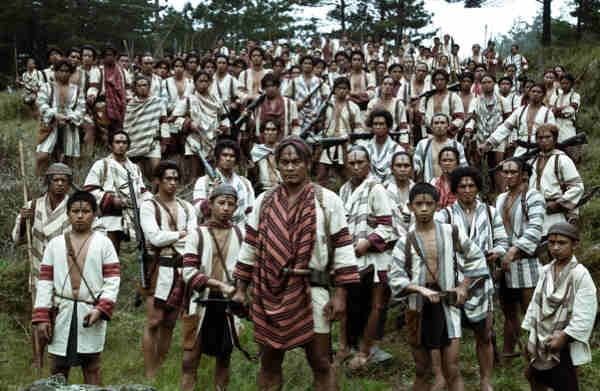
Warriors of the Rainbow: Seediq Bale 1 & 2
New York Asian Film Festival 2012
June 30 - July 12, 2012
A special Fourth of July screening of the uncut, two-part Taiwanese blockbuster that is that country’s Braveheart about its indigenous peoples fighting for their freedom.
The most expensive Taiwanese movie of all time, and a smash hit at the box office, Warriors of the Rainbow: Seediq Bale is a mega-rumble in the jungle that tells the story of the Japanese plan to exterminate Taiwan’s indigenous peoples in 1930, and the massive subsequent uprising of Taiwan’s Seediq tribes. Executive produced by John Woo, it was released in America with two hours removed, but now you can see this four-and-a-half hour epic full of decapitations, lush scenery, humongous sets, heart-pounding action set pieces, and intense performances by aboriginal non-actors the way God—and John Woo—intended: complete and uncut. This is Taiwan’s Braveheart, and at its original length it’ll knock you flat.
The Seediq are the facially-tattooed 14th indigenous tribe of Taiwan. When the Japanese took over the country in the late 19th Century, their road-building program took them into Seediq territory, and the Seediq responded by killing, well, pretty much all the Japanese they could get their hands on. As a result, the Japanese began a brutal pacification program: tribes of mountain hunters were relocated and forced to become farmers, forests were stripped of timber, and discipline was swift and brutal. By 1930, the Seediq had had enough and they rose up in a rebellion against Japanese forces. Arrows, short swords, and barrel-loaded rifles took on artillery, air power, poison gas, and the entire might of the Japanese army. The results were inevitable, but not before 300 Seediq warriors had held off the Japanese for over two months.
Wei Te-sheng (director of the movie that launched Taiwanese cinema’s commercial revival, Cape No. 7) had been planning his film since 2000, and the production was plagued by hurricanes, bankruptcies, and the simple reality that the Taiwanese film industry could barely handle a movie of this scale. But the result was worth it. Far from a simplistic rah-rah orgy of nationalism, this is a nuanced portrait of war as a failure of diplomacy, a eulogy for a way of life that was already destined for the dust heap (how many hunter-gatherer tribes do you know?), and a criticism of the Seediq’s unfortunate tendency to solve every problem by chopping off its head. But more than anything, it is one of world cinema’s most complex and involving epics of epic epicness.
Read More
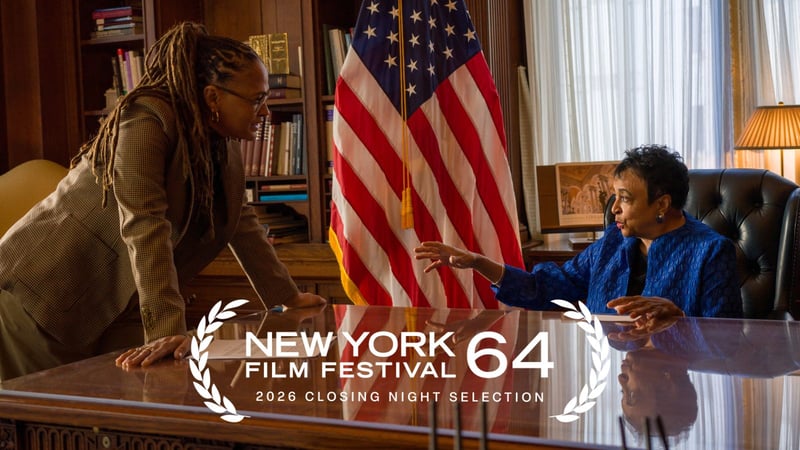
World Premiere of Ava DuVernay’s 14th Will Close the 64th New York Film Festival
Film at Lincoln Center announces Ava DuVernay’s 14th as the Closing Night selection of the 64th New York Film Festival, making its world premiere at Alice Tully Hall on Friday, October 9, with DuVernay and film participants in attendance.
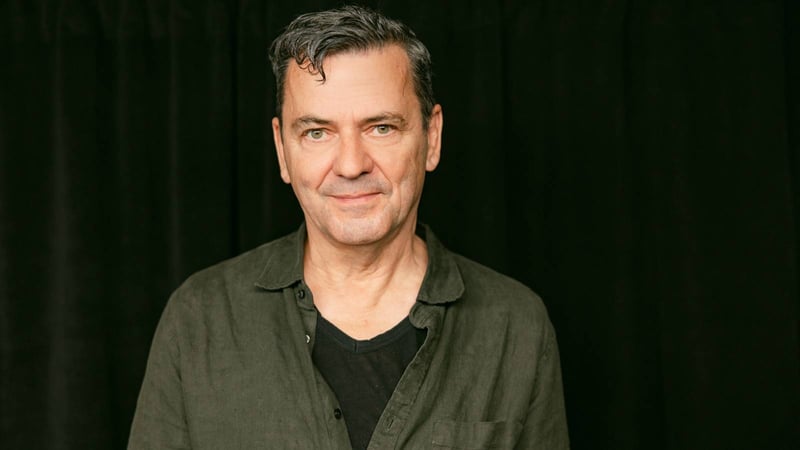
Miroirs No. 3 Director Christian Petzold on His Haunting New Film
On the latest episode of FLC Luminaries, our video series that spotlights talent at all levels of the filmmaking process who uplift the art and craft of cinema, Miroirs No. 3 director discusses his haunting, beautifully crafted new film.
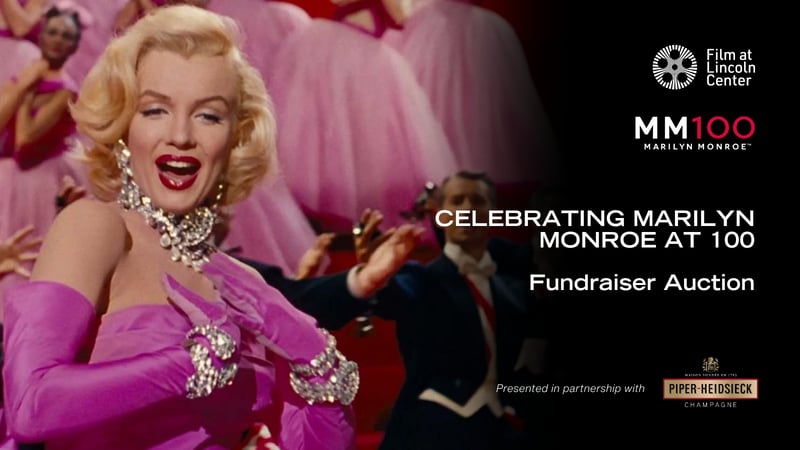
Film at Lincoln Center Launches Fundraiser Auction in Celebration of Marilyn Monroe Centennial
FLC is partnering with Piper-Heidsieck Champagne for a one-night-only special event featuring an archival 35mm print of Howard Hawks’s classic, Gentlemen Prefer Blondes. Click here to read more about the event. This special fundraiser auction features Marilyn Monroe-themed art, memorabilia, and an exclusive trip to Champagne, France, featuring a behind-the-scenes Piper-Heidsieck experience.


