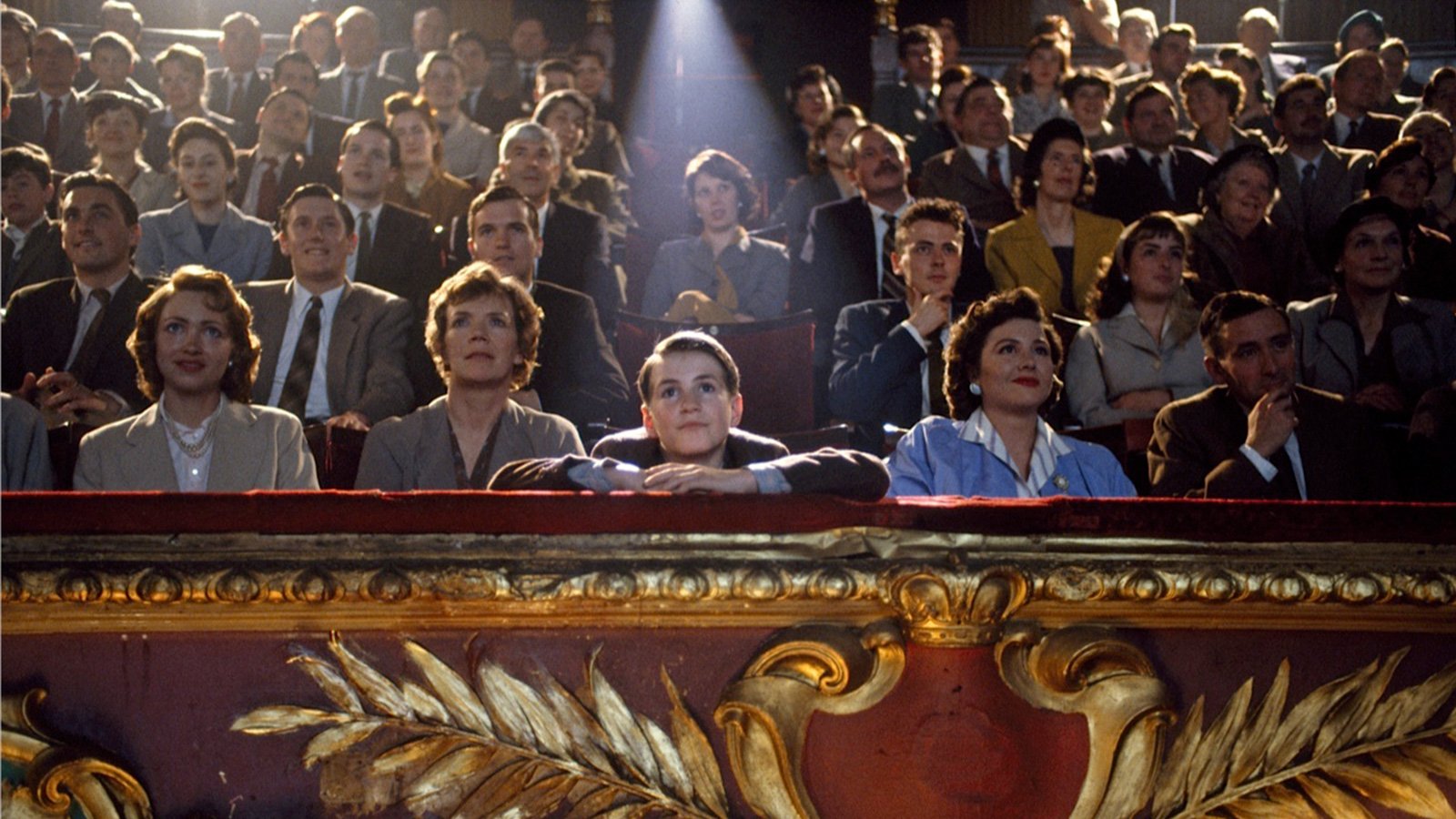
Emotion Pictures: International Melodrama
This series (Dec. 13-Jan. 7) pays tribute to the genre that boldly endeavored to put emotion on screen in its purest form, featuring classics from the silent era and Hollywood’s Golden Age to major mid-century films from around the world to modern dramas and subversive postmodern incarnations. Bring tissues.
Silent Screen
Among the most expressive movies ever made, melodramas of the silent era allowed actors to emote with astonishingly direct purity.
Wu Yonggang
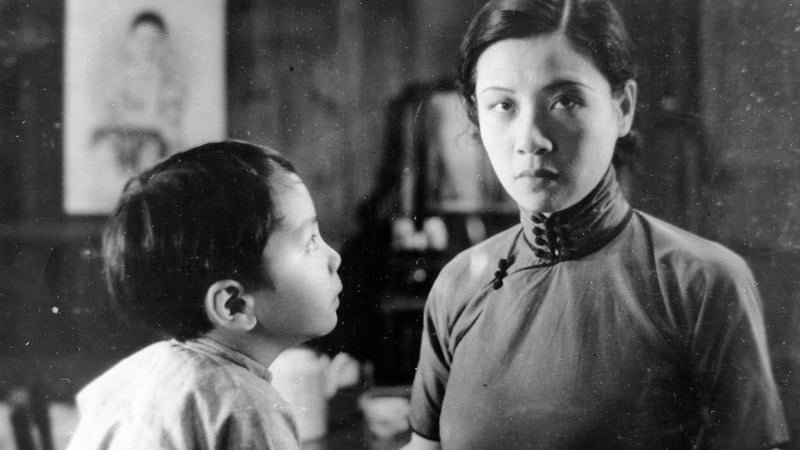
1934|
China|
73 minutes|
Chinese intertitles with English subtitles
In her greatest role, immortal icon of Chinese silent cinema Ruan Lingyu is magnetic—and astonishingly modern—as a prostitute who sacrifices everything to give her son a better life. The screening will be accompanied by a live piano performance by Donald Sosin.
D.W. Griffith
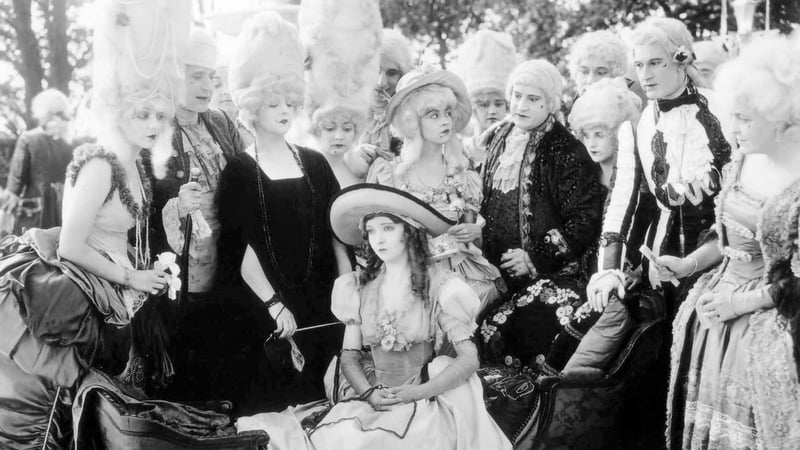
1921|
USA|
150 minutes
D.W. Griffith’s wildly entertaining, pop-historical epic stars Lillian and Dorothy Gish as orphaned sisters swept up in the eye of the French Revolution as they suffer at the hands of the decadent aristocracy, cross paths with Robespierre and Danton, and face the guillotine. The screening will be accompanied with a live piano performance by Donald Sosin and will not include an intermission.
F.W. Murnau
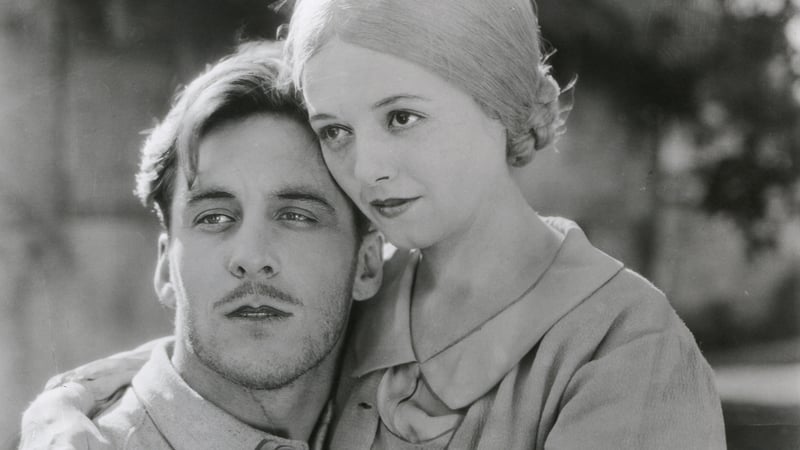
1927|
USA|
94 minutes
Part bucolic idyll, part city symphony, F.W. Murnau’s luminous silent masterwork is a virtuosic display of visual storytelling and a testament to an artistry that was all but lost with the onset of the talkie era. The screening of Sunrise will be accompanied by a live piano performance by Donald Sosin. Preceded by Stacey Steers’s Edge of Alchemy.
Victor Sjöström
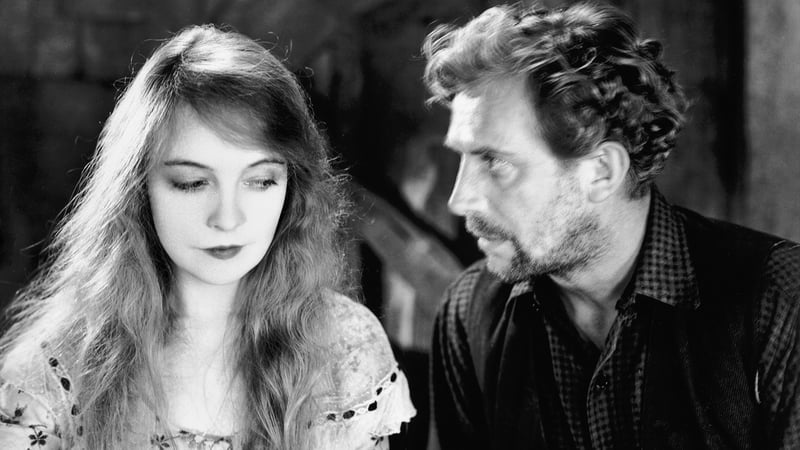
1928|
USA|
80 minutes|
English intertitles
Victor Sjöström’s psycho-erotic tour de force features Lillian Gish in her final—and greatest—silent performance, as a woman going mad in a desert wasteland of leering men and a relentlessly howling wind. The screening of The Wind will be accompanied by a live piano performance by Donald Sosin. Preceded by Stacey Steers’s Night Hunter.
Oscar Micheaux
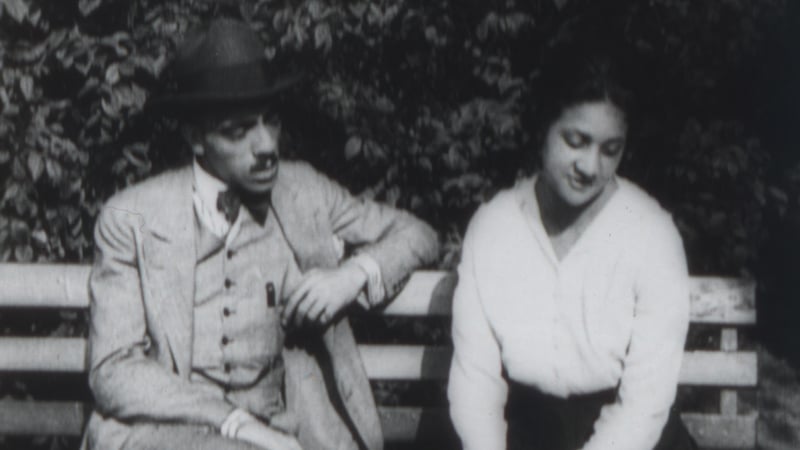
1920|
USA|
78 minutes|
Silent with English intertitles
Evelyn Preer stars as an educated black woman dedicated to saving a school for impoverished youth in this remarkable work—one of Oscar Micheaux’s earliest surviving films—that displays the director’s sophisticated use of fractured narratives: numerous subplots, unexpected twists, and flashbacks that become films within the film. The screening will be accompanied by a live piano performance by Donald Sosin.
Hollywood's Golden Age
From the thirties to the late fifties, the studios regularly produced melodramas of forthright emotion, the most exquisite of which were made by such practitioners of the genre as Leo McCarey, Vincente Minnelli, Nicholas Ray, Douglas Sirk, and others.
Douglas Sirk

1955|
USA|
89 minutes
Love blossoms between a suburban widow (Jane Wyman) and her considerably younger gardener (Rock Hudson) in Douglas Sirk’s sharp indictment of hypocrisy in 1950s America, which served as an inspiration for Rainer Werner Fassbinder’s Ali: Fear Eats the Soul and Todd Haynes’s Far from Heaven. Preceded by Mark Rappaport’s The Vanity Tables of Douglas Sirk.
Robert Stevenson
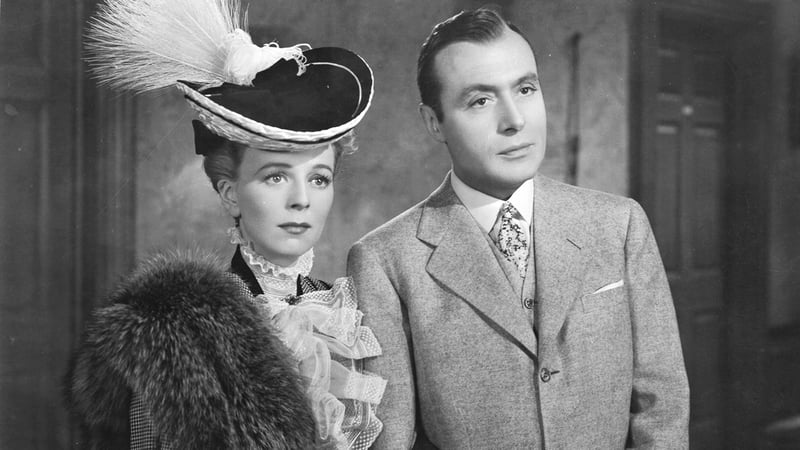
1941|
USA|
89 minutes
A brief encounter stretches into a decades-long affair for adulterous lovers played by Margaret Sullavan and Charles Boyer in this dreamily romantic, Production Code–defying tearjerker—the second (of three) Universal adaptations of Fannie Hurst’s novel.
Nicholas Ray
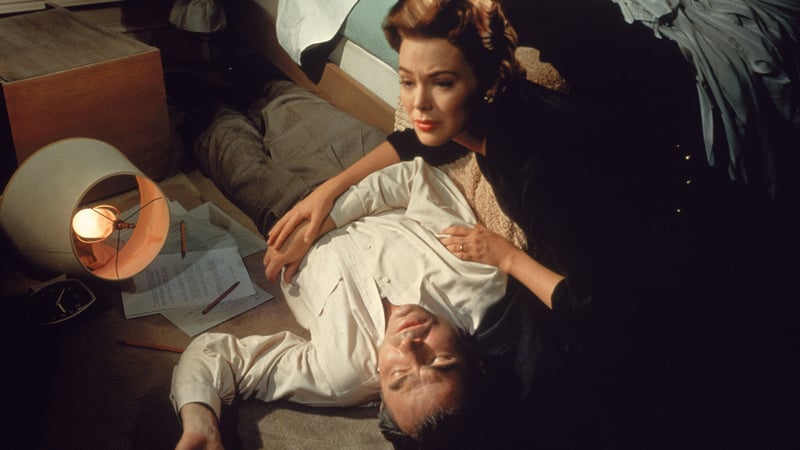
1956|
USA|
95 minutes
Nicholas Ray’s blazing domestic horror show is a terrifying vision of the all-American family under siege from within starring James Mason as a suburban schoolteacher transformed into a megalomaniacal monster by a new “miracle” drug.
Dorothy Arzner
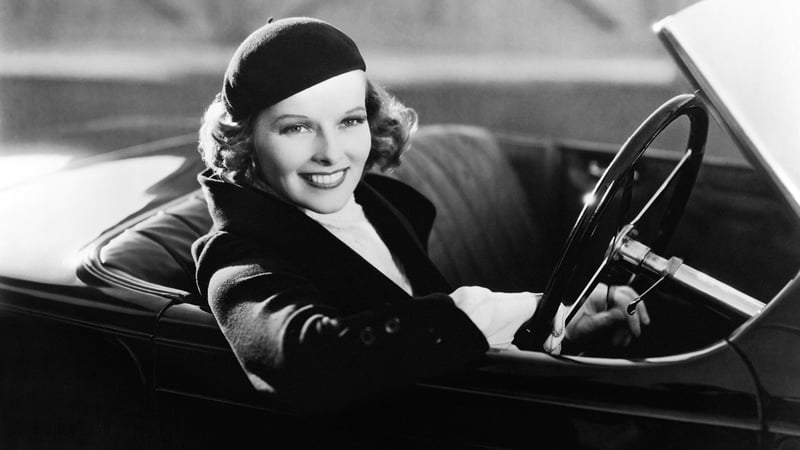
1933|
USA|
78 minutes
Katharine Hepburn plays a high-flying, thrill-chasing aviatrix entangled in an illicit affair with a married politician (Colin Clive) in this fascinating, proto-feminist pre-Code romance from trailblazing auteur Dorothy Arzner.
Vincente Minnelli

1955|
USA|
134 minutes
Vincente Minnelli’s star-studded melodrama features Richard Widmark as a dedicated psychiatrist, Charles Boyer as the philandering doctor whose fires he is tasked with putting out, and Gloria Grahame and Lauren Bacall as the psychiatrist’s wife and possible love interest, respectively.
George Cukor
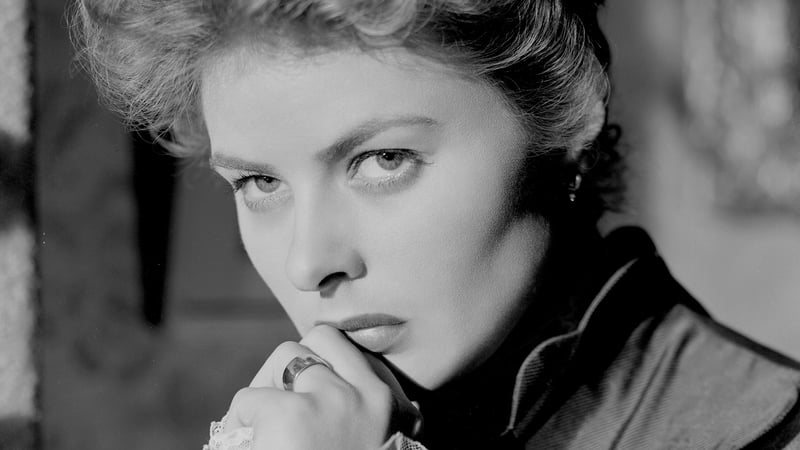
1944|
USA|
114 minutes
A young opera singer (Ingrid Bergman) haunted by her aunt’s murder marries a handsome pianist (Charles Boyer) and settles down in her relative’s long-abandoned London mansion, where footsteps echo in the attic, gaslights dim, and secrets come to light…
Ida Lupino
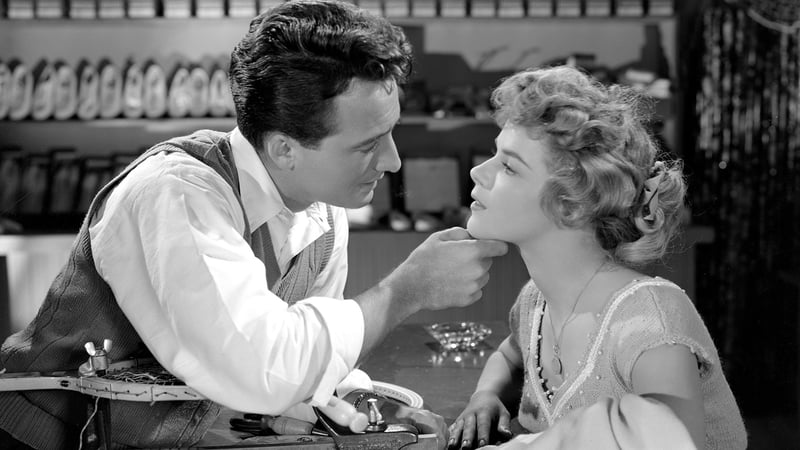
1951|
USA|
78 minutes
Ida Lupino’s bitter anti–family values smackdown stars Claire Trevor as a tough-as-nails stage—er, make that court—mother who will stop at nothing to mold her tennis prodigy daughter into a national champion.
Douglas Sirk
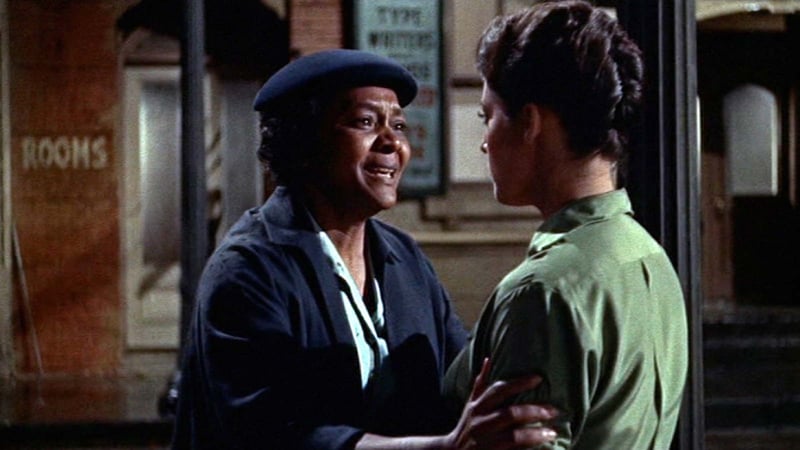
1959|
USA|
125 minutes
Douglas Sirk’s final Hollywood film—and perhaps his crowning achievement—is one of the all-time great weepies and a brilliant, devastating critique of racial and class division in America. Preceded by Ming Wong’s Life of Imitation.
Max Ophüls
1948|
USA|
87 minutes
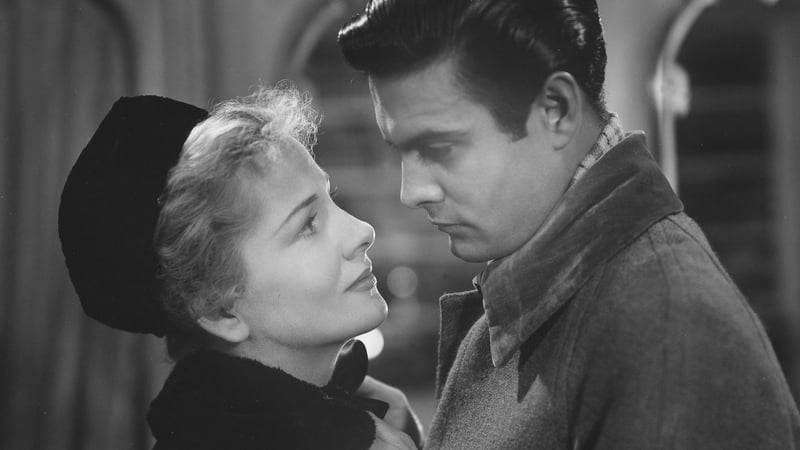
Frame for frame one of the most gorgeous movies ever made, Max Ophüls’s sublime tear-wringer sees Joan Fontaine’s “unknown woman” recount to Louis Jourdan’s dissolute pianist a lifetime of unrequited love, brief encounters, and romantic regret in early-20th-century Vienna.
Charlie Chaplin
1952|
USA|
137 minutes
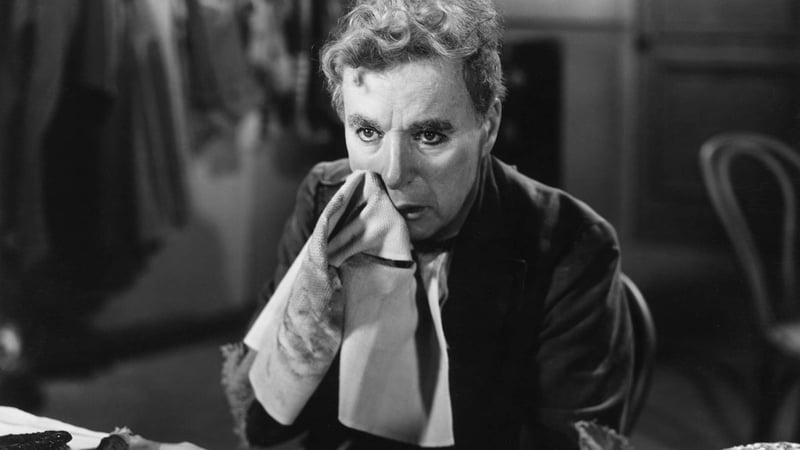
In Charlie Chaplin’s last American film—for which he synthesized a lifetime’s worth of memories, experiences, and wisdom into a miraculously moving, bittersweet summation of his art and worldview—Chaplin plays a washed-up clown whose final gift to the world is to give a suicidal ballerina (Claire Bloom) a new lease on life.
Douglas Sirk
1954|
USA|
108 minutes
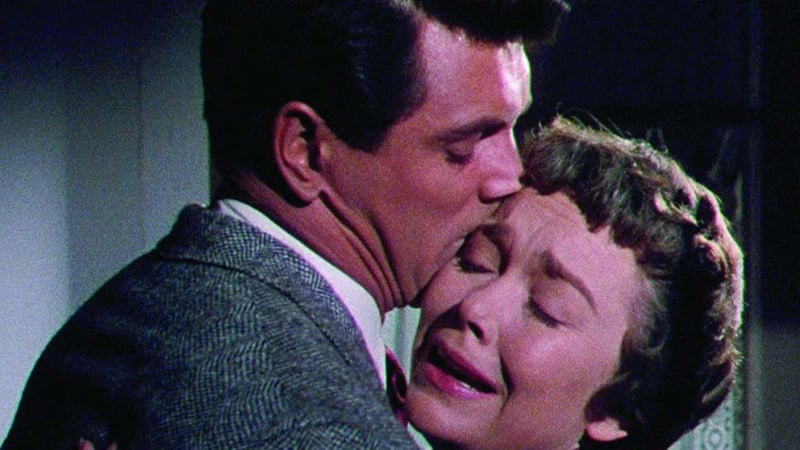
Command of color and composition transforms Douglas Sirk’s most outré melodrama—about a devil-may-care playboy (Rock Hudson) seeking redemption after he blinds a widow (Jane Wyman)—into a luminous, metaphysical exploration of fate and spirituality. Preceded by Matthias Müller’s Home Stories.
Leo McCarey

1937|
USA|
91 minutes
You’re going to need tissues for this one… The most heart-piercingly human tale of the 1930s (and the inspiration for Ozu’s Tokyo Story) is an unsparing look at aging and the gulf between parents and children, directed by the ever-empathetic Leo McCarey.
Michael Curtiz
1945|
USA|
111 minutes
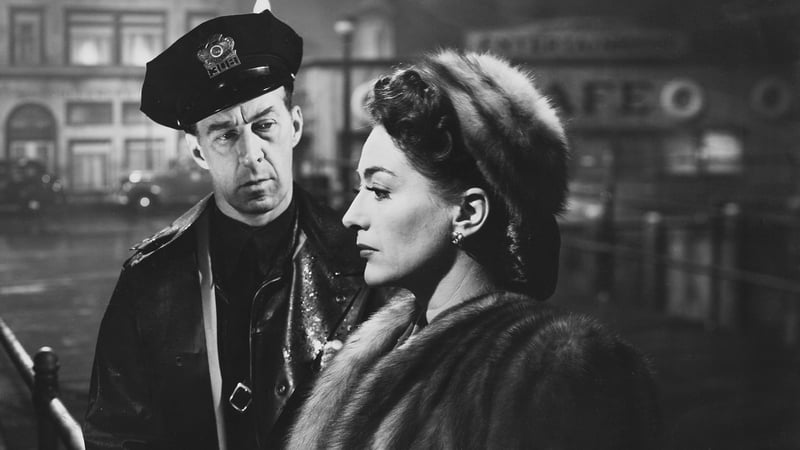
The mother of all mother-daughter melodramas and the apotheosis of Joan Crawford: she delivers a ferocious, Oscar-winning performance as the titular tiger mom desperate to win the love of her monstrously bratty little girl. New 4K restoration.
Irving Rapper
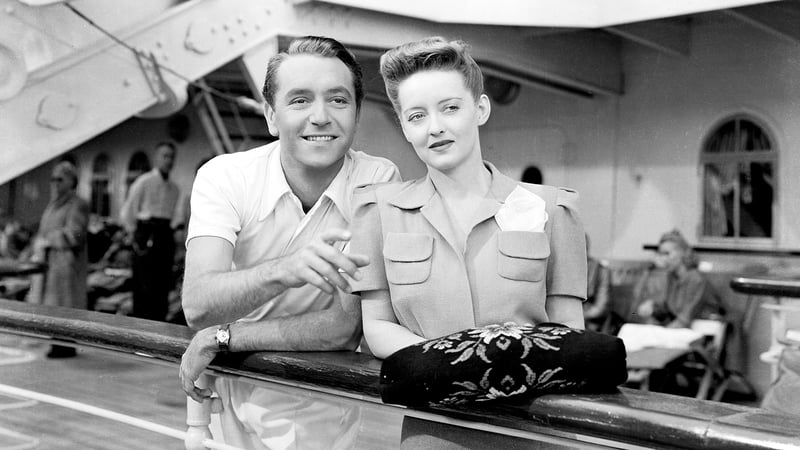
1942|
USA|
117 minutes
Bette Davis’s tremulous, saucer-eyed intensity sells every ounce of this glorious excursion into wish-fulfillment fantasy in which she goes from dowdy spinster aunt to the glamorous other woman in the life of an unhappily married man (Paul Henreid).
John M. Stahl
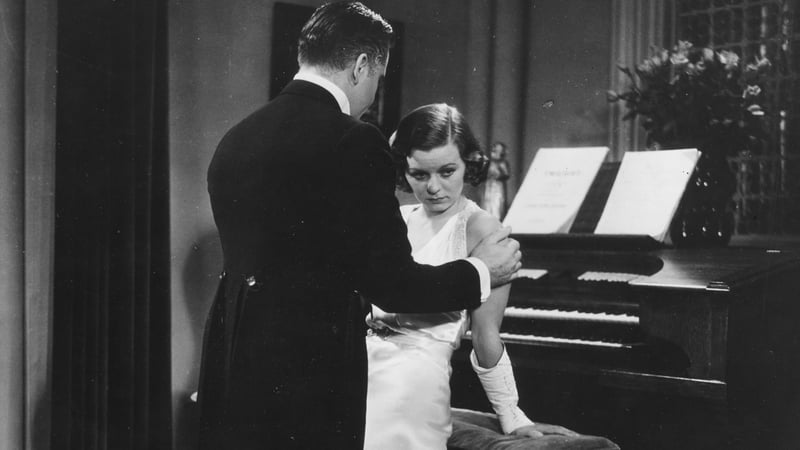
1933|
USA|
105 minutes
Based on the same novel that would later yield Max Ophüls’s Letter from an Unknown Woman, this startlingly pre-Code study of masochistic desire from John M. Stahl—the Ozu of classical Hollywood melodrama—achieves overwhelming heartbreak through elegant restraint.
Nicholas Ray
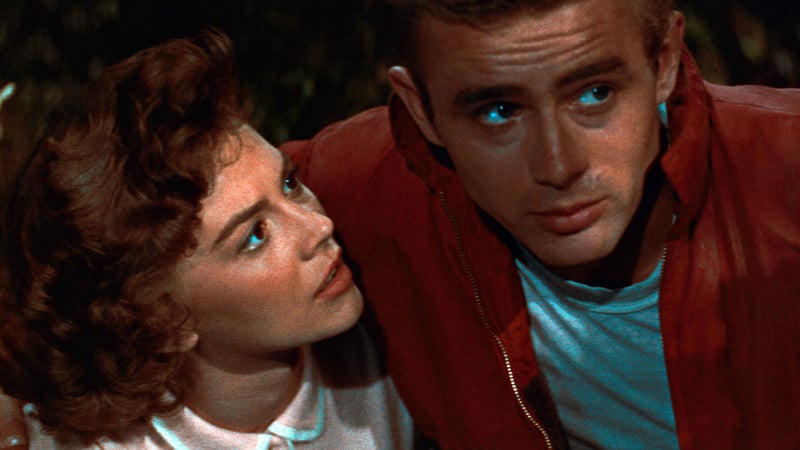
1955|
USA|
111 minutes
Coming together at a police station, conflicted teenage outcasts Jim Stark (James Dean), Judy (Natalie Wood), and Plato (Sal Mineo) face down their nagging parents and live up to the challenge of the local hotshots by playing chicken at a seaside cliff in Ray’s unforgettable look at nonconformity, which remains the standard for youth angst on film.
Vincente Minnelli
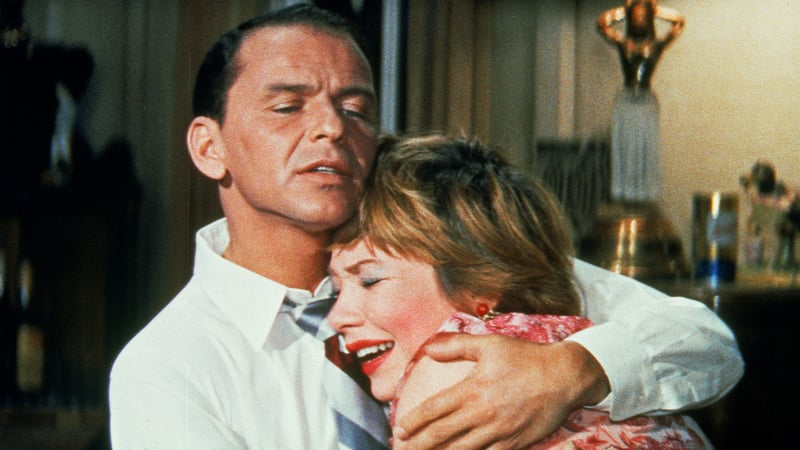
1958|
USA|
137 minutes
In Vincente Minnelli’s chronicle of small-town hypocrisy, Frank Sinatra gives one of his most textured portrayals as an embittered ex-GI who returns to his Midwestern hometown to write the next chapter of his life.
King Vidor
1937|
USA|
106 minutes
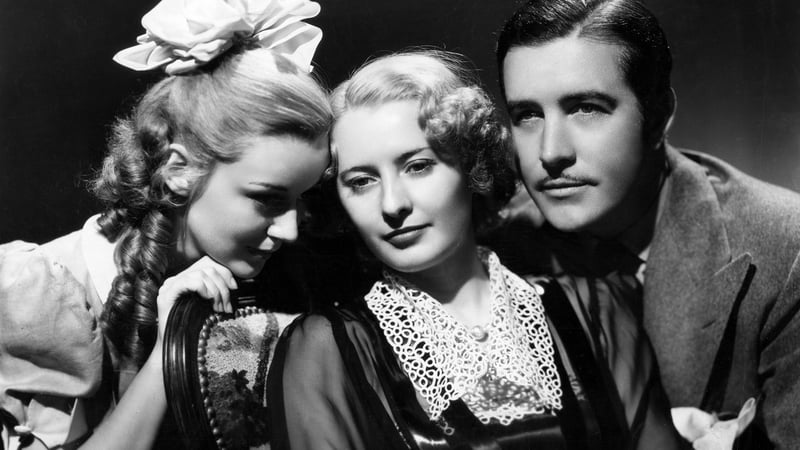
As the rough-around-the-edges millworker’s daughter determined to give her daughter a better life, Barbara Stanwyck created one of the most indelible—and heartbreaking—heroines of Hollywood’s Golden Age.
International Classics
Get an eclectic sampling of melodramas from around the world, which run the gamut from minor-key to overheated, and hail from fourteen different countries, including China, Egypt, Finland, France, India, Italy, Japan, and more.
Rainer Werner Fassbinder
1974|
West Germany|
93 minutes|
German and Arabic with English subtitles
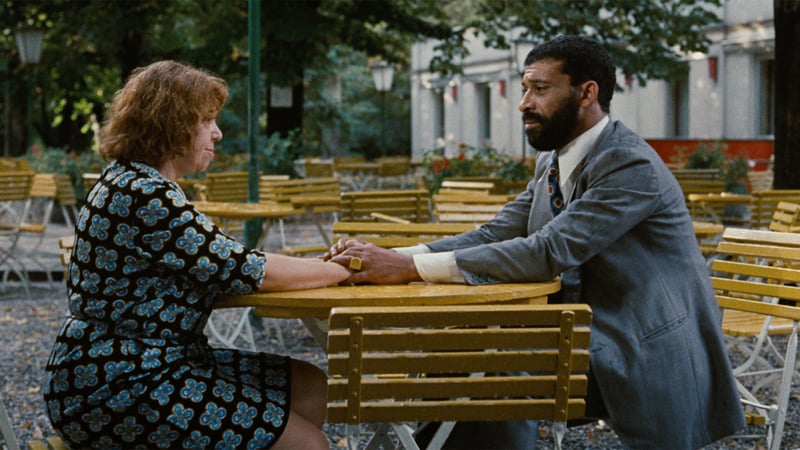
A reworking of Douglas Sirk’s All That Heaven Allows, Rainer Werner Fassbinder’s wry, tender romance-cum-social-commentary about the unlikely love between a Moroccan immigrant and a much-older German widow has endured as one of the director’s most popular films.
Hugo del Carril
1956|
Argentina|
93 minutes|
Spanish with English subtitles
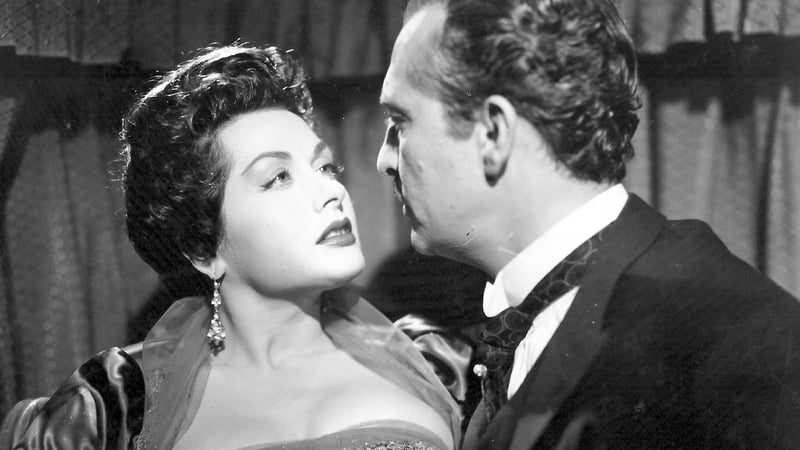
Two years before Vertigo, this fascinating, archly Gothic Argentine drama mined near-identical themes of erotic obsession and necrophilic desire via the story of a tormented man making over a look-alike woman in the image of his dead wife.
David Lean
1945|
UK|
86 minutes
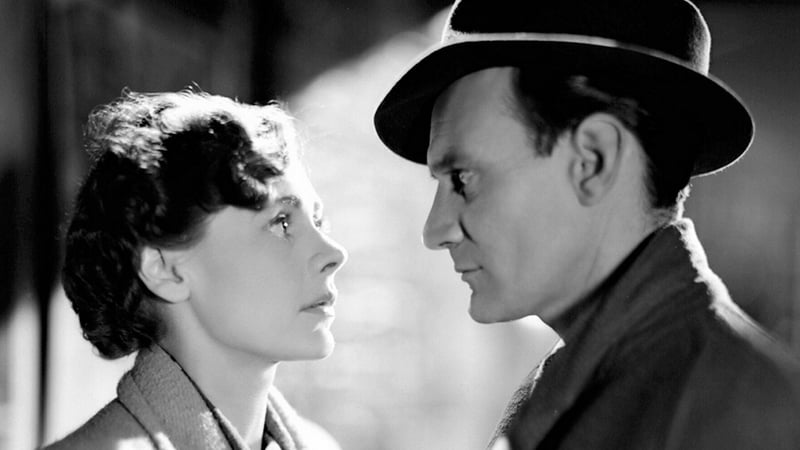
Set to a swelling Rachmaninoff score, David Lean’s Noël Coward adaptation, starring Celia Johnson and Trevor Howard, is one of the most achingly romantic films ever made, as well as a piercing dissection of the psychology of an extramarital affair.
Youssef Chahine
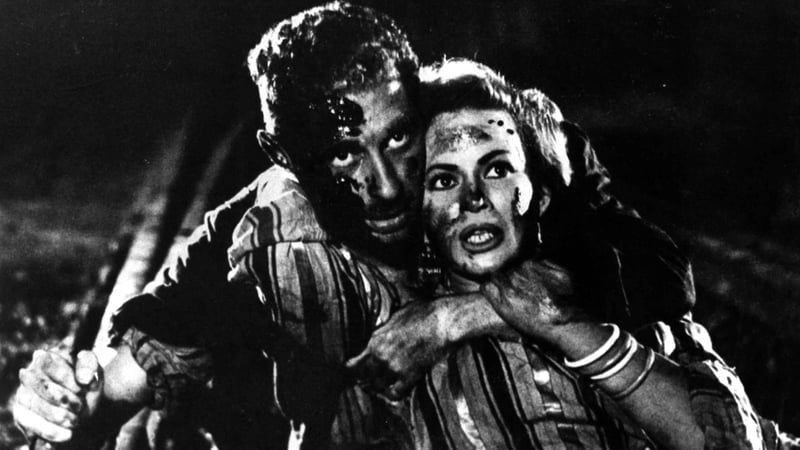
1958|
77 minutes|
Arabic with English subtitles
The longtime leading light of Egyptian cinema, Youssef Chahine established his international reputation with this bombshell psychosexual tale of tale of lust, jealousy, madness, and murder, which blends gritty neorealism with deep-dish noir-melodrama.
Arturo Ripstein
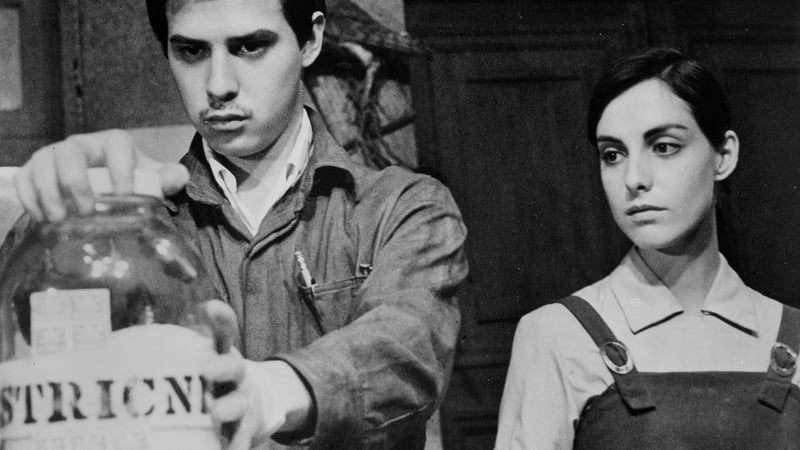
1973|
Mexico|
110 minutes|
Spanish with English subtitles
Based on a “true story” from the 1950s, Ripstein’s breakout third feature takes the patriarchal melodrama to its literal and bizarre extreme, blending the hysterics of masculinity-in-crisis dramas with startling violence and Buñuelian black humor.
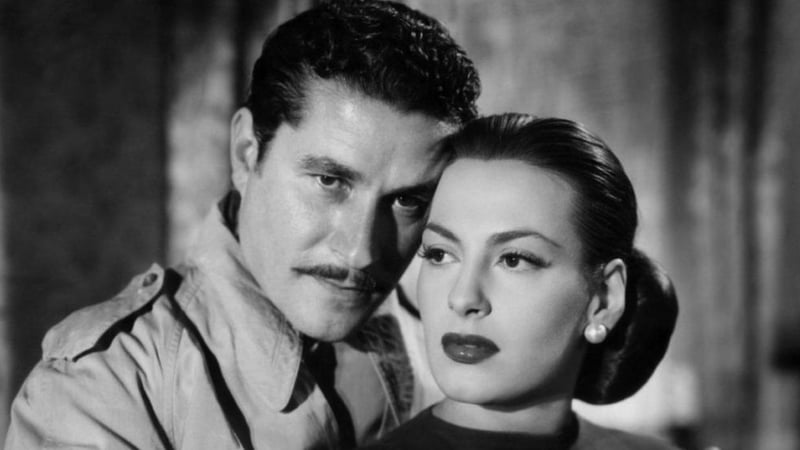
Ritwik Ghatak
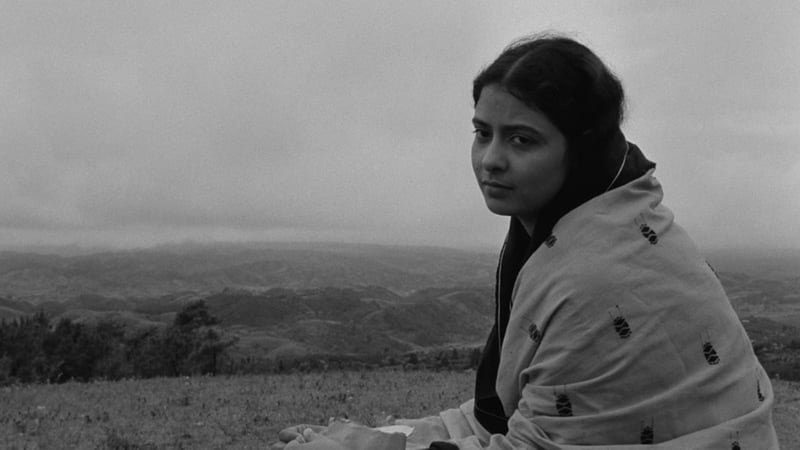
1960|
India|
134 minutes|
Bengali with English subtitles
This soul-shattering classic of Indian cinema combines searing imagery, joltingly expressionistic sound design, and an extraordinary central performance from Supriya Choudhury as a relentlessly self-sacrificing daughter supporting her ungrateful family.
Mikhail Kalatozov
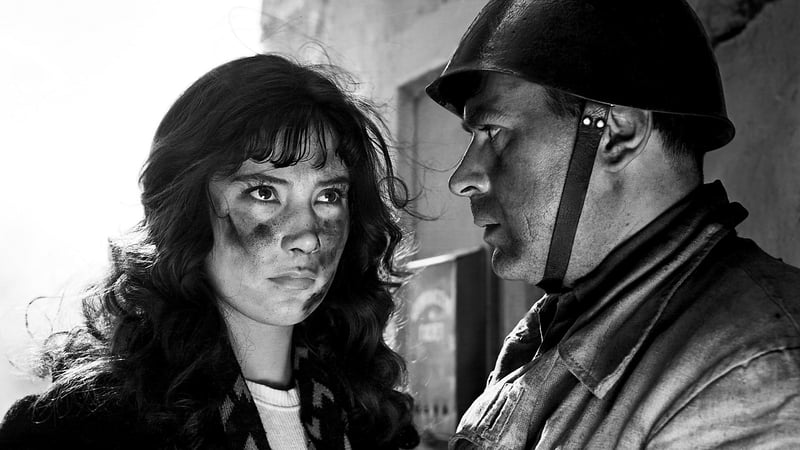
1957|
USSR|
95 minutes|
Russian with English subtitles
This Palme d’Or–winning landmark of Soviet cinema—a shattering tale of young lovers wrenched apart by World War II—explodes off the screen with dazzling black-and-white cinematography.
Mikio Naruse
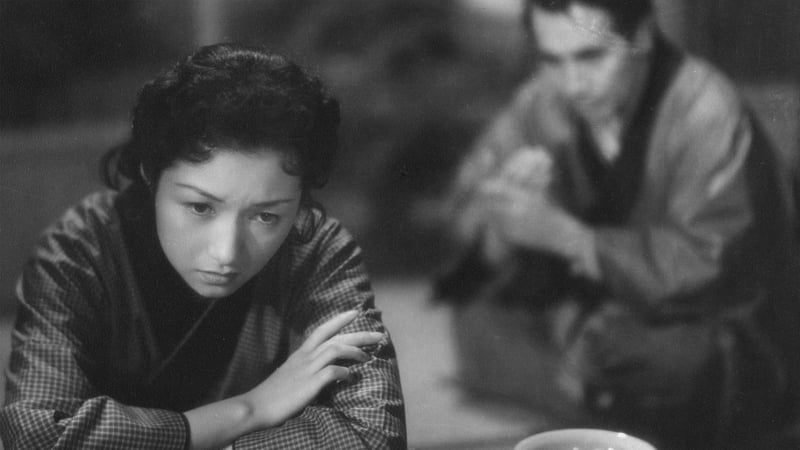
1955|
Japan|
123 minutes|
Japanese with English subtitles
Exquisitely heartbreaking, Mikio Naruse’s obsessive masterpiece stars the luminous Hideko Takamine as a young woman weathering changing fortunes and a futile love affair in postwar Japan.
Kim Ki-young
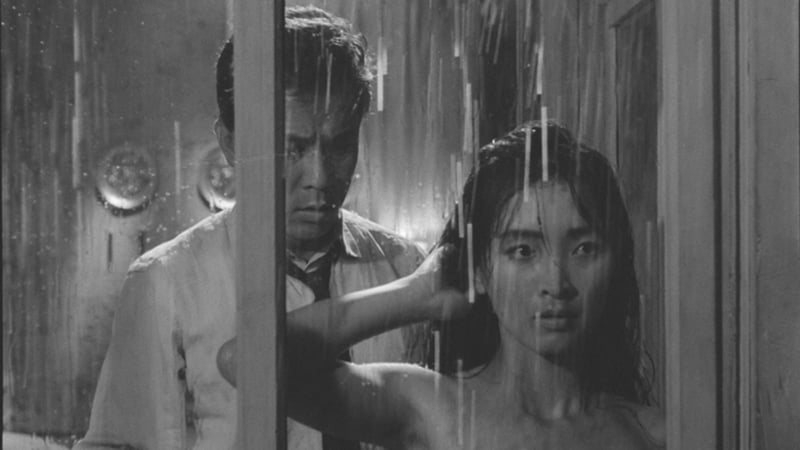
1960|
South Korea|
108 minutes|
Korean with English subtitles
One of the unquestionable masterpieces of Korean cinema, the emotional roller coaster The Housemaid tells the story of a bizarre ménage a trois that is formed between a music teacher, his wife, and their increasingly assertive housemaid.
Lino Brocka
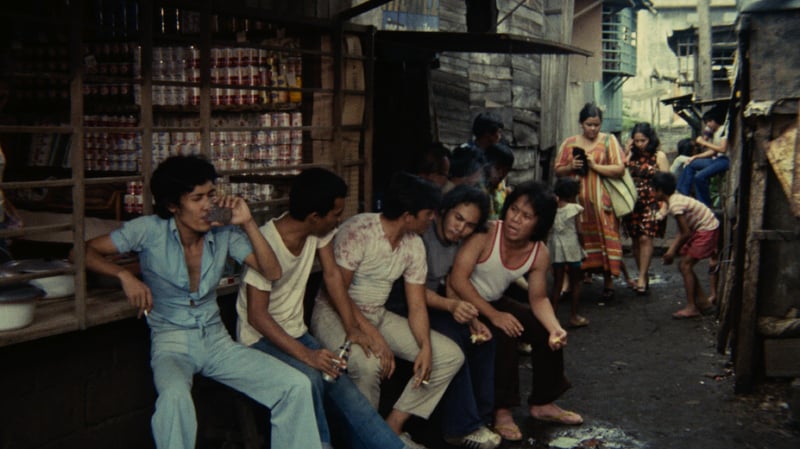
1976|
Philippines|
95 minutes|
Tagalog and Filipino with English subtitles
Filipino cinema’s watershed work—and the first to screen at the Cannes Film Festival—is a wildly perverse mother-daughter saga, a revenge tragedy of ancient Greek proportions, and a gut-punching study of social injustice.
Roberto Gavaldón
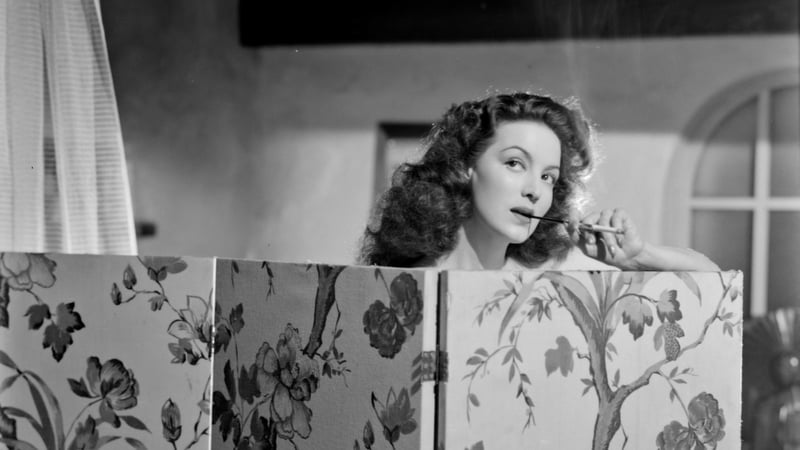
1947|
107 minutes|
Spanish with English subtitles
This feverishly perverse saga of amor loco—something like the necro-noir of Laura crossed with the tranced-out style of Last Year at Marienbad—is packed with enough outré flourishes to satisfy a card-carrying Dadaist.
Kenji Mizoguchi
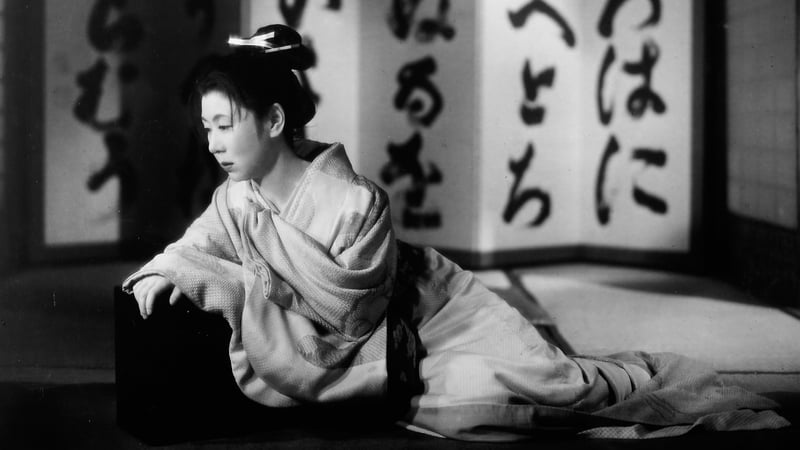
1952|
Japan|
136 minutes|
Japanese with English subtitles
Among the most devastating of master director Kenji Mizoguchi’s portraits of fallen women, this finely wrought, small-gesture melodrama stars the infinitely touching Kinuyo Tanaka as a once-proud concubine whose tragic fate is governed by the callous whims of men.
Pier Paolo Pasolini
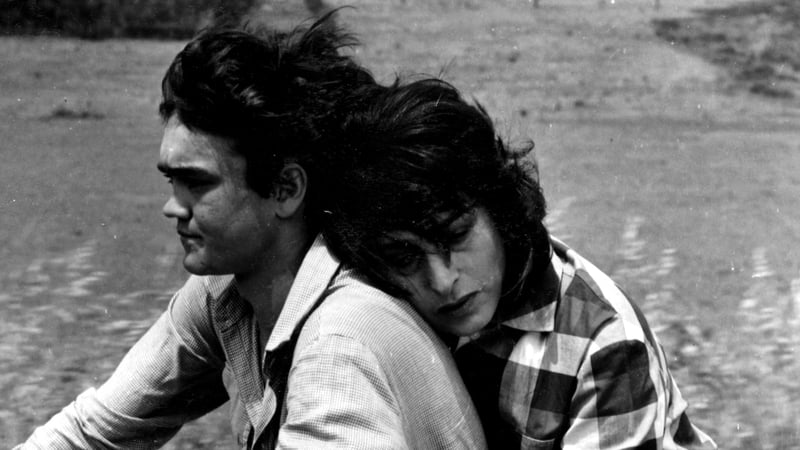
1962|
Italy|
110 minutes|
Italian with English subtitles
Pier Paolo Pasolini’s shattering working-class tragedy stars Anna Magnani as a coarse ex-streetwalker who tries to start a new, better life in Rome for the sake of her teenage son (Ettore Garofolo)—but struggles to keep him from falling into a life of crime.
Teuvo Tulio
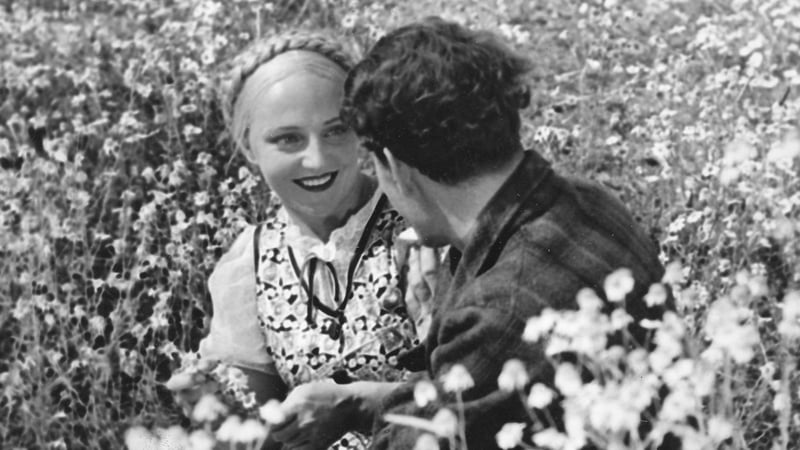
1938|
Finland|
115 minutes
A love-’em-and-leave-’em lumberjack’s reckless ways come back to haunt him in this scalding, proto-feminist indictment of male chauvinism from Teuvo Tulio, the iconoclastic master of the hot-blooded Finnish melodrama.
Fei Mu
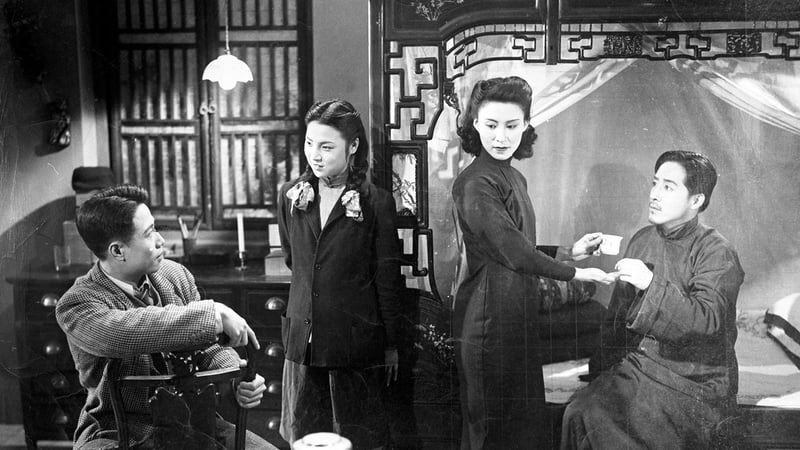
1948|
China|
98 minutes|
Mandarin with English subtitles
The oft-cited crowning achievement of classic Chinese cinema, Fei Mu’s mesmerizing portrait of female desire and subjectivity ranks alongside Brief Encounter and the works of Mikio Naruse.
Federico Fellini
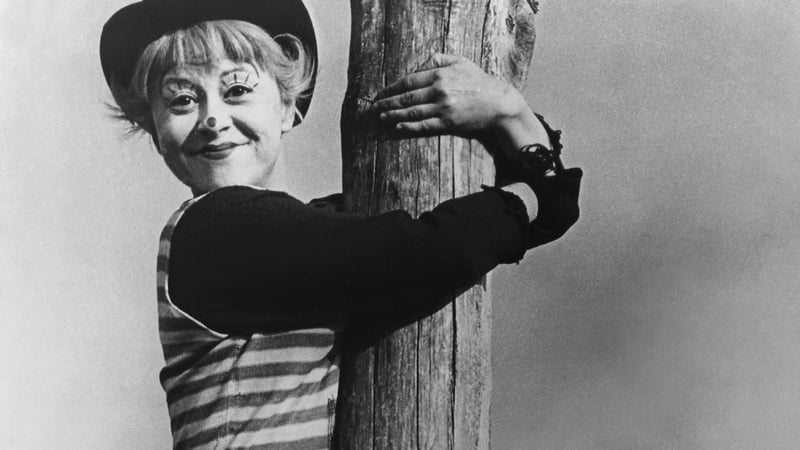
1954|
Italy|
108 minutes|
Italian with English subtitles
Fellini’s vision of the world as a whirling, bittersweet carnival begins with this indelible, tragicomic fable starring Anthony Quinn as a brutish circus strongman and a soulful Giulietta Masina as the sensitive spirit being crushed by him.
Jacques Demy
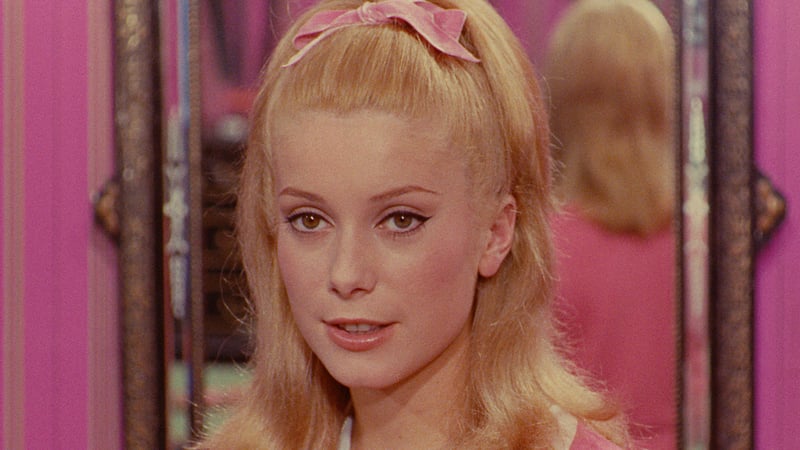
1964|
France|
91 minutes|
English and French with English subtitles
A radiant Catherine Deneuve plays the lovestruck mademoiselle at the center of Jacques Demy’s enchanting, macaron-colored cine-opera sung entirely to the lilting, light-as-meringue melodies of Michel Legrand.
Modern/Postmodern Drama
The melodrama is still being made around the world today, whether as restrained contemporary dramas of repressed love or as deconstructed, more meta-cinematic works that play off the history of the genre—sometimes in the same film.
Pedro Almodóvar
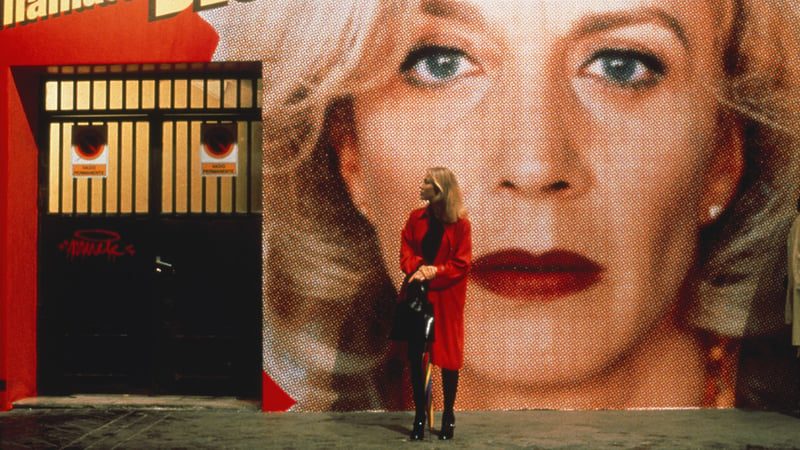
1999|
Spain / France,|
101 minutes|
Spanish and Catalan with English subtitles
Riffing on classic melodramas like All About Eve and A Streetcar Named Desire, Pedro Almodóvar conjures a colorful universe of unforgettable women in this generous, openhearted tribute to female friendship and resilience.
Lars von Trier
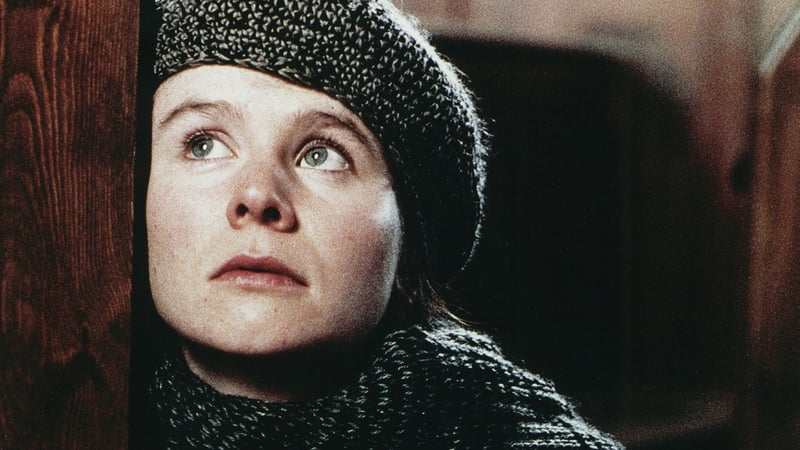
1996|
Denmark|
159 minutes
Lars von Trier established his reputation as one of the most exciting—and provocative—filmmakers on the planet with this megaton meditation on faith, sexuality, and redemption featuring a revelatory Emily Watson as a troubled, zealously religious young woman whose husband is left paralyzed after an accident.
Clint Eastwood
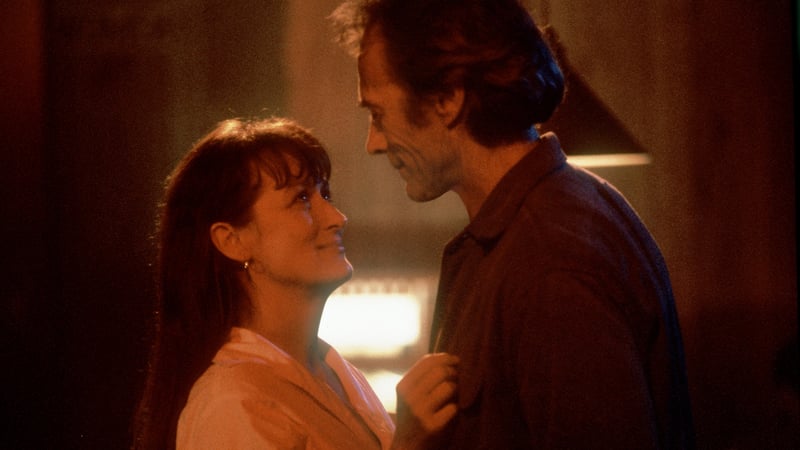
1995|
USA|
135 minutes
In this stirring, pro-adultery drama—the rare literary adaptation to surpass its source material—four days of passion fuel a lifelong romantic infatuation for an Italian-American housewife (Meryl Streep) and a National Geographic photographer (Clint Eastwood, who also masterfully directed).
Ang Lee
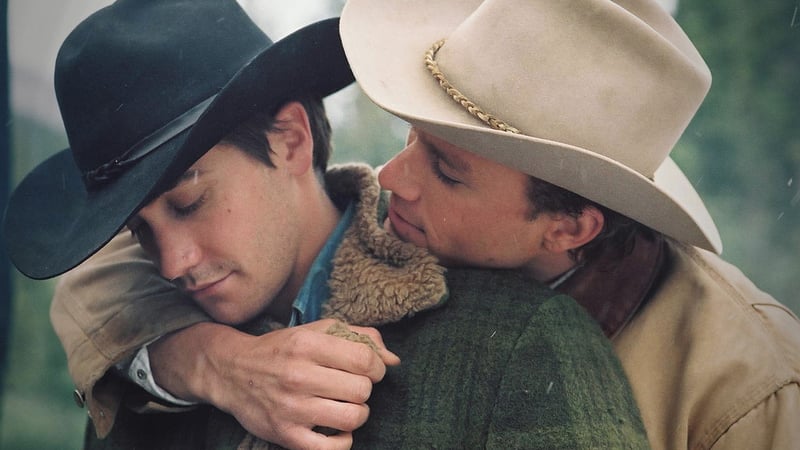
2005|
USA / Canada|
134 minutes
Ang Lee’s cultural phenomenon—about two hired hands (Jake Gyllenhaal and Heath Ledger) whose summer tending sheep in isolated Wyoming foothills sparks a physical relationship that pervades the rest of their lives—was a monumental challenge to social norms.
Guy Maddin
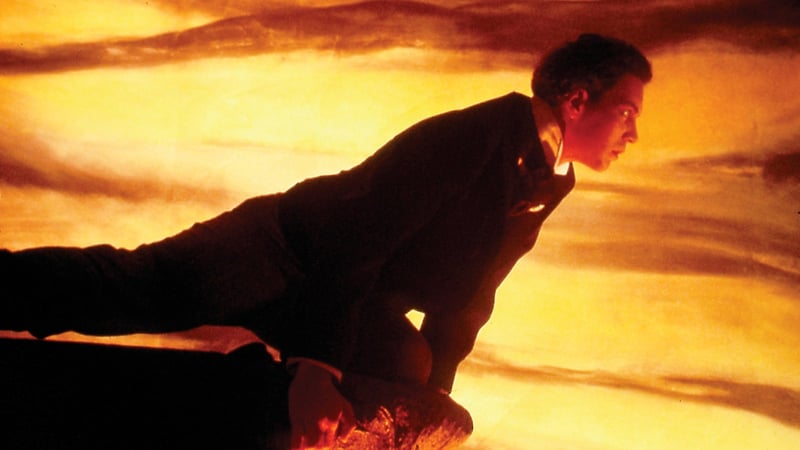
1992|
Canada|
100 minutes
A hallucinatory parable of pent-up passions run amok that unspools like a demented cautionary tale from a lost civilization, Guy Maddin’s visionary Careful follows the residents of the mythic mountain village of Tolzbad as they struggle to keep their desires and resentments in check.
George Kuchar
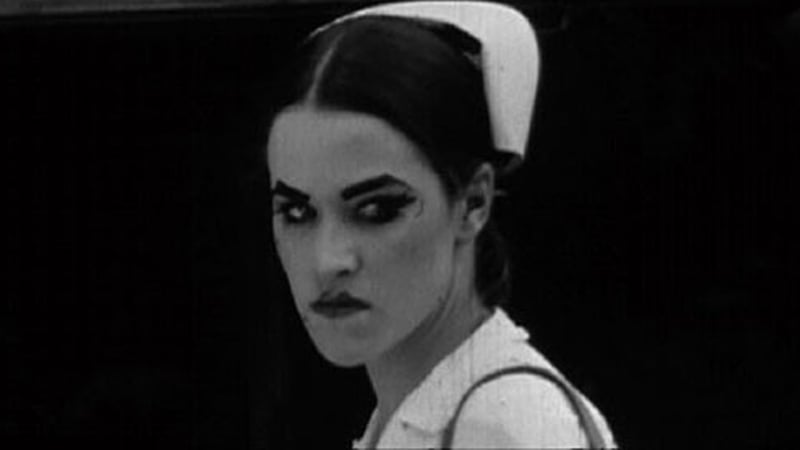
1973|
USA|
107 minutes
DIY renegade George Kuchar’s debased scuzz opera is a deliriously overheated homage to/send-up of Golden Age histrionics—think a 1940s Otto Preminger film writ in filth and sleaze. Preceded by George Kuchar’s Hold Me While I’m Naked.
Todd Haynes
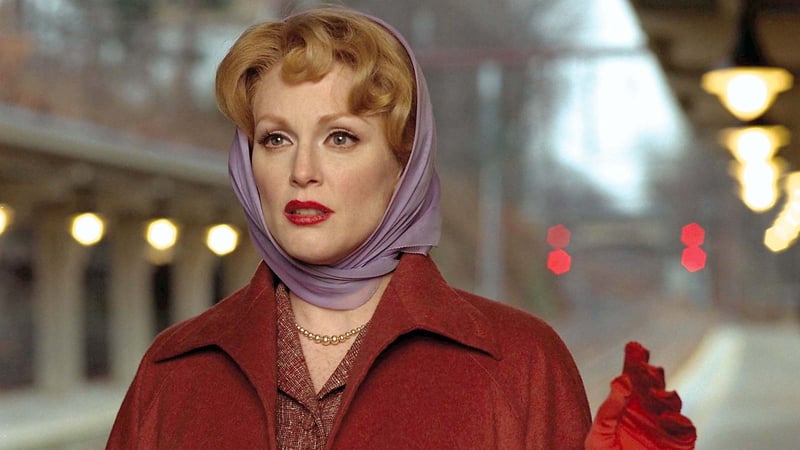
2002|
USA|
108 minutes
In Todd Haynes’s celebrated reimagining of Douglas Sirk’s All That Heaven Allows, a prosperous suburban couple (Julianne Moore and Dennis Quaid) suffer a painful fall from the heights of social grace.
Terence Davies
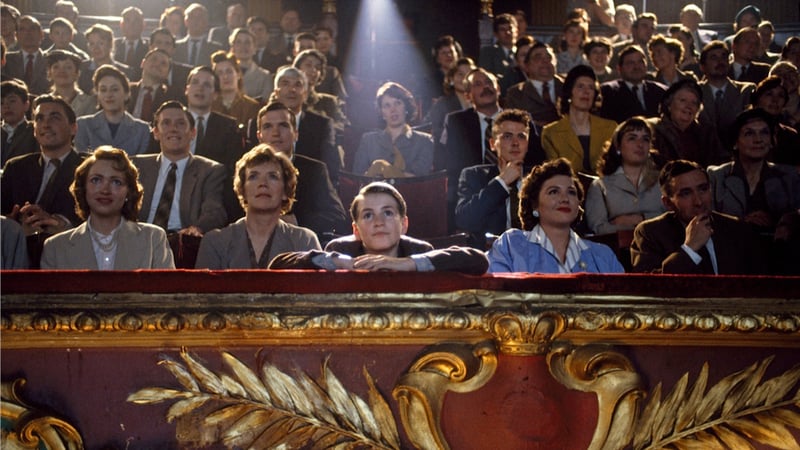
1992|
UK|
85 minutes
One of the greatest films of the 1990s, Terence Davies’s sublime memory piece is a poignant, richly textured evocation of childhood’s end aglow with Dream Factory nostalgia.
Leos Carax
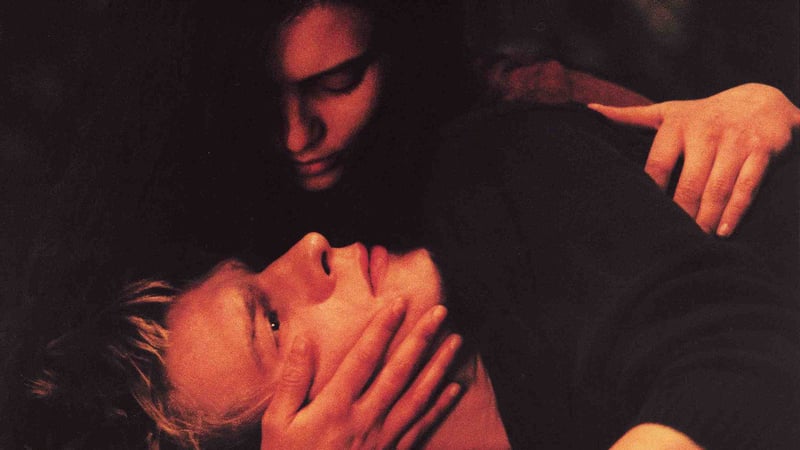
1999|
France|
134 minutes|
French with English subtitles
Ex–enfant terrible Leos Carax takes the ingredients of melodrama—family secrets, persecuted innocents, forbidden love, betrayal—and scrambles them into an audacious postmodern opera of artistic angst in which a writer gets sucked into a through-the-looking-glass rabbit hole of underclass grime and incest when he encounters an Eastern European war refugee claiming to be his long-lost sister.
Stanley Kwan
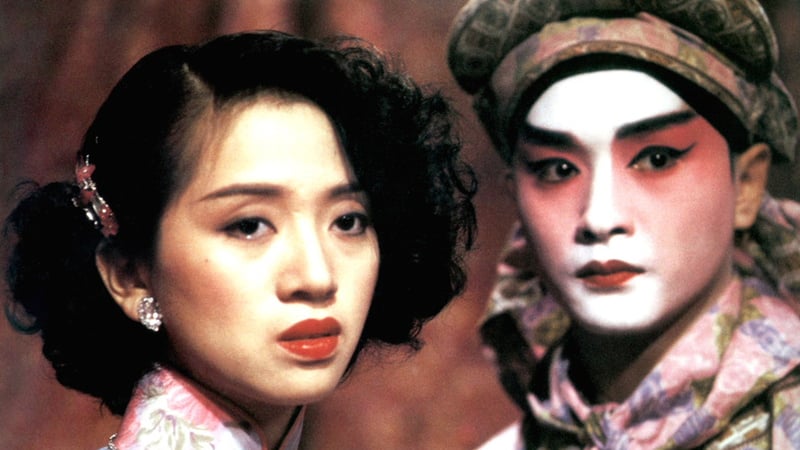
1987|
Hong Kong|
93 minutes|
Cantonese with English subtitles
Melodrama master Stanley Kwan weaves an entrancingly strange and sensual tale of ghosts, opium, and erotic death as the spirit of a 1930s courtesan returns from hell to search for her long-lost lover in 1980s Hong Kong.
Lee Chang-dong
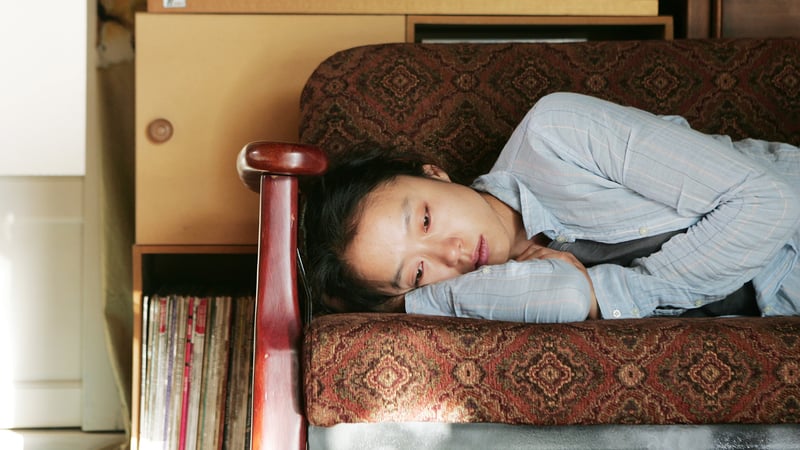
2007|
South Korea|
142 minutes|
Korean with English subtitles
Lee Chang-dong’s stunning saga of grief and catharsis is built around a mesmerizing central performance from Jeon Do-yeon (Best Actress, Cannes Film Festival) as a woman searching for reconciliation in the wake of a life-shattering tragedy.
When many of us think about movie melodramas, the first names that come to mind are titans of Hollywood’s golden age, directors (Douglas Sirk, Nicholas Ray, Vincente Minnelli, George Cukor) and stars (Lillian Gish, Joan Crawford, Bette Davis) alike. But the melodrama is by no means a distinctly American or mid-century genre, having laid its roots during the silent era (in the work of D. W. Griffith, Erich von Stroheim, F. W. Murnau) before flowering in Japan (Kenji Mizoguchi, Mikio Naruse), Italy (Pier Paolo Pasolini, Federico Fellini), England (David Lean), and elsewhere. Indeed, the careers of many key filmmakers of modern cinema have been predicated on radical reinterpretations of the form, as in the work of Rainer Werner Fassbinder, Pedro Almodóvar, Todd Haynes, Leos Carax, Lars von Trier, Wong Kar Wai, and Guy Maddin. This series pays tribute to the genre that boldly endeavored to put emotion on screen in its purest form, featuring classics from the silent era and Hollywood’s Golden Age to major mid-century films from around the world to modern dramas and subversive postmodern incarnations. Bring tissues.
Organized by Florence Almozini, Dennis Lim, and Tyler Wilson.
Acknowledgments:
Academy Film Archive; China Film Archive; Cineteca di Bologna; Filmoteca UNAM; Instituto Mexicano de Cinematografía (IMCINE); Instituto Nacional de Cine y Artes Audiovisuales (Argentina); Istituto Luce Cinecittà; Japan Foundation; Library of Congress; The Museum of Modern Art; National Audiovisual Institute (Finland); UCLA Film & Television Archive; Richard Suchenski, Center for Moving Image Art at Bard College; Mark Rappaport; Stacey Steers; Ming Wong
Download the series brochure or pick one up at our theaters. On The Close-Up, programmers Florence Almozini, Dennis Lim, and Tyler Wilson recently sat down with the Film Society of Lincoln Center’s Editorial Director Michael Koresky to talk about the genre’s history, its relevance today, and some of the series’ hidden gems. Listen below or subscribe in iTunes.


