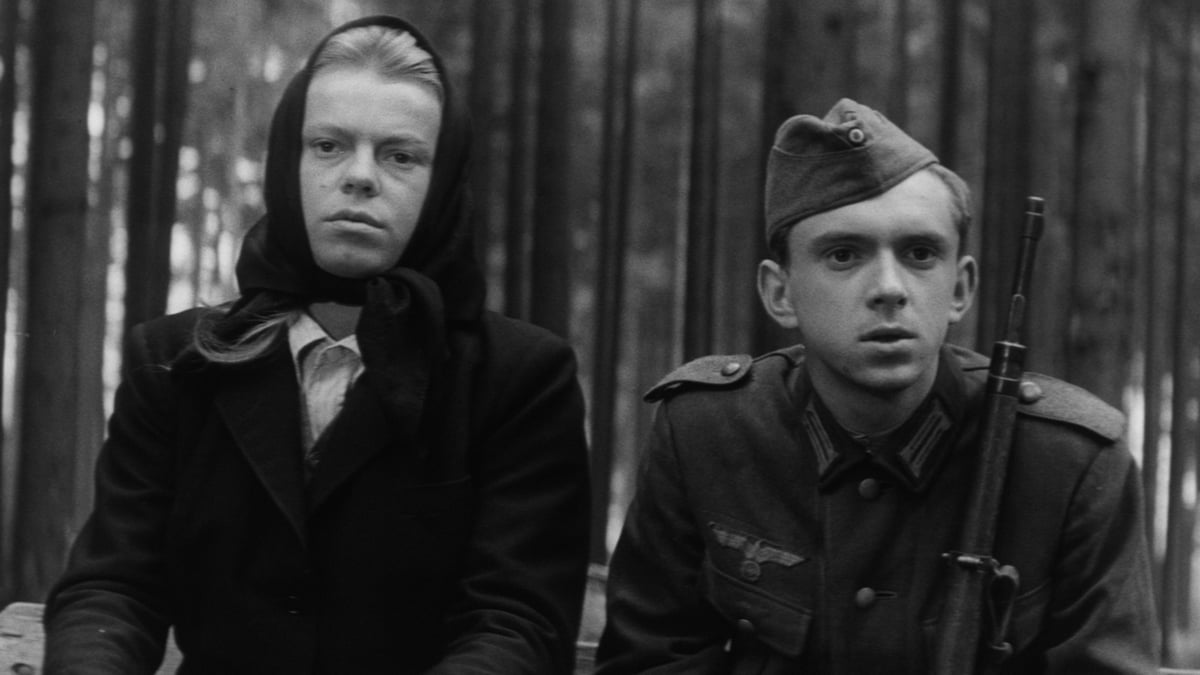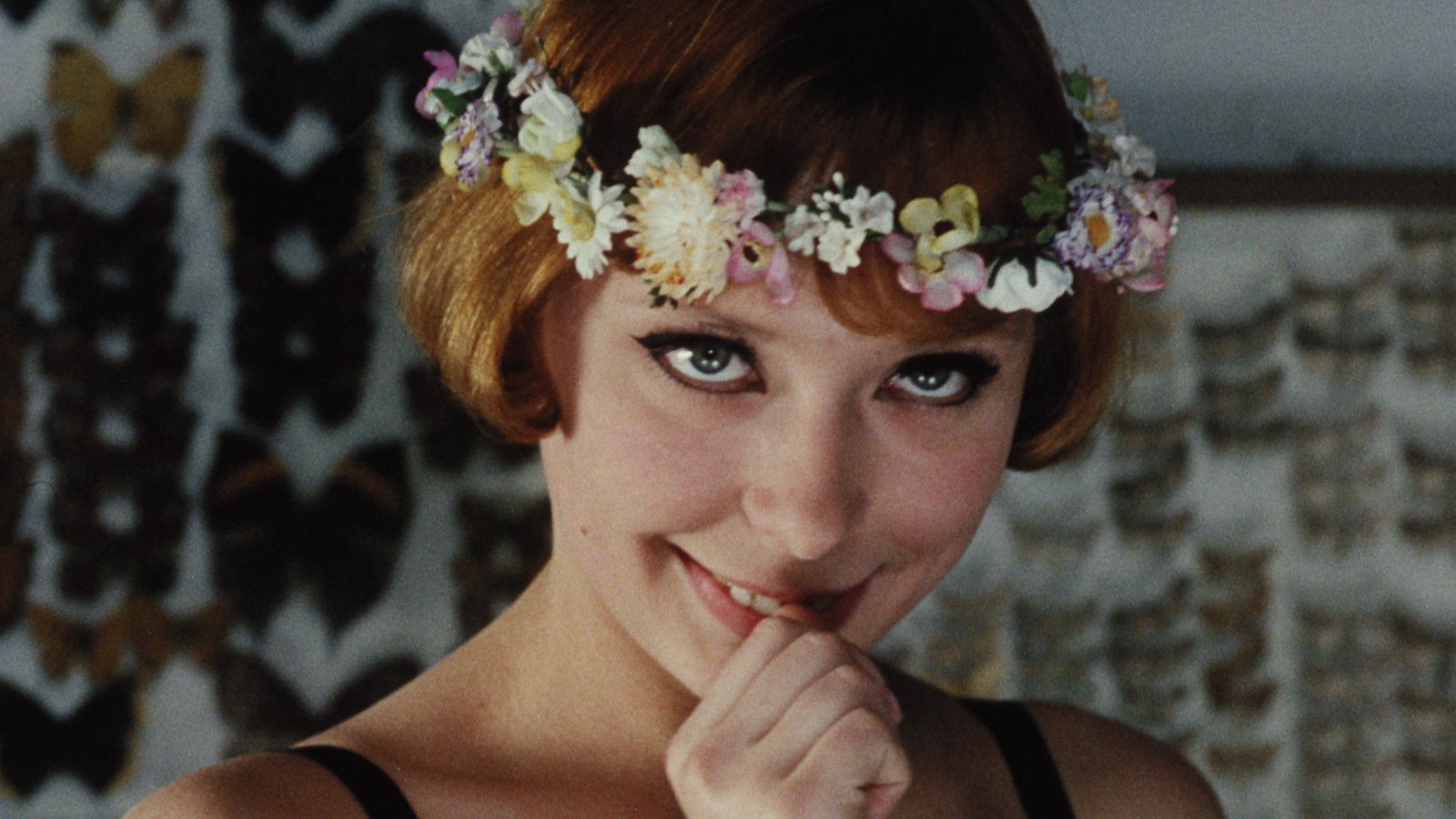
Ester Krumbachová: Unknown Master of the Czechoslovak New Wave
This May, Film at Lincoln Center looks back on Krumbachová’s singular imprint on the Czechoslovak New Wave, and reexamines some of the movement’s most beloved, important works in a new light.
Vojtěch Jasný
1969|
Czechoslovakia|
120 minutes|
Czech with English subtitles
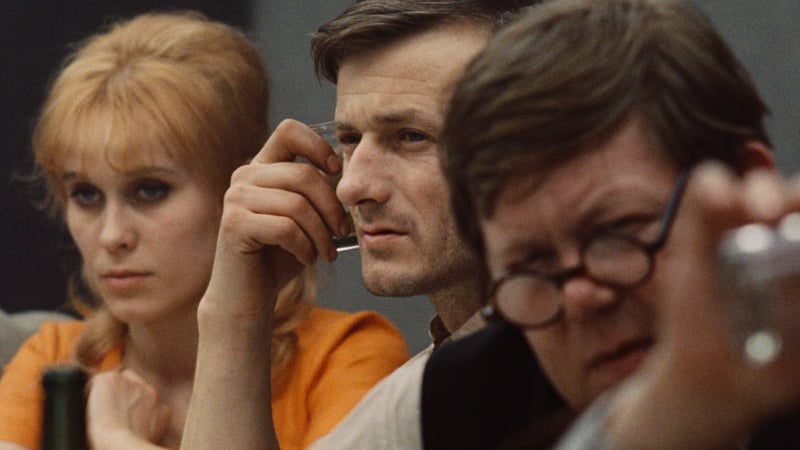
Krumbachová’s attractive costume design offers an ironic visual counterpoint to Vojtěch Jasný’s subversive micro-epic about communism bringing change—and disillusionment—to a small Czech village.
Zbyněk Brynych
1965|
Czechoslovakia|
100 minutes|
Czech with English subtitles
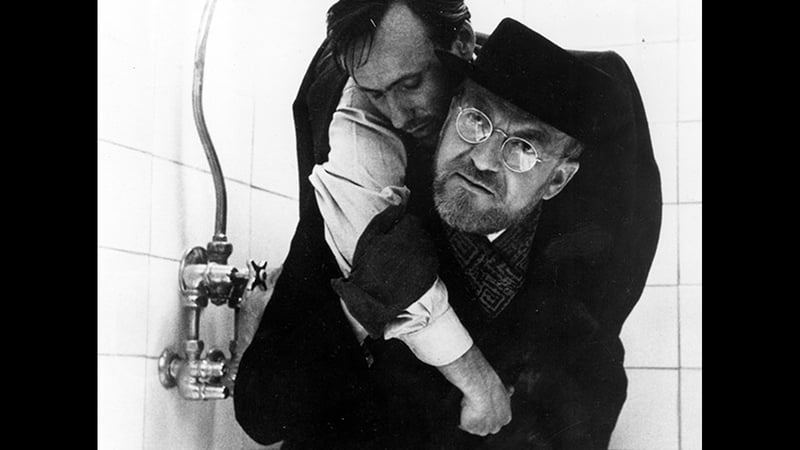
This gripping parable of persecution and paranoia in World War II–era Czechoslovakia telegraphs the day-to-day dread of life in an occupied state through a Jewish doctor’s nightmarish journey into the Prague underground.
Karel Kachyna
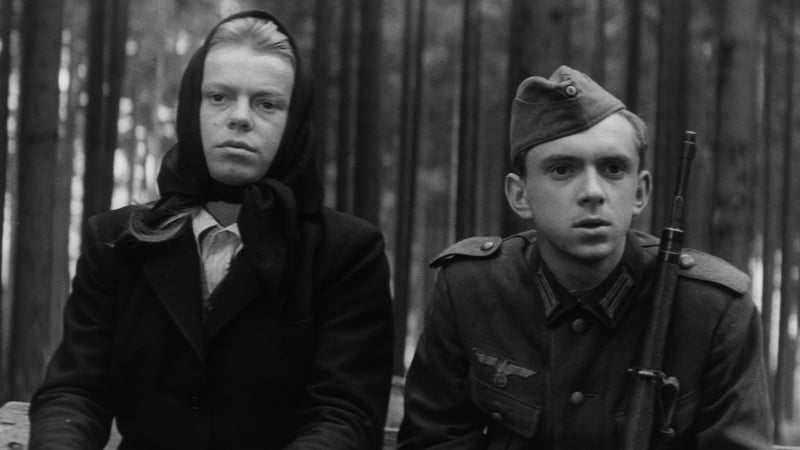
1966|
Czechoslovakia|
78 minutes|
Czech with English subtitles
A steely willed Czech woman armed with an ax plots revenge on the Nazi soldiers who have forced her to accompany them on their journey to Vienna in this atmospheric thriller—featuring costumes by Krumbachová—about the extremes to which war drives ordinary people.
Věra Chytilová
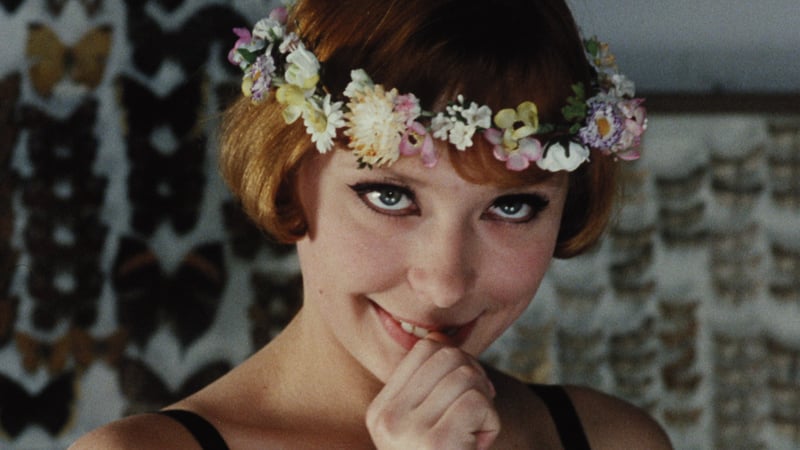
1966|
Czechoslovakia|
74 minutes|
Czech with English subtitles
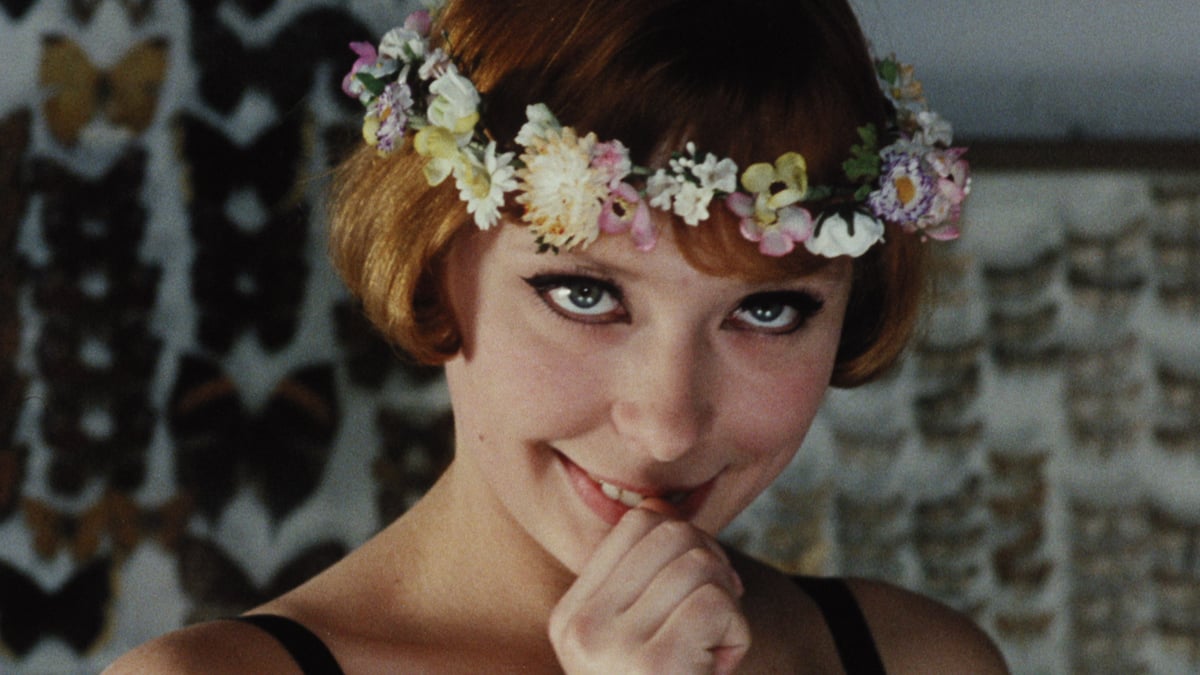
A pair of pixieish hell-raisers embark on a giddy, anything-goes pursuit of hedonistic pleasure, gustatory excess, and patriarchy-smashing destruction in Vera Chytilova’s exuberantly experimental call to rebellion.
Jan Němec
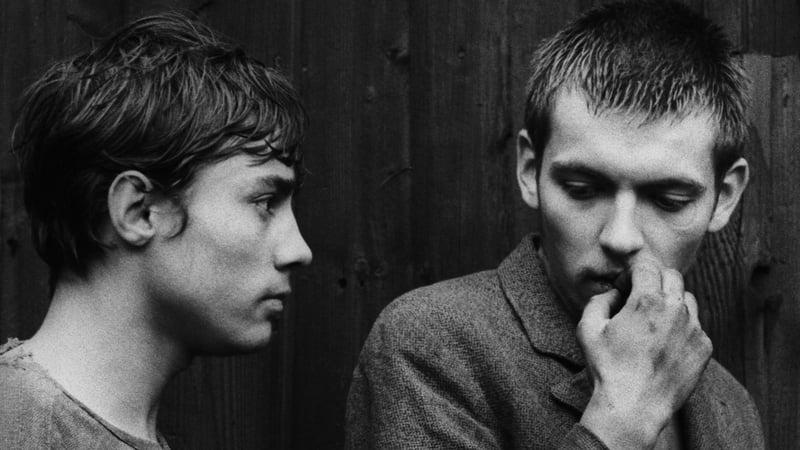
1964|
Czechoslovakia|
66 minutes|
Czech with English subtitles
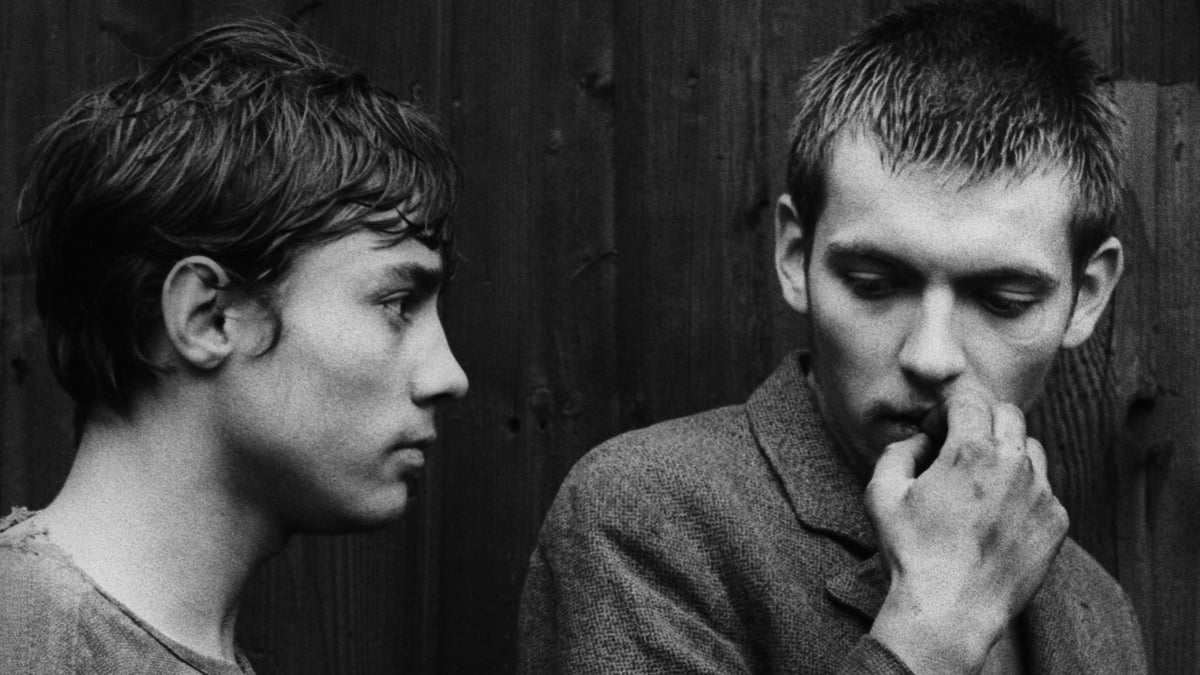
Told in a visceral rush of handheld tracking shots and hallucinations, Jan Němec’s miniature tour de force harrowingly evokes two teenage boys’ desperate fight for survival as they flee a train delivering them to a concentration camp.
Karel Kachyňa
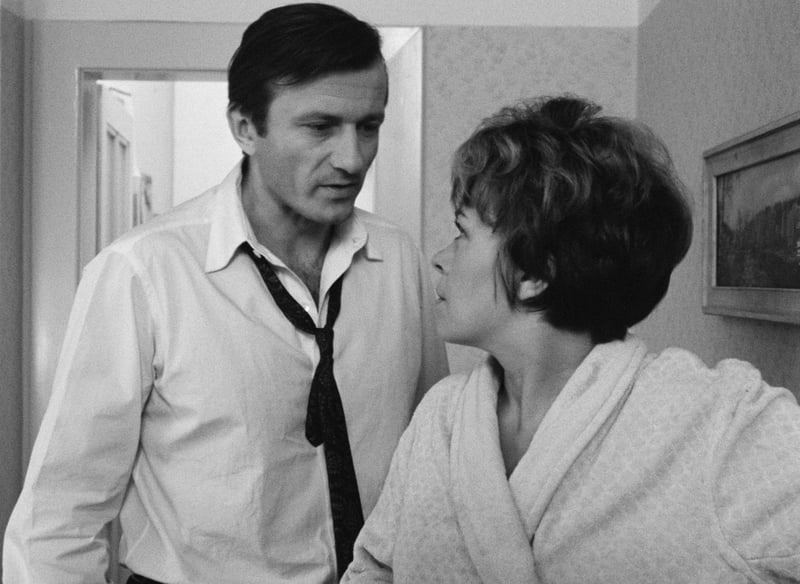
1970|
Czechoslovakia|
94 minutes|
Czech with English subtitles
Banned for decades for its unvarnished depiction of state surveillance, The Ear unfolds over one sleepless night when a couple discovers that “the ear” of the Communist regime is listening in on their every word.
Věra Chytilová

1970|
Czechoslovakia|
99 minutes|
Czech with English subtitles
Věra Chytilová’s follow-up to her avant-garde landmark Daisies is a radical retelling of Adam and Eve, a richly enigmatic odyssey that unfolds in a kaleidoscopic swirl of senses-scrambling sound and image.
Karel Kachyna
1965|
Czechoslovakia|
134 minutes|
Czech with English subtitles
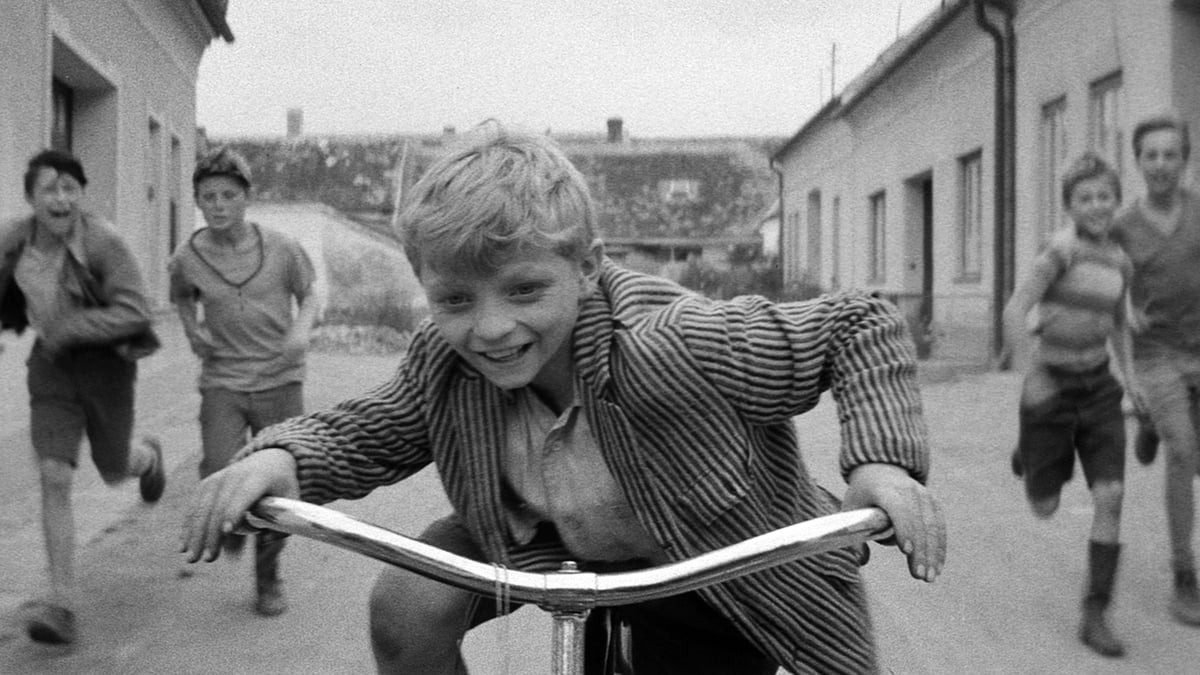
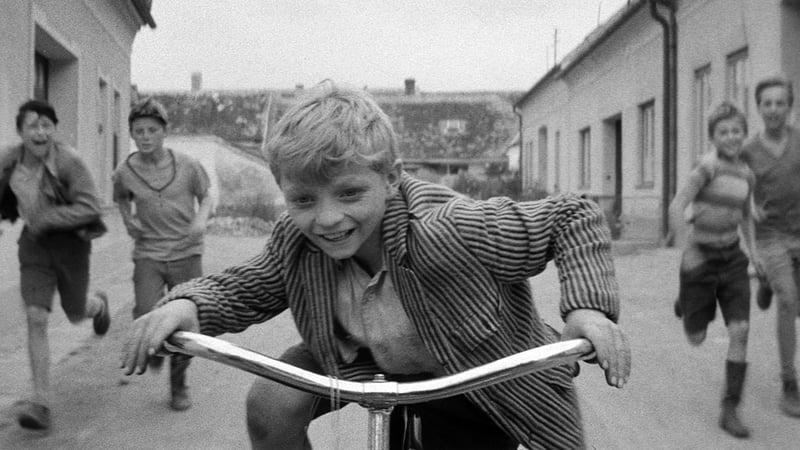
Featuring costumes by Krumbachová, this visually splendorous Cinemascope rhapsody, by turns a lyrical, caustic, and anti-heroic vision of the Soviet liberation of Czechoslovakia, sees the injustices of war and the moral failings of humanity through the eyes of an imaginative 12-year-old boy.
Ester Krumbachová

1970|
Czechoslovakia|
87 minutes|
Czech with English subtitles
Krumbachová’s sole directorial effort puts a surrealist, satanic spin on the battle-of-the-sexes farce as it coolly cuts male chauvinism down to size and luxuriates in female pleasure, desire, and liberation.
Jaromil Jires
1970|
Czechoslovakia|
77 minutes|
Czech with English subtitles
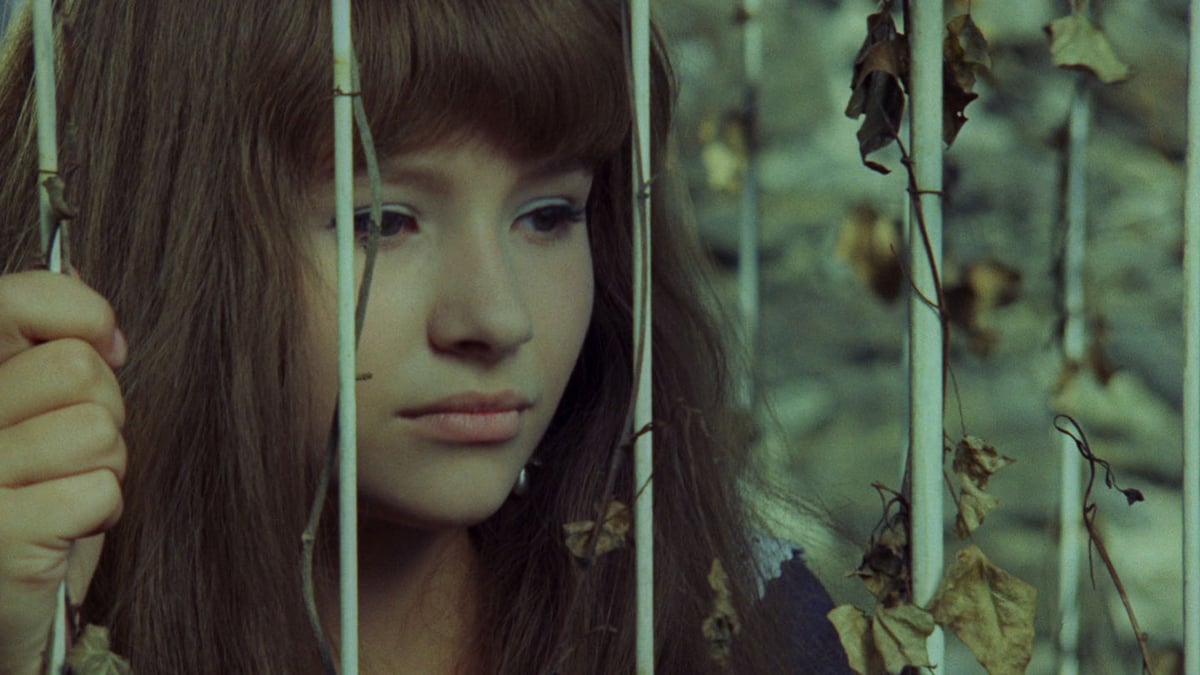
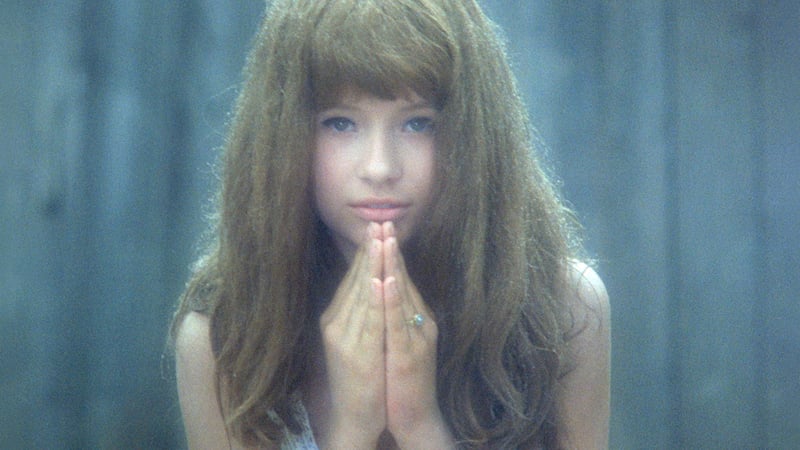
A 13-year-old girl tumbles through the looking glass into a phantasmagoric realm of vampires, black magic, and pagan sexuality in this lushly stylized horror fantasia, co-scripted by Krumbachová.
Though Ester Krumbachová was considered by director Věra Chytilová to be the boldest personality of the Czechoslovak New Wave, her contributions to the movement have been largely overlooked. A costume and set designer, scriptwriter, and director, the multi-hyphenate artist shared her puckishly surreal and trenchant, radical vision with such trailblazing directors as Chytilová (Daisies), Karel Kachyňa (The Ear), Jaromil Jireš (Valerie and Her Week of Wonders), and Jan Němec (Diamonds of the Night), who married Krumbachová and considered her a muse. But shortly after making her directorial debut with the hilarious yet criminally underseen fantasy The Murder of Mr. Devil, she was blacklisted by the Czechoslovak Communist government. This May, Film at Lincoln Center looks back on Krumbachová’s singular imprint on the Czechoslovak New Wave, and reexamines some of the movement’s most beloved, important works in a new light. Presented in collaboration with the Czech Center New York.
Acknowledgements
Czech Center New York, Marie Dvorakova; Czech National Film Archive, Kateřina Fojtová & Eva Urbanová
Explore the Ester Krumbachová brochure flipbook or read below.