Going Steadi: 40 Years of Steadicam
Combining the freedom of a handheld camera with the stability of a dolly, Steadicam made its groundbreaking debut in Hal Ashby’s 1976 film Bound for Glory. Since then, it has become an essential tool of filmmaking and has allowed cinematographers to execute some of their most iconic, astonishing camera movements. Celebrate 40 years of Steadicam with its inventor, Garrett Brown, appearing in person and discounted tickets for the holidays!
Combining the freedom of a handheld camera with the stability of a dolly, Steadicam made its groundbreaking debut in Hal Ashby’s 1976 film Bound for Glory. Since then, it has become an essential tool of filmmaking and has allowed cinematographers to execute some of their most iconic, astonishing camera movements. The Film Society is proud to celebrate 40 years of Steadicam, with its inventor, Garrett Brown, appearing in person.
In honor of the 25th anniversary of the Walter Reade Theater, we're winding back the clock! All opening day screenings (December 16) will feature the original 1991 pricing: $5 for members and $7 for non-members.
Tickets on sale now. Special holiday discount prices!
60 minutes
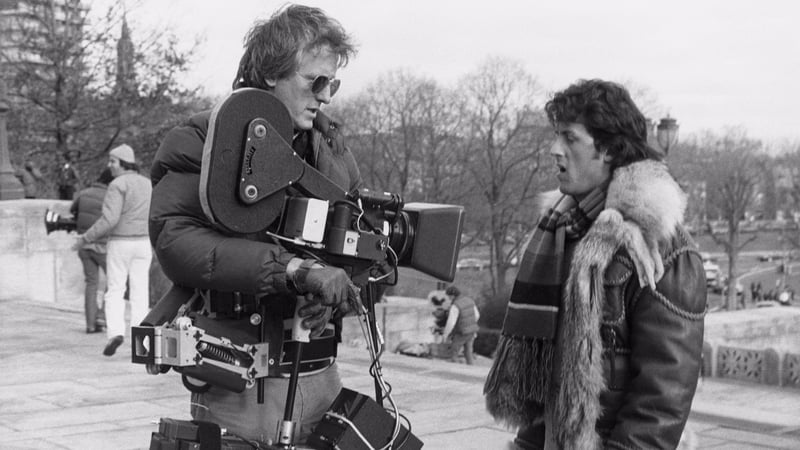
This talk by the inventor of the Steadicam will delve into the aesthetics, kinetics, and psychological wallop of great movie traveling shots, and how they are achieved.
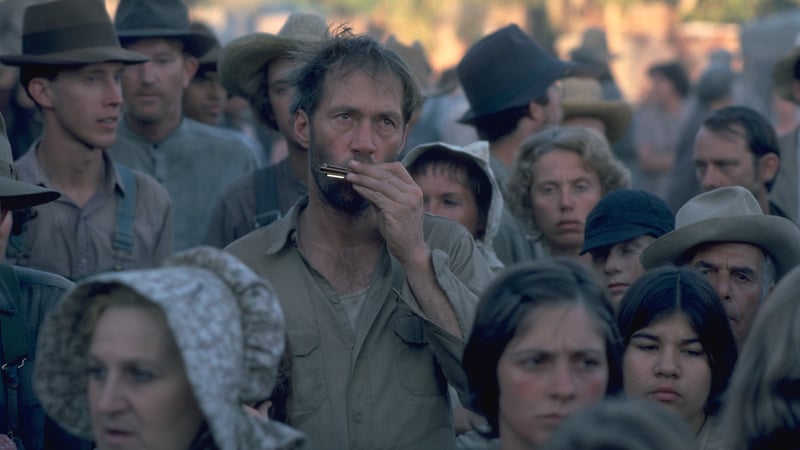
Hal Ashby
1976|
USA|
148 minutes
This visually dazzling biopic was the first film to be shot using Steadicam technology, and its dramatically fluid camerawork earned cinematographer Haskell Wexler an Oscar. The film is an account of the nascent musical career of folk singer Woody Guthrie (David Carradine), following his journey from Texas to California during the early years of the Depression.
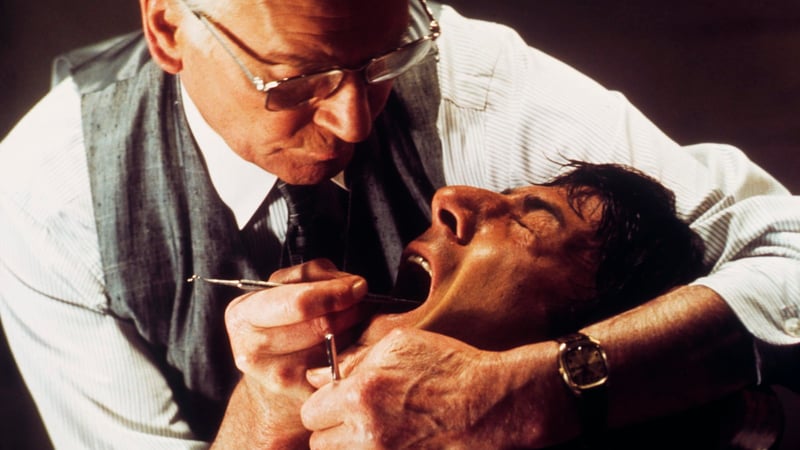
John Schlesinger
1976|
USA|
125 minutes
The second film to use Steadicam, Schlesinger’s classic thriller, in which an innocent PhD candidate (Dustin Hoffman) gets tangled up with a sadistic ex-Nazi dentist (Laurence Olivier) and a vast scheme to sell diamonds stolen from German Jews during WWII, is a gripping masterwork of paranoia and post-Holocaust unrest.
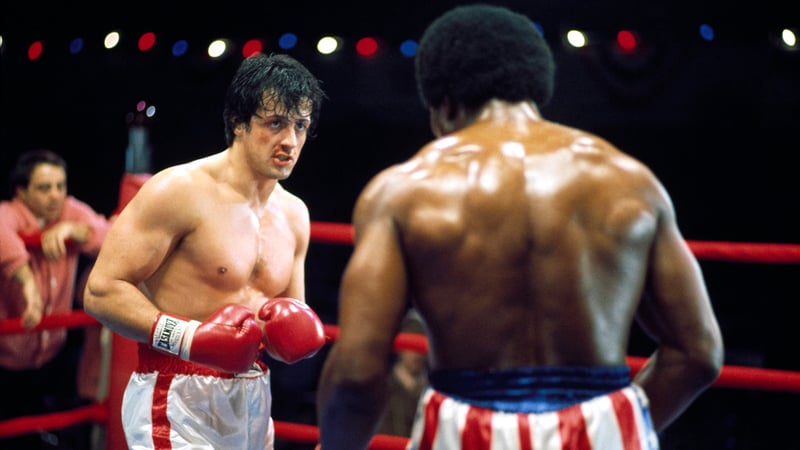
John G. Avildsen
1976|
USA|
119 minutes
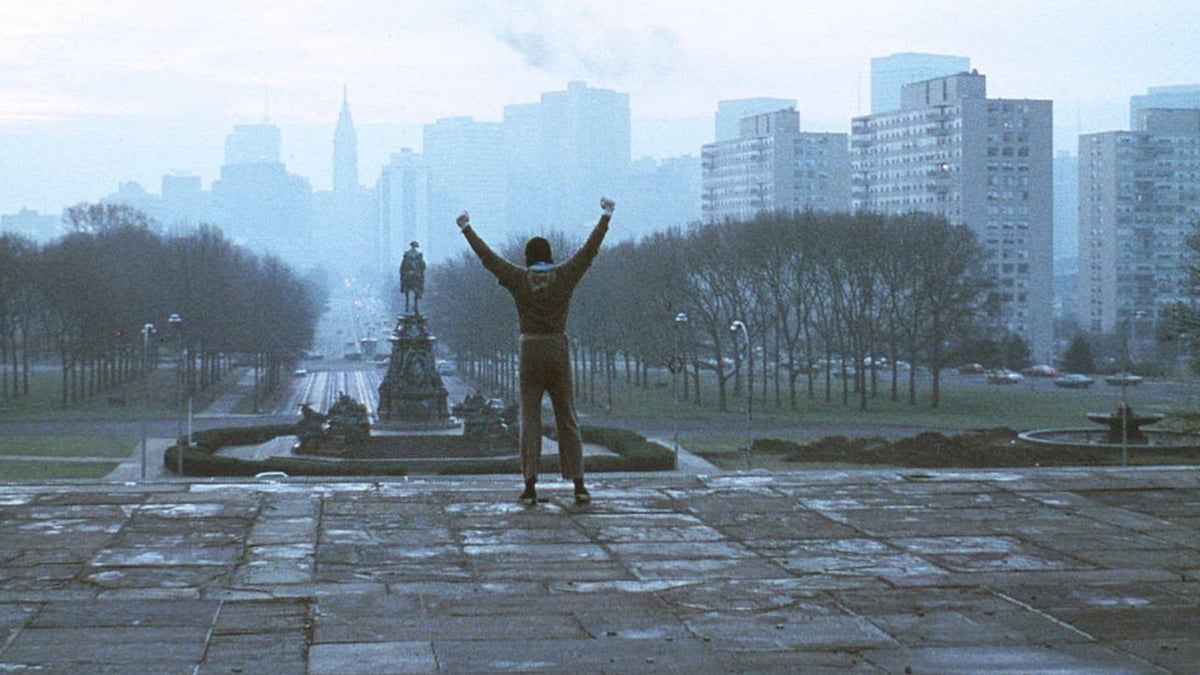
“Yo, Adrian!” Cinema’s greatest underdog story (winner of three Oscars, including Best Picture), about a hard-luck tomato can (Sylvester Stallone) who improbably finds himself lined up to fight world heavyweight champion Apollo Creed (Carl Weathers), features arguably Steadicam’s most iconic usage: the Italian Stallion’s transcendent run up the stairs of the Philadelphia Art Museum. 4K restoration!
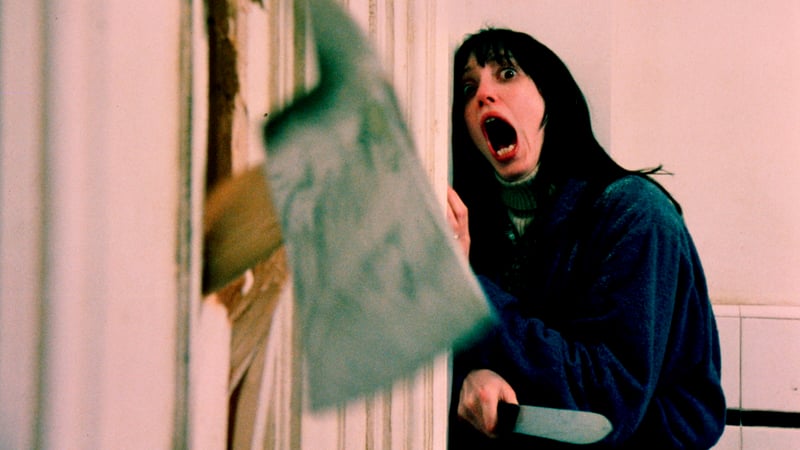
Stanley Kubrick
1980|
USA / UK|
146 minutes
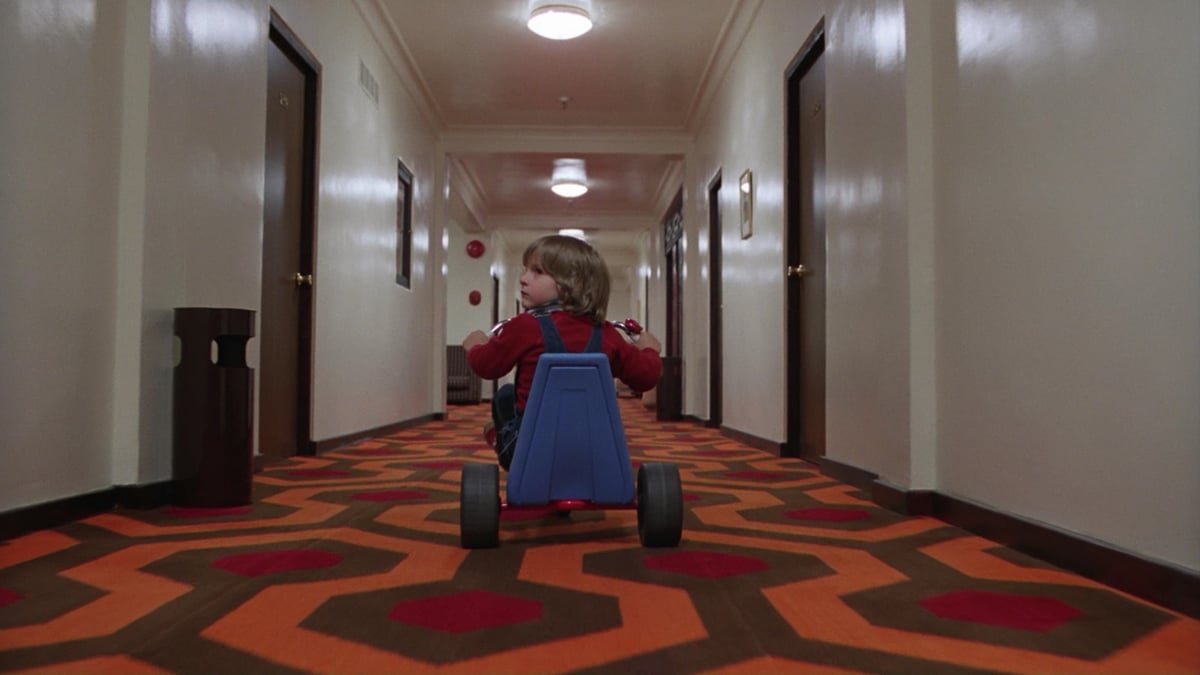
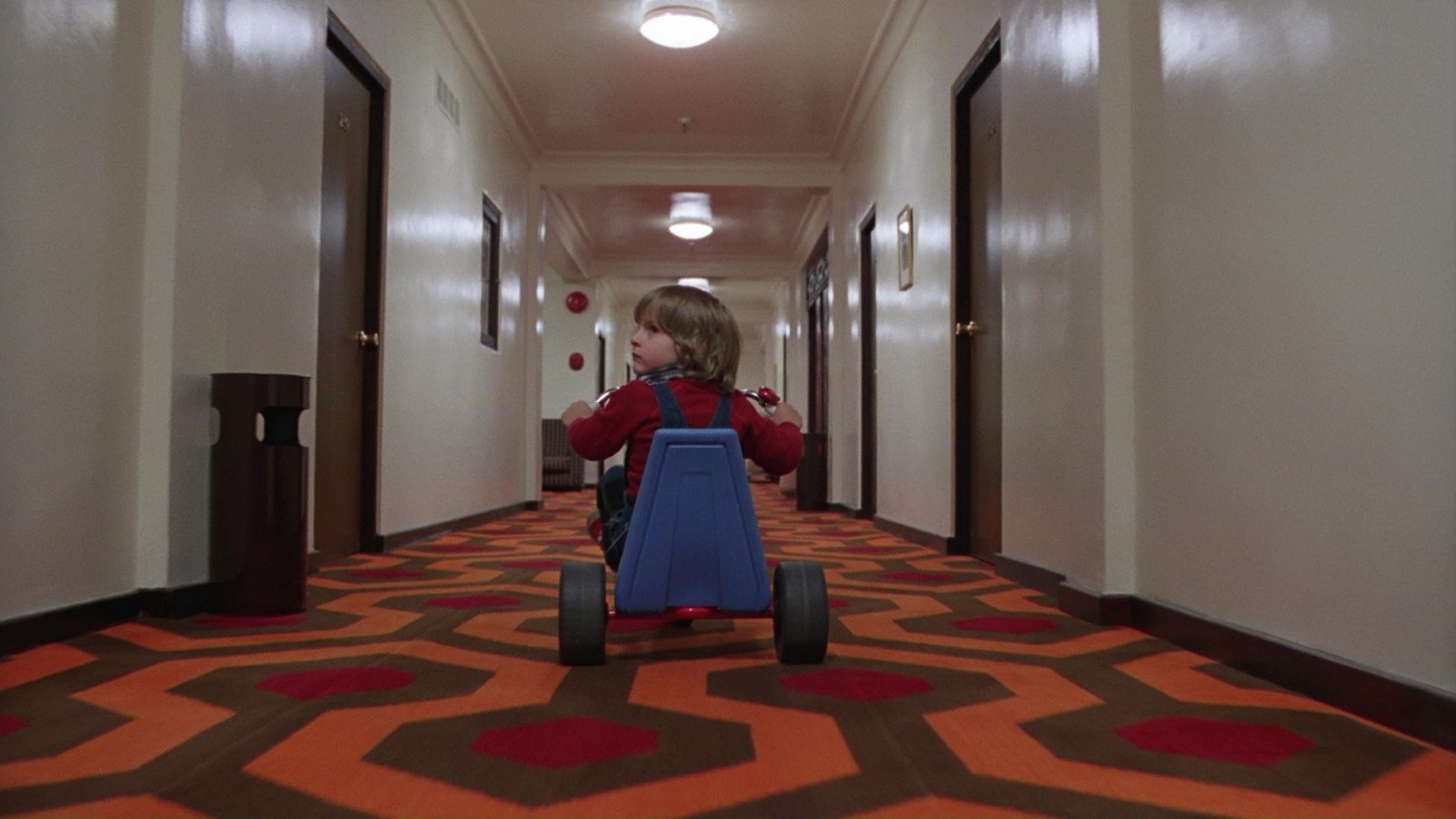
Kubrick made extensive use of the newly developed Steadicam technology (and its inventor, Garrett Brown) to glide up, down, and around the Overlook Hotel’s cavernous corridors in this mordantly funny, genuinely terrifying riff on Stephen King’s bestselling novel.
Martin Scorsese
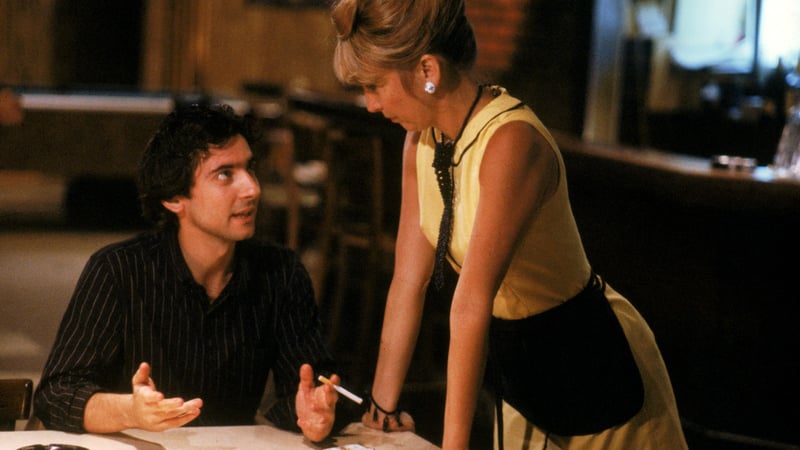
1985|
USA|
97 minutes
Scorsese followed up his early 1980s classics The King of Comedy and Raging Bull with this equally enduring journey to the end of the New York night, in which slightly uptight typist Griffin Dunne accepts an invitation from mysterious Rosanna Arquette to visit her loft in a nightmarishly surreal SoHo, and his efforts to get back uptown are repeatedly, hilariously thwarted.
Steven Spielberg

2001|
USA|
146 minutes
An unrealized Stanley Kubrick dream project brought to the screen by Steven Spielberg, this haunting science-fiction fairytale—about a robotic boy’s quest to become real—stands as one of the first great movies of the 21st century.
Ken Russell
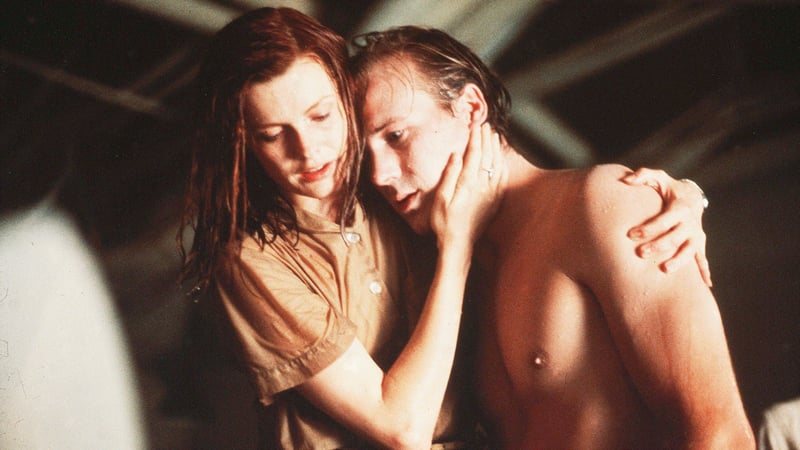
1980|
USA|
102 minutes
Ken Russell, the late master of freak-out fantasia, directed this 1980 head-trip. A fearless scientist attempts to plumb the unborn soul of mankind, using a sensory-deprivation tank and a mysterious drug. Russell delves into Jessup’s subjective states, merging psychedelic special effects, hyperreal dream sequences, and a dazzling, blasphemous take on Christian symbolism.
Jonathan Glazer
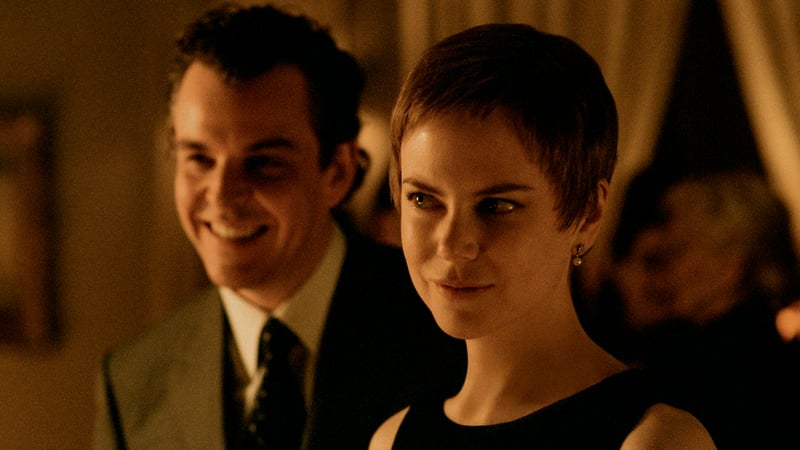
2004|
USA / UK / Germany / France|
100 minutes
Glazer’s underrated metaphysical masterpiece—co-written by Jean-Claude Carrière, shot by Harris Savides, and starring Nicole Kidman—is a gripping, haunting investigation of the uncanny and the possibility of miracles. Glazer’s Steadicam (operated by Garrett Brown) transforms Central Park into an ethereal space where death and rebirth are one and the same.
Paul Thomas Anderson
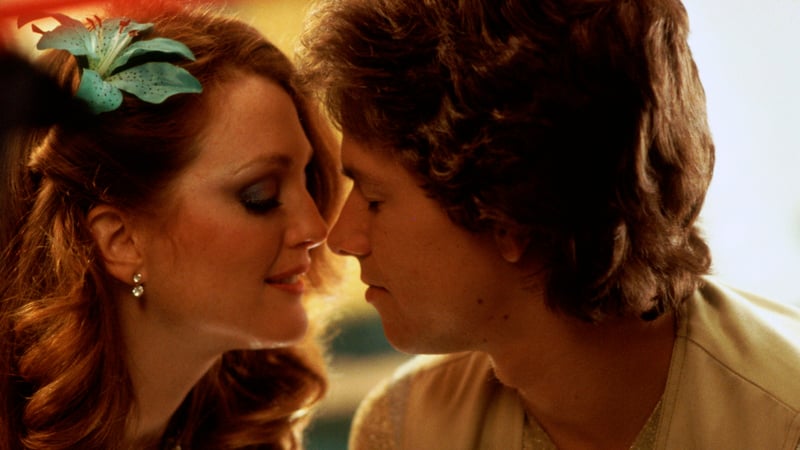
1997|
USA|
155 minutes
A sprawling mosaic of life in the adult-film industry, Boogie Nights rides high in the late 1970s before changing tides and technologies render them has-beens in Reagan’s America. Starring Burt Reynolds, Mark Wahlberg, Julianne Moore, and Philip Seymour Hoffman. An NYFF35 selection.
Warren Beatty
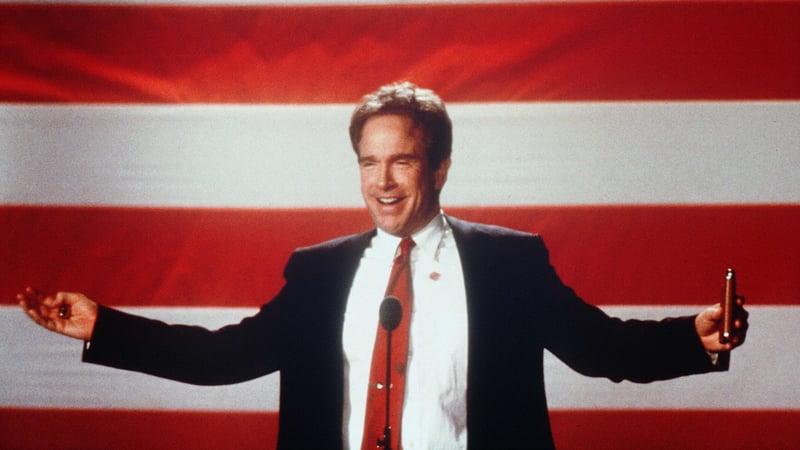
1998|
USA|
108 minutes
This late-nineties touchstone and masterful, prescient satire stars its director as Senator Jay Bulworth, a Democrat from California whose leftist convictions have slowly eroded and given way to corporate and right-wing pandering—until he throws caution to the wind and gets brutally, recklessly frank on the stump, becoming a media sensation in the process.
Brian De Palma
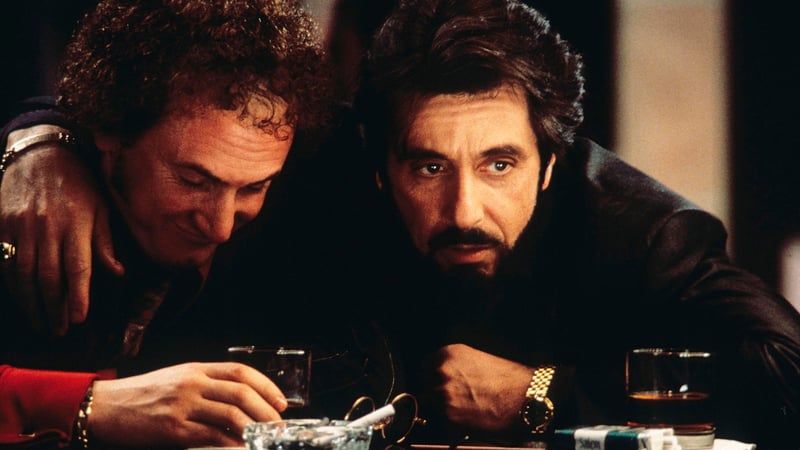
1993|
USA|
144 minutes
De Palma has consistently used Steadicam to dazzling effect, and this 1993 crime classic, chronicling the attempts of a semi-retired big-time crook (Al Pacino) to leave behind the world of vice and violence, is no exception. Named the best film of the 1990s by Cahiers du cinéma.
Bertrand Tavernier
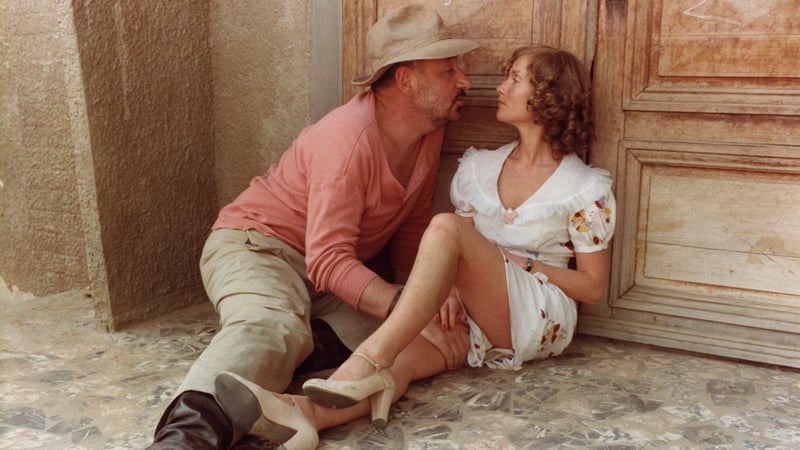
1981|
France|
128 minutes|
English and French with English subtitles
Bertrand Tavernier relocates Jim Thompson’s 1964 Texas-set pulp novel Pop. 1280 to a sunbaked, dirt-caked Senegalese village, where its burnout, publicly mocked police chief Lucien Cordier (Philippe Noiret) suddenly decides to start killing his enemies. Tavernier’s use of the lingering Steadicam gives an effortless precision to Coup de torchon’s tense and awkward energy.
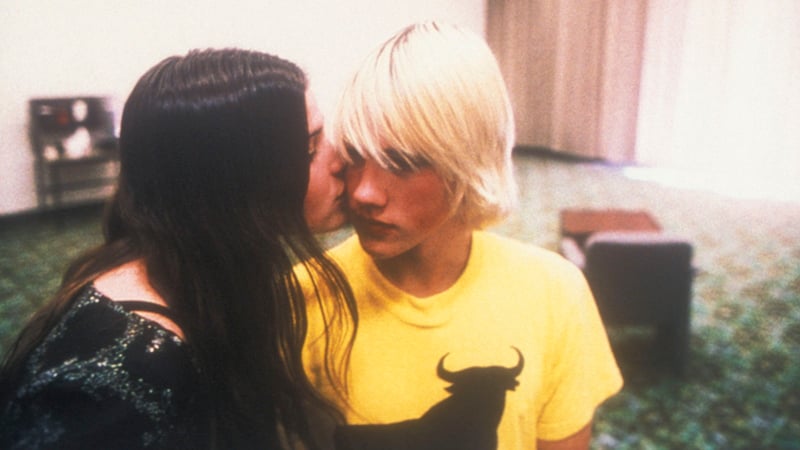
Stanley Kubrick
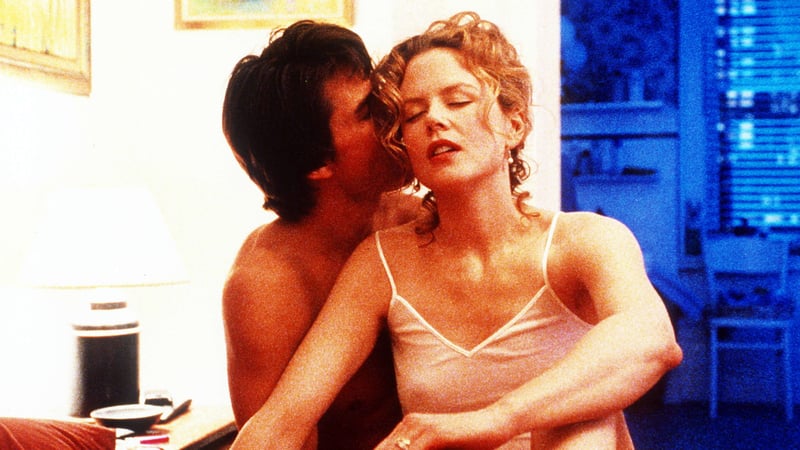
1999|
UK / USA|
159 minutes
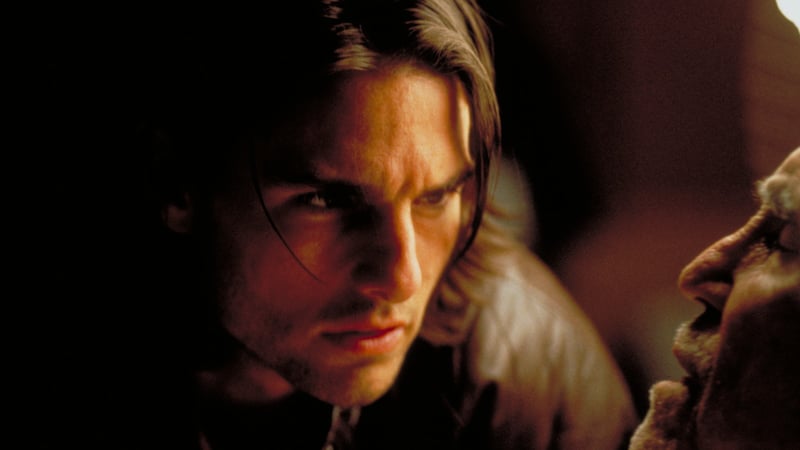
Among Kubrick’s most transcendent and polarizing achievements was his last film, freely adapted from Arthur Schnitzler’s Dream Story, a nocturnal epic following a jealous NYC doctor (Tom Cruise) who takes a phantasmagorical dive ever deeper into a shadowy underworld where desire and power reign.
Martin Scorsese
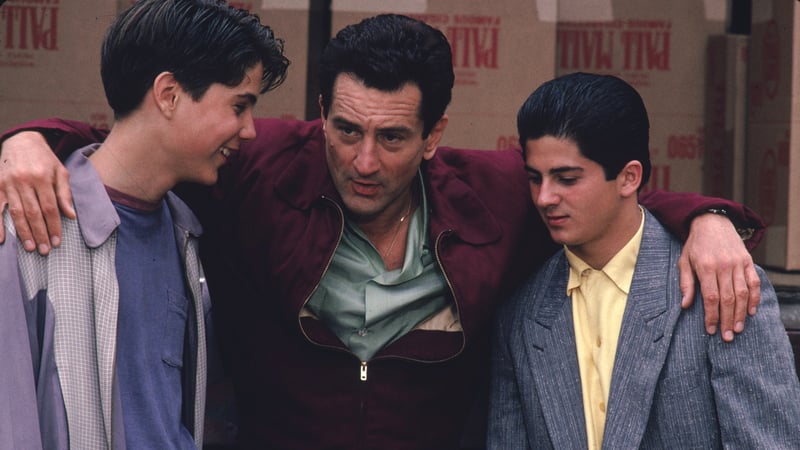
1990|
USA|
146 minutes
In the wickedly entertaining gangster saga that charts the rise and fall of wiseguy Henry Hill (Ray Liotta), Robert De Niro plays “Jimmy the Gent,” the suave but no less coldblooded mentor to Liotta’s Hill and Joe Pesci’s don’t-call-him-funny loose cannon.
Mathieu Kassovitz
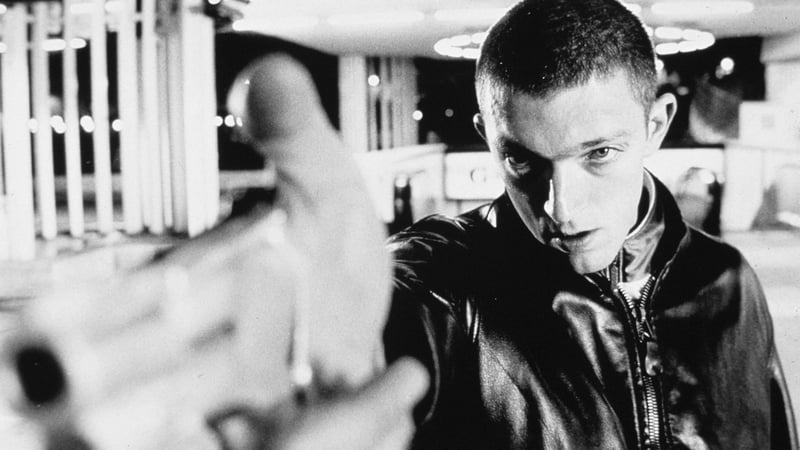
1995|
France|
98 minutes|
French with English subtitles
This international arthouse sensation—about simmering tensions between residents and police in the housing projects outside Paris—counterpoints its gritty milieu with flights of poetic surrealism and elegant Steadicam tracking shots. An NYFF33 selection.
Tony Scott
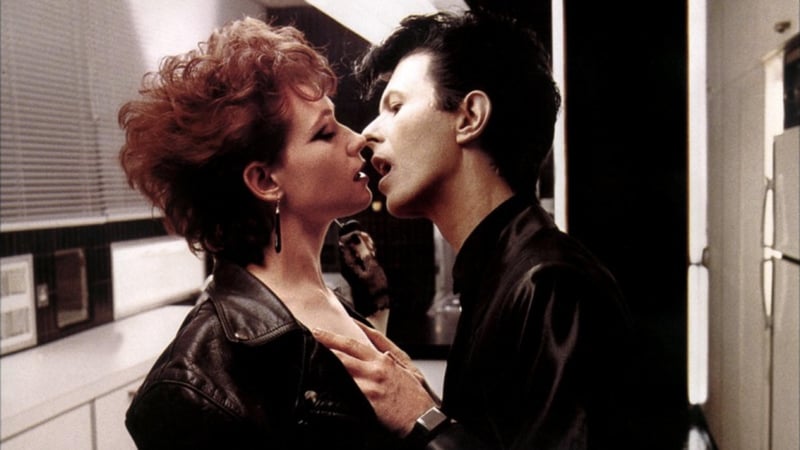
1983|
UK / USA|
97 minutes
In this outrageously sleek cult classic, Catherine Deneuve and David Bowie are Miriam and John, vampire lovers who spend their nights stalking New York’s club scene in search of fresh blood. With its famously bold visual aesthetic, the film is an ultra-stylish archetype of the high-gloss, high-concept storytelling that dominated early 1980s Hollywood.
Quentin Tarantino
1997|
USA|
154 minutes
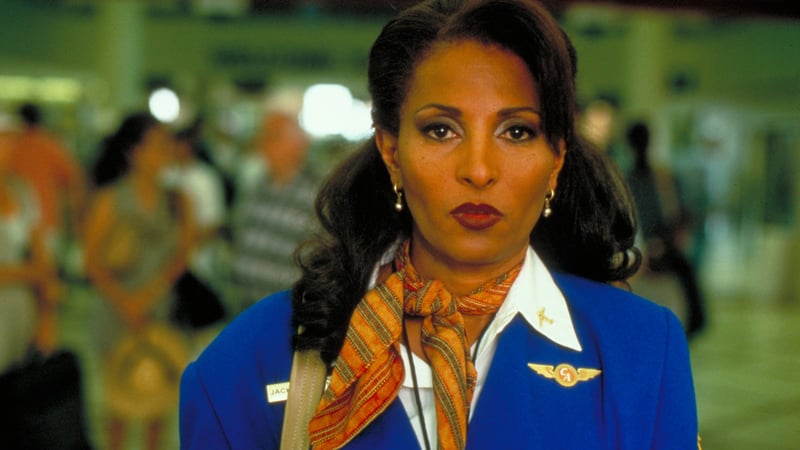
One of the great American films of the 1990s (not to mention one of its most surprising and touching love stories), Tarantino’s L.A.-set crime thriller stars the iconic Pam Grier as the titular flight attendant, who finds herself embroiled in a host of schemes and machinations, rendered with gleeful visual style, rapid-fire repartee, and a soul soundtrack that itself is worth the price of admission.
Bi Gan

2015|
China|
113 minutes|
Mandarin with English subtitles
A country doctor is concerned for the well-being of his nephew, Weiwei, whom he believes his thug brother intends to sell; Weiwei soon vanishes, and Chen sets out to find him. Bi Gan’s endlessly surprising shape-shifter comes to assume the uncanny quality of a waking dream as it poetically and mysteriously interweaves the past, present, and future.
Ben Russell

2009|
USA / Suriname|
135 minutes
Russell’s virtuosic sort-of road movie, in which two Surinamese brothers retrace the journey undertaken by their ancestors to escape Dutch slavery 300 years prior, audaciously places Steadicam in the service of a radical and unorthodox approach to documentary, melding ethnography and mythology to yield a singular, cosmic vision.
Paul Thomas Anderson
1999|
USA|
188 minutes
Paul Thomas Anderson’s Altmanesque portrait of a day in the crisscrossing lives of various San Fernando Valley residents is a gloriously sprawling, dizzyingly ambitious roulette wheel of chance encounters, freak occurrences, and emotional extremes.
Hou Hsiao-hsien
2001|
Taiwan|
119 minutes|
Mandarin with English subtitles
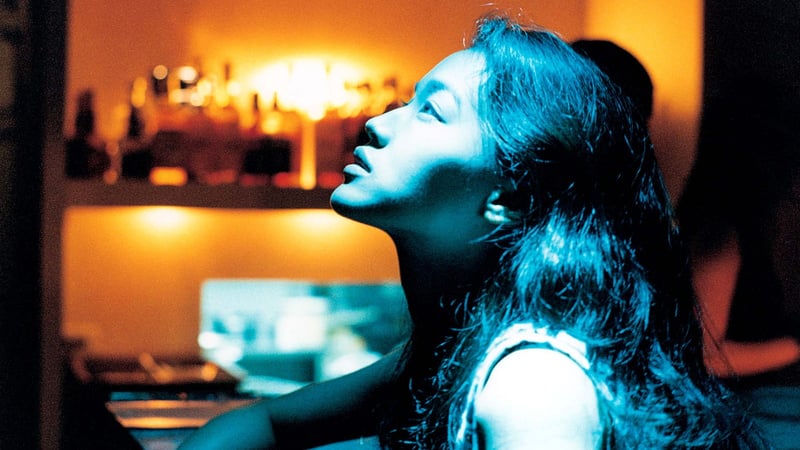
Hou Hsiao-hsien’s entrancing film delves into Taipei’s nightlife with style and atmosphere to spare, following a bar hostess named Vicky (Shu Qi) as she finds herself gravitating away from her jealous boyfriend and toward a cool gangster. The film’s first and most indelible image: Vicky skipping through a tunnel in slow-motion, strikingly rendered with the help of Steadicam.
Terrence Malick
2005|
USA / UK|
151 minutes|
English and Algonquin with English subtitles
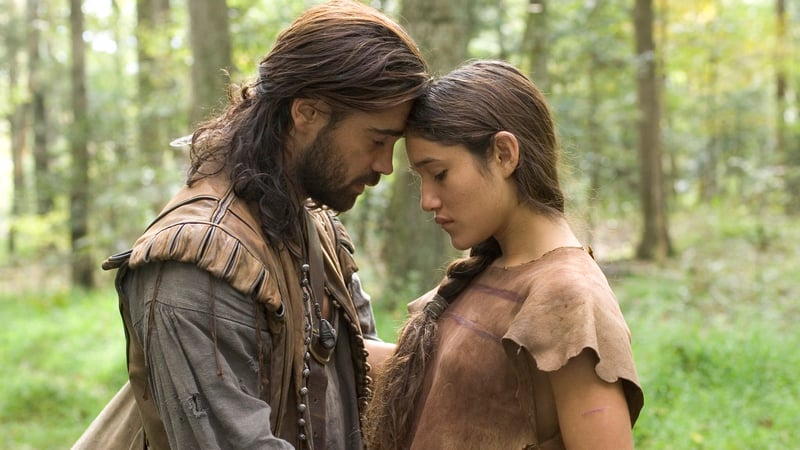
Malick’s take on the story of Pocahontas, John Smith, and the founding of Jamestown is one of his most fully realized works, a poetic meditation on love, colonialism, and the eternal duel between civilization and the natural world, its majesty and sensuality captured by swirling camera movements.
Quentin Tarantino
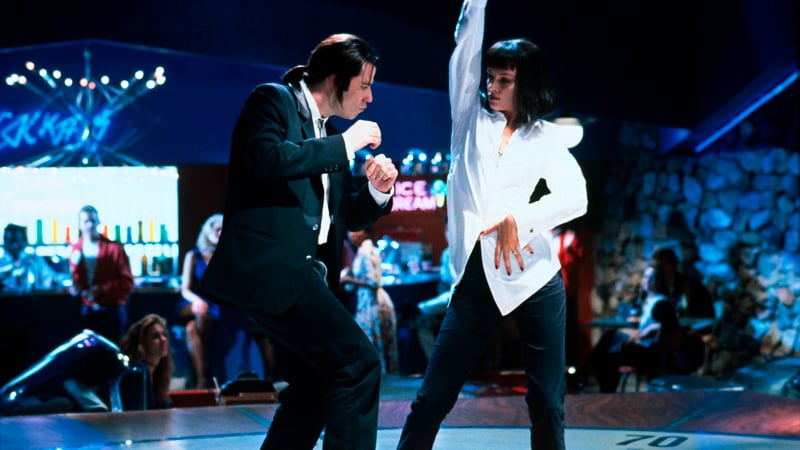
1994|
USA|
154 minutes
Quentin Tarantino’s ingeniously plotted, instant classic collection of shaggy dog L.A. stories crackles with spot-the-reference pop-culture allusions, a retro-cool soundtrack, and endlessly quotable dialogue. An NYFF32 selection.
Brian De Palma
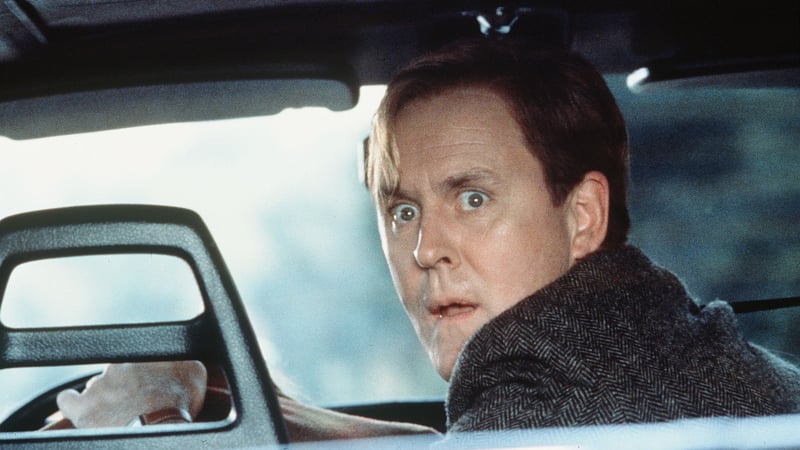
1992|
USA|
91 minutes
Out-of-left-field plot twists, electrifying set pieces, and Hitchcockian doubles (and triples and quadruples) abound in Brian De Palma’s darkly comic, hall-of-mirrors thriller, starring John Lithgow in a diabolical double role.
Alexander Sokurov
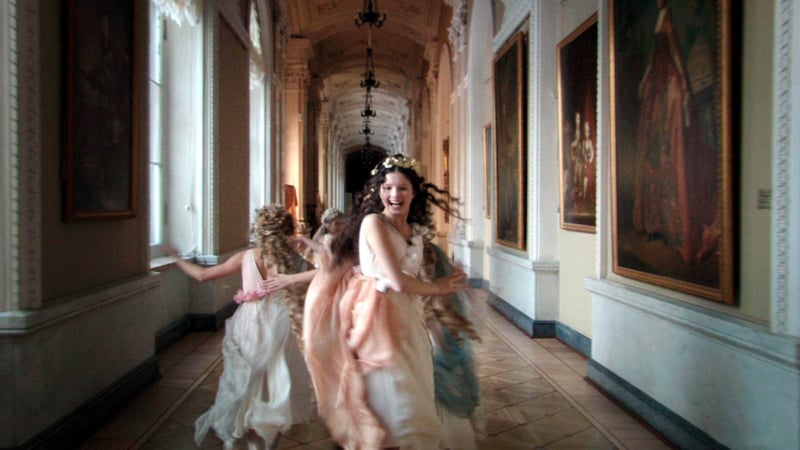
2002|
Russia|
99 minutes
Consisting of a single, unbroken shot, Alexander Sokurov’s masterpiece is a heady, hallucinatory tour through Russian history, filmed inside St. Petersburg’s opulent Hermitage museum. An NYFF40 selection.
Kathryn Bigelow
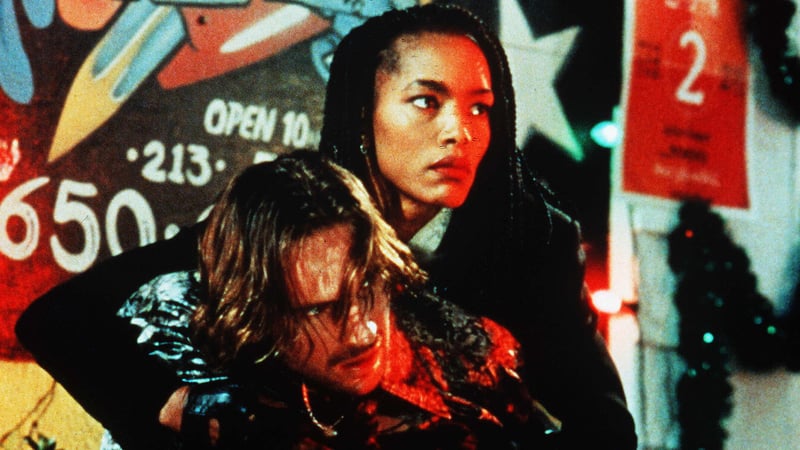
1995|
USA|
145 minutes
Set in a dystopian Los Angeles during the last 48 hours of the twentieth century, Kathryn Bigelow’s hyper-kinetic, cyberpunk brain-scrambler deploys Steadicam to eerie effect in visceral, voyeuristic sequences that evoke the point-of-view of a sadistic killer. An NYFF33 selection.
Robert Greenwald
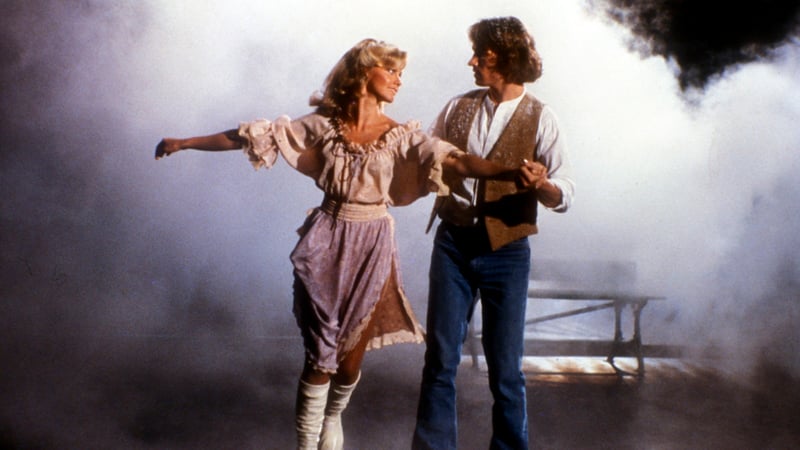
1980|
USA|
96 minutes
Roller disco meets 1940s swing in this kitsch-classic of 1980s Hollywood, featuring Gene Kelly (in his final feature film appearance) as a former big-band sideman who teams up with a down-on-his-luck young artist (Michael Beck) and a beautiful Olympian muse (Olivia Newton-John) to turn a decaying theater into a vibrant nightclub.
Combining the freedom of a handheld camera with the stability of a dolly, Steadicam made its groundbreaking debut in Hal Ashby’s 1976 film Bound for Glory, which won the Oscar for best cinematography. Since then, it has become an essential tool of filmmaking and has allowed cinematographers to execute some of their most iconic, astonishing camera movements. And while Steadicam has left an indelible mark on Hollywood filmmaking (especially in the films of Martin Scorsese, Paul Thomas Anderson, Brian De Palma, and Quentin Tarantino), it has also been used to striking effect in works by international filmmakers such as Hou Hsiao-hsien, Béla Tarr, Bertrand Tavernier, and many others. Steadicam enabled the camera to move with the same grace as the bodies, objects, and spaces that it films, expanding the medium’s visual possibilities in ways that many of the key filmmakers of the past four decades have found indispensable. The Film Society is proud to celebrate 40 years of Steadicam’s usage, with Steadicam inventor and cinematographer Garrett Brown appearing in person.
__________
Organized by Dan Sullivan.
Special thanks to Garrett Brown; Magyar Filmunió; Institut Français.