
Raymond Depardon: Humanity in Focus
February 20–March 4, 2026
A tribute to one of the most towering figures in nonfiction cinema, this expansive retrospective features a selection of newly restored and remastered copies of his signature films.
Raymond Depardon
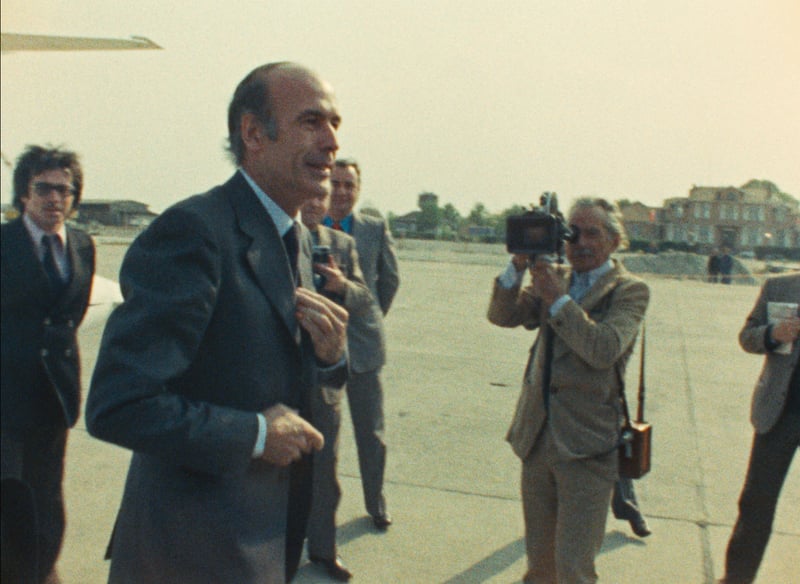
1974/2002|
France|
90 minutes|
French with English subtitles
Suppressed for 28 years, Raymond Depardon’s first feature-length documentary is a vital and intimate work of political portraiture set on the campaign trail with French presidential candidate Valéry Giscard d’Estaing in 1974.
Raymond Depardon
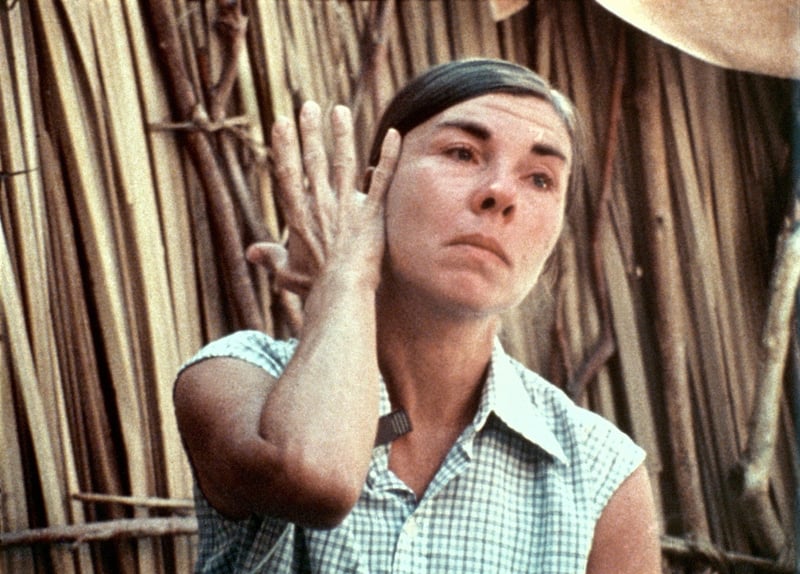
1976|
France|
90 minutes|
French with English subtitles
This program collects two mid-length documentaries by Raymond Depardon from the mid-1970s, inaugurating a career-spanning interest in former French colonial Africa. Taken together, the two films yield a fascinating, complex look at Chad in the 1970s, from the perspective of its native tribespeople and European journalists/aid workers/archaeologists alike.
Raymond Depardon
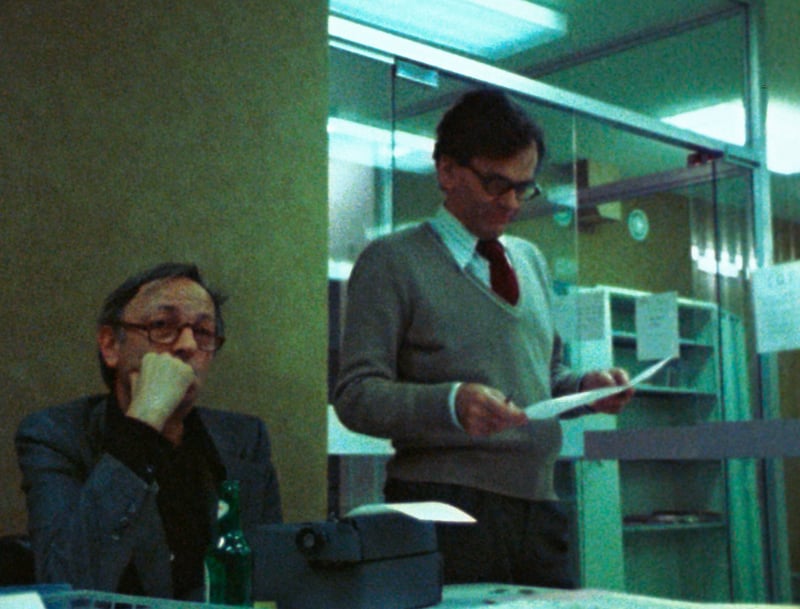
1981|
France|
90 minutes|
French with English subtitles
A fascinating look at the birth of a newspaper and a kind of celebration of the free press as a vital social institution, Numéros zéros follows Le Nouvel Observateur director Claude Perdriel as he endeavors to launch a new daily paper.
Raymond Depardon
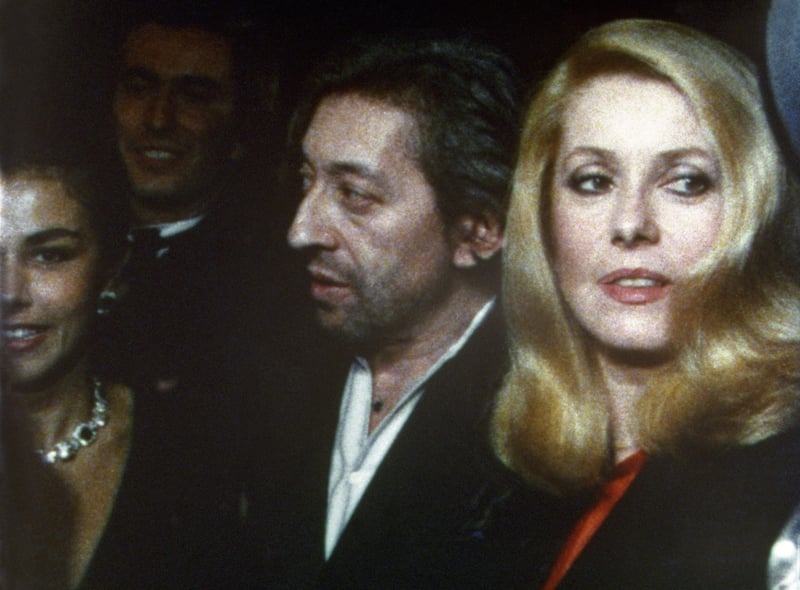
1981|
France|
102 minutes|
French and English with English subtitles
Having begun his singular career as a photojournalist, Raymond Depardon trains his focus on the press agency he founded in this thought-provoking work on the mutually parasitic relationship between photographer and subject. Preceded by New York, NY.
Raymond Depardon
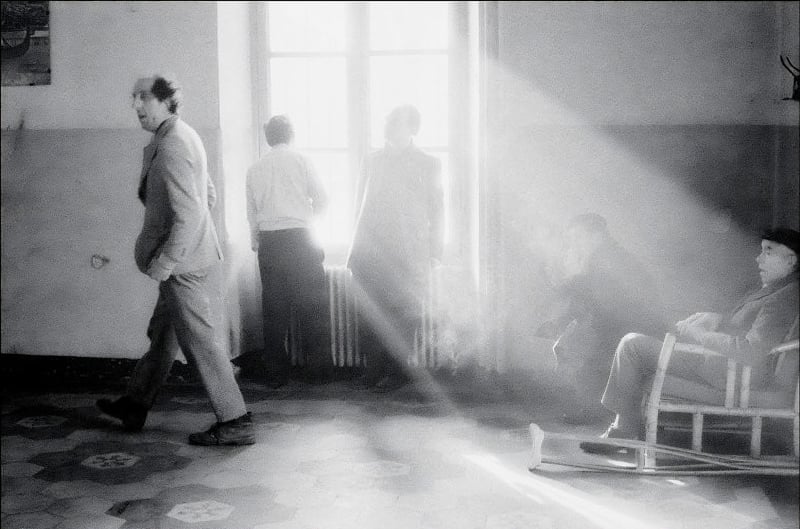
1980|
France|
103 minutes|
French and Italian with English subtitles
Raymond Depardon’s gripping account of the last days of a psychiatric hospital on the brink of shutting down, reminiscent of Frederick Wiseman’s Titicut Follies, allows viewers access to a world hidden from the public. Preceded by Contact.
Raymond Depardon
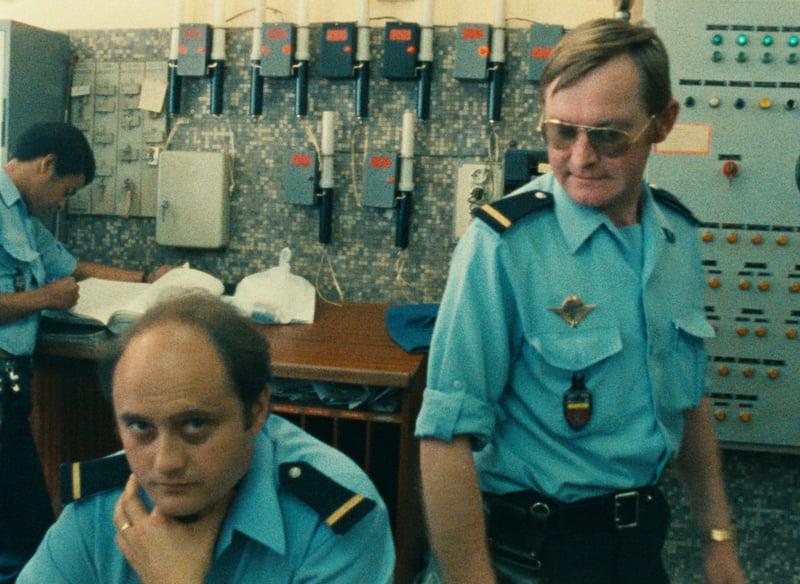
1983|
France|
94 minutes|
French with English subtitles
All manner of humanity and events both quotidian and tragic are on display in Raymond Depardon’s richly dimensional portrait of modern police work, filmed while he was embedded for three months with the police in Paris.
Raymond Depardon
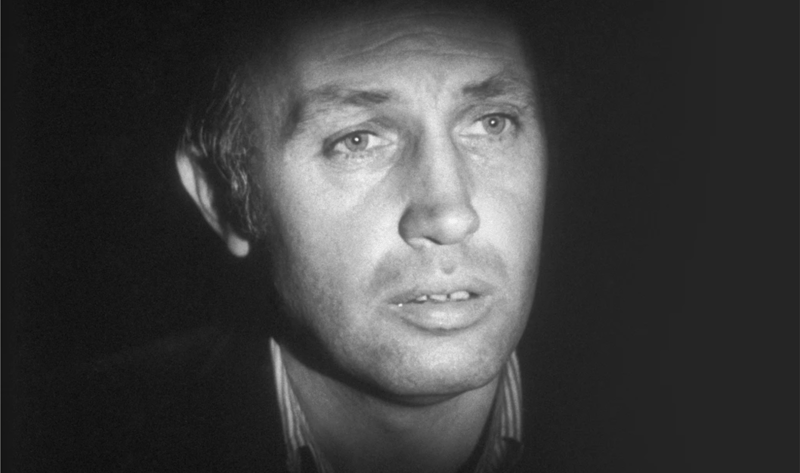
1984|
France|
68 minutes|
French with English subtitles
A potent and influential work of autobiography, The Declic Years is Raymond Depardon’s personal and powerful reflection on the previous three decades of his life. Preceded by Jan Palach and 10 Minutes of Silence for John Lennon.
Raymond Depardon
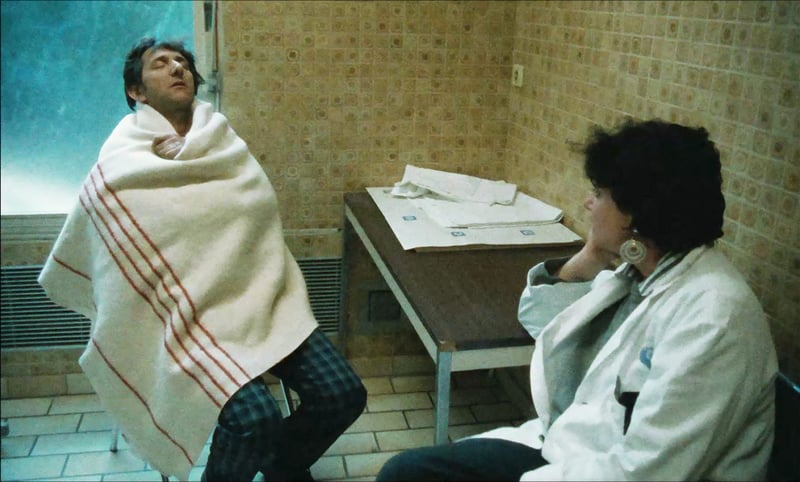
1988|
France|
106 minutes|
French with English subtitles
Immersed in the psychiatric emergency room of a Paris hospital, Raymond Depardon’s engrossing documentary follows a succession of citizens in varying psychic states and the staff who do what they can to help them with their eminently modern forms of despair.
Raymond Depardon
1990|
France|
98 minutes|
French with English subtitles
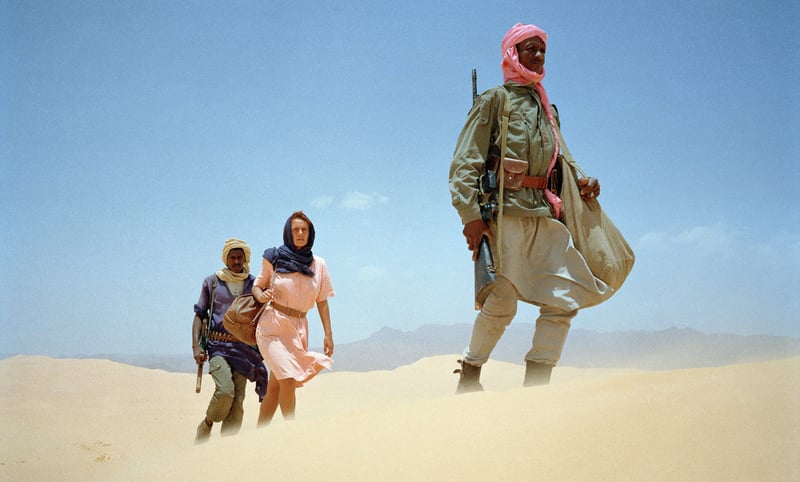
Strikingly visualized and consummately gripping, this rare fiction film by Raymond Depardon stars Sandrine Bonnaire as a young French aid worker in an anonymous African country who is held captive for several months by rebel soldiers.
Raymond Depardon
1994|
France|
109 minutes|
French with English subtitles
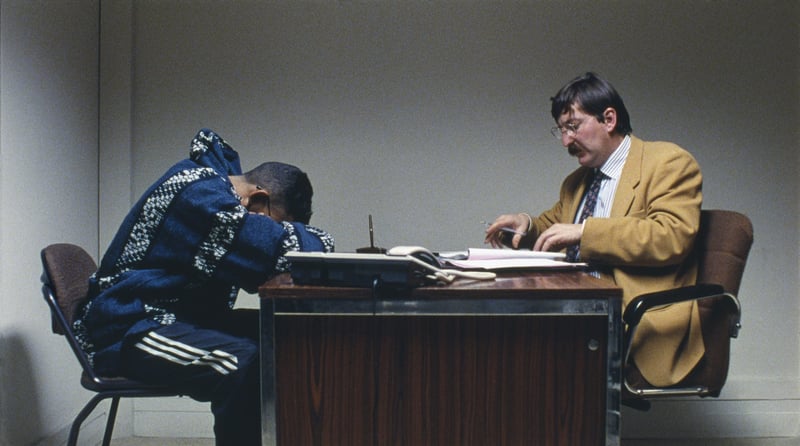
In one of his signature and most mesmerizing films, Raymond Depardon follows 14 suspects of various crimes who must meet with public prosecutors in order to be reminded of their rights and to hear whether they’ll be prosecuted for their charges.
Raymond Depardon
1998|
France|
97 minutes|
French with English subtitles
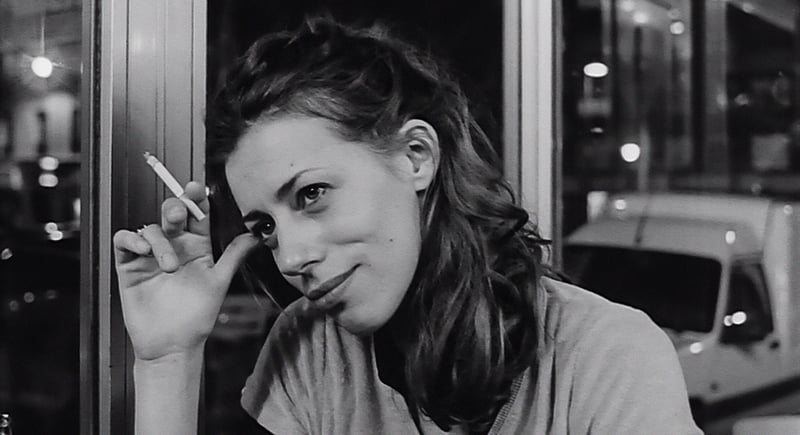
Perhaps Raymond Depardon’s most self-reflexive and metacinematic work, this fascinating fiction film follows a filmmaker who, short on ideas for his new film, enlists a casting director to help him find a leading lady on the streets of Paris.
Raymond Depardon
2000|
France|
94 minutes|
French with English subtitles
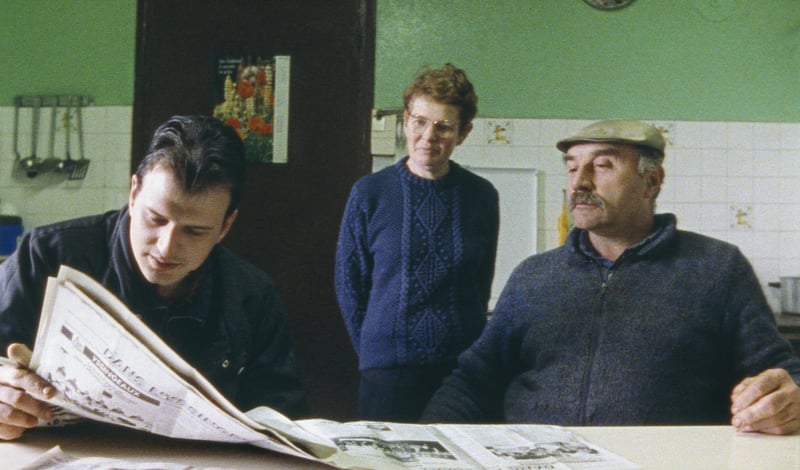
In this moving group portrait of French farmers in their stables and at their kitchen tables, Raymond Depardon captures their everyday trials and tribulations while also depicting the emergence of a bond between documentarian and subject.
Raymond Depardon
2002|
France|
104 minutes|
French with English subtitles
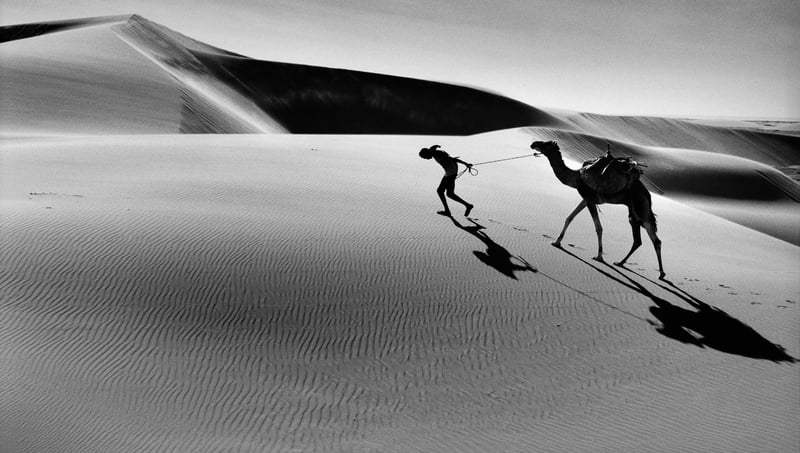
Raymond Depardon melds fiction and documentary to striking effect in this pictorially dazzling account of a nomadic orphan who must take a stand against white colonizers who would seize his tribe’s land.
Raymond Depardon
2004|
France|
107 minutes|
French with English subtitles
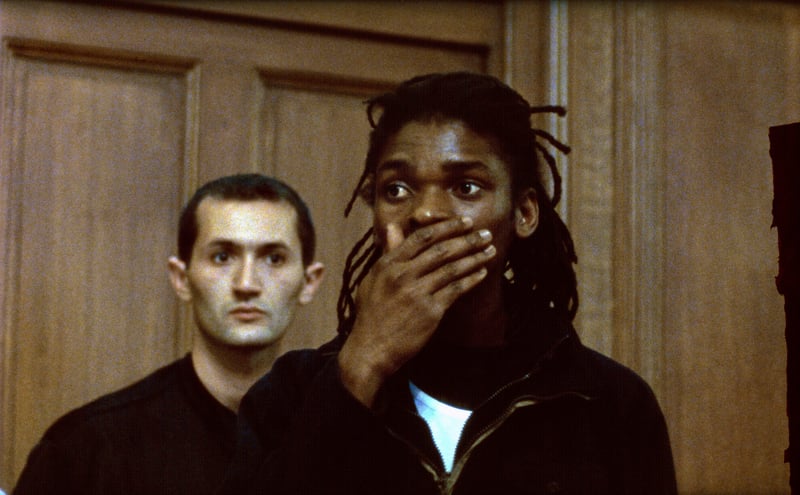
This mesmerizing documentary returns Raymond Depardon to the court system of Paris, where he follows a judge as she hears a dozen cases that range from petty misdemeanors to major civil proceedings.
Raymond Depardon
2005|
France|
85 minutes|
French with English subtitles
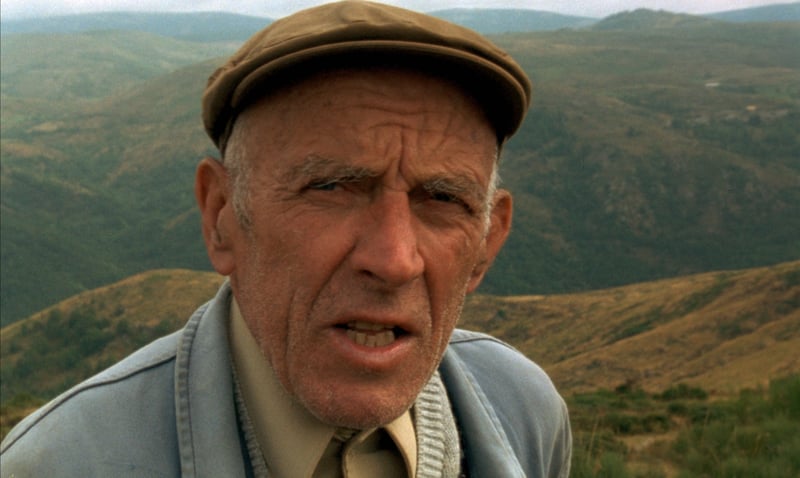
Raymond Depardon depicts the hardships of the modern farmer with empathy and a wry knowingness of the changing times in this moving follow-up to 2000’s Profils paysans: L’approche. Followed by Quoi de neuf au Garet?
Raymond Depardon
2008|
France|
88 minutes|
French with English subtitles
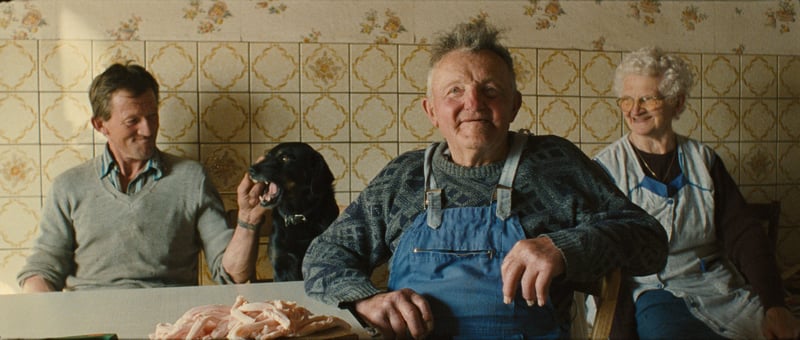
Bearing witness to the end of a way of life, the final chapter in Raymond Depardon’s Profils paysans trilogy closes the loop by reuniting with the previous films’ subjects for interviews in his native Haute-Garonne.
Raymond Depardon and Claudine Nougaret
2012|
France|
95 minutes|
French with English subtitles
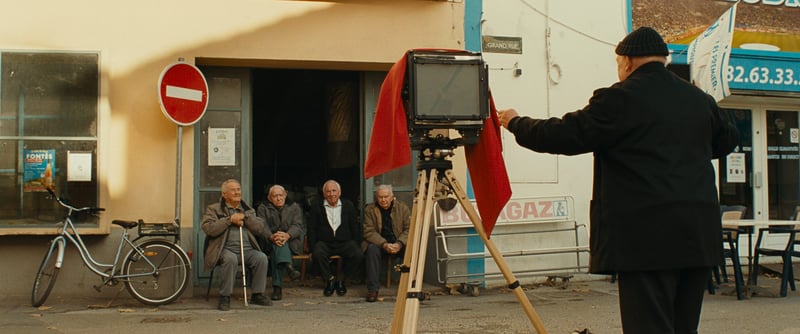
This brilliant self-portrait, co-directed by Raymond Depardon’s longtime collaborator and wife, takes a long view on the great documentarian’s life, capturing the entirety of French society over the decades. Preceded by The Eighth Floor.
Raymond Depardon
2016|
France|
84 minutes|
French with English subtitles
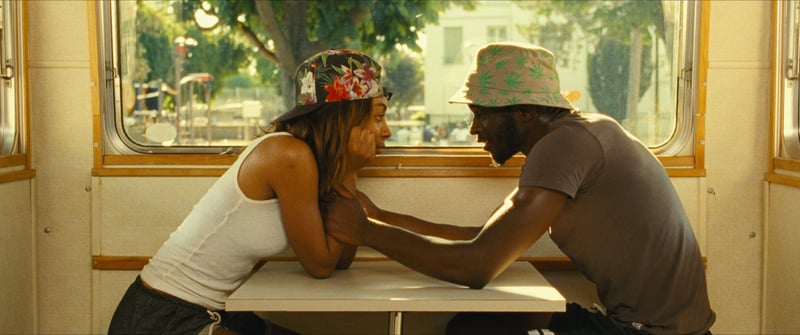
In this typically curious, utterly engrossing late-career portrait of contemporary France, the filmmaker outfits a camper with mics and cameras, parks it in various locations around France, and invites a range of people inside simply to talk. Preceded by La France.
Raymond Depardon
2017|
France|
88 minutes|
French with English subtitles
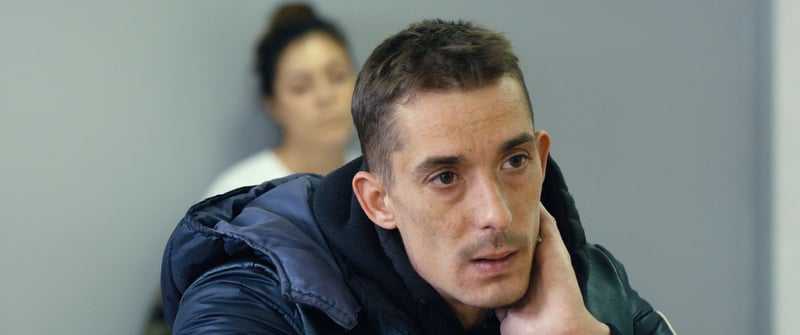
This startling documentary, made nearly 25 years after San Clemente, again finds Raymond Depardon exploring the relationship between mental illness and the French legal system, letting society’s most vulnerable and marginalized speak for themselves.
Various filmmakers
1985/2023|
France|
80 minutes|
French with English subtitles
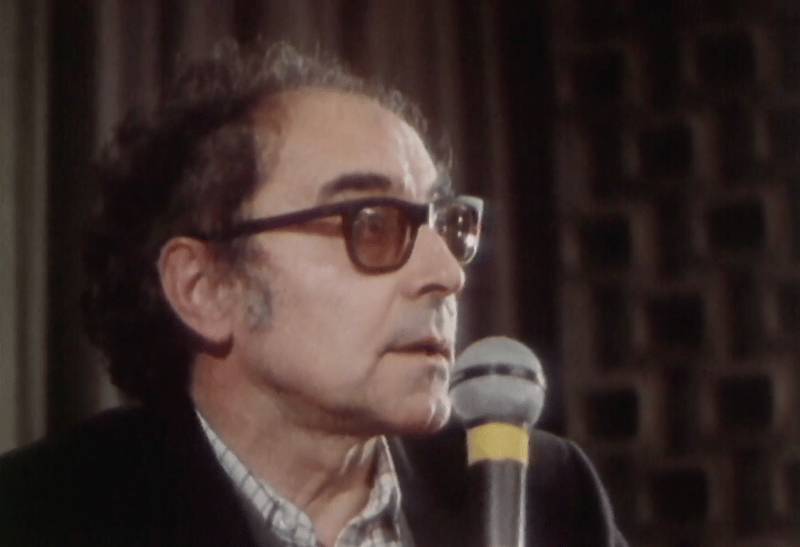
Discovered by the Cinémathèque Française in 2023, this invaluable artifact consists of 16mm footage—shot by Raymond Depardon—of Jean-Luc Godard participating in a rare public discussion on cinema and its future (or lack thereof?), art, politics, and more.
About the Series
Among the greatest documentarians to emerge in the second half of the 20th century, the filmmaker and photographer Raymond Depardon has left a mark on French and world cinema quite unlike any other. His films have contributed immensely to the legacy of and continued discourse surrounding cinéma vérité and its relation to truth and falsity—but Depardon himself has always stressed the role of freedom and imagination in his engagement with the real. Depardon is particularly renowned for his work as a photojournalist (he was a co-founder of the Gamma photojournalist agency), and his photographs, like his films, embody a humanist curiosity and profound empathy, whether his subject is everyday rural life or the ravages of war. Capturing myriad facets of life in France and elsewhere, his wide-ranging eye has borne witness to a variety of subjects—the French legal system, a psychiatric hospital in Venice, the evolution of the international paparazzi, life in the French countryside, Depardon’s own memories of the political turbulences of the 1960s and ’70s—and has served as a lens by which his viewer can glimpse a reality that exists beyond the limits of language. This February, FLC and TIFF Cinematheque present a tribute to one of the most towering figures in nonfiction cinema in this expansive retrospective, featuring a selection of newly restored and remastered copies of his signature films.
A co-presentation with TIFF Cinematheque. Organized by Florence Almozini and Dan Sullivan for FLC and Andréa Picard for TIFF Cinematheque. Special thanks to Films du Losange.
Cinema is really something which pushes me to listen to others, to come towards other people, to be more sociable. It's more political, and less poetic.”
—Raymond Depardon


