
A Vision of Resistance: Peter Nestler
Admired by the likes of Jean-Marie Straub and Harun Farocki, Peter Nestler was one of the most important filmmakers to emerge from postwar Germany. This June, the Film Society is pleased to host Nestler himself for his first major retrospective in years, including a wealth of new digital restorations courtesy of Deutsche Kinemathek.
Peter Nestler
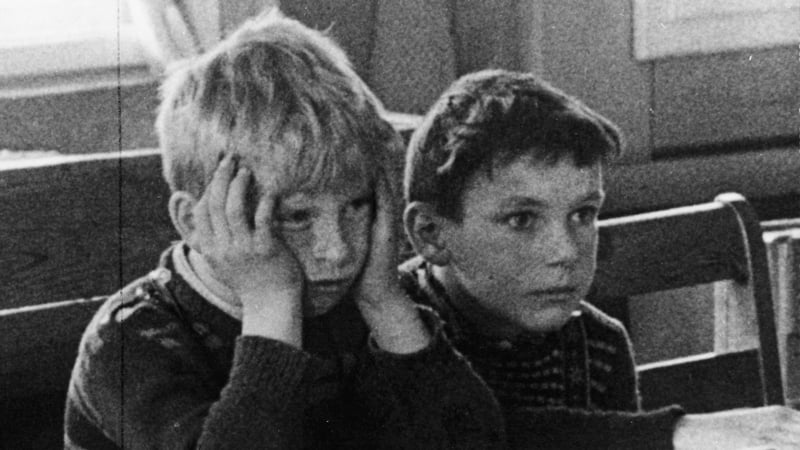
66 minutes
This program features Peter Nestler’s first and second films, set in a small seaside village and a rural primary school in the village of Reid, Switzerland, respectively; and a film about the history of Frankfurt’s Jewish ghetto from the middle ages to the present day.
Peter Nestler
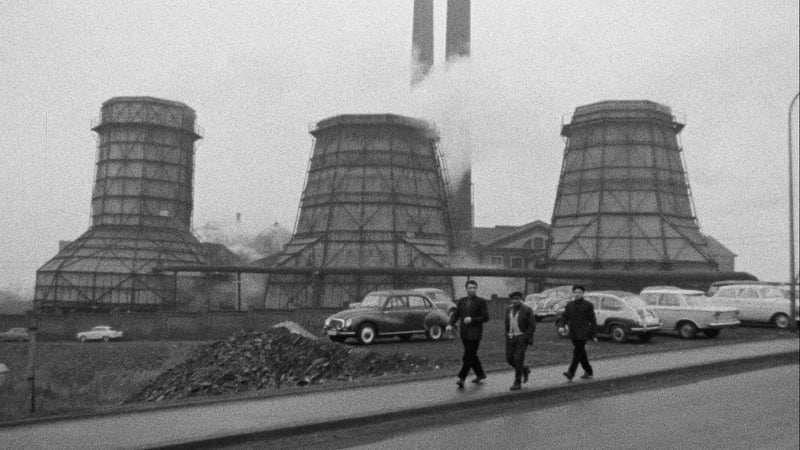
99 minutes
Three films about work, industrialization, and change, set in a Swabian village in the 1960s, a small town in the Ruhr region, and a men’s club in Sheffield.
Peter Nestler
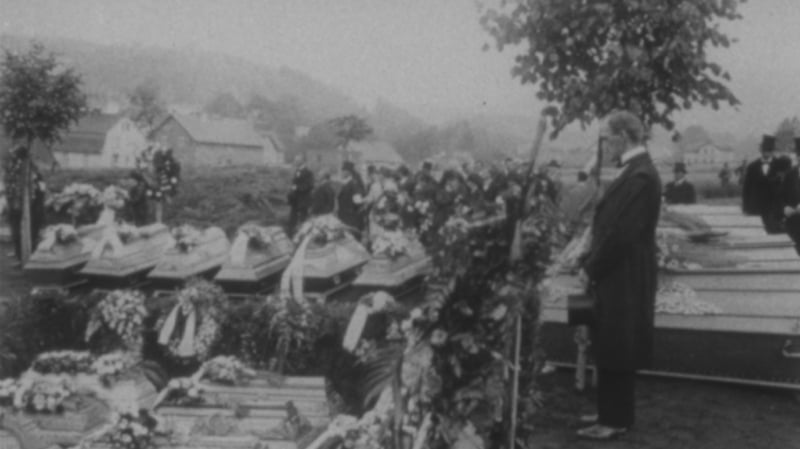
96 minutes
Nestler’s feature The North Calotte, an extraordinary journey through Northern Europe chronicling the devastating impact of industrialization on the region’s environment and indigenous cultures, is preceded by a short about a tragic mining accident.
Peter Nestler

78 minutes
In the 1970s, Peter and his wife, Zsóka Nestler, collaborated on a series of educational films for television that focused on craft-making. These “biographies of objects” are rigorous investigations into the history of working techniques, production processes, and materials.
Peter Nestler

67 minutes
In these films about war, Nestler composes an emotional condemnation of the U.S.’s role in the war in North Vietnam, made of photographs by Thomas Billhardt, and investigates ideas of internationalism and solidarity with testimonies from those who fought during the Spanish Civil War.
Peter Nestler

102 minutes
Nestler reckons with Germany’s twentieth-century legacy and denounces the treatment of workers in these films about labor exploitation, fascism, and capitalism.
Peter Nestler

89 minutes
This selection features an urgent, anti-fascist documentary about political crises in Greece and another that confronts the persecution of the Roma and Sinti in Germany under Nazism and its persistence after the war; plus a short by Straub-Huillet about the persecution of Jews in Europe.
Peter Nestler
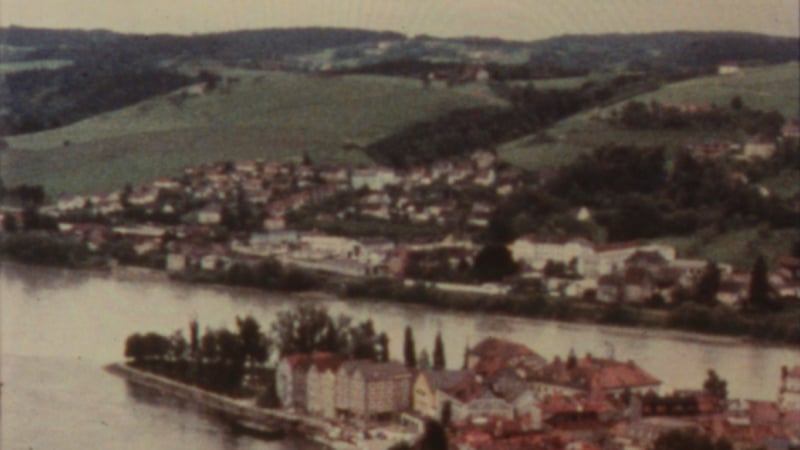
84 minutes
This diverse program features one of Nestler and his wife Zsóka’s most beautiful works (Up the Danube, following a riverboat upstream, excavating the river’s layers of history), and one of Nestler’s most personal (Death and Devil, about the contradictory biography of his Swedish grandfather), plus his animated adaptation of a short story by Israeli writer Etgar Keret.
Peter Nestler

90 minutes
Nestler’s film is “about the indigenous cultures of Ecuador, of what is past and what is preserved, of destruction and resistance, of persisting in new ways, of music in the villages high up in the Andes, of music in the cities and in a tropical climate among descendants of African slaves.”
Admired by the likes of Jean-Marie Straub and Harun Farocki, Peter Nestler was one of the most important filmmakers to emerge from postwar Germany. From his early films about the changing realities of rural and industrial areas in Germany and the UK, to his work for Swedish television, Nestler has remained a precise observer of the poetry and politics of labor, crafting meticulous portraits of industrial processes, working conditions, and workers themselves, as well as the background of struggle and oppression against which the era’s proletariat toiled. A vigorous yet nuanced opponent of fascism, an excavator of lost histories and a masterful formalist whose works are rich with a materiality all their own, Nestler has spent five decades chronicling how things get made, whether in a factory or at the level of ideology. This June, the Film Society is pleased to host Nestler himself for his first major retrospective in years, including a wealth of new digital restorations courtesy of Deutsche Kinemathek.
Presented in partnership with the 2017 Robert Flaherty Film Seminar and with support from MUBI and Goethe-Institut. Organized by Dennis Lim and Dan Sullivan, in collaboration with Ricardo Matos Cabo
Acknowledgments: Deutsche Kinemathek, Courtisane, Christopher Small, Ted Fendt, Barbara Ulrich, Nuno Lisboa, Anita Reher


