
A Brief History of Transmedia Worlds with Henry Jenkins
NYFF52 Convergence
September 27 - 28, 2014
Keynote
Media Theorist and author (Convergence Culture and Spreadable Media) Henry Jenkins provides this year’s keynote address, an exploration of “world building” and contemporary transmedia storytelling.
Keynote
Today’s films, television series, games, comics, novels, and even documentaries and journalism rely heavily on the concepts of world-building and world-mapping. The idea of the “fictional world” took roots in and around fantasy and science fiction in the first half of the 20th century, pushed forward by writers like L. Frank Baum and J.R.R. Tolkien, but it has gained greater and greater traction as transmedia production practices seek to disperse meaningful parts of an entertainment experience across multiple delivery platforms, as production designers exert much greater influence over the creative vision behind popular fictions, and as networks of fans seek to pool knowledge via social media. The concept of a fictional world enables certain kinds of immersive experiences, providing both authors and readers with the cognitive structures they need to deal with enormous complexity—stories with vast time scales and ensemble casts. They encourage a kind of encyclopedic relationship with what's presented on the screen, a relationship that may exist with the information being conveyed by a documentary, the nuances of historical fictions, or the sprawl of a genre franchise. In this talk, I will provide a conceptual map for understanding what we mean by “worlds,” what roles they are playing in the production and consumption of popular media, how thinking in terms of worlds involves a shift from more traditional focuses on character and narrative, and why this concept has gained such traction in an era of networked communication and transmedia entertainment. —Henry Jenkins
Henry Jenkins is the Provost's Professor of Communication Journalism and Cinematic Arts at USC’s Annenberg School for Communication and Journalism. He joined USC from the Massachusetts Institute of Technology, where he was Peter de Florez Professor in the Humanities. He is Principal Investigator on the Media Activism Participatory Politics project. His most recent books include Reading in a Participatory Culture: Remixing Moby-Dick in the Literature Classroom (with Wyn Kelley, Katie Clinton, Jenna McWilliams, Ricardo Pitts-Wiley, and Erin Reilly) and Spreadable Media: Creating Meaning and Value in a Networked Society (with Sam Ford and Joshua Green).

A Brief History of Transmedia Worlds with Henry Jenkins
Read More
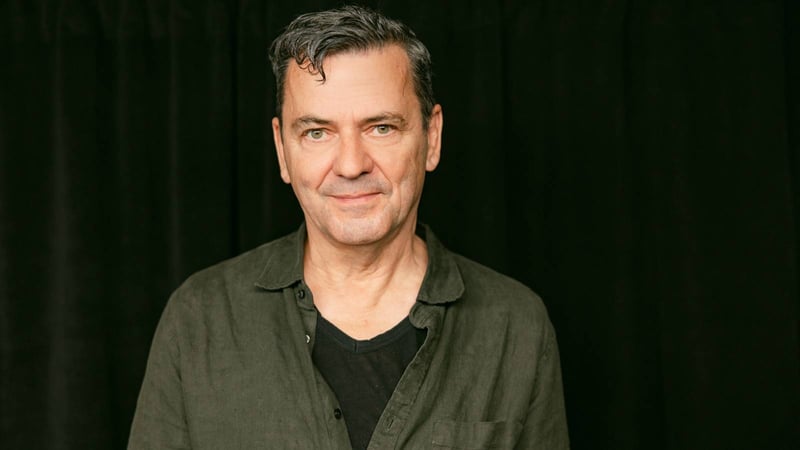
Miroirs No. 3 Director Christian Petzold on His Haunting New Film
On the latest episode of FLC Luminaries, our video series that spotlights talent at all levels of the filmmaking process who uplift the art and craft of cinema, Miroirs No. 3 director discusses his haunting, beautifully crafted new film.
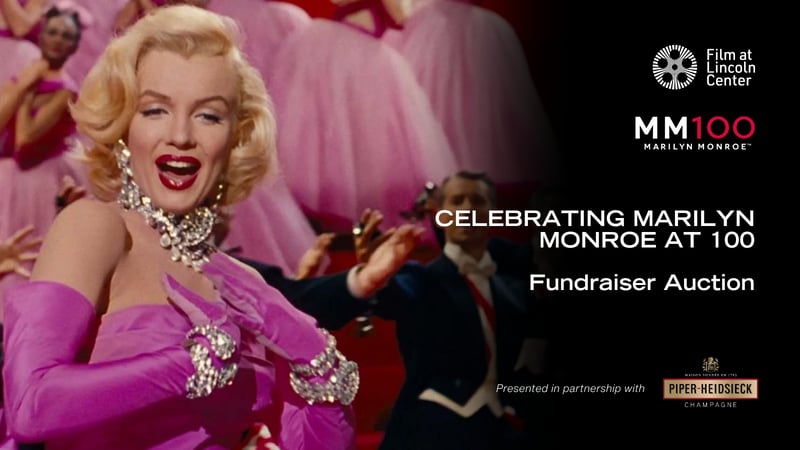
Film at Lincoln Center Launches Fundraiser Auction in Celebration of Marilyn Monroe Centennial
FLC is partnering with Piper-Heidsieck Champagne for a one-night-only special event featuring an archival 35mm print of Howard Hawks’s classic, Gentlemen Prefer Blondes. Click here to read more about the event. This special fundraiser auction features Marilyn Monroe-themed art, memorabilia, and an exclusive trip to Champagne, France, featuring a behind-the-scenes Piper-Heidsieck experience.
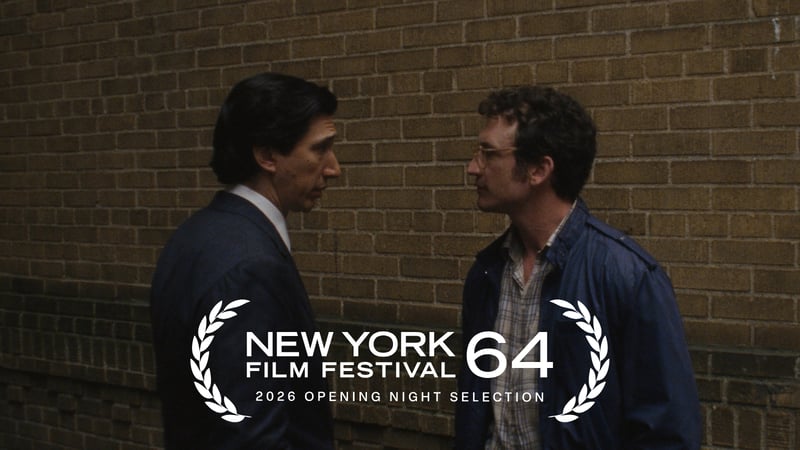
James Gray’s Paper Tiger Will Open the 64th New York Film Festival
FLC announces James Gray’s Paper Tiger as the Opening Night selection of the 64th New York Film Festival, presented in partnership with Rolex. The film will make its North American premiere in a gala debut at Alice Tully Hall on Friday, September 25, with Gray and members of the cast and crew in attendance.


