
Seeing the City: Avant-Garde Visions of New York
Film at Lincoln Center and The Film-Makers’ Cooperative present “Seeing the City: Avant-Garde Visions of New York from The Film-Makers’ Cooperative Collection and Beyond,” from May 3–7. The series will feature a selection of films from The Film-Makers’ Cooperative catalog and elsewhere that paint a unique portrait of the city, with many presented on 16mm.

105 minutes
The rapid rise of mass transit and urban populations in the late 19th and early 20th century saw tectonic shifts occur in New York City. The dominant subject of this program is the train, with elevated and underground journeys quickly becoming a common subject for experimental filmmakers and artists.
Arthur ‘Weegee’ Felig

70 minutes
A cornerstone genre of experimental film, the city symphony was born in Europe and linked strongly to Modernism. This program explores the New York-based city symphony as exemplified by works by Marie Menken, D.A. Pennebaker, Rudy Burckhardt, Ian Hugo, Francis Thompson, and Arthur ‘Weegee’ Felig.
Michael Jacobson
71 minutes
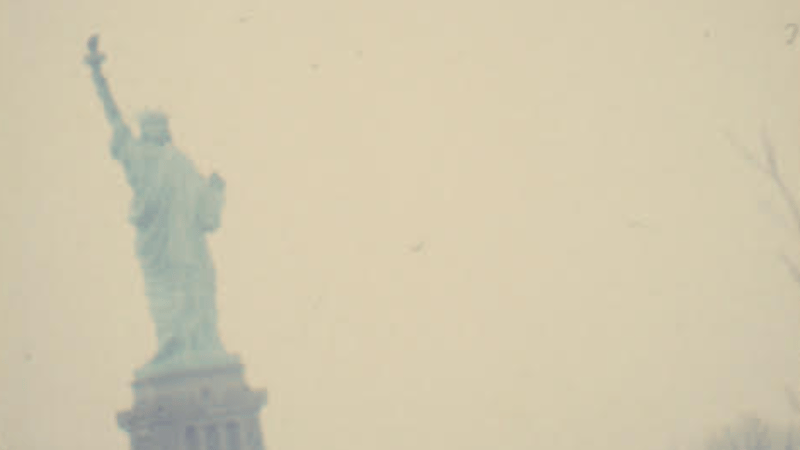
Beyond the aestheticism and pure technical and perceptual adventurousness of films in “The Postwar City Symphony, Part 1,” the films in Part 2 use the city symphony mode as a means to explore more cerebral topics, ushering in a new era for the genre. Featuring works by Michael Jacobson, Rick Liss, Peter Von Ziegesar, and Steven Siegel.
Shirley Clarke

61 minutes
Three films by Shirley Clarke, Bette Gordon, and Holly Fisher deconstruct the mythos of the skyscraper—a central presence within the overarching mythos of New York City itself—by examining, critiquing and poking fun at the association of these feats of engineering with gendered labor.
John Peer Nugent
90 minutes
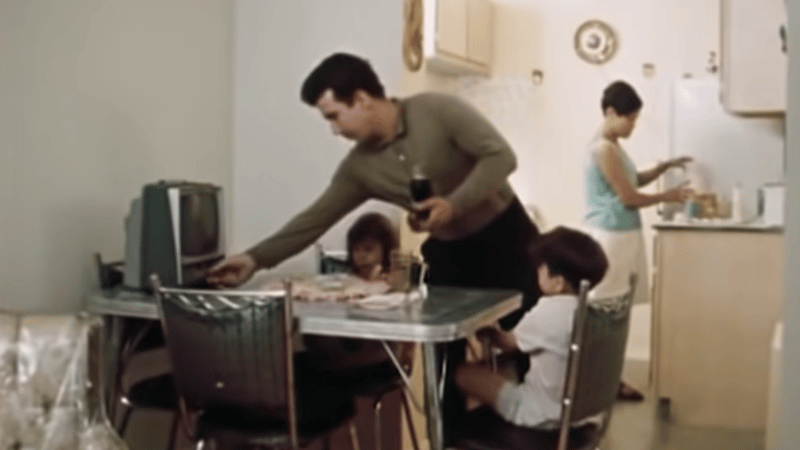
This program juxtaposes the propagandistic documentary What Is the City but the People?—a panorama of places and spaces that alternates between discussion of “urban crisis” and purported city-led remedies—and Newsreel’s rough-hewn Break and Enter, chronicling the activism of Operation Move-In as they work to help Puerto Rican and Dominican families displaced by so-called ”urban renewal.”
61 minutes
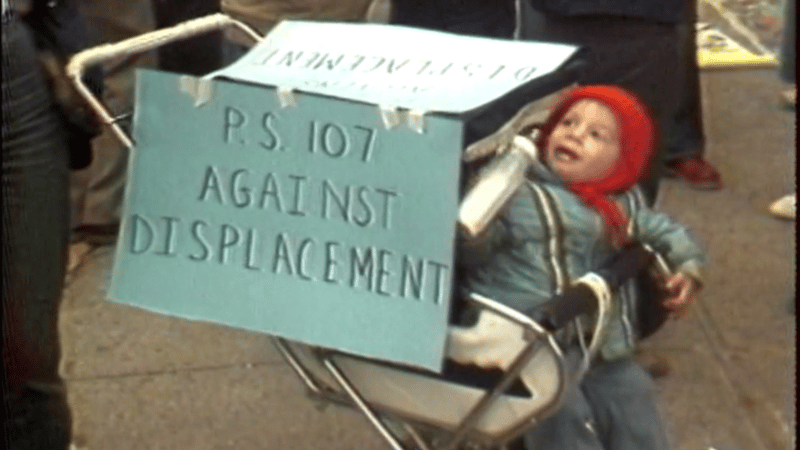
The second program of films gathered under Gentrification and Urban Renewal encompasses works by Jack Smith, Charles Simonds, Newsreel, and Erik Lewis that document political, cultural, and personal reactions to the crises wrought by urban and socioeconomic flux.
102 minutes
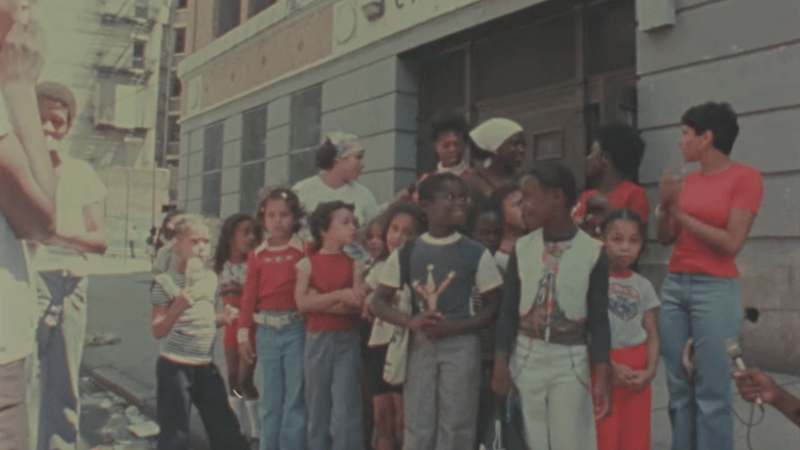
This program conveys the dynamism of both the Nuyorican Loisaida and the South Bronx, featuring films that deal with issues of housing and displacement affecting the working-class and immigrant communities who call these spaces home, as well as the harsh political realities of dealing with the bureaucracy of municipal government.
Bob Fleischner
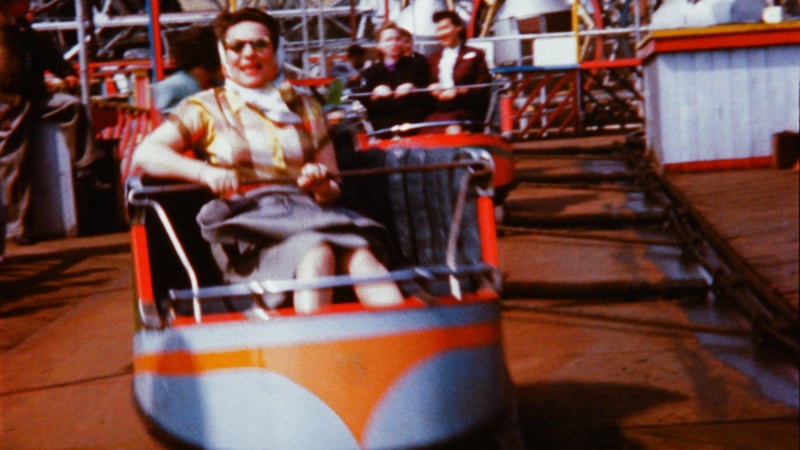
These short works depict Coney Island from the 1920s to the present, tracing the history of its boom-and-bust cycle of decay and rebirth, and capturing its unique visual vocabulary of hand-painted carny banners, fantastical architecture, and glowing neon signage.
Leo Hurwitz

81 minutes
These films on the roles of animals and nature amid the rise and expansion of New York City include Christy Rupp’s playful video essay City Wildlife: Mice, Rats, Roaches, Marie Menken’s frenetic waterfront tour Excursions, and Leo Hurwitz’s Here at the Water’s Edge, a poetic and political examination of Manhattan’s relation to the great waters that border it.
Stan VanDerBeek
53 minutes
A firm highlight of The Film-Makers’ Cooperative’s collection is the sheer number of works that partake in, document, and celebrate the other arts. This selection of films roams across the 1960s to explore a variety of novel activities emerging from the world of avant-garde art in New York during this period.
Film at Lincoln Center and The Film-Makers’ Cooperative present “Seeing the City: Avant-Garde Visions of New York from The Film-Makers’ Cooperative Collection and Beyond,” to be presented at FLC from May 3–7. The series will feature a selection of films from The Film-Makers’ Cooperative catalog and elsewhere that paint a unique portrait of the city, with many presented on 16mm.
An iconic, oftentimes cliched, cinematic setting for hundreds of films, New York has regularly played a starring role in the history of cinema. Narrative films set in New York City are almost a subgenre unto themselves and have received copious attention. Less well explored are visions of the city anchored in exploration, experimentation, and subversive political commitment. This set of programs offers a diverse and engaging introduction to some of the scores of films in The Film-Makers’ Cooperative’s collection (and beyond) that explore the city. From the lyrical evocations of the anonymity of the crowd and mass transit, and a clutch of visionary works examining the built environment, to sets of films exploring housing, the lurking shadow of ever-encroaching gentrification, and works on specific areas of the city, this selection gives an alternative vision of one of the most filmed and photographed metropolises on earth.
Organized by Tom Day and Dan Sullivan. Tom Day would like to thank the entire Film-Makers’ Cooperative team, especially interns Haley Aaskow, Chris Stoddard, and Lucy Talbot Allen.


