
Amour fou
Jessica Hausner: The Miracle Worker
November 8 - 10, 2019
Hausner’s ravishingly stylized comic portrait of the 19th-century German haute bourgeoisie follows the romantic trials and tribulations of writer Heinrich von Kleist as he searches Berlin for that special someone with whom to enter into a double-suicide pact.
Introduction by Jessica Hausner
Hausner’s ravishingly stylized comic portrait of the 19th-century haute bourgeoisie follows the romantic trials and tribulations of German writer Heinrich von Kleist (Christian Friedel) as he searches Berlin for that special someone with whom to enter into a double-suicide pact, eventually meeting the terminally ill Henriette Vogel (Birte Schnöink), who is quite a fan of his best-known work, the novella The Marquise of O. Hausner’s consummately realized mise en scène—an astonishing achievement of decor and costuming, at times evoking the paintings of Vermeer—and her knack for capturing the rhythms of everyday life and the humor at the heart of her ostensibly morbid subject yield a film that is moving, funny, and seriously romantic.
Jessica Hausner on Amour fou:
Amour fou is a very strange story, because I had already started to write a script about a double suicide ten years earlier. I think it was before I made Lourdes, at the time of Hotel. I already thought about making a film about a young couple who wants to kill themselves together. But the script didn’t work out. I never liked the script, so at some point I just put it into a drawer. But then, after I had made Lourdes, suddenly I was reading by chance in a newspaper a summary about the life and death of Heinrich von Kleist, a German poet, and in that article it was really so funny, because they described that this poet asked different people if they would want to die with him. He asked his cousin. He asked his best friend. He asked some random person. But they all didn’t want to die with him. And so then he met this young woman who thought that she was going to die from cancer, so she agreed. But it’s not that sort of romantic novel suicide that we would think of. So suddenly I understood that that was what my story is about, that love is projection. Even if you don’t need a partner in suicide, any partner that you chose, you project your own longing and your own wish onto that other person, and if it’s possible, if there is an echo, and if you can project your ideas onto that person, then love is possible. So love is not romantic. Love is very calculated. This very strange thing that love is actually very egoistical; I see myself in that other person, my better self, and I think all the best [relationships] can be disappointing, when you find the other person in the relationship is another person. It’s not at all the person that you thought you would love. All those thoughts about love are in the film Amour fou.
Read our full interview with the director here.


Read More

World Premiere of Ava DuVernay’s 14th Will Close the 64th New York Film Festival
Film at Lincoln Center announces Ava DuVernay’s 14th as the Closing Night selection of the 64th New York Film Festival, making its world premiere at Alice Tully Hall on Friday, October 9, with DuVernay and film participants in attendance.

Miroirs No. 3 Director Christian Petzold on His Haunting New Film
On the latest episode of FLC Luminaries, our video series that spotlights talent at all levels of the filmmaking process who uplift the art and craft of cinema, Miroirs No. 3 director discusses his haunting, beautifully crafted new film.
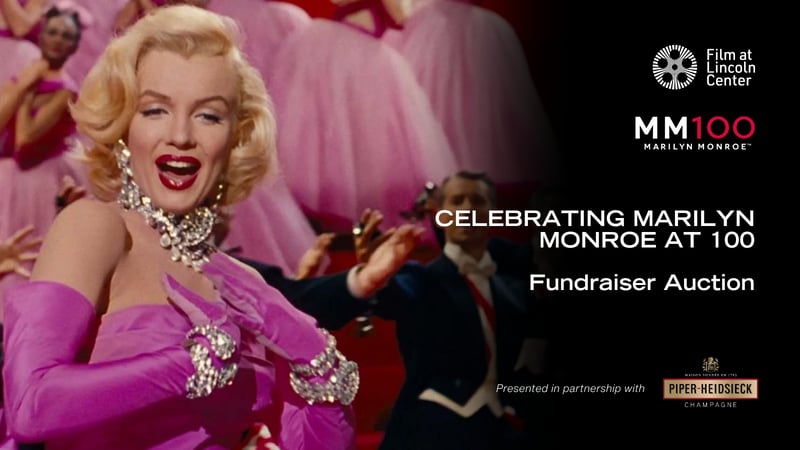
Film at Lincoln Center Launches Fundraiser Auction in Celebration of Marilyn Monroe Centennial
FLC is partnering with Piper-Heidsieck Champagne for a one-night-only special event featuring an archival 35mm print of Howard Hawks’s classic, Gentlemen Prefer Blondes. Click here to read more about the event. This special fundraiser auction features Marilyn Monroe-themed art, memorabilia, and an exclusive trip to Champagne, France, featuring a behind-the-scenes Piper-Heidsieck experience.


