
Program 32: Max Ophuls – Sans Lendemain
NYFF51: Views from the Avant-Garde
October 3 - 7, 2013
Sans Lendemain (Max Ophuls, France, 1939-40, 82m)
Sans Lendemain (Max Ophuls, France, 1939-40, 82m)
Douglas Sirk tells us There Is Always Tomorrow because he understands impossibility, the human distance, the narrow margin that separates the mirage of vain hopes and disillusionment. Contentment resides in illusion postponing the reveal of false promises. John Stahl tells us there is Only Yesterday.
Max Ophuls touching ebony minor keys expresses it this way: Without Tomorrow, or as There is No Tomorrow, a more muted rendition of the searing cry of “No Future.”
Set in the strip clubs of Montmartre, showplace luxury apartments, the Past and the Present Sans Lendemain is a captivating masterpiece where every fluctuation of light and the life of every object tells you what is present inside hearts. The shapes the disposition of tree branches predict the disappearance of hope and collapsing breath. At the ebb of the 1930’s, cusp of the forties there is an open, natural eroticism in the all depictions. A young child emerging from a bath with a bud of a penis, falling into the embrace of his mother. Topless dancers, in non-chalant conversations. The unfailing kindness of a friend whose longing incorporates lust and the purest generosity betrayed in his every glance. The highest eroticism is present in the dancing light that passes through the film, shot to shot like bright effusive blood pulsing through veins. The radiant aura of childhood toys emanate newness and invitations to unbridled joy, snow -blinding flashbacks as real and as unreal as the present like fresh moments bursting softly at the command of a daybreak never seen before. Everything… even a minute flutter at the greatest distance trembles and transmits melody, metaphor, presence, ephemerality, fate.
The longer we live the more we see that the language of melodramatic expression is more accurate, condensed, less hyperbolic than we imagined it to be. We know from Signora di Tutti, Letter from an Unknown Woman, and Lola Montes that Ophuls is a master of melodrama, simulacra, and a compassionate ironist. But we see in his hands what Irony really means. It has nothing to do with sarcasm though it registers cruelty and the distancing ruefulness of characters who come to understand their unchosen parts in the play. It can be a measure of the forms of destiny felt in the perception of orbital patterns and haunting refrains, a second sight trained on the crystalization of living moments that tellingly echo across a lifetime. Sans Lendemain is a film that can be watched and perhaps should be watched without translations, attending to every sound and image through alert absorption, tracing the travel of light without explanation and discovering the nuances of the narrative through subconscious osmosis. All you could ever want to know is present in the cinematography of the great Eugene Shufftan, conquering fate is written wordlessly on the face of Edwige Feuillère and the dance of elements set in motion by the incomparable Max Ophuls gives the world before us a credibility and coherence that is heartbreakingly unmistakable.


Read More

James Gray’s Paper Tiger Will Open the 64th New York Film Festival
FLC announces James Gray’s Paper Tiger as the Opening Night selection of the 64th New York Film Festival, presented in partnership with Rolex. The film will make its North American premiere in a gala debut at Alice Tully Hall on Friday, September 25, with Gray and members of the cast and crew in attendance.
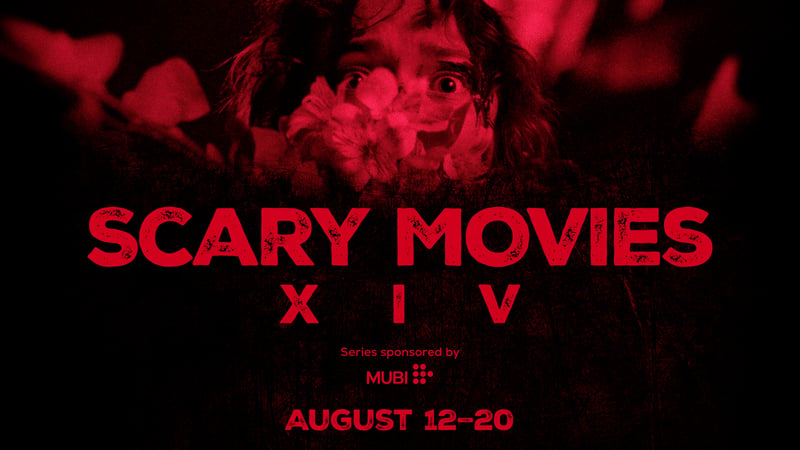
Scary Movies XIV Brings Horror and Genre-bending Cinema to Film at Lincoln Center, August 12–20
Running August 12 through August 20, the 16-film festival will premiere new works alongside special presentations of spine-tingling classics and rediscoveries conjured from the dark recesses of midnight-movie lore, with filmmakers and special guests appearing for post-screening Q&As.
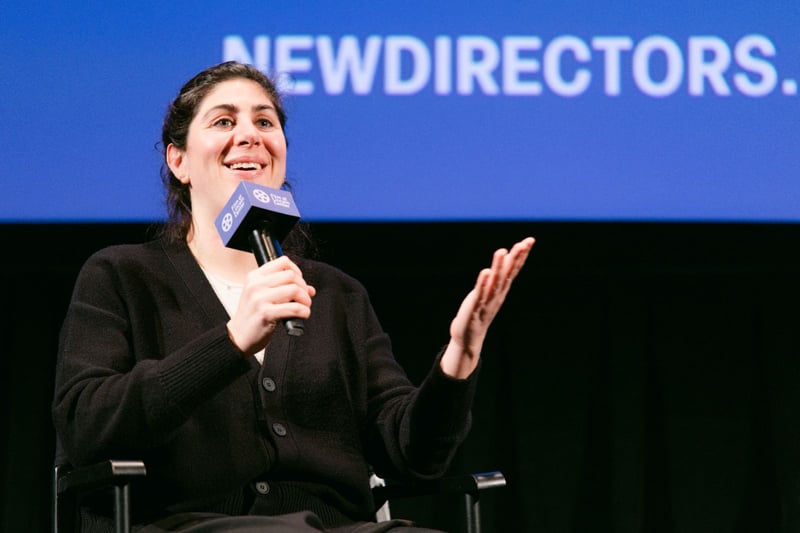
Lana Daher on Her Documentary Do You Love Me
This week we’re excited to present a conversation from the 2026 edition of New Directors/New Films with Do You Love Me director Lana Daher.


