Imitations of Life: The Films of Douglas Sirk
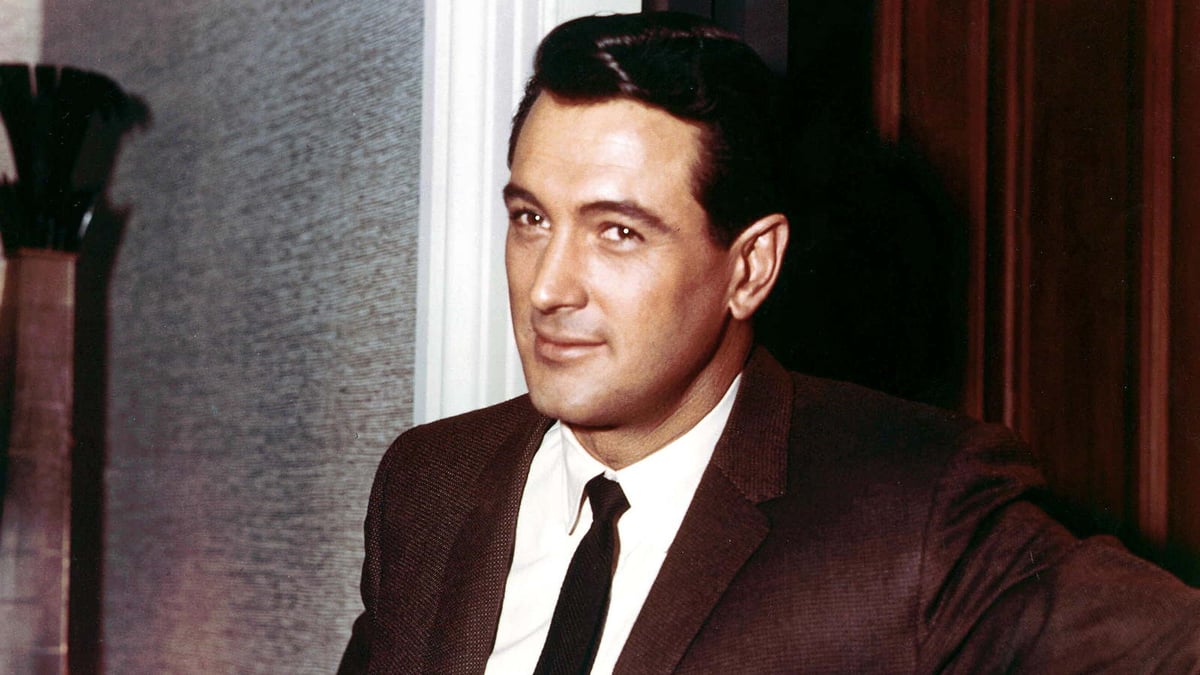
When Douglas Sirk retired from American filmmaking and returned to Europe at the end of the 1950s, his reputation was that of a director who simply churned out glossy Hollywood weepies. But after a major critical reappraisal, the German-born filmmaker was reclaimed as an auteur with a varied body of work, a studied eye for visuals, and a sophisticated understanding of Brechtian artifice, as well as one of cinema’s greatest ironists. This retrospective, the largest in New York City in decades, tracks Sirk’s profoundly influential artistry from his early German films through to his most iconic melodramas, and nearly everything in between.
Lineup
Douglas Sirk

1953|
USA|
79 minutes
Sirk excoriates small-town pettiness and provincialism in this slashing, incisive melodrama. Barbara Stanwyck is marvelous as the washed-up actress who returns to the family she abandoned 10 years earlier.
Douglas Sirk

1957|
USA|
108 minutes
A complex moral ambiguity elevates this underrated Korean War drama, in which the humanitarian ambitions of a preacher (Rock Hudson) bump up against the harsh realities of combat.
Douglas Sirk
1955|
USA|
92 minutes
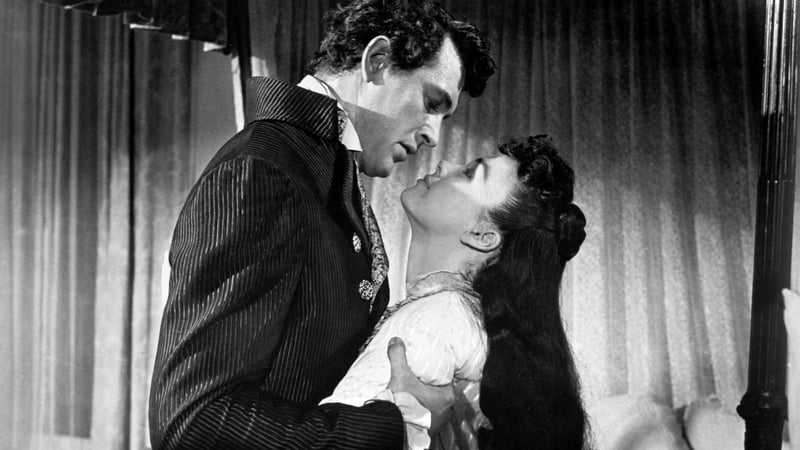
This handsomely mounted adventure yarn set in the 19th century stars Rock Hudson as an Irish rebel fighting for freedom from Britain. Shot on location, Sirk’s film captures breathtaking, Technicolor views of the Emerald Isle.
Doulgas Sirk
1951|
USA|
86 minutes
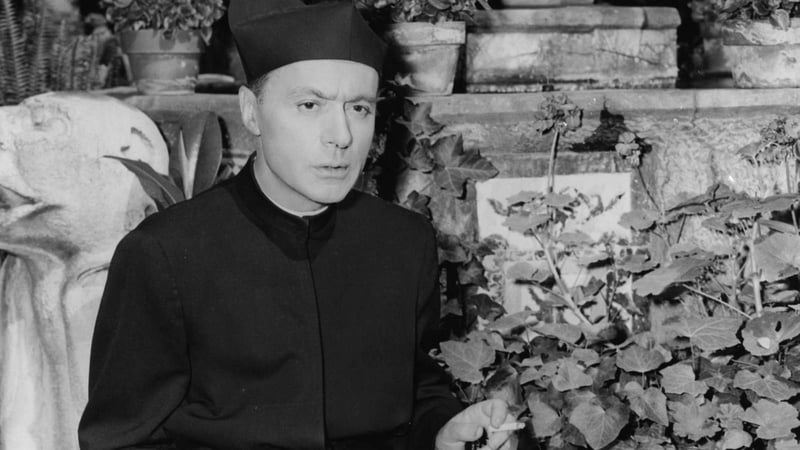
One of Sirk’s first masterpieces is also one of his most sincere, deeply felt works, in which a Jesuit priest (Charles Boyer) undergoes a crisis of faith when he witnesses what may or may not have been a miracle.
Douglas Sirk
1935|
Germany|
82 minutes|
German with English subtitles
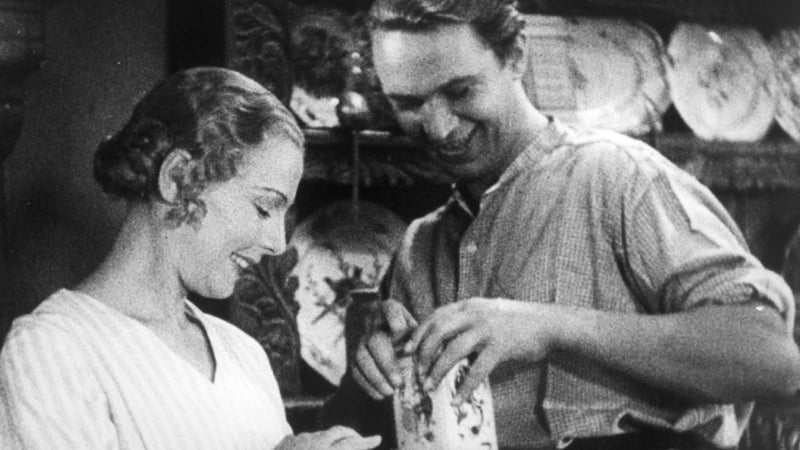
Sirk’s second feature—about the fortunes of a young, unwed mother shunned by society—is a luminous pastoral melodrama and one of the director’s most sensitive, lyrical films.
Douglas Sirk
1937|
Germany|
98 minutes|
German with English subtitles
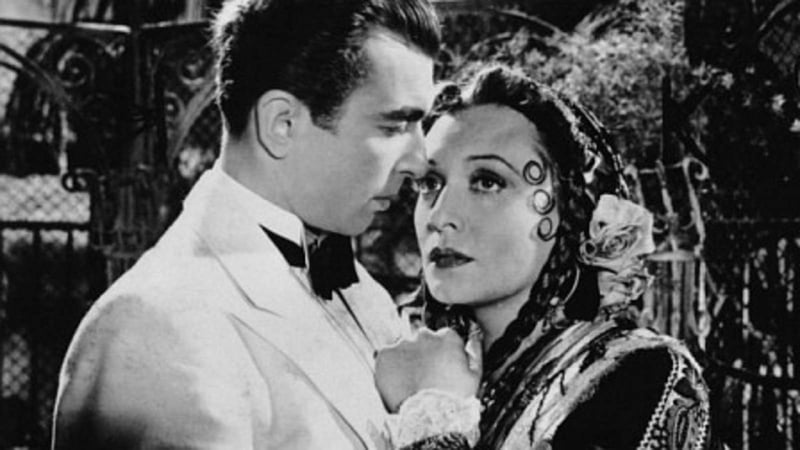
Puerto Rico goes from paradise to personal hell for a Swedish expatriate after 10 years of marriage to a cruel, controlling nobleman. Tropical romance, bacteriology, and musical numbers all collide in this lush, offbeat melodrama.
Douglas Sirk
1943|
USA|
84 minutes
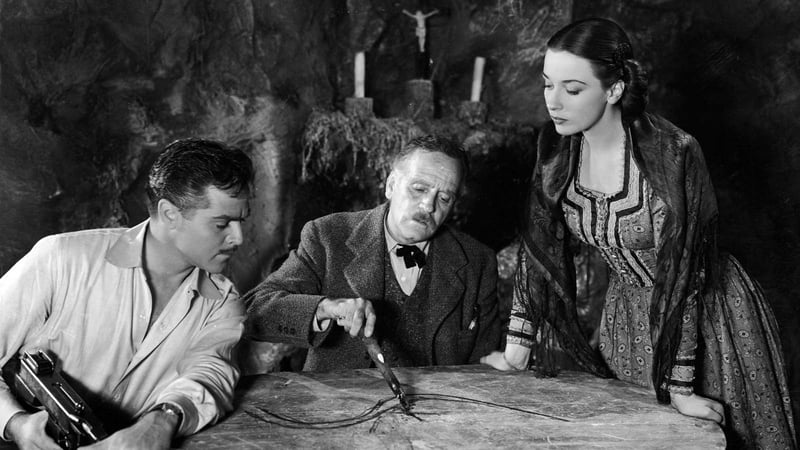
The first American film from Sirk is a powerfully expressionistic account of Czech resistance during World War II, in which John Carradine gives a frighteningly effective performance as the infamous Nazi sadist Reinhard Heydrich, also known as the “Butcher of Prague.”

Douglas Sirk
1954|
USA|
108 minutes
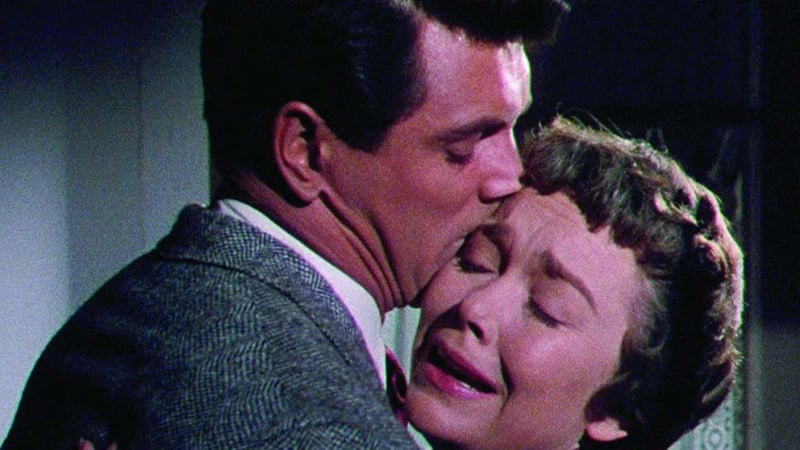
Command of color and composition transforms Douglas Sirk’s most outré melodrama—about a devil-may-care playboy (Rock Hudson) seeking redemption after he blinds a widow (Jane Wyman)—into a luminous, metaphysical exploration of fate and spirituality. Preceded by Matthias Müller’s Home Stories.
1953|
USA|
87 minutes
A runaway orphan joins up with a traveling medicine show in this tuneful, rosily nostalgic slice of Americana, greatly enhanced by Sirk’s sophisticated sensibility. The legendary Scatman Crothers co-stars.
Douglas Sirk
1950|
USA|
78 minutes
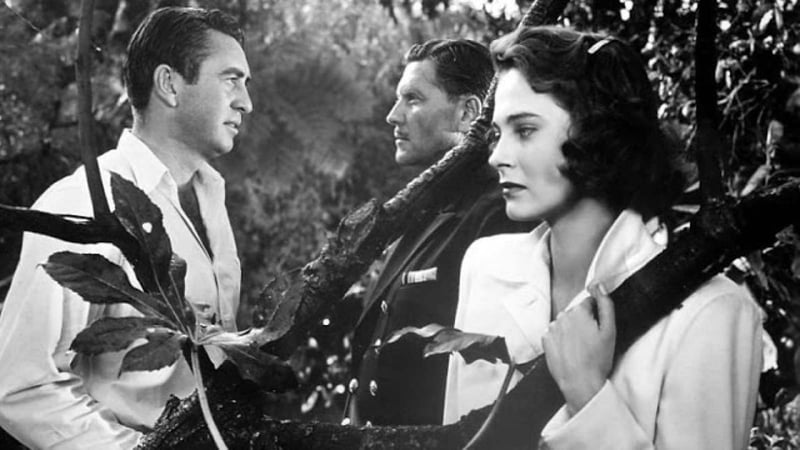
The first film Sirk directed upon signing his multi-year contract with Universal was this taut and suspenseful nautical thriller, in which a U.S. Naval Intelligence officer goes undercover to thwart a plot by remnants of the Third Reich to steal atomic secrets.
Douglas Sirk
1935|
Germany|
85 minutes|
German with English subtitles
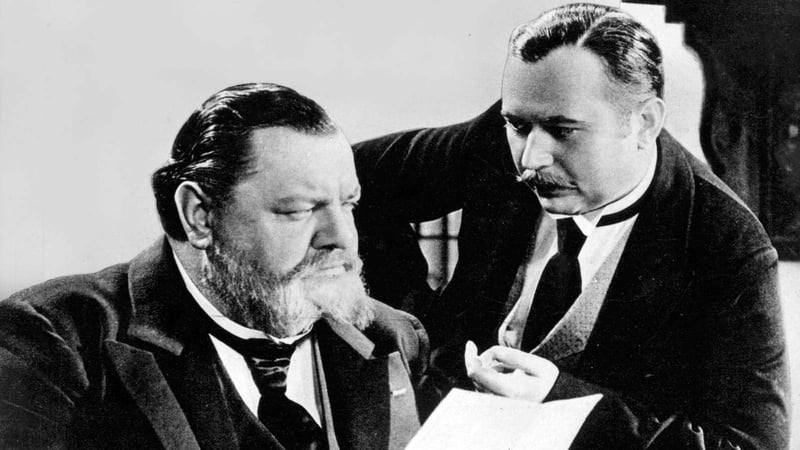
A brother-in-law’s return after 20 years rattles skeletons in the family closet in this gripping adaptation of an Ibsen play, one of Sirk’s earliest, irony-laden indictments of moral hypocrisy.
Douglas Sirk
1946|
USA|
100 minutes
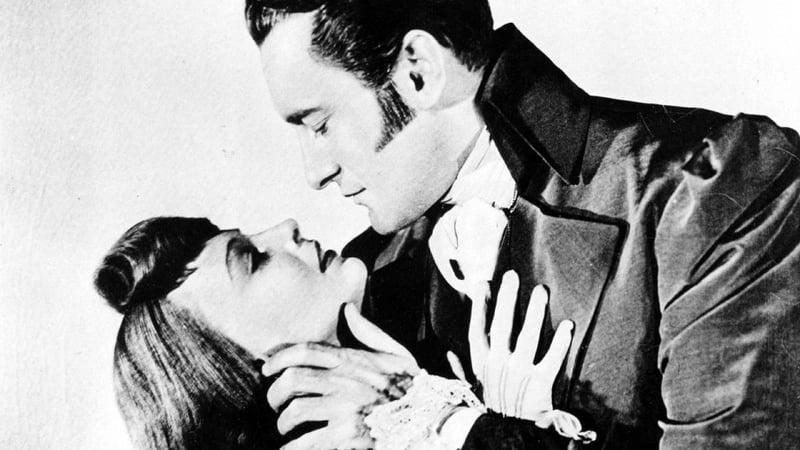
As real-life rake Eugène François Vidocq, a perfectly cast George Sanders goes from master criminal to criminologist in 18th-century France. Sirk brings a distinctly Continental style to this sophisticated comedy of manners.
Douglas Sirk

1949|
USA|
79 minutes
The tough-minded terseness of co-writer Samuel Fuller meets Sirk’s elaborately stylized mise-en-scène and produces pure pulp poetry. Cornel Wilde is the good-guy parole officer who goes bad for a sultry ex-con.
Douglas Sirk

1954|
USA|
92 minutes
Sirk’s fatalistic vision drives this fascinatingly dark, doom-laden sword-and-sandal saga, which features a commanding performance from Jack Palance as Attila the Hun.
Douglas Sirk
1948|
USA|
97 minutes
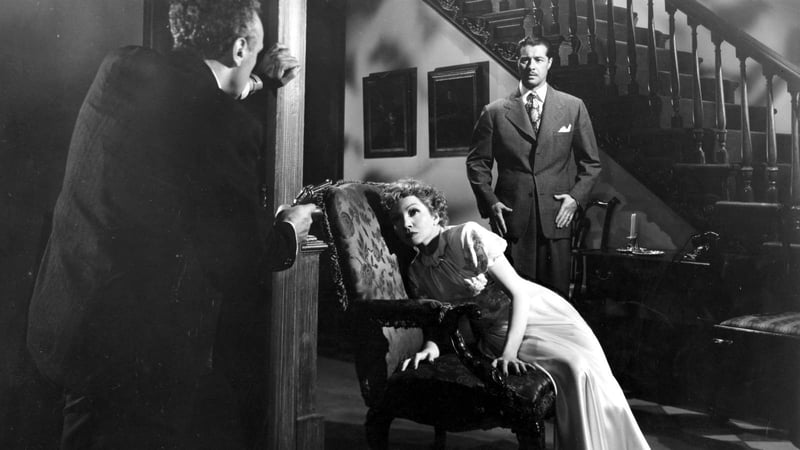
Claudette Colbert stars as a woman being driven systematically insane by her two-timing husband (Don Ameche) in this stylish noir thriller that showcases Sirk’s flair for baroque compositions.
Douglas Sirk
1949|
USA|
81 minutes
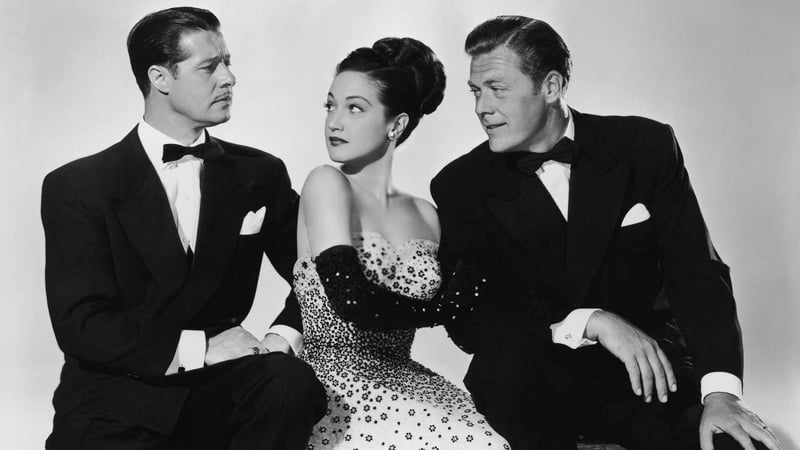
Sirk gets an all-too-rare opportunity to display his flair for intelligent comedy in this unsung gem, a sharp-witted satire of the familiar “star is born” story.
Douglas Sirk
1944|
USA|
106 minutes
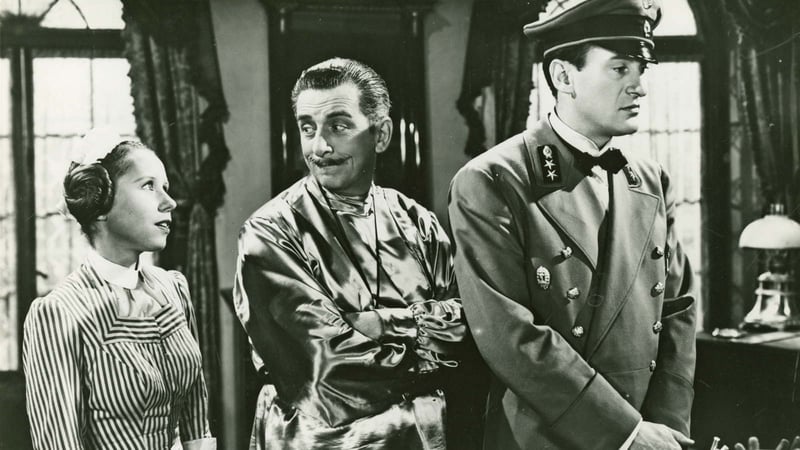
Sirk’s despairing adaptation of Chekhov’s novel The Shooting Party concerns a cunning but illiterate peasant woman (Linda Darnell) who pulls a cynical imperial magistrate (George Sanders) away from his fiancée with dire results.
Douglas Sirk
1953|
USA|
81 minutes
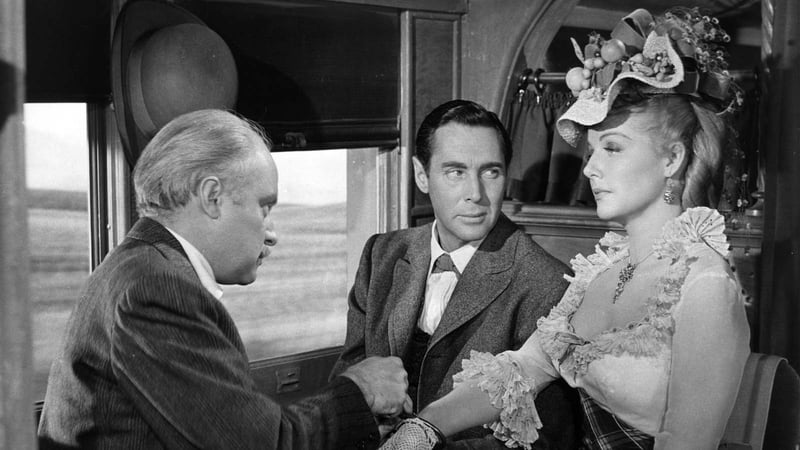
A brassy saloon singer (Ann Sheridan) hides out from the law, while getting cozy with a small-town preacher. Sirk inserts a serious critique of religious hypocrisy into this delightfully offbeat Old West comedy.
Douglas Sirk

1957|
USA|
91 minutes
A newspaper reporter (Rock Hudson) addicted to booze tails a pair of vagabond stunt flyers addicted to cheating death in sordid, Depression-era New Orleans. Sirk harnesses the full expressive potential of the widescreen, black-and-white frame.
Douglas Sirk

1954|
USA|
79 minutes
Resplendent in Technicolor, the director’s only classical Western is a visual knockout. It’s also ahead of its time in its sympathetic portrayal of an Apache chief (Rock Hudson) trying to maintain peace within his tribe.
Douglas Sirk

1956|
USA|
84 minutes
Sirk delivers a devastating takedown of 1950s family values in this caustic domestic nightmare disguised as a romantic melodrama. Barbara Stanwyck and Fred MacMurray star.
Douglas Sirk
1951|
USA|
84 minutes
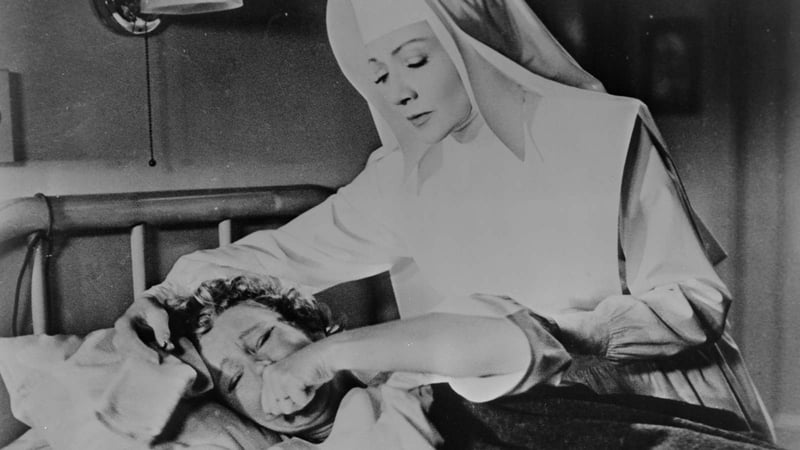
This heartfelt and suspenseful mystery concerns the unexpected relationship that forms between a convicted killer (Ann Blyth) and the nun (Claudette Colbert) who comes to doubt her guilt when the former is stranded at a convent hospital en route to her execution.
Douglas Sirk

1958|
USA|
132 minutes
Fleeting romance blooms for a German soldier on furlough in this haunting, existential World War II drama based on a novel by Erich Maria Remarque. Look for a young Klaus Kinski as a creepy Nazi officer.
Douglas Sirk
1937|
Germany|
104 minutes|
German with English subtitles
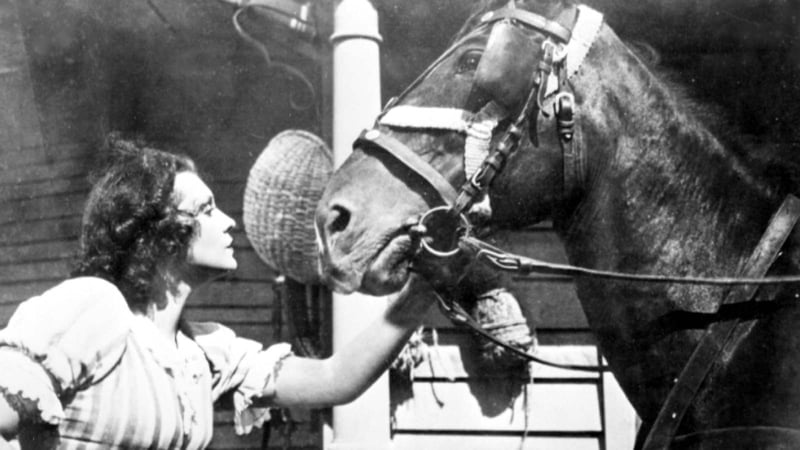
Controversial Swedish superstar Zarah Leander stars as a London music-hall singer serving time in an Australian prison. This sublime, ravishing melodrama finds Sirk in full command of his powers as a master visual stylist.
Douglas Sirk
1956|
USA|
99 minutes
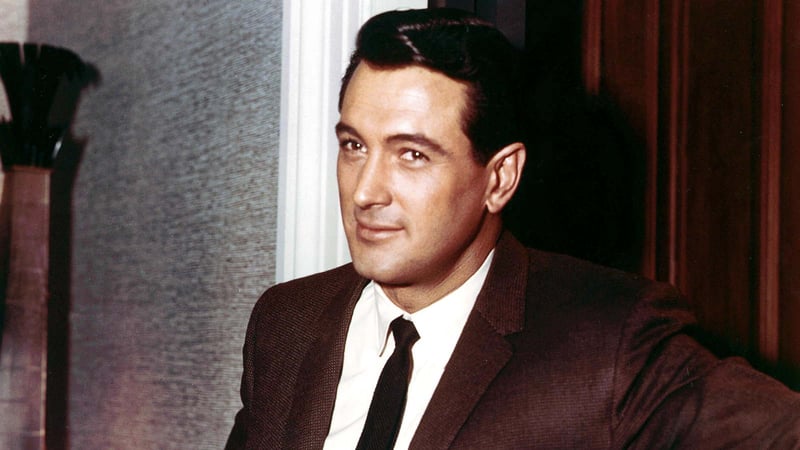
Technicolor has never looked so lurid as in this jaw-droppingly subversive melodrama masterpiece. Rock Hudson and Lauren Bacall are the relatively normal outsiders caught up in a Texas oil family’s depraved domestic horror show.
When Douglas Sirk retired from American filmmaking and returned to Europe at the end of the 1950s, his reputation was that of a director who simply churned out glossy Hollywood weepies. But after a major critical reappraisal, spurred by the critics of Cahiers du Cinéma, the German-born filmmaker was reclaimed as an auteur with a varied body of work, an eye for visual stylization, and a sophisticated understanding of Brechtian artifice, not to mention one of cinema’s greatest ironists.
Long before his iconic melodramas of the 1950s, Sirk began his artistic career in post-WWI Germany as a theater director, under the name Detlef Sierck. By 1935 he had transitioned to motion pictures, but despite his early success, the menace of the Third Reich chased him and his Jewish wife to France, the Netherlands, and eventually Hollywood, where he would direct nearly 30 feature films.
Though Sirk worked on everything from musical comedies (Slightly French) to war films (Battle Hymn) to 3-D Westerns (Taza, Son of Cochise), his self-reflexive visual style and measured compositions—particularly in his later domestic melodramas—today suggest a sharp, socially conscious artist observing Eisenhower America from within the culture industry’s most popular medium, tackling topics including racial identity, religion, sexual repression, and familial relationships.
Sirk’s oeuvre has become a model for a critical cinema that subversively passes as straightforward entertainment. This retrospective, the largest in New York City in decades, tracks his artistry from his early German films through to his early Hollywood forays into multiple genres and on to the now-canonical works of his late career.
Acknowledgments:
Academy Film Archive; British Film Institute; Cinematheque Suisse; Sikelia NY; UCLA Film and Television Archive; Goethe-Institut; Murnau Foundation; George Eastman House; Museum of Modern Art