King Vidor Retrospective
Film at Lincoln Center presents King Vidor, a retrospective of the Academy Award®-winning director’s work, from August 5–14.
King Vidor

1925|
USA|
151 minutes
One of Vidor’s most celebrated works, The Big Parade provided a model for innumerable war movies that followed. A grunt’s epic, the film captured both the chaos of combat—its battle sequences, with their meticulously organized montage, have lost none of their horrifying power—as well as its human face.
King Vidor

1926|
USA|
119 minutes
La Bohème, a tragedy adapted from the same 19th-century source that inspired Puccini’s opera, begins on the first of the month. Rent is due, and the creative types of Paris’s Latin Quarter are frantically pawning their piccolos and scribbling sellable stories in an effort to spare themselves eviction.
King Vidor

1928|
USA|
98 minutes
The Crowd is Vidor’s unflinching study of the American Dream, a supreme example of Vidor’s ability to punctuate a naturalistic style with sequences of searing visual expressiveness. His approach in this movie would prove highly influential on later directors, in particular the Italian neorealists and, later, the French New Wave.
King Vidor

1928|
USA|
102 minutes
One of the great comedies of Hollywood’s silent era, The Patsy stars Marion Davies as Patricia Harrington, an awkward young woman who falls for her older sister’s boyfriend and sets about trying to attract the young man’s interest to hilarious effect.
King Vidor

1928|
USA|
83 minutes
A star, somewhat surprisingly, is born in Vidor’s showbiz satire. Replete with cameos by late-silent-era luminaries (Chaplin and Vidor himself among them), Show People is Vidor at his most metacinematic, and a hilarious look inside the machinery of celebrity.
King Vidor

1929|
USA|
109 minutes
Hallelujah was both Hollywood’s first all-Black cast musical and Vidor’s first sound film. Zeke, a tenant farmer, is cheated out of his earnings by a pair of grifters at a juke joint, and after accidentally killing a man in the fallout that ensues he turns to a life of religion.
King Vidor
1931|
USA|
80 minutes
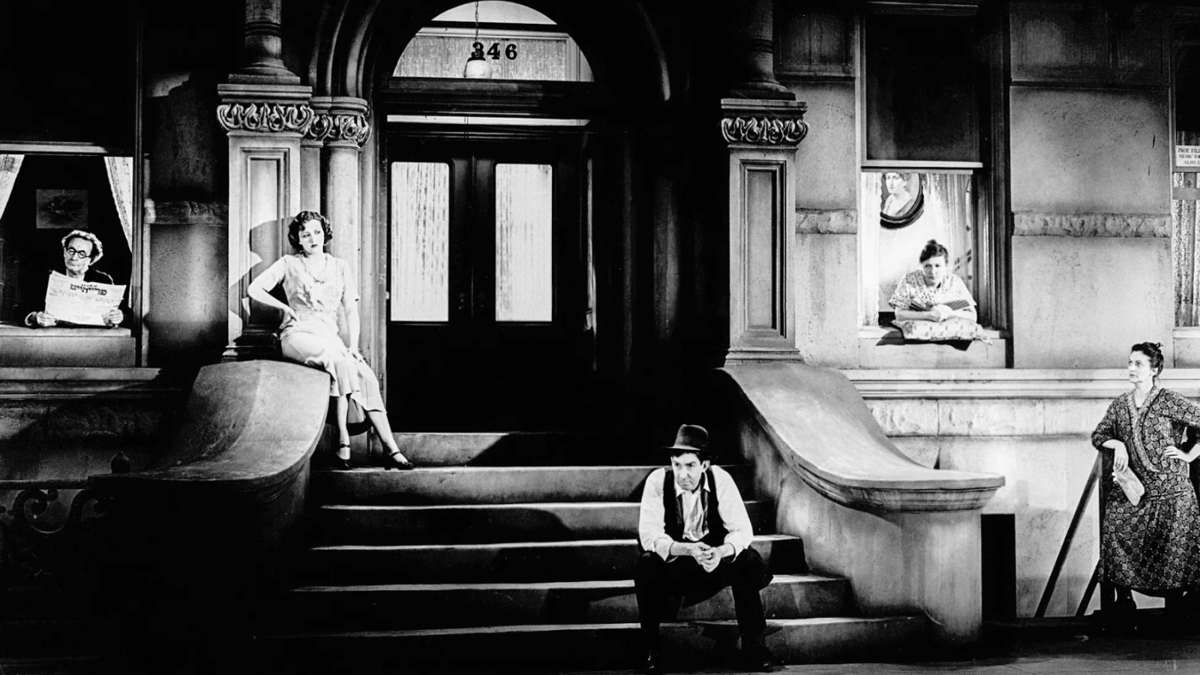
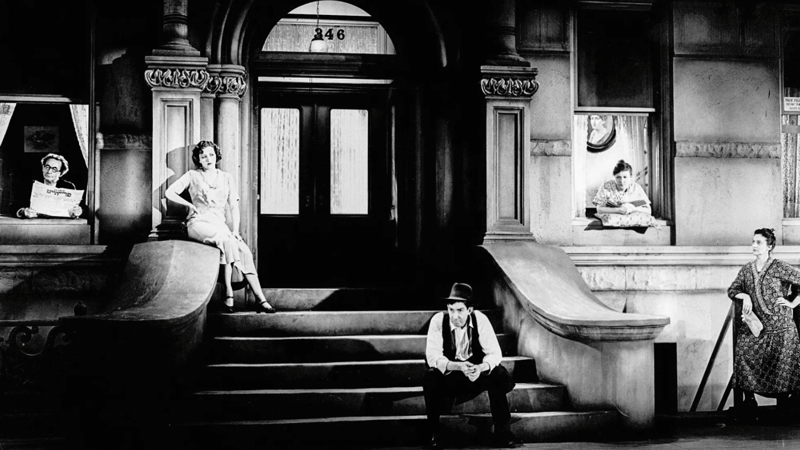
Elmer Rice adapted his own Pulitzer Prize-winning 1929 play for the screen with this drama, set across 24 hours and confined almost exclusively to a single New York City block. Featuring an ensemble cast including Sylvia Sidney, Estelle Taylor and Beulah Bondi.
King Vidor

1931|
USA|
87 minutes
Andy Purcell was once the heavyweight champion of the world, but now, after years of boozing, he’s on the ropes. With sporadic gambling wins, he ekes out a living for himself and his young son, Dink, perhaps the only person in the world who still has faith in the champ.
King Vidor

1932|
USA|
80 minutes
A Pre-Code romance between a strapping young sailor (Joel McRea) and a Polynesian princess (Dolores Del Rio), the movie is something of an outlier in Vidor’s filmography, but for this very reason it stands as a testament to his versatility.
King Vidor

1934|
USA|
71 minutes
A Depression-era couple organizes a cooperative farm in Our Daily Bread, a tremendously moving portrait of solidarity and mutual aid, thanks in part to Vidor’s technical virtuosity. Few other directors could locate a thrilling drama in the construction of an irrigation canal.
King Vidor

1937|
USA|
106 minutes
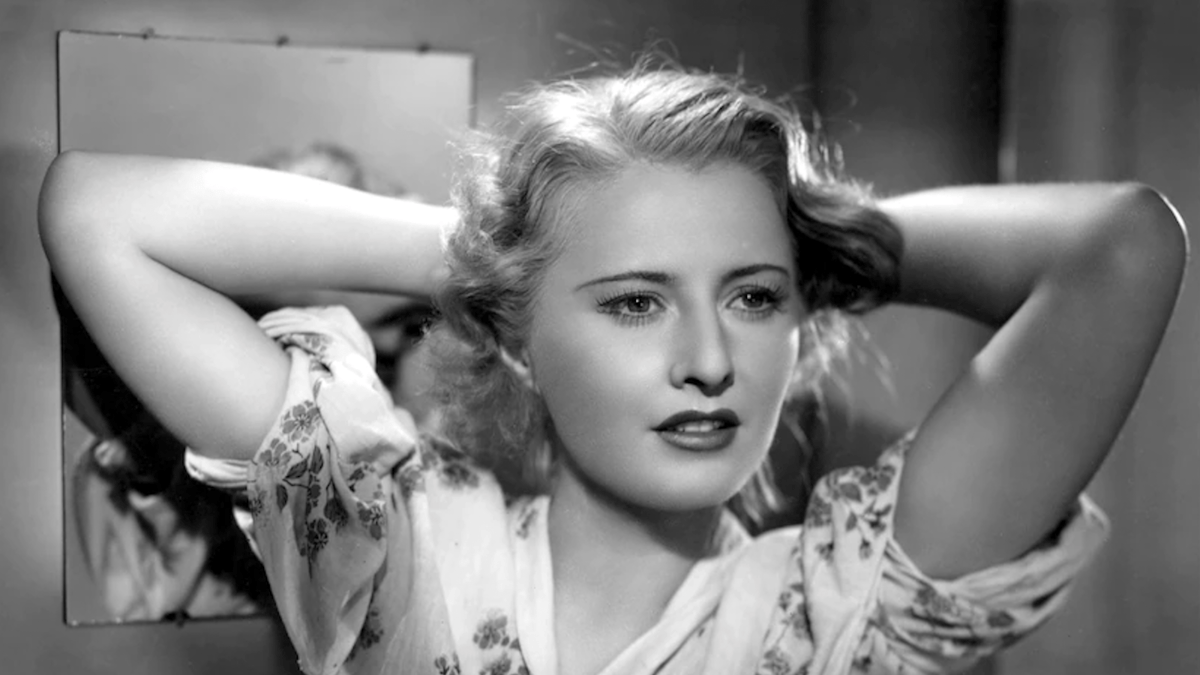
In Vidor’s seminal melodramatic adaptation of Olive Higgins Prouty’s novel, Barbara Stanwyck stars as a millworker’s daughter who can’t quite shake her working-class ways as she does whatever it takes to give her daughter a better life.
King Vidor
1938|
UK|
110 minutes|
English with French subtitles
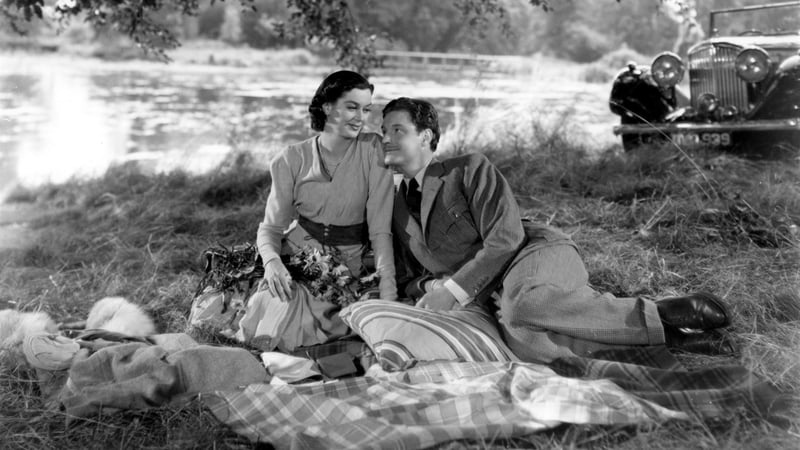
In this adaptation of AJ Cronin’s politically charged 1937 novel, an idealistic young Scottish doctor with dreams of improving the health of the working class arrives in a Welsh mining village, only to learn firsthand the ethically fraught nature of what it takes to have a lucrative medical practice.

King Vidor

1940|
USA|
126 minutes
A hybrid western-historical drama, this Technicolor marvel chronicles the St. Francis Raid during the French and Indian Wars of the mid-18th century. Starring Robert Young and Spencer Tracy.
King Vidor
1941|
USA|
120 minutes
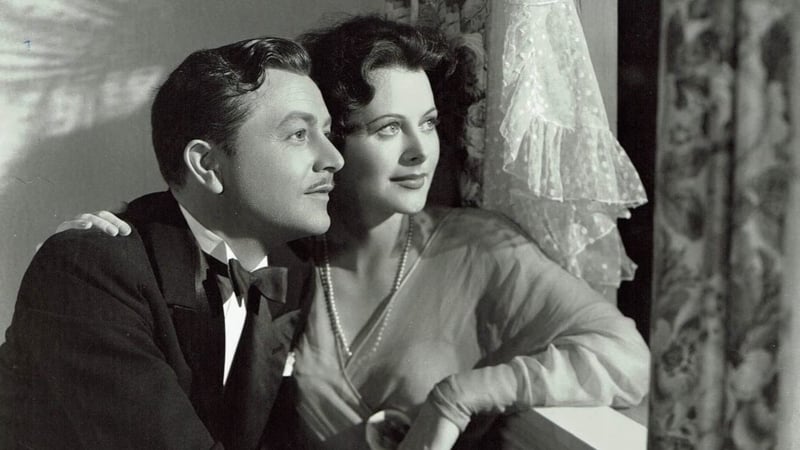
A middle-aged, blue-blooded businessman looks back on his life with regret in Vidor’s 1941 drama, an overlooked gem that spans three decades to examine the American soul and American notions of what constitutes success and a life well-led.
King Vidor

1944|
USA|
121 minutes
The film begins in the late 19th century as a saga of immigration, tracking the journey of an indefatigable Czech farmer as he travels on foot from Ellis Island to the iron pits of Minnesota, later journeying to the foundries of Pittsburgh and, ultimately, the heights of manufacturing in Detroit.
King Vidor
1946|
USA|
129 minutes
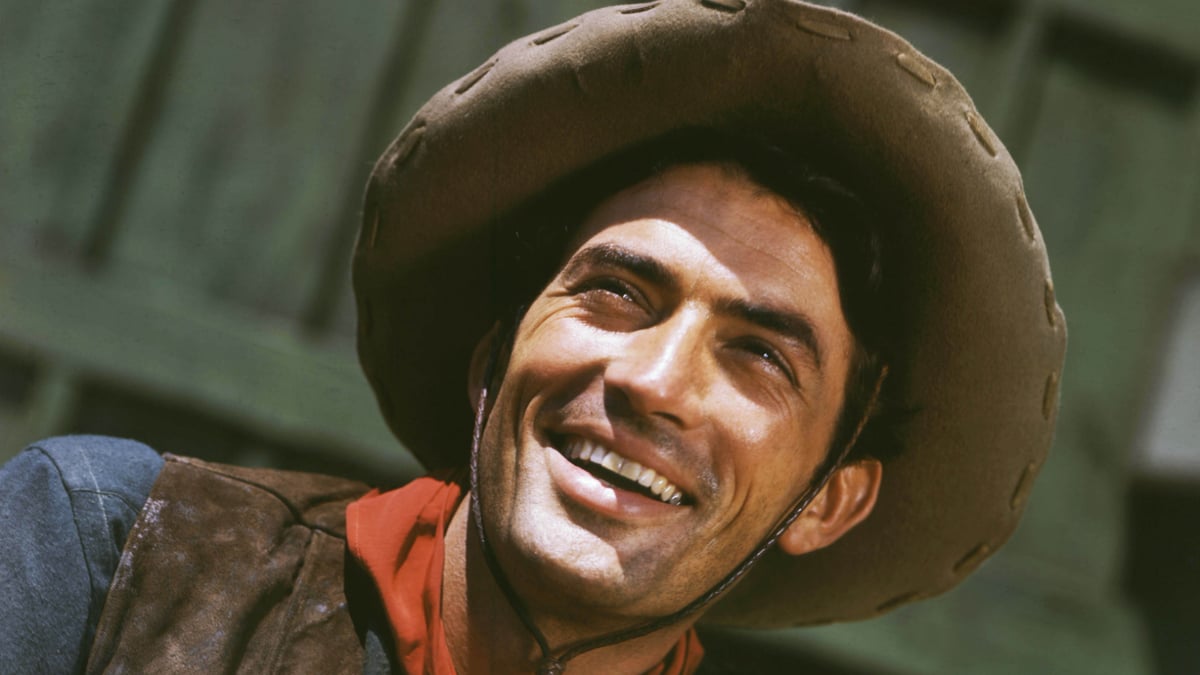
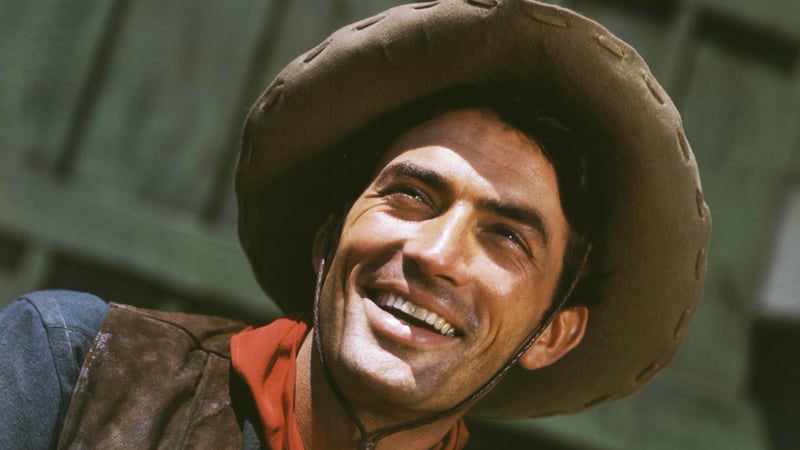
Among Vidor’s best known films, Duel in the Sun endures as one of the most psychologically and politically rich and visually remarkable westerns Hollywood ever produced, starring Jennifer Jones as a mixed race girl sent to live with white relatives after her mother’s murder by her father. Also starring Joseph Cotten and Gregory Peck.
King Vidor

1949|
USA|
114 minutes
Vidor’s take on Ayn Rand’s novel was divisive at the time of its release but has, in the intervening years, come to stand as one of Vidor’s most interesting and personal films. Starring Gary Cooper, Patricia Neal and Raymond Massey.
King Vidor

1952|
USA|
82 minutes
“Ruby Gentry was born on the wrong side of the tracks, and the people of Braddock never let her forget it.” An underrated entry in the canon of women’s revenge films, the film unfurls in rural North Carolina, where the swamp air is thick with gossip, jealousy, and sexual hunger.
King Vidor
1956|
USA, Italy|
208 minutes
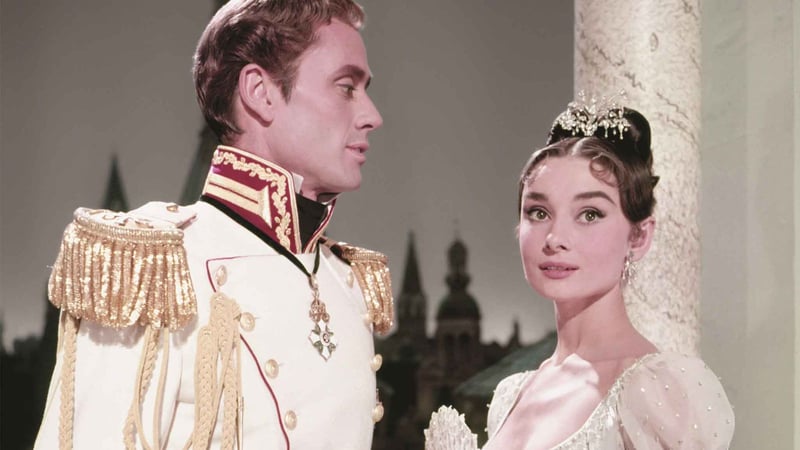
A late-career epic produced by Dino De Laurentiis and shot by Jack Cardiff, Vidor’s adaptation of Leo Tolstoy’s epoch-defining novel is a historical film of unsurpassed scope and depth. Starring Audrey Hepburn, Henry Fonda and countless others.
King Vidor

1964, 1980|
USA|
87 minutes
Later in his career, Vidor made a fascinating pair of documentaries: a primer on metaphysics and a conversation with painter Andrew Wyeth. Closing out our survey is Journey to Galveston, a tender and revealing portrait of Vidor, shot at his ranch in Paso Robles near the end of his life.
Film at Lincoln Center presents King Vidor, a retrospective of the Academy Award®-winning director’s work, from August 5–14.
Tickets are now on sale! Save 20% on membership and get $5 off all tickets year-round.
A fascinating and prolific figure whose career bridged the silent and sound eras of Hollywood, King Vidor completed over 50 feature films during a career that spanned nearly seven decades. Vidor’s cinema, rich with idiosyncratic takes on well-trod Hollywood forms, arced across a wide range of genres, from the Western to the musical to the maternal melodrama (late in his career, he even produced a philosophical primer on metaphysics). These movies also made a considerable impression on the critics-turned-directors of Cahiers du Cinéma and the French New Wave, namely Luc Moullet and Jean-Luc Godard. Yet, for all his on-screen achievements, Vidor is seldom given his due as one of the studio system’s enduringly great auteurs. Join us at FLC as we seek to change that with a long-awaited retrospective, a survey of his vast body of work that highlights his most celebrated pictures alongside undersung efforts.
Notable films include but are not limited to: Vidor’s most acclaimed film, The Big Parade, often considered a model for numerous future war movies; Vidor’s adaptation of Olive Higgins Prouty’s 1923 novel Stella Dallas, featuring Barbara Stanwyck as of one of the most indelible heroines of Hollywood’s Golden Age; Comrade X, part spy film, part screwball satire starring Clark Gable and Hedy Lamarr, which prophetically anticipated the invasion of Russia and Ukraine by Germany less than a year after its release; and Duel in the Sun, a Western staged as a grand, Freudian frenzy.
As a special treat for filmgoers and Vidor fans alike, there will be live musical accompaniment to select screenings of four silent films in the retrospective: La Bohème, The Crowd, The Patsy, and Show People, performed by Donald Sosin, well-known for creating and performing music for silent films.