Manoel de Oliveira’s Tetralogy of Frustrated Love
Literary adaptations that sprawled in length but kept a coiled focus, moved austerely but pulsed with sensual energy, drew on 19th-century theatrical conventions but relied just as heavily on self-reflexive meta-gestures, the films in Oliveira’s Tetralogy of Frustrated Love signaled the arrival of a one-of-a-kind cinematic voice.
Literary adaptations that sprawled in length but kept a coiled focus, moved austerely but pulsed with sensual energy, drew on 19th-century theatrical conventions but relied just as heavily on self-reflexive meta-gestures, the films in Oliveira’s Tetralogy of Frustrated Love signaled the arrival of a one-of-a-kind cinematic voice. Tickets on sale February 11. See more and save with a 3+ Film Package.
Manoel de Oliveira

1972|
Portugal|
115 minutes|
Portuguese with English subtitles
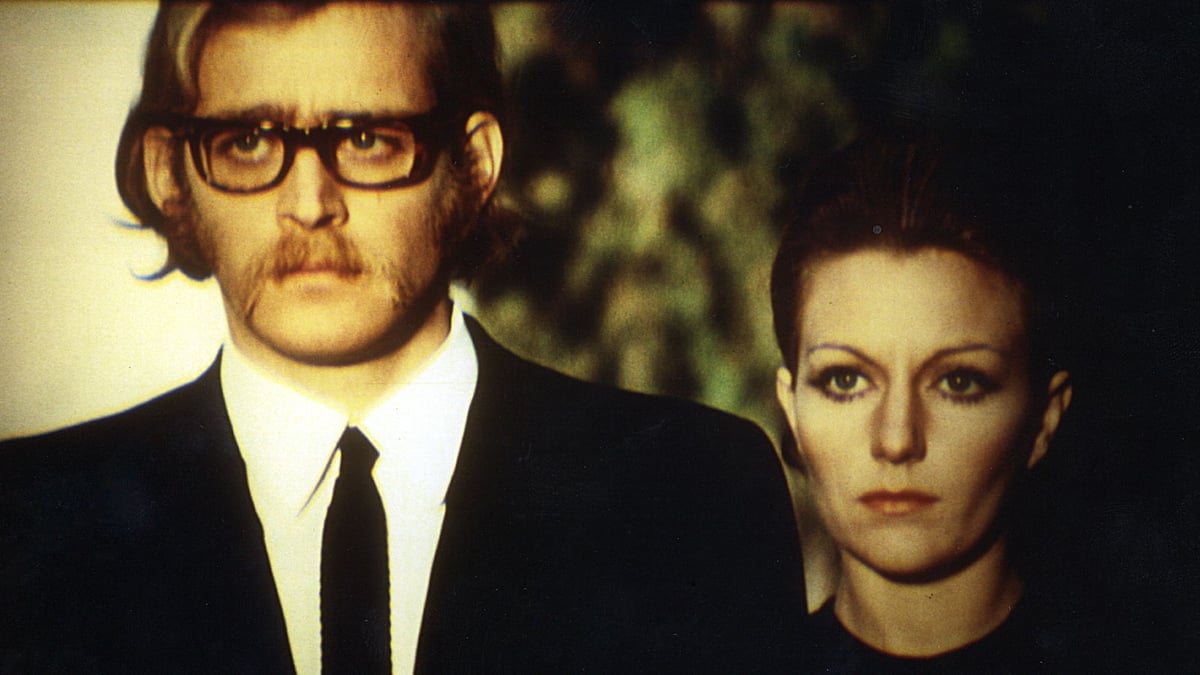
Adapting a darkly comic play about a widow with a habit of falling in love with her husbands after their deaths, Oliveira turned his attention away from Portugal’s rural poor and toward the country’s petty, scheming bourgeoisie.
Manoel de Oliveira
1975|
Portugal|
112 minutes|
Portuguese with English subtitles
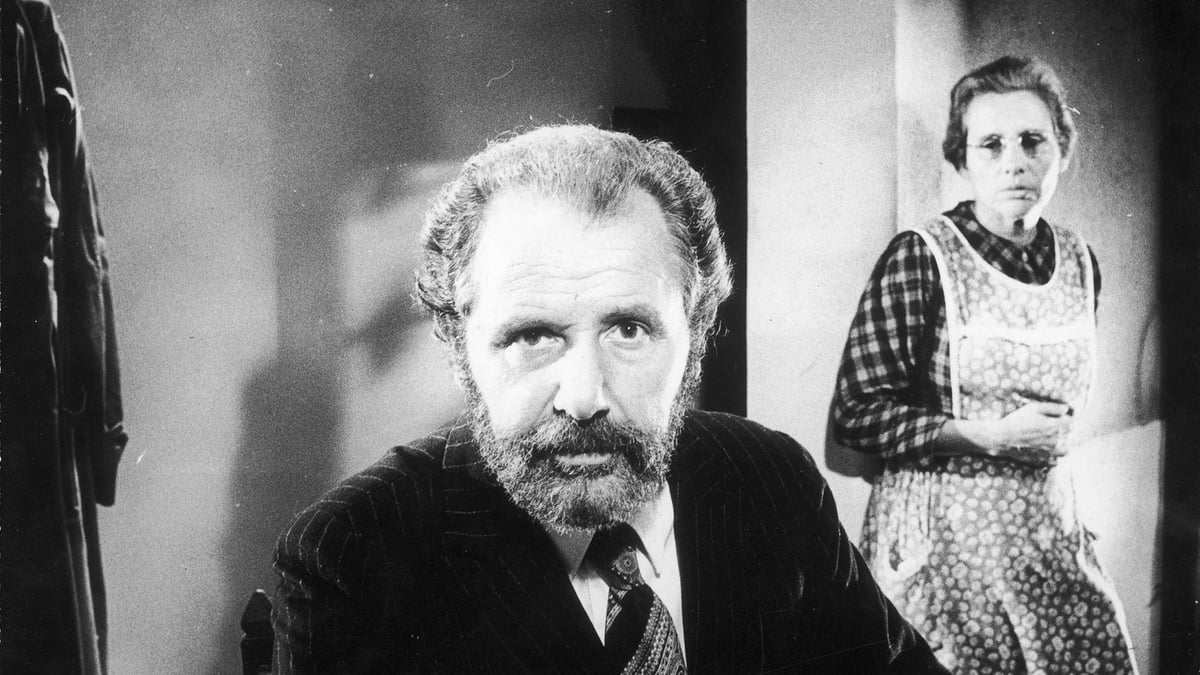
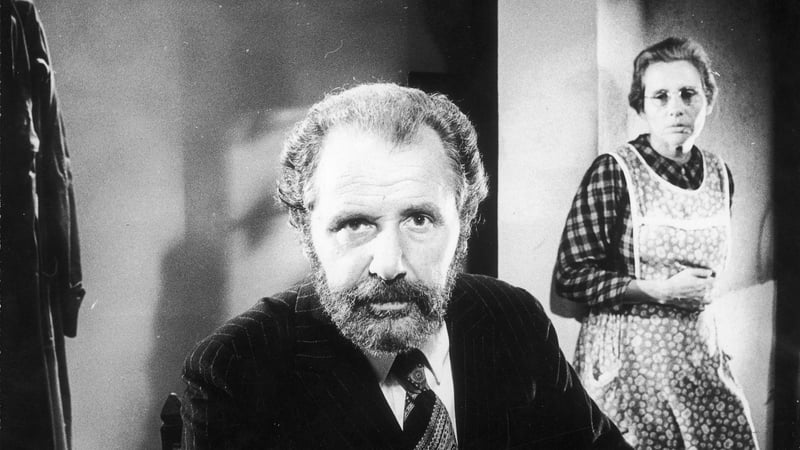
Oliveira’s fourth feature was one of his major breakthroughs as a filmmaker: a sensual, deeply ambiguous fable about a sheltered young woman who tells her wealthy, religious parents that she’s been impregnated in the wake of an angelic visitation.
Manoel de Oliveira

1979|
Portugal|
252 minutes|
Portuguese with English subtitles
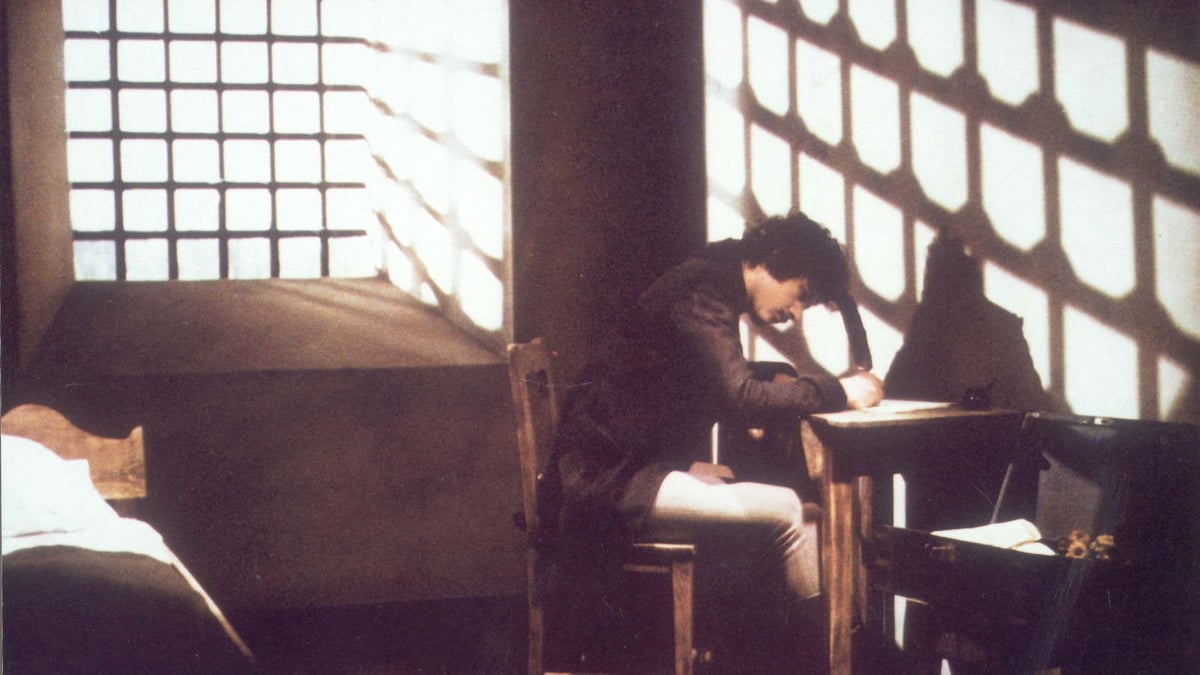
The nearly four-and-a-half-hour centerpiece of Oliveira’s tetralogy, adapted from a hugely popular 1862 novel about two star-crossed lovers, drew outrage in Portugal but won widespread acceptance abroad as a milestone in ’70s art-house cinema.
Manoel de Oliveira

1981|
Portugal|
166 minutes|
Portuguese with English subtitles
Camilo Castelo Branco, the author of the novel from which Oliveira adapted Doomed Love, emerged as a character in the director’s next film—a sinister portrait of a mutually destructive love affair with surprising connections to Oliveira’s own family history.
Manoel de Oliveira’s death in 2015, at age 106, deprived the cinema of one of its living legends and one of its most prolific, surprising working artists. Oliveira’s rate of production famously soared in the last decades of his life, but it was the four films he made in Portugal between 1972 and 1981, when he had already entered his sixties, that established his international reputation. Literary adaptations that sprawled in length but kept a coiled focus, moved austerely but pulsed with sensual energy, drew on 19th-century theatrical conventions but relied just as heavily on self-reflexive meta-gestures, the films in Oliveira’s Tetralogy of Frustrated Love—presented here in very rarely screened 35mm prints—signaled the arrival of a one-of-a-kind cinematic voice.
Organized by Dennis Lim and Florence Almozini. Special thanks to the Cinemateca Portuguesa and Pedro Costa.